 5.0 Excellent

Dorine M1 year ago

Grateful experience
As a solo female traveler, I felt super safe and well taken care of the entire time.
Read more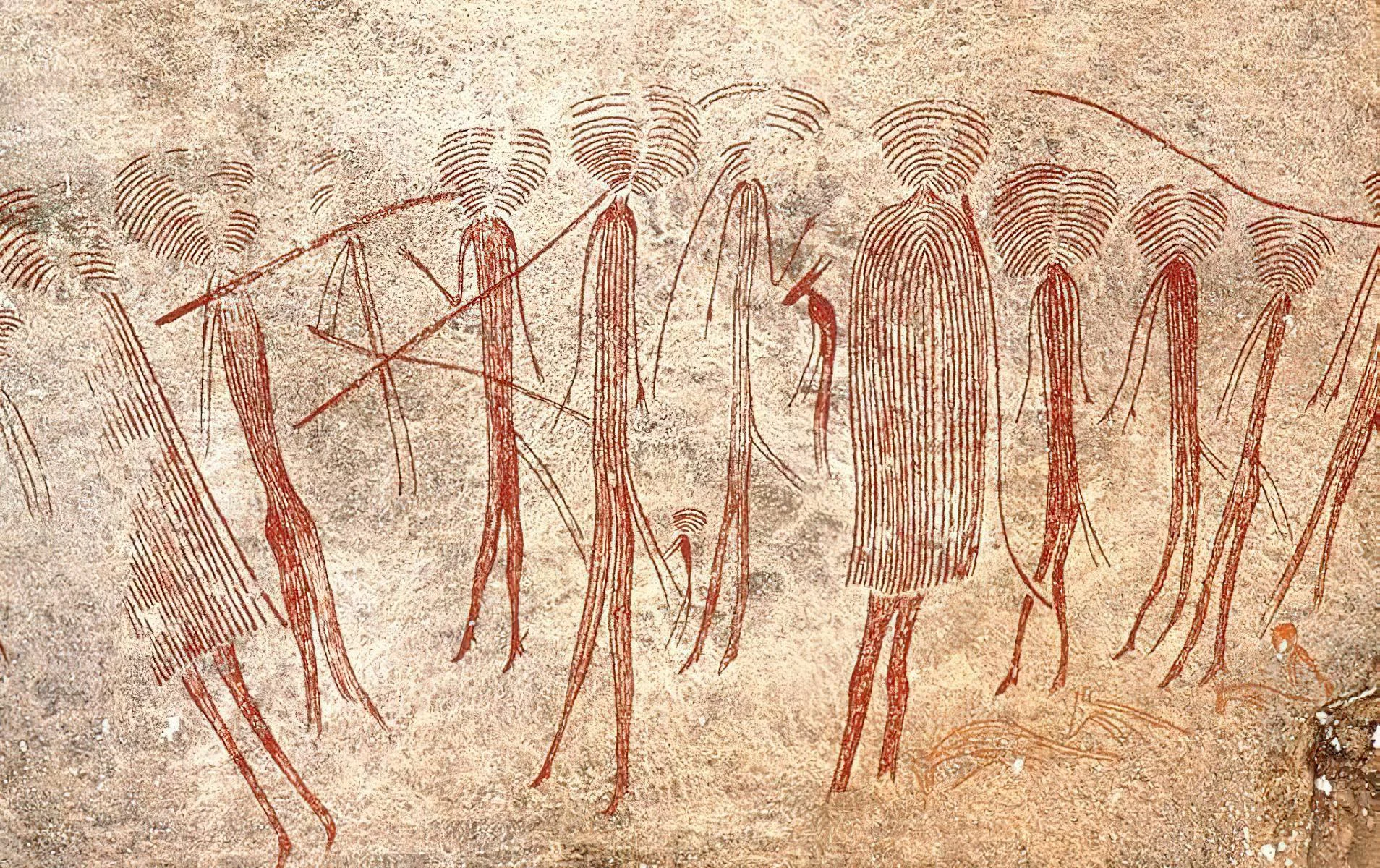
Central Circuit
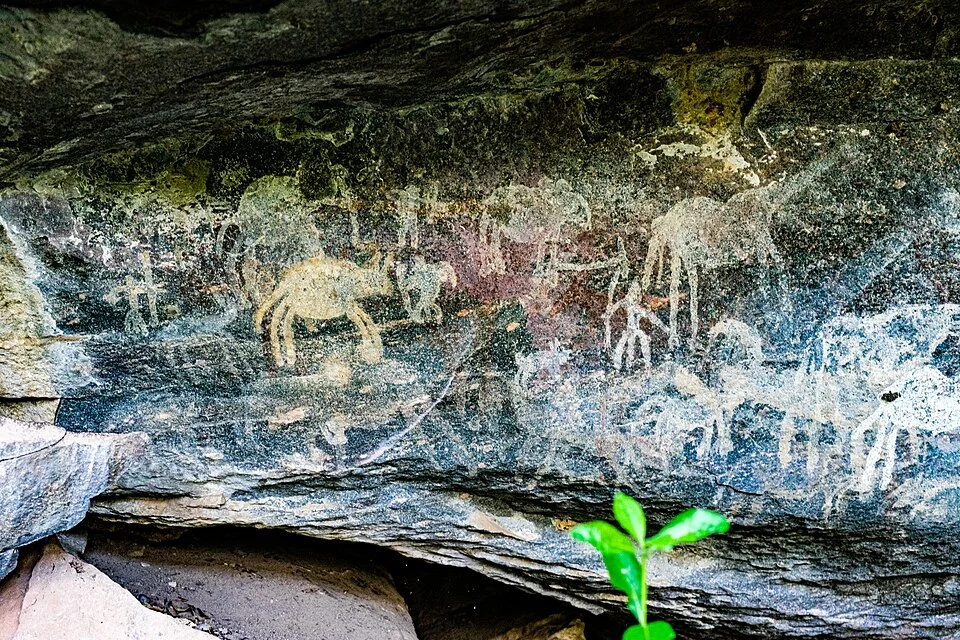
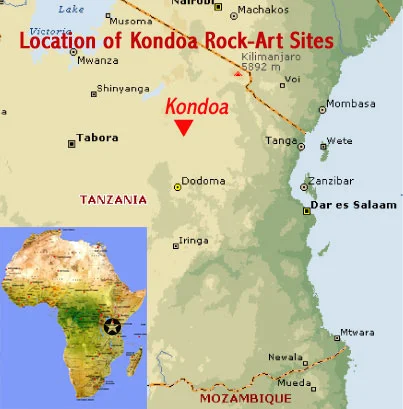
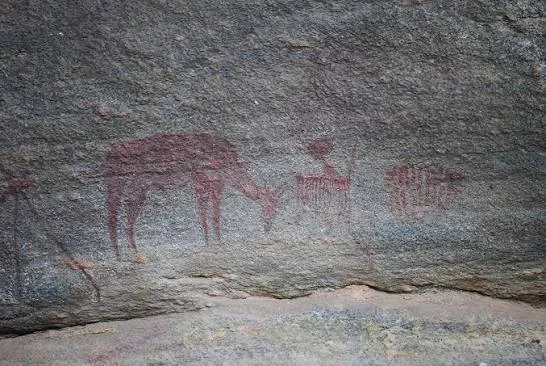
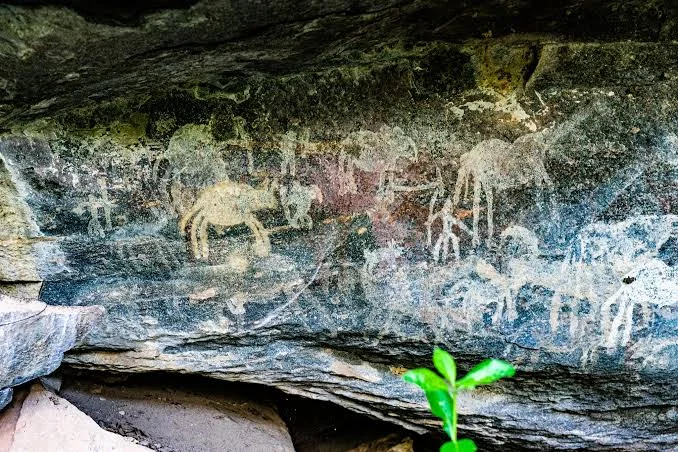
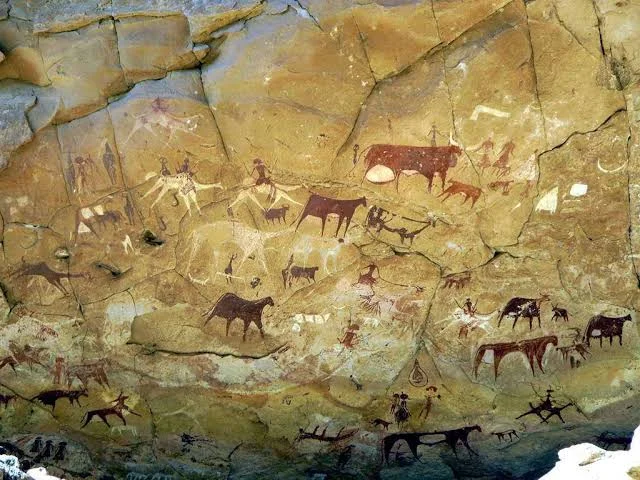
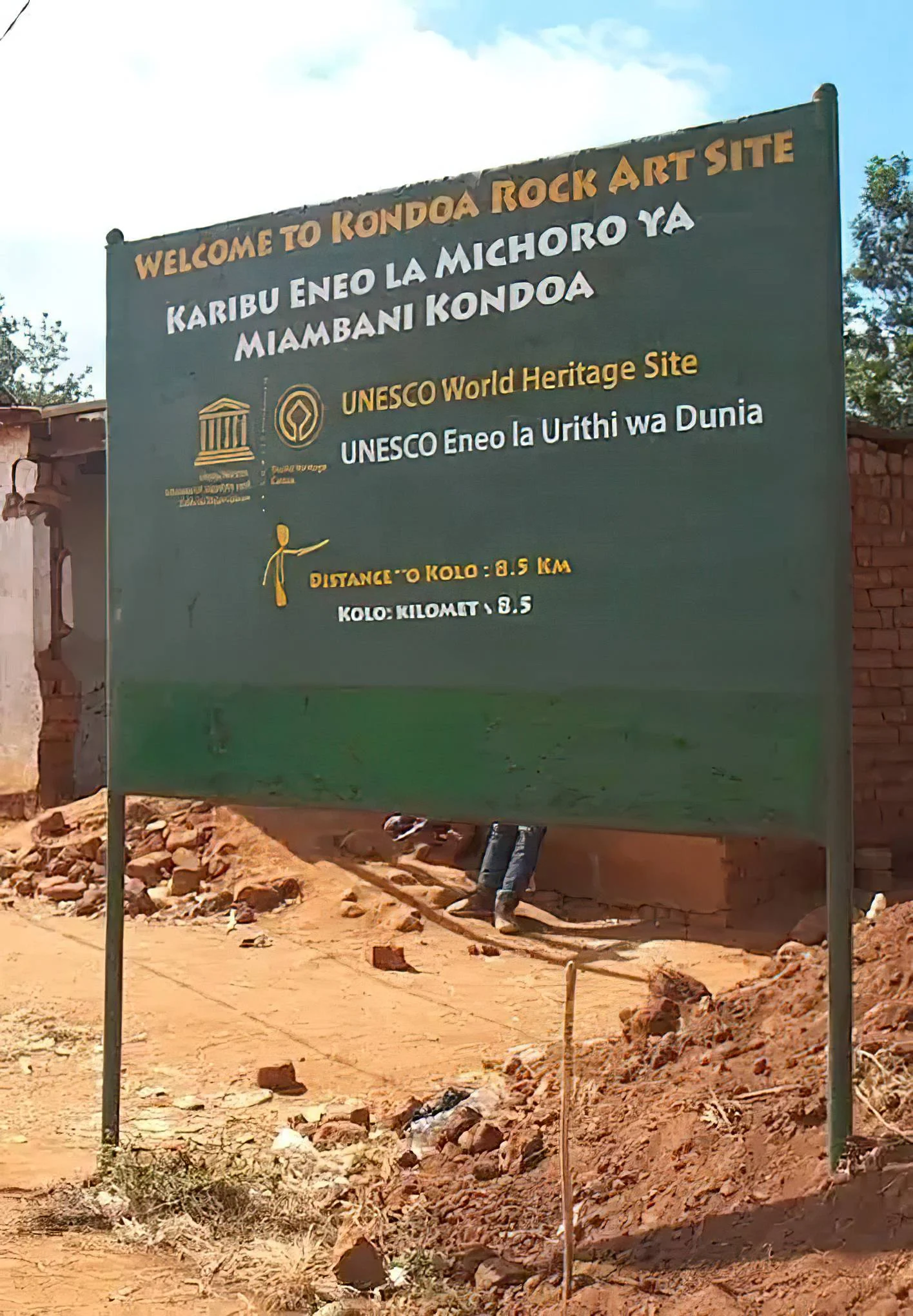
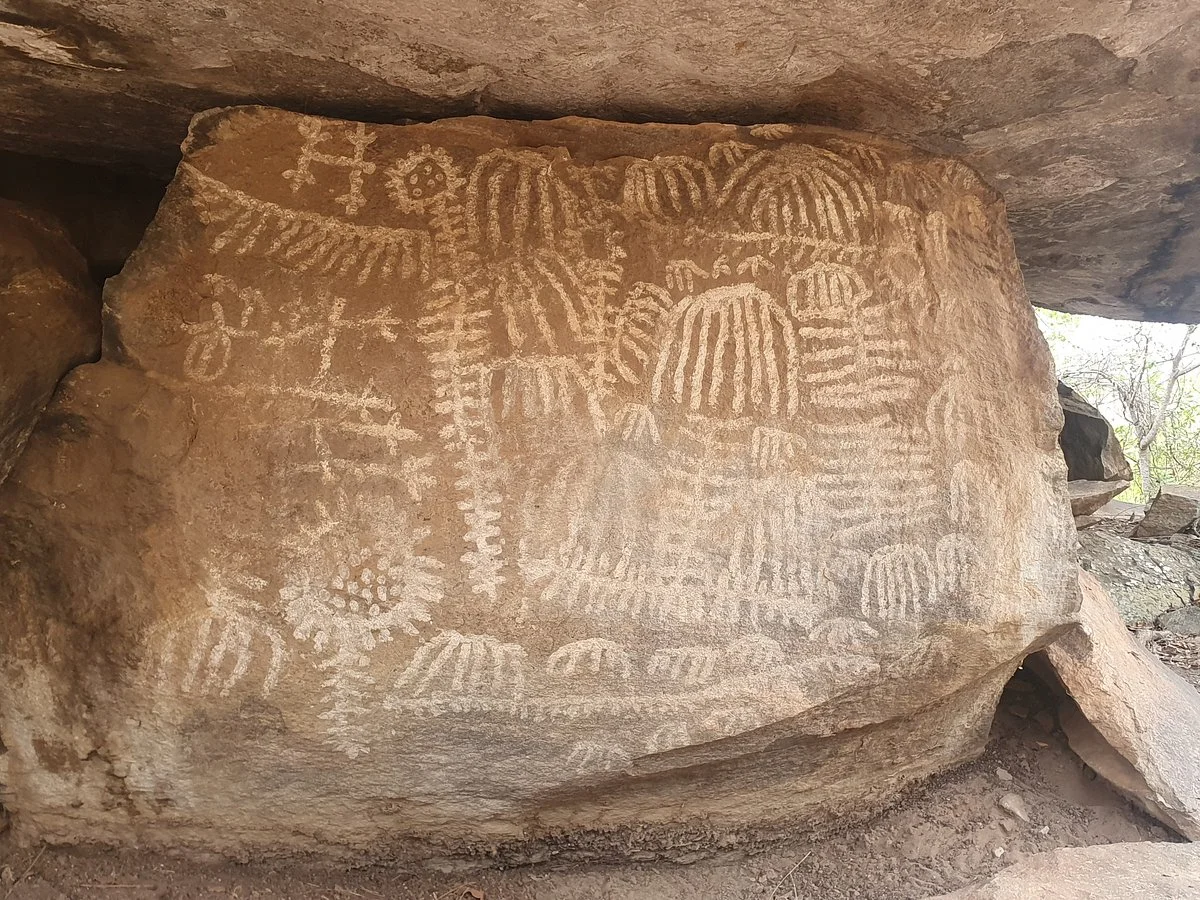
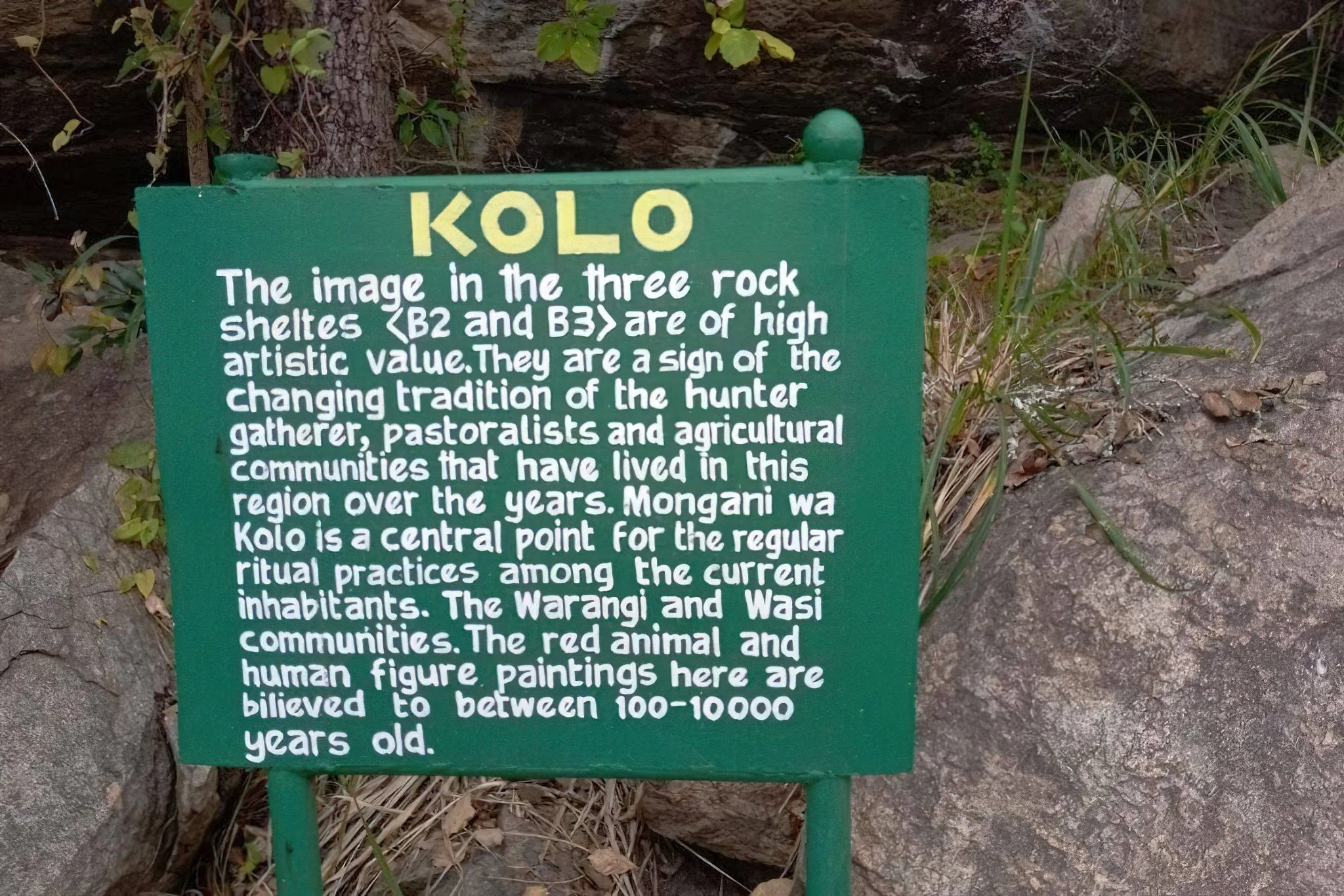
Kondoa Rock Art Sites reveal a remarkable chapter of Tanzania’s human history through paintings preserved on natural rock shelters in the hills of central Tanzania. Located in Kondoa District in the Dodoma Region, the wider cultural landscape became a UNESCO World Heritage Site in 2006. A visit offers a thoughtful contrast to a wildlife safari: walking between rocky slopes and shaded shelters, examining painted figures and listening to the stories that connect the landscape with the people who have lived here. Kondoa is a collection of sites spread across a large area, rather than a single cave or museum. The World Heritage property covers approximately 2,336 square kilometres, and more than 150 decorated shelters have been documented within the wider collection. The actual number is not definitively established. The paintings belong to different periods and artistic traditions, reflecting hunter-gatherer and later farming and pastoral communities. They should not all be assigned the same date or attributed to one group of people. Look closely at human figures, animals and geometric forms, with different panels showing different colours, styles and layers. Some images are faint and need patient observation from the permitted viewing position. A knowledgeable guide can help identify visible forms and distinguish what can be observed from what remains an interpretation. The traditions represented span at least two millennia, while the dating of individual paintings is often uncertain. The importance of the visit lies in this depth of cultural expression, rather than in an unsupported claim that every image has a precisely known age. Kolo is a practical starting point for many visitor itineraries. Selected shelters in the Kolo area provide an introduction to the rock art, while a longer, pre-arranged programme may include another group of sites, such as Pahi, when access is permitted. Your guide and the site team should decide which places are appropriate to visit on the day. A short visit can never cover the entire World Heritage landscape, and the best programme allows time to understand a few panels instead of rushing between many locations. The sites are also part of living heritage. Some shelters retain cultural or ritual significance for nearby communities. Visitors should approach these connections respectfully and understand that a sacred place is not automatically a public performance space. Ceremonies, private traditions and community encounters should never be promised as routine tourist attractions. Ask before photographing people, listen to local guidance and respect any restriction on access or photography. Expect an outdoor visit with walking on uneven ground, uphill sections and rocks underfoot. The effort depends on the shelters selected, weather and the pace of the group. Comfortable closed footwear, drinking water and sun protection are useful throughout the year. The generally drier months from June to October are a practical window for walking and road access. During wetter periods, slippery paths and local tracks may limit the route, so build flexibility into the itinerary and confirm conditions before departure. Allow several hours for a focused guided visit, excluding the journey from your overnight base. Travellers with a deeper interest in archaeology, art or cultural history may prefer a full day or an overnight stay near Kondoa. The destination can form part of a road itinerary between northern Tanzania and Dodoma, with realistic driving time and a suitable vehicle arranged in advance. TanzaLux can coordinate transfers, local guiding and the visit around your interests and walking ability. Confirm admission, guiding, meals, accommodation and the specific sites included before booking. Help protect the art by keeping your hands and belongings away from the painted surfaces. Never wet, chalk, trace, scratch or attempt to clean a panel to make it easier to see. Stay on the approved route and follow the guide’s instructions. Careful observation and responsible photography preserve the experience for future visitors.
The wetter period, broadly from late November or December into April, can bring green hills and changeable conditions. Rain may make the final access tracks difficult and the walking route slippery. Visits depend on the current condition of the selected shelters and paths. Carry a light rain layer, protect cameras and leave time for the guide to adjust the route. Do not assume that every shelter is accessible or that low-season accommodation prices apply.
May and November can be transitional months, with conditions depending on when the rains end or begin. A flexible itinerary can work well, but check local track and trail conditions before departure. The landscape may retain greenery after rain, while warmer conditions can build before the wetter period. Start walks at a comfortable time, carry water and agree which shelters will be visited. Season labels describe typical conditions rather than a guaranteed weather pattern.
June to October is generally a practical dry-season period for visiting. Drier paths and more manageable access tracks can make hill walking easier, though uneven ground still requires care. Mornings may be cooler and exposed slopes can warm up during the day. Carry a light layer, water and sun protection. This is a useful planning window rather than a guarantee of access to every site; local permissions and the chosen route must still be confirmed.
Many visits begin around Kolo village, north of Kondoa town, on the main road corridor connecting Arusha with Dodoma. Plan the journey to the agreed local meeting point, then continue to the selected shelters with a knowledgeable guide. The final approach involves local tracks and walking; reaching Kolo by road does not mean that every painting is beside the highway. Kondoa can be used as a nearby overnight base, while Dodoma and Arusha require longer road transfers. Kolo is roughly 25 kilometres north of Kondoa town. For a visit starting in Dodoma or Arusha, agree a realistic hotel-to-site transfer time that includes road conditions, stops and the final access route. A full-day excursion or a stop within a longer road itinerary may be more comfortable than a rushed return journey. Do not treat Kondoa as a short detour from every northern safari lodge. For air arrivals, Dodoma Airport can serve a central Tanzania itinerary, while Kilimanjaro International Airport or Arusha Airport may suit a journey starting in the north. Flight availability and onward road arrangements should be confirmed for the actual travel dates. The rock art visit itself is reached by road and on foot. Arrange the authorised guide, admission and specific shelters before arrival. Use a vehicle suitable for the final local approach, especially in wet weather. Tell the team about mobility limitations, children’s walking needs or any requirement for a gentler route. Uphill paths, rocks and uneven ground mean that access should not be described as universally wheelchair friendly. Bring water, closed walking shoes, sun protection and the meal or picnic arrangement agreed with your operator. Confirm toilet facilities and other practical stops before the walk. Follow local access and photography instructions, return with enough daylight for the road journey and allow additional time if visiting more than one group of shelters.
They are in Kondoa District in Tanzania’s Dodoma Region. The heritage landscape includes many separate shelters, with Kolo serving as a practical starting point for several visitor routes.
Yes. The cultural landscape was inscribed in 2006 for its rock art and its continuing connections with local cultural traditions. The listing covers a wider area, not just one visitor shelter.
Kondoa refers to the town, district and wider heritage area; Kondoa Irangi is another name used for the rock paintings. Kolo is a village associated with accessible visitor sites. Confirm your meeting point and the shelters included in the booking.
You will visit selected natural rock shelters with painted panels. Visible subjects can include human figures, animals and geometric forms. The exact panels, walking route and number of shelters depend on the agreed programme and access conditions.
The artistic traditions span at least two millennia, but individual panels are not all securely dated. Some claims about much older ages remain debated or site-specific. A good guide should distinguish established evidence from estimates and interpretation.
Different images are associated with hunter-gatherer, farming and pastoral traditions over time. It is misleading to attribute every painting in the wider landscape to a single community or period. Ask your guide about the evidence for the particular panel you are viewing.
It is a large collection of decorated shelters and rock faces across a cultural landscape. A typical visit covers a small selection, rather than every known site. Plan additional time if you want to explore more than one group of shelters.
The Kolo area is a practical introduction for many visitors. A longer programme may include another group, such as Pahi, when permission and conditions allow. Let the guide recommend a route suited to your interests, time and walking ability.
Arrange a knowledgeable authorised local guide through the site team or your operator. Guiding helps with access, finding the permitted route, recognising faint imagery and understanding the cultural context. Confirm admission and guide charges before arrival.
Allow several hours for a focused guided outing, excluding road transfers. A full day gives more time for interpretation or additional sites. Your operator should estimate the duration using the specific shelters and walking route you intend to visit.
June to October is generally a practical period for drier walking and road conditions. Visits in other months depend on local rainfall and access. Check the selected route shortly before departure and keep some flexibility during wetter weather.
They may be visited when the local team considers access suitable. Rain can affect tracks and make rocks or paths slippery, so some shelters may need to be omitted. A suitable vehicle, good footwear and a flexible programme are helpful.
Expect uneven ground, rocks and possible uphill sections. Difficulty varies between shelters and with the weather. Tell the team about your fitness, mobility or walking concerns so they can propose an appropriate route and pace.
Children with an interest in art or history can enjoy a carefully paced visit, with close supervision on rocky paths and around the paintings. Discuss walking distances, heat and rest stops in advance, and explain why the painted surfaces must never be touched.
Access must be checked for the particular route. Shelters often require walking over uneven or sloping terrain, so a fully accessible visit should not be assumed. Discuss assistance needs with the local team before booking.
Ask the guide for the current photography rules at each shelter. Photograph from approved positions and follow any restrictions on flash or equipment. Obtain permission before photographing people, private traditions or activities with cultural significance.
No. Keep hands, bags and equipment away from the panels. Never chalk, trace, scratch, wet or attempt to clean an image. These actions can damage fragile surfaces; ask the guide to help identify faint features through careful observation.
Some shelters retain ritual importance, but ceremonies are not a guaranteed tourist activity. Access to private or sacred practices requires the community’s agreement. Respect refusals, restrictions and requests not to photograph.
Bring closed walking shoes, water, a hat, sunscreen and a light layer or rain protection as needed. The cost depends on admission, guiding, transport, the sites included, meals and accommodation. Request an itemised quote for your dates and group.
Kondoa can be included in a road journey between northern Tanzania and Dodoma, or a longer itinerary focused on archaeology and cultural heritage. Wildlife parks and other stops need separate transfer planning. Agree overnight locations and driving times before adding multiple destinations.
Grateful experience
As a solo female traveler, I felt super safe and well taken care of the entire time.
Read morePrivate Safari 6 days
I can only highly recommend the young company Tanzalux for organizing a private safari.
Read moreAn unforgettable vegetarian journey with Tanzalux Safaris
I highly recommend Tanzalux for anyone wanting a special, personalized safari.
Read moreOur 3-day camping safari with Tanzalux was simply fantastic! Everything was perfectly organized.
Read moreBack in April, I joined a day trip to Tarangire National Park with Tanzalux Safaris, and it was truly one of the best experiences I have ever had…
Read moreI've had an amazing experience with Tanzalux Safaris, would 1000% recommend! Thank you for making my trip so special🫶
Read moreI recently visited Meru Waterfalls in Arusha and got to do some of the activities there, honestly it was such a great experience and I really enjoyed it.
Read moreOur guide Dullah Mr Rastaman had the best vibe. I would like to recommend other people not to miss it, Tarangire is the best national park.
Read moreOur tour guide Nasri was very friendly and welcoming from the first day we met him. He knows Tarangire very well and explained many things during the safari.
Read moreAs a grandmother in the group, I would like to share my happiness with Tanzalux Safaris. Me, my daughters, and my grandson went on a short trip to Tarangire National Park…
Read moreReceive a free, no obligation quote

 Western Circuit
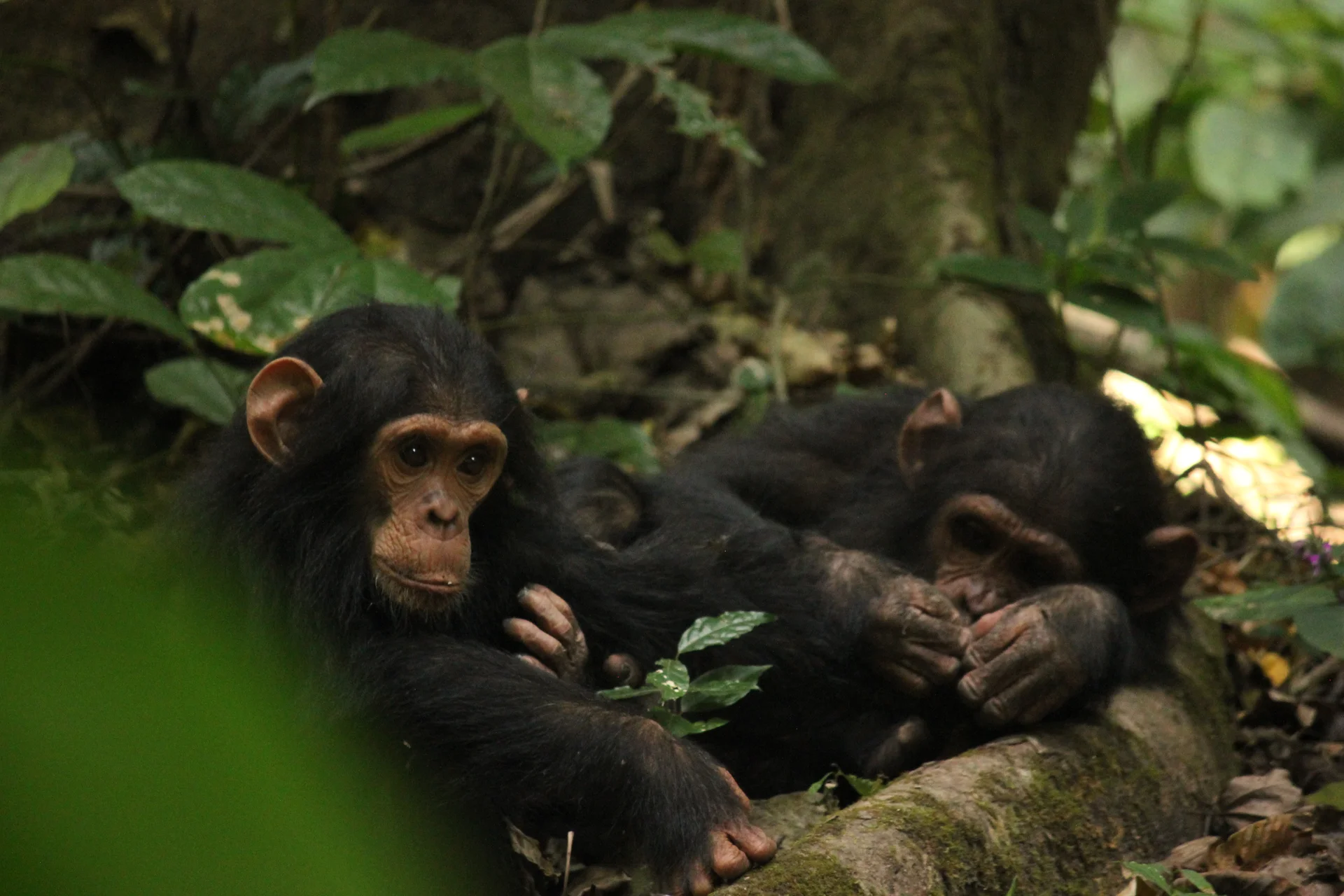
Gombe Stream National Park, also known as Gombe National Park, combines wild chimpanzee trekking with forested hills and the shores of Lake Tanganyika. In Kigoma…
Wildlife
Chimpanzees & Olive baboons
Landscape
National Parks & Safari
Highlights
Wild chimpanzee trekking with park rangers
 Southern Circuit
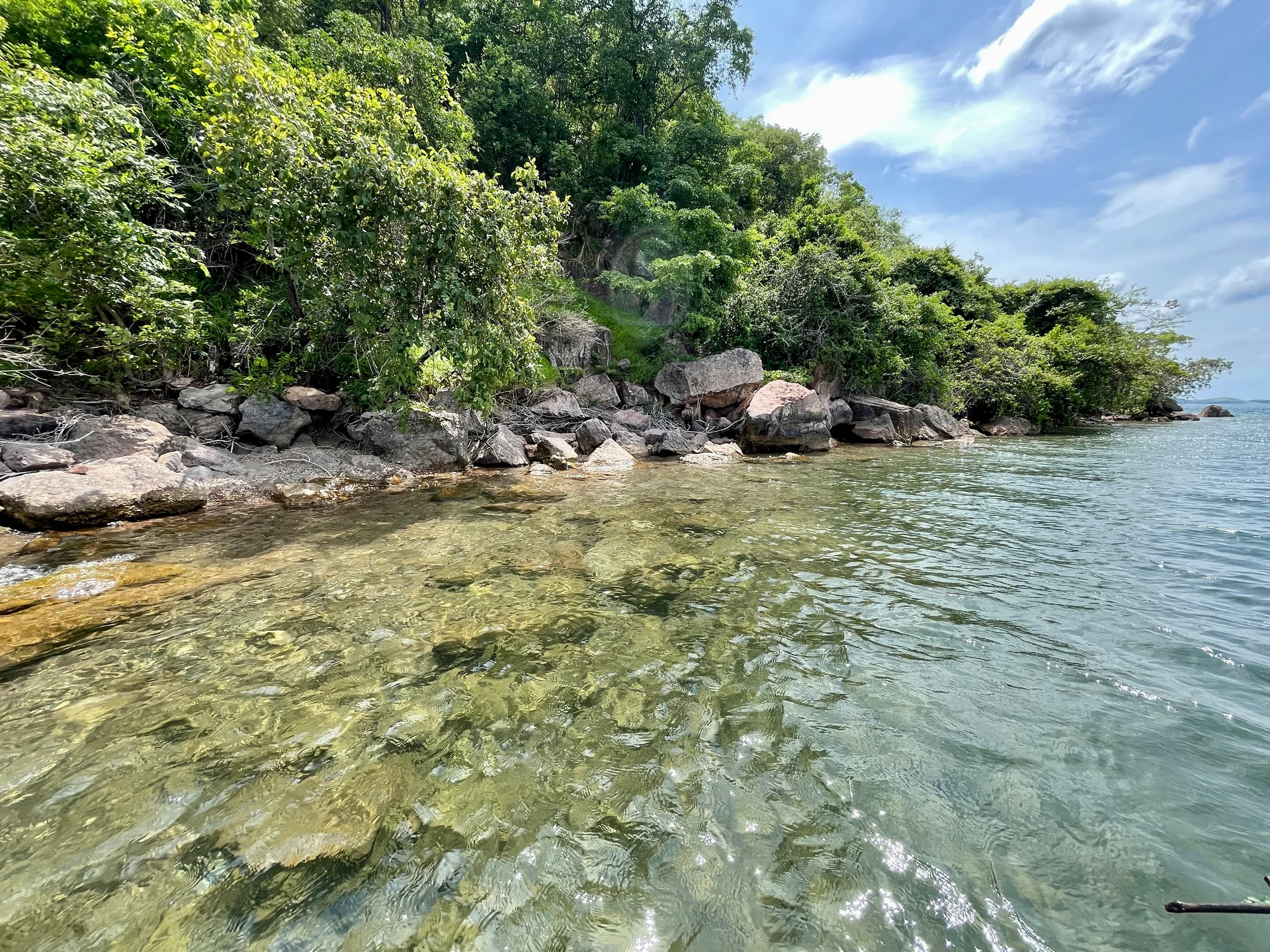
Lake Tanganyika offers a striking freshwater setting along Tanzania’s western frontier: broad blue horizons, wooded shores, bays, beaches and communities whose daily life is closely…
Wildlife
Endemic cichlid fish & Other freshwater fish
Landscape
Lakes & Hot Springs
Highlights
Africa’s deepest freshwater lake in the East African Rift
 Northern Circuit
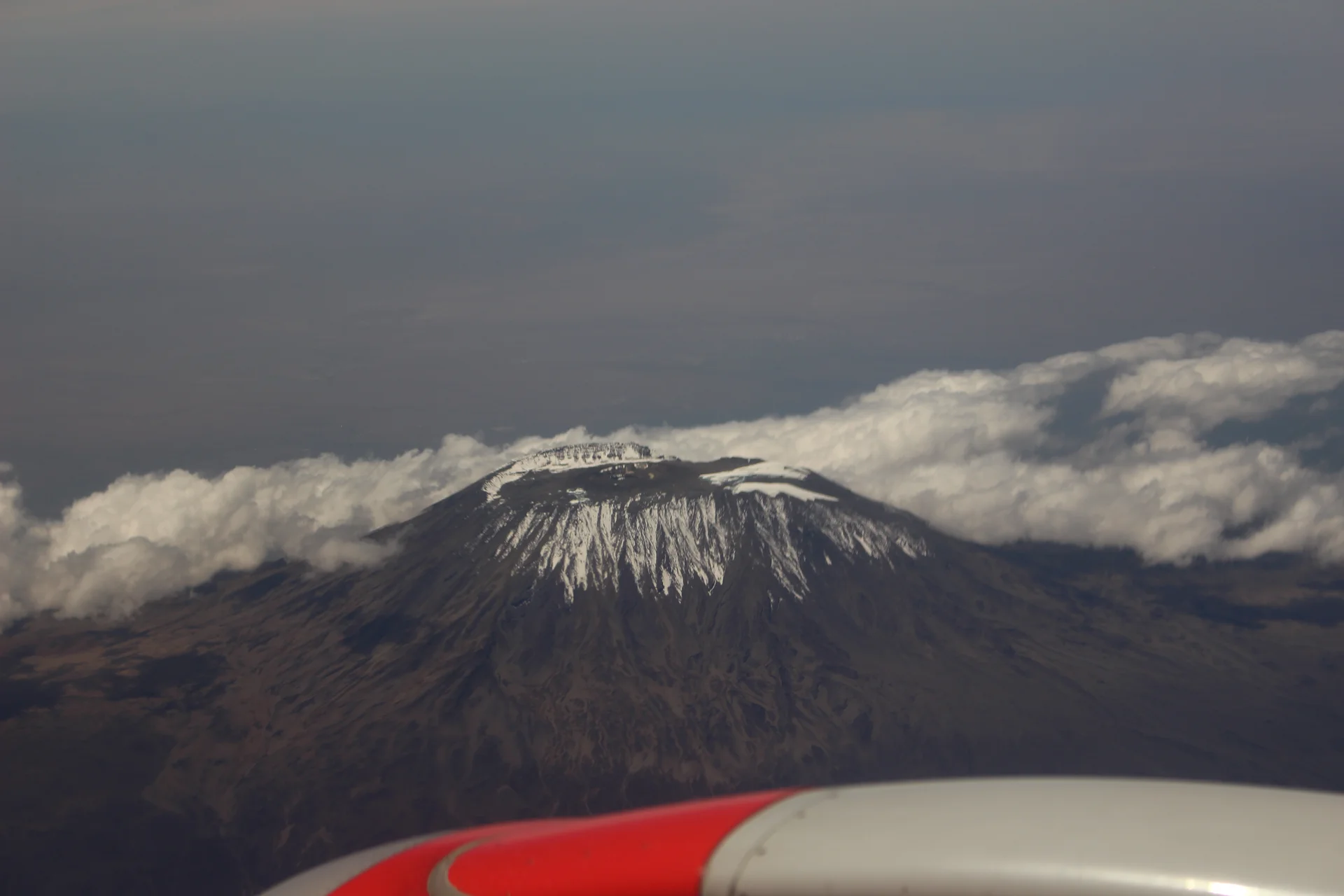
Kilimanjaro rises above northern Tanzania’s plains to Uhuru Peak at 5,895 metres, the highest point in Africa. Its volcanic massif, dramatic changes in vegetation and…
Wildlife
Black-and-white colobus monkeys in forest habitats & Blue monkeys in forest habitats
Landscape
Mountains & Trekking
Highlights
Uhuru Peak at 5,895 metres — Africa’s highest point
 Western Circuit
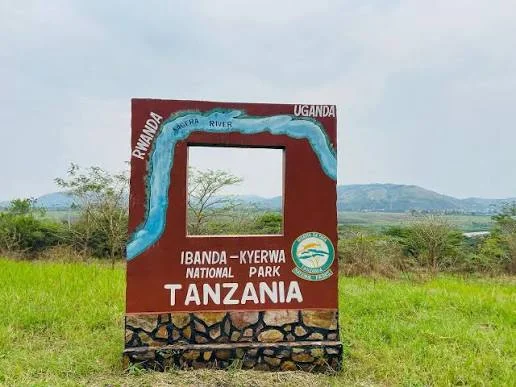
Ibanda-Kyerwa National Park protects a scenic corner of northwestern Tanzania, where the Kagera River meets a landscape of savanna, wooded slopes, valleys and wetlands. Situated…
Wildlife
Buffalo & Roan antelope
Landscape
National Parks & Safari
Highlights
Kagera River scenery on Tanzania’s northwestern border
 Zanzibar & Islands
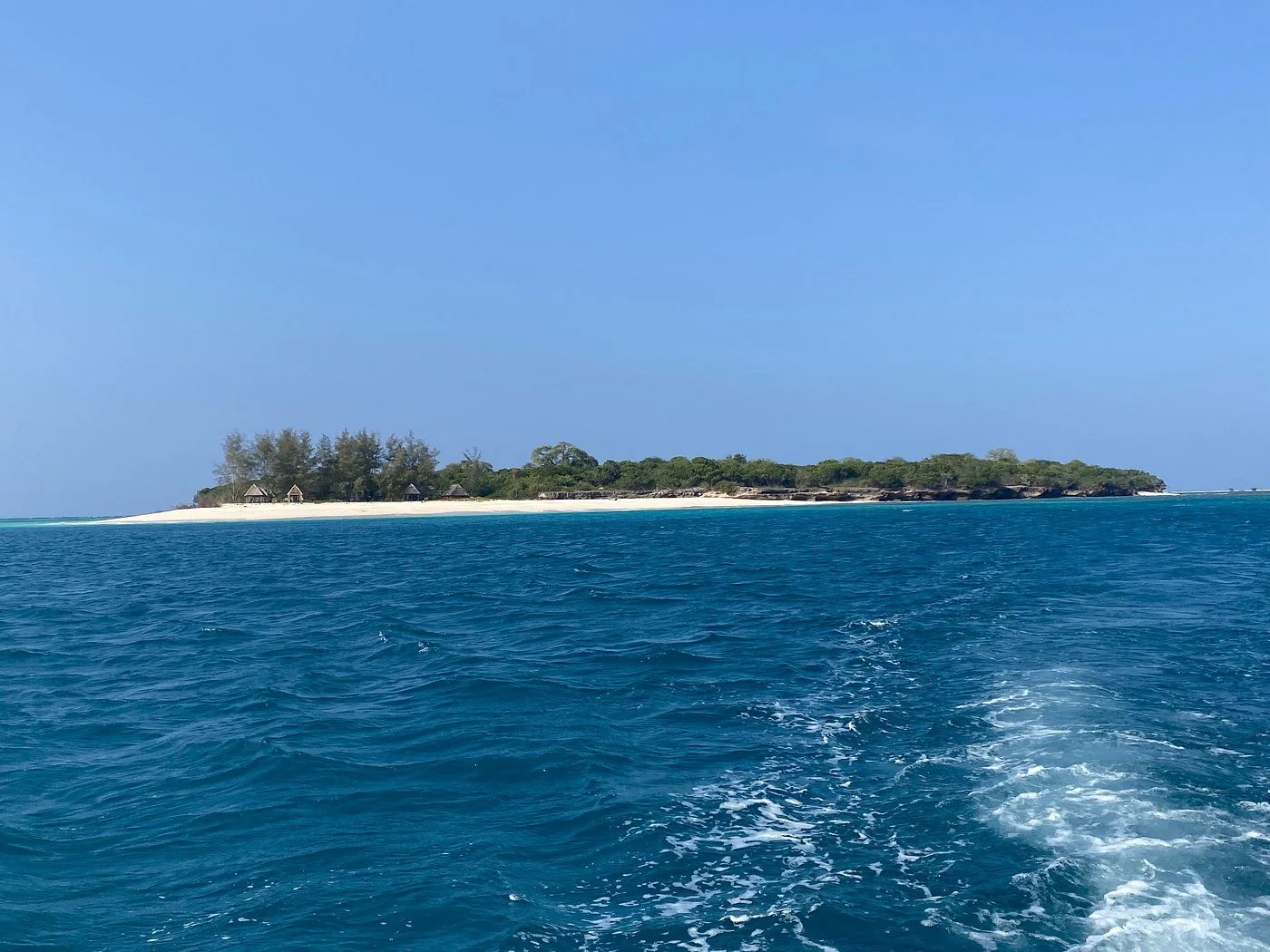
Sinda Island Marine Reserve offers an Indian Ocean escape off Kigamboni, on the southern side of Dar es Salaam. The reserve encompasses Inner and Outer…
Wildlife
Reef fish & Coastal birds
Landscape
Beaches & Islands
Highlights
Inner and Outer Sinda islands
 Northern Circuit
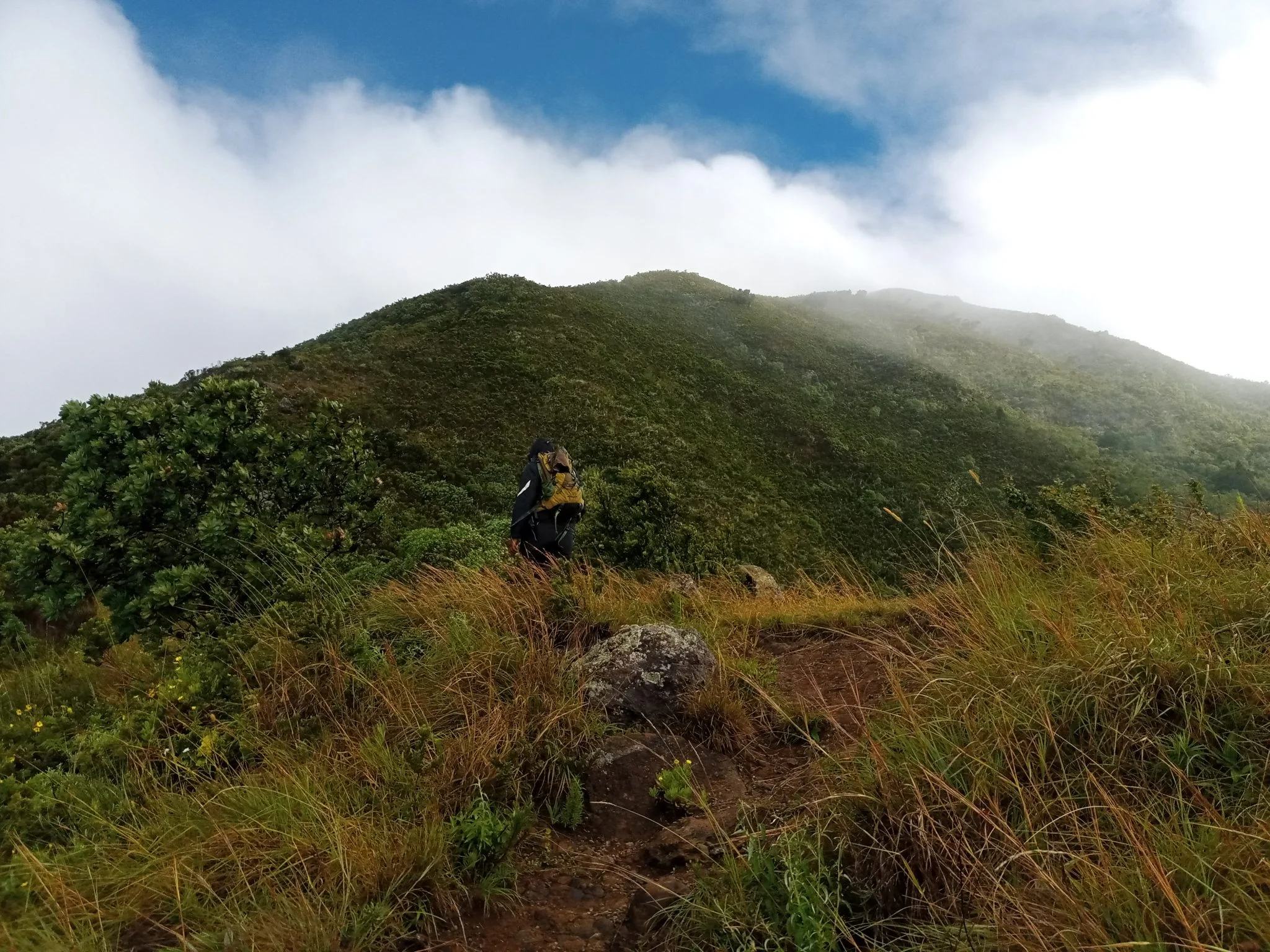
Discover Mount Hanang Rising above Katesh in Tanzania’s Manyara Region, Mount Hanang offers a rewarding mountain adventure beyond the familiar northern safari circuit. At approximately…
Wildlife
Klipspringer & Vervet monkeys
Landscape
Mountains & Trekking
Highlights
Approximately 3,423 metres — Tanzania’s fourth-highest mountain