 5.0 Excellent

Dorine M1 year ago

Grateful experience
As a solo female traveler, I felt super safe and well taken care of the entire time.
Read more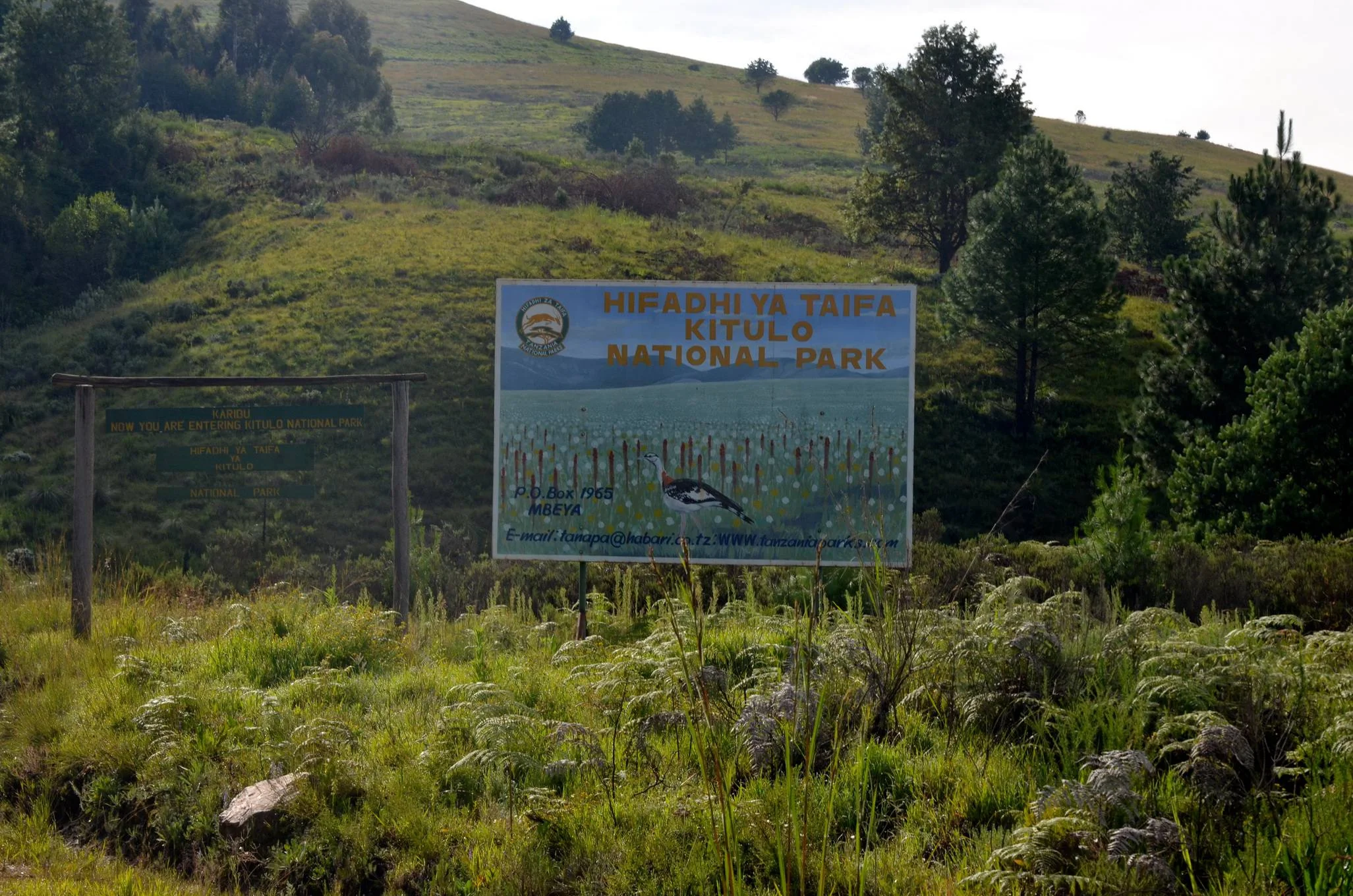
Southern Circuit
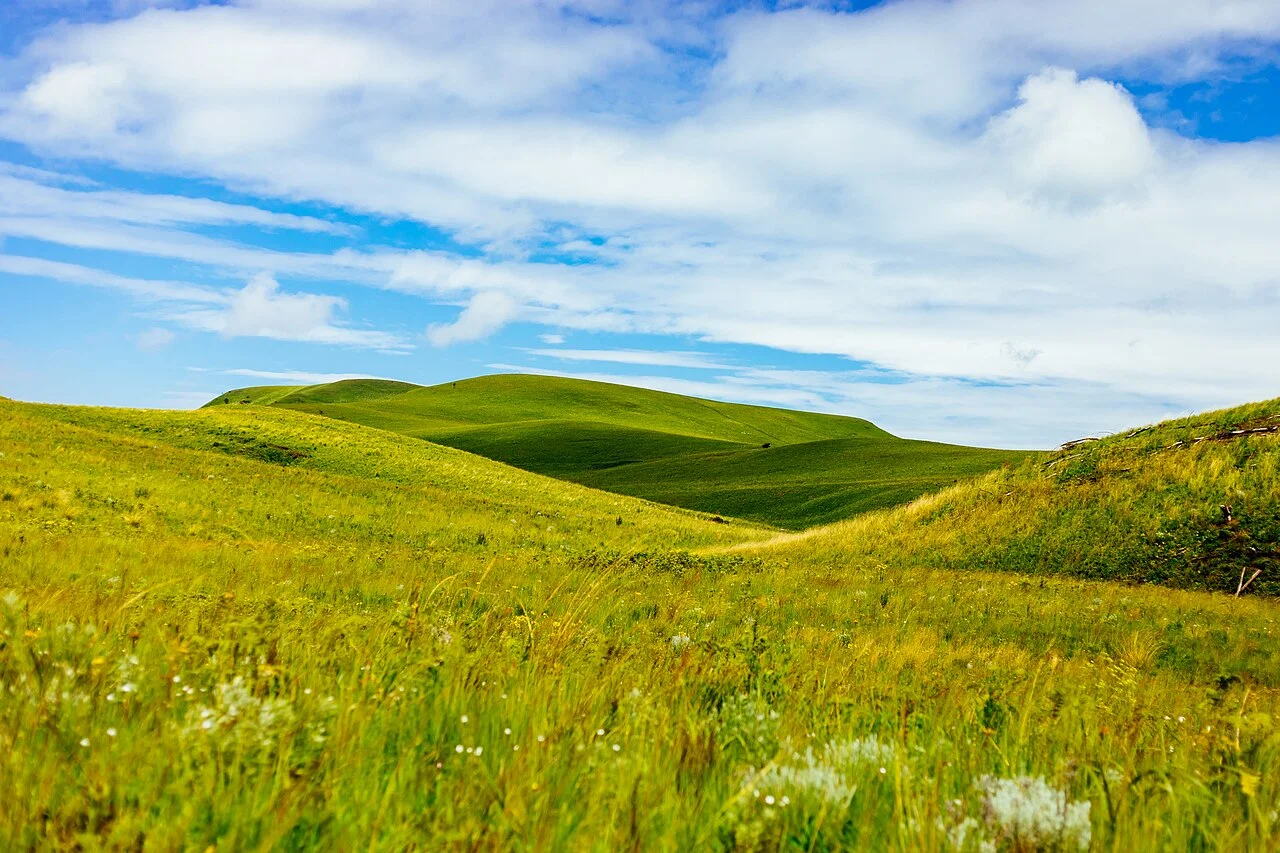
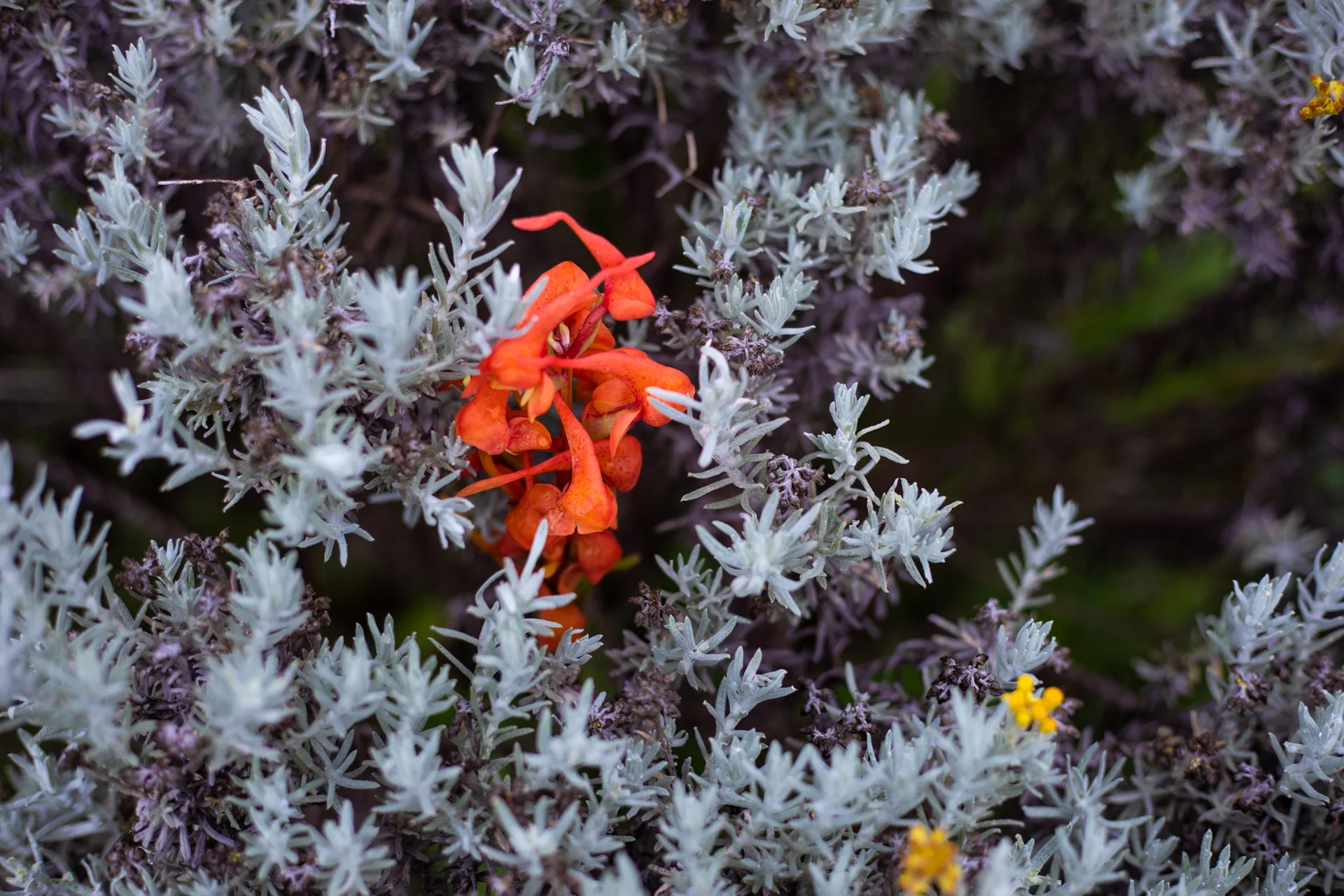
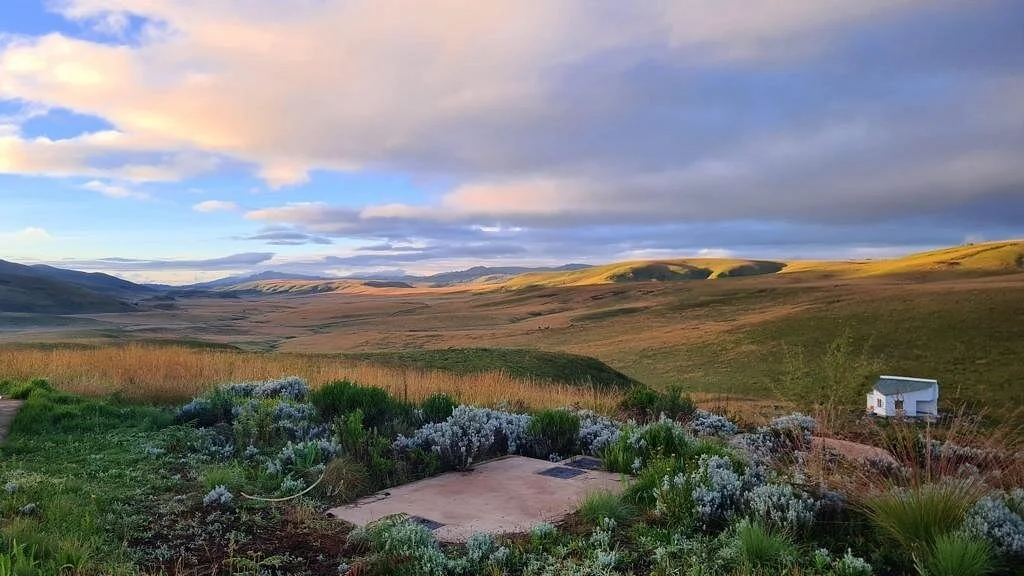
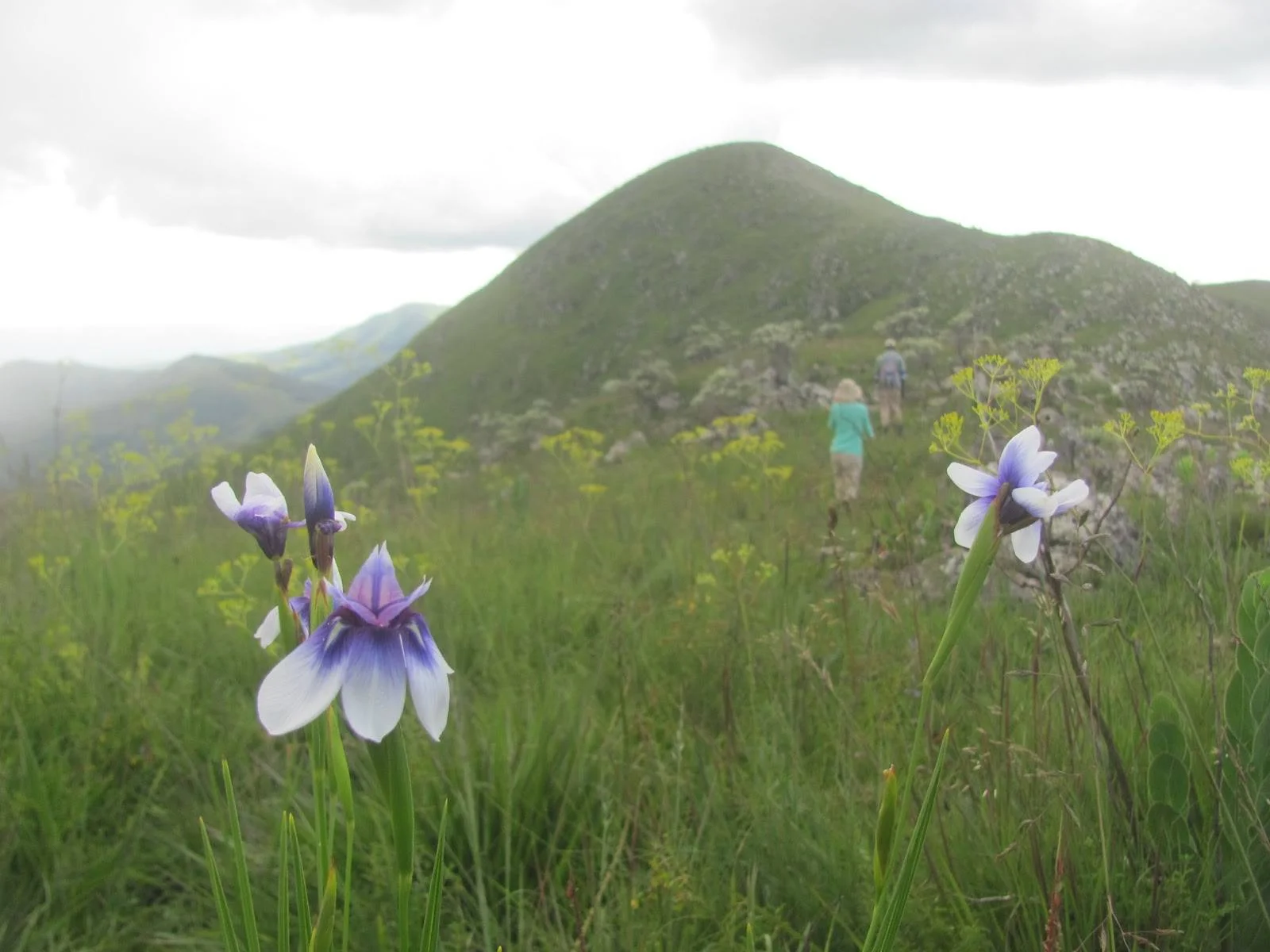
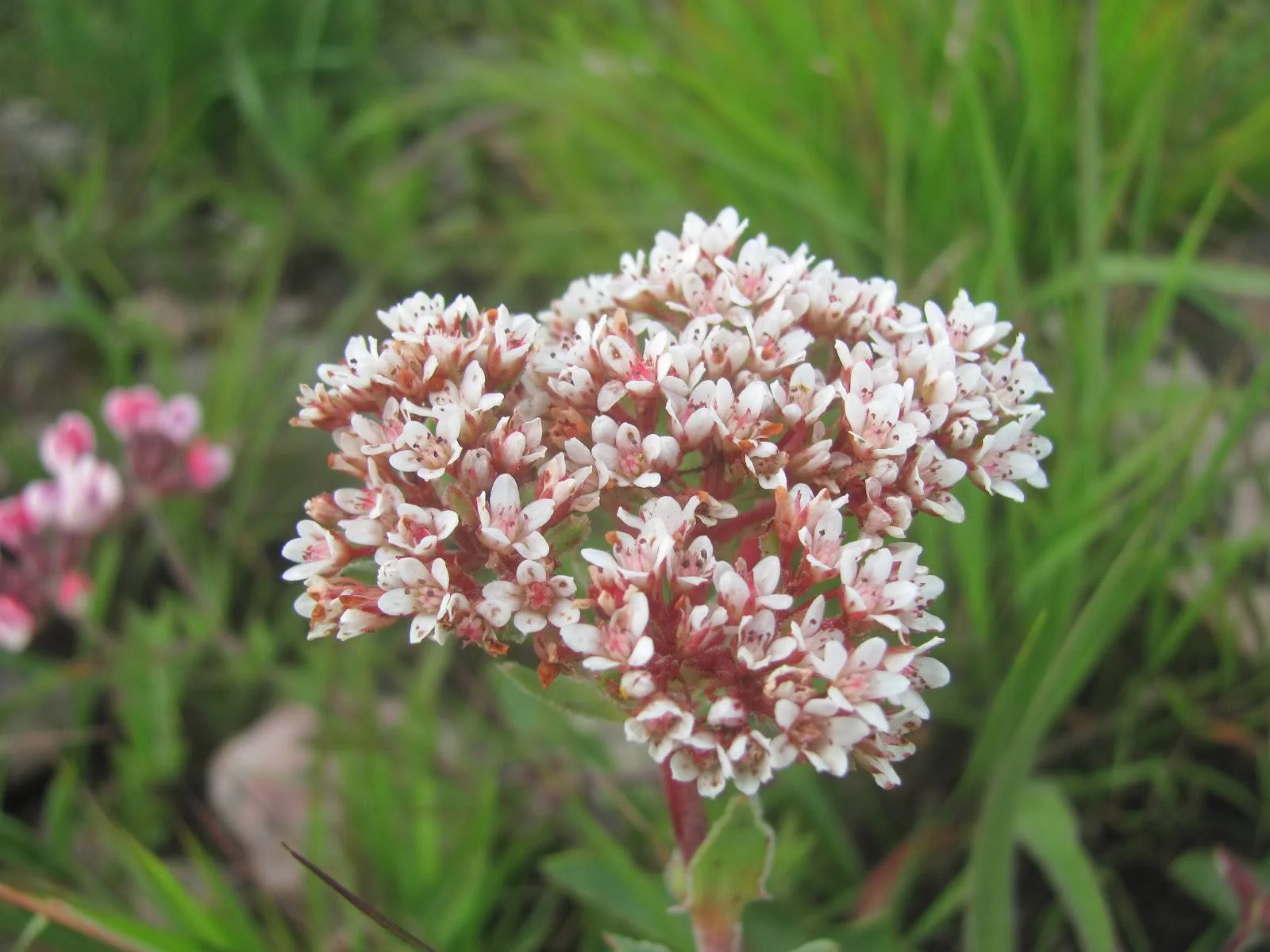
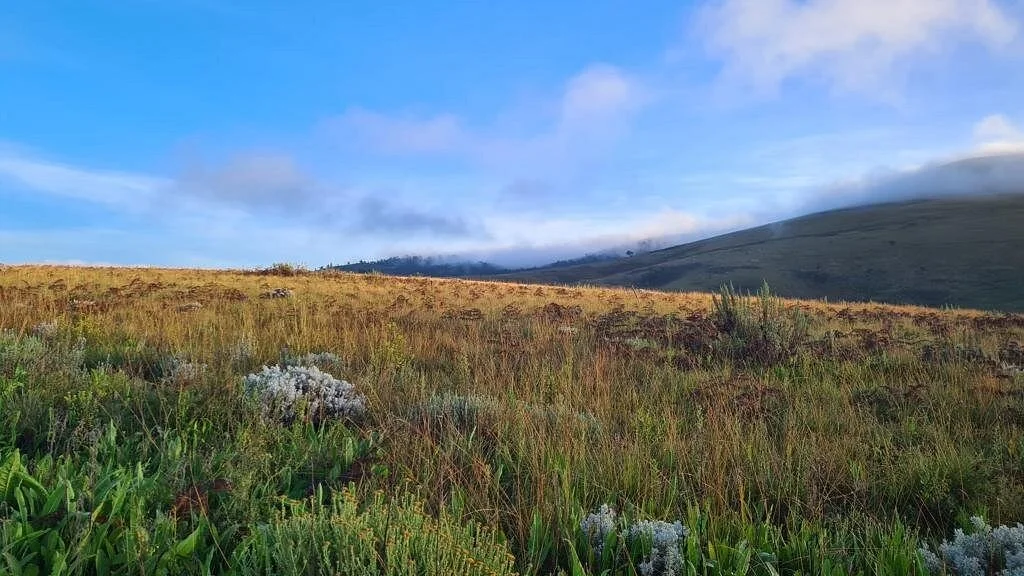
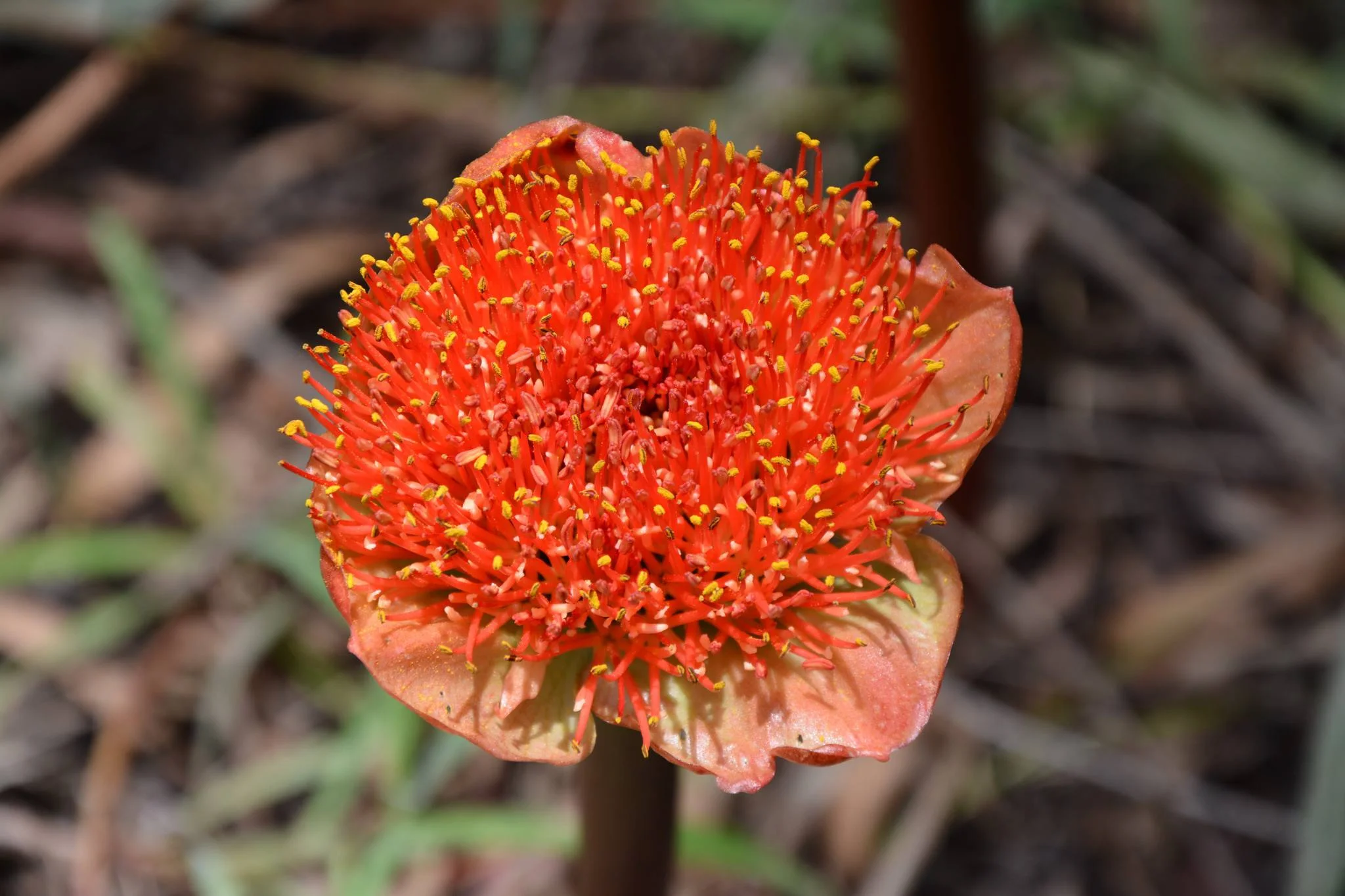
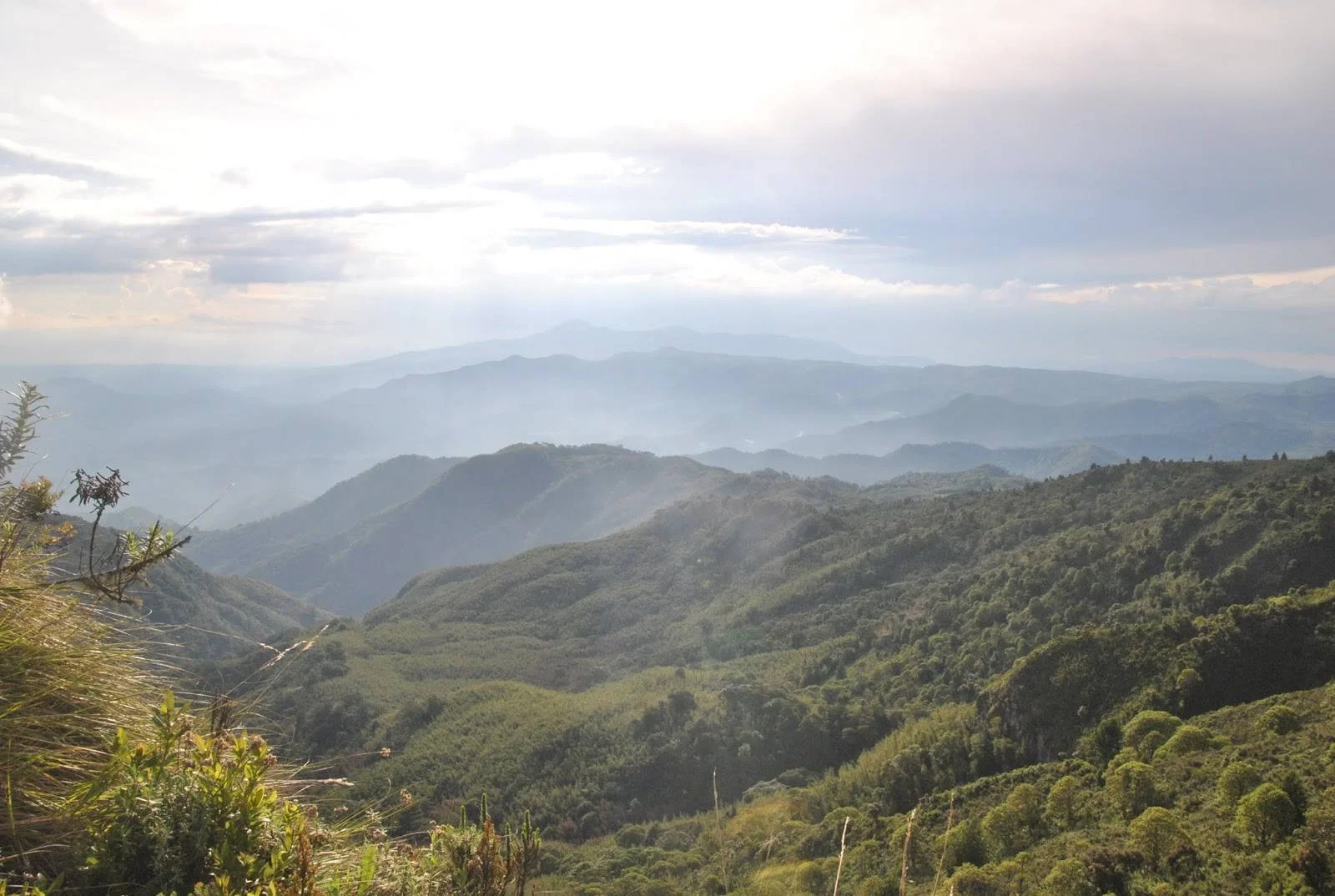
Discover Kitulo National Park Kitulo National Park brings a different kind of Tanzania adventure to the Southern Highlands: rolling mountain grasslands, seasonal wildflowers, distinctive birds and rewarding days on foot. Straddling the Mbeya and Njombe regions, the park centres on the Kitulo Plateau at around 2,600 metres. The highland setting feels markedly different from a warm lowland safari, with cool air, changing cloud and broad views when conditions clear. Known as Bustani ya Mungu, the Garden of God, Kitulo is especially appealing to walkers, photographers, birdwatchers and travellers interested in plants. Established as a national park in 2005 and managed by Tanzania National Parks, it protects an important montane landscape. Plan your visit around the experience you most want: a flower-focused journey, a scenic hike, specialist birdwatching or a combination of these interests. A remarkable botanical landscape Official park information records around 350 vascular plant species and 45 terrestrial orchid species. That does not mean that all 45 orchids occur only within the park: the botanical importance includes species with different distributions across Tanzania and the neighbouring highlands. Looking closely at this diversity is more rewarding than expecting every recorded plant to be in bloom at once. The plateau includes well-drained grassland, wetter boggy areas and rocky terrain, each supporting a different community of plants. In flowering conditions, a walk can reveal colour at both landscape scale and within individual stems and blooms. A knowledgeable botanical guide can help identify what is flowering on the day, explain the habitats and show how to observe without damaging delicate plants. Photograph flowers in place, keep to the agreed route and leave bulbs, seeds and specimens undisturbed. Flowering season and the changing plateau The main flower period broadly runs from November to April, with December–April the usual planning window for the strongest seasonal displays. Rainfall influences when the season develops, and individual species flower at different stages. A particular orchid, a completely flower-covered hillside or a specific colour palette cannot be guaranteed for a chosen travel date. For a botanical itinerary, allow time for more than a quick roadside stop. Different locations and a patient walking pace make it easier to appreciate the landscape. Wet-season visits require waterproof clothing and flexibility: rain, cloud and muddy ground can affect both photography and the route. Ask the park or guide about current blooms and access shortly before departure rather than relying only on photographs taken in another year. Walking, scenery and named attractions Kitulo offers walking and hiking through upland grassland, ridges and forest landscapes. Official attractions include Matamba Ridge, Nhumbe Valley and waterfall, Mwakipembo Waterfall, Dhambwe Crater Lake and Mtorwi Peak, which reaches 2,961 metres. These are options for a tailored itinerary, not a checklist that every visitor should expect to complete in one outing. Discuss the route, terrain, complete walking time and return arrangements with the park and your organiser. A gentle flower walk and an ascent toward Mtorwi have different demands. Choose the plan to suit the least experienced member of the group, and adjust it when weather or ground conditions change. Viewing and photographing waterfalls can be a rewarding addition; swimming permission and safety must be checked separately. Birdwatching in the highlands Kitulo’s birdlife gives the park an appeal that continues beyond the main flower spectacle. Birds associated with its highland habitats include Denham’s bustard, mountain marsh widowbird, Njombe cisticola and Kipengere seedeater. Blue swallow is also associated with the plateau and wider highland landscape. These names indicate the park’s natural-history interest, rather than a guaranteed list for every day’s walk. Arrange a guide with local bird knowledge if birds are a priority, and allow time to observe quietly rather than moving rapidly between attractions. Binoculars and a field guide are useful companions. Respect viewing distances, avoid approaching nests and let the guide identify suitable observation points. The birds you encounter depend on habitat, season, weather and chance. Mammals and forest conservation The park also supports mammals, including zebra, impala, reedbuck, duikers and forest primates. Zebra were reintroduced to the plateau in 2018, with conservation monitoring helping to understand their return and their role in the grassland environment. Mammal observation can enrich a visit, while Kitulo’s main strengths remain botany, birds, walking and scenery. Livingstone Forest within the park supports the rare kipunji, a forest-dependent monkey of southern Tanzania. Its presence is an important conservation story; it should not be presented as a guaranteed encounter or a routinely available habituated-monkey trek. Forest wildlife may be difficult to observe, and habitat protection matters even when visitors do not see an animal. Mount Rungwe Nature Reserve is a separate protected area and requires its own travel arrangements if included in a wider itinerary. A cool climate in every itinerary Pack for the altitude and changing highland weather. June–August can be particularly cold, with frost, fog and reduced visibility possible. September–November can suit scenic hiking, although flowers may be fewer and the developing rains can change conditions. An apparently bright morning does not remove the need for a warm layer and rain protection. Wear sturdy footwear with good grip and carry enough drinking water and food for the agreed outing. Start at a comfortable pace, especially after travelling up from a lower elevation, and build the day around the group’s energy. Protect cameras from moisture and allow time for changing light. A flexible route is more useful than a rigid expectation of clear views or a fixed walking speed. Getting to Kitulo Songwe Airport serves the Mbeya area and is a practical arrival point, followed by road travel to the park. Official access information identifies approaches from Mbeya through Isyonje or Chimala, and from Njombe through Ikonda and Makete. The route you use depends on your arrival point, accommodation and current road advice. Ask for an itinerary-specific transfer estimate, including the final approach to the park, rather than assuming that all routes take the same time. TANAPA recommends a four-wheel-drive vehicle for park exploration. Confirm the vehicle, driver, gate and current conditions before travelling, especially during wet weather. Flight availability and onward transfers should be checked when booking. A railway journey or a longer overland Southern Highlands trip still requires separately arranged transport for the final park approach. Accommodation and practical arrangements Official park information lists cottages and designated camping, including Mwakipembo Public Campsite. Confirm current availability, facilities, bedding or camping equipment, meals and water arrangements before choosing where to stay. Matamba and Mbeya can provide additional accommodation options, with travel time to the park considered when planning the day. Enter with a valid permit through the official gate specified for your visit, and arrange walking routes and any guide or ranger requirements with the park beforehand. Use designated campsites and follow the park’s instructions for wildlife, waste and fire safety. Keep the itinerary clear about which services, activities, transfers and current charges are included. A wider Southern Highlands journey Kitulo can complement other destinations when time and transfers are planned carefully. Matema Beach is a separate Lake Nyasa destination below the Livingstone Mountains; lake activities belong to that excursion rather than to the flower plateau. Treat combinations with Matema or Mount Rungwe as additional travel days or separately assessed outings, with their own permissions and logistics. TanzaLux can help shape a Kitulo journey around the flowering season, walking ability and specialist interests, with practical arrangements checked before the itinerary is confirmed. The most satisfying visit leaves time to slow down, observe the small details and appreciate the protected highland landscape.
May–August follows the main flower period, with fewer flowers and potentially cold, frosty or foggy conditions, especially June–August. Walking can still be considered with local guidance, but visibility and trail conditions may affect the route. Warm clothing, waterproofs and a flexible plan are essential.
September–November can suit scenic hiking and highland views, with fewer flowers before the main display develops. The timing of the rains varies, and November may bring the start of seasonal blooms. Check current weather, flowering and access rather than assuming a uniform shoulder season.
December–April is the main planning window for Kitulo’s seasonal flower displays. Rain supports the blooms, with different species flowering at different stages; no particular orchid or landscape-wide display is guaranteed. Expect cool weather, rain or muddy ground, arrange a suitable vehicle and guide, and allow time for careful botanical observation.
Fly to Songwe Airport for the Mbeya area, then continue by road to Kitulo. Official approaches include Mbeya–Isyonje–Kitulo or Mbeya–Chimala–Kitulo, and Njombe–Ikonda–Makete–Kitulo. Select the route with your organiser and park staff according to accommodation, current roads and the planned entry gate. TANAPA recommends a 4×4 for exploring the park. Journey time varies by approach, road conditions and stops; obtain a current transfer estimate rather than relying on a fixed distance or duration. Confirm flight availability, the final road transfer, valid park entry, walking and guide/ranger arrangements, cottages or designated campsite availability, food and drinking water, and return transport before travel.
Kitulo lies in Tanzania’s Southern Highlands, across the Mbeya and Njombe regions. Its high plateau, forest and surrounding mountain scenery make it a distinct destination from the country’s lowland safari parks.
Kitulo National Park is managed by Tanzania National Parks, TANAPA. Confirm entry permits, approved activities, guiding and accommodation directly through the park arrangements when planning your visit.
The plateau lies at around 2,600 metres above sea level. Mtorwi Peak is higher, at 2,961 metres. Plan for cool highland conditions and choose walks suited to your experience.
The Swahili name Bustani ya Mungu refers to the remarkable seasonal flowers and attractive highland landscape. The name captures the park’s botanical appeal, especially when rains support the flowering grasslands.
Flowers broadly appear from November to April, with December–April the main planning window for strong displays. Rainfall and individual plant flowering cycles influence what is visible, so ask about current blooms shortly before travelling.
Official information records 45 terrestrial orchid species, within a much wider diversity of vascular plants. Do not assume that every orchid is unique to the park or that all species will be flowering during one visit.
Yes. Walking, birdwatching and landscape appreciation can still be worthwhile. Expect fewer flowers, and plan around current weather and trail conditions rather than expecting the wet-season floral display throughout the year.
It can be. The altitude creates a cool climate, and June–August can bring frost, fog and reduced visibility. Carry warm layers and rain protection in every season, including for overnight stays.
Birds associated with the highland habitats include Denham’s bustard, mountain marsh widowbird, Njombe cisticola, Kipengere seedeater and blue swallow. Sightings depend on season, habitat and conditions; a knowledgeable local guide is valuable.
Its main appeal is flowers, birds, walking and scenery. Mammals such as zebra, impala, reedbuck, duikers and forest primates add interest, but a visit should not be built around a guaranteed large-animal checklist.
Zebra were reintroduced in 2018 as part of a conservation effort, with monitoring of their return to the grassland environment. Their presence does not guarantee a sighting on a particular route or date.
The rare kipunji occurs in Livingstone Forest within Kitulo, but it is a difficult-to-observe forest species. Its presence does not establish a guaranteed sighting or a routinely bookable habituated-monkey trek. Ask the park about appropriate wildlife-viewing opportunities.
Arrange your route, guiding and any ranger requirements with the park before setting out. Confirm what is permitted, the complete walking plan and any activity charges. Ask your organiser which services are included before travelling.
Difficulty varies from gentler botanical walks to longer routes on ridges or toward Mtorwi Peak. Terrain, rain, altitude, duration and fitness all matter. Select a plan suitable for the least experienced person in the group and allow time for the return.
Official attractions include Nhumbe Valley and waterfall, Mwakipembo Waterfall, Matamba Ridge, Dhambwe Crater Lake and Mtorwi Peak. Access and the practical combination of stops depend on the approved route, conditions and available time.
Do not assume that swimming is permitted or safe. Waterfall viewing and photography can be planned, while any swimming activity requires specific current permission and local safety advice from the park.
Official information lists park cottages and designated camping, including Mwakipembo Public Campsite. Confirm availability, facilities, equipment, meals and water in advance. Camp only where authorised and follow the park’s instructions.
Songwe Airport serves the Mbeya area and is a practical arrival point. An onward road transfer is required, with flight schedules, pickup and the route to the park confirmed when booking.
Official routes include approaches from Mbeya through Isyonje or Chimala, and from Njombe through Ikonda and Makete. Conditions and journey times vary. Arrange a suitable vehicle, confirm the entry gate and request a current transfer estimate.
Yes, as separately planned parts of a Southern Highlands itinerary. Matema is on Lake Nyasa and Mount Rungwe is a separate protected area. Allow realistic travel time and check each destination’s permissions, activities and overnight arrangements.
Grateful experience
As a solo female traveler, I felt super safe and well taken care of the entire time.
Read morePrivate Safari 6 days
I can only highly recommend the young company Tanzalux for organizing a private safari.
Read moreAn unforgettable vegetarian journey with Tanzalux Safaris
I highly recommend Tanzalux for anyone wanting a special, personalized safari.
Read moreOur 3-day camping safari with Tanzalux was simply fantastic! Everything was perfectly organized.
Read moreBack in April, I joined a day trip to Tarangire National Park with Tanzalux Safaris, and it was truly one of the best experiences I have ever had…
Read moreI've had an amazing experience with Tanzalux Safaris, would 1000% recommend! Thank you for making my trip so special🫶
Read moreI recently visited Meru Waterfalls in Arusha and got to do some of the activities there, honestly it was such a great experience and I really enjoyed it.
Read moreOur guide Dullah Mr Rastaman had the best vibe. I would like to recommend other people not to miss it, Tarangire is the best national park.
Read moreOur tour guide Nasri was very friendly and welcoming from the first day we met him. He knows Tarangire very well and explained many things during the safari.
Read moreAs a grandmother in the group, I would like to share my happiness with Tanzalux Safaris. Me, my daughters, and my grandson went on a short trip to Tarangire National Park…
Read moreReceive a free, no obligation quote

 Western Circuit
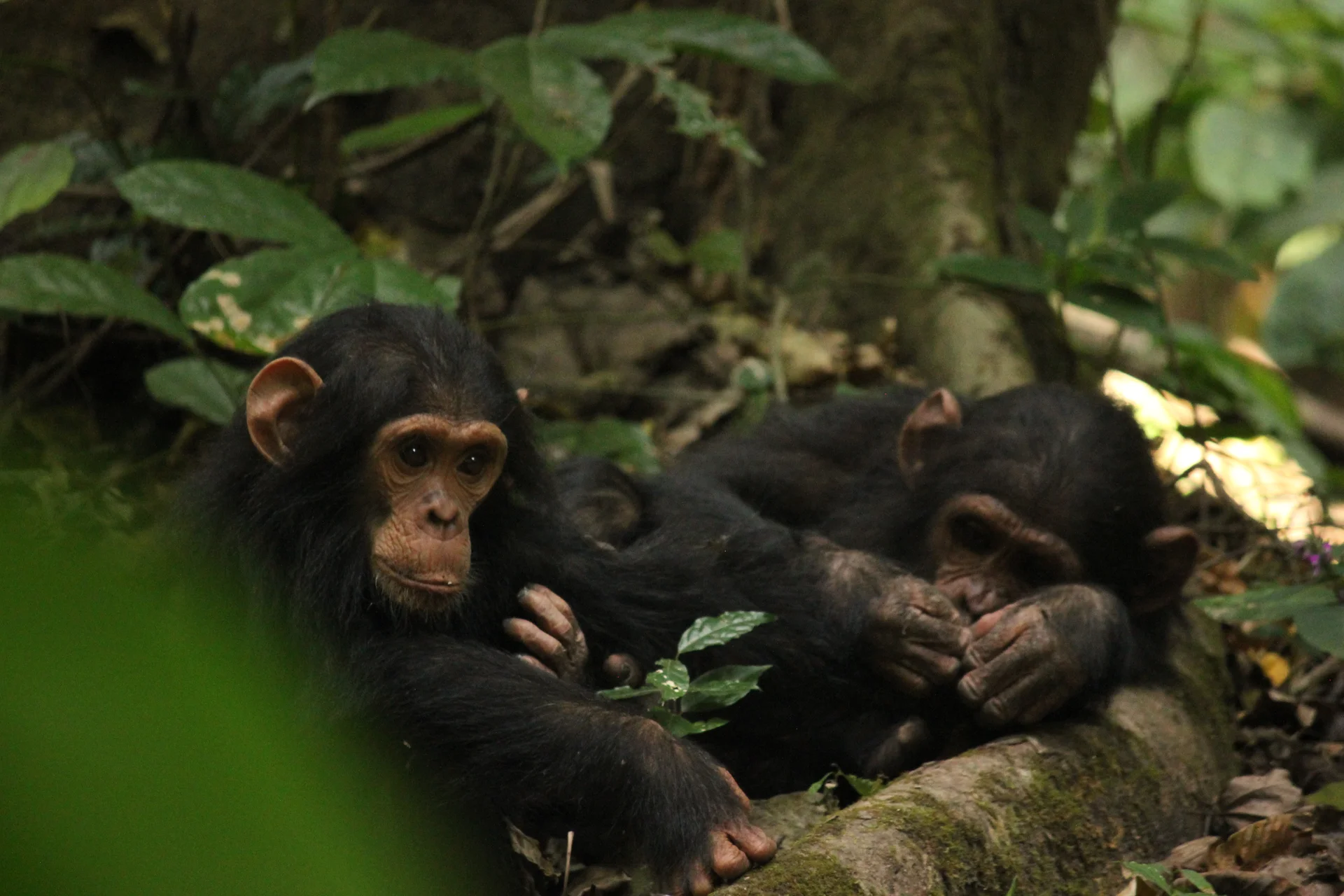
Gombe Stream National Park, also known as Gombe National Park, combines wild chimpanzee trekking with forested hills and the shores of Lake Tanganyika. In Kigoma…
Wildlife
Chimpanzees & Olive baboons
Landscape
National Parks & Safari
Highlights
Wild chimpanzee trekking with park rangers
 Southern Circuit
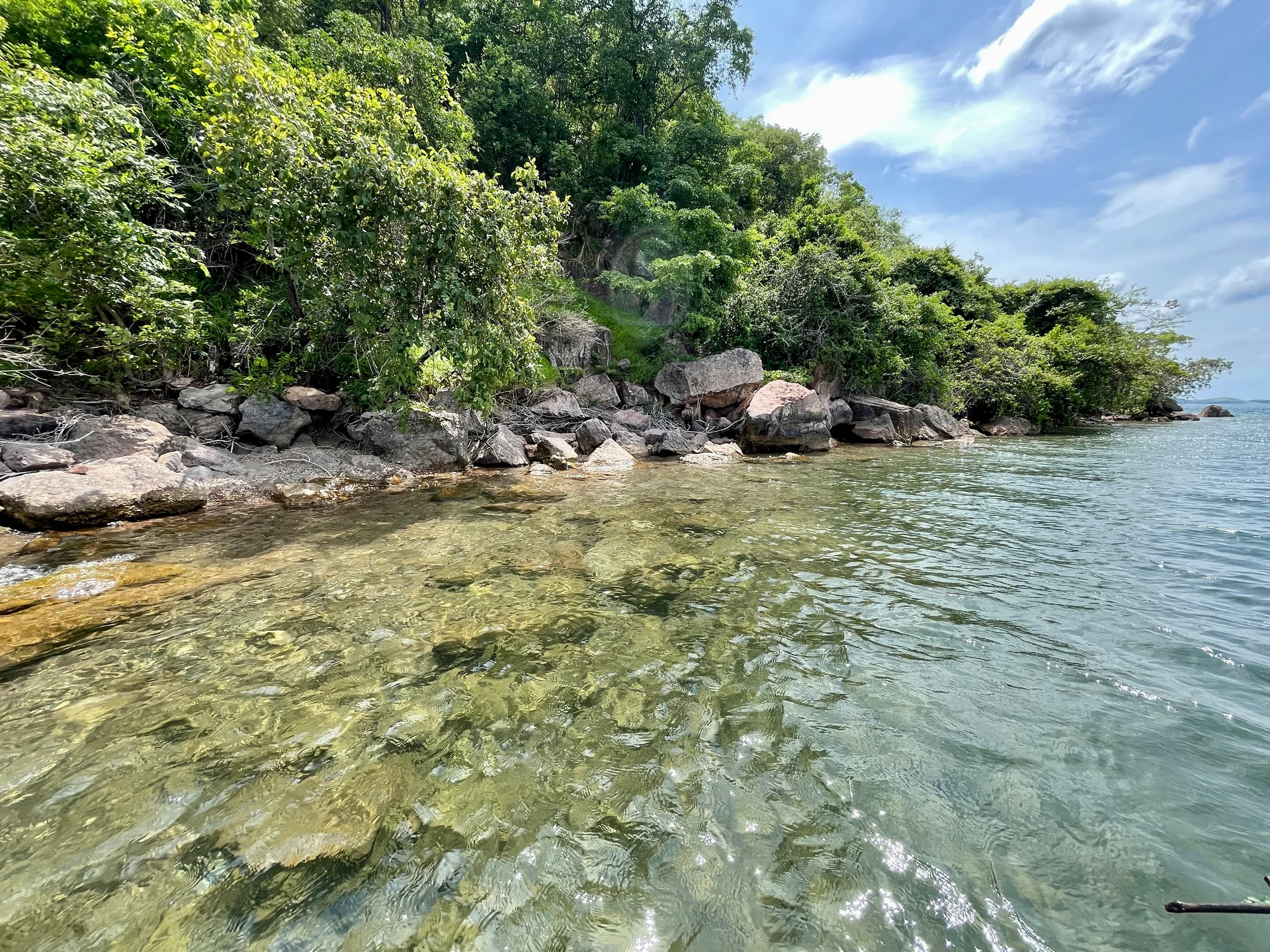
Lake Tanganyika offers a striking freshwater setting along Tanzania’s western frontier: broad blue horizons, wooded shores, bays, beaches and communities whose daily life is closely…
Wildlife
Endemic cichlid fish & Other freshwater fish
Landscape
Lakes & Hot Springs
Highlights
Africa’s deepest freshwater lake in the East African Rift
 Northern Circuit
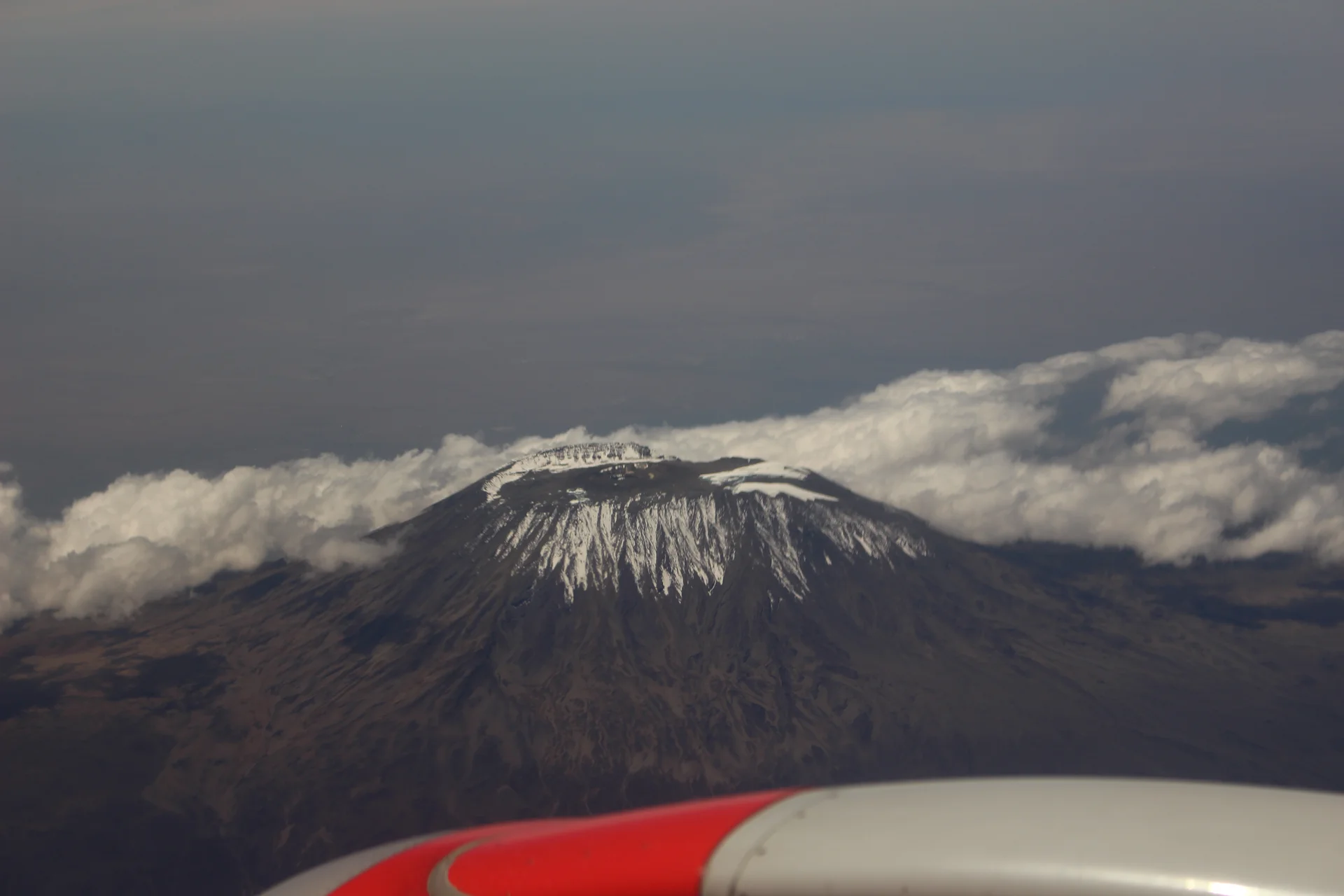
Kilimanjaro rises above northern Tanzania’s plains to Uhuru Peak at 5,895 metres, the highest point in Africa. Its volcanic massif, dramatic changes in vegetation and…
Wildlife
Black-and-white colobus monkeys in forest habitats & Blue monkeys in forest habitats
Landscape
Mountains & Trekking
Highlights
Uhuru Peak at 5,895 metres — Africa’s highest point
 Western Circuit
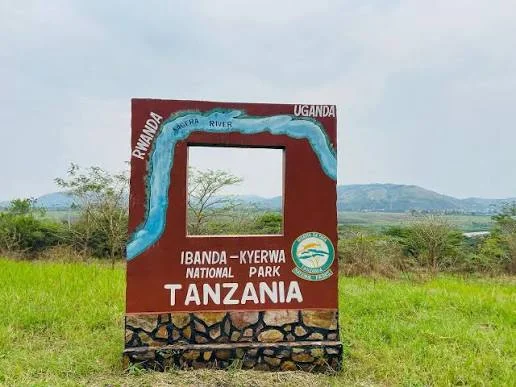
Ibanda-Kyerwa National Park protects a scenic corner of northwestern Tanzania, where the Kagera River meets a landscape of savanna, wooded slopes, valleys and wetlands. Situated…
Wildlife
Buffalo & Roan antelope
Landscape
National Parks & Safari
Highlights
Kagera River scenery on Tanzania’s northwestern border
 Zanzibar & Islands
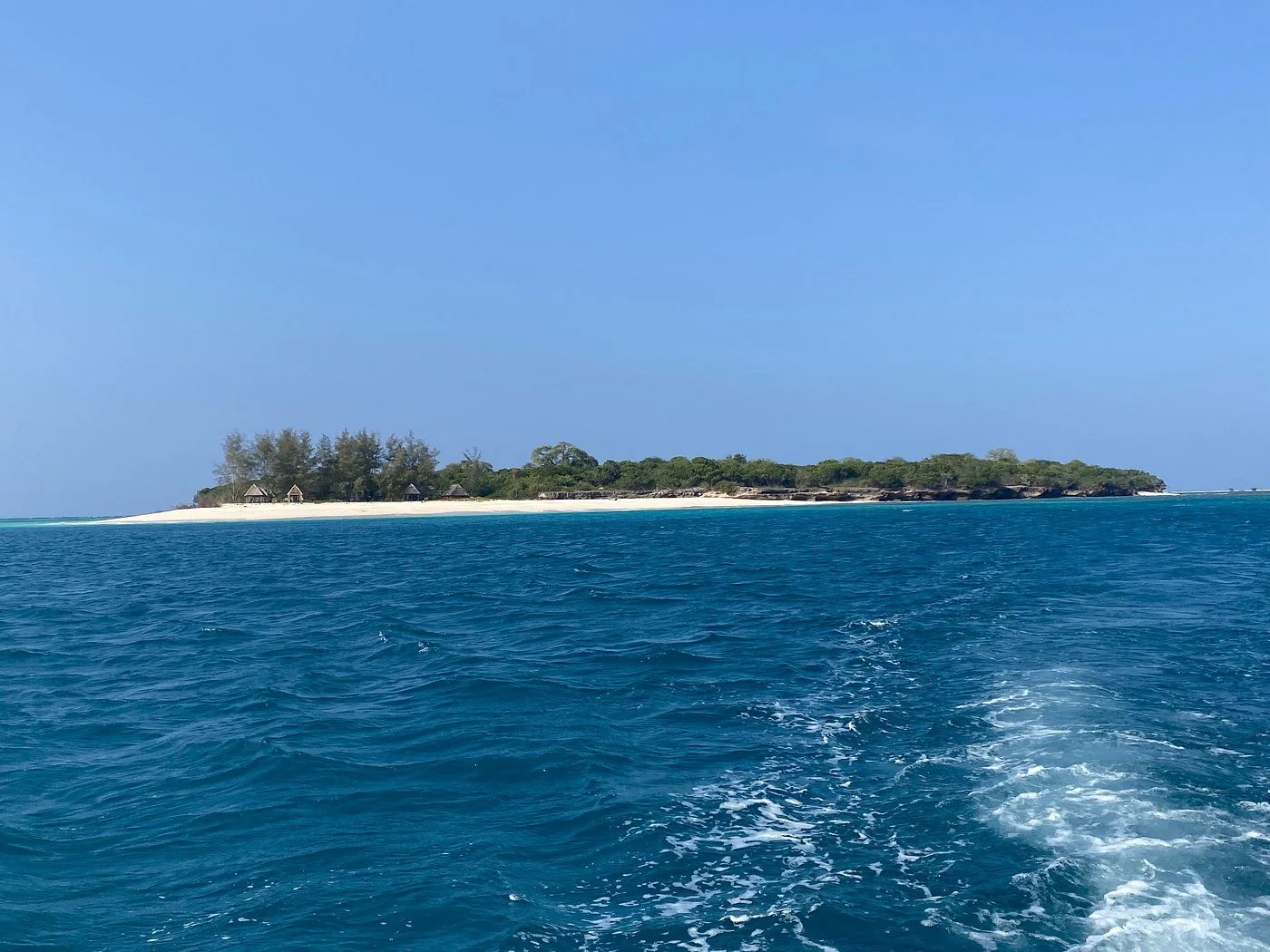
Sinda Island Marine Reserve offers an Indian Ocean escape off Kigamboni, on the southern side of Dar es Salaam. The reserve encompasses Inner and Outer…
Wildlife
Reef fish & Coastal birds
Landscape
Beaches & Islands
Highlights
Inner and Outer Sinda islands
 Northern Circuit
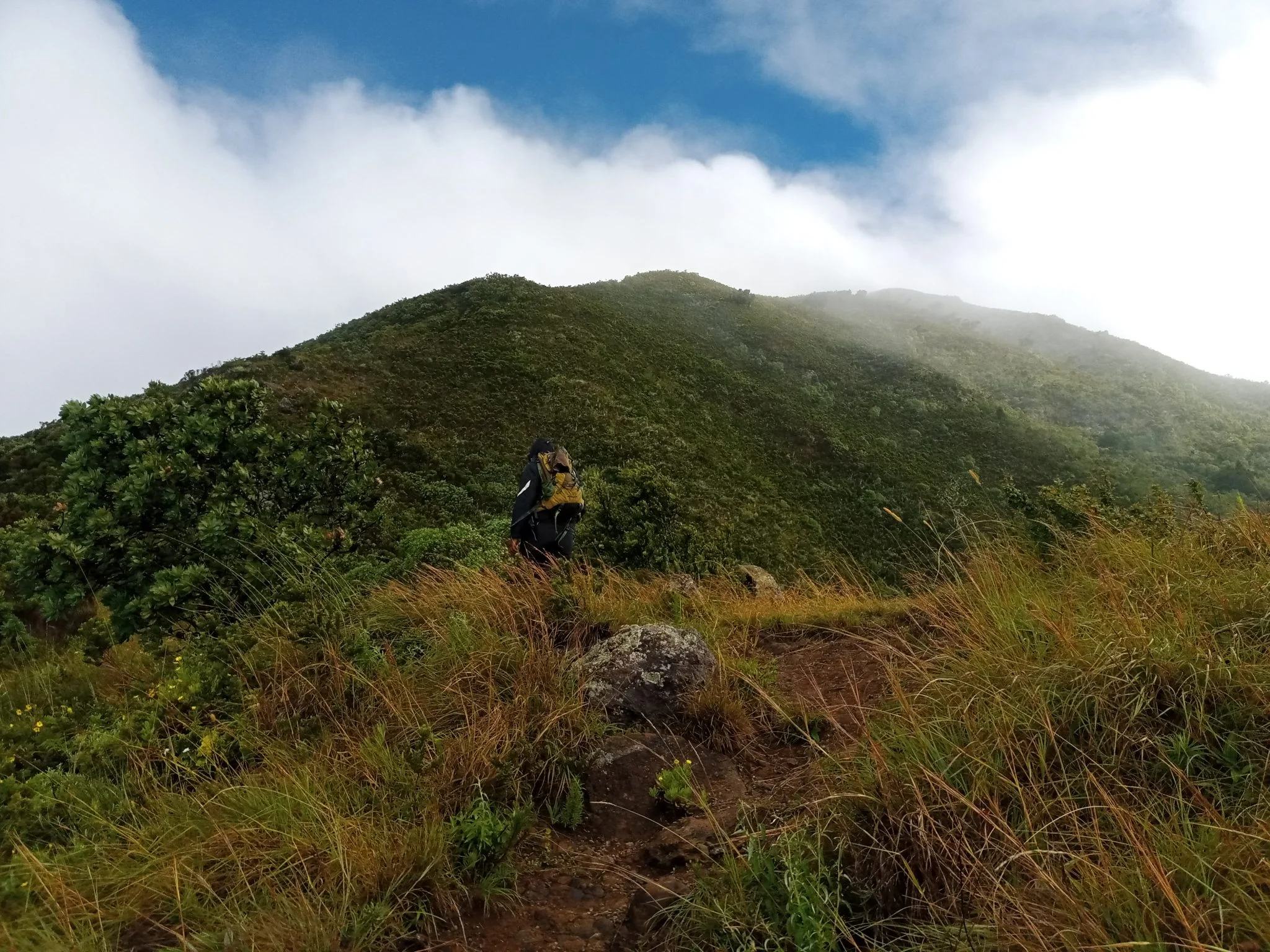
Discover Mount Hanang Rising above Katesh in Tanzania’s Manyara Region, Mount Hanang offers a rewarding mountain adventure beyond the familiar northern safari circuit. At approximately…
Wildlife
Klipspringer & Vervet monkeys
Landscape
Mountains & Trekking
Highlights
Approximately 3,423 metres — Tanzania’s fourth-highest mountain