 5.0 Excellent

Dorine M1 year ago

Grateful experience
As a solo female traveler, I felt super safe and well taken care of the entire time.
Read more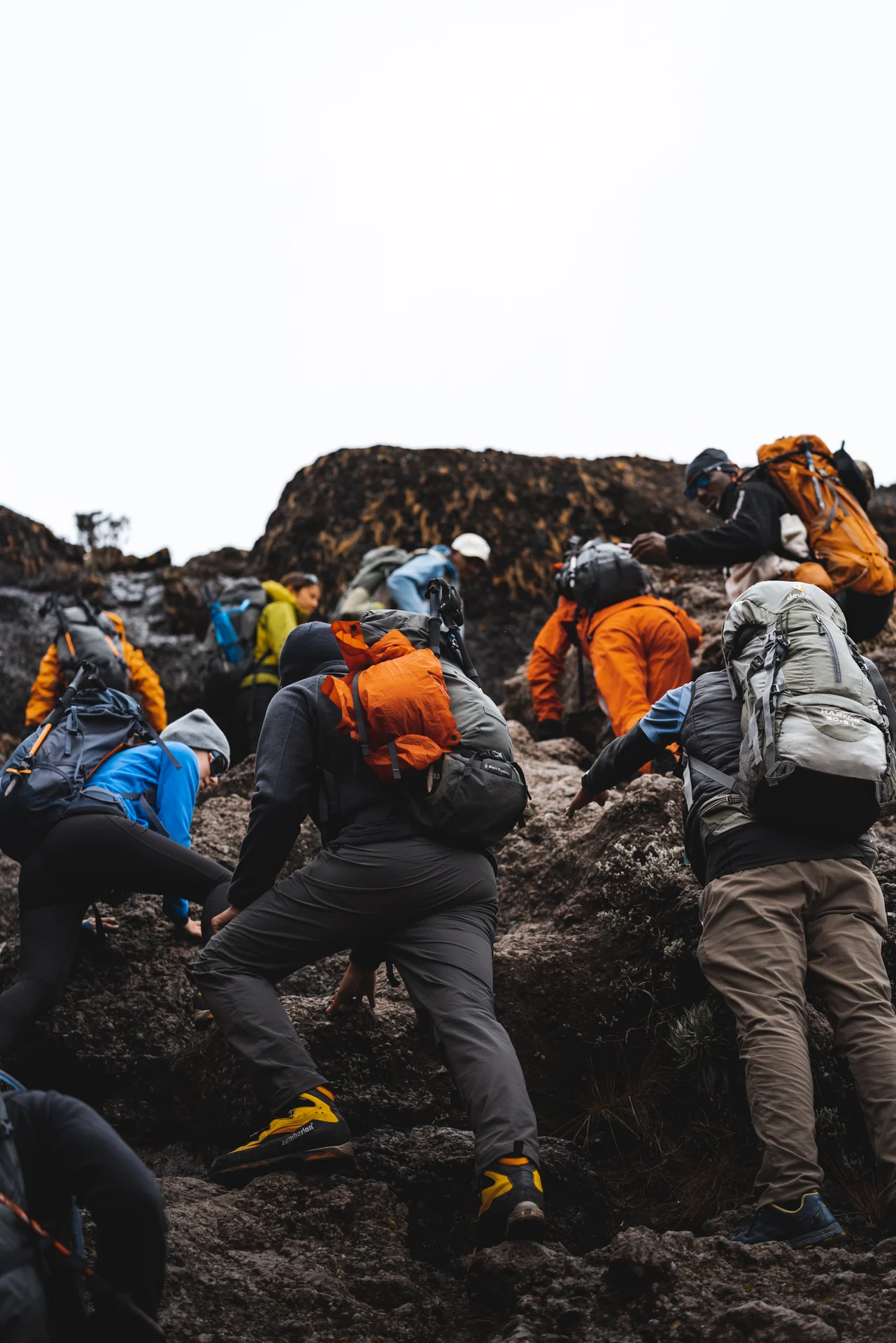
Northern Circuit
Kilimanjaro’s Machame Route approaches from the southern slopes and combines forest trekking, moorland, the Shira area and the mountain’s southern circuit. The standard summit approach continues from Barafu via Stella Point towards Uhuru Peak at 5,895 metres, with descent through Mweka. Commonly called the “Whiskey Route”, Machame is a demanding camping journey whose appeal lies in the changing terrain and the time spent walking through mountain environments. The opening stage follows the forest trail above Machame Gate to Machame Camp. Higher up, the trail becomes rockier and the landscape opens toward Shira, with heather and moorland replacing the trees. The usual itinerary then travels toward Lava Tower before descending to Barranco. Views of Kibo and the higher ridges depend on weather and visibility; cloud, rain and wind can make familiar viewpoints feel very different from photographs. Six- and seven-day itineraries are commonly offered. A seven-day schedule usually includes an overnight stop at Karanga, separating the Barranco-to-Barafu section into two stages before the summit attempt. Compare the actual camp list rather than relying on the advertised number of days. A shorter itinerary can compress demanding walking stages, while additional time still does not guarantee successful acclimatisation or a summit. Choose the ascent profile with the operator and seek individual high-altitude advice from a qualified clinician. An illustrative seven-day outline is: Day 1: Register at Machame Gate and trek through forest to Machame Camp. Day 2: Continue through heath and moorland towards Shira 2 Camp. Day 3: Ascend toward Lava Tower, then descend to Barranco Camp. Day 4: Negotiate Barranco Wall and cross the intervening terrain to Karanga Camp. Day 5: Continue to Barafu Camp and prepare for the summit stage. Day 6: Attempt Uhuru Peak via Stella Point only when health and conditions permit, then descend through Barafu toward Mweka Camp. Day 7: Walk down through forest to Mweka Gate and transfer to your hotel. This is a planning example. The licensed operator must confirm campsite bookings, daily stages, timings and any necessary changes. Machame requires preparation for consecutive walking days and uneven ground. Barranco Wall includes steep scrambling where hands may be used for balance. Discuss concerns about heights, mobility or this terrain before booking, and follow the guide’s instructions on movement and passing. At higher elevations the environment is cold and exposed; the usual overnight summit stage adds darkness, loose ground and a long descent to an already demanding ascent. Accommodation is in tents at designated camps. Ask how sleeping tents are shared and what mattress, sleeping bag, dining facilities and sanitation your package supplies. A site described as a “hut” in a route name does not mean indoor lodging is included. Protect spare layers from rain, test your boots and daypack in advance, and obtain a complete equipment list with clear rental arrangements. Keep a headlamp, warm layers, rain protection and essential personal items available while walking. Guides, porters and meal logistics are central to the expedition. Request clear information about crew welfare, luggage limits, dietary requirements, drinking-water treatment, health checks, communications and emergency coordination. Physical fitness does not prevent altitude illness. Tell the guide about symptoms promptly and accept changes or descent when needed. Review travel insurance carefully for trekking to the intended summit height, evacuation and medical treatment under its stated conditions. Forest wildlife and mountain birds may be encountered, but observations are incidental rather than the focus of the climb. Keep a respectful distance from animals, do not feed them and protect fragile plants and campsites. Stay on the agreed trail, carry out litter and follow park and guide instructions. Good preparation includes consideration for the crew and the mountain as well as personal equipment and fitness. Moshi is a convenient base for briefing, equipment checks and recovery; Arusha may also fit the wider travel plan. Confirm airport transfers and the separate collection from Mweka, since the standard climb does not return to Machame Gate. Allow a comfortable arrival before trekking and a rest and travel buffer after descent. Any onward safari, cultural visit or coast stay should be clearly scheduled and priced separately.
March–May is generally the main wetter period. Lower forest paths may become muddy, while cloud, rain or snow can affect higher stages. Protect camping equipment and spare layers from water, carry full rainwear and confirm current access and trail conditions with the operator. Expect the guide to adjust the programme when conditions or wellbeing require it.
June and October–December may bring transitional conditions. Short rains can affect October–November, and weather later in December varies. Be prepared for both rain and upper-mountain cold. Confirm the departure date, camp arrangements and forecast; a quieter period does not guarantee empty camps or easier trekking.
January–February and roughly late June–September are commonly chosen for comparatively drier conditions. Machame and shared southern camps can be busy in popular climbing windows. Views, sunrise conditions and summit access remain weather dependent, with cold, wind and snow possible. Arrange guiding and camping services in advance and retain deliberate acclimatisation time.
Kilimanjaro International Airport is the main international gateway for the region; Arusha Airport may suit domestic connections. Moshi provides a convenient base for a Machame climb, while Arusha can fit a wider safari itinerary. Pre-arrange airport pickup, a hotel briefing, equipment checks and the transfer to Machame Gate. From Moshi, some operator schedules allow around an hour for the drive, but confirm the actual timing from your hotel and allow additional time for road conditions and park registration. The standard Machame itinerary descends via Mweka rather than returning to its starting gate. Arrange collection at the agreed Mweka exit point and transfer to your post-climb hotel. Licensed guides, crew logistics, camping services and required park formalities should be settled before departure. Keep enough time for a relaxed arrival and briefing before trekking, and a recovery buffer after descent. Avoid scheduling a tight onward flight on the exit day. List airport transfers, pre- and post-climb hotel nights and any safari extension explicitly in the booking.
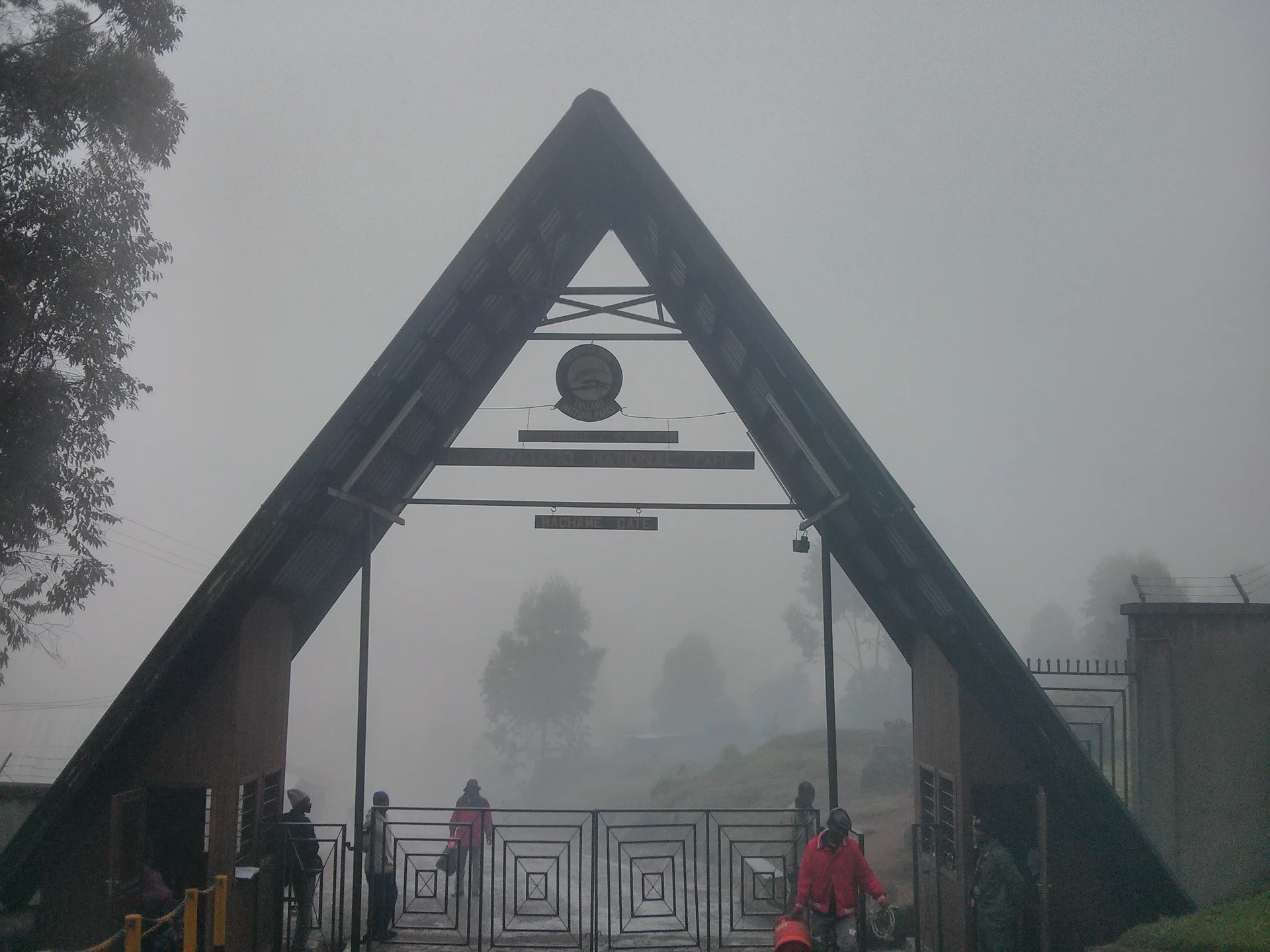
The route begins at Machame Gate on Kilimanjaro’s southern side. The standard itinerary ascends through the Machame and Shira areas, approaches the summit from Barafu, and descends via Mweka. Confirm the separate pickup at the Mweka exit point; the normal trek does not return to Machame Gate.
Whiskey Route is an informal nickname commonly used for Machame. It does not describe refreshments or any included service. The practical details to compare are the camping arrangements, daily stages, ascent profile and guide support, rather than the nickname. Ask the operator for the complete programme.
A seven-day version usually includes an overnight at Karanga, splitting the Barranco-to-Barafu section before the summit attempt. Six-day versions compress stages and can be more demanding. Compare the actual schedule with your operator and consider your preparation; an extra day provides time but does not guarantee acclimatisation or a summit.
The planning sequence here is Machame Camp, Shira 2, Barranco, Karanga, Barafu, then a conditional summit attempt and descent to Mweka Camp, followed by exit at Mweka Gate. The operator must confirm the camps and exact stages. Weather, health or park conditions can require changes.
Machame starts from the southern forest at Machame Gate. Lemosho begins farther west and has a longer initial approach across the Shira Plateau in many itineraries. The standard southern versions share later terrain around Lava Tower, Barranco, Karanga and Barafu. Compare specific daily stages rather than route names alone.
Machame is a camping route, with tents at designated sites. Confirm tent sharing, mattresses, sleeping-bag requirements, dining facilities and sanitation in your package. Names such as Barafu Hut do not mean indoor accommodation is booked. Hotel nights before and after the trek should be listed separately.
Expect consecutive trekking days, steep and rocky sections, repeated climbs and descents, and a demanding summit stage. Prepare with sustained walking and tested equipment, and discuss your circumstances with the operator. Good fitness helps with effort but does not protect against altitude illness or establish that this itinerary suits everyone.
The normal Barranco Wall passage is generally treated as scrambling rather than a technical rock-climbing route, but it includes steep sections where hands may be needed. Discuss any concerns about heights, mobility or balance before booking. Follow the guide’s instructions and allow space for other climbers and crew.
Many Machame programmes ascend to higher ground near Lava Tower before descending to sleep at Barranco. This forms part of the planned altitude progression. Reaching a landmark should never override a health concern; your guide may adjust the pace, objective or route when necessary.
In a common seven-day schedule, Karanga separates the Barranco-to-Barafu journey into two stages, providing more time before the summit attempt. It remains a high-altitude camp and a trekking day, rather than a hotel rest day. Check the sleeping-altitude progression and daily effort in the operator’s itinerary.
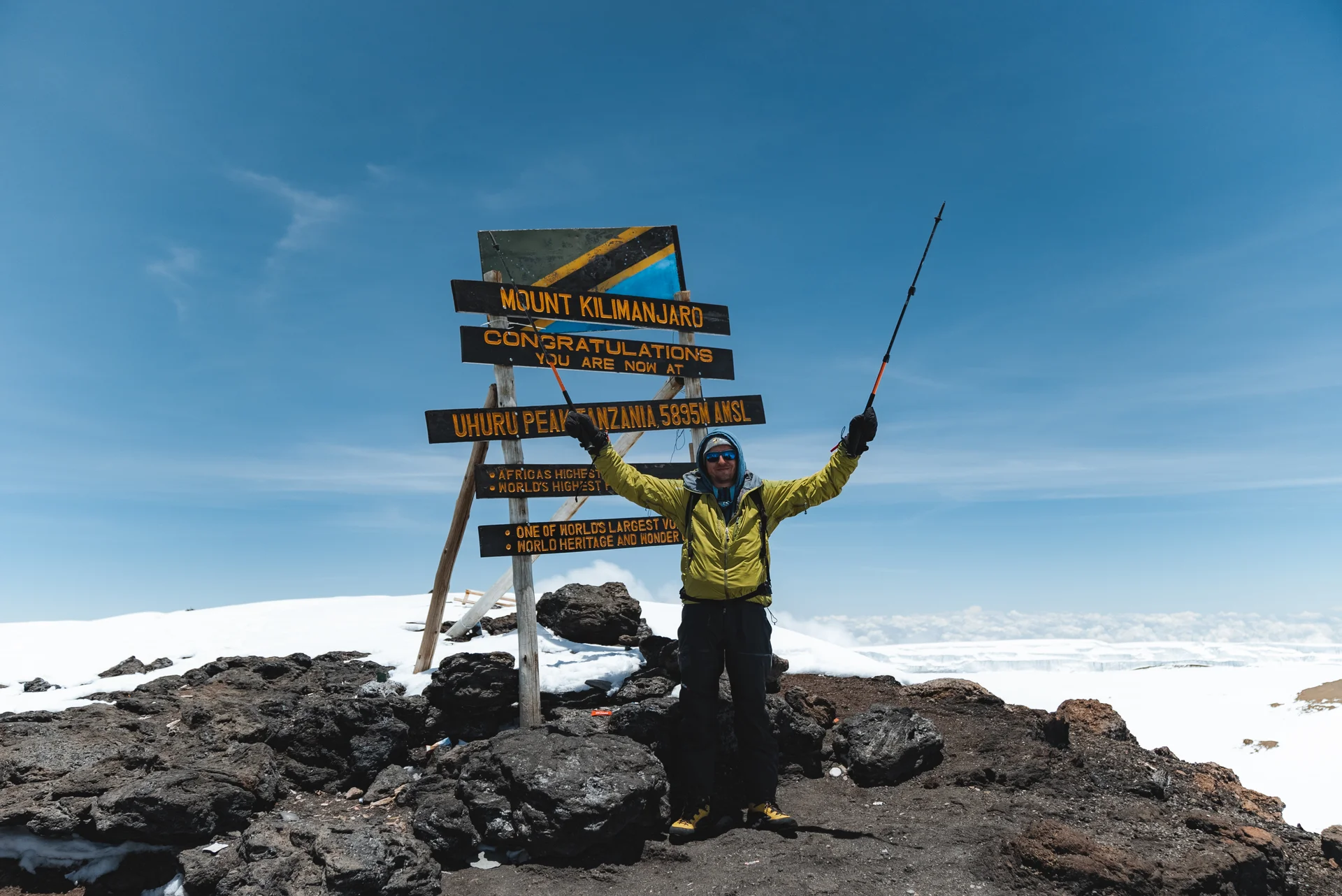
The standard approach starts from Barafu, often overnight, and ascends toward Stella Point before continuing along the crater rim to Uhuru Peak at 5,895 metres. Reaching Stella Point is different from reaching Uhuru. The guide may turn climbers around before either point for health, weather or other conditions.
Walking time varies with the programme, conditions and group pace. One published seven-day schedule allows about five to seven hours on the first forest stage and four to six hours towards Shira. The summit-and-descent stage is much longer. Use your operator’s estimates for each day and allow flexibility.
Tell your guide promptly about headache, nausea, dizziness or unusual fatigue. Do not move to a higher sleeping altitude while symptoms persist; worsening symptoms require descent and assessment. Confusion, poor coordination or breathlessness at rest require urgent help. Seek personalised advice from a qualified clinician before high-altitude travel.
January–February and roughly late June–September are often chosen for comparatively drier conditions. March–May is generally wetter, and short rains can affect October–November. Rain, wind, snow and cold remain possible at different heights throughout the year. Confirm current conditions and prepare for changeable mountain weather.
Follow your operator’s detailed list. Tested boots, layered clothing, waterproof outerwear, warm gloves and headwear, a suitable sleeping bag, daypack, headlamp with spare power and sun protection are common essentials. Confirm rental availability and equipment condition before departure, and keep important layers available during each walking stage.
The package should specify mountain meals, drinking-water treatment and refill arrangements. Tell the operator about dietary needs early and confirm which snacks or drinks you should supply yourself. Ask what to carry each day; do not assume all water at camps is ready to drink without treatment.
Suitable lower forests support black-and-white colobus, blue monkeys and forest birds. Sunbirds, chats and raptors can occur in appropriate mountain habitats. Encounters are incidental and never guaranteed. Keep a respectful distance, avoid feeding wildlife and follow instructions when animals are near the trail or camp.
Ask for an itemised, dated quotation covering required park and camping charges, guides, porters, meals, camp equipment, transfers and hotel nights. Confirm equipment rentals, tipping guidance, exclusions and any early-descent costs. Prices depend on duration, group size and service arrangements; current fees should be confirmed before booking.
Confirm that insurance explicitly covers trekking to 5,895 metres, medical treatment and emergency evacuation under its terms. Ask the operator about health monitoring, communications, descent procedures and emergency coordination. Standard travel policies may exclude this activity, and helicopter evacuation should never be assumed to be always available.
Leave time for hotel arrival, briefing and equipment checks before the Machame transfer. Arrange the Mweka pickup and allow recovery time after the planned descent before a flight or demanding onward activity. Confirm hotel nights, airport transfers and any safari or coast extension separately, with room for delays.
Grateful experience
As a solo female traveler, I felt super safe and well taken care of the entire time.
Read morePrivate Safari 6 days
I can only highly recommend the young company Tanzalux for organizing a private safari.
Read moreAn unforgettable vegetarian journey with Tanzalux Safaris
I highly recommend Tanzalux for anyone wanting a special, personalized safari.
Read moreOur 3-day camping safari with Tanzalux was simply fantastic! Everything was perfectly organized.
Read moreBack in April, I joined a day trip to Tarangire National Park with Tanzalux Safaris, and it was truly one of the best experiences I have ever had…
Read moreI've had an amazing experience with Tanzalux Safaris, would 1000% recommend! Thank you for making my trip so special🫶
Read moreI recently visited Meru Waterfalls in Arusha and got to do some of the activities there, honestly it was such a great experience and I really enjoyed it.
Read moreOur guide Dullah Mr Rastaman had the best vibe. I would like to recommend other people not to miss it, Tarangire is the best national park.
Read moreOur tour guide Nasri was very friendly and welcoming from the first day we met him. He knows Tarangire very well and explained many things during the safari.
Read moreAs a grandmother in the group, I would like to share my happiness with Tanzalux Safaris. Me, my daughters, and my grandson went on a short trip to Tarangire National Park…
Read moreReceive a free, no obligation quote

 Western Circuit
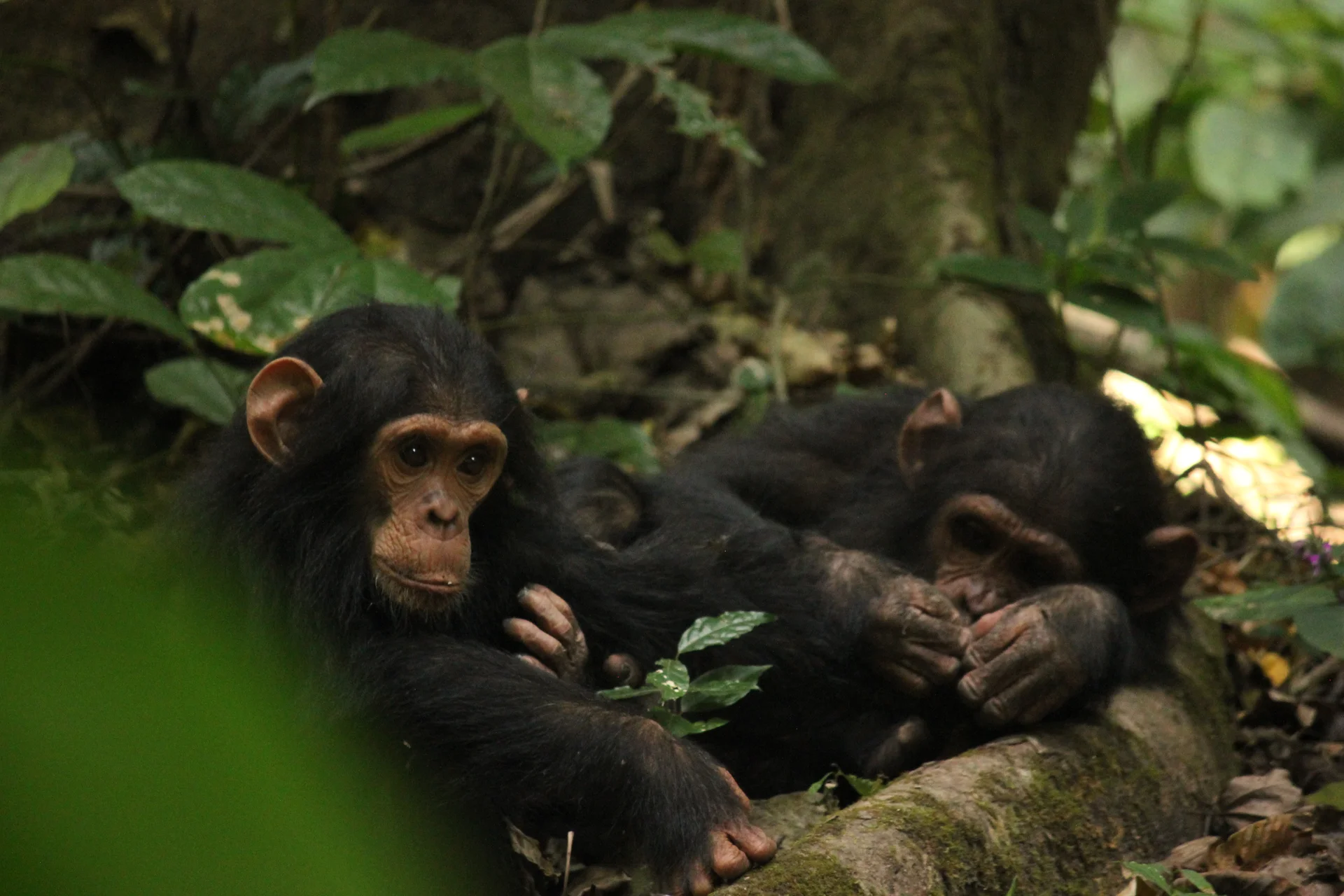
Gombe Stream National Park, also known as Gombe National Park, combines wild chimpanzee trekking with forested hills and the shores of Lake Tanganyika. In Kigoma…
Wildlife
Chimpanzees & Olive baboons
Landscape
National Parks & Safari
Highlights
Wild chimpanzee trekking with park rangers
 Southern Circuit
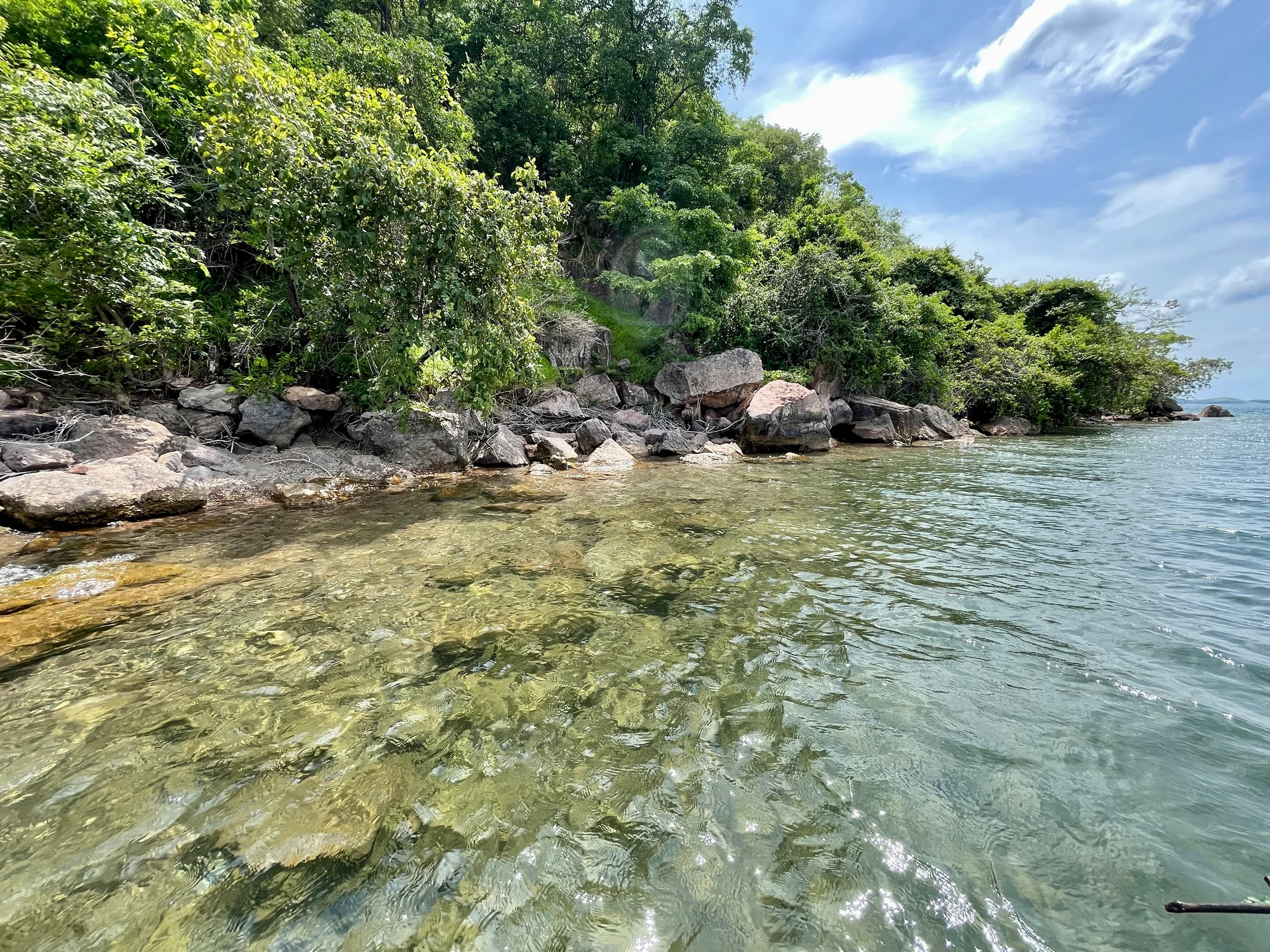
Lake Tanganyika offers a striking freshwater setting along Tanzania’s western frontier: broad blue horizons, wooded shores, bays, beaches and communities whose daily life is closely…
Wildlife
Endemic cichlid fish & Other freshwater fish
Landscape
Lakes & Hot Springs
Highlights
Africa’s deepest freshwater lake in the East African Rift
 Northern Circuit
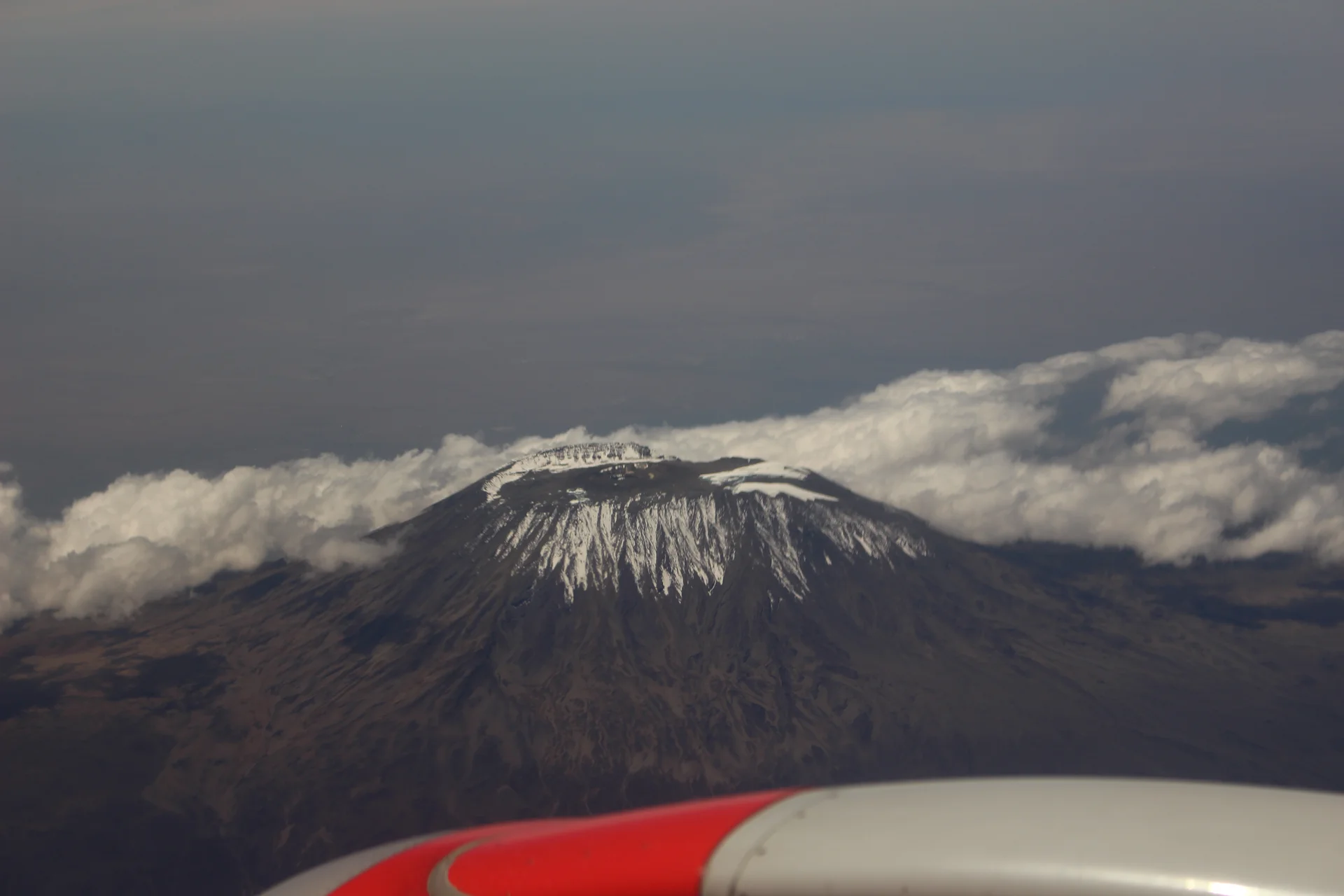
Kilimanjaro rises above northern Tanzania’s plains to Uhuru Peak at 5,895 metres, the highest point in Africa. Its volcanic massif, dramatic changes in vegetation and…
Wildlife
Black-and-white colobus monkeys in forest habitats & Blue monkeys in forest habitats
Landscape
Mountains & Trekking
Highlights
Uhuru Peak at 5,895 metres — Africa’s highest point
 Western Circuit
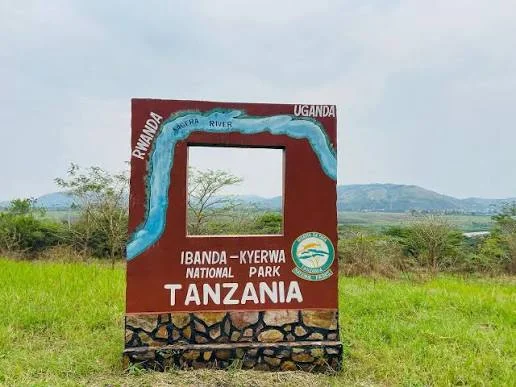
Ibanda-Kyerwa National Park protects a scenic corner of northwestern Tanzania, where the Kagera River meets a landscape of savanna, wooded slopes, valleys and wetlands. Situated…
Wildlife
Buffalo & Roan antelope
Landscape
National Parks & Safari
Highlights
Kagera River scenery on Tanzania’s northwestern border
 Zanzibar & Islands
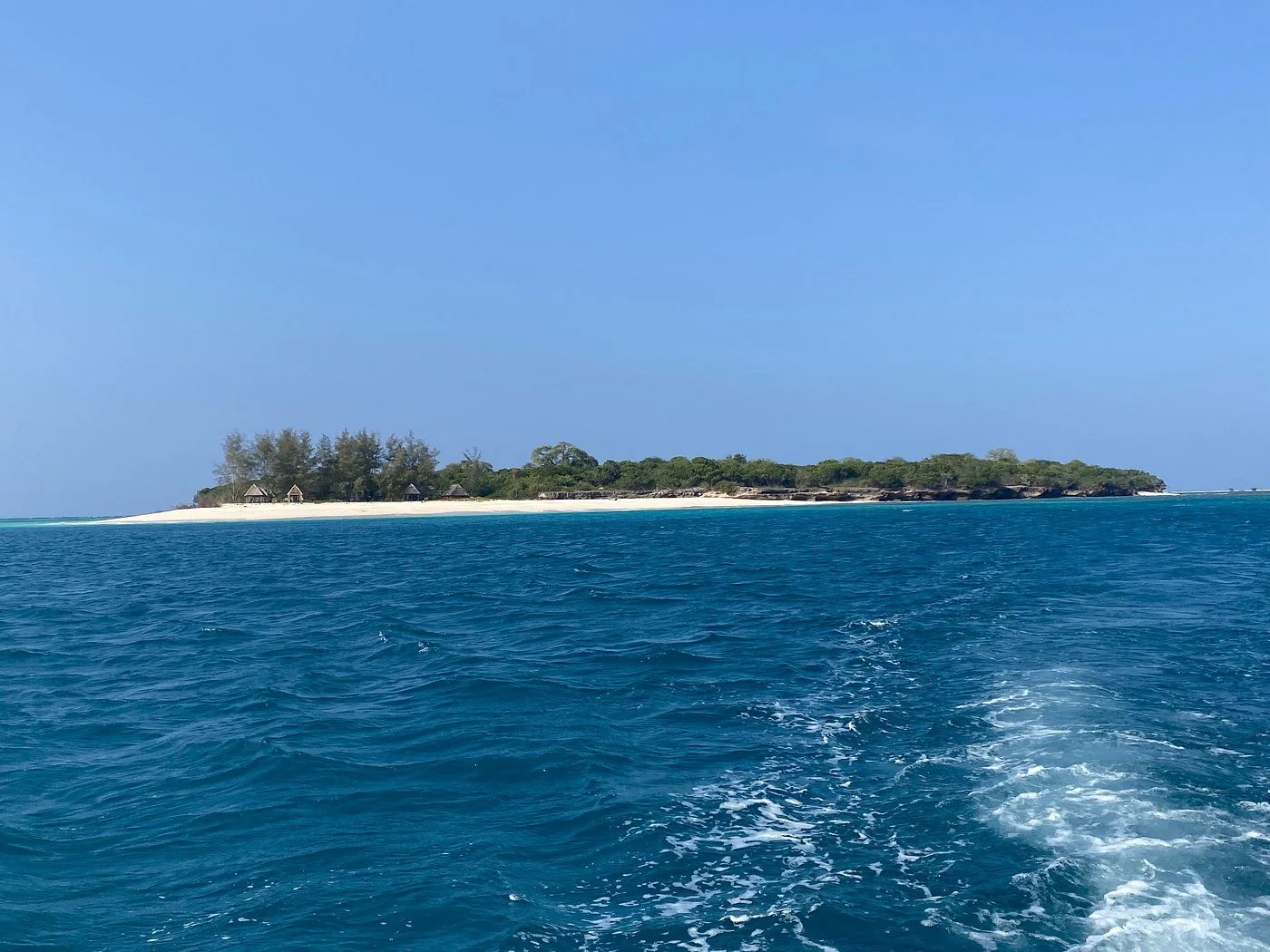
Sinda Island Marine Reserve offers an Indian Ocean escape off Kigamboni, on the southern side of Dar es Salaam. The reserve encompasses Inner and Outer…
Wildlife
Reef fish & Coastal birds
Landscape
Beaches & Islands
Highlights
Inner and Outer Sinda islands
 Northern Circuit
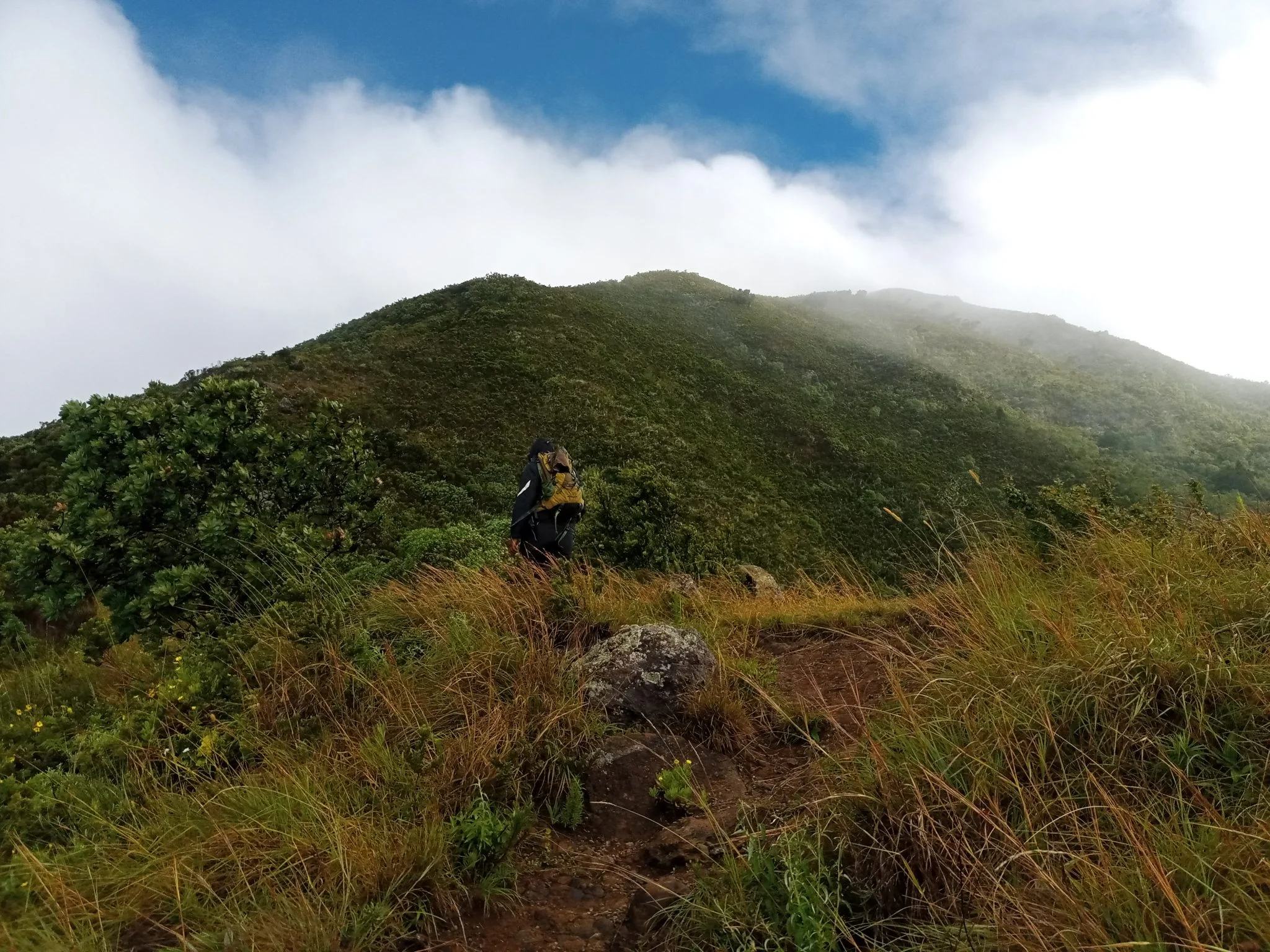
Discover Mount Hanang Rising above Katesh in Tanzania’s Manyara Region, Mount Hanang offers a rewarding mountain adventure beyond the familiar northern safari circuit. At approximately…
Wildlife
Klipspringer & Vervet monkeys
Landscape
Mountains & Trekking
Highlights
Approximately 3,423 metres — Tanzania’s fourth-highest mountain