 5.0 Excellent

Dorine M1 year ago

Grateful experience
As a solo female traveler, I felt super safe and well taken care of the entire time.
Read more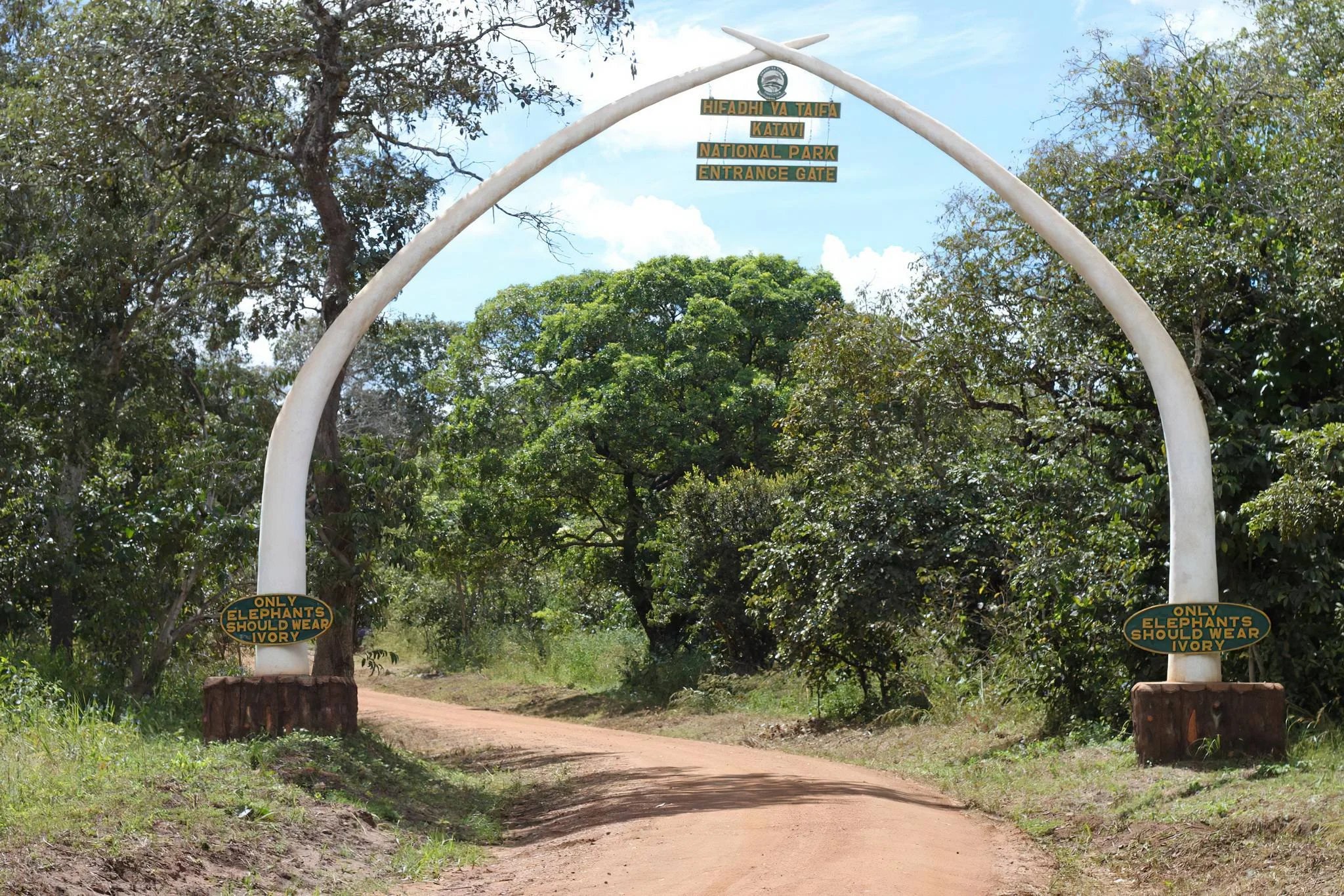
Western Circuit
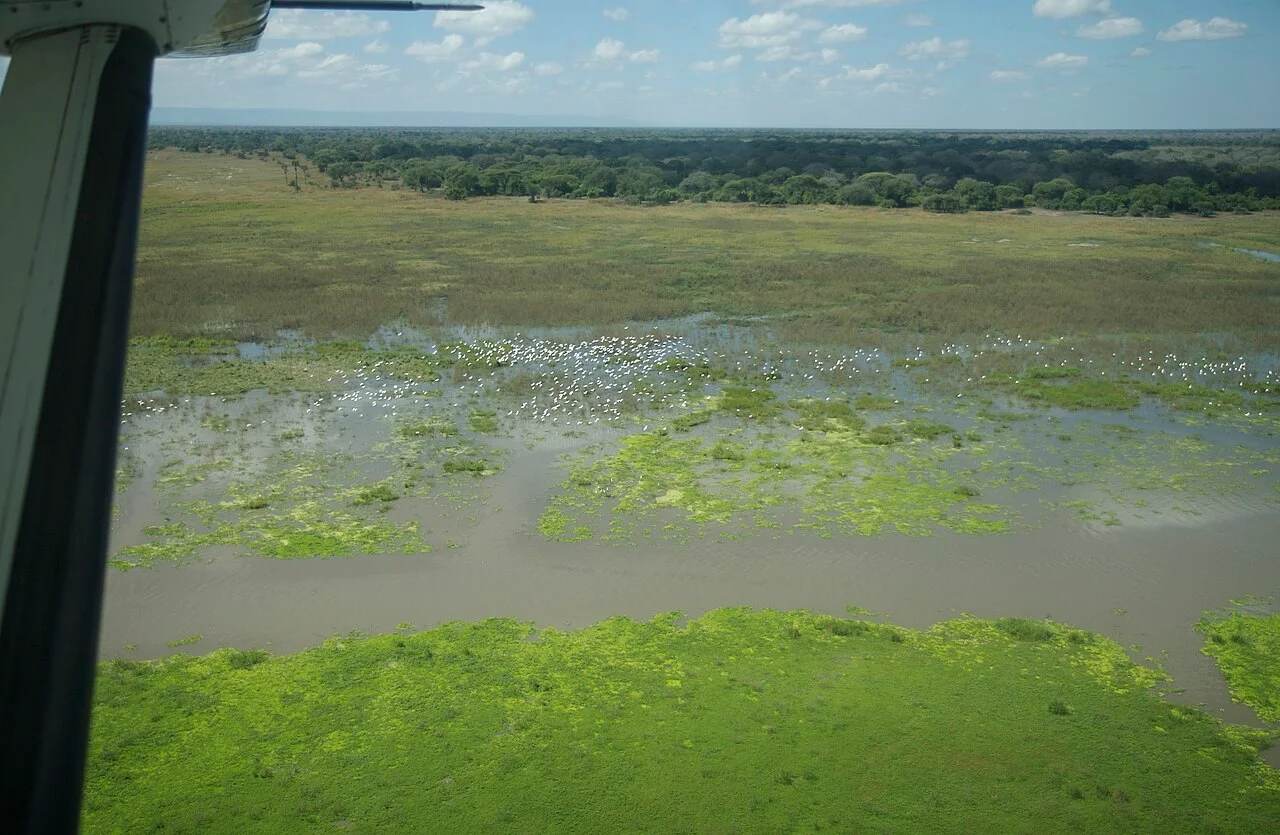
Discover Katavi National Park Katavi National Park offers a rewarding safari in western Tanzania, where seasonal floodplains, woodlands and river systems shape the movement of wildlife. Located in Katavi Region and managed by Tanzania National Parks, the park covers around 4,471 square kilometres. Its remote setting gives travellers room to spend time observing animals and appreciating the landscape, with an itinerary planned around the conditions on the ground. The park is especially known for buffalo, elephants, hippos, crocodiles and the wildlife concentrations that develop as water recedes during the dry season. A successful visit combines realistic seasonal expectations with well-organised transport, accommodation and guiding. Katavi suits travellers who want several unhurried safari days and are comfortable with the extra planning required for a remote destination. Water, floodplains and woodland The Katuma River and the seasonal wetland systems of Lake Katavi and Lake Chada are central to the park’s character. Water levels change through the year, transforming the scenery and influencing where animals can feed and drink. These are dynamic seasonal landscapes rather than lakes that always look the same or remain full throughout the year. Katisunga is an important floodplain grassland, with grazing that supports animals as conditions become drier. Around the open plains are miombo woodland, riverine forest, marshes and palm-dotted areas. Exploring more than one habitat helps reveal the park’s variety: a day focused only on an open plain can miss the different character of woodland and riverside environments. The guide can choose an appropriate route using recent observations, permitted access and available time. Dry-season wildlife viewing June–October is the main dry-season planning window for Katavi’s game viewing. As water becomes more limited, animals gather around remaining pools, river sections and productive grazing. Hippos can become concentrated in shrinking pools, and crocodiles are closely associated with the waterways. Large buffalo herds and elephant groups are among the park’s most memorable safari interests. The late dry season can bring particularly concentrated wildlife scenes, but it also brings heat, dust and changing water conditions. Animal numbers, exact locations and behaviour vary. Build the safari around several opportunities to explore, rather than expecting one specific pool, herd size or dramatic encounter to be available on demand. Patient observation with a knowledgeable guide adds more value than a rigid list of promised sightings. Predators, plains game and woodland species Katavi’s documented wildlife includes zebra, giraffe, impala, topi, hartebeest and waterbuck, with roan and sable antelope associated with woodland habitats. Lion, leopard and spotted hyena occur in the park, while wild dogs are occasional visitors. Their presence makes the park interesting for wildlife enthusiasts, but elusive or less frequently seen species should remain possibilities rather than booking guarantees. Ask the guide to interpret the animals you actually encounter: feeding, resting, social interactions and movements between habitats can all be rewarding to watch. Keep a respectful distance and follow the guide’s positioning instructions. Around hippos and crocodiles, view from the locations selected by the safari team rather than approaching the water’s edge independently. Birdwatching through the seasons Official publications record more than 400 bird species, reflecting the mixture of wetlands and woodland. Birds of interest include African fish eagle, saddle-billed stork, bateleur, rollers and paradise flycatchers, with herons, pelicans and other waterbirds using the seasonal wetlands. Birdwatching can add depth to every game drive, especially when the itinerary allows time to observe quietly. The greener months can be attractive for wetland scenery and birdlife, while the drier months offer a different mix of habitats and viewing opportunities. Bring binoculars and ask for a guide with local bird knowledge if birds are a priority. Species seen on a particular visit depend on season, habitat and conditions; a park list should not be treated as a checklist that can be completed in one day. Game drives, walks and specialist outings Guided game drives are the core of most Katavi visits. Early and later outings can be balanced with rest, photography and time to enjoy the camp setting, subject to park rules and the agreed programme. Use a suitable safari vehicle and an experienced driver, with the route adapted to track conditions and recent wildlife observations. Walking safaris require authorised rangers and advance arrangements with the park. Sitalike walking options and longer Chorangwa outings are among the possibilities described in official information. Walks offer a chance to focus on tracks, vegetation and the smaller details of the bush. Confirm the actual route, difficulty, complete duration, equipment and return plan before setting out, especially for longer excursions or waterfall visits. An authorised night drive may also be possible under specific park arrangements. Ask whether it can be provided for your dates and accommodation, and what permission and guiding are included. Night driving is a regulated activity rather than unrestricted access after dark. Optional activities should be confirmed before they become part of a quoted itinerary. The wet-season landscape November–May is broadly Katavi’s wet season. Floodplains become greener, wetlands expand and wildlife can disperse across a wider area. This changes the safari experience: attractive scenery and birdwatching may come with more challenging routes and less concentrated mammal viewing. Some tracks can become muddy or flooded, and accommodation or flight operations may have seasonal availability. A wet-season visit should be based on current local advice and confirmed services. Leave room for routes to change, and discuss what can realistically be explored from the selected camp. The exact timing of the rains varies, so the transition into or out of a season should be checked shortly before travel. Getting to a remote safari destination Air access can involve Mpanda Airport followed by a road transfer, or a suitably arranged flight to Ikuu airstrip inside the park. The best choice depends on your starting point, accommodation, flight availability and the transfer arrangements offered. Confirm the operating dates, connection plan, baggage allowance and final pickup before booking; published examples of flight days should not be assumed to be a current schedule. Road approaches can be planned through Mbeya, Kigoma or Tabora, depending on the wider journey. Distances are substantial and conditions can vary along the final approach. Use an experienced driver and obtain a current travel estimate with realistic stops and overnight arrangements. Sitalike and Ikuu are useful access areas to discuss with the park and accommodation team. A remote safari needs a complete transport plan, including the return journey. Accommodation and safari preparation Katavi offers private tented camps and park accommodation or designated camping options, subject to current availability. Choose an overnight base around the routes and wildlife areas you want to explore. Ask what guiding, game drives, meals, drinking water, transfers and optional activities are included, and confirm the camp’s operating season before committing to the itinerary. Camping must use authorised sites. Special sites and mobile-camp arrangements require advance booking or approval, with equipment, sanitation and supplies clearly organised. For any stay, carry sun protection, comfortable clothing, appropriate walking shoes, insect protection and a way to protect cameras from dust or rain. Ask your organiser about electricity, charging, communications and practical facilities at the selected accommodation. Conservation and cultural interest Protecting floodplain water sources, habitats and wildlife movement is central to Katavi’s conservation value. Follow designated tracks and ranger instructions, keep noise low around animals and carry out litter. Give wildlife space and avoid behaviour that changes an animal’s movement simply to improve a photograph. The name Katavi is associated with local tradition concerning Katabi, and a tamarind tree near Lake Katavi is described as a cultural site. A visit, if appropriate and arranged, should be guided by local interpretation and respect for the place. Cultural interest can complement wildlife viewing without turning a meaningful site into an automatic stop on every safari. Planning your Katavi journey Allow enough time for several game-viewing outings and a comfortable pace. Katavi can be combined with Mahale or other western Tanzania destinations when flights, transfers, permissions and accommodation are planned together. TanzaLux can help shape a safari around your interests and travel dates, with seasonal conditions and available services checked before the itinerary is confirmed.
November–April falls within the wetter period. Greener floodplains and seasonal wetlands can be attractive for scenery and birdwatching, while mammals may disperse and tracks can become muddy or flooded. Confirm camp operations, flight availability and the routes that can actually be explored, and allow the itinerary to change.
May–early June and the transition into November can offer changing conditions as the rains end or begin. Access, vegetation and animal distribution vary between years. These periods suit a flexible plan based on current park advice, with transport and accommodation confirmed rather than assumed to operate on fixed seasonal dates.
June–October is the main dry-season game-viewing window. Wildlife increasingly gathers around remaining water and grazing, with late-season concentrations of hippos, crocodiles, buffalo and other mammals a key attraction. Conditions can be hot and dusty; sightings, herd sizes and access remain variable. Book accommodation, flights and specialist activities in advance.
Air access can be arranged via Mpanda Airport with an onward road transfer, or via a suitable flight to Ikuu airstrip inside Katavi. Confirm the operating dates, route, connections, baggage allowance, accommodation pickup and return transport before booking. Road approaches can use Mbeya, Kigoma or Tabora, depending on the wider itinerary, with Sitalike and Ikuu access areas discussed with the park and accommodation team. Road journeys are substantial and the final approach is sensitive to weather and track conditions; obtain a current estimate with realistic stops rather than relying on a fixed distance or duration. Confirm entry permits and charges, vehicle and driver, camp availability, guiding, any authorised walk or night drive, meals, drinking water and emergency arrangements before departure.
Katavi is in Katavi Region in western or southwestern Tanzania. Its remote location requires careful transport and accommodation planning and makes it suitable for an unhurried safari.
The park is managed by Tanzania National Parks, TANAPA, and covers around 4,471 square kilometres. It protects seasonal floodplains, woodland, riverine habitats and wetlands within a wider ecosystem.
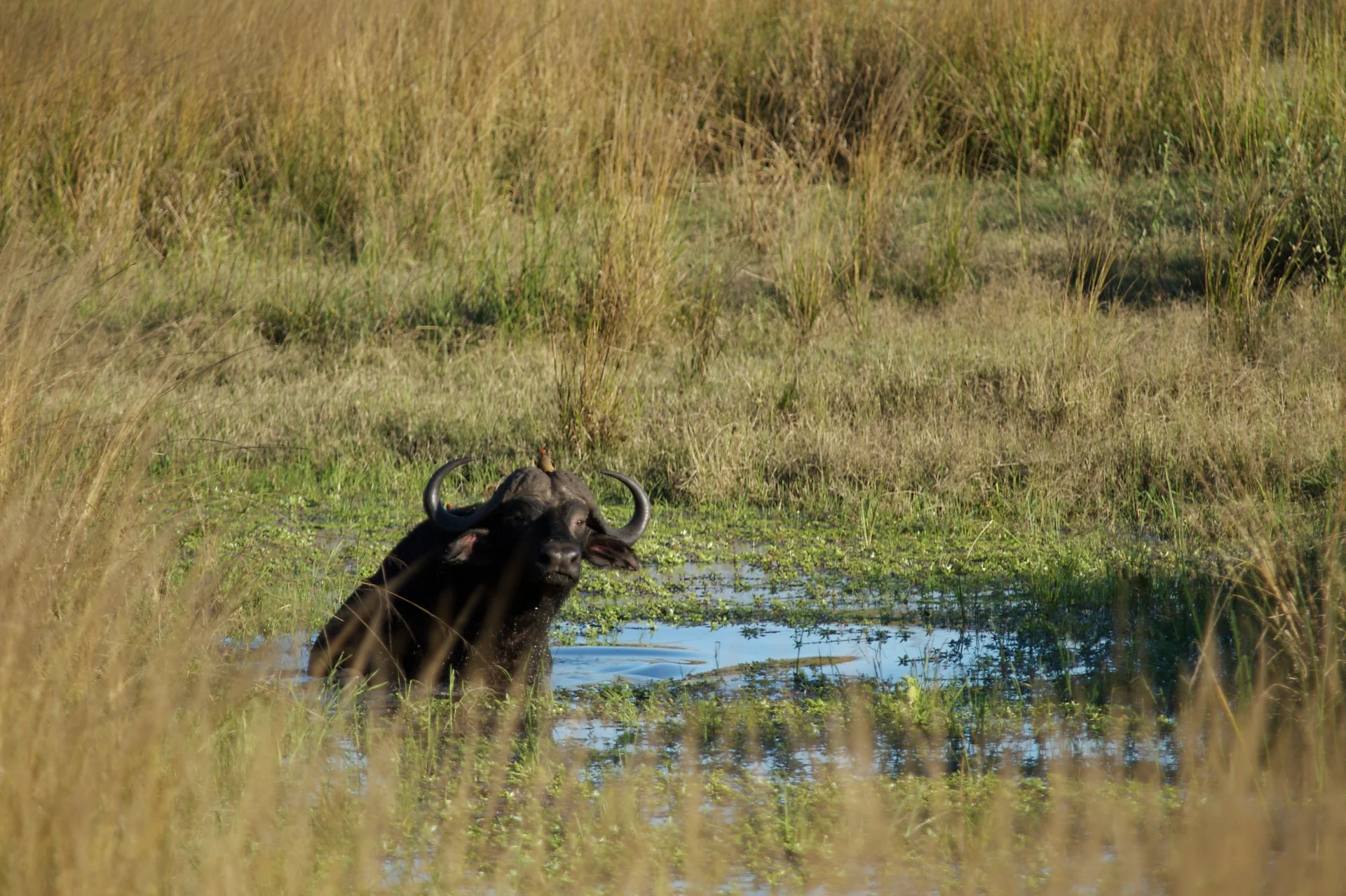
Its seasonal landscapes and wildlife concentrations are a major attraction, including buffalo, elephants, hippos and crocodiles. The varied habitats, birdlife and quieter safari setting reward time spent exploring with a knowledgeable guide.
June–October is the main dry-season planning window. As water recedes, animals gather around remaining pools, river sections and grazing. Exact wildlife locations and concentrations vary with conditions.
A wet-season visit can offer greener scenery and birdwatching, but November–May can bring flooded or muddy tracks and more dispersed wildlife. Confirm routes, camp openings and flight availability before choosing dates.
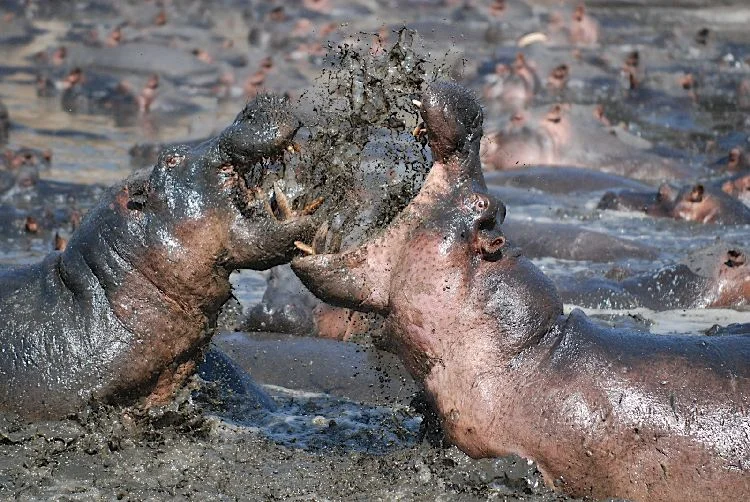
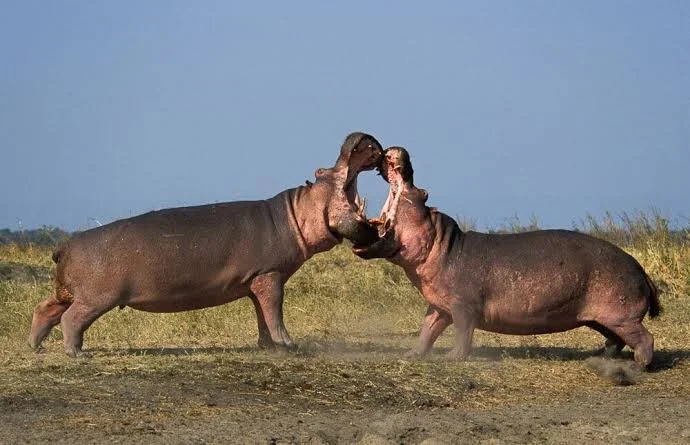
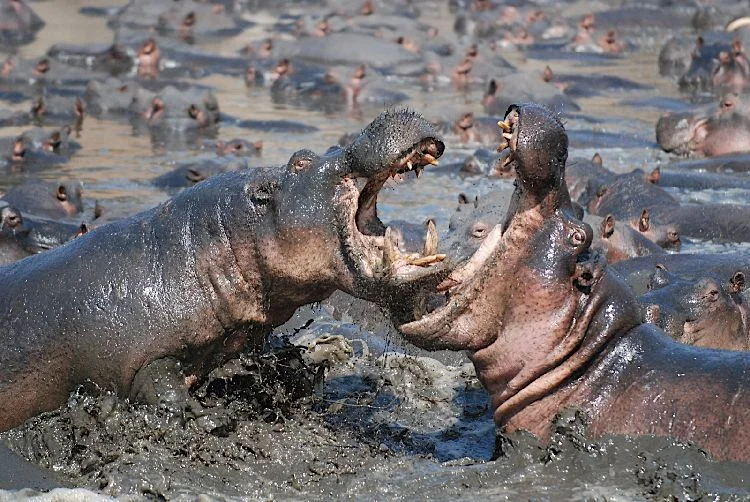
Hippos are closely associated with the river and pool systems and can become concentrated as water shrinks in the dry season. Watch from the positions selected by the guide and avoid expecting a fixed number or particular behaviour.
Nile crocodiles occur along Katavi’s waterways and pool systems. Their positions change with water levels and conditions. View with your guide from appropriate locations rather than approaching the water independently.
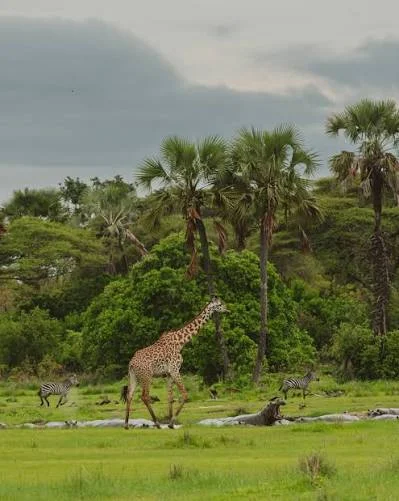
Documented mammals include buffalo, elephant, hippo, zebra, giraffe, impala, topi, hartebeest, waterbuck, roan and sable antelope. Habitat and season influence what is seen; a particular species is not guaranteed.
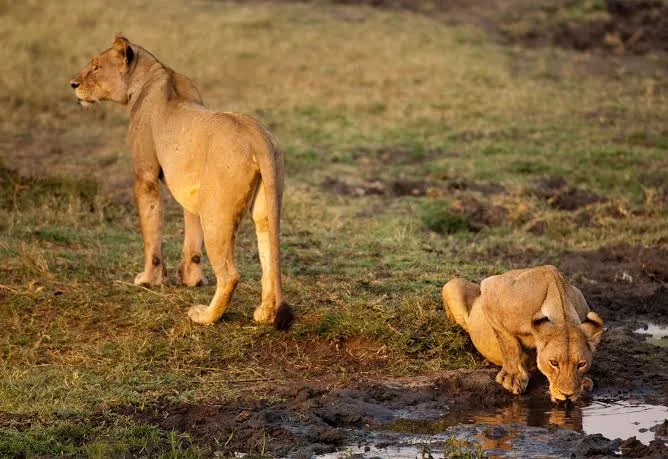
Lion, leopard and spotted hyena occur in the park, while wild dogs are occasional visitors. These remain wildlife-viewing possibilities, especially for elusive or infrequent species, rather than guaranteed sightings.
Official publications record more than 400 species. Wetlands and woodland support birds such as African fish eagle, saddle-billed stork, bateleur, rollers, flycatchers, herons and pelicans. A guide with local bird knowledge can add depth to the safari.
The river and associated wetland systems help shape the park’s wildlife movements. Seasonal changes in water and grazing influence where animals concentrate and which habitats are most rewarding to explore.
They are seasonal wetland systems whose water levels and appearance change through the year. Plan around current conditions rather than expecting the same open-water landscape in every season.
Katisunga is a major floodplain grassland, not a separate river. Its grazing and water relationships are important to the park’s seasonal ecology and can make it an interesting area within an appropriate safari route.
Guided game drives, birdwatching and photography form the core of many visits. Authorised walking, specialist excursions, night drives and camping can be considered when park permissions, services and conditions allow.
Walking safaris require authorised rangers and advance arrangements with the park. Confirm the route, terrain, complete duration, fitness expectations, equipment and return plan before setting out.
An authorised night drive may be arranged under specific park guidelines, subject to permission and current operator availability. Confirm it for your dates and accommodation before including it in the itinerary.
Options can include Mpanda Airport with a road transfer or a suitable flight to Ikuu airstrip inside the park. Check current availability, connections, baggage limits and accommodation transfers; do not assume published flight-day examples are current schedules.
Road approaches can be planned through Mbeya, Kigoma or Tabora. Journeys are substantial and conditions vary, so arrange an experienced driver, suitable vehicle, realistic stops and a current estimate for the chosen route.
Private tented camps, park accommodation and designated camping are options subject to current availability. Special sites and mobile camps need advance arrangements or approval. Confirm the operating season, facilities, equipment, meals, water and included activities.
Yes, when flights, transfers, park permissions and accommodation are planned together. Allow sufficient days for each destination and realistic connections, with the return journey confirmed as carefully as the arrival.
Grateful experience
As a solo female traveler, I felt super safe and well taken care of the entire time.
Read morePrivate Safari 6 days
I can only highly recommend the young company Tanzalux for organizing a private safari.
Read moreAn unforgettable vegetarian journey with Tanzalux Safaris
I highly recommend Tanzalux for anyone wanting a special, personalized safari.
Read moreOur 3-day camping safari with Tanzalux was simply fantastic! Everything was perfectly organized.
Read moreBack in April, I joined a day trip to Tarangire National Park with Tanzalux Safaris, and it was truly one of the best experiences I have ever had…
Read moreI've had an amazing experience with Tanzalux Safaris, would 1000% recommend! Thank you for making my trip so special🫶
Read moreI recently visited Meru Waterfalls in Arusha and got to do some of the activities there, honestly it was such a great experience and I really enjoyed it.
Read moreOur guide Dullah Mr Rastaman had the best vibe. I would like to recommend other people not to miss it, Tarangire is the best national park.
Read moreOur tour guide Nasri was very friendly and welcoming from the first day we met him. He knows Tarangire very well and explained many things during the safari.
Read moreAs a grandmother in the group, I would like to share my happiness with Tanzalux Safaris. Me, my daughters, and my grandson went on a short trip to Tarangire National Park…
Read moreReceive a free, no obligation quote

 Western Circuit
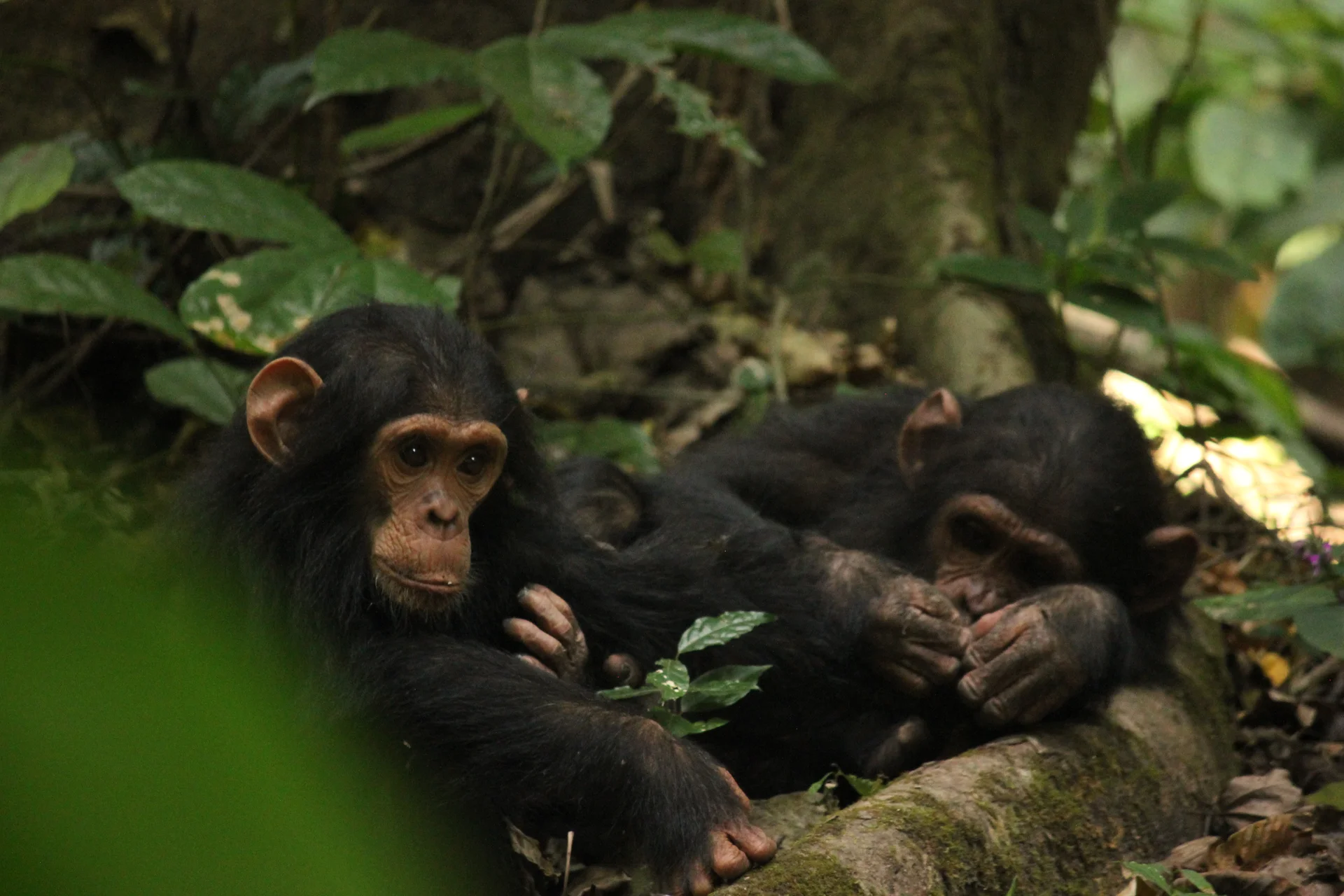
Gombe Stream National Park, also known as Gombe National Park, combines wild chimpanzee trekking with forested hills and the shores of Lake Tanganyika. In Kigoma…
Wildlife
Chimpanzees & Olive baboons
Landscape
National Parks & Safari
Highlights
Wild chimpanzee trekking with park rangers
 Southern Circuit
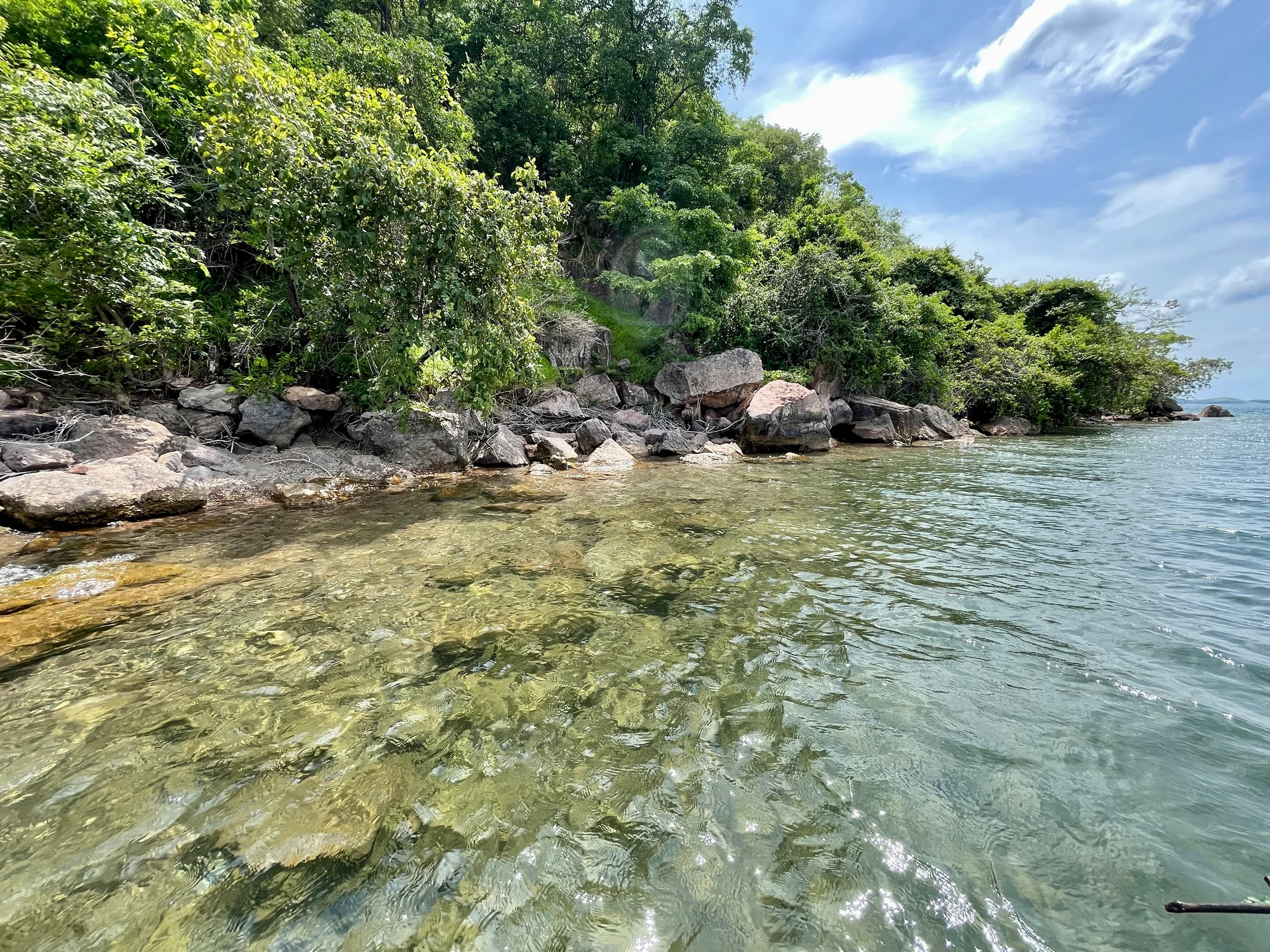
Lake Tanganyika offers a striking freshwater setting along Tanzania’s western frontier: broad blue horizons, wooded shores, bays, beaches and communities whose daily life is closely…
Wildlife
Endemic cichlid fish & Other freshwater fish
Landscape
Lakes & Hot Springs
Highlights
Africa’s deepest freshwater lake in the East African Rift
 Northern Circuit
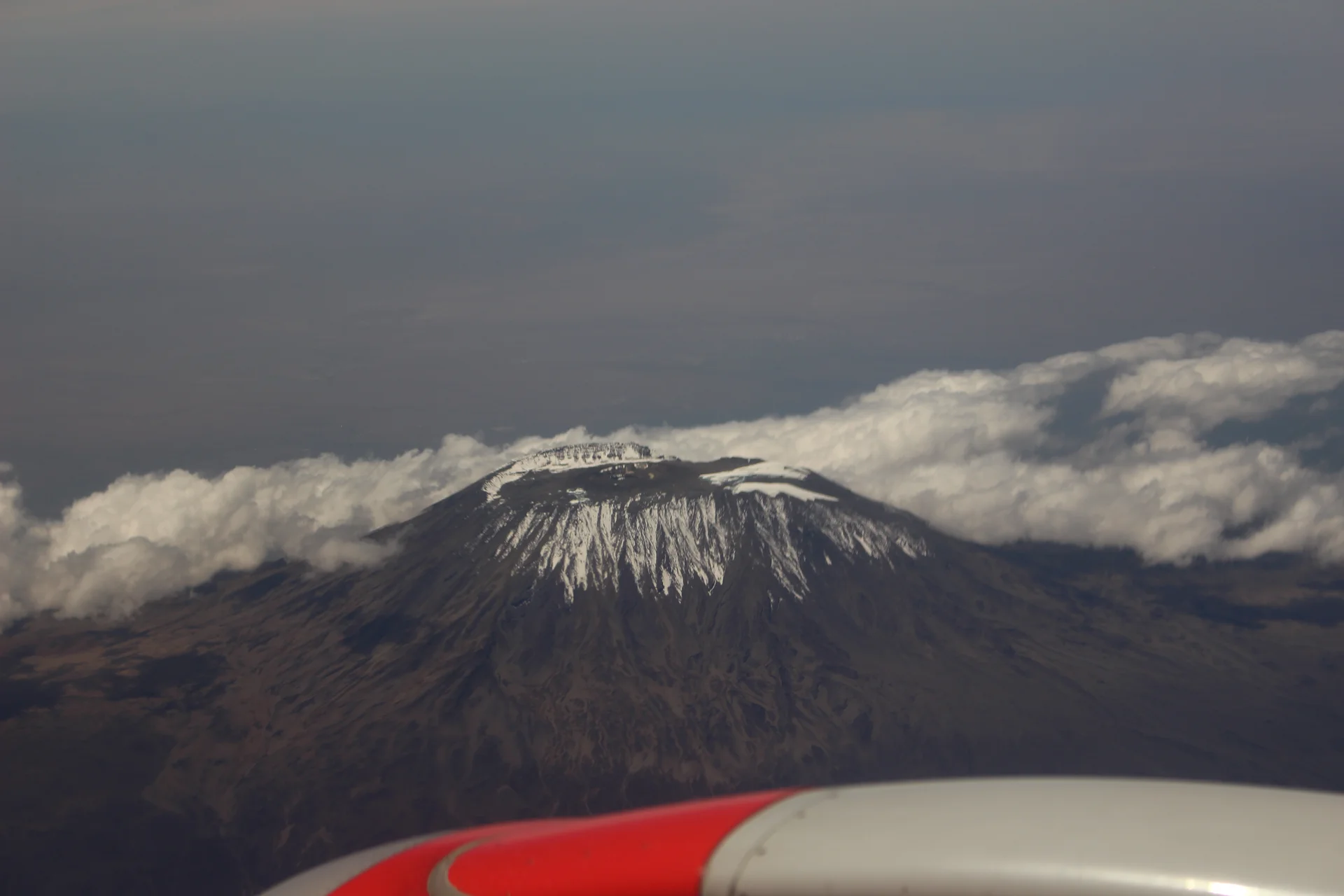
Kilimanjaro rises above northern Tanzania’s plains to Uhuru Peak at 5,895 metres, the highest point in Africa. Its volcanic massif, dramatic changes in vegetation and…
Wildlife
Black-and-white colobus monkeys in forest habitats & Blue monkeys in forest habitats
Landscape
Mountains & Trekking
Highlights
Uhuru Peak at 5,895 metres — Africa’s highest point
 Western Circuit
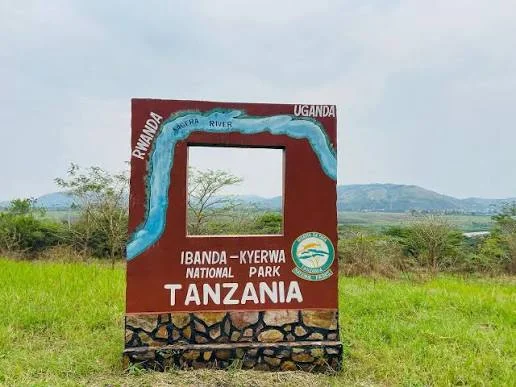
Ibanda-Kyerwa National Park protects a scenic corner of northwestern Tanzania, where the Kagera River meets a landscape of savanna, wooded slopes, valleys and wetlands. Situated…
Wildlife
Buffalo & Roan antelope
Landscape
National Parks & Safari
Highlights
Kagera River scenery on Tanzania’s northwestern border
 Zanzibar & Islands
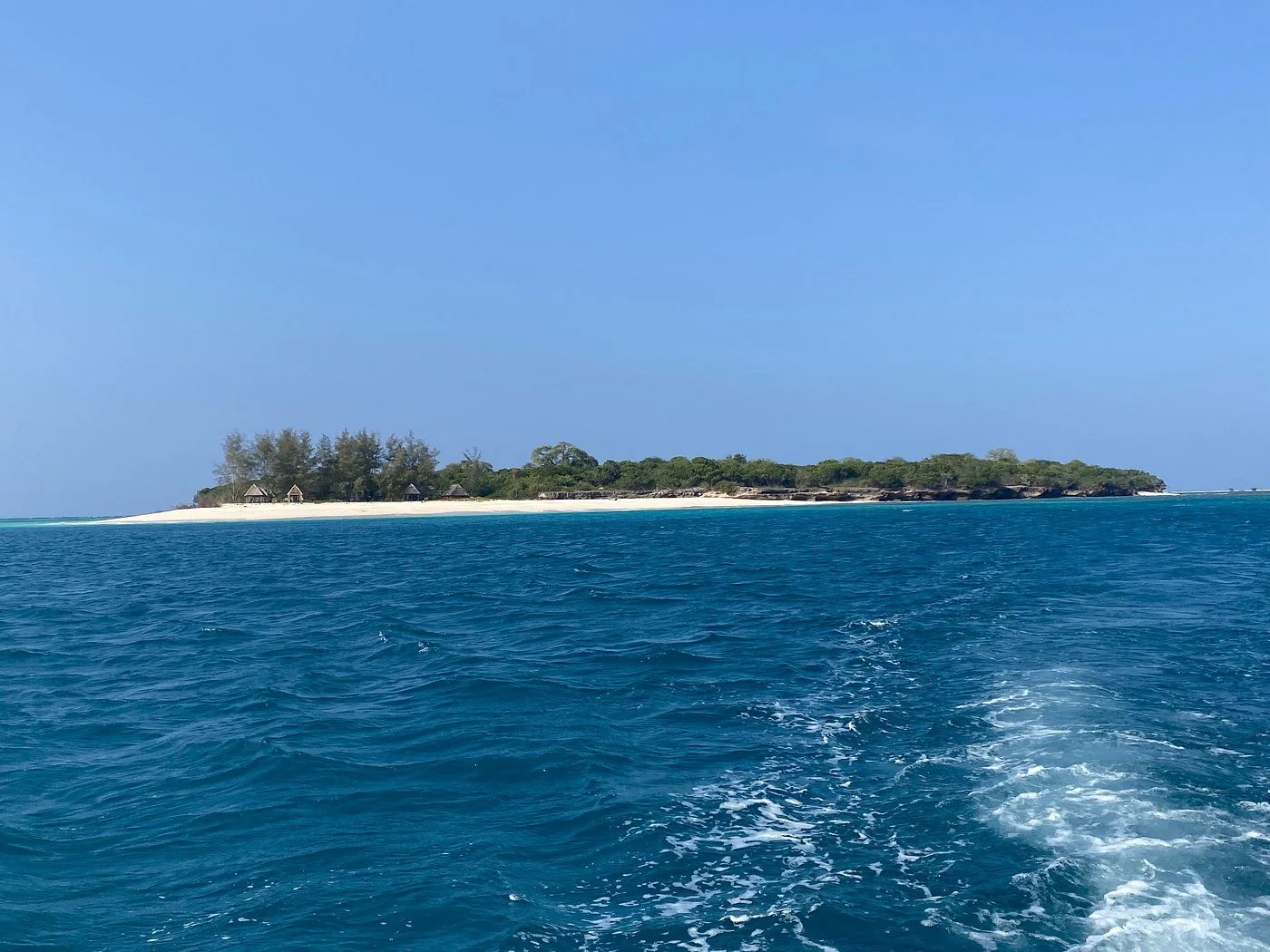
Sinda Island Marine Reserve offers an Indian Ocean escape off Kigamboni, on the southern side of Dar es Salaam. The reserve encompasses Inner and Outer…
Wildlife
Reef fish & Coastal birds
Landscape
Beaches & Islands
Highlights
Inner and Outer Sinda islands
 Northern Circuit
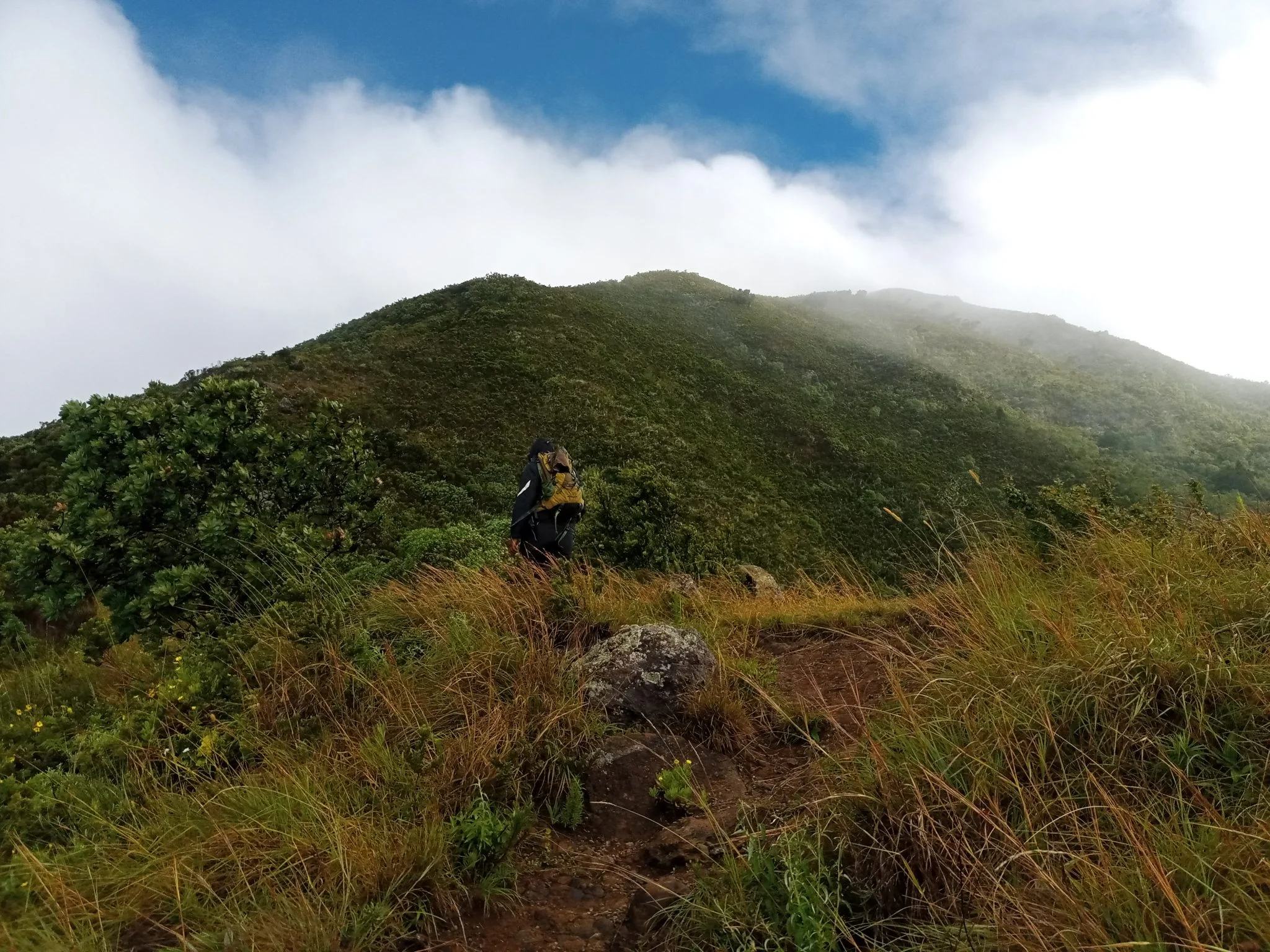
Discover Mount Hanang Rising above Katesh in Tanzania’s Manyara Region, Mount Hanang offers a rewarding mountain adventure beyond the familiar northern safari circuit. At approximately…
Wildlife
Klipspringer & Vervet monkeys
Landscape
Mountains & Trekking
Highlights
Approximately 3,423 metres — Tanzania’s fourth-highest mountain