 5.0 Excellent

Dorine M1 year ago

Grateful experience
As a solo female traveler, I felt super safe and well taken care of the entire time.
Read more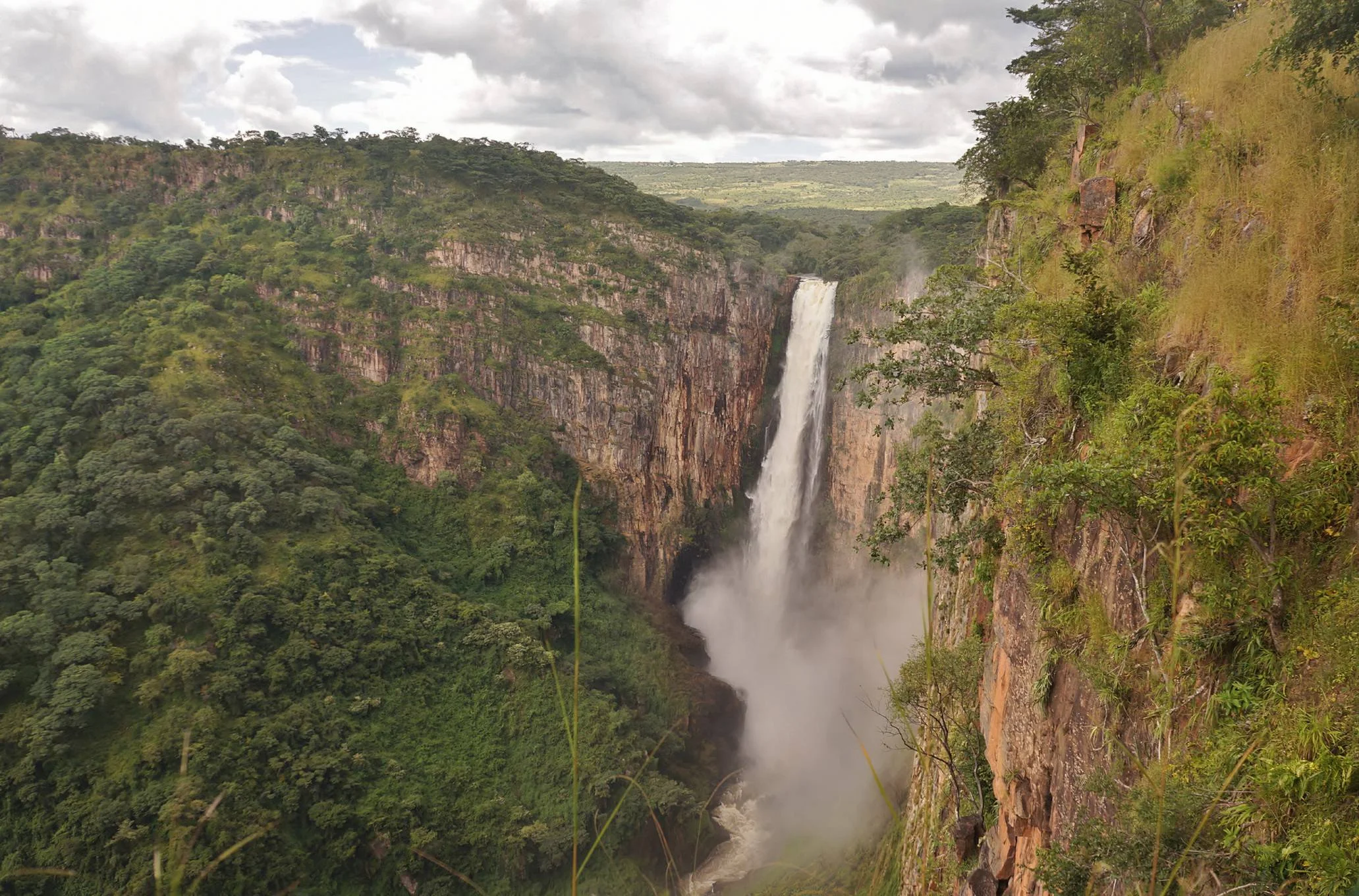
Southern Circuit
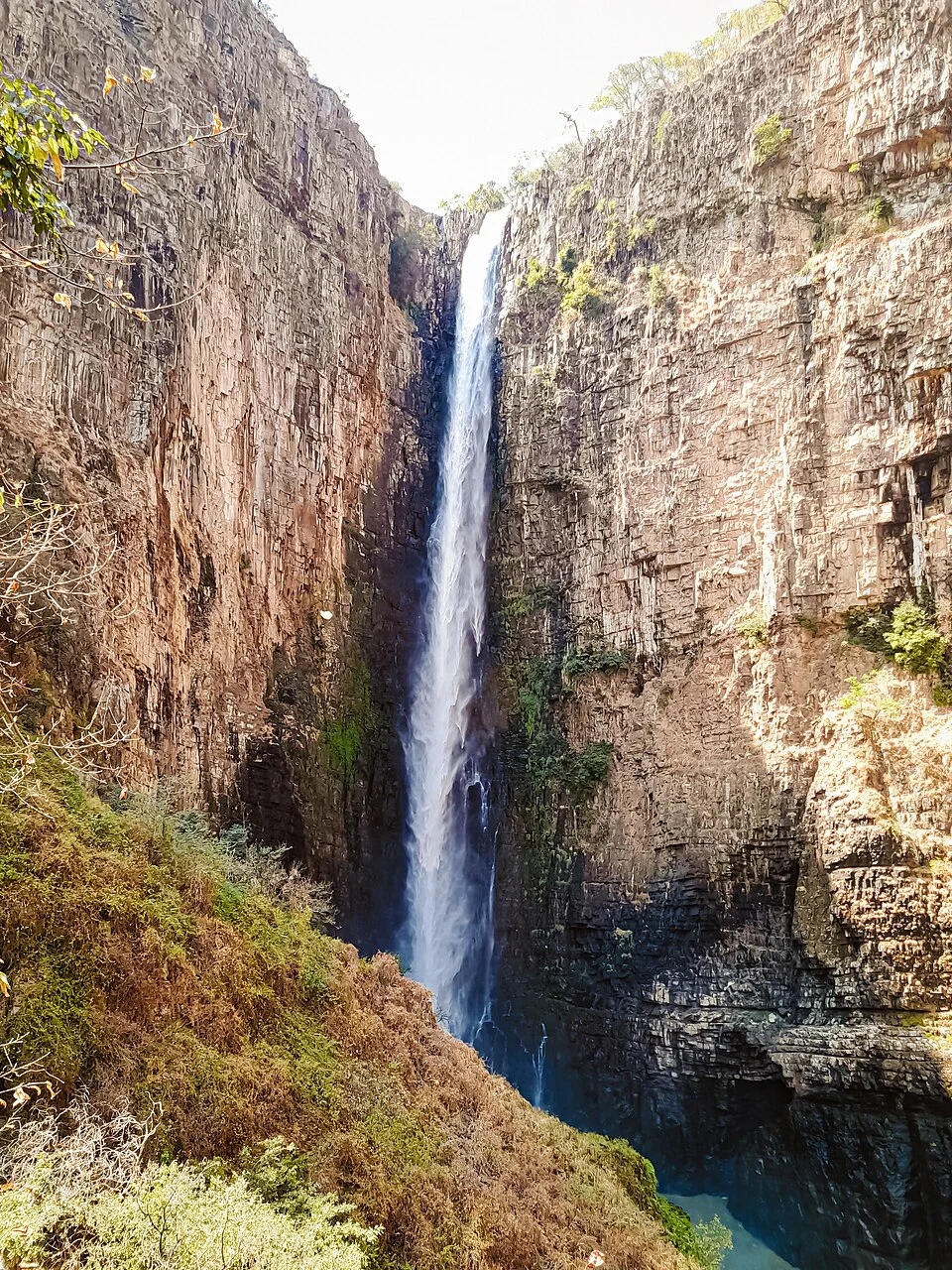
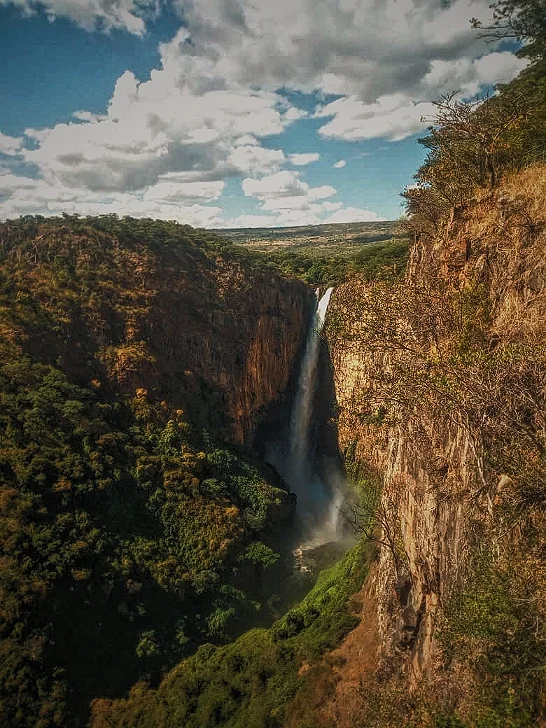
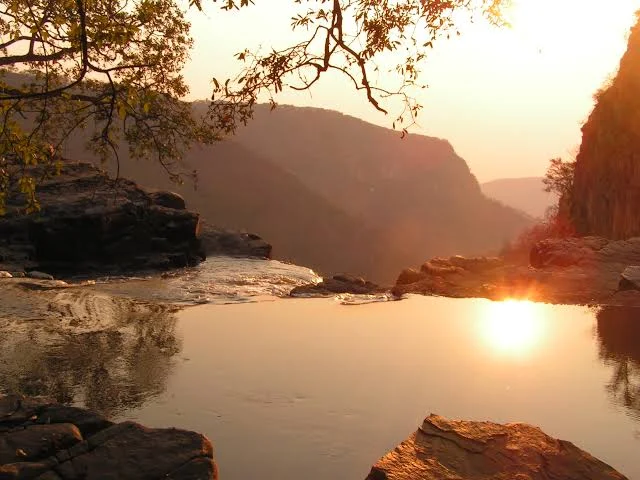
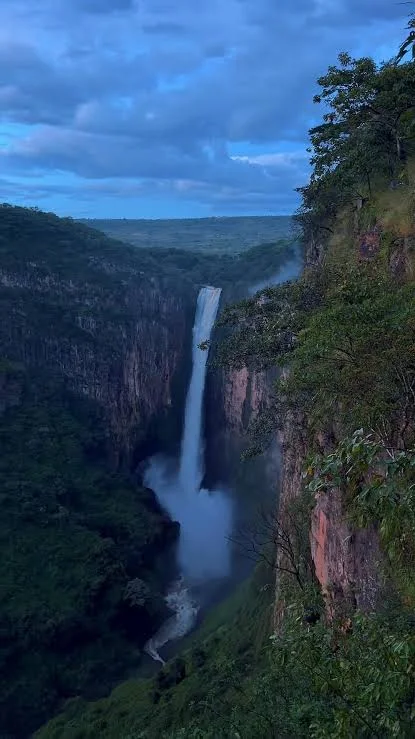
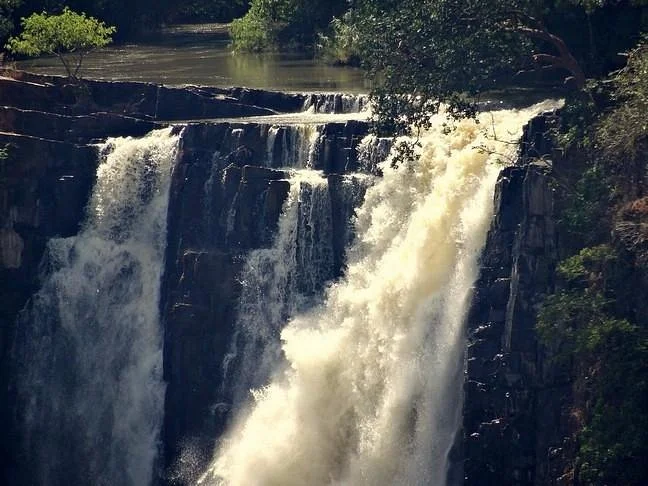
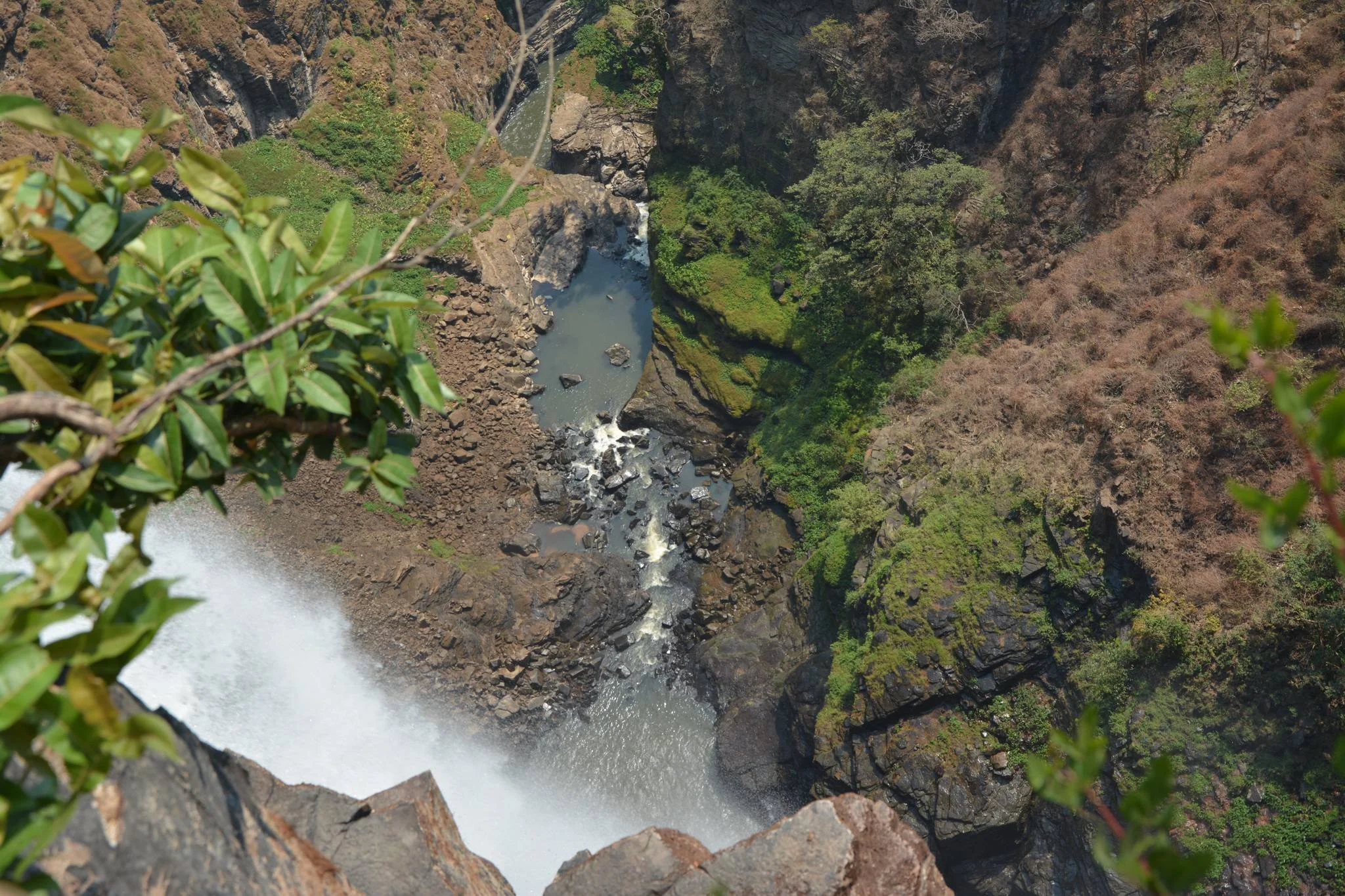
Kalambo Falls: a remarkable journey into Tanzania’s southwest Kalambo Falls rewards travellers who want dramatic scenery, a quieter route and time to explore beyond Tanzania’s familiar safari circuit. The Kalambo River reaches an escarpment on the Tanzania–Zambia border and plunges in a single fall more than 200 metres into a steep gorge. The river continues towards Lake Tanganyika, connecting the waterfall with one of East Africa’s great freshwater landscapes. From an approved viewpoint, the experience combines the sound of falling water, enormous rock walls and the changing colours of the surrounding vegetation. This destination page focuses on a visit from Tanzania. Kalambo Falls lies in Kalambo District, Rukwa Region, within Kalambo Nature Forest Reserve, managed by Tanzania Forest Services. It is a forest-reserve and waterfall experience rather than a national-park game drive. The shared river and border geography matter when planning: accommodation, access routes and permissions on the Tanzanian side do not automatically provide entry to Zambia or its visitor facilities. The waterfall and gorge The waterfall is the principal attraction, but the wider landscape gives the visit its character. Look for the contrast between exposed cliffs, vegetation around the river and greener pockets influenced by moisture and spray. Water volume varies with the season and preceding rainfall. A fuller river can create an especially forceful display, while lower water may reveal more detail in the rock face. Neither condition should be treated as a guaranteed photographic scene. Allow time to stop, listen and observe rather than approaching the visit as a quick roadside photograph. The angle of the light, cloud cover and spray can change the appearance of the falls during a single outing. A guide can help identify approved observation points and explain the local landscape. Stay within the visitor route: a view into the gorge does not mean that a safe descent to its floor is available. Walking, photography and a considered pace Walking and hiking are central to the experience. Confirm the actual route, distance, surface and elevation changes before travel, especially if your group includes young children, older visitors or anyone with limited mobility. Do not assume that a trail described online refers to the Tanzanian side. Take footwear with reliable grip, drinking water, sun protection and a light rain layer. Leave enough daylight for the return walk and the onward road journey. For photography, start with a broad composition that includes the gorge, then look for details in the cliff and falling water from secure ground. Protect cameras from spray and dust, and keep straps attached. Never step beyond a barrier or move towards an exposed edge to improve a picture. A tripod should not obstruct other visitors or encourage standing in an unsafe position. Drone flying requires its own checks and permissions; it is not automatically included in an ordinary visit. Birdlife and the wider reserve Birdwatching can add depth to a waterfall outing, particularly for visitors who enjoy watching cliff and river habitats. Marabou storks have been documented nesting in the gorge in official information about the shared falls. Their visibility depends on the viewpoint, season and conditions. Binoculars help you observe without approaching nests or disturbing birds. Ask a local guide which species are currently being seen rather than expecting a fixed checklist. Tanzania Forest Services also lists elephants and wild pigs in the wider reserve. These records should not be read as a promise of encounters beside the waterfall. The attraction is primarily scenery, walking and nature interpretation. Any wildlife excursion beyond the regular visitor area needs appropriate local advice and arrangements. Maintain distance from animals, keep food packed away and follow staff instructions if wildlife is encountered. An extraordinary archaeological story Kalambo is also important to research into early human technology. A study published in 2023 described deliberately worked wood excavated in 2019 at the archaeological research site on the Zambian side. Two interlocking logs, shaped with a cut notch, came from waterlogged deposits dated to approximately 476,000 years ago. The evidence points to very early structural use of wood; it does not establish a complete house or identify the builders with certainty. This history is a valuable part of understanding the landscape, but access to an excavation or original artefact display must be confirmed separately. Do not plan a Tanzania waterfall visit on the assumption that the research trench is open to tourists. Visitors should leave stones and other objects undisturbed. Kalambo’s significance can be appreciated through a guide’s interpretation even when research areas are unavailable. Choosing the season The region generally has a rainy period from November to April and a drier period from May to October. After substantial rains, the waterfall can be particularly impressive, with stronger flow often reported around May and June. Exact timing varies between years. Wet weather may affect the final approach, walking surfaces and visibility, so a flexible itinerary is useful when travelling during or soon after the rains. Later dry-season travel can make road and walking arrangements easier, although the waterfall may have less water. Choose dates according to the experience you value: forceful flow, comfortable walking or a broader Lake Tanganyika itinerary. Ask for current access and water-condition advice close to departure. Carry water in every season and adjust the walk to your group’s fitness and the day’s heat. Getting there and where to stay For a Tanzanian journey, Sumbawanga is a practical planning base. Road travel can be arranged through the Rukwa region, with routes connecting Sumbawanga, Matai and Kasanga. The existence of a main road to Kasanga does not confirm the condition of the final waterfall approach. Reserve staff or your local organiser should confirm the correct turn-off, vehicle requirements, meeting point and visitor route before you set out. Accommodation options can be considered in Sumbawanga and Kasanga, while camping is listed among the reserve’s activities. Check the current campsite, toilets, drinking-water arrangements and booking process rather than assuming a fully serviced camp. Leave room in your schedule for regional transfers. A visit from Mbala belongs to a separate Zambian itinerary and requires the relevant border and entry arrangements; do not attempt an informal crossing at the river. Building a rewarding itinerary Kalambo Falls works well as the scenic centrepiece of a journey through southwestern Tanzania. A Lake Tanganyika stay can provide a different pace before or after the walking day. If adding lakeshore activities, confirm their location, transport, safety arrangements and availability separately. Likewise, a broader safari extension requires additional travel days and should not be presented as an activity inside Kalambo Nature Forest Reserve. A useful visit plan starts with confirmed access, an early departure appropriate to your accommodation base, unhurried time at the approved viewpoints and a realistic return. Arrange picnicking and camping in permitted areas. Ask before photographing people and choose locally arranged cultural encounters with community consent. Remove all litter, avoid disturbing vegetation and keep noise low around wildlife and other visitors. Plan your Kalambo Falls experience with TanzaLux Tell TanzaLux your travel dates, starting point, interests and walking preferences. A well-prepared itinerary can bring together reserve access, guiding, road transfers, accommodation and a suitable Lake Tanganyika extension. Current availability, fees and route conditions should be confirmed in the trip proposal. The result is a thoughtful visit to a spectacular waterfall, with time to appreciate both its landscape and the remarkable history associated with Kalambo.
November–April: the regional rainy season. Green surroundings and increasing river flow can create dramatic scenery, but rain may affect access roads, slippery trails and visibility. Confirm the final approach and walking conditions shortly before travel, allow flexibility and carry rain protection. A high-flow visit is weather-dependent.
May–June: a useful transition after the main rains. Stronger waterfall flow is often reported in these months, depending on the preceding rainfall, while access may become easier as conditions dry. Check current road and trail reports; wet surfaces and spray can still affect viewpoints. Plan an unhurried daytime visit.
July–October: generally drier conditions, often convenient for walking and regional road travel. The river can diminish towards the later dry season, so expect variable water volume rather than a guaranteed full cascade. Carry drinking water and sun protection, and confirm current reserve access and camping services.
Plan the Tanzanian approach through Sumbawanga in Rukwa Region, with road transfers arranged from your regional arrival point, including routes via Mbeya or Mpanda where suitable. The Sumbawanga–Matai–Kasanga corridor provides the main regional road connection; reserve staff must confirm the final waterfall approach, correct turn-off, vehicle suitability and meeting point. Accommodation can be considered in Sumbawanga or Kasanga, with reserve camping subject to confirmed arrangements. Obtain an itinerary-specific transfer estimate after your starting point and route are known; do not assume a fixed drive time or scheduled flight. Arrange access, guiding, fees and any campsite services with Kalambo Nature Forest Reserve before travel. Mbala is the Zambian approach and belongs to a separate itinerary with appropriate border formalities. Do not cross the Kalambo River informally. Confirm walking distance, terrain and mobility suitability, and allow daylight for the return journey.
Kalambo Falls is on the Kalambo River at the Tanzania–Zambia border, near the southeastern end of Lake Tanganyika. The Tanzanian visit is in Kalambo District, Rukwa Region, within Kalambo Nature Forest Reserve.
Kalambo Falls is a single-drop waterfall more than 200 metres high. Published official measurements differ, so this page avoids presenting one disputed figure or an African height ranking as settled.
No. On the Tanzanian side it is associated with Kalambo Nature Forest Reserve, managed by Tanzania Forest Services. Arrange access and activities through the reserve rather than assuming TANAPA national-park procedures apply.
May and June can offer strong flow following the rains, while July to October generally brings drier travel conditions. Choose according to your walking and photography priorities and check current conditions; rainfall and river volume vary each year.
Potentially, with locally confirmed arrangements. The regional rains generally fall from November to April and can affect the final road approach and walking surfaces. Keep the itinerary flexible and request current access advice before departure.
Use Sumbawanga as a regional planning base and arrange the route towards the Matai–Kasanga corridor. Ask the reserve to confirm the final approach, vehicle requirements and visitor meeting point. Transfer time depends on your starting point and current conditions.
No. Mbala is in Zambia. Its visitor routes and facilities are part of a separate Zambian itinerary. A Tanzania visit does not include a border crossing or access to Zambian viewpoints unless those arrangements are specifically made.
Arrange access and guiding with the reserve before travel. A local guide can help with route selection, conditions and interpretation. Confirm the current requirements for your planned activity; do not assume an armed-ranger rule without reserve advice.
Difficulty depends on the approved route, surface, distance and weather. Ask for a current route description, including any steps or steep sections, before booking. Sturdy footwear and reasonable walking fitness are useful; take breaks and stay away from exposed edges.
Suitability needs an individual assessment. Confirm the exact Tanzanian route, barriers, walking distances and assistance available. Supervise children closely near cliffs. Do not assume wheelchair access or safe access to every viewpoint.
Do not plan swimming or wading in the river near the falls. The river, plunge and gorge present serious hazards. Stay on approved visitor routes and follow local instructions; this destination is presented as a sightseeing and walking experience.
A safe public descent on the Tanzanian side has not been confirmed. Do not attempt an independent descent or follow informal tracks. Ask the reserve about approved routes and view the gorge only from locations staff identify as suitable.
Bring shoes with good grip, drinking water, sun protection, a light rain layer, a small daypack and any personal essentials. Binoculars are useful for birds. Protect cameras from spray and dust, and carry litter back out.
Birdlife is an additional interest, and marabou storks have been documented in the shared gorge. Elephants and wild pigs are recorded in the wider reserve, but encounters at the waterfall are not promised. Ask a guide about current sightings and maintain distance.
Research published in 2023 described deliberately shaped, interlocking wooden logs at the Zambian research site, with deposits dated to roughly 476,000 years ago. This is exceptional evidence of early structural use of wood, rather than proof of a complete house.
Public access to the research site or an original artefact display is not included automatically in a Tanzania waterfall visit. Confirm any heritage visit separately with the responsible authorities. Leave archaeological material undisturbed.
Do not describe the falls as an inscribed UNESCO World Heritage Site. Zambia’s Kalambo Falls National Monument is on the UNESCO Tentative List, submitted in March 2026; tentative listing is a different status from World Heritage inscription.
Consider accommodation in Sumbawanga or Kasanga according to your route. Camping is listed among the reserve’s activities, but the campsite, availability, booking process and services need confirmation. Do not assume drinking water, toilets or equipment are provided.
Request the current charges, visitor hours and booking requirements when arranging your trip. Fees and access arrangements may change or depend on your activity and visitor category. Your itinerary should state what is included before you commit.
Yes, a tailored southwestern Tanzania itinerary can combine the waterfall with a separately arranged Lake Tanganyika stay. Share your dates, starting point and walking preferences so transfers, accommodation and available activities can be confirmed.
Grateful experience
As a solo female traveler, I felt super safe and well taken care of the entire time.
Read morePrivate Safari 6 days
I can only highly recommend the young company Tanzalux for organizing a private safari.
Read moreAn unforgettable vegetarian journey with Tanzalux Safaris
I highly recommend Tanzalux for anyone wanting a special, personalized safari.
Read moreOur 3-day camping safari with Tanzalux was simply fantastic! Everything was perfectly organized.
Read moreBack in April, I joined a day trip to Tarangire National Park with Tanzalux Safaris, and it was truly one of the best experiences I have ever had…
Read moreI've had an amazing experience with Tanzalux Safaris, would 1000% recommend! Thank you for making my trip so special🫶
Read moreI recently visited Meru Waterfalls in Arusha and got to do some of the activities there, honestly it was such a great experience and I really enjoyed it.
Read moreOur guide Dullah Mr Rastaman had the best vibe. I would like to recommend other people not to miss it, Tarangire is the best national park.
Read moreOur tour guide Nasri was very friendly and welcoming from the first day we met him. He knows Tarangire very well and explained many things during the safari.
Read moreAs a grandmother in the group, I would like to share my happiness with Tanzalux Safaris. Me, my daughters, and my grandson went on a short trip to Tarangire National Park…
Read moreReceive a free, no obligation quote

 Western Circuit
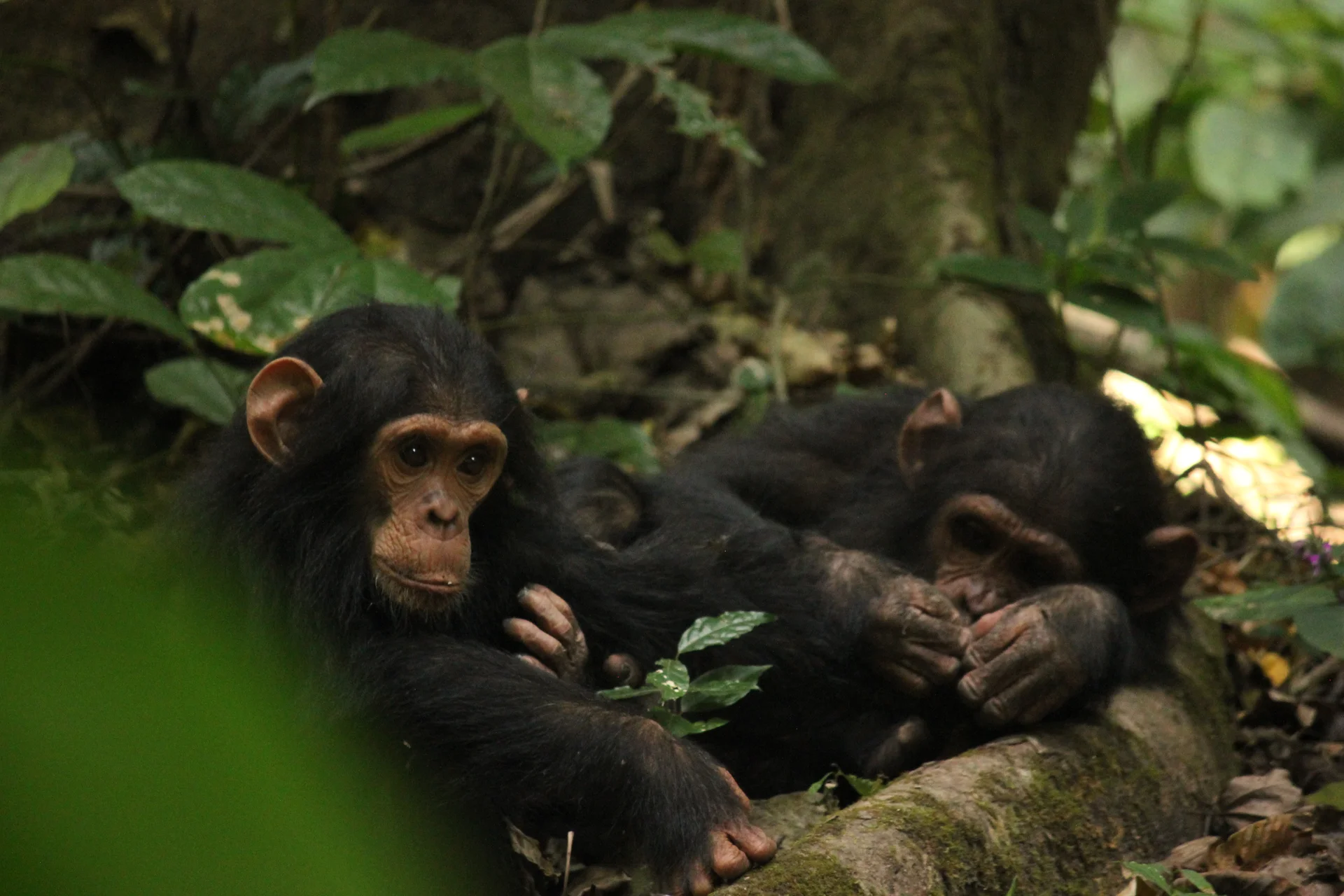
Gombe Stream National Park, also known as Gombe National Park, combines wild chimpanzee trekking with forested hills and the shores of Lake Tanganyika. In Kigoma…
Wildlife
Chimpanzees & Olive baboons
Landscape
National Parks & Safari
Highlights
Wild chimpanzee trekking with park rangers
 Southern Circuit
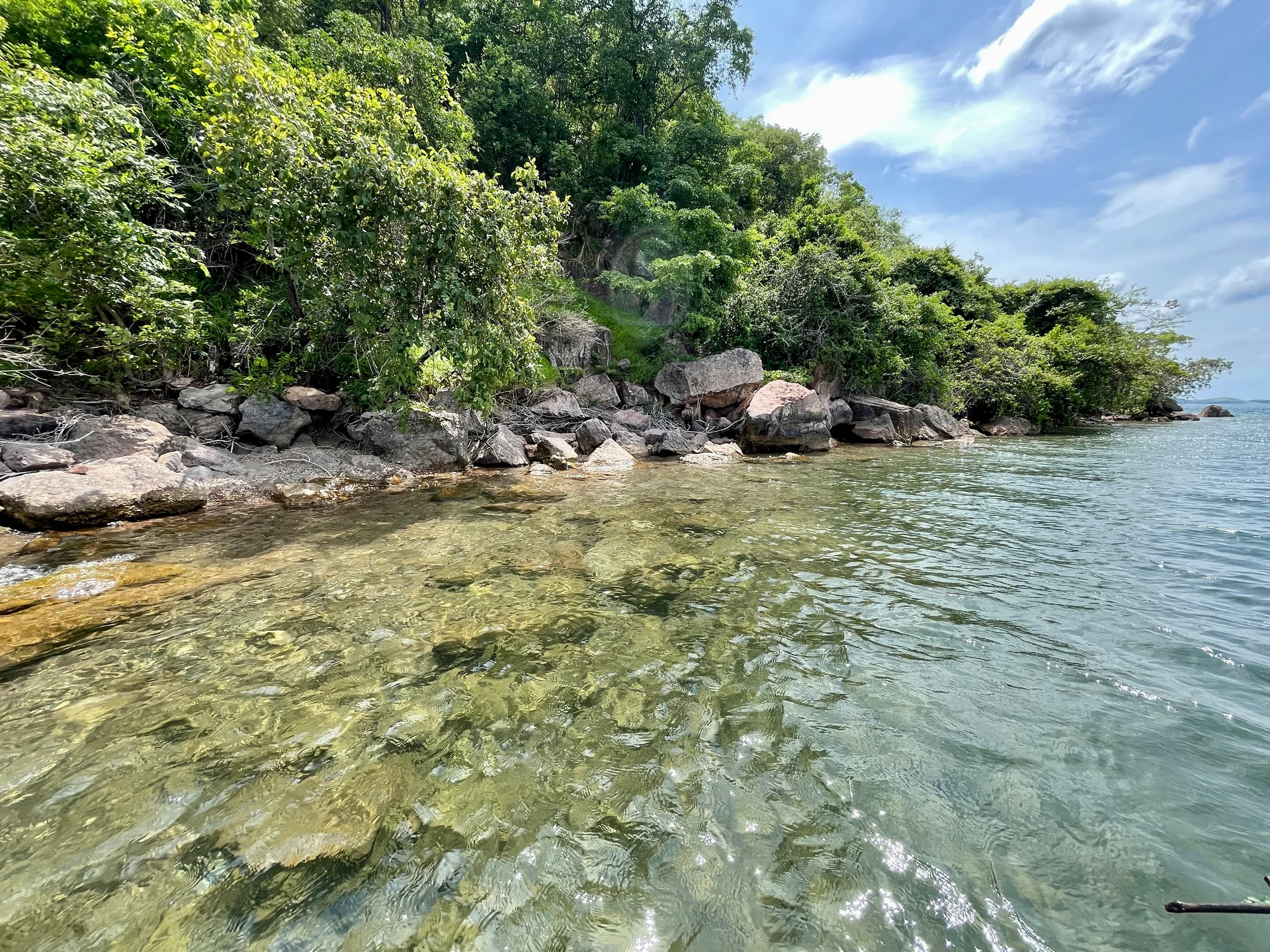
Lake Tanganyika offers a striking freshwater setting along Tanzania’s western frontier: broad blue horizons, wooded shores, bays, beaches and communities whose daily life is closely…
Wildlife
Endemic cichlid fish & Other freshwater fish
Landscape
Lakes & Hot Springs
Highlights
Africa’s deepest freshwater lake in the East African Rift
 Northern Circuit
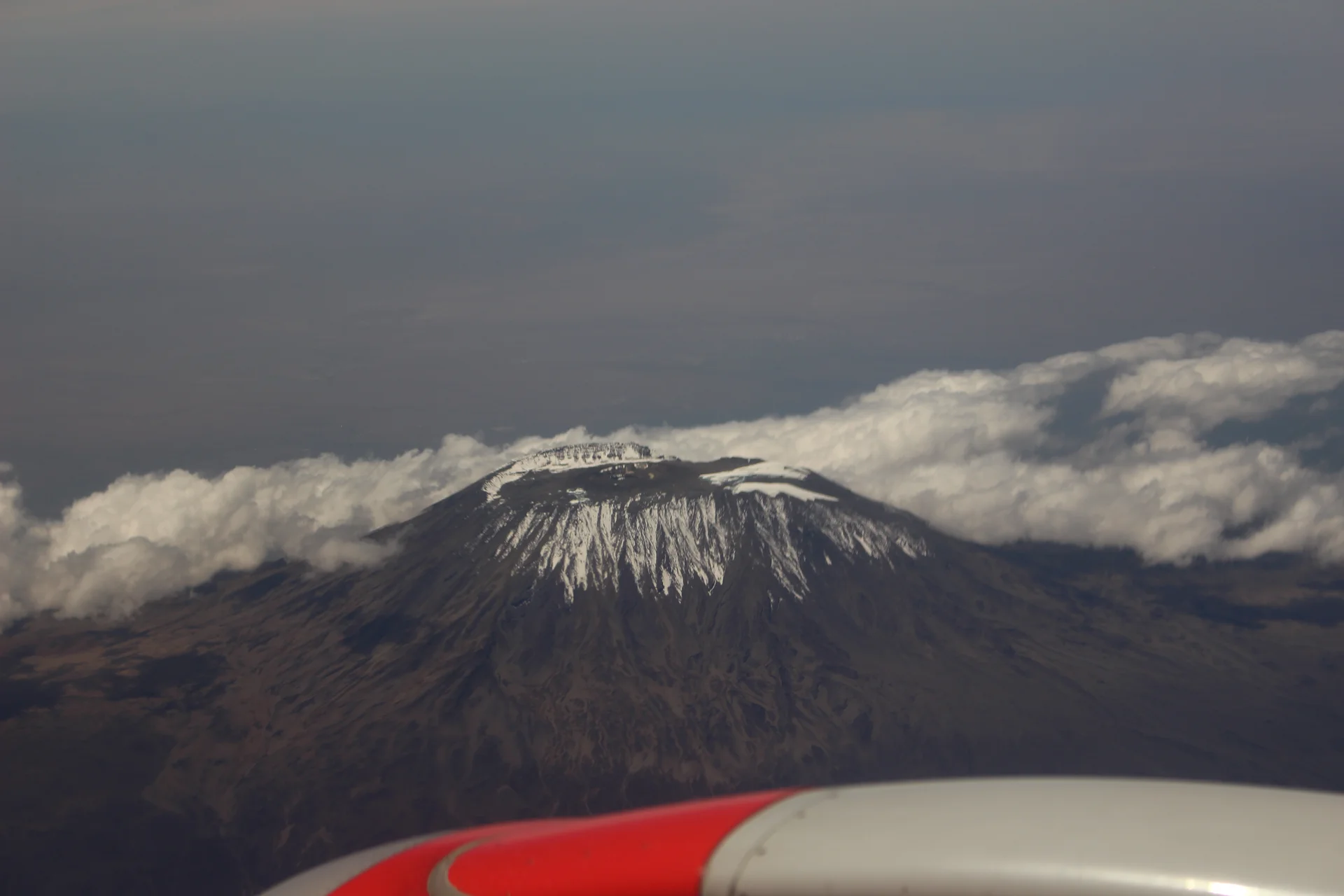
Kilimanjaro rises above northern Tanzania’s plains to Uhuru Peak at 5,895 metres, the highest point in Africa. Its volcanic massif, dramatic changes in vegetation and…
Wildlife
Black-and-white colobus monkeys in forest habitats & Blue monkeys in forest habitats
Landscape
Mountains & Trekking
Highlights
Uhuru Peak at 5,895 metres — Africa’s highest point
 Western Circuit
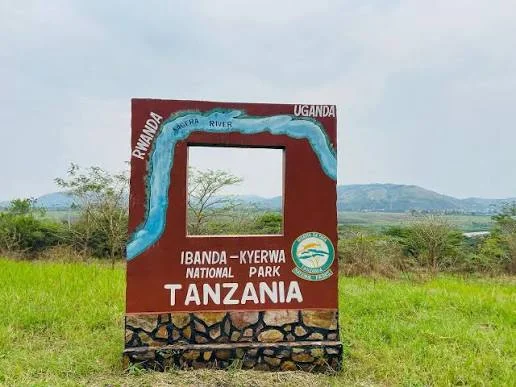
Ibanda-Kyerwa National Park protects a scenic corner of northwestern Tanzania, where the Kagera River meets a landscape of savanna, wooded slopes, valleys and wetlands. Situated…
Wildlife
Buffalo & Roan antelope
Landscape
National Parks & Safari
Highlights
Kagera River scenery on Tanzania’s northwestern border
 Zanzibar & Islands
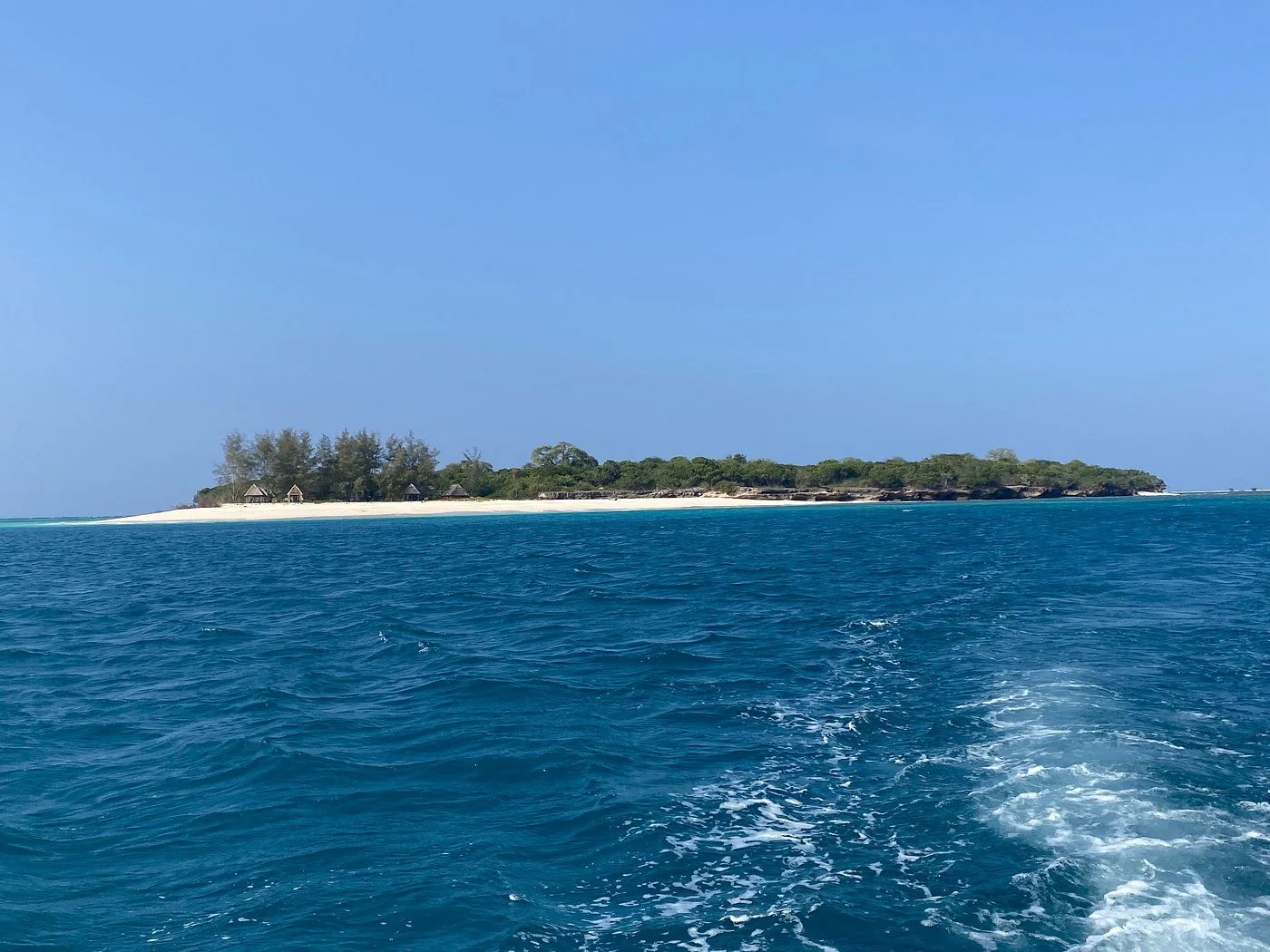
Sinda Island Marine Reserve offers an Indian Ocean escape off Kigamboni, on the southern side of Dar es Salaam. The reserve encompasses Inner and Outer…
Wildlife
Reef fish & Coastal birds
Landscape
Beaches & Islands
Highlights
Inner and Outer Sinda islands
 Northern Circuit
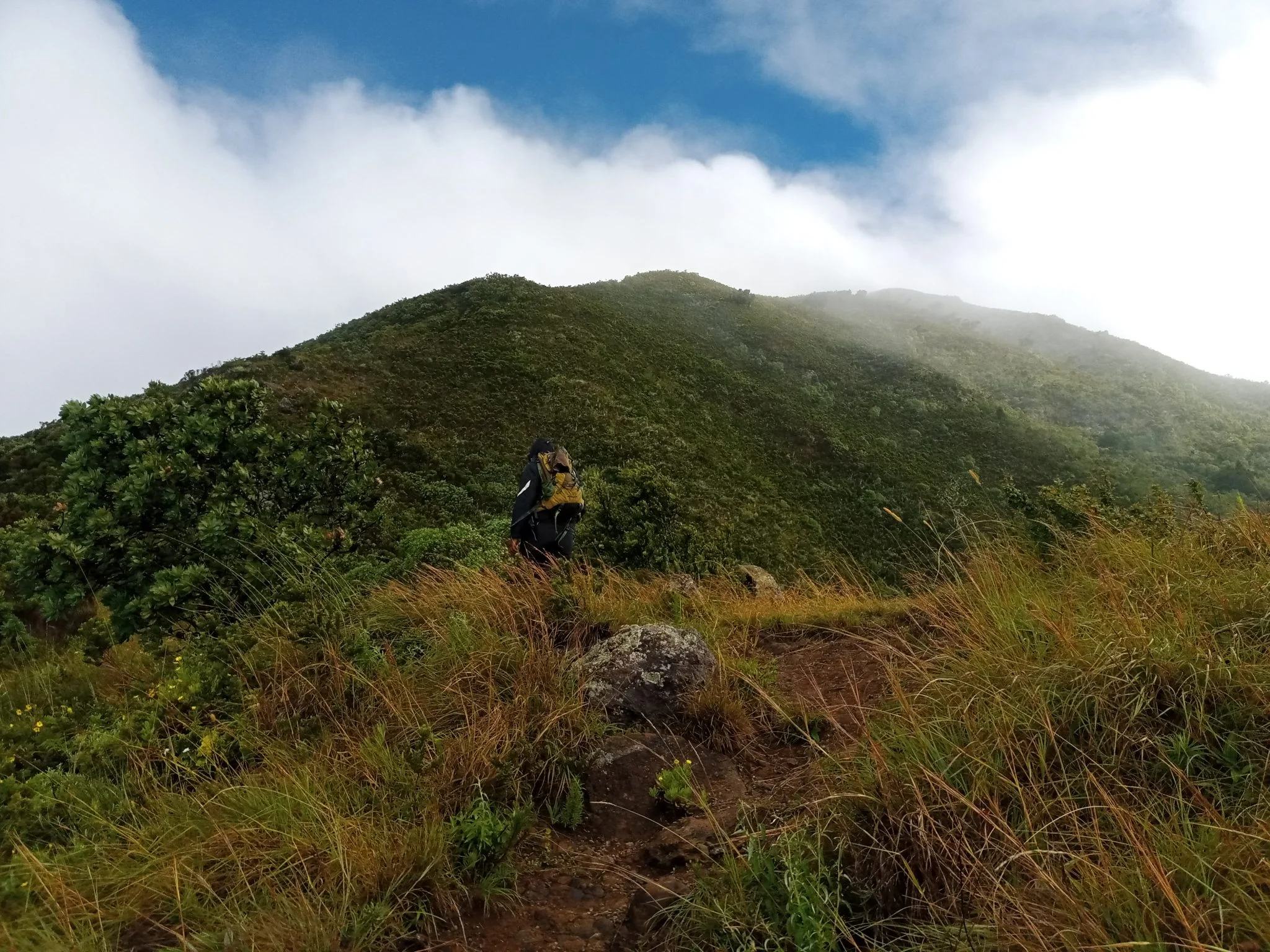
Discover Mount Hanang Rising above Katesh in Tanzania’s Manyara Region, Mount Hanang offers a rewarding mountain adventure beyond the familiar northern safari circuit. At approximately…
Wildlife
Klipspringer & Vervet monkeys
Landscape
Mountains & Trekking
Highlights
Approximately 3,423 metres — Tanzania’s fourth-highest mountain