 5.0 Excellent

Dorine M1 year ago

Grateful experience
As a solo female traveler, I felt super safe and well taken care of the entire time.
Read more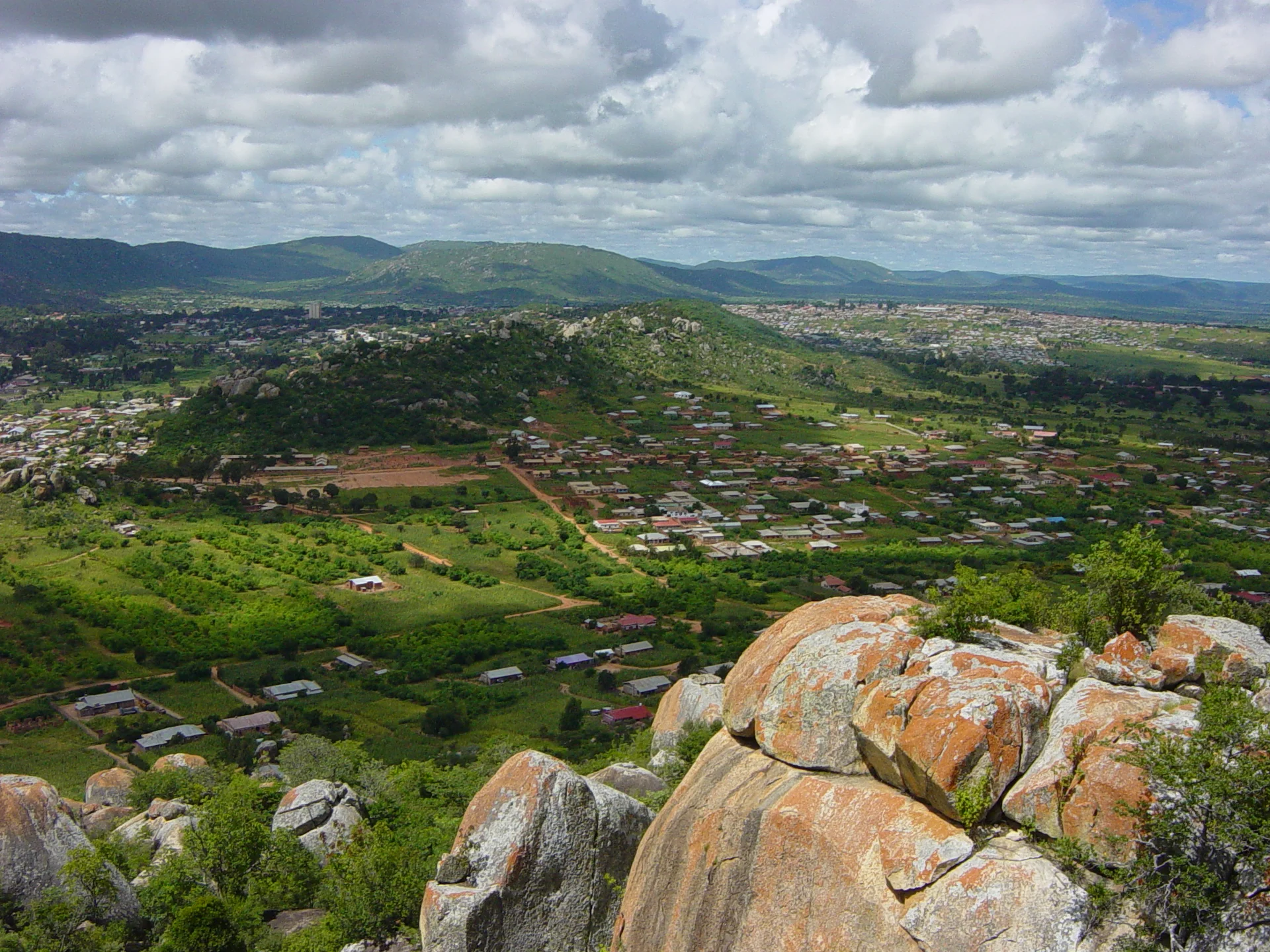
Southern Circuit
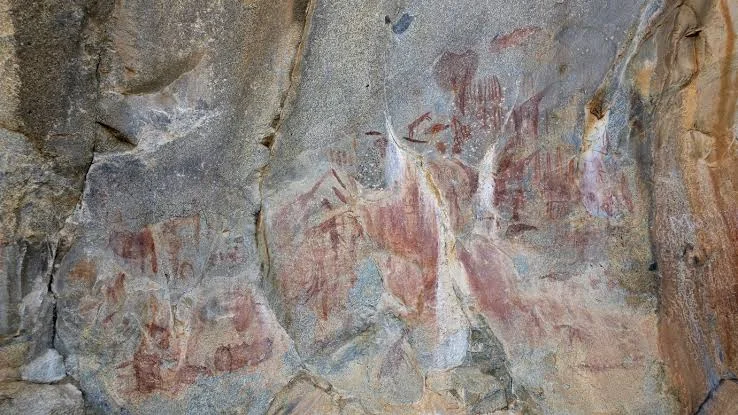
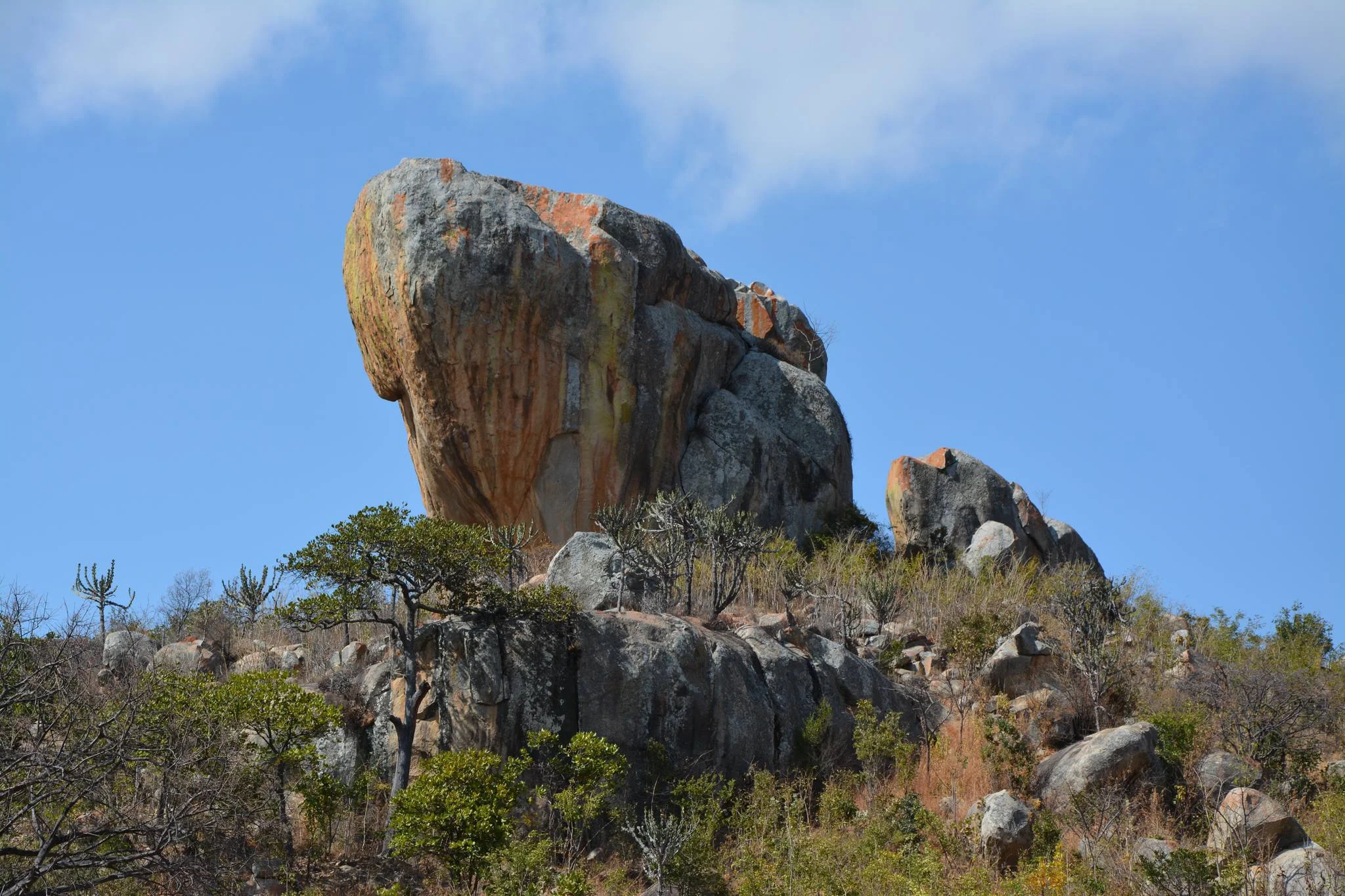
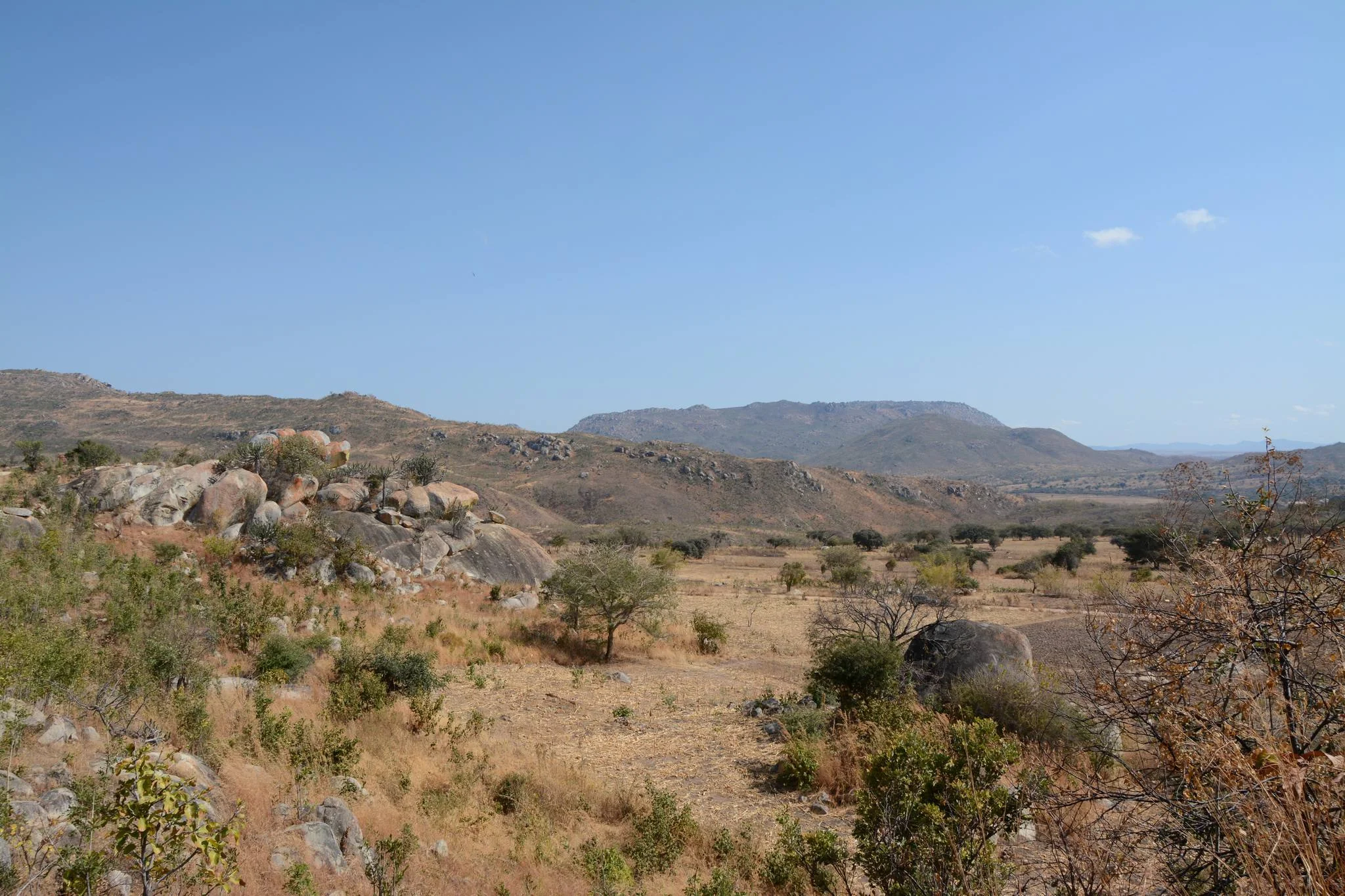
Igeleke Rock Art Site — A Cultural Journey near Iringa Igeleke Rock Art Site brings Tanzania’s human past into view through paintings preserved on a natural rock shelter near Iringa. This is a destination for travellers who enjoy looking closely: following a painted outline across weathered stone, noticing how one image overlaps another, and listening to the people who care for the place. A guided visit adds an engaging cultural experience to an itinerary through the Southern Highlands and gives an Iringa stop a purpose beyond an overnight transfer. The attraction is the relationship between art, landscape and community. The paintings remain in their original setting, where the rock surface forms part of the experience. Their small details reward patient observation. Families, students, photographers and travellers interested in archaeology can approach the same panel with different questions and still find plenty to discuss. Come ready to walk, learn and give the shelter time. Location and Regional Setting Igeleke is in Iringa Municipality, in Iringa Region, within Tanzania’s Southern Highlands. Research also refers to the shelter as Kihessakilolo, with spelling variations in different records. Arrange your visit around Iringa town and confirm the local meeting point before departure. The rock art site should be identified by its full name when organising transport, rather than relying on a place name alone. The surrounding rocky terrain gives the visit an outdoor character. An urban stay in Iringa can provide a convenient base, allowing the excursion to sit alongside a museum visit, a town walk or a longer safari journey. Keep the approach flexible: a local guide can explain the current route, any gates, the condition of the final walking section and where a driver should wait. What to Look for in the Paintings Human and animal figures are central to Igeleke’s appeal. Heritage interpretation identifies giraffe, eland, wildebeest and elephant motifs, alongside forms interpreted as candelabra trees. Look first at the overall arrangement, then at individual outlines and the spaces between them. The experience is richer when a guide explains how the figures have been identified and points out details that are easy to miss at first glance. Red pigments are especially prominent. Scientific documentation also records black and white painting at the shelter, including overlapping images and geometric elements. Differences in colour, placement and style offer useful starting points for discussion. The appearance of the art depends on the rock surface, weathering and available light, so every visitor should allow time for careful viewing rather than expecting all figures to be equally clear. Understanding the Archaeology The shelter is associated with a long sequence of human activity, and researchers have recorded stone artefacts and pottery in its archaeological context. Evidence in the ground and images on a rock face answer different questions. A dated occupation layer does not automatically establish the date of every painting above it. Presenting the whole panel as having one precisely known age would hide the complexity that makes the site interesting. Regional researchers discuss hunter-forager artistic traditions and later painting traditions, using motifs, pigment and superposition to explore cultural sequences. These interpretations are part of an ongoing investigation. Visitors can ask what is visible, what is inferred and what remains uncertain. That distinction makes a guided archaeological visit more informative and encourages appreciation without turning a tentative explanation into a fixed story. Community Heritage and Living Connections Fahari Yetu’s heritage work has supported Igeleke, and the local organisation KIUMAKI is associated with protecting the site and interpreting its paintings. Its documented work connects heritage care with environmental activities, including planting and bee-keeping. Any demonstration or community activity should be arranged specifically; it should not be assumed to accompany every rock art visit. The shelter has also held ritual significance for local communities. Ask your guide how visitors should behave and which stories can be shared. Oral accounts deserve respectful listening, while archaeological interpretations should be explained on their own evidence. Pay the agreed charges through the appropriate local arrangements and request permission before photographing people. Supporting knowledgeable local guiding gives the visit practical value for those connected with the site. The Guided Walking Experience Plan a half-day from Iringa, with enough room for transport, the uphill approach, interpretation and a comfortable return. A museum-organised Igeleke excursion is described as taking about three hours overall, but an individual programme can differ with its starting point, group pace and transport. Confirm the timing before combining it with another booking or a long onward drive. The walk involves hills and uneven outdoor terrain. Wear closed shoes with grip, carry drinking water and take a hat. Tell the organiser about mobility limitations in advance so the actual route can be assessed. Children should stay close to an adult near slopes and boulders. Visitors who would find the walk difficult can consider an Iringa museum session as a separate cultural activity, with its own access arrangements. Photography and Thoughtful Observation For permitted personal photography, start with a view that shows the shelter’s setting, then make closer images from the designated viewing position. Natural light can help reveal surface detail. Ask about flash, tripods, video and any restrictions before using equipment. Commercial filming, research documentation and drone use need their own permission checks and should never be assumed to be covered by an ordinary visit. There are rewarding ways to explore without a camera. Bring a notebook, record the motifs your guide identifies, or make a sketch from a respectful distance. A family can compare the shapes they notice and discuss why different observers interpret an outline differently. Keep bags and equipment away from the painted surface, and allow others room to see. Best Time and Weather Planning The generally drier months, particularly June to September, are a useful first choice for outdoor walking around Iringa. May and October can also work well, depending on that year’s conditions. The wetter season usually extends from around November or December into April, with rain sometimes continuing into May. These are broad planning patterns rather than a promise about any particular day. A wet-season visit may be possible when the approach is safe and the site is open. Ask about recent rainfall, muddy sections and slippery rock before leaving town. In any month, use the current forecast and your guide’s assessment. Take a light layer for cooler highland mornings as well as sun protection for exposed sections. Schedule sufficient daylight for the return. Combining Igeleke with Iringa’s Other Attractions An Iringa Boma Regional Museum visit can help place the rock art in a wider cultural context. A town heritage walk offers another perspective on the communities and history of the area. Both make sensible additions to a cultural stay when separately arranged, with time for a meal and a break between activities. Isimila Stone Age Site and the Mkwawa museum at Kalenga are distinct attractions that can be considered for a longer regional programme. Each has its own access, interpretation and charges. Ruaha National Park adds wildlife viewing to a broader itinerary west of Iringa, requiring its own safari planning. Treat these as separate visits and allow travel time rather than compressing every attraction into a rushed day. Accommodation, Costs and Preparation Choose accommodation in Iringa according to your arrival time, budget and onward route. A town base can make guide meetings and meals easier to coordinate. Confirm any early breakfast, luggage storage, pickup and return arrangements directly with the accommodation or organiser. No accommodation inside the painted shelter is included in a standard sightseeing plan. Before booking, request a clear breakdown of guiding, site admission, transport and optional museum or community activities. Charges and inclusions can change, and different organisers may structure an excursion differently. Ask how payment is made and whether cash is needed. Carry your essentials from town and check drinking water, toilet facilities and meal arrangements instead of expecting a fully serviced visitor complex at the rock. Protecting the Art View the paintings without touching, rubbing, tracing, wetting or chalking them. Avoid leaning against the panel or placing equipment on it. Stay on the route indicated by the guide, leave stones and possible archaeological material where they are, and carry out litter. Use observation and questions to engage with the site; the original surface and its context are what give the art its value. An unhurried visit can become a memorable part of a southern Tanzania journey. TanzaLux can build an Igeleke excursion around your interests, walking comfort and time in Iringa, coordinating local guiding and onward travel once current arrangements are confirmed. The aim is a rewarding encounter with heritage that also respects the people and landscape that sustain it.
Wetter months — broadly November/December to April: possible rain, muddy approaches and slippery rock require flexible plans. Visits depend on current opening and route safety. Confirm with the guide after recent rainfall and carry a rain layer. No fixed low-season discount or visitor numbers are assumed.
Transition months — May and October: conditions can be favourable, but late rains or the next season’s onset vary. Check the forecast and the final walking route. These months suit a flexible Iringa cultural stop when local access is confirmed.
Drier walking period — June to September, often extending into October: generally a practical choice for the outdoor approach. Bring water, sun protection and a light layer for cooler mornings. Peak here describes favourable travel conditions rather than measured crowd levels; book the guide ahead.
Base your visit in Iringa town, Iringa Region, Southern Highlands. Igeleke is on the town’s northern outskirts and is also described in research as the Kihessakilolo shelter. Arrange a local guide and confirm the precise turn-off, gates and meeting point before travelling; use the full rock art site name. Iringa Airport at Nduli is a regional arrival option when suitable services operate—check current flights and arrange the road transfer separately. Overland arrivals can connect through Iringa from the Dar es Salaam–Morogoro–Mikumi direction, Dodoma or the Southern Highlands, with journey time depending on the route. From town, organise a vehicle or other locally arranged transport and agree driver waiting and the return pickup. Allow a half-day; some guided programmes take about three hours in total, with duration varying by transport, walking pace and interpretation. The final approach includes hills and uneven ground. Confirm current fees, transport inclusions, language, toilets and mobility requirements beforehand. Ruaha airstrips serve park itineraries and should not be treated as direct access to this rock art site.
It is in Iringa Municipality in Iringa Region, within Tanzania’s Southern Highlands. Organise access from Iringa town and confirm the exact local meeting point with your guide.
Researchers use Kihessakilolo and spelling variants for the shelter associated with Igeleke. Give your organiser the full name Igeleke Rock Art Site so the intended attraction is clear.
Guides identify human figures and animal motifs, including giraffe, eland, wildebeest and elephant, together with other forms. Visibility and identification vary across the weathered surface, so guided interpretation is helpful.
The site has a long archaeological sequence, but the age of occupation evidence is not automatically the age of every painting. Avoid treating the whole panel as having one precisely established date.
Red is prominent, and researchers also document black and white pigments. Differences in colour and overlapping figures help frame discussion about the artistic sequence.
Igeleke should not be advertised as a UNESCO World Heritage property. Tanzania’s listed Kondoa Rock-Art Sites are a separate destination in another region.
Yes. Arrange a guide before arrival for site access, route advice, interpretation and an agreed return plan. Explain your interests and ask which language is available.
A half-day from Iringa is a sensible planning allowance. Some organised excursions take about three hours overall, but your transport, starting point and group pace will determine the actual programme.
It includes an uphill outdoor approach with uneven terrain. Confirm the route before booking, wear shoes with grip and allow a pace suited to everyone in your group.
Children who can manage the walk may enjoy finding shapes and learning about heritage with a guide. Adults should supervise them near rocks and slopes and help them keep clear of the painted surface.
Do not assume step-free or wheelchair access to the shelter. Describe your needs in advance so the organiser can assess the current route and discuss suitable alternatives in Iringa.
June to September is generally a useful choice for drier walking conditions, with May and October often possible. Actual route safety and site opening should be checked for your travel dates.
A visit may be possible when the site is open and the approach is safe. Confirm conditions after recent rain and keep enough flexibility to postpone if the ground or rock is slippery.
Bring closed shoes with grip, drinking water, a hat, sun protection, a light layer and a rain layer when appropriate. Check whether cash, a packed meal or any additional supplies are needed.
Ask your guide about personal photography and restrictions on flash, tripods and video. Commercial filming or research may need separate permission. Photograph people only with their consent.
No. Appreciate the art without touching, rubbing, tracing, wetting or chalking it. Keep equipment away from the panel and leave any stones or possible artefacts in place.
The named animals are subjects in the paintings. Igeleke is a heritage excursion, and live big-game sightings are not part of its expected experience. Arrange a separate wildlife safari if that is your goal.
Request a current quote identifying site admission, guiding and transport. Different arrangements may include different services; confirm payment methods and any optional activities before departure.
Consider Iringa Boma Regional Museum or a town heritage walk, or a longer programme including separate visits to Isimila, Kalenga and Ruaha National Park. Allow travel time and check each attraction’s arrangements.
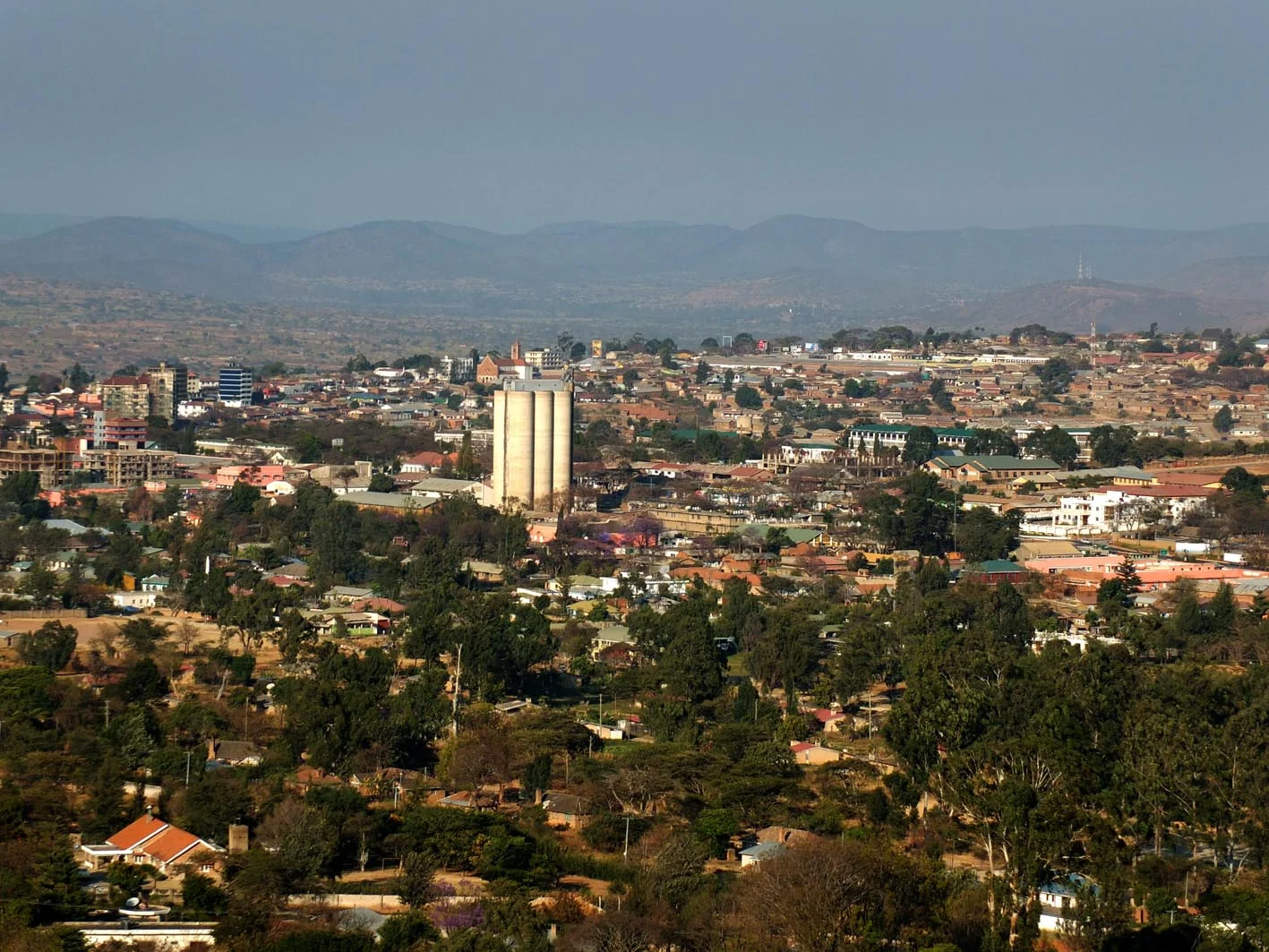
The current cover and gallery show Iringa’s wider landscape and city as regional context. They do not depict the Igeleke shelter or its paintings; the overview includes the photographers’ credits and reuse information.
Grateful experience
As a solo female traveler, I felt super safe and well taken care of the entire time.
Read morePrivate Safari 6 days
I can only highly recommend the young company Tanzalux for organizing a private safari.
Read moreAn unforgettable vegetarian journey with Tanzalux Safaris
I highly recommend Tanzalux for anyone wanting a special, personalized safari.
Read moreOur 3-day camping safari with Tanzalux was simply fantastic! Everything was perfectly organized.
Read moreBack in April, I joined a day trip to Tarangire National Park with Tanzalux Safaris, and it was truly one of the best experiences I have ever had…
Read moreI've had an amazing experience with Tanzalux Safaris, would 1000% recommend! Thank you for making my trip so special🫶
Read moreI recently visited Meru Waterfalls in Arusha and got to do some of the activities there, honestly it was such a great experience and I really enjoyed it.
Read moreOur guide Dullah Mr Rastaman had the best vibe. I would like to recommend other people not to miss it, Tarangire is the best national park.
Read moreOur tour guide Nasri was very friendly and welcoming from the first day we met him. He knows Tarangire very well and explained many things during the safari.
Read moreAs a grandmother in the group, I would like to share my happiness with Tanzalux Safaris. Me, my daughters, and my grandson went on a short trip to Tarangire National Park…
Read moreReceive a free, no obligation quote

 Western Circuit
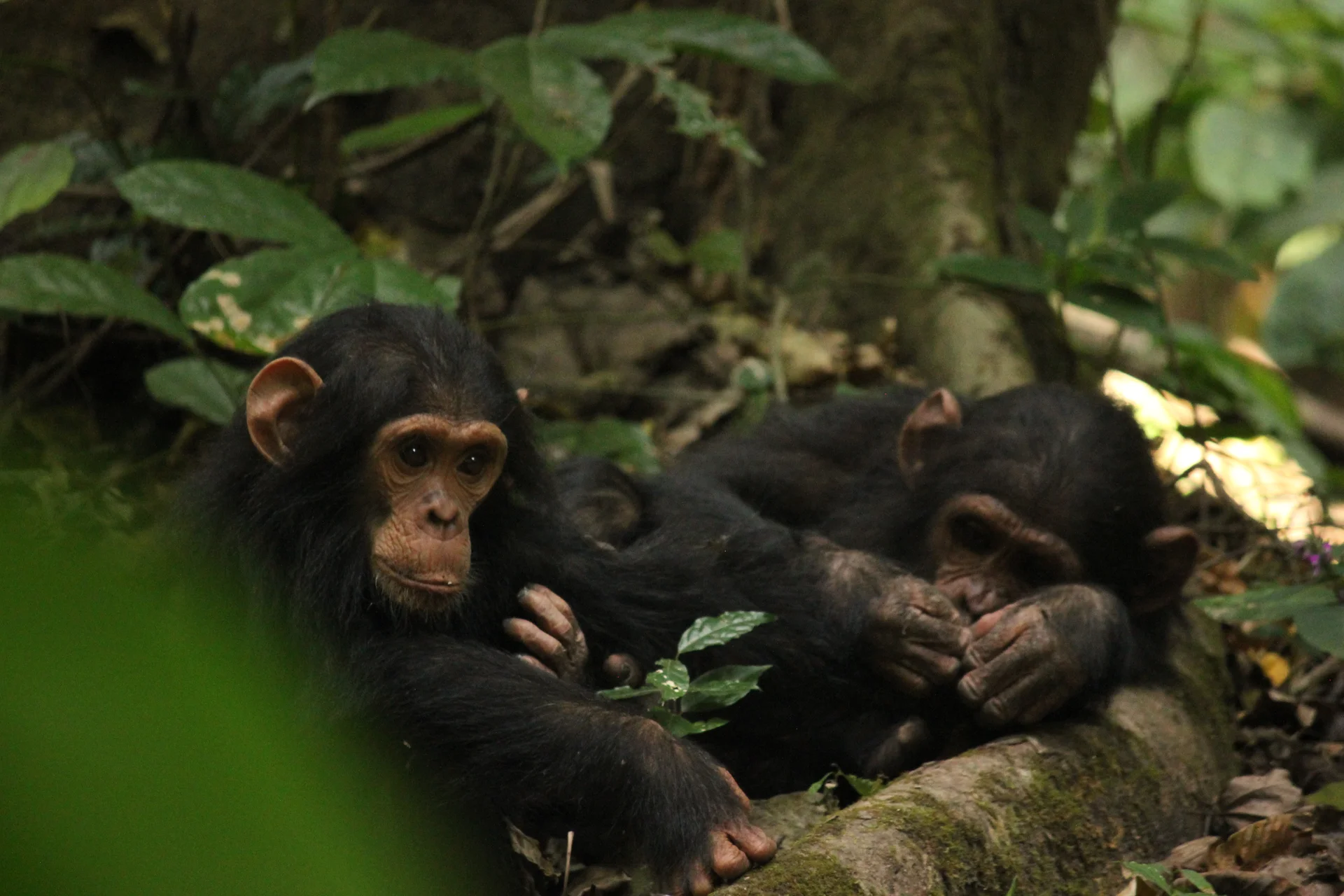
Gombe Stream National Park, also known as Gombe National Park, combines wild chimpanzee trekking with forested hills and the shores of Lake Tanganyika. In Kigoma…
Wildlife
Chimpanzees & Olive baboons
Landscape
National Parks & Safari
Highlights
Wild chimpanzee trekking with park rangers
 Southern Circuit
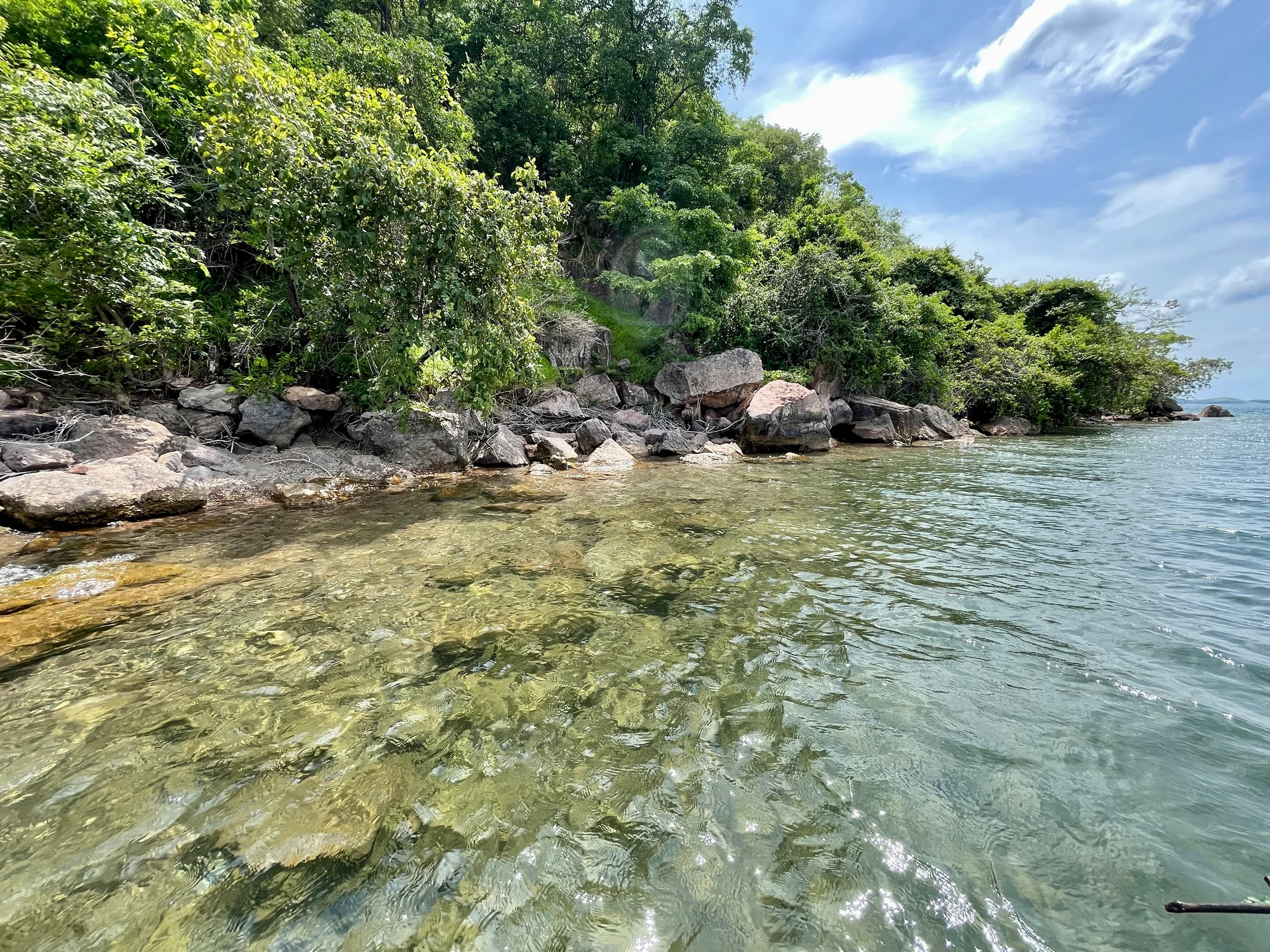
Lake Tanganyika offers a striking freshwater setting along Tanzania’s western frontier: broad blue horizons, wooded shores, bays, beaches and communities whose daily life is closely…
Wildlife
Endemic cichlid fish & Other freshwater fish
Landscape
Lakes & Hot Springs
Highlights
Africa’s deepest freshwater lake in the East African Rift
 Northern Circuit
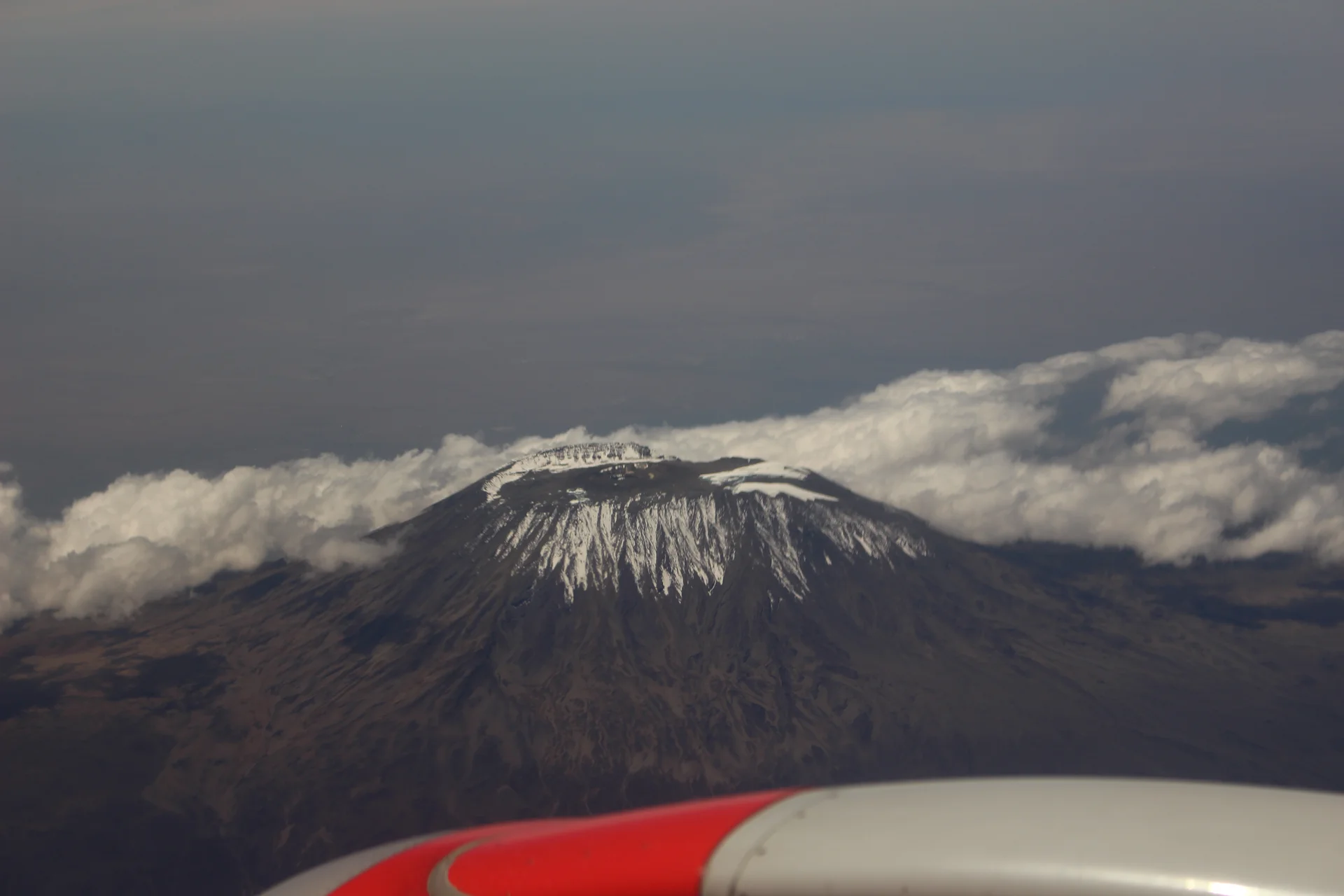
Kilimanjaro rises above northern Tanzania’s plains to Uhuru Peak at 5,895 metres, the highest point in Africa. Its volcanic massif, dramatic changes in vegetation and…
Wildlife
Black-and-white colobus monkeys in forest habitats & Blue monkeys in forest habitats
Landscape
Mountains & Trekking
Highlights
Uhuru Peak at 5,895 metres — Africa’s highest point
 Western Circuit
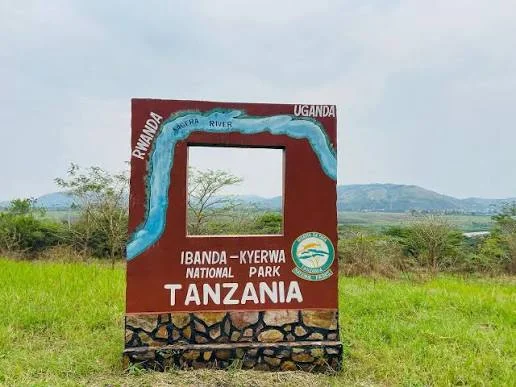
Ibanda-Kyerwa National Park protects a scenic corner of northwestern Tanzania, where the Kagera River meets a landscape of savanna, wooded slopes, valleys and wetlands. Situated…
Wildlife
Buffalo & Roan antelope
Landscape
National Parks & Safari
Highlights
Kagera River scenery on Tanzania’s northwestern border
 Zanzibar & Islands
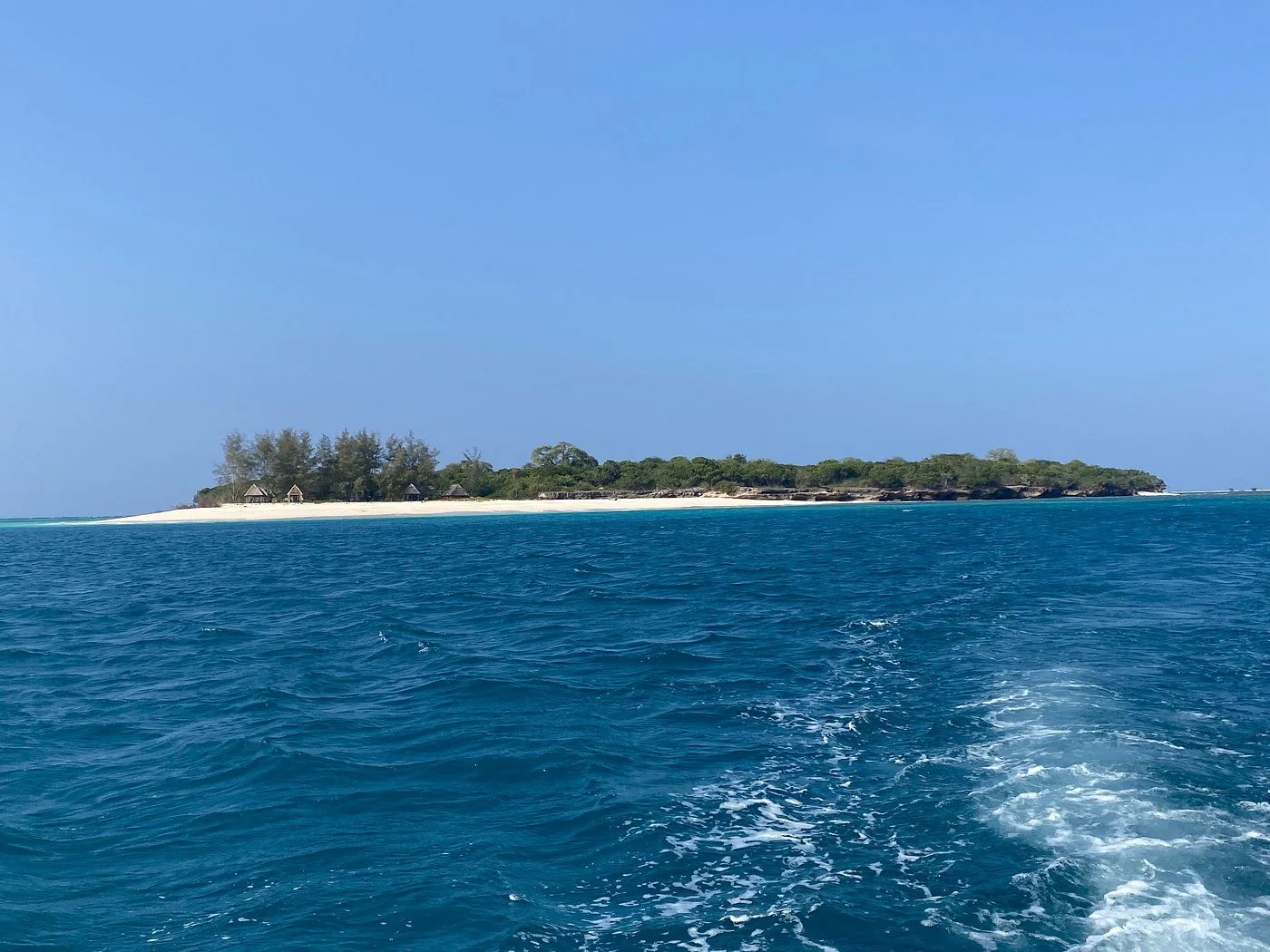
Sinda Island Marine Reserve offers an Indian Ocean escape off Kigamboni, on the southern side of Dar es Salaam. The reserve encompasses Inner and Outer…
Wildlife
Reef fish & Coastal birds
Landscape
Beaches & Islands
Highlights
Inner and Outer Sinda islands
 Northern Circuit
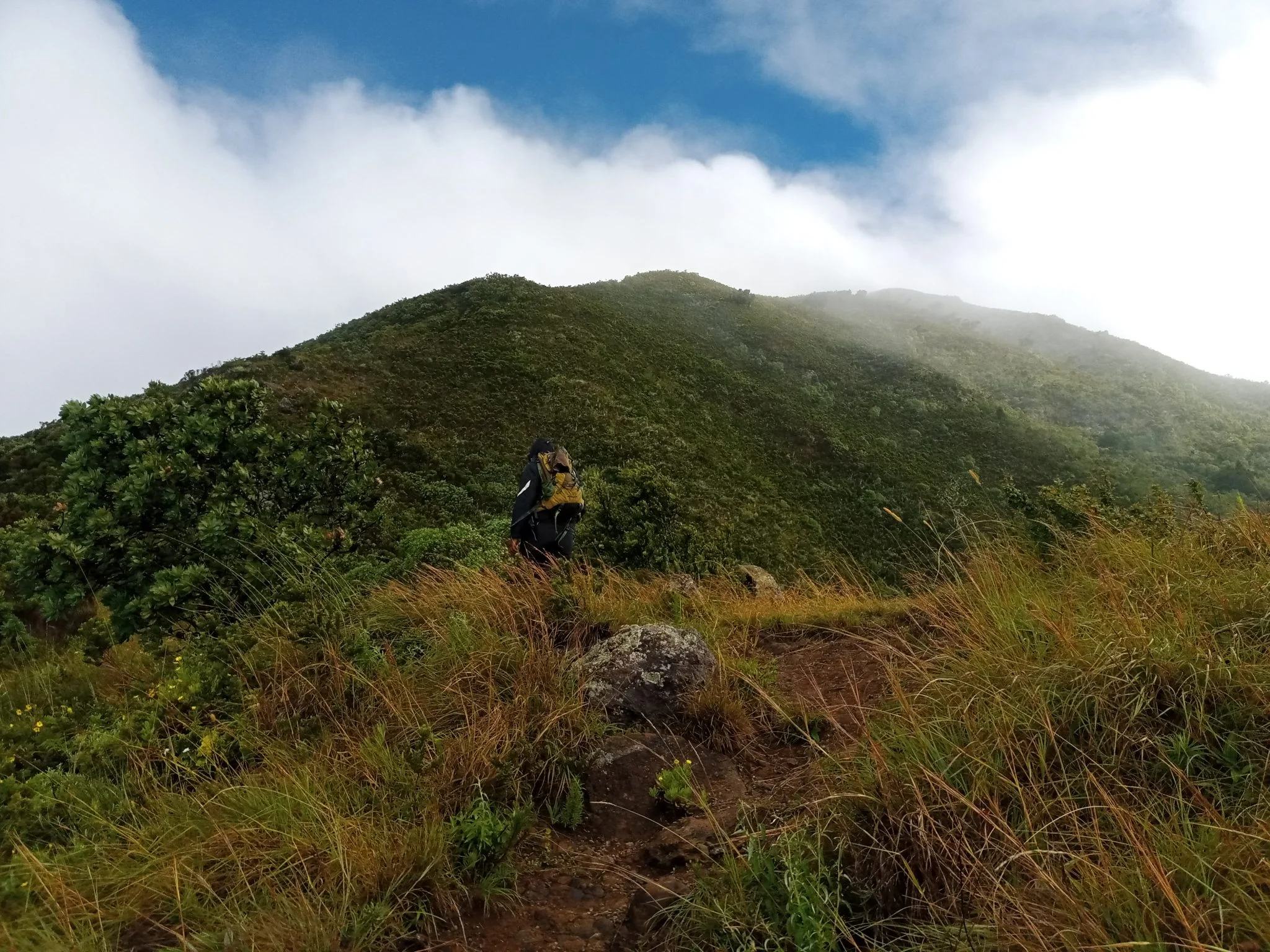
Discover Mount Hanang Rising above Katesh in Tanzania’s Manyara Region, Mount Hanang offers a rewarding mountain adventure beyond the familiar northern safari circuit. At approximately…
Wildlife
Klipspringer & Vervet monkeys
Landscape
Mountains & Trekking
Highlights
Approximately 3,423 metres — Tanzania’s fourth-highest mountain