 5.0 Excellent

Dorine M1 year ago

Grateful experience
As a solo female traveler, I felt super safe and well taken care of the entire time.
Read more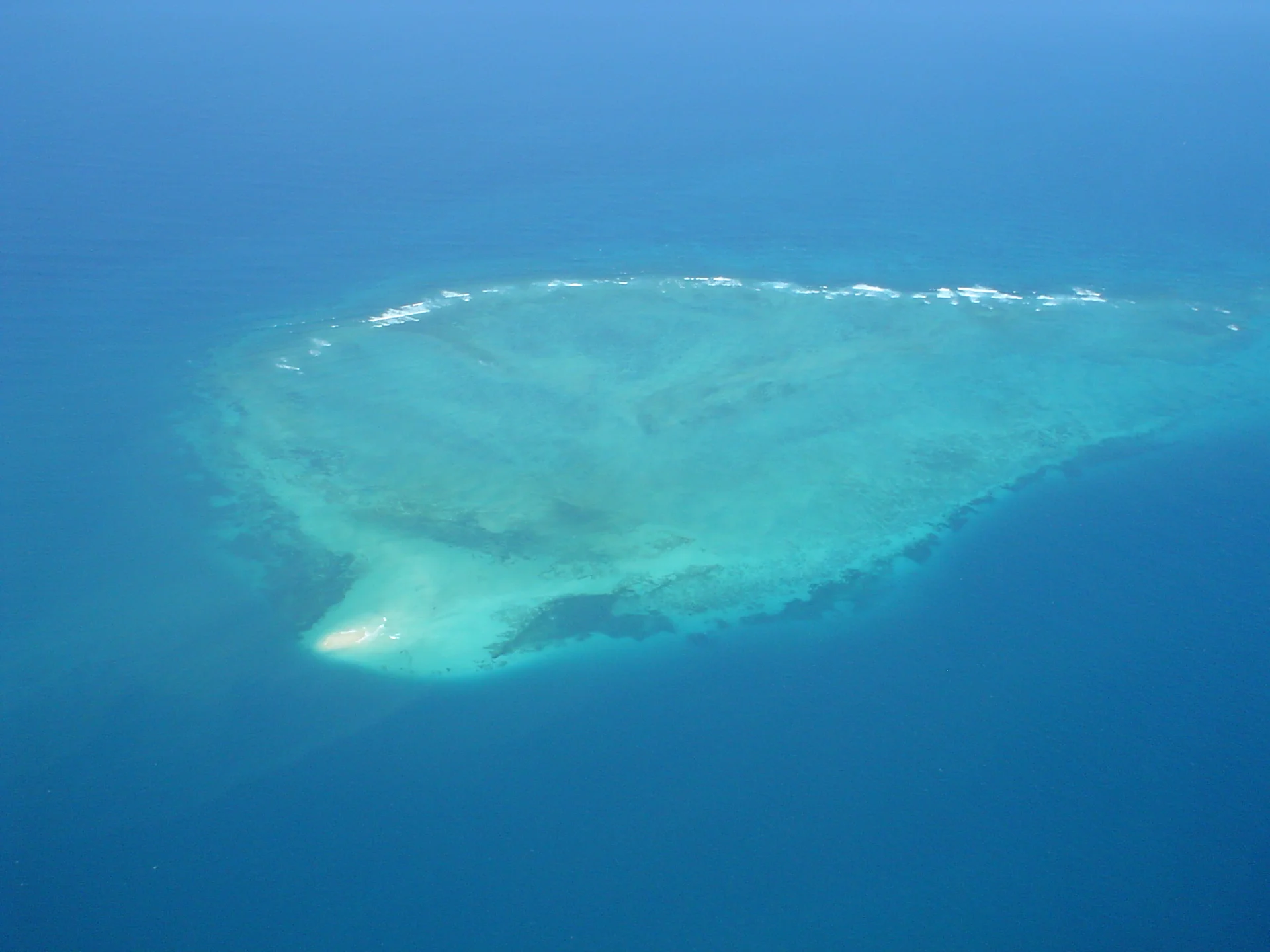
Zanzibar & Islands
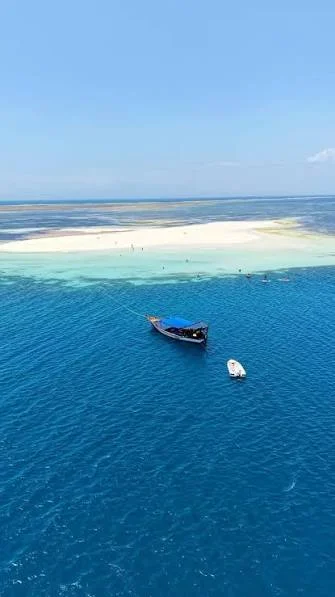
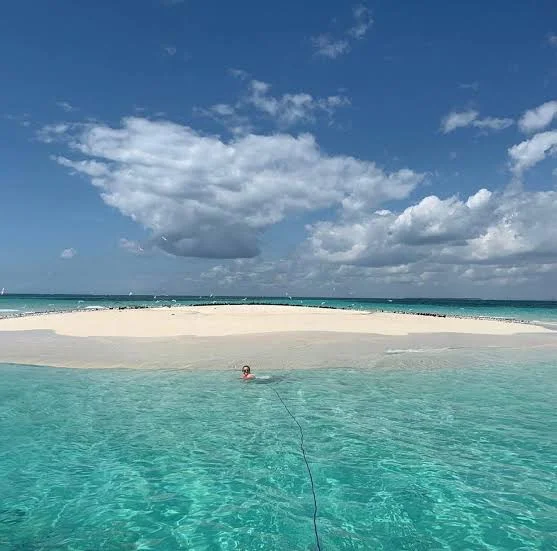
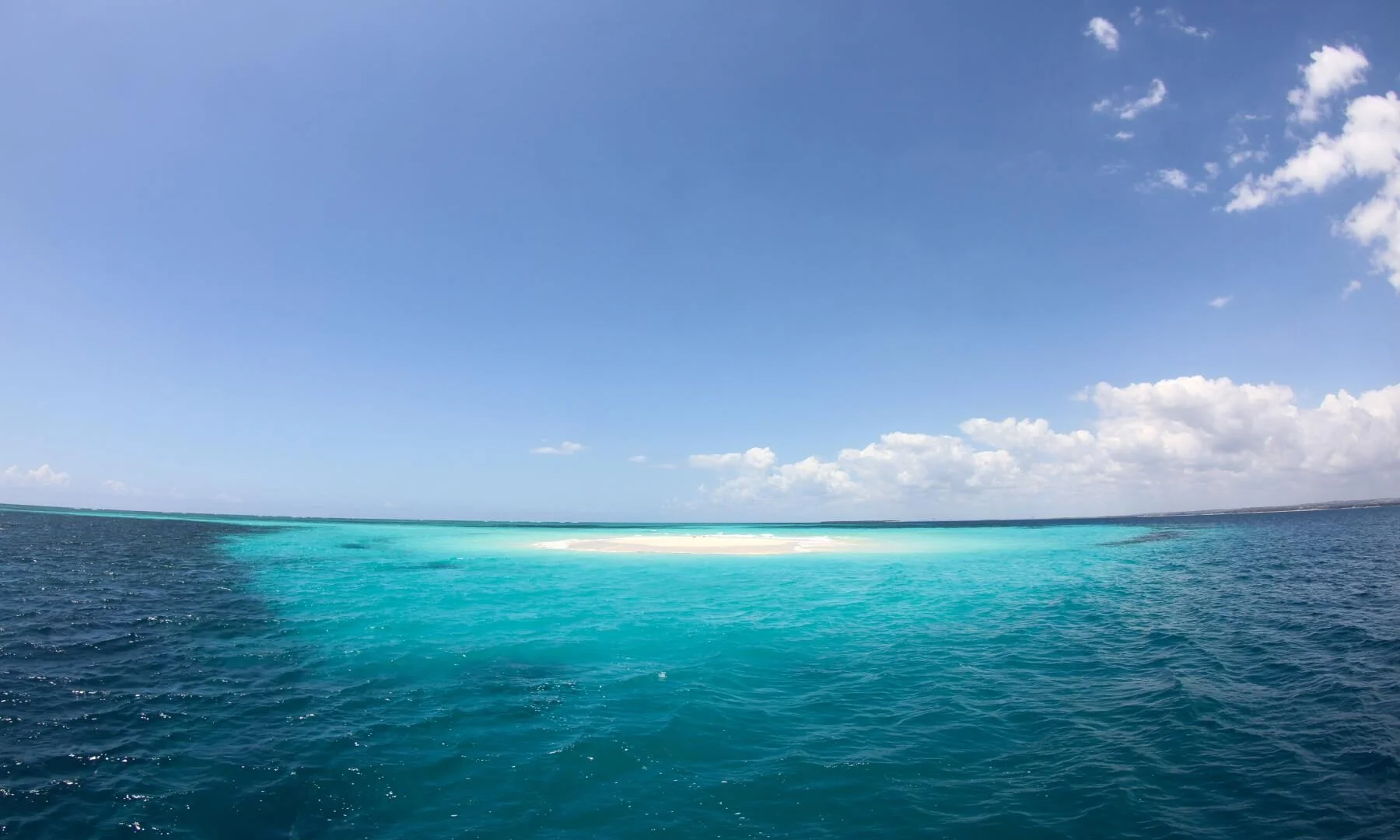
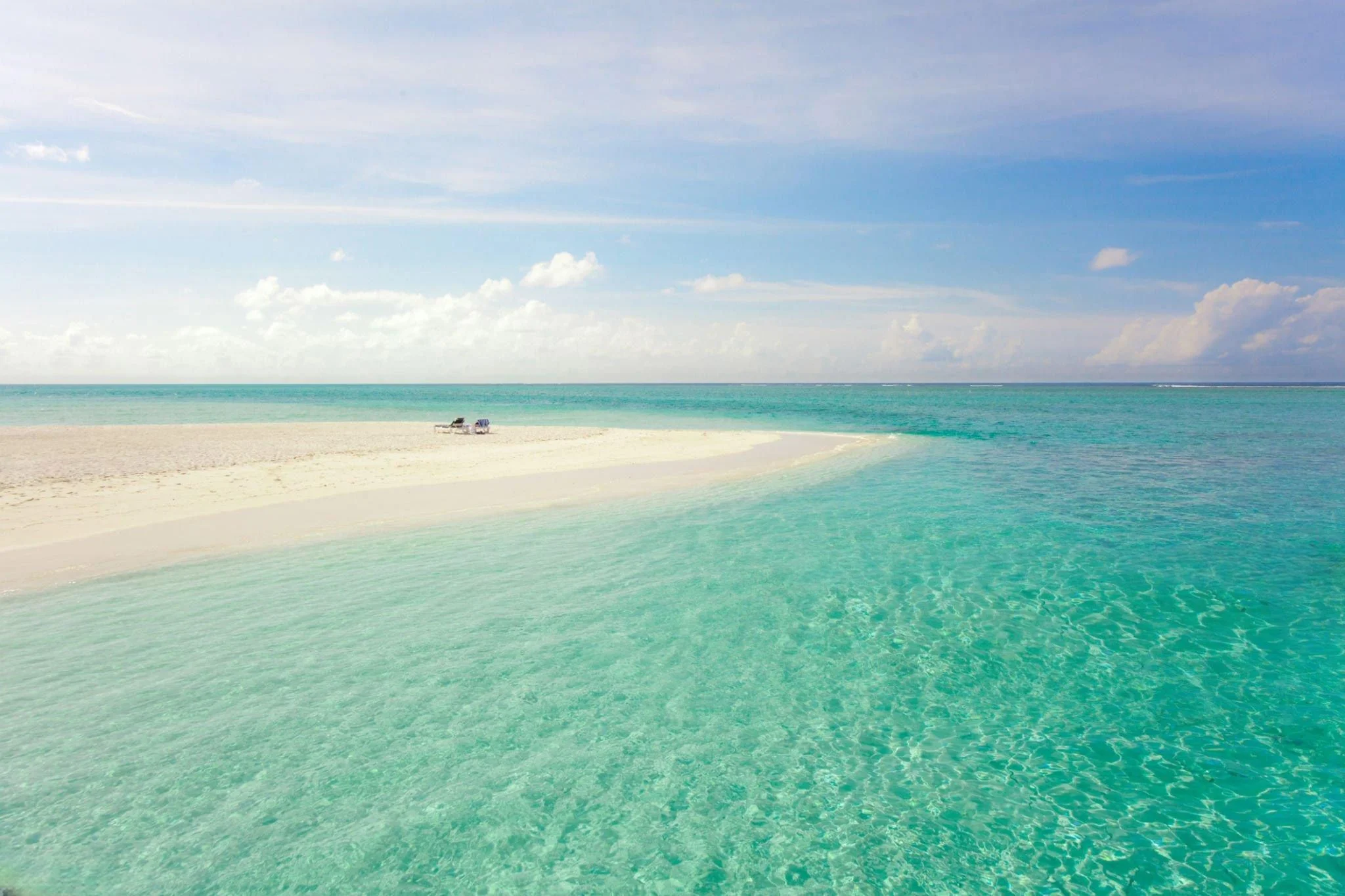
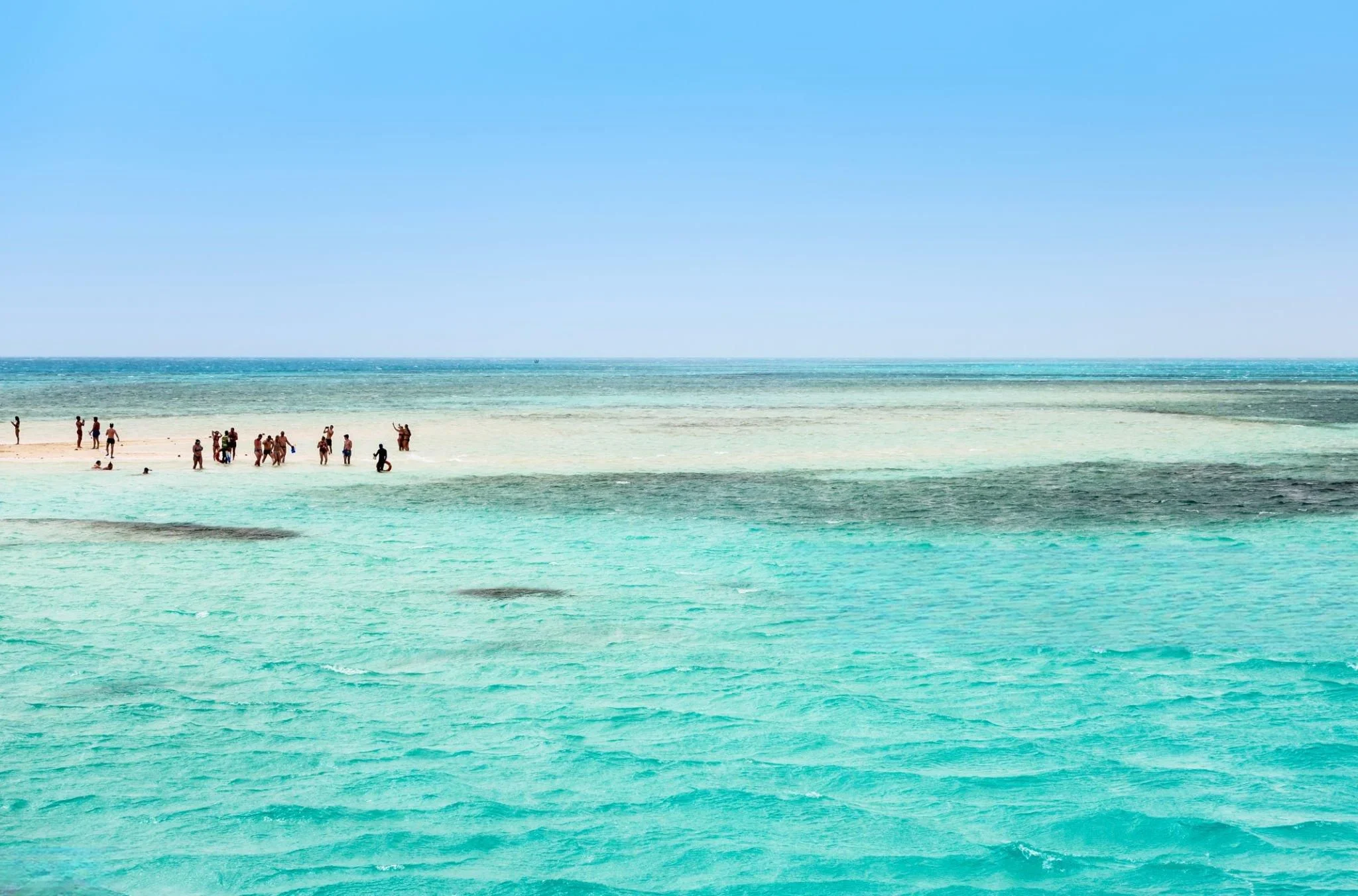
Fungu Yasin Sand Bar, also encountered as Fungu Yasini, is a tide-dependent sandbank and marine reserve off northern Dar es Salaam, beyond Mbudya. It belongs to the Dar es Salaam Marine Reserves system. The sandbank is exposed at low tide and has no vegetation, giving a visit an open-water setting shaped by the surrounding reef and the changing level of the sea. The tide is central to the experience. A photograph of exposed sand does not mean the same surface will be available at your chosen arrival time. The organiser should check the tide for the actual date, allow for sea conditions and confirm whether a shore visit is appropriate. Time ashore, if permitted and suitable, must fit the skipper’s plan for the changing water level and return journey. Do not build the day around an assumed all-day beach stay. The reserve includes sandy and rocky intertidal areas, seagrass and coral habitats. These surroundings make it interesting for a guided marine excursion, a brief sandbank stop where possible and photography from an appropriate vessel position. What you see depends on tide, weather and visibility. A conservation-minded guide can help explain the relationship between the reef, the exposed bank and the surrounding marine life without needing to disturb the habitat. Intertidal organisms and reef fish add interest, while birds or animals in the wider reserve waters may be encountered. Sightings are uncertain and should not become a reason to chase wildlife or remove it for a photograph. Leave shells, starfish and other natural materials in place. Move only where the guide advises, avoiding coral and sensitive seagrass, and keep clear of any protected or unsuitable areas. Swimming or snorkelling should be a specifically arranged part of the programme. Ask which site is proposed, what equipment and support are supplied, and how entry and reboarding will work. Suitability depends on the current, waves, tide, visibility and the participant’s ability. An attractive water colour does not establish appropriate conditions. Accept a boat-based or mainland alternative if the skipper or guide changes the plan. One flexible excursion outline is to meet at the confirmed mainland departure point, review the tide-based programme and complete the required entry arrangements. Cross with the operator to the agreed area, receive a briefing and observe the reserve from the boat. Step onto the sandbank only when the crew confirms that the landing and time window are suitable and permitted. Include an arranged water activity if conditions allow, then leave as directed and return to the mainland or an expressly included additional stop. This is a planning outline rather than a fixed ferry timetable. The exposed bank should be planned as a simple outdoor stop. Do not assume natural shade, toilets, a restaurant, freshwater supplies or accommodation. Confirm shade and seating on the vessel, meals or refreshments, drinking water and toilet arrangements before booking. If a picnic is included, ask how it fits the tide window and how waste will be carried out. Any facilities at another destination are separate arrangements. Bring sun protection, a hat, drinking water, a towel, practical clothing and a waterproof bag for essentials. Check appropriate footwear with the guide and any snorkelling equipment before departure. Keep baggage manageable, secure loose items and have suitable lifejackets for everyone aboard. Families should discuss children’s sizes and supervision, while travellers with mobility needs should ask about the actual boat, boarding method and any proposed landing. A well-planned visit gives the crew flexibility. Agree cancellation, rescheduling and refund terms if weather or tide conditions prevent the advertised programme. Confirm current reserve access and obtain a quotation that separates return boat travel, guiding, entry charges, road transfers, equipment, food and additional stops. Overnight stays, commercial filming, drone use, diving, fishing or research require separate advice about the exact proposal and applicable approvals. Dar es Salaam is the practical accommodation and transport base. Allow for traffic to the agreed departure point and keep an onward-travel buffer after the boat return. A stop at Mbudya, Bongoyo or another destination can be considered when explicitly arranged, but it should not be assumed from a single-island ticket. The value of the outing lies in enjoying the marine setting at an appropriate time while leaving the reserve undisturbed.
March–May is generally the main wetter period around Dar es Salaam. Rain, wind and changing sea conditions may affect crossing, visibility and the planned stop. Check the actual tide and the skipper’s assessment before departure, protect valuables from water and keep a mainland alternative available if the outing is postponed.
January–February and November–December can suit flexible excursions, with warm conditions and short rains associated with November–December. The sandbank’s exposure still depends on the tide at the specific time. Confirm the departure, permitted activity window, boat shade, drinking water and return plan with the organiser.
June–October is generally the drier period, but seasonal winds can still affect the sea and clear snorkelling visibility is not guaranteed. Arrange the excursion around the current tide and weather assessment. Book a suitable vessel ahead and keep the landing, water activities and return time conditional on the skipper’s instructions.
Use Dar es Salaam as the accommodation and transport base, with Julius Nyerere International Airport serving the city. Arrange a road transfer to the exact mainland boarding point confirmed by a marine-excursion operator. Fungu Yasin lies off the northern coast beyond Mbudya, but no direct ferry timetable or fixed departure beach is assumed here. Request an excursion that names the sandbar specifically and confirms current reserve access. The skipper should plan the crossing, possible landing and departure from the bank around the tide for your actual date and the sea conditions. Journey duration depends on the vessel, mainland start point, route and other stops, so obtain a schedule for your booking. Confirm return boat travel, entry arrangements, lifejackets, equipment, drinking water, meals, shade and any toilet provision before boarding. Discuss children’s needs and boarding assistance in advance. Allow for Dar es Salaam traffic and a changed boat programme; avoid a tight onward flight after the planned return. Keep the organiser’s contact and a mainland alternative available if the excursion is postponed.
Fungu Yasin lies off northern Dar es Salaam, beyond Mbudya, and is part of the Dar es Salaam Marine Reserves system. It is also encountered as Fungu Yasini. Arrange an excursion that specifically names this destination and confirms the mainland boarding point and current access.
The sandbank is exposed at low tide, so its appearance and the available space change with the water level. A photograph of exposed sand does not predict your arrival conditions. Ask the skipper to plan the programme using the tide for the actual date and current sea assessment.
The suitable window depends on the tide, wind, sea state and intended activities on your travel date. There is no single daily hour that works for every visit. Let the organiser confirm the departure, possible time ashore and return rather than choosing solely for a preferred photo opportunity.
No landing should be assumed. The skipper and organiser must confirm current reserve guidance, a suitable landing and the available tide window. If the bank is covered or conditions are unsuitable, the programme may need to change. Follow the crew’s instructions about entry, movement and when to leave.
Contact a marine-excursion organiser and request Fungu Yasin specifically. Confirm the departure point, vessel, tide-planned schedule, reserve entry, guide and return arrangements. Ask which services and additional stops are included. A general ticket to another island does not establish a visit to the sandbar.
Duration varies with the departure point, vessel, crossing conditions, tide window and additional stops. Obtain an actual schedule for your booking, including return arrangements. Leave room for road traffic and a changed sea programme rather than relying on a generic crossing time or an all-day sandbank stay.
A suitable programme can include marine-landscape photography, guided habitat interpretation, bird observation and a brief sandbank stop when appropriate. Swimming, snorkelling or a picnic must be expressly arranged and remain conditional on access and conditions. Ask exactly what the package provides before booking.
Snorkelling may be considered at a specifically agreed suitable site, with equipment, a briefing and support appropriate to the participant. Confirm entry and reboarding arrangements and tell the operator about your experience. Tide, current, visibility and sea conditions determine suitability; accept an alternative if the guide changes the plan.
No. The water’s colour or the appearance of shallow sand does not establish suitable swimming conditions. Ask for the current local assessment, use only an advised area and stay within your ability. Keep clear of boat traffic and follow instructions if the tide or sea state changes.
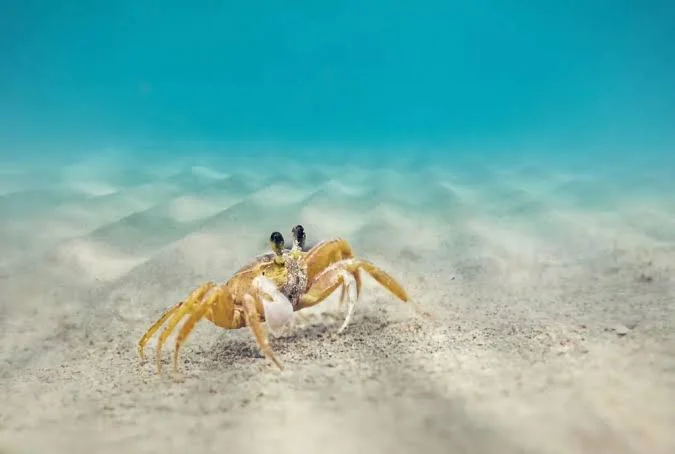
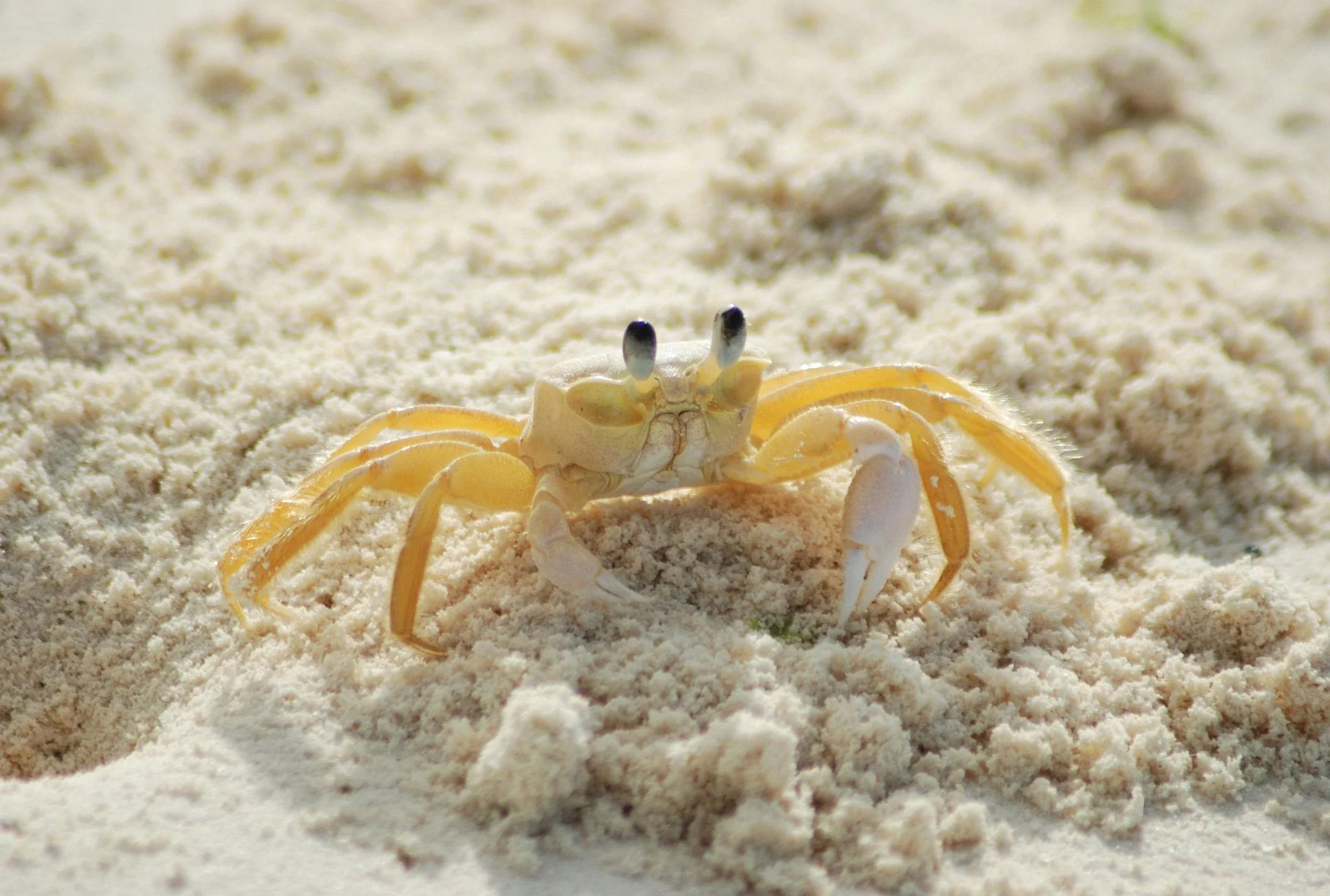
The reserve includes reef and intertidal habitats supporting fish, crabs, starfish, sea urchins, molluscs and other marine life. Birds or animals in the wider waters may be encountered. Particular sightings are uncertain. Observe without chasing, handling or removing wildlife, and leave natural materials in place.
Leave wildlife and natural materials where they belong. Photograph without handling or removing them, and avoid stepping on coral or sensitive seagrass. Follow your guide’s route and current reserve instructions. A closer photograph should not come at the expense of the habitat or animal.
June–October is generally the drier period around Dar es Salaam, with long rains usually in March–May and short rains around November–December. Seasonal winds can still affect the sea in drier months. The exact tide and daily forecast remain essential for planning the sandbar stop.
The organiser may need to adjust, postpone or cancel the outing. Agree cancellation, refund and rescheduling terms when booking, including what happens if a landing or water activity is omitted. Keep a mainland alternative available and allow the skipper’s current assessment to determine the programme.
Discuss ages, suitable lifejackets, shade, seating and supervision before booking. A boat-based observation programme may fit some families better than a landing or water activity. Suitability depends on the actual vessel and conditions; supervise children closely and agree the plan around their comfort and ability.
Ask about steps, boarding assistance, seating, toilets and the method of any proposed landing. A shifting tidal bank should not be assumed to offer a firm or accessible landing. Explain access needs in advance and request specific information about the actual vessel and programme before confirming.
Do not assume these facilities. The sandbank has no vegetation, and practical needs should be settled through the vessel or another expressly included stop. Confirm boat shade, drinking water, food and toilet arrangements. A standard excursion description does not establish an overnight stay or island services.
Bring sun protection, a hat, drinking water, a towel, practical clothing and a waterproof bag for essentials. Ask about footwear and any snorkelling equipment, and keep luggage manageable. Secure loose items aboard and carry all litter back. Confirm what the organiser supplies so that important items are not overlooked.
Request an itemised, dated quotation covering reserve entry, return boat travel, guiding, road transfers, equipment, food and additional stops. Confirm the applicable visitor category, payment method and exclusions. Charges and services can change, so use the organiser’s current quotation rather than historical published prices.
Treat these as separate proposals requiring current advice from reserve management, relevant authorities and specialist operators where appropriate. An ordinary boat excursion does not establish permission or equipment. Explain the exact activity in advance and obtain any required approvals before adding it to the plan.
Ask whether a multi-stop itinerary is suitable and currently available. Confirm each destination, entry arrangements, meals, facilities, costs and timings separately. The sandbar stop still needs to fit the tide window. Leave enough room for changed sea conditions and avoid a tight onward flight after the return.
Grateful experience
As a solo female traveler, I felt super safe and well taken care of the entire time.
Read morePrivate Safari 6 days
I can only highly recommend the young company Tanzalux for organizing a private safari.
Read moreAn unforgettable vegetarian journey with Tanzalux Safaris
I highly recommend Tanzalux for anyone wanting a special, personalized safari.
Read moreOur 3-day camping safari with Tanzalux was simply fantastic! Everything was perfectly organized.
Read moreBack in April, I joined a day trip to Tarangire National Park with Tanzalux Safaris, and it was truly one of the best experiences I have ever had…
Read moreI've had an amazing experience with Tanzalux Safaris, would 1000% recommend! Thank you for making my trip so special🫶
Read moreI recently visited Meru Waterfalls in Arusha and got to do some of the activities there, honestly it was such a great experience and I really enjoyed it.
Read moreOur guide Dullah Mr Rastaman had the best vibe. I would like to recommend other people not to miss it, Tarangire is the best national park.
Read moreOur tour guide Nasri was very friendly and welcoming from the first day we met him. He knows Tarangire very well and explained many things during the safari.
Read moreAs a grandmother in the group, I would like to share my happiness with Tanzalux Safaris. Me, my daughters, and my grandson went on a short trip to Tarangire National Park…
Read moreReceive a free, no obligation quote

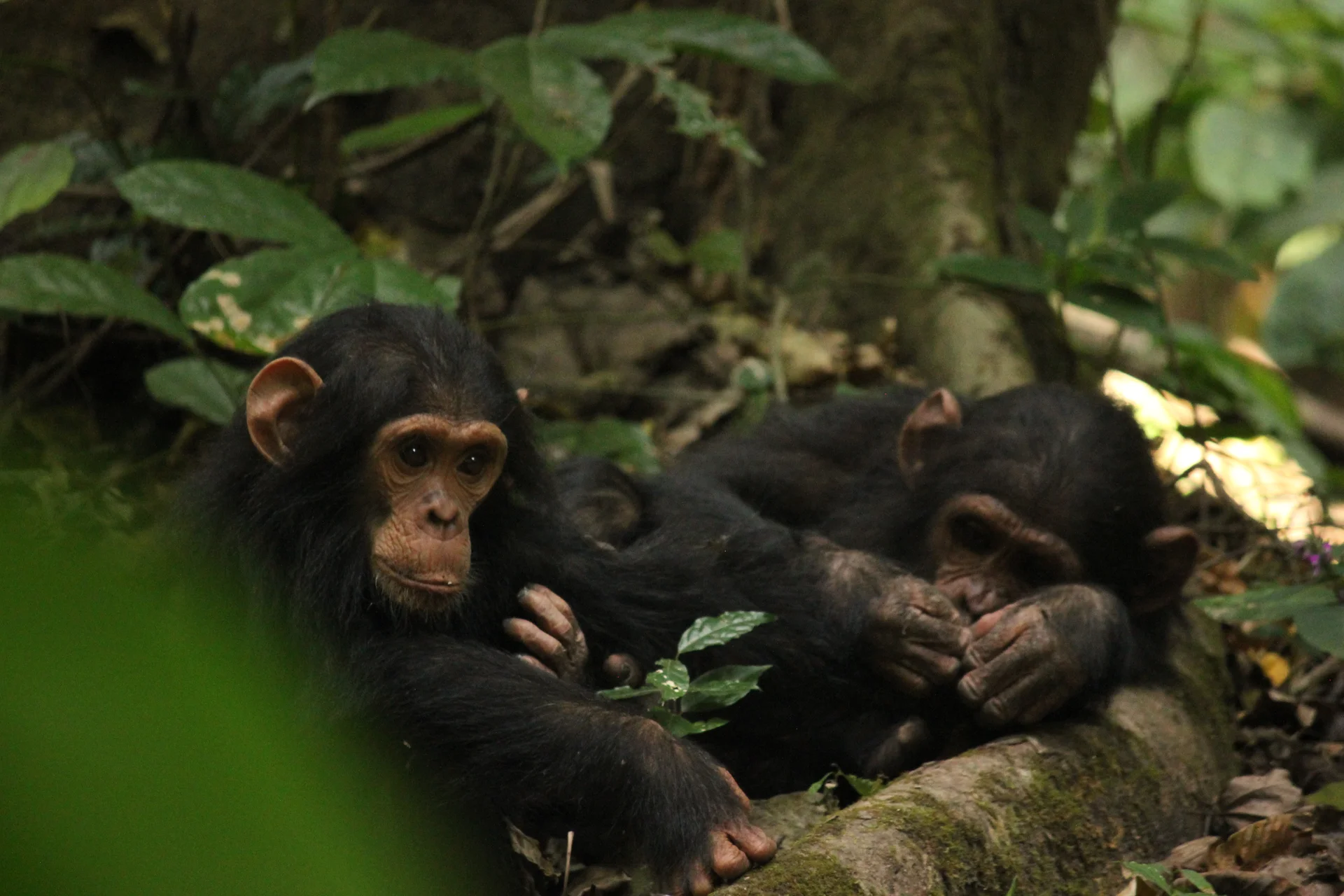 Western Circuit
Gombe Stream National Park, also known as Gombe National Park, combines wild chimpanzee trekking with forested hills and the shores of Lake Tanganyika. In Kigoma…
Wildlife
Chimpanzees & Olive baboons
Landscape
National Parks & Safari
Highlights
Wild chimpanzee trekking with park rangers
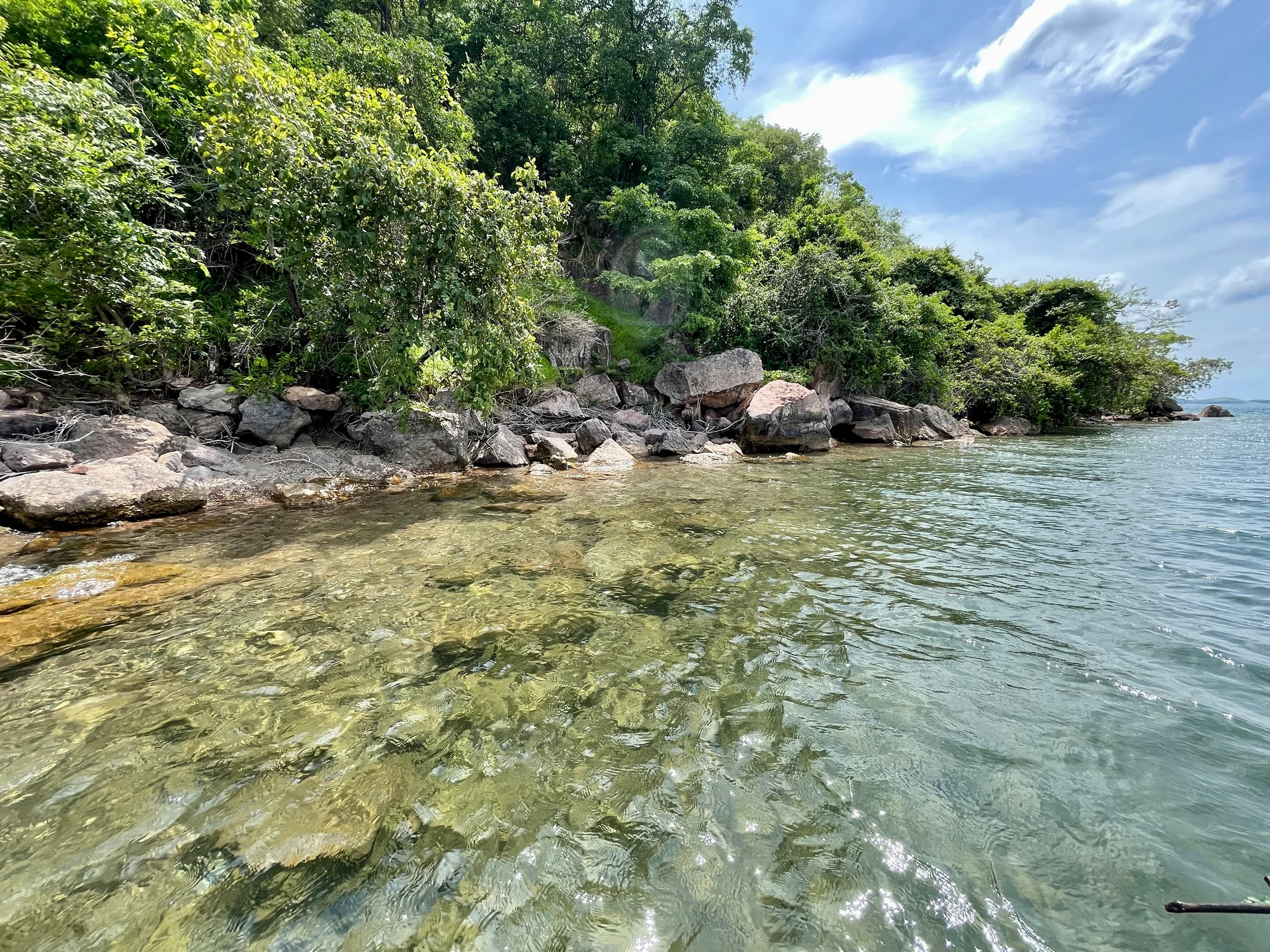 Southern Circuit
Lake Tanganyika offers a striking freshwater setting along Tanzania’s western frontier: broad blue horizons, wooded shores, bays, beaches and communities whose daily life is closely…
Wildlife
Endemic cichlid fish & Other freshwater fish
Landscape
Lakes & Hot Springs
Highlights
Africa’s deepest freshwater lake in the East African Rift
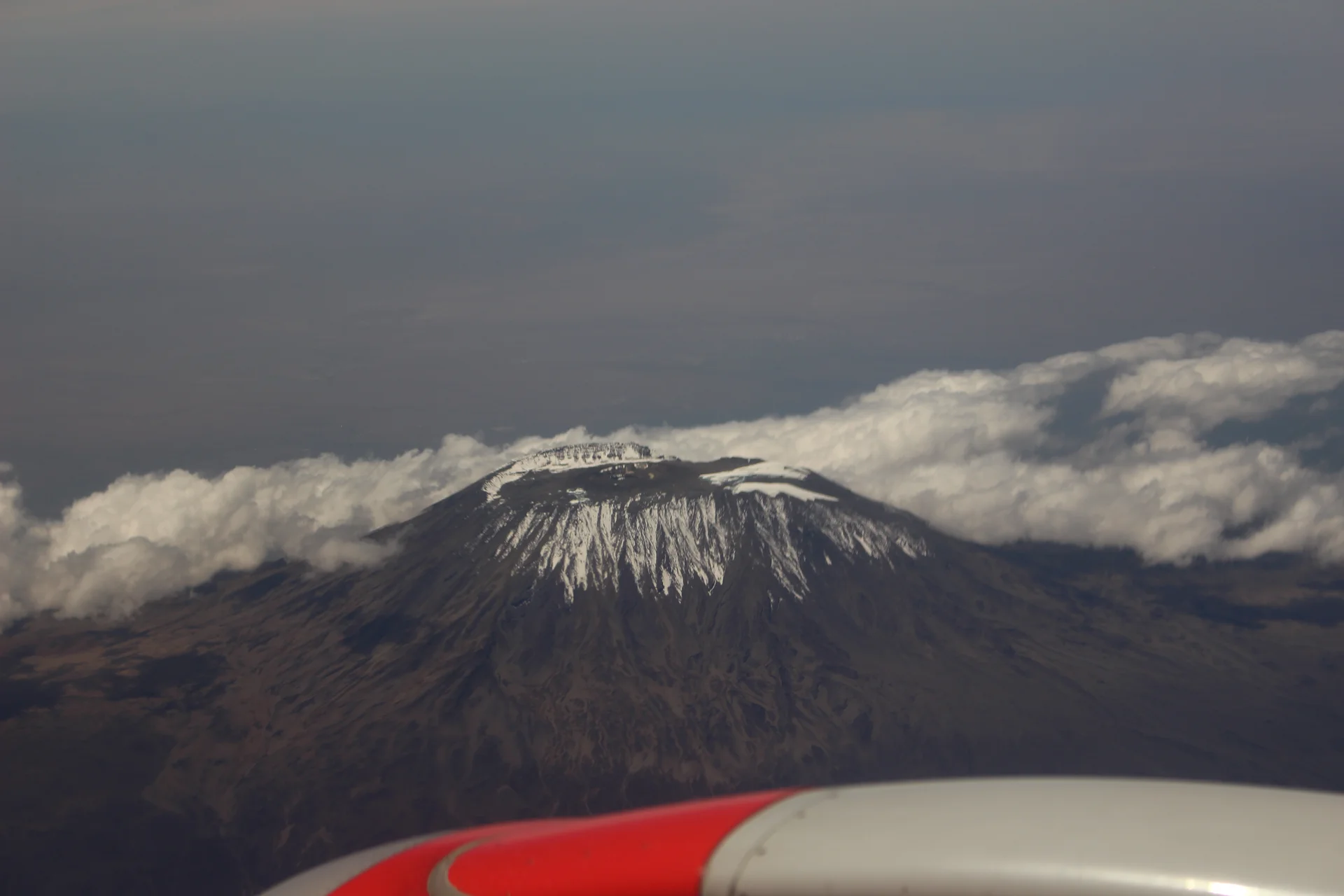 Northern Circuit
Kilimanjaro rises above northern Tanzania’s plains to Uhuru Peak at 5,895 metres, the highest point in Africa. Its volcanic massif, dramatic changes in vegetation and…
Wildlife
Black-and-white colobus monkeys in forest habitats & Blue monkeys in forest habitats
Landscape
Mountains & Trekking
Highlights
Uhuru Peak at 5,895 metres — Africa’s highest point
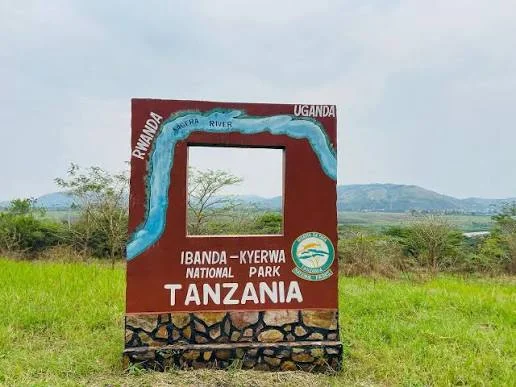 Western Circuit
Ibanda-Kyerwa National Park protects a scenic corner of northwestern Tanzania, where the Kagera River meets a landscape of savanna, wooded slopes, valleys and wetlands. Situated…
Wildlife
Buffalo & Roan antelope
Landscape
National Parks & Safari
Highlights
Kagera River scenery on Tanzania’s northwestern border
 Zanzibar & Islands
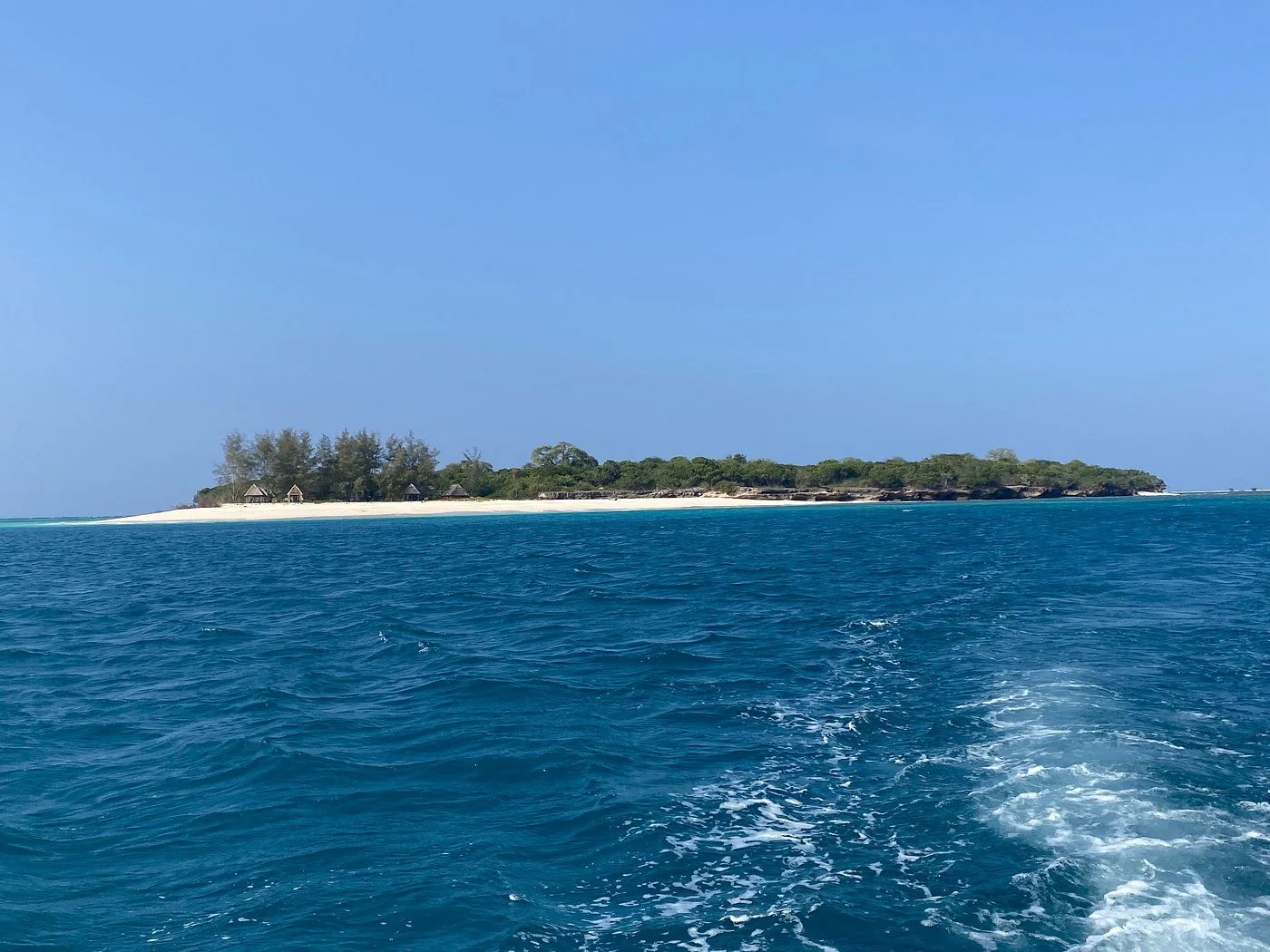
Sinda Island Marine Reserve offers an Indian Ocean escape off Kigamboni, on the southern side of Dar es Salaam. The reserve encompasses Inner and Outer…
Wildlife
Reef fish & Coastal birds
Landscape
Beaches & Islands
Highlights
Inner and Outer Sinda islands
 Northern Circuit
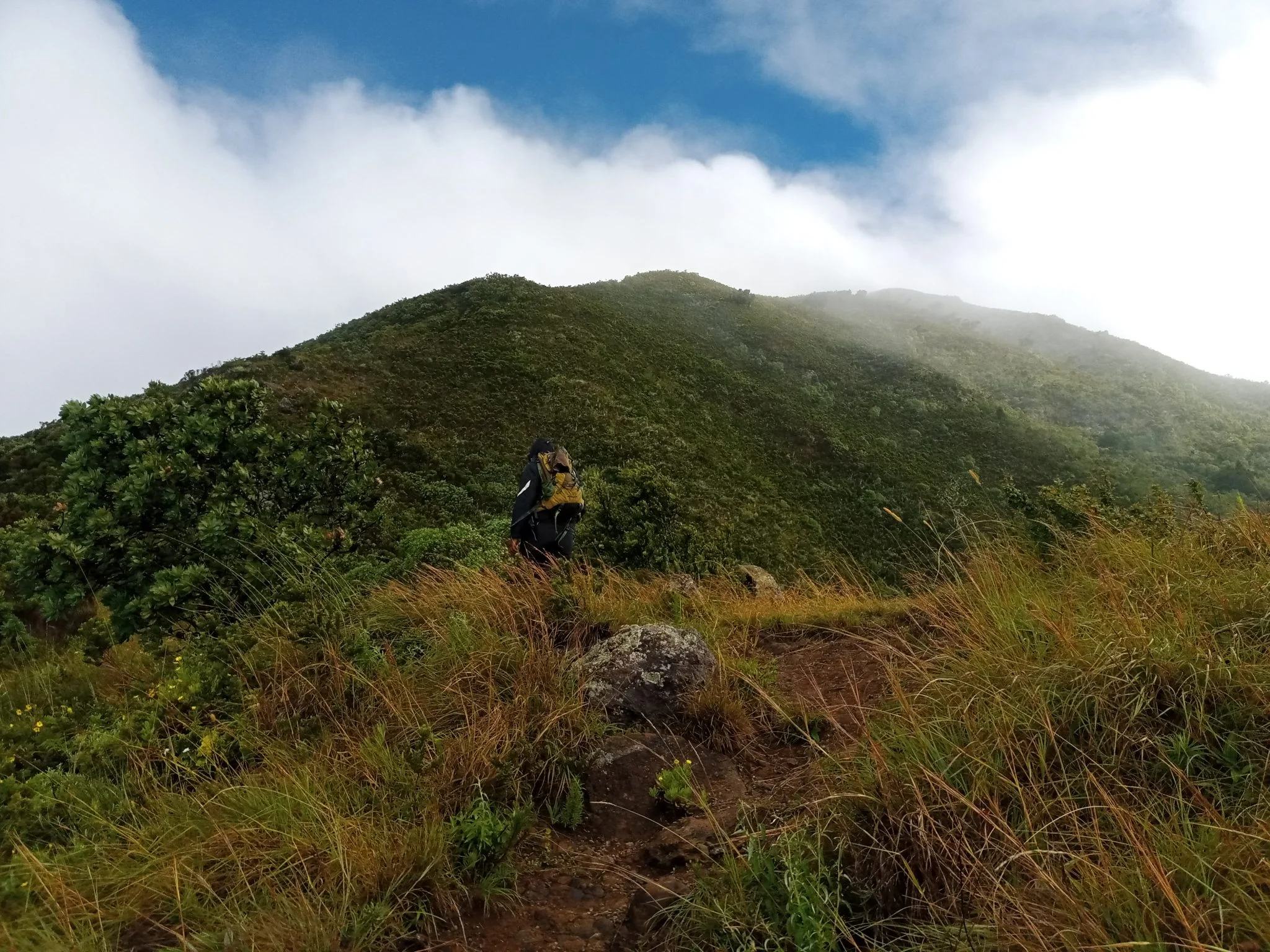
Discover Mount Hanang Rising above Katesh in Tanzania’s Manyara Region, Mount Hanang offers a rewarding mountain adventure beyond the familiar northern safari circuit. At approximately…
Wildlife
Klipspringer & Vervet monkeys
Landscape
Mountains & Trekking
Highlights
Approximately 3,423 metres — Tanzania’s fourth-highest mountain