 5.0 Excellent

Dorine M1 year ago

Grateful experience
As a solo female traveler, I felt super safe and well taken care of the entire time.
Read more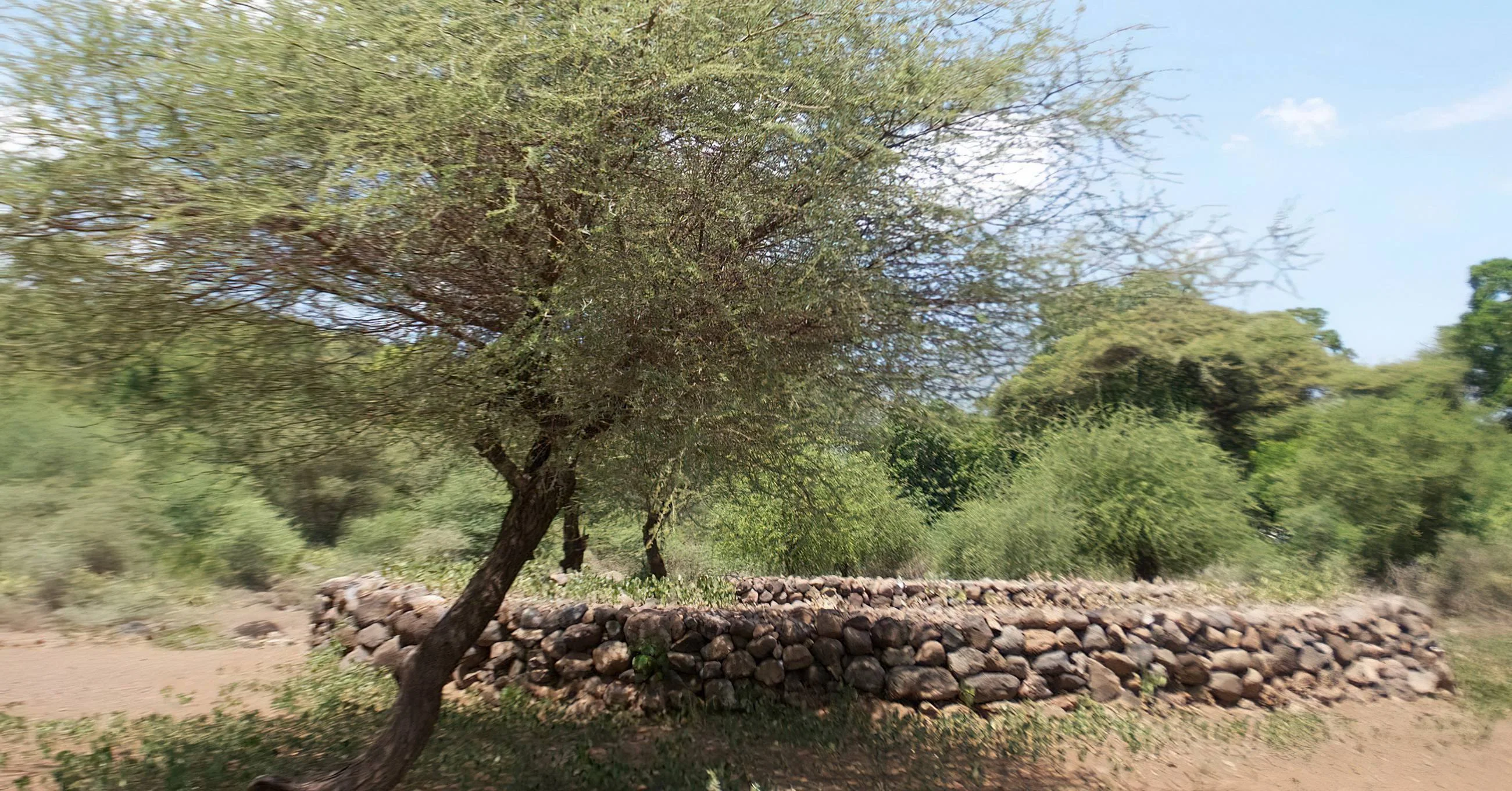
Northern Circuit
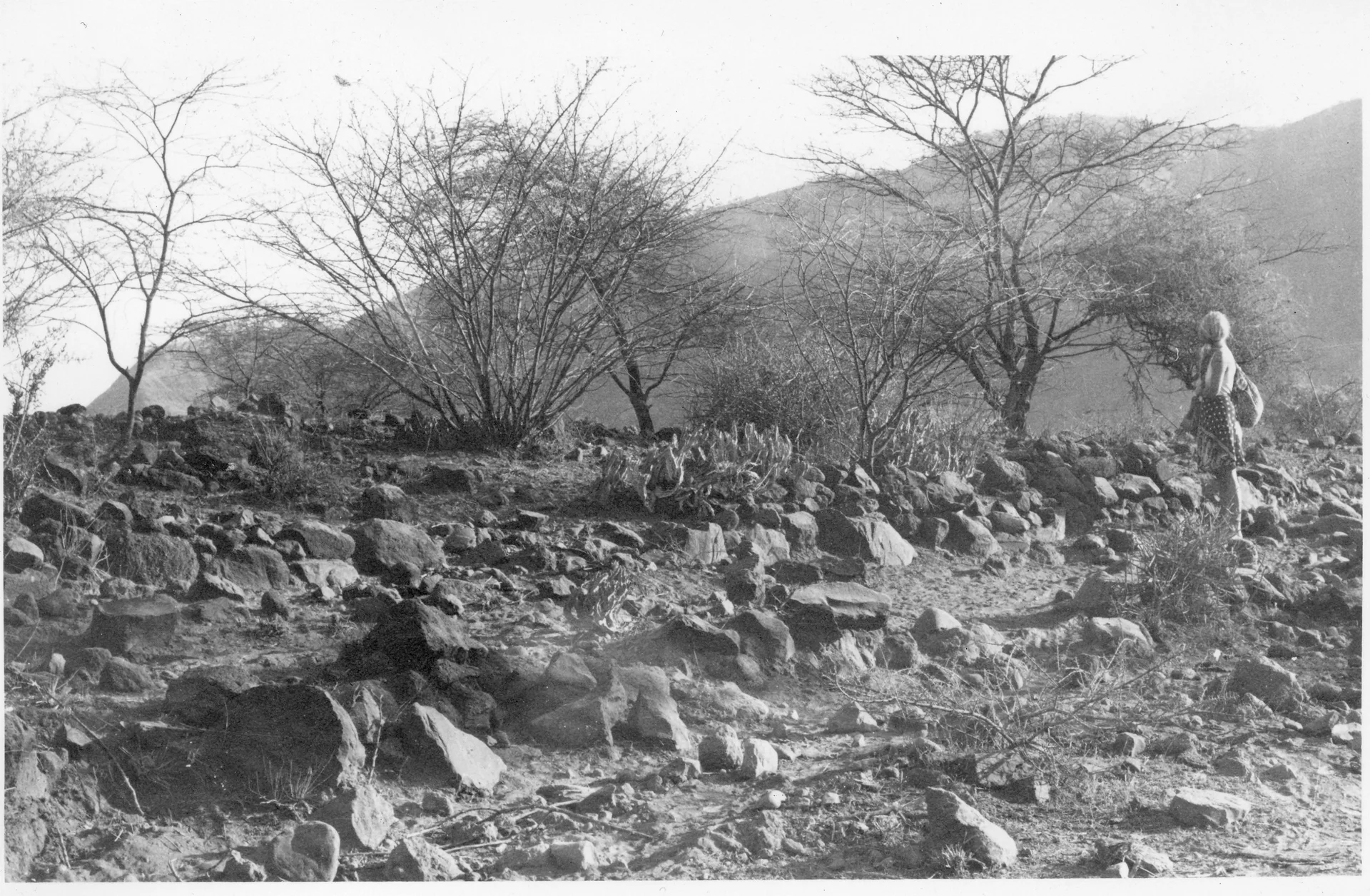
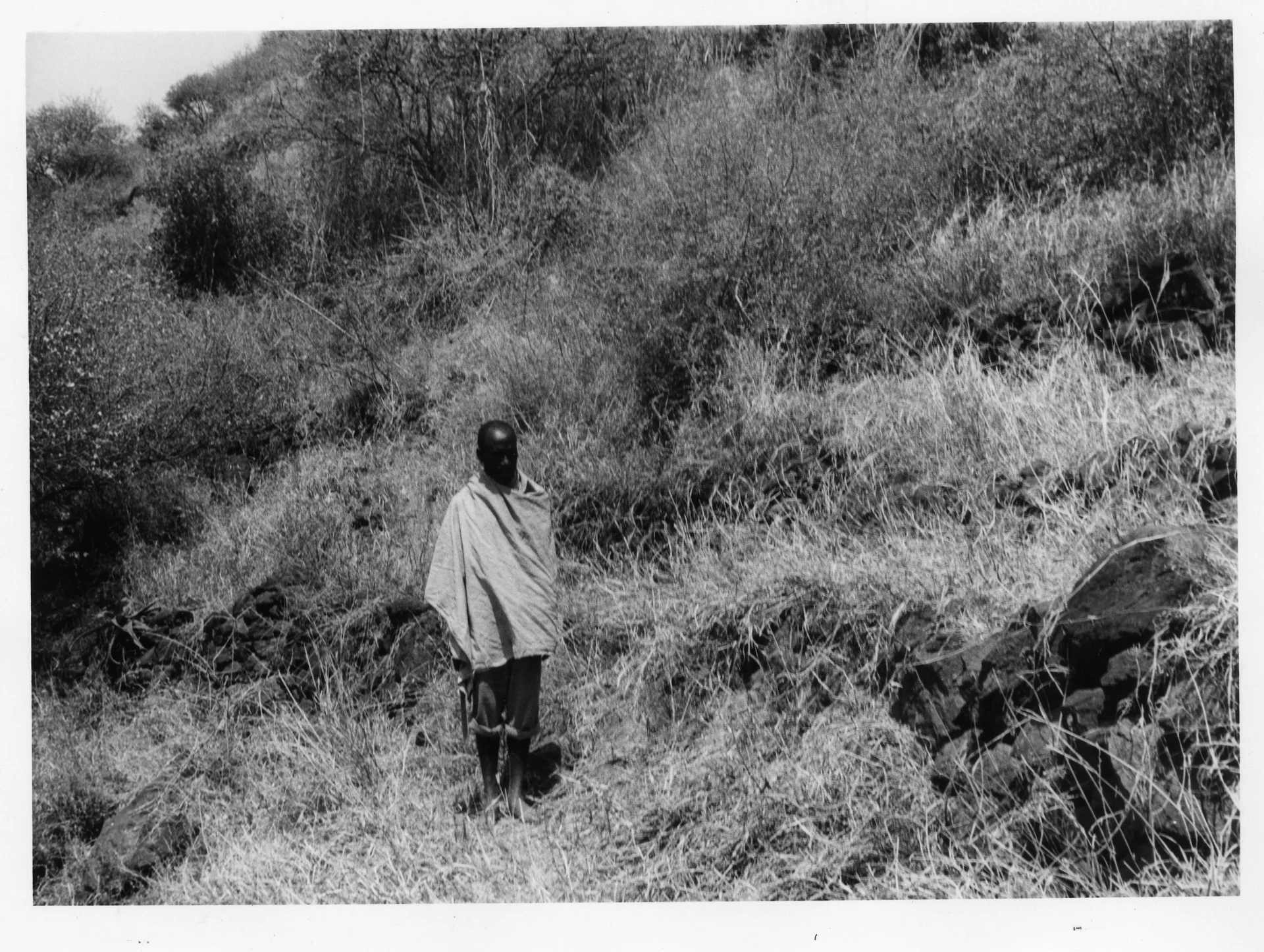
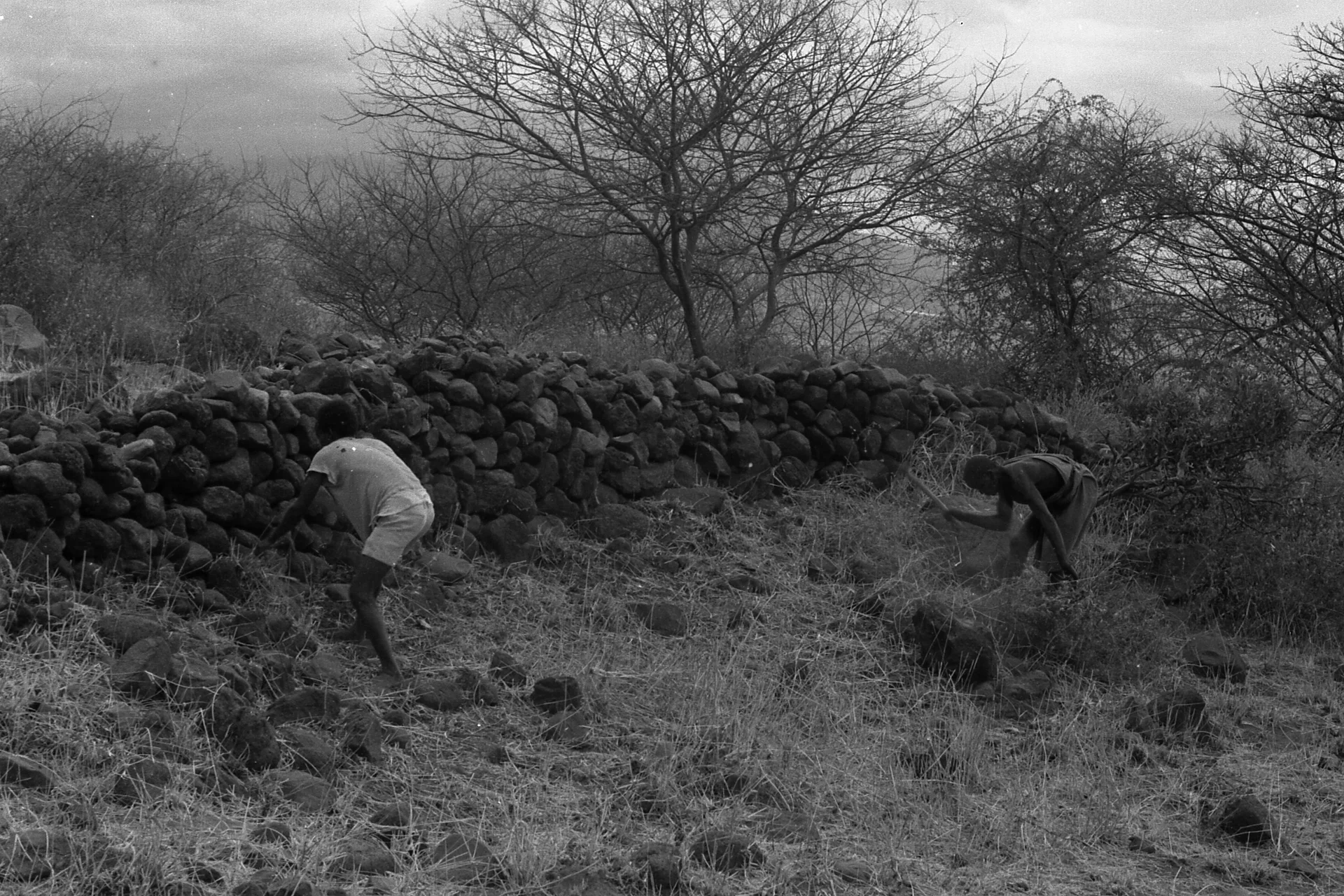
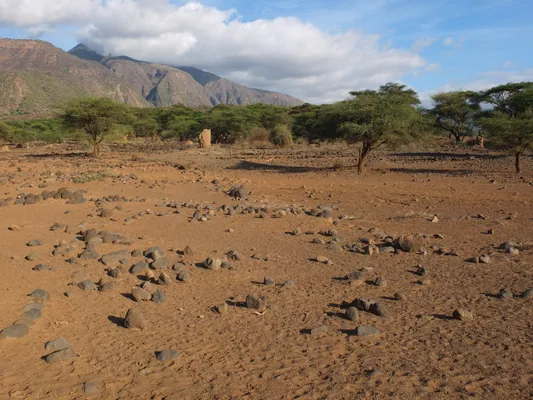
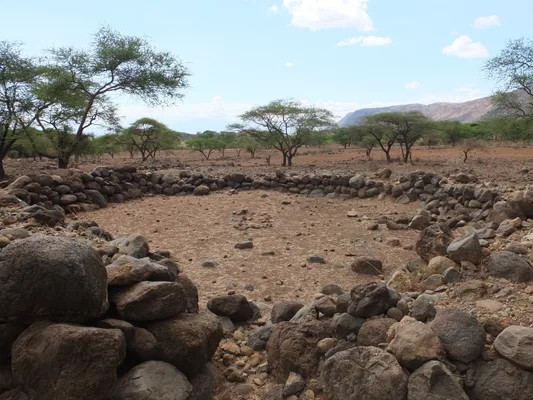
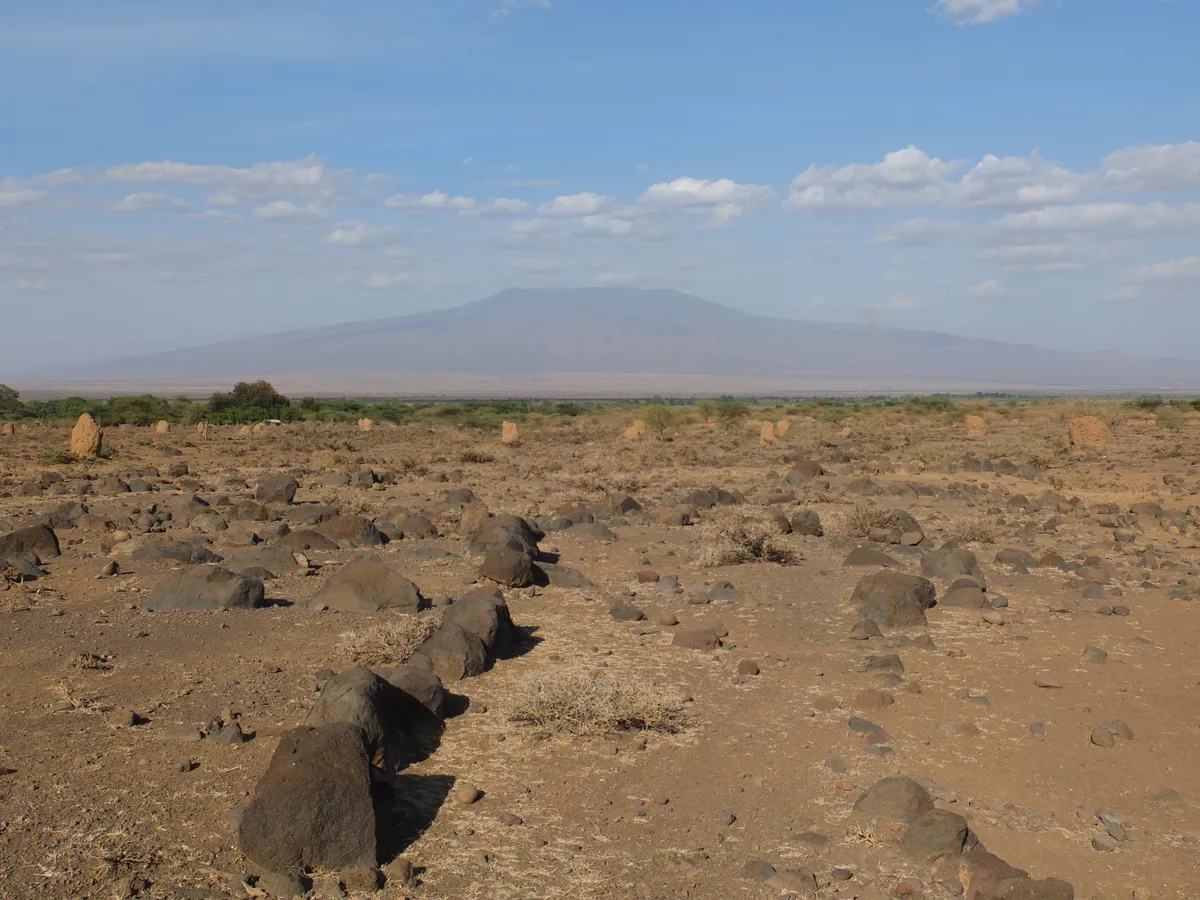
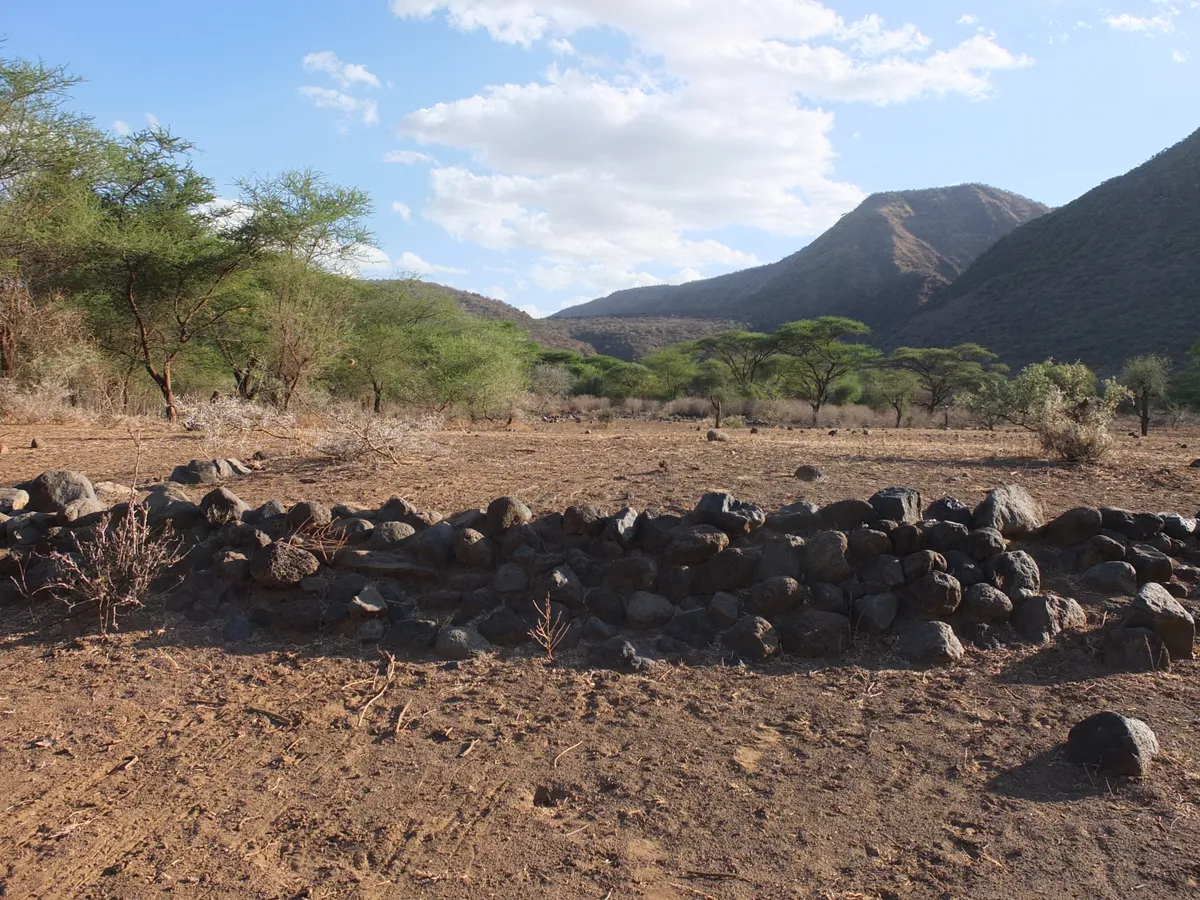
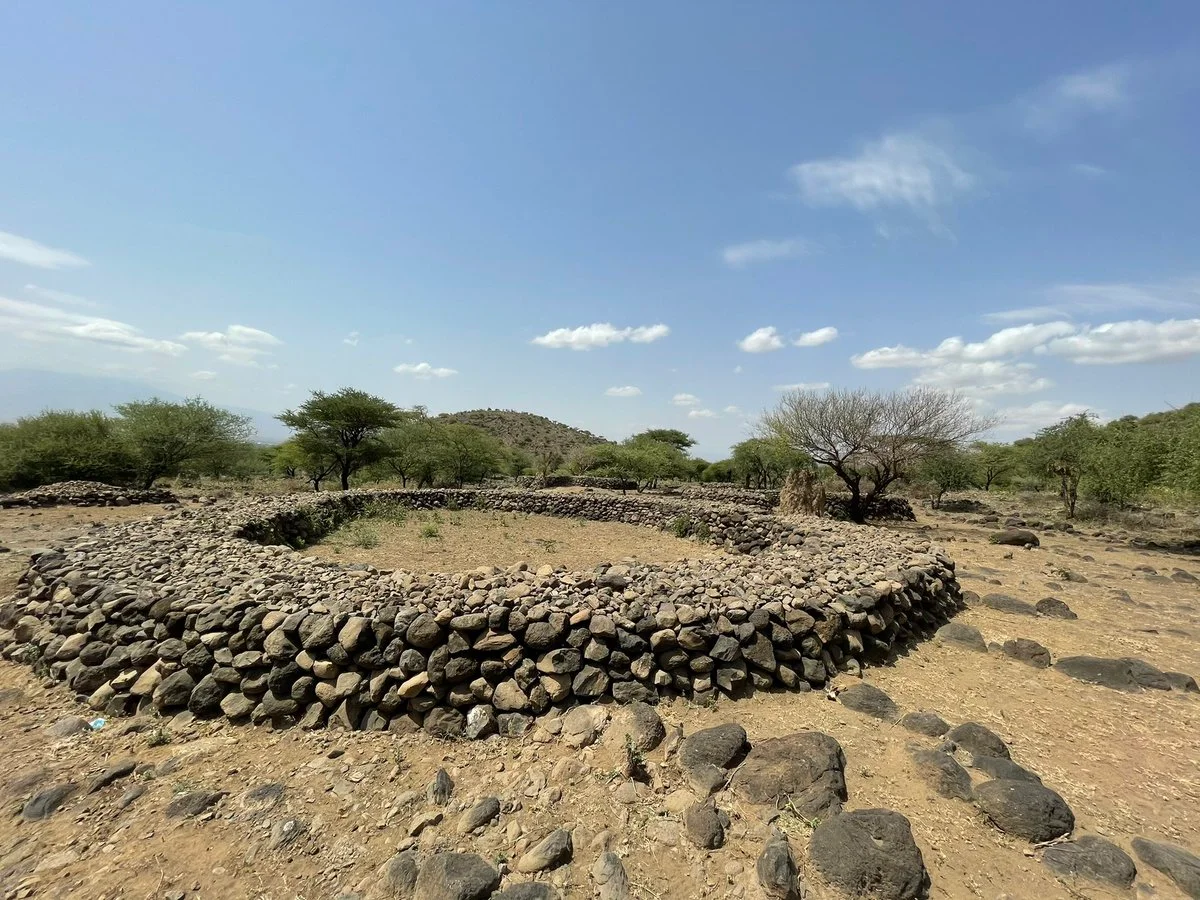
Discover the remains of an ingenious farming settlement at Engaruka Ruins, at the foot of the Great Rift Valley escarpment in Monduli District, Arusha Region. This important archaeological landscape preserves stone-built water channels, cultivation terraces and settlement remains that reveal how earlier communities managed water and farmed in a challenging environment. Engaruka is generally associated with an Iron Age farming community active between about the 15th and 18th centuries. Archaeological research describes a network of seven settlements and an extensive irrigated agricultural landscape. The identity of its builders and the reasons for its eventual abandonment remain subjects of investigation. Explore the site on foot with a knowledgeable local guide to understand its agricultural engineering, stonework and wider historical setting. Rift Valley scenery adds to the experience, while community-led cultural visits can be arranged separately. Engaruka makes a rewarding heritage stop on the journey from Mto wa Mbu towards Ol Doinyo Lengai and Lake Natron.
March–May: The long rains can make the approach road muddy and walking surfaces slippery. The surrounding landscape may be greener, but visits depend on local road and site conditions. Keep your itinerary flexible and confirm access with your guide.
November–December and January–February: Short-rain showers may occur in November and December; January and February often offer a drier visiting window. Expect warm conditions and plan walks early in the day. Rainfall patterns vary each year.
June–October: Generally the most straightforward period for an outdoor ruins walk, with drier weather and easier road access. The open landscape can be hot and dusty, so start early and carry water, a sun hat and comfortable walking shoes.
Reach Engaruka by road from Arusha via Mto wa Mbu, then continue north on the route towards Ol Doinyo Lengai and Lake Natron. Engaruka village is approximately 63 km north of Mto wa Mbu, at the foot of the Rift Valley escarpment. Arrange the final approach to the ruins and a local guide in advance. A private transfer in a vehicle suited to rough roads is the most practical option. A 4WD is advisable, particularly after rain. Road conditions and journey times vary, so allow extra time and confirm access before departure. Travellers arriving by air can arrange an onward road transfer from Arusha or Kilimanjaro International Airport.
The ruins lie near Engaruka village in Monduli District, Arusha Region, at the foot of the Great Rift Valley escarpment. The approach is north from Mto wa Mbu towards Lake Natron.
A guided walk introduces stone-lined irrigation channels, cultivation terraces, settlement remains and the wider agricultural landscape. A guide helps identify features that can be difficult to recognise without explanation.
The site is generally associated with an Iron Age farming community active from around the 15th to the 18th century. Its builders’ identity and the reasons for abandonment remain debated; changing water supply and other pressures are among the proposed explanations.
Allow roughly one to two hours for an introductory ruins walk, plus travel time. A longer visit can include village or escarpment walks when arranged with a guide. The pace and route can be adapted to your interests.
A knowledgeable local guide is strongly recommended to explain the irrigation system and archaeological remains. Arrange guiding, access and any cultural visits before arrival.
Wear sturdy walking shoes and bring drinking water, a sun hat, sunscreen and a camera. Start early to avoid the strongest heat. Carry a waterproof layer during rainy periods and follow your guide’s route through the site.
Local camping may be available around Engaruka, with further accommodation choices in Mto wa Mbu and Karatu. Confirm current facilities and availability before travelling; accommodation is arranged separately from the ruins visit.
The main attraction is archaeological and cultural heritage. Birds and butterflies may be seen around the ruins and escarpment, but sightings vary. Combine the visit with a national park if wildlife viewing is a priority.
Entrance and guiding charges can change. Confirm the current local arrangements and what your itinerary includes before booking. Cultural activities, transport and camping may be charged separately.
Engaruka fits naturally into the Mto wa Mbu–Ol Doinyo Lengai–Lake Natron route. It can also complement Lake Manyara or a broader northern Tanzania safari. Additional hikes and community visits require separate planning.
Grateful experience
As a solo female traveler, I felt super safe and well taken care of the entire time.
Read morePrivate Safari 6 days
I can only highly recommend the young company Tanzalux for organizing a private safari.
Read moreAn unforgettable vegetarian journey with Tanzalux Safaris
I highly recommend Tanzalux for anyone wanting a special, personalized safari.
Read moreOur 3-day camping safari with Tanzalux was simply fantastic! Everything was perfectly organized.
Read moreBack in April, I joined a day trip to Tarangire National Park with Tanzalux Safaris, and it was truly one of the best experiences I have ever had…
Read moreI've had an amazing experience with Tanzalux Safaris, would 1000% recommend! Thank you for making my trip so special🫶
Read moreI recently visited Meru Waterfalls in Arusha and got to do some of the activities there, honestly it was such a great experience and I really enjoyed it.
Read moreOur guide Dullah Mr Rastaman had the best vibe. I would like to recommend other people not to miss it, Tarangire is the best national park.
Read moreOur tour guide Nasri was very friendly and welcoming from the first day we met him. He knows Tarangire very well and explained many things during the safari.
Read moreAs a grandmother in the group, I would like to share my happiness with Tanzalux Safaris. Me, my daughters, and my grandson went on a short trip to Tarangire National Park…
Read moreReceive a free, no obligation quote

 Western Circuit
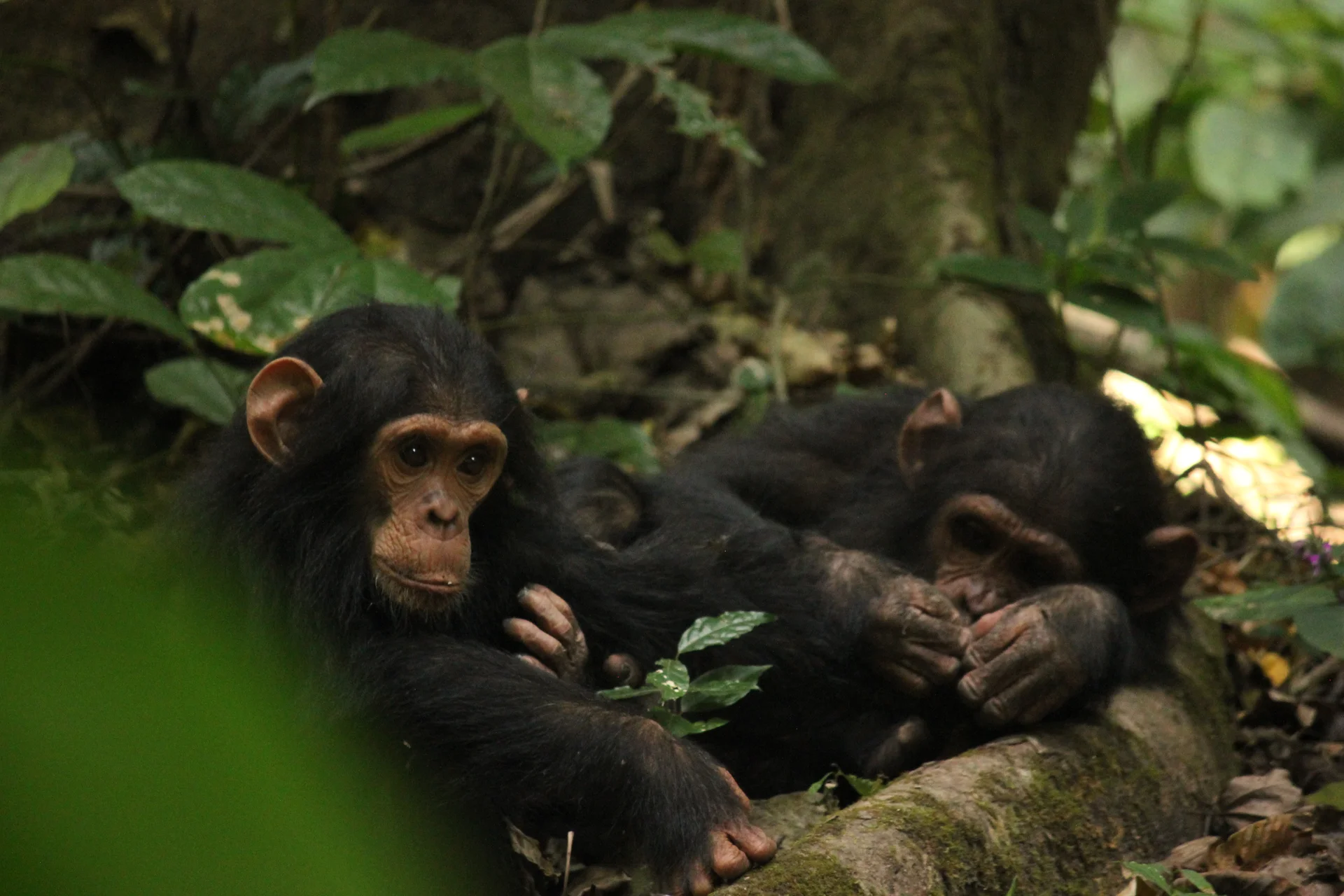
Gombe Stream National Park, also known as Gombe National Park, combines wild chimpanzee trekking with forested hills and the shores of Lake Tanganyika. In Kigoma…
Wildlife
Chimpanzees & Olive baboons
Landscape
National Parks & Safari
Highlights
Wild chimpanzee trekking with park rangers
 Southern Circuit
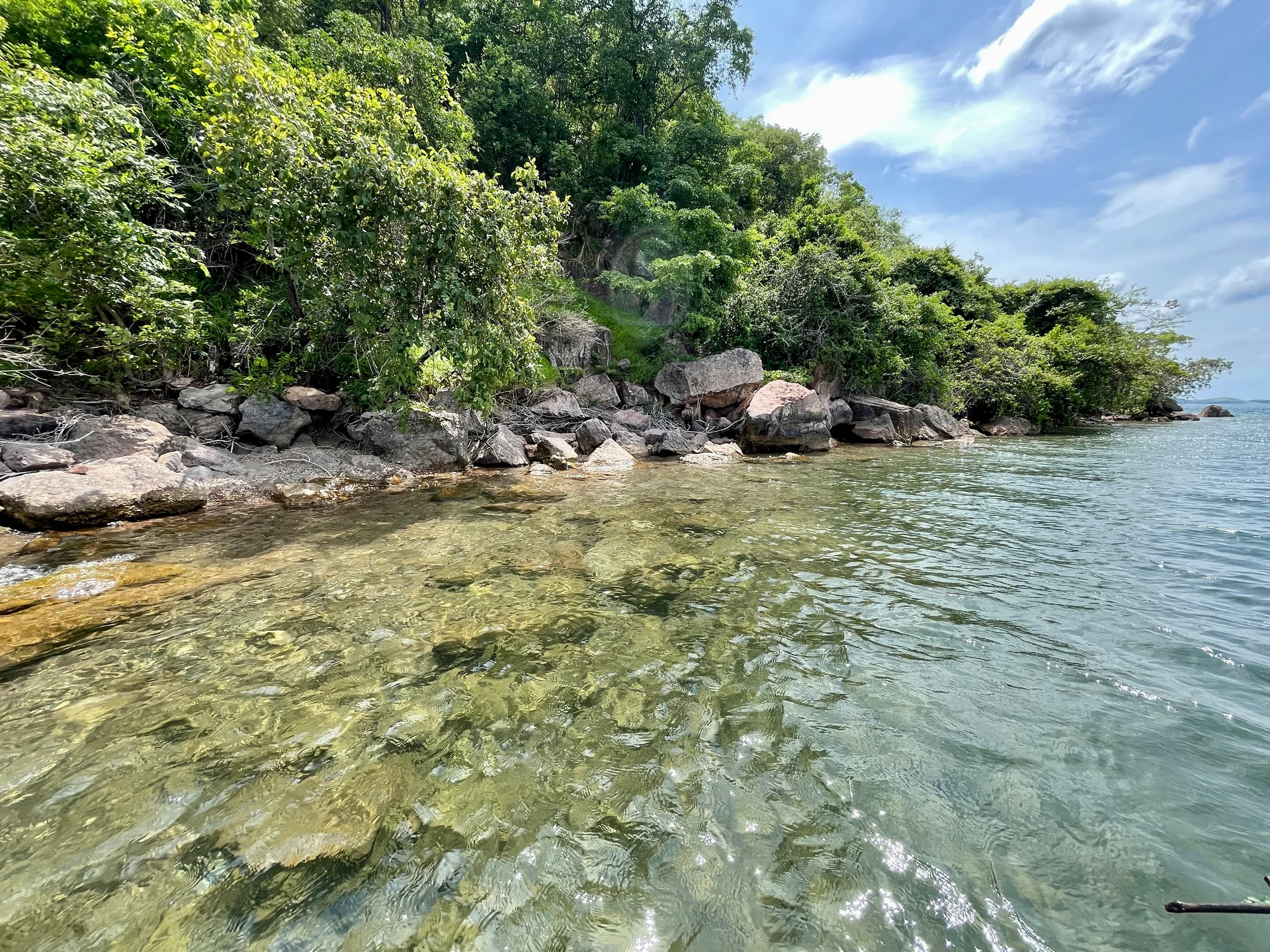
Lake Tanganyika offers a striking freshwater setting along Tanzania’s western frontier: broad blue horizons, wooded shores, bays, beaches and communities whose daily life is closely…
Wildlife
Endemic cichlid fish & Other freshwater fish
Landscape
Lakes & Hot Springs
Highlights
Africa’s deepest freshwater lake in the East African Rift
 Northern Circuit
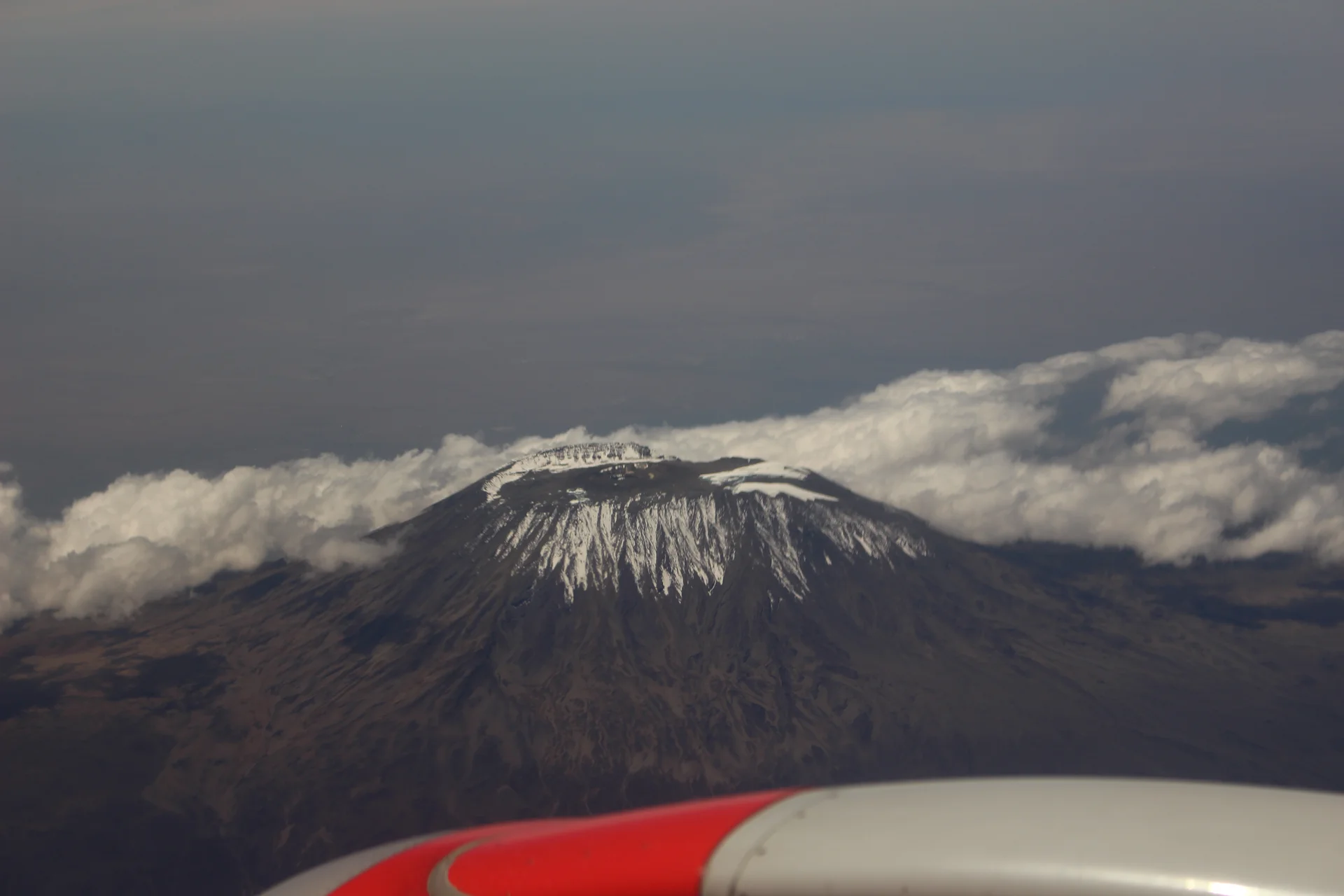
Kilimanjaro rises above northern Tanzania’s plains to Uhuru Peak at 5,895 metres, the highest point in Africa. Its volcanic massif, dramatic changes in vegetation and…
Wildlife
Black-and-white colobus monkeys in forest habitats & Blue monkeys in forest habitats
Landscape
Mountains & Trekking
Highlights
Uhuru Peak at 5,895 metres — Africa’s highest point
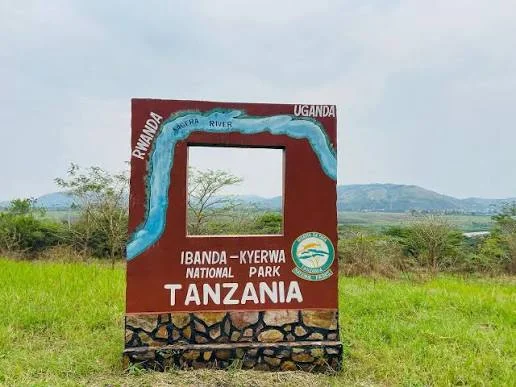 Western Circuit
Ibanda-Kyerwa National Park protects a scenic corner of northwestern Tanzania, where the Kagera River meets a landscape of savanna, wooded slopes, valleys and wetlands. Situated…
Wildlife
Buffalo & Roan antelope
Landscape
National Parks & Safari
Highlights
Kagera River scenery on Tanzania’s northwestern border
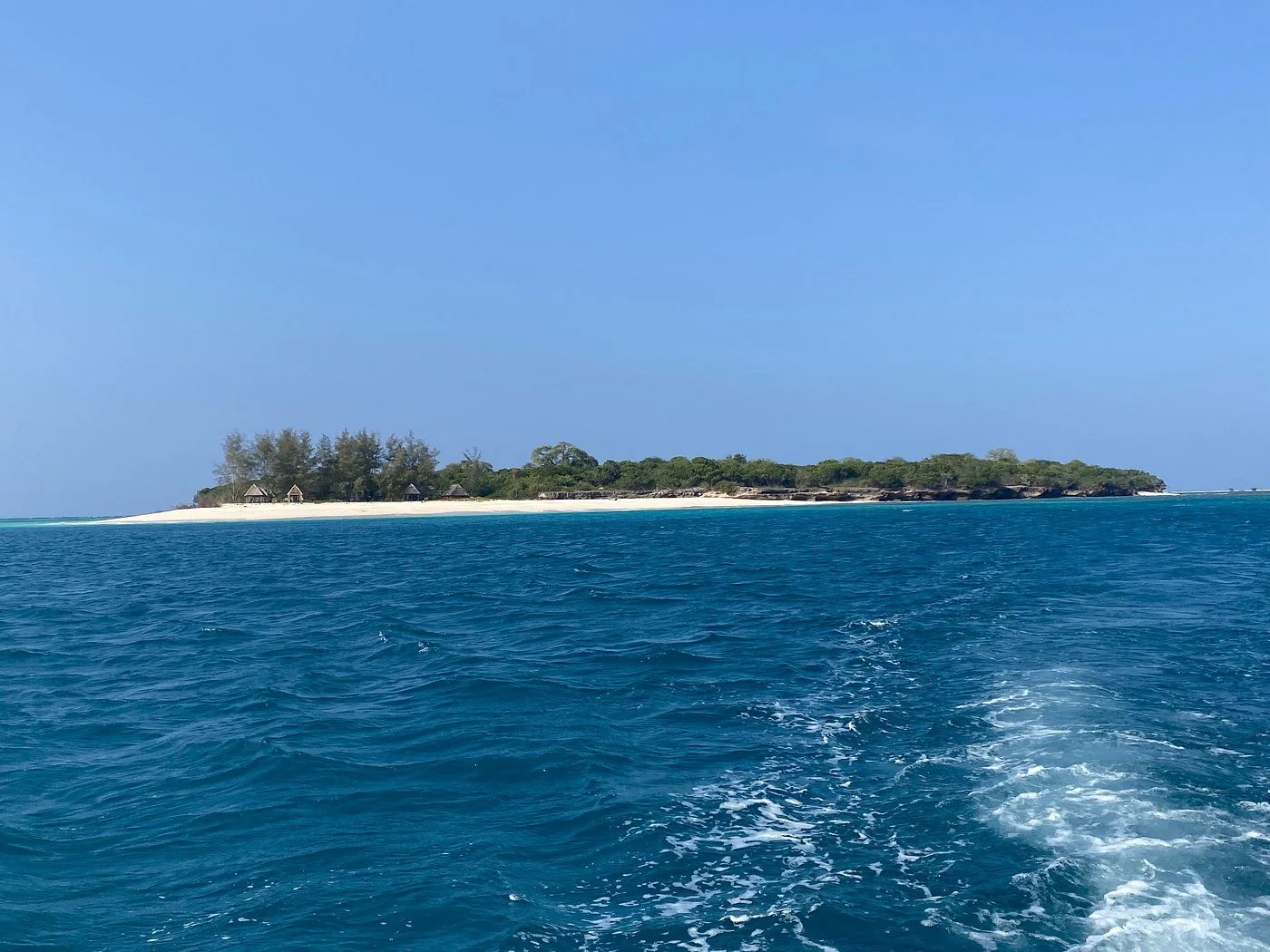 Zanzibar & Islands
Sinda Island Marine Reserve offers an Indian Ocean escape off Kigamboni, on the southern side of Dar es Salaam. The reserve encompasses Inner and Outer…
Wildlife
Reef fish & Coastal birds
Landscape
Beaches & Islands
Highlights
Inner and Outer Sinda islands
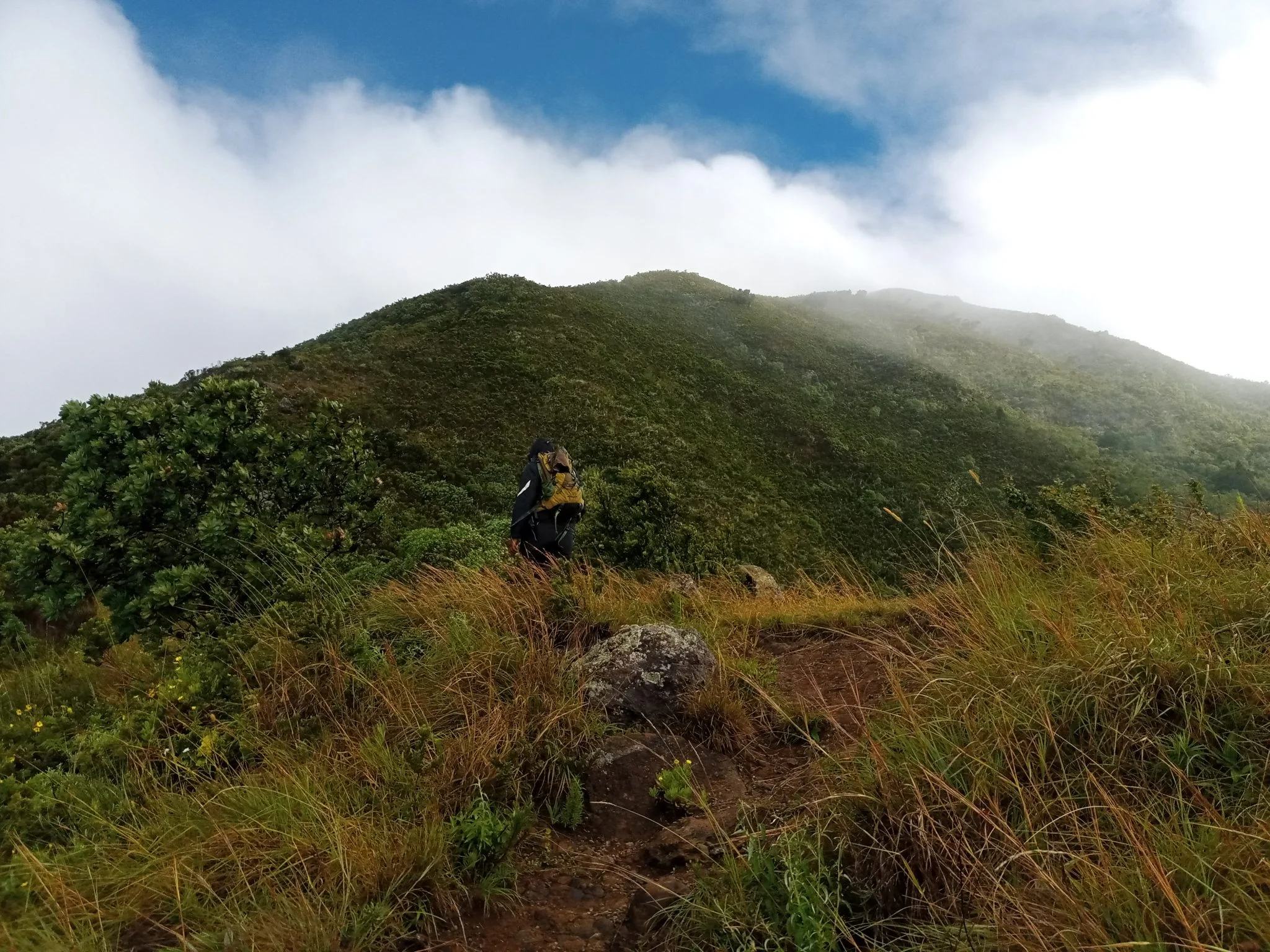 Northern Circuit
Discover Mount Hanang Rising above Katesh in Tanzania’s Manyara Region, Mount Hanang offers a rewarding mountain adventure beyond the familiar northern safari circuit. At approximately…
Wildlife
Klipspringer & Vervet monkeys
Landscape
Mountains & Trekking
Highlights
Approximately 3,423 metres — Tanzania’s fourth-highest mountain