 5.0 Excellent

Dorine M1 year ago

Grateful experience
As a solo female traveler, I felt super safe and well taken care of the entire time.
Read more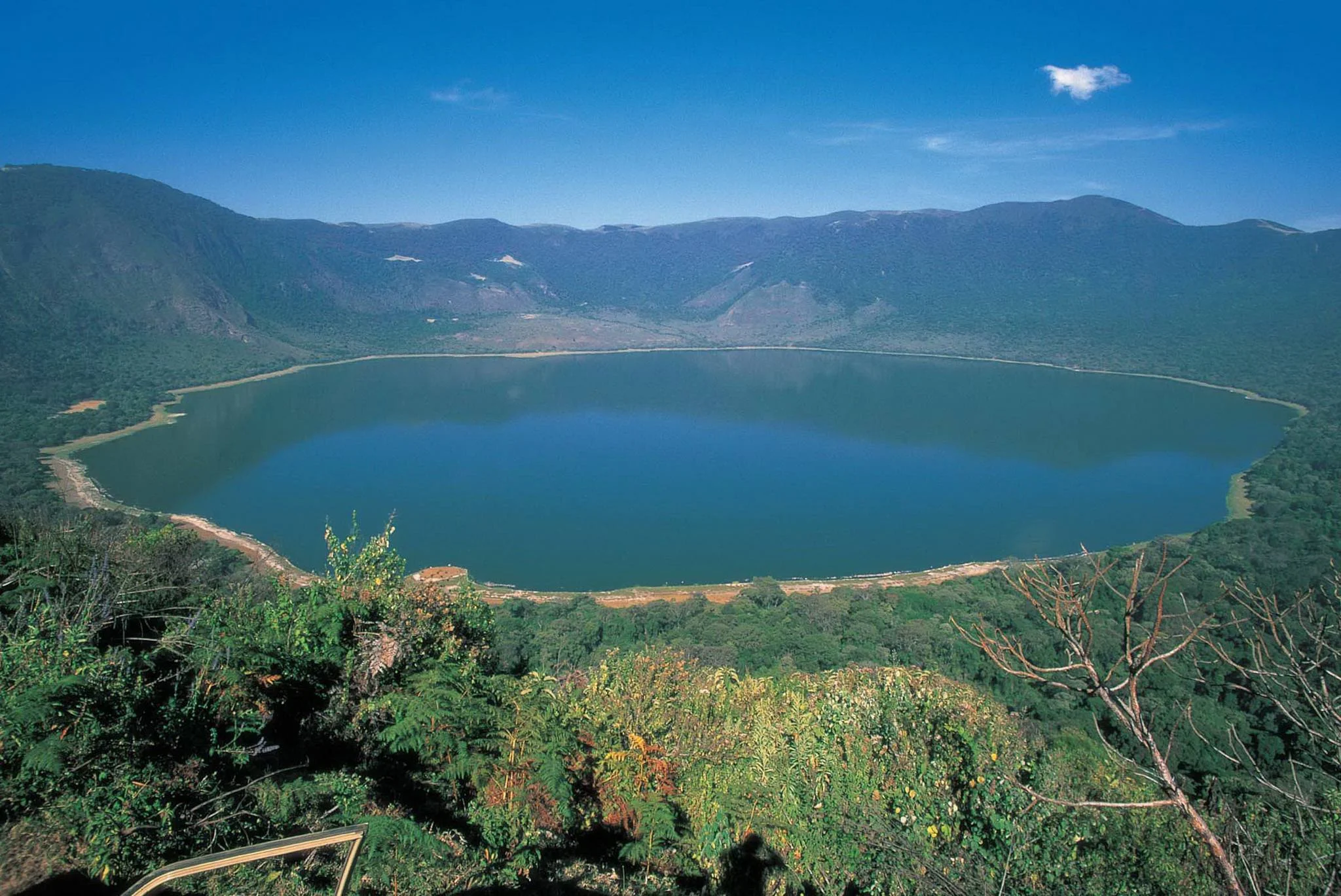
Northern Circuit
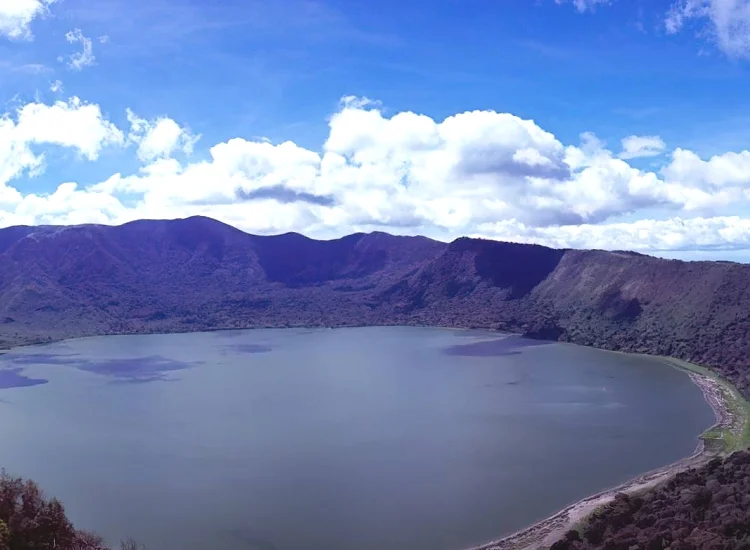
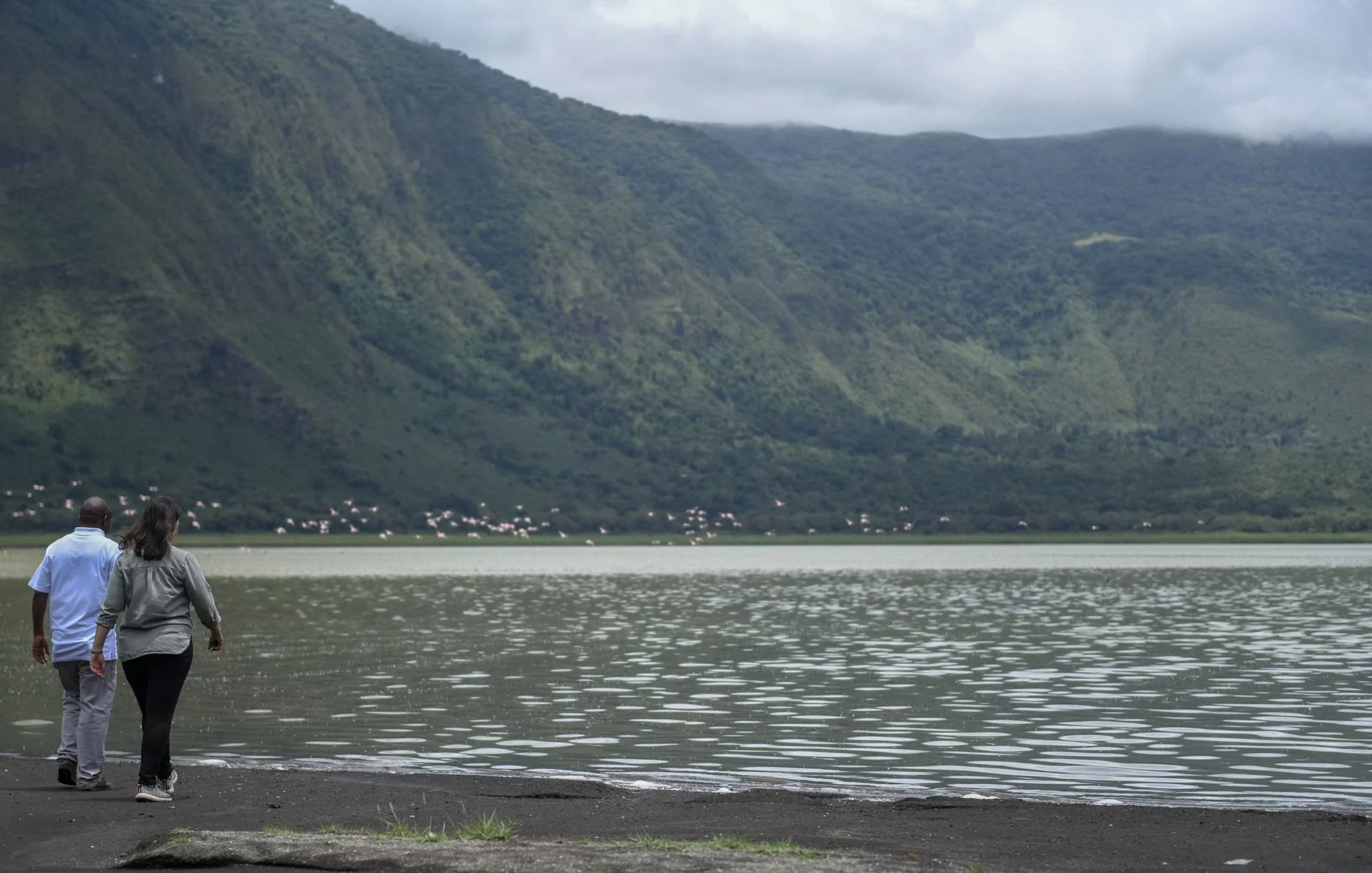
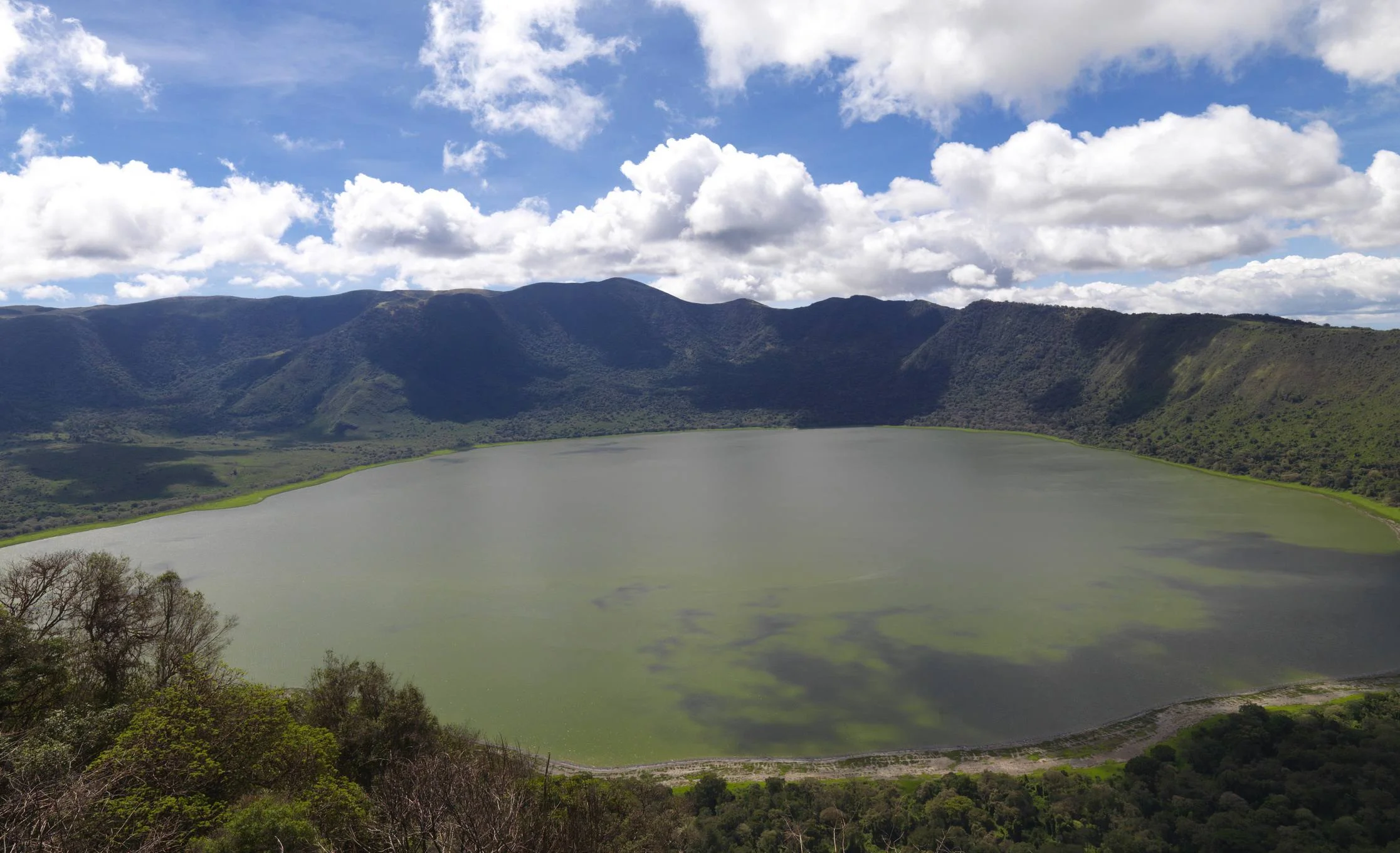
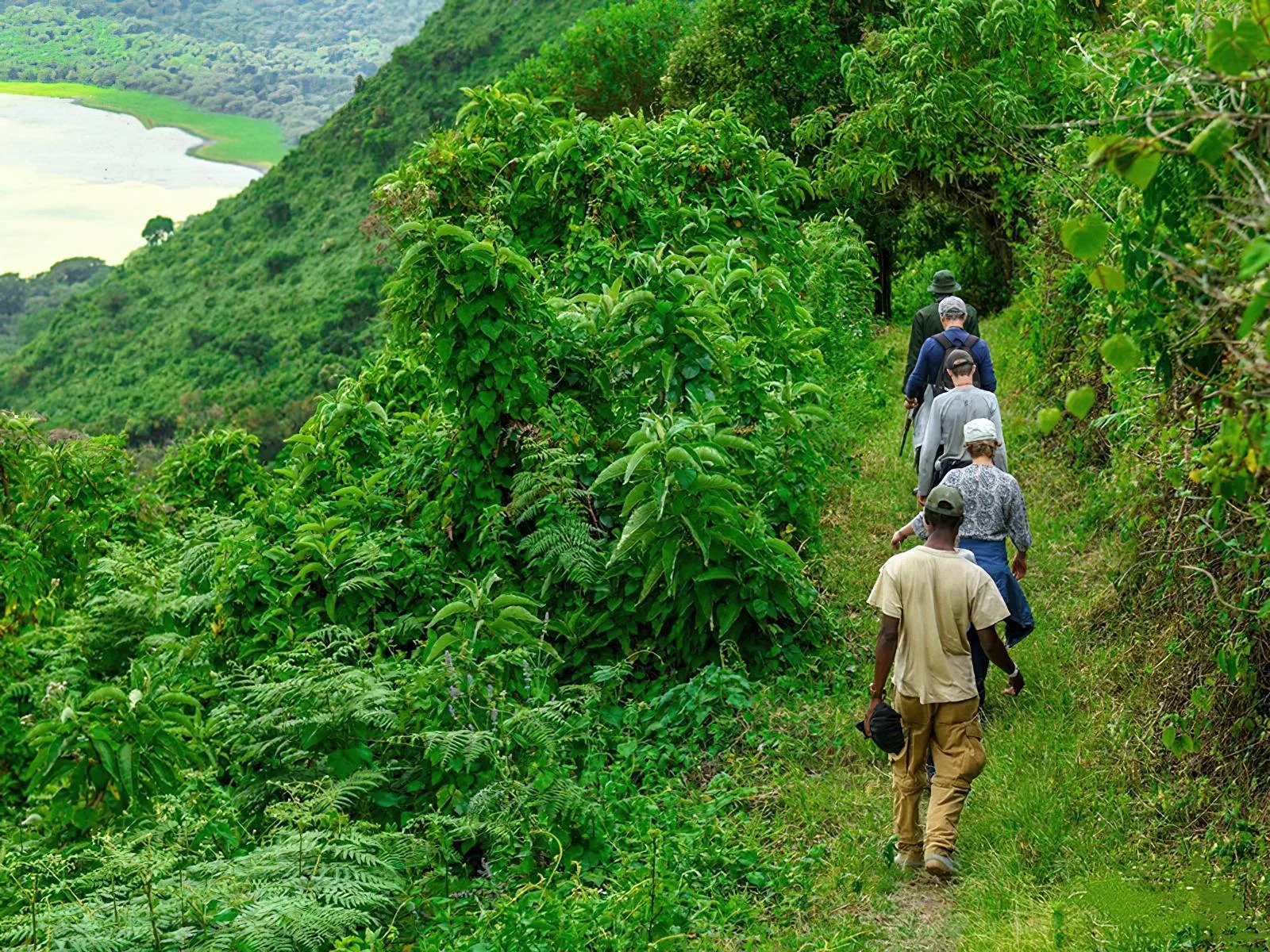
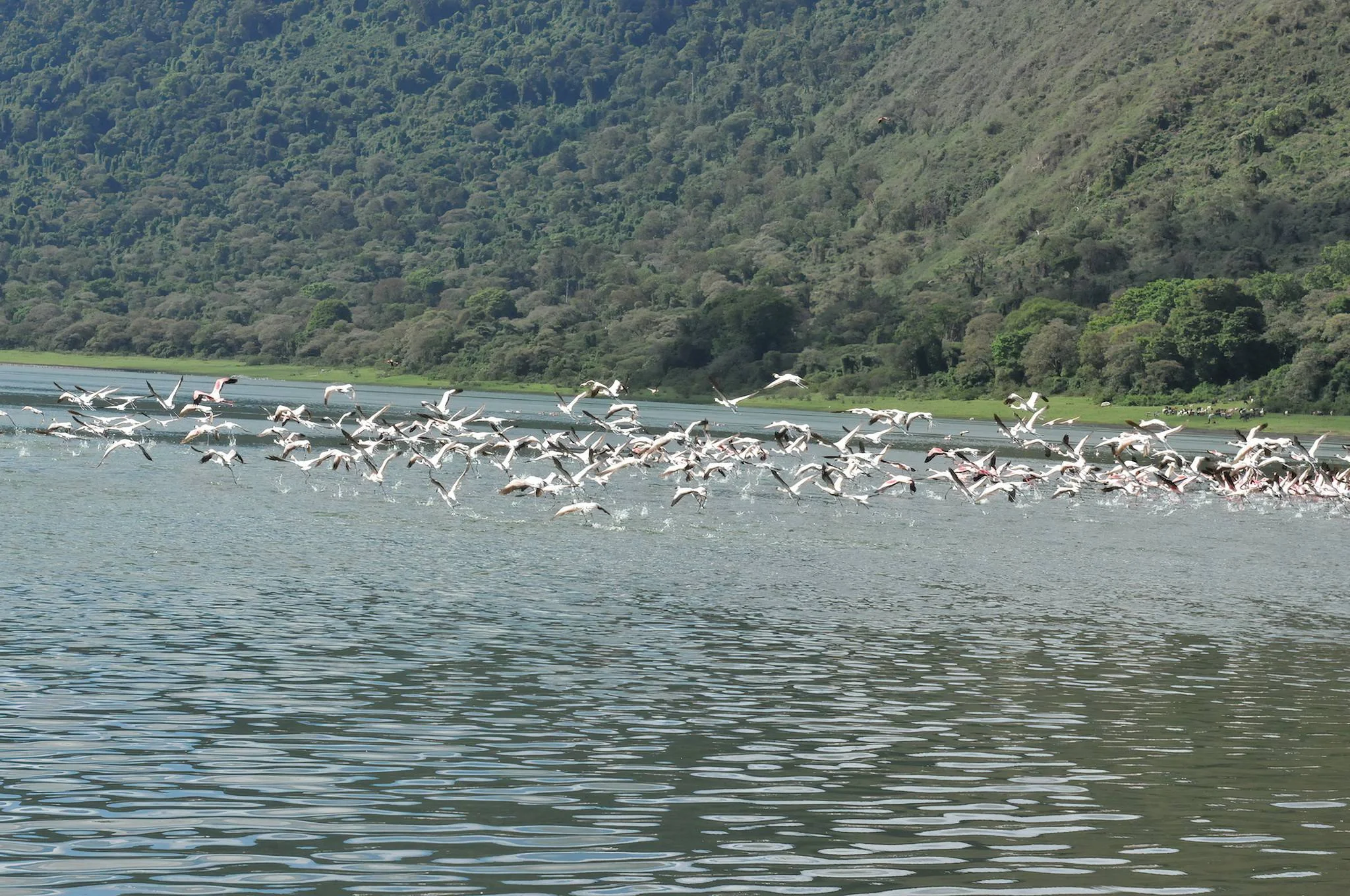
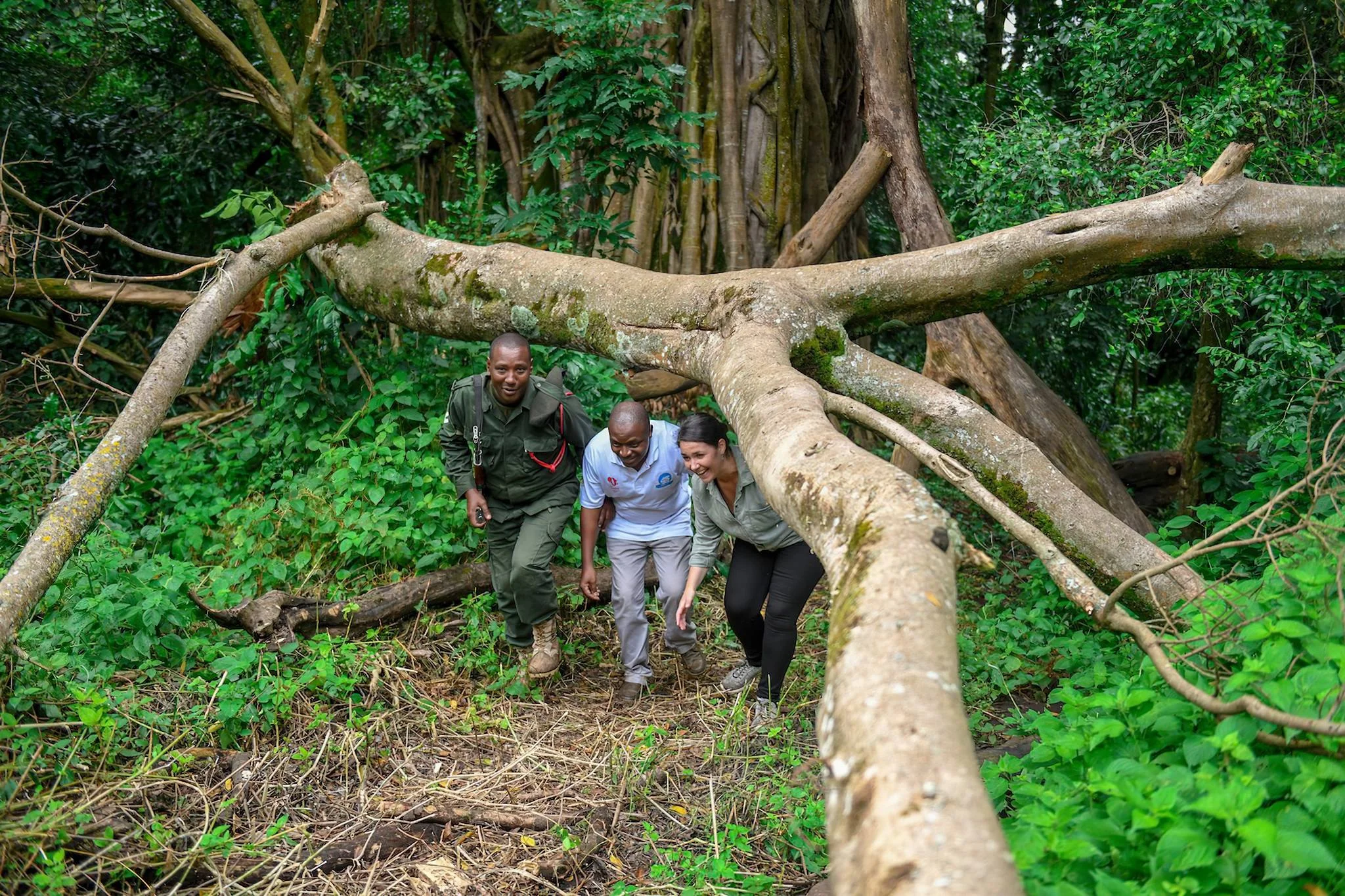
Empakaai Crater is one of the most spectacular volcanic landscapes in the Ngorongoro Conservation Area and one of northern Tanzania's most rewarding destinations for travelers who want to explore beyond traditional game drives. Located in the Ngorongoro Highlands, Empakaai is a dramatic volcanic crater approximately six kilometres across and around 300 metres deep from its rim. At the bottom lies a striking alkaline crater lake, nearly 62 metres deep according to the Ngorongoro-Lengai Geopark. Natural springs from the surrounding highlands feed the lake, while mineral-rich alkaline conditions can create pale soda deposits along parts of the shoreline. Small colonies of pink flamingos may sometimes be observed on or around the lake, together with other highland and water-associated birdlife. Flamingo numbers vary naturally according to water conditions, food availability and movement between East African alkaline lakes, so sightings should never be guaranteed. Unlike Ngorongoro Crater, which is primarily experienced by safari vehicle, Empakaai is particularly valued as a walking and trekking destination. Authorized guided walks can descend through the crater's highland vegetation toward the lake, allowing travelers to experience the volcanic landscape at a slower and more intimate pace. Walking activities within the Ngorongoro Conservation Area require advance arrangements and must follow NCAA regulations, including accompaniment by an armed ranger. The crater is part of the Ngorongoro Volcanic Highlands, a remarkable geological landscape shaped by volcanism and tectonic activity associated with the East African Rift. Empakaai, Ngorongoro and Olmoti are all internationally significant volcanic features within the UNESCO-listed Ngorongoro Conservation Area. From high points around the Empakaai landscape, clear conditions can reveal magnificent views across the surrounding highlands and toward Ol Doinyo Lengai, Tanzania's famous active volcano near Lake Natron. For adventurous travelers, Empakaai can form part of a longer Ngorongoro Highlands journey linking Ngorongoro, Olmoti, Empakaai and the landscapes toward Lake Natron. With TanzaLux Safaris, Empakaai Crater can be incorporated into a private Northern Tanzania itinerary for travelers interested in hiking, geology, birdwatching, photography, volcanic scenery and destinations beyond the conventional safari route.
March – May The long-rain period transforms the Ngorongoro Highlands into a lush green landscape. Clouds, mist and dramatic weather can create beautiful scenery, but trails may become muddy or slippery and views can sometimes be obscured. Hiking requires greater flexibility during this period.
November – February The short-rain and early-year period can bring green highland scenery, changing cloud conditions and excellent photographic landscapes. Walking is possible when conditions permit, although rain can affect trail surfaces and visibility.
June – October The main dry-season months generally provide favorable conditions for hiking and combining Empakaai with other Northern Tanzania safari destinations. Clearer conditions can improve long-distance views, although mountain weather can change quickly at any time.
Empakaai Crater is located within the Ngorongoro Conservation Area in northern Tanzania's volcanic highlands. It is normally reached by 4x4 safari vehicle as part of an organized Ngorongoro itinerary rather than as an independent urban day trip. Travelers typically approach through the Ngorongoro Highlands, with the journey providing dramatic views across volcanic landscapes, villages and mountain scenery. Empakaai can be combined with Ngorongoro Crater and Olmoti Crater or incorporated into longer trekking routes toward the northern highlands and Lake Natron. Road and trail conditions can vary significantly with weather. Travel times should therefore be treated as approximate. For TanzaLux travelers, private 4x4 transportation, guiding and required walking arrangements can be coordinated as part of a customized Northern Tanzania safari.
Empakaai is a volcanic crater in Tanzania's Ngorongoro Conservation Area. It contains a large alkaline crater lake and is particularly known for hiking, highland scenery, geology and birdlife.
Empakaai Crater is located in the Ngorongoro Highlands within the Ngorongoro Conservation Area of northern Tanzania.
The Ngorongoro-Lengai Geopark describes Empakaai as approximately six kilometres across, with the crater floor around 300 metres below the rim. These measurements describe the crater, rather than the depth of the lake.
Empakaai is approximately 300 metres deep from its rim, according to the Ngorongoro-Lengai Geopark.
Yes. Much of the crater floor is occupied by a highly alkaline lake that the official Geopark describes as nearly 62 metres deep.
Flamingos can occur on and around Empakaai's alkaline lake, but numbers vary naturally and sightings cannot be guaranteed.
Yes. Empakaai is an official walking-safari destination within the Ngorongoro Conservation Area. Walking must be arranged according to NCAA requirements.
Yes. NCAA requires walking safaris within the conservation area to be accompanied by an armed ranger and arranged in advance.
No. Empakaai and Ngorongoro are separate volcanic craters within the Ngorongoro Conservation Area and provide very different visitor experiences.
Ngorongoro Crater is primarily a major wildlife safari destination. Empakaai is better understood as a hiking, scenery, geology and birdwatching destination.
Empakaai should not be promoted as a Big Five destination. Wildlife is free-ranging, while the crater's main attractions are hiking, volcanic scenery, its lake and birdlife.
Empakaai is particularly rewarding for travelers interested in hiking, volcanic landscapes, photography, birdwatching and quieter experiences beyond Tanzania's busiest safari areas.
The hike involves a significant descent and return ascent on natural terrain. Difficulty varies with fitness, altitude, trail conditions and weather.
June to October generally provides convenient trekking conditions, although Empakaai can be experienced in other months when weather and trail conditions allow.
Yes. Combining the two provides an excellent contrast between a classic wildlife game drive in Ngorongoro Crater and an active highland walking experience at Empakaai.
Yes. Empakaai and Olmoti are both part of the Ngorongoro volcanic highlands and can be incorporated into a longer walking and nature itinerary.
Views toward Ol Doinyo Lengai are possible from parts of the surrounding highland landscape when weather and visibility are favorable.
Yes. Adventurous itineraries can connect the Ngorongoro Highlands and Empakaai area with routes toward Lake Natron, subject to current road, trekking and conservation arrangements.
Yes. The crater lake, highland vegetation, volcanic walls, changing clouds, birdlife and distant mountain landscapes make Empakaai particularly attractive for landscape and nature photography.
TanzaLux Safaris can incorporate Empakaai into a private Northern Tanzania itinerary combining authorized hiking, volcanic landscapes, birdwatching and photography with Ngorongoro Crater, Olmoti, Serengeti, Lake Natron and other destinations.
Plan several hours for the descent, lakeshore visit and uphill return, plus the 4x4 transfers. The return climb usually takes longer than the descent. Ask your guide for a realistic schedule based on your fitness, altitude and current trail conditions.
A special campsite is available on the crater rim, subject to current NCAA arrangements. Book in advance through your safari organiser and confirm permits, camping equipment, meals and ranger support before travelling.
Confirm current conservation entry fees, walking arrangements, ranger charges and any camping fees with NCAA or your safari organiser. Request an itemised quote showing what your excursion includes. Fees and permit requirements can change, so check before travel.
Bring sturdy walking boots, a warm layer, rain protection, sun protection, drinking water and a daypack. Binoculars and a camera are useful for birdlife and scenery. Walk at a comfortable pace, follow the ranger’s instructions and take all litter back with you.
Grateful experience
As a solo female traveler, I felt super safe and well taken care of the entire time.
Read morePrivate Safari 6 days
I can only highly recommend the young company Tanzalux for organizing a private safari.
Read moreAn unforgettable vegetarian journey with Tanzalux Safaris
I highly recommend Tanzalux for anyone wanting a special, personalized safari.
Read moreOur 3-day camping safari with Tanzalux was simply fantastic! Everything was perfectly organized.
Read moreBack in April, I joined a day trip to Tarangire National Park with Tanzalux Safaris, and it was truly one of the best experiences I have ever had…
Read moreI've had an amazing experience with Tanzalux Safaris, would 1000% recommend! Thank you for making my trip so special🫶
Read moreI recently visited Meru Waterfalls in Arusha and got to do some of the activities there, honestly it was such a great experience and I really enjoyed it.
Read moreOur guide Dullah Mr Rastaman had the best vibe. I would like to recommend other people not to miss it, Tarangire is the best national park.
Read moreOur tour guide Nasri was very friendly and welcoming from the first day we met him. He knows Tarangire very well and explained many things during the safari.
Read moreAs a grandmother in the group, I would like to share my happiness with Tanzalux Safaris. Me, my daughters, and my grandson went on a short trip to Tarangire National Park…
Read moreReceive a free, no obligation quote

 Western Circuit
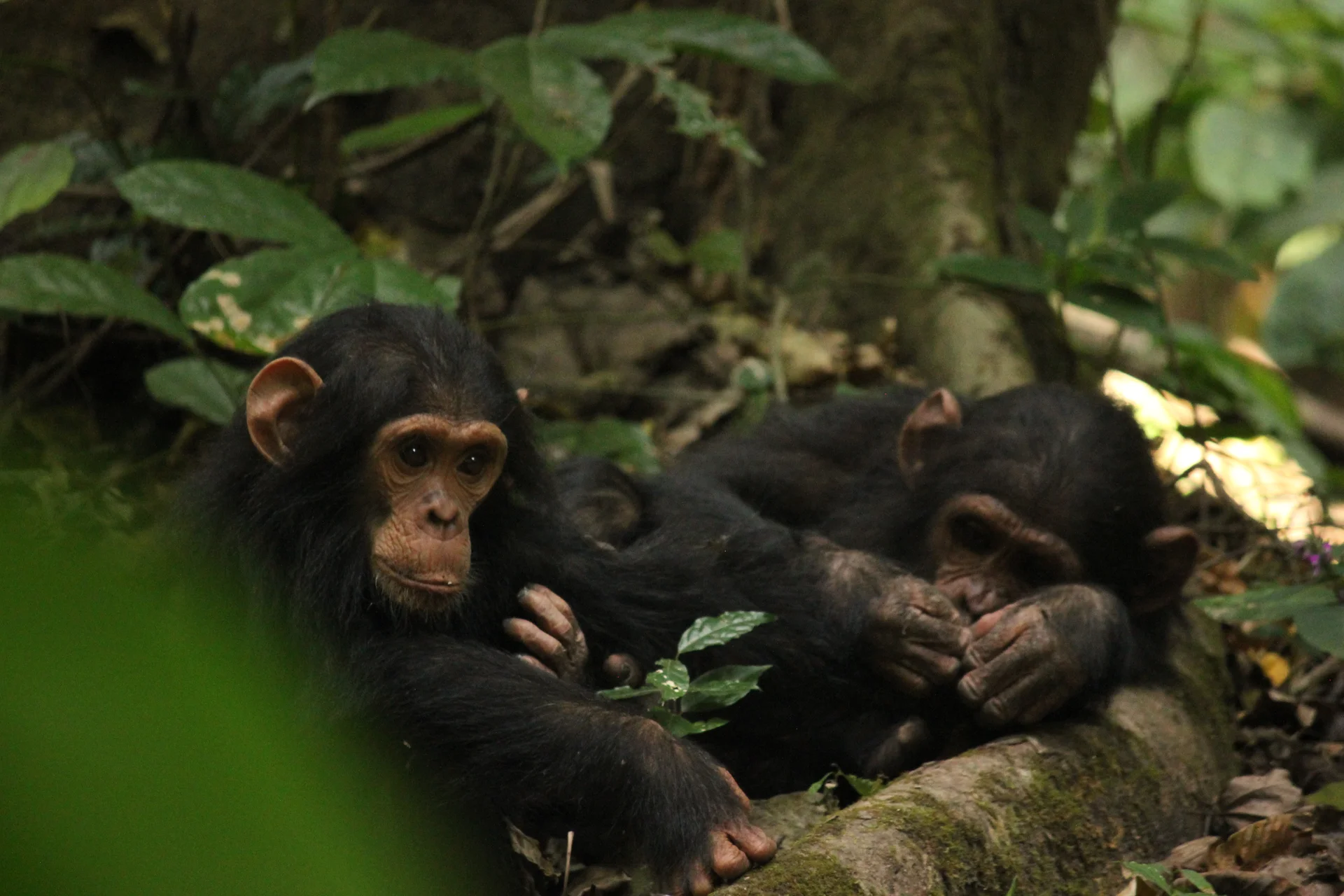
Gombe Stream National Park, also known as Gombe National Park, combines wild chimpanzee trekking with forested hills and the shores of Lake Tanganyika. In Kigoma…
Wildlife
Chimpanzees & Olive baboons
Landscape
National Parks & Safari
Highlights
Wild chimpanzee trekking with park rangers
 Southern Circuit
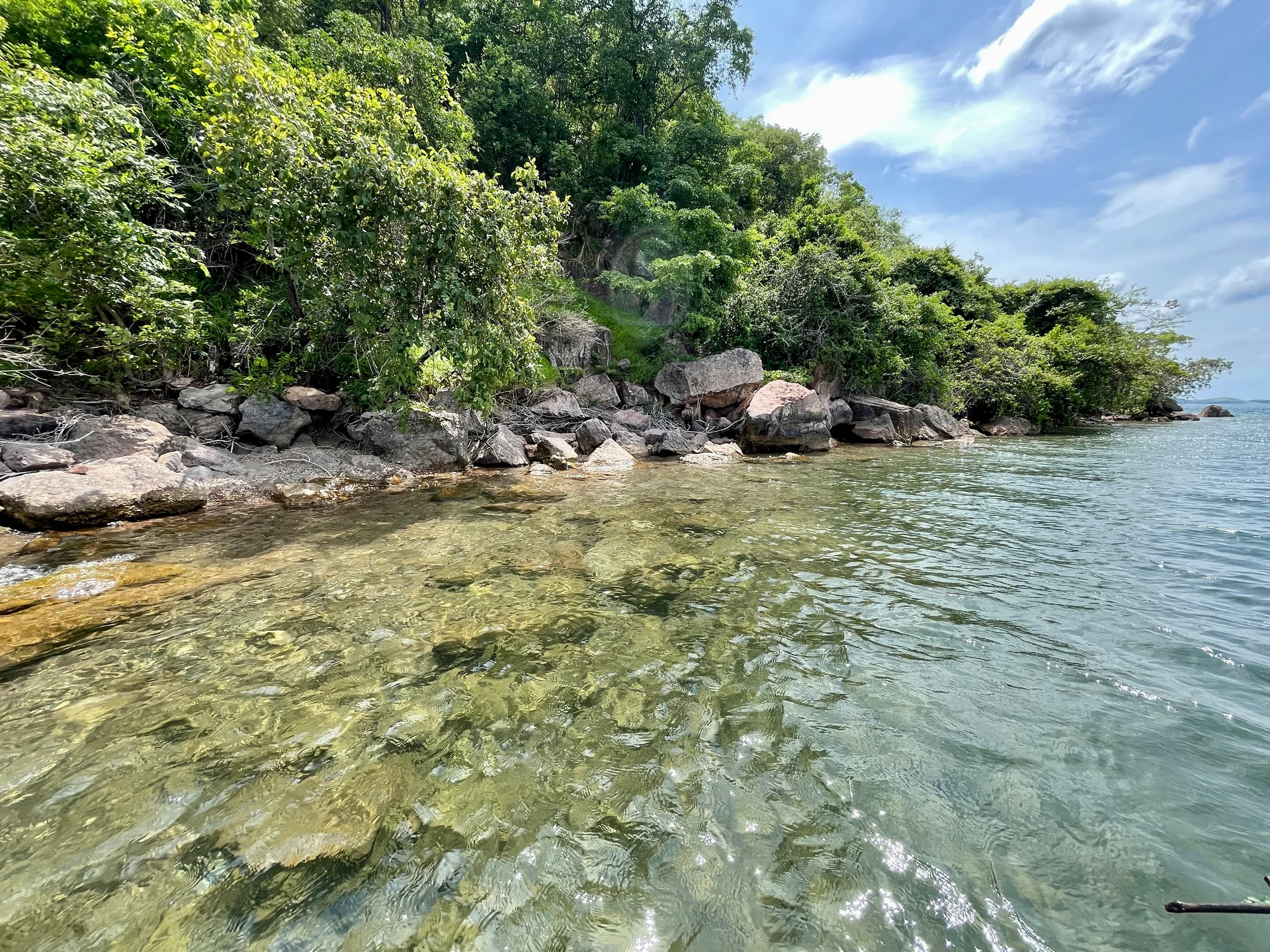
Lake Tanganyika offers a striking freshwater setting along Tanzania’s western frontier: broad blue horizons, wooded shores, bays, beaches and communities whose daily life is closely…
Wildlife
Endemic cichlid fish & Other freshwater fish
Landscape
Lakes & Hot Springs
Highlights
Africa’s deepest freshwater lake in the East African Rift
 Northern Circuit
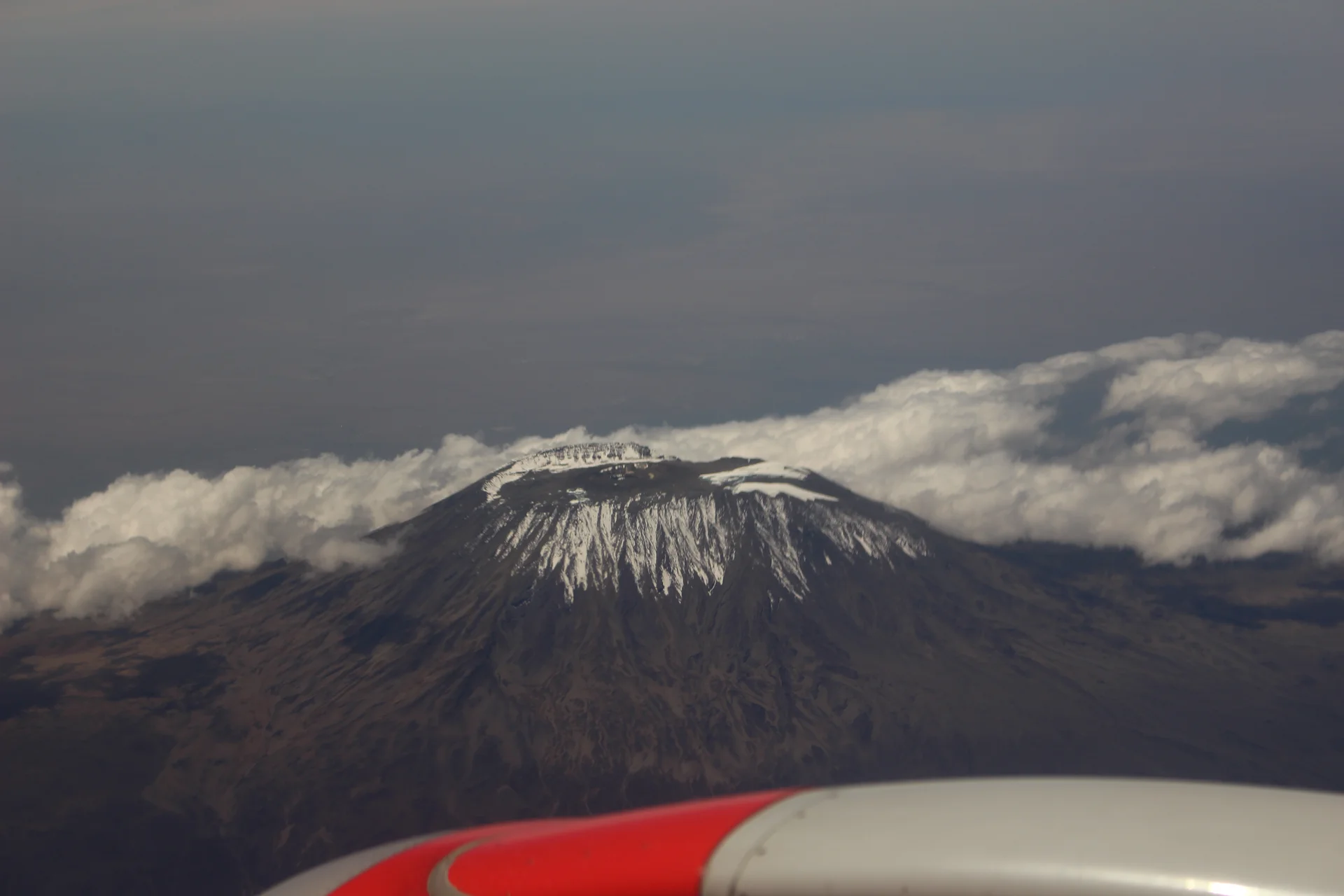
Kilimanjaro rises above northern Tanzania’s plains to Uhuru Peak at 5,895 metres, the highest point in Africa. Its volcanic massif, dramatic changes in vegetation and…
Wildlife
Black-and-white colobus monkeys in forest habitats & Blue monkeys in forest habitats
Landscape
Mountains & Trekking
Highlights
Uhuru Peak at 5,895 metres — Africa’s highest point
 Western Circuit
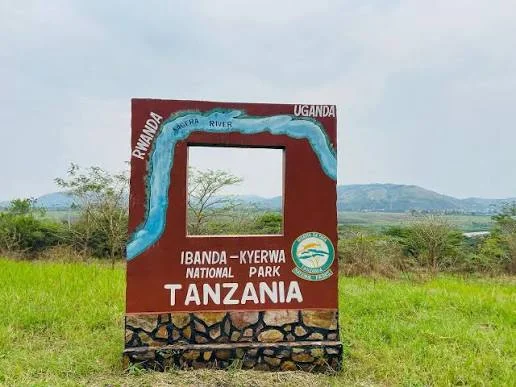
Ibanda-Kyerwa National Park protects a scenic corner of northwestern Tanzania, where the Kagera River meets a landscape of savanna, wooded slopes, valleys and wetlands. Situated…
Wildlife
Buffalo & Roan antelope
Landscape
National Parks & Safari
Highlights
Kagera River scenery on Tanzania’s northwestern border
 Zanzibar & Islands
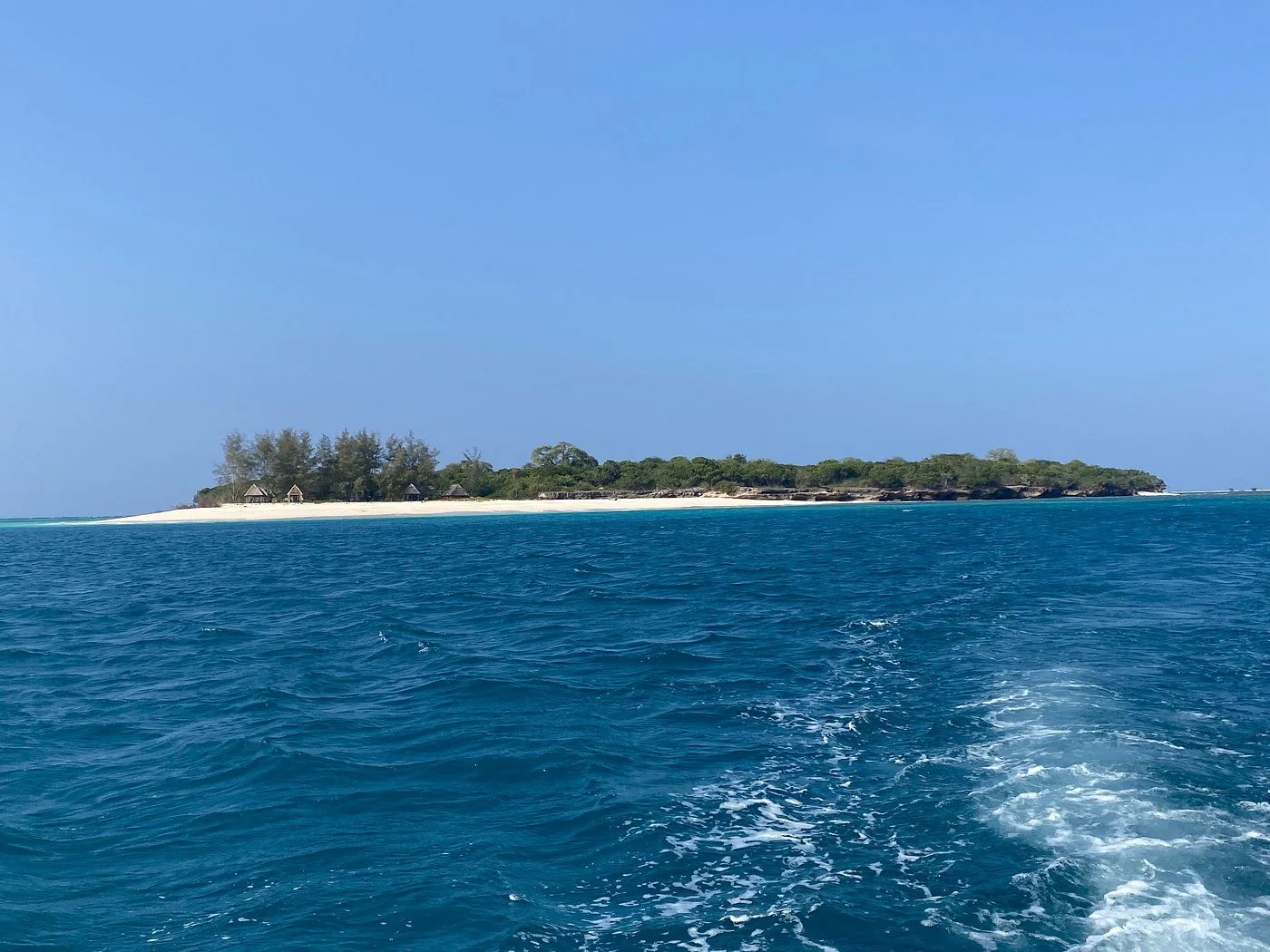
Sinda Island Marine Reserve offers an Indian Ocean escape off Kigamboni, on the southern side of Dar es Salaam. The reserve encompasses Inner and Outer…
Wildlife
Reef fish & Coastal birds
Landscape
Beaches & Islands
Highlights
Inner and Outer Sinda islands
 Northern Circuit
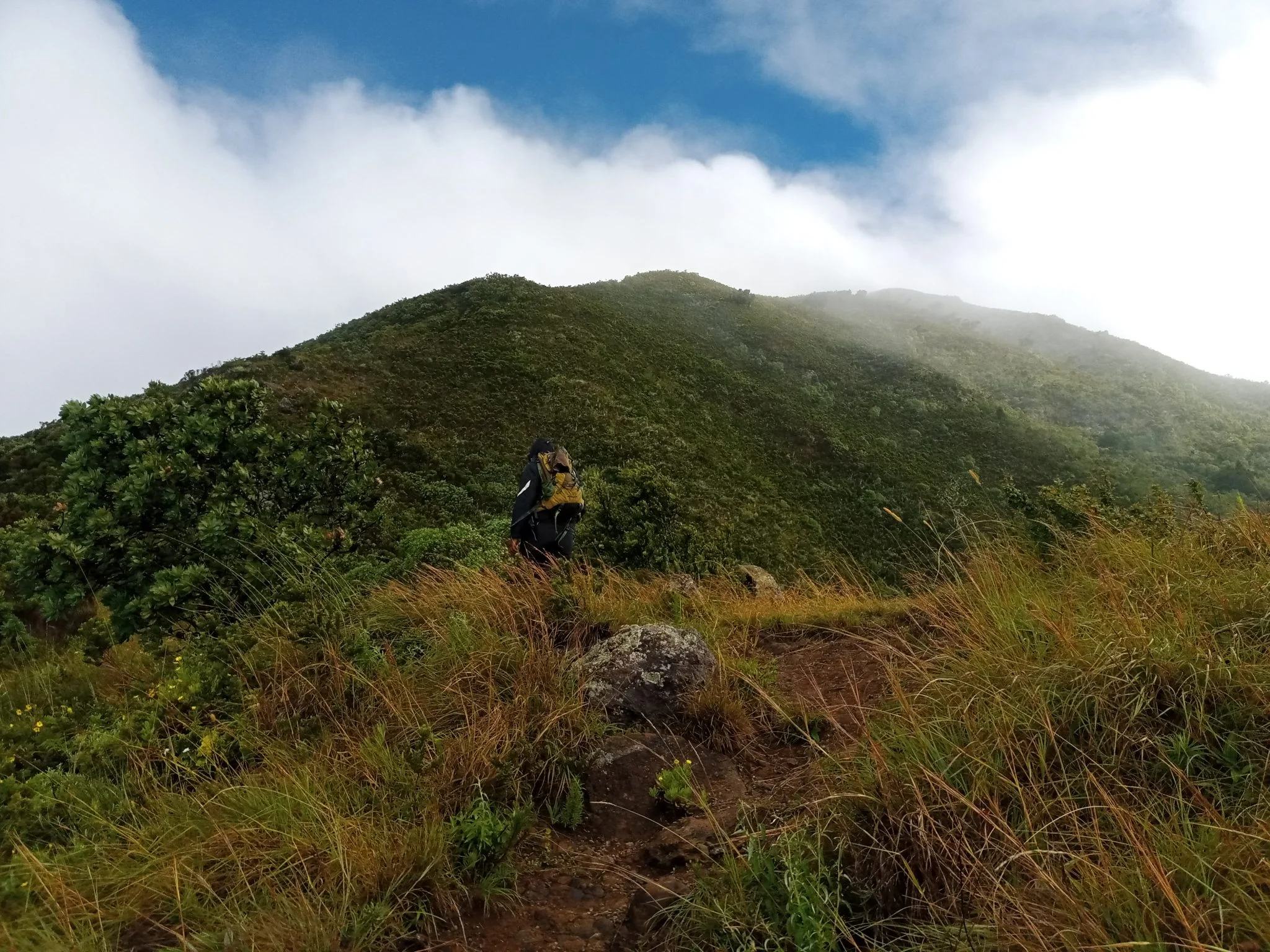
Discover Mount Hanang Rising above Katesh in Tanzania’s Manyara Region, Mount Hanang offers a rewarding mountain adventure beyond the familiar northern safari circuit. At approximately…
Wildlife
Klipspringer & Vervet monkeys
Landscape
Mountains & Trekking
Highlights
Approximately 3,423 metres — Tanzania’s fourth-highest mountain