 5.0 Excellent


Dorine M1 year ago

Grateful experience
As a solo female traveler, I felt super safe and well taken care of the entire time.
Read more
Central Circuit

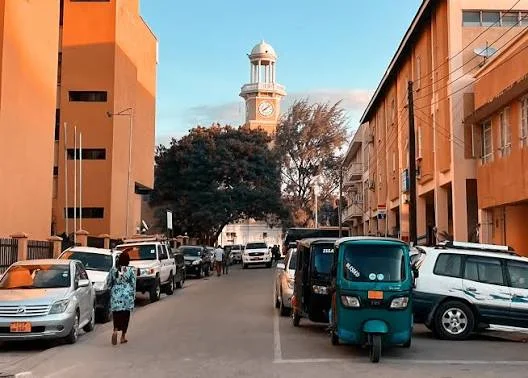
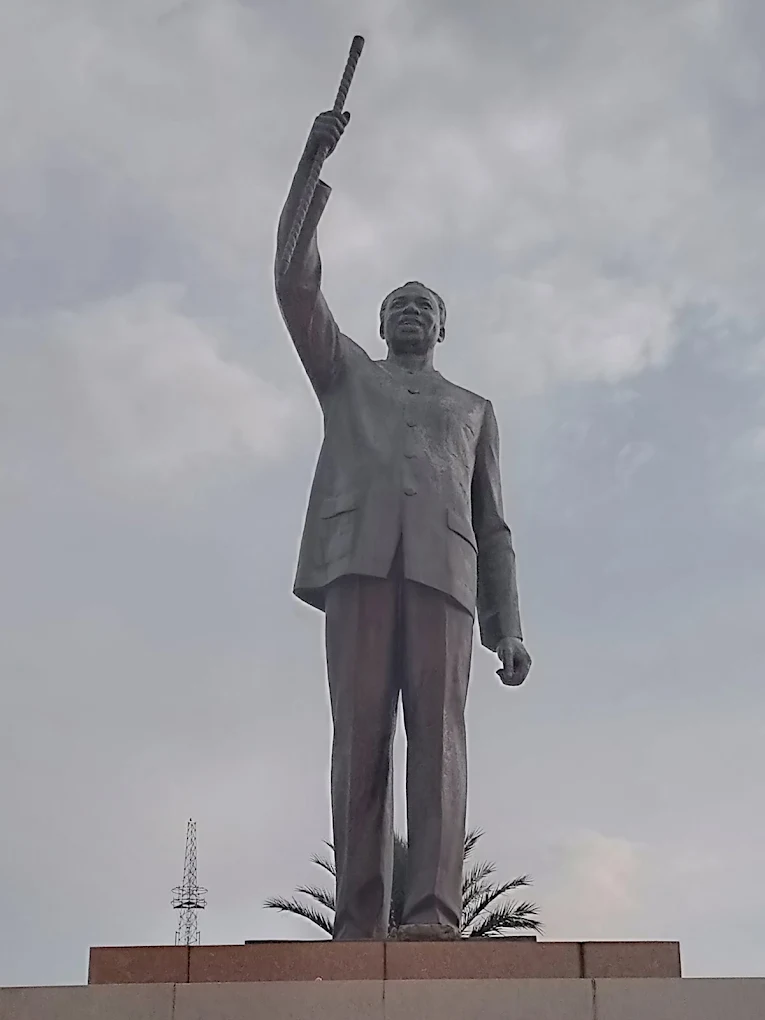
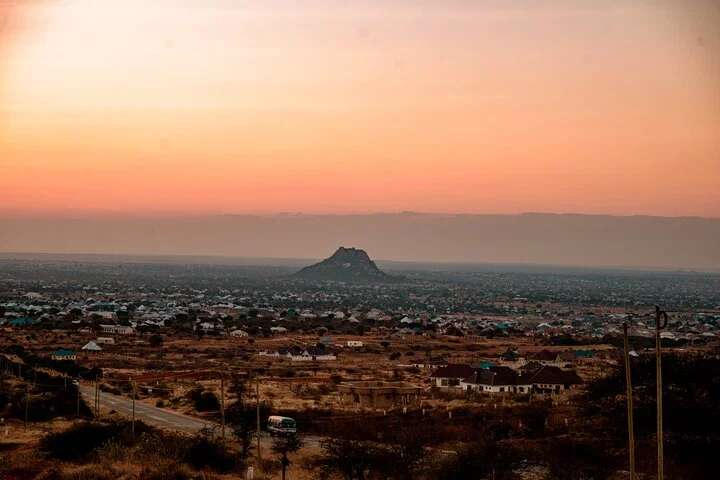
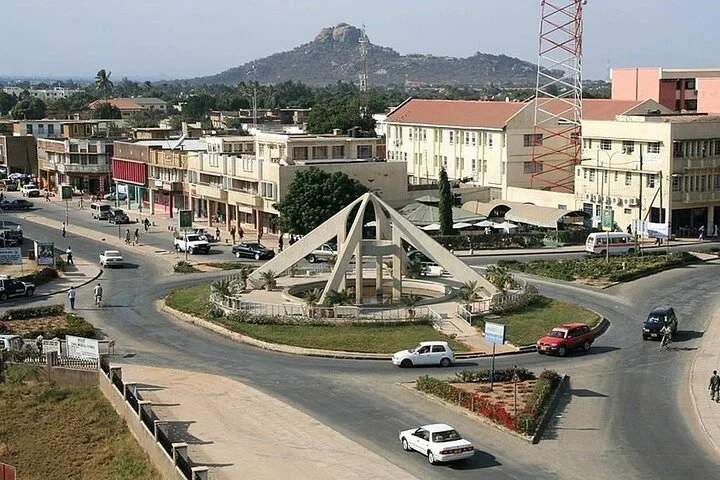
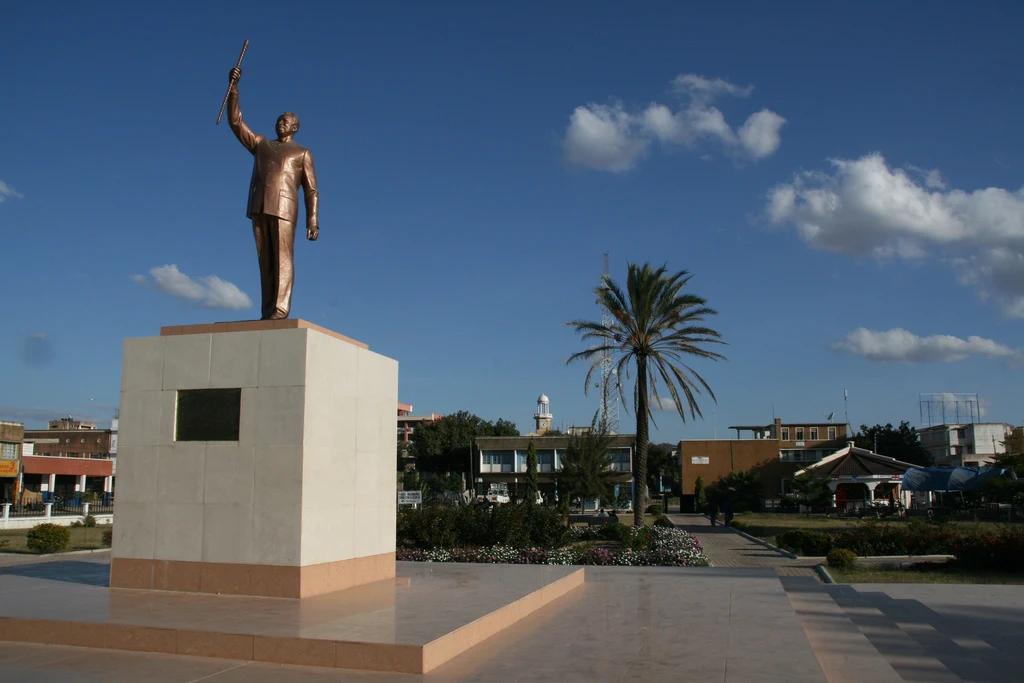
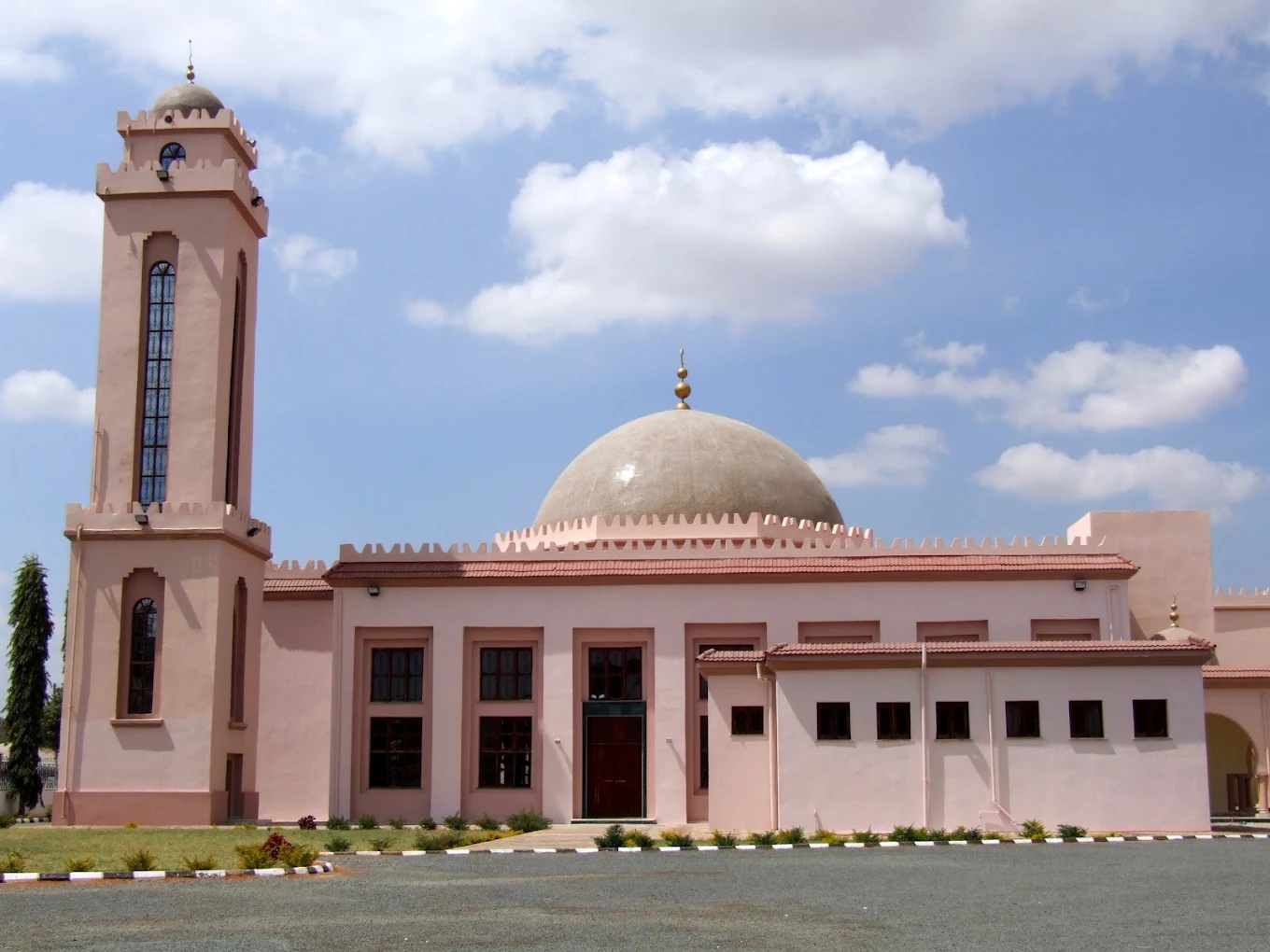
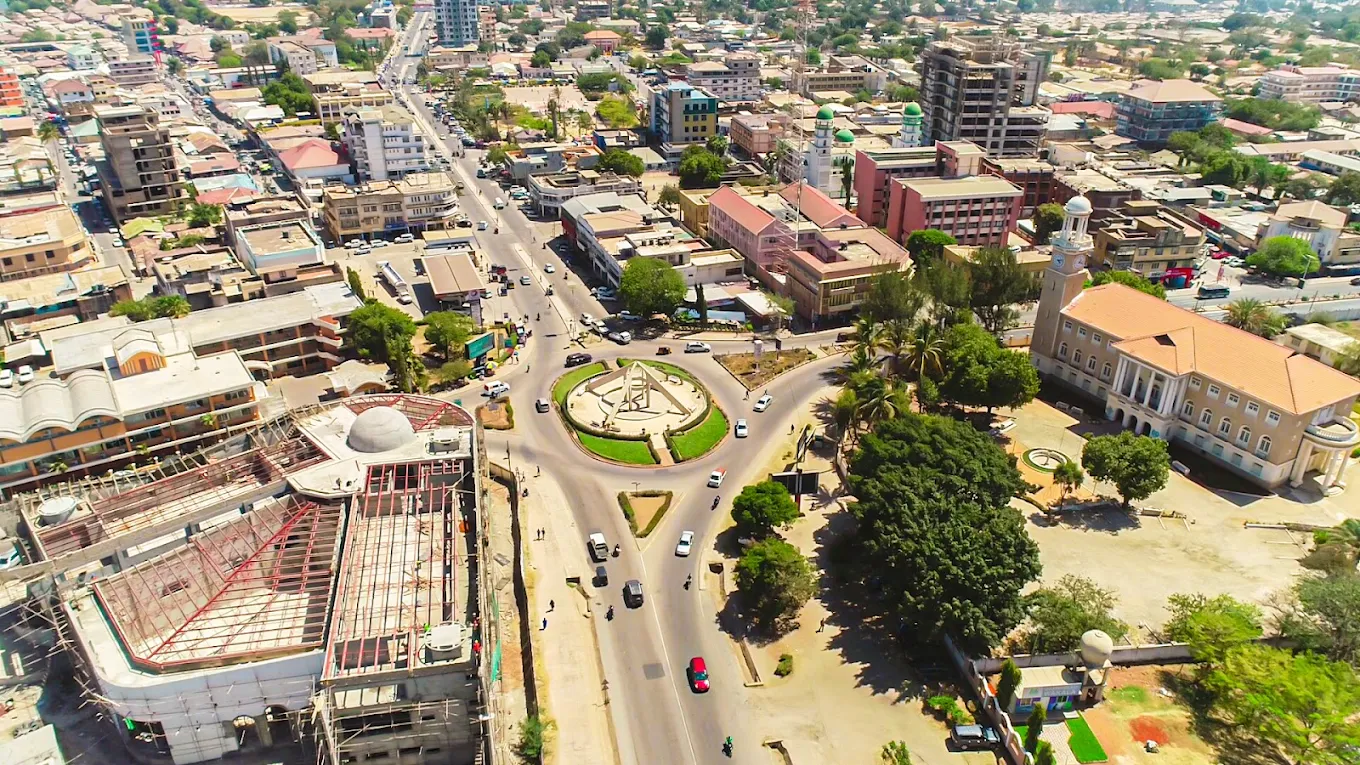
Dodoma brings travellers into the everyday life of Tanzania’s capital, where national institutions, lively markets and grape-growing country meet on the central plateau. It is a rewarding stop for visitors interested in contemporary Tanzania, local food and regional heritage, and a useful base for journeys across the Central Circuit. Give the city time beyond a transfer: a guided walk, a relaxed meal and an arranged visit outside town can turn a practical overnight stop into a memorable part of the itinerary. Discover the capital Begin around Nyerere Square, a central green space commemorating Tanzania’s first president, Julius Kambarage Nyerere. Pair the square with a guided introduction to nearby streets and trading areas, allowing time to understand the city’s role in national life. Dodoma is a working administrative centre, so access to government compounds should always be checked in advance. A city tour should promise confirmed stops rather than assume that every official building welcomes walk-in visitors. Parliament is a special-interest visit that needs advance planning. The official visitor procedure provides for applications stating the intended date, group size and purpose. Access depends on arrangements with the parliamentary authorities and the relevant programme. Follow the approved dress and security instructions; cameras and photography are not permitted inside the chamber under the published visitor rules. A guide can explain the institution’s significance even when an interior visit is unavailable. Markets, food and local encounters Make space for an unhurried market visit with a local guide who can introduce seasonal produce and explain ingredients used in everyday cooking. Ask permission before photographing vendors or their stalls, and agree any purchases directly and politely. A meal can focus on freshly prepared Tanzanian favourites such as ugali with vegetables or stew, rice dishes, grilled food and chapati, depending on the restaurant’s menu. Tell your host about dietary needs before the visit, particularly when planning a meal outside a hotel. The surrounding region is closely associated with Gogo cultural heritage. Any village visit, music demonstration or craft encounter should be arranged with willing hosts and an agreed payment that benefits participants. Treat these as personal exchanges with living communities, allowing conversation and consent to shape the visit. Performances, workshops and household access are not automatic inclusions in a city excursion. Grapes and wine country Dodoma’s grape production adds an unusual dimension to a Tanzanian itinerary. An arranged farm or winery visit can introduce cultivation, harvesting and processing, with tasting only where the host offers it. Working farms are private workplaces: ask which areas are accessible, what is operating on the date and whether a guide or tasting is included. Vineyard appearance changes with pruning, rainfall and production cycles, so do not plan around a guaranteed harvest or assume every property has a visitor centre. Non-drinkers can ask for a visit focused on agriculture and food instead. Arrange a driver for any itinerary that includes alcohol. Kondoa rock art extension For a deeper heritage experience, add a separate excursion north to the Kondoa Rock-Art Sites, inscribed on UNESCO’s World Heritage List in 2006. The paintings occupy natural rock shelters in a broad cultural landscape, and some places retain significance for nearby communities. Kolo is a principal starting point for an organised visit. This is a substantial regional journey rather than a short city stop: the district visitor brochure gives approximately 188 kilometres and about three and a half hours from Dodoma to Kolo, before local access and walking. A long day is possible with an early start; an overnight extension gives more time and flexibility. Use the site’s authorised arrangements and never touch, wet or trace the paintings. A stay shaped around your interests One or two nights work well for a city introduction and a pre-arranged local excursion. Add more time if you want Kondoa, meetings or onward overland travel. A suggested first day combines Nyerere Square, a guided market visit and a relaxed dinner. A second day can focus on a confirmed vineyard experience or a cultural encounter, with spare time for transfers. Keep outdoor walking to the cooler part of the day and leave a flexible afternoon during wetter weather. These are planning suggestions, not a fixed package or a promise that every experience operates daily. Accommodation and practical planning Select accommodation for its location relative to your appointments and activities, and confirm room comfort, meals, internet and transfer arrangements before booking. For families, plan shorter visits, regular breaks and a vehicle with suitable seating. Travellers with limited mobility should request specific information about entrances, steps, toilets and vehicle access; rock-shelter excursions involve uneven ground. Pack comfortable closed shoes, sun protection, drinking water, a light evening layer and rain protection in the wet season. Carry some Tanzanian shillings for smaller purchases and confirm card acceptance with individual venues. Nature and responsible travel This is principally a city and cultural destination. Garden birds, butterflies and small reptiles may add interest to outdoor stops, but the entry does not promise big-game viewing or particular species. Any national-park safari requires a separately planned itinerary. Support local guides and businesses, take litter away, respect religious and government premises and ask before taking portraits. Choose a pace that allows genuine conversation and leaves room for changing weather and local schedules.
December–April: generally the wetter part of Dodoma’s single rainy season. City visits remain possible, while outdoor plans benefit from flexibility and suitable footwear. Countryside access can vary after rain. Arrange indoor alternatives with hosts and reconfirm rural excursions. This is a weather-based planning label: hotel demand can still rise during meetings and events.
May and November: useful transition periods, with May usually becoming drier and November bringing increasing heat and the possible onset of rain. Plan early outdoor visits, carry water and check the forecast. Vineyard activities depend on the producer’s calendar, not a guaranteed tourism season. Accommodation prices and availability follow local events as well as weather.
June–October: generally the most dependable dry-weather window for city walks and regional road excursions. June–August can bring cooler mornings and evenings; later dry-season afternoons can feel hotter and dustier. Pack a light layer, sun protection and comfortable shoes. Reserve accommodation and transport ahead of important meetings or holidays; these months are not a promise of fixed rates or crowds.
By air: Dodoma Airport serves the city; confirm the operating airline, airport name and arrival details shown on your ticket before arranging a transfer. Flight schedules and airport arrangements can change. Ask for a driver meeting point and a transfer estimate based on your actual hotel, rather than assuming all properties are in the centre. By rail: TRC’s SGR passenger services link Dar es Salaam, Morogoro and Dodoma. Depending on the service, the Dar es Salaam–Dodoma train journey is broadly around three to four hours, excluding travel to the station, check-in and the onward hotel transfer. Check current departures, ticket availability, identification and baggage requirements directly with TRC. Book the correct SGR terminal and arrange pickup there; older railway facilities and other transport terminals should not be treated as interchangeable. By road: Dodoma connects east toward Morogoro and Dar es Salaam, north toward Kondoa and Arusha, west toward Singida, and south toward Iringa via Mtera. These are intercity journeys whose timing depends on the precise route, stops, traffic and conditions. Request a current door-to-door estimate and use daylight travel where practical. Private transfers allow planned stops; bus passengers should confirm the departure terminal and luggage arrangements with the operator. Around Dodoma: A pre-arranged driver is useful for a city introduction, vineyard appointments and destinations outside the centre. Agree the duration, stops and inclusions in advance. Keep a flexible margin between sightseeing and a departing train or flight. Kondoa extension: Kolo is approximately 188 km north of Dodoma according to the district visitor brochure, with an indicative journey of about 3½ hours each way before site access and walking. Confirm local road conditions, guiding, admission and the selected shelters. Consider an overnight extension instead of a rushed return. All travel times are planning estimates; fares, admissions and tours should be quoted for the actual travel date.
Dodoma is Tanzania’s capital in the central part of the mainland. It is a useful stop for exploring the Central Circuit and travelling between the eastern coast and inland destinations. This entry focuses on the city, with regional excursions identified separately.
Its national institutions, Nyerere Square, urban markets and surrounding grape-growing country are key interests. Visitors can combine a city introduction with local food, an arranged vineyard visit or a longer heritage extension to Kondoa.
Allow one or two nights for an introduction to the city and a confirmed local excursion. Add time for meetings, a slower pace or Kondoa. Avoid squeezing distant heritage sites into a short gap between an arriving and departing service.
June to October generally offers dependable dry conditions for outdoor visits. May and November are transition months, while December to April is usually wetter. The city can be visited throughout the year; plan around both the forecast and the availability of your chosen hosts.
Yes. TRC operates SGR passenger services linking Dar es Salaam, Morogoro and Dodoma. Confirm the current timetable and available seats with TRC, then arrange transfers to and from the correct stations. Allow additional time for check-in and local travel.
Dodoma Airport serves the city. Confirm the airport and terminal on your actual airline booking before arranging pickup, since infrastructure and operating schedules can change. Your hotel or driver should check the arriving service and agree a meeting point.
Yes, particularly on a planned central Tanzania itinerary. It connects with routes toward Morogoro, Kondoa, Singida and Iringa. Ask for a route-specific driving estimate and leave room for stops, road conditions and daylight arrival.
The square is a central public space associated with Julius Nyerere’s memory. It works well as a starting point for a guided city walk and an introduction to the capital. Follow any current site arrangements and ask permission before taking close portraits.
A visit needs advance arrangements through the parliamentary authorities. The official procedure asks for an application giving the date, group size and purpose. Do not assume a walk-in tour is available; follow the approved programme, dress requirements and security instructions.
The published visitor rules prohibit cameras and photography inside the chamber. Confirm the latest instructions for your approved visit and follow staff directions. For other government or sensitive premises, ask before photographing rather than assuming exterior photography is permitted.
Potentially, if a producer agrees to host you. Arrange the date, access, guide, tasting and payment before travelling. Farms follow agricultural and production schedules, so harvesting, cellar access and tasting are not guaranteed daily activities.
Ask for an experience centred on cultivation, food and the local agricultural landscape. Alcohol tasting can be omitted. Confirm that the host can offer a worthwhile alternative and explain any children’s participation arrangements in advance.
No. It is a separate excursion in Dodoma Region, north of the city. Kolo is a main visitor starting point. The road journey and walking require their own time allocation, and an overnight extension can make the visit more relaxed.
Arrange the selected sites and a guide in advance, and bring comfortable shoes, water and sun protection. Access may include uneven paths and rock surfaces. Follow local cultural guidance and never touch, wet, mark or trace the paintings.
The city is primarily a cultural and administrative destination. You may notice birds, insects and small reptiles in outdoor spaces, but big-game viewing is not an inclusion in a Dodoma city visit. Plan a national-park safari separately with adequate transfer time.
Consider a guided market visit and a meal featuring locally available Tanzanian dishes. Menus vary, so ask what is freshly prepared and disclose allergies or dietary needs in advance. Choose clean venues and allow time to talk with hosts without interrupting their work.
A flexible city stay can work well for families. Combine short visits with meals and rest breaks, arrange suitable vehicle seating, and confirm each venue’s child policy. Long driving days and uneven rock-shelter trails need separate consideration for children.
Many itineraries can be adjusted, but access varies by hotel and venue. Request details about steps, entrances, accessible toilets and vehicle boarding before booking. Kondoa’s uneven walking routes may require an alternative programme tailored to individual needs.
Bring comfortable shoes, lightweight clothing, a hat, sun protection, drinking water and a light layer for cooler evenings. Add rain protection in wetter months. Choose respectful clothing for community, religious and official visits, following any venue-specific instructions.
Request an itemised quote covering accommodation, transport, guiding, admissions and any meals or tasting. Confirm which experiences are approved for your dates and whether cancellations or schedule changes affect the price. Keep some Tanzanian shillings for small purchases and check card acceptance individually.
Grateful experience
As a solo female traveler, I felt super safe and well taken care of the entire time.
Read morePrivate Safari 6 days
I can only highly recommend the young company Tanzalux for organizing a private safari.
Read moreAn unforgettable vegetarian journey with Tanzalux Safaris
I highly recommend Tanzalux for anyone wanting a special, personalized safari.
Read moreOur 3-day camping safari with Tanzalux was simply fantastic! Everything was perfectly organized.
Read moreBack in April, I joined a day trip to Tarangire National Park with Tanzalux Safaris, and it was truly one of the best experiences I have ever had…
Read moreI've had an amazing experience with Tanzalux Safaris, would 1000% recommend! Thank you for making my trip so special🫶
Read moreI recently visited Meru Waterfalls in Arusha and got to do some of the activities there, honestly it was such a great experience and I really enjoyed it.
Read moreOur guide Dullah Mr Rastaman had the best vibe. I would like to recommend other people not to miss it, Tarangire is the best national park.
Read moreOur tour guide Nasri was very friendly and welcoming from the first day we met him. He knows Tarangire very well and explained many things during the safari.
Read moreAs a grandmother in the group, I would like to share my happiness with Tanzalux Safaris. Me, my daughters, and my grandson went on a short trip to Tarangire National Park…
Read moreReceive a free, no obligation quote

 Western Circuit
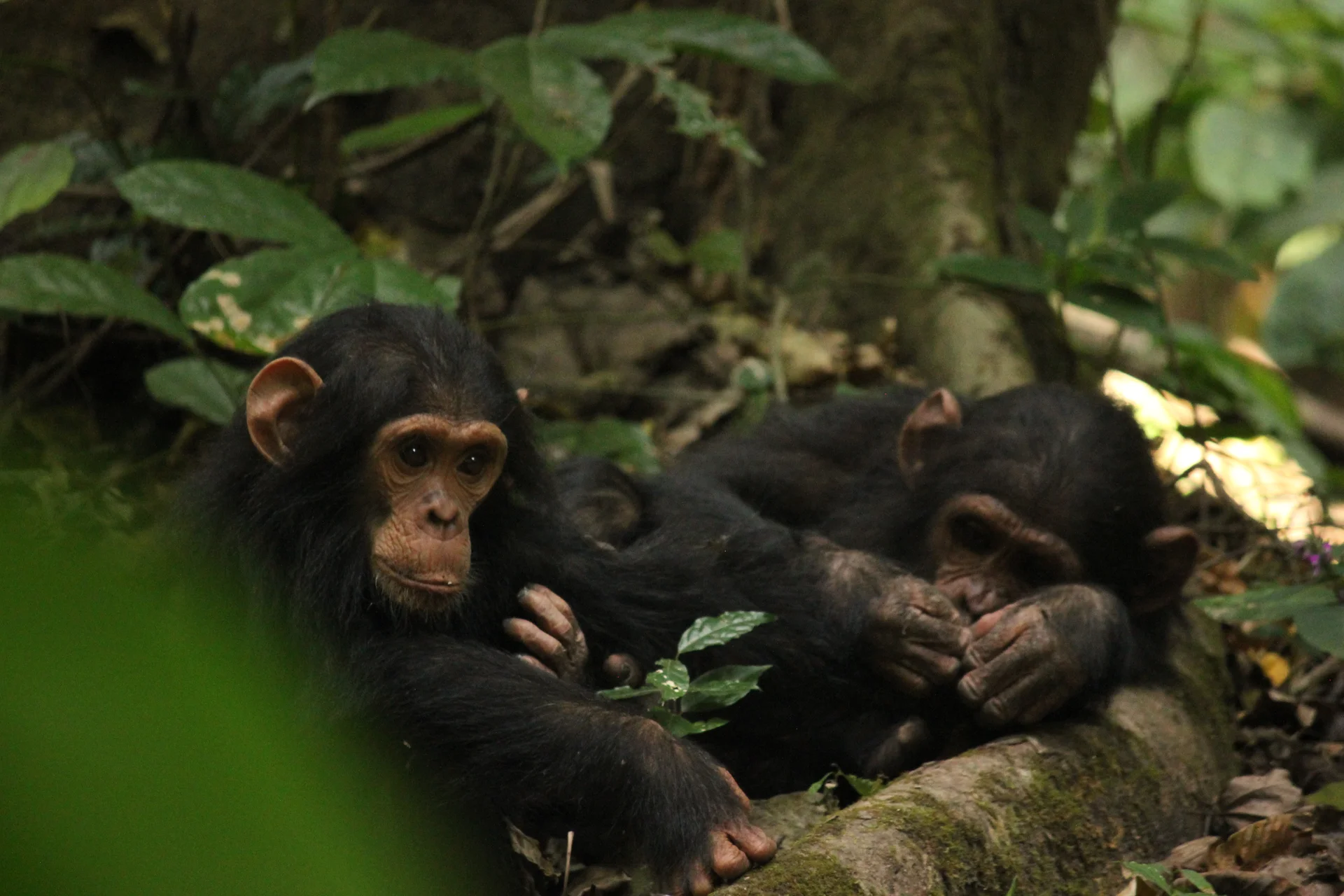
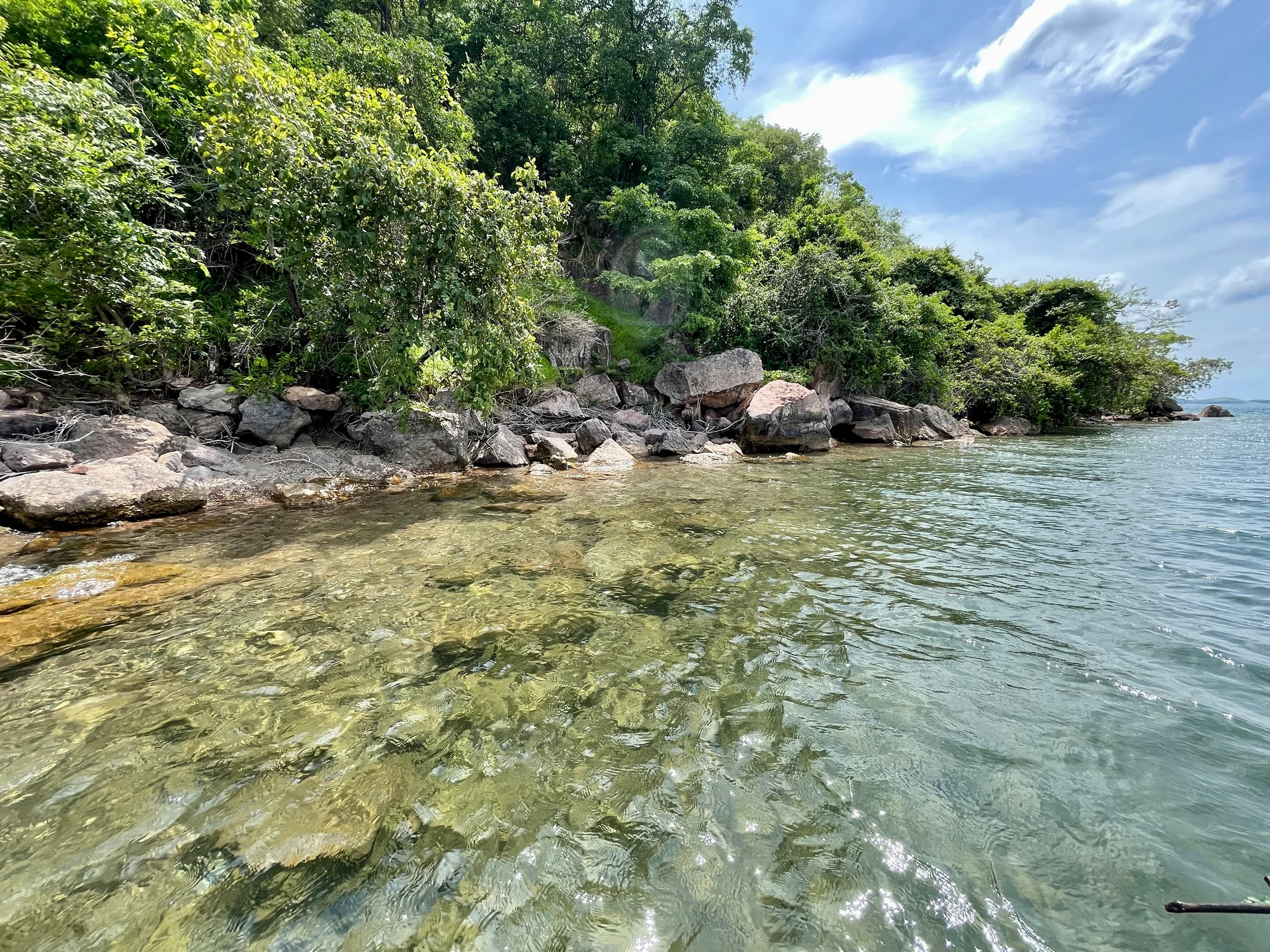
Gombe Stream National Park, also known as Gombe National Park, combines wild chimpanzee trekking with forested hills and the shores of Lake Tanganyika. In Kigoma…
Wildlife
Chimpanzees & Olive baboons
Landscape
National Parks & Safari
Highlights
Wild chimpanzee trekking with park rangers
 Southern Circuit
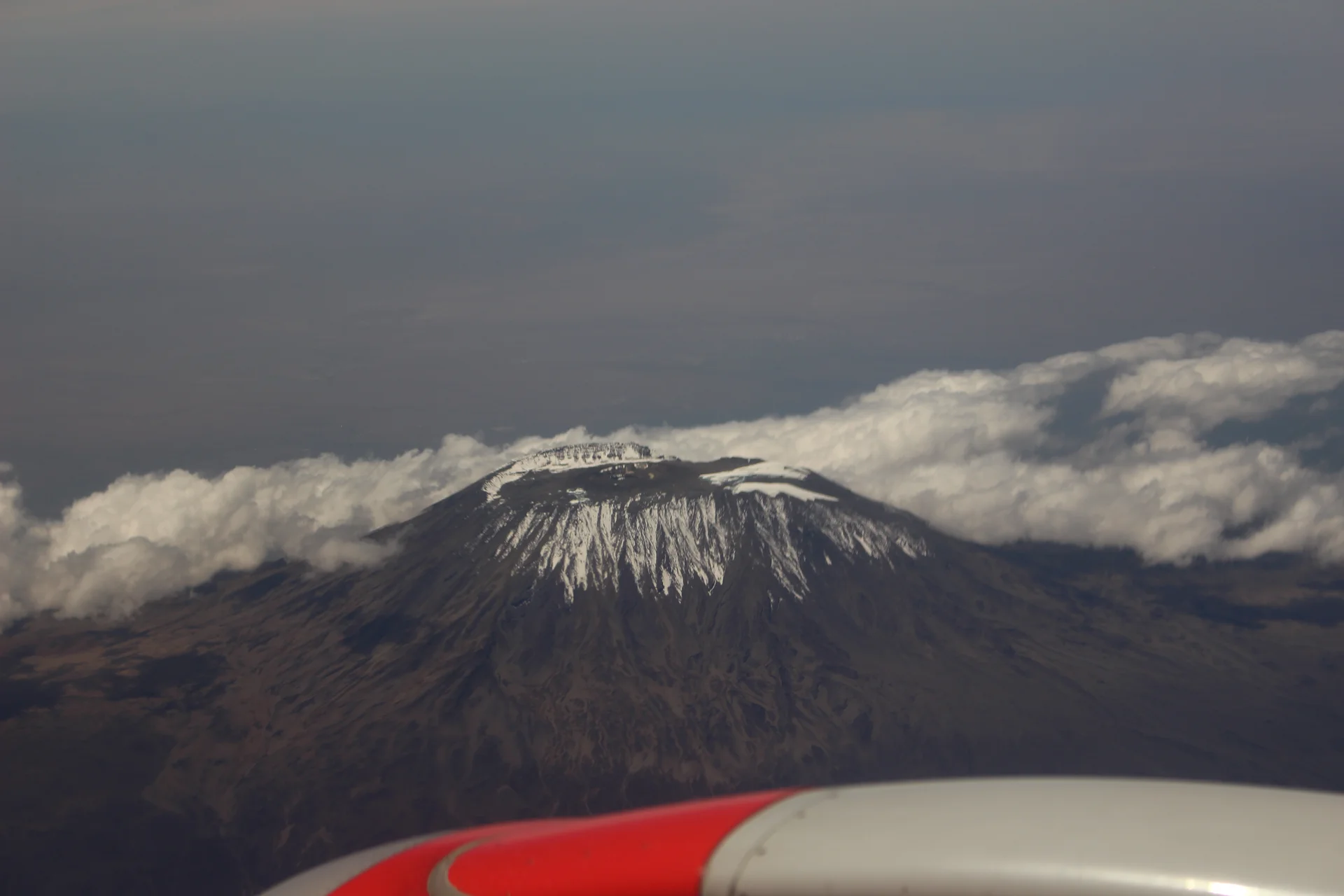
Lake Tanganyika offers a striking freshwater setting along Tanzania’s western frontier: broad blue horizons, wooded shores, bays, beaches and communities whose daily life is closely…
Wildlife
Endemic cichlid fish & Other freshwater fish
Landscape
Lakes & Hot Springs
Highlights
Africa’s deepest freshwater lake in the East African Rift
 Northern Circuit
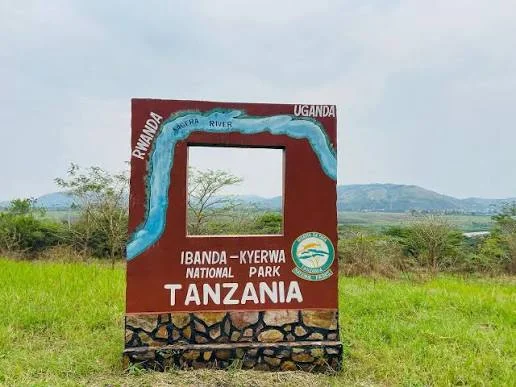
Kilimanjaro rises above northern Tanzania’s plains to Uhuru Peak at 5,895 metres, the highest point in Africa. Its volcanic massif, dramatic changes in vegetation and…
Wildlife
Black-and-white colobus monkeys in forest habitats & Blue monkeys in forest habitats
Landscape
Mountains & Trekking
Highlights
Uhuru Peak at 5,895 metres — Africa’s highest point
 Western Circuit
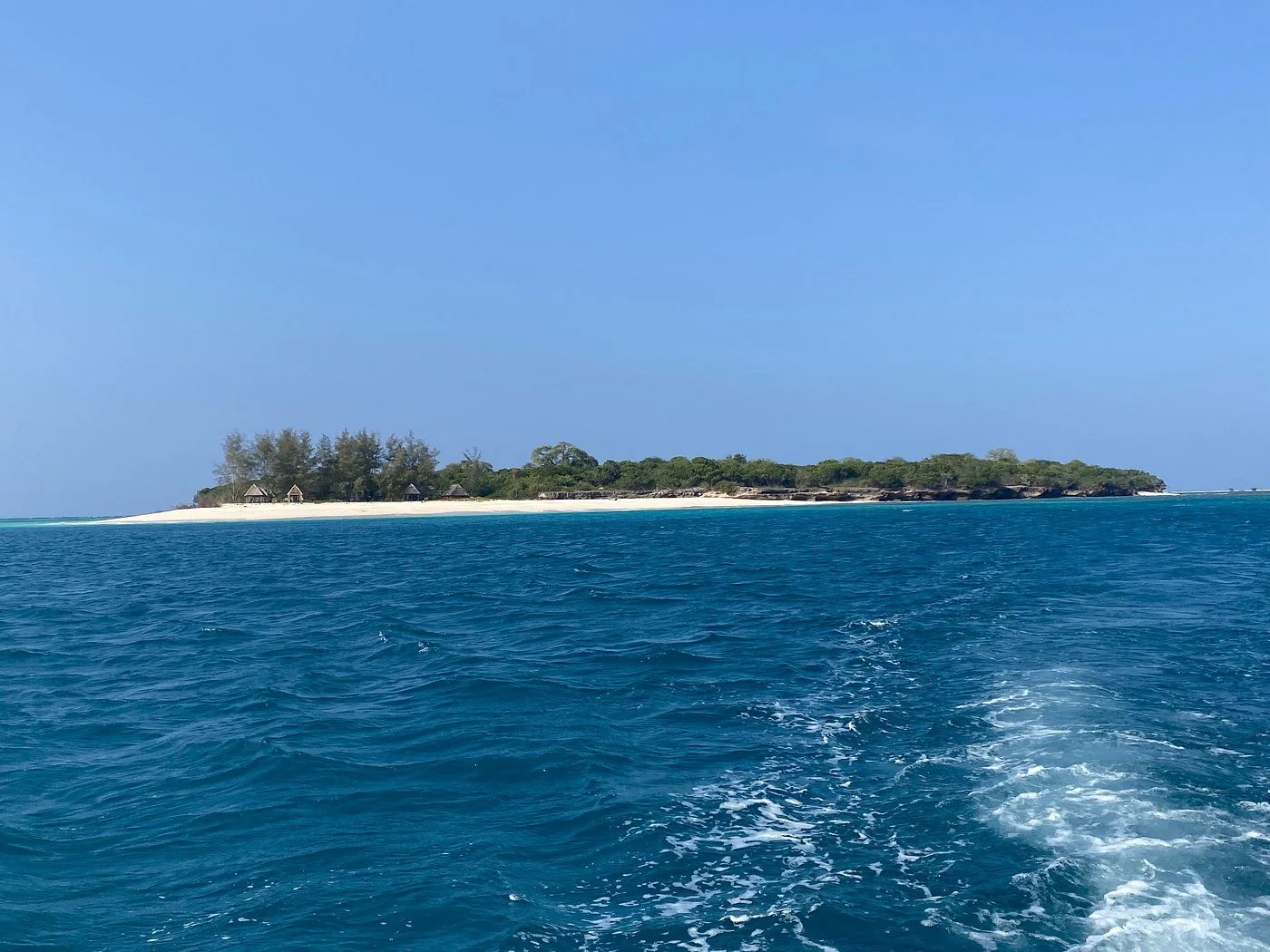
Ibanda-Kyerwa National Park protects a scenic corner of northwestern Tanzania, where the Kagera River meets a landscape of savanna, wooded slopes, valleys and wetlands. Situated…
Wildlife
Buffalo & Roan antelope
Landscape
National Parks & Safari
Highlights
Kagera River scenery on Tanzania’s northwestern border
 Zanzibar & Islands
Sinda Island Marine Reserve offers an Indian Ocean escape off Kigamboni, on the southern side of Dar es Salaam. The reserve encompasses Inner and Outer…
Wildlife
Reef fish & Coastal birds
Landscape
Beaches & Islands
Highlights
Inner and Outer Sinda islands
 Northern Circuit
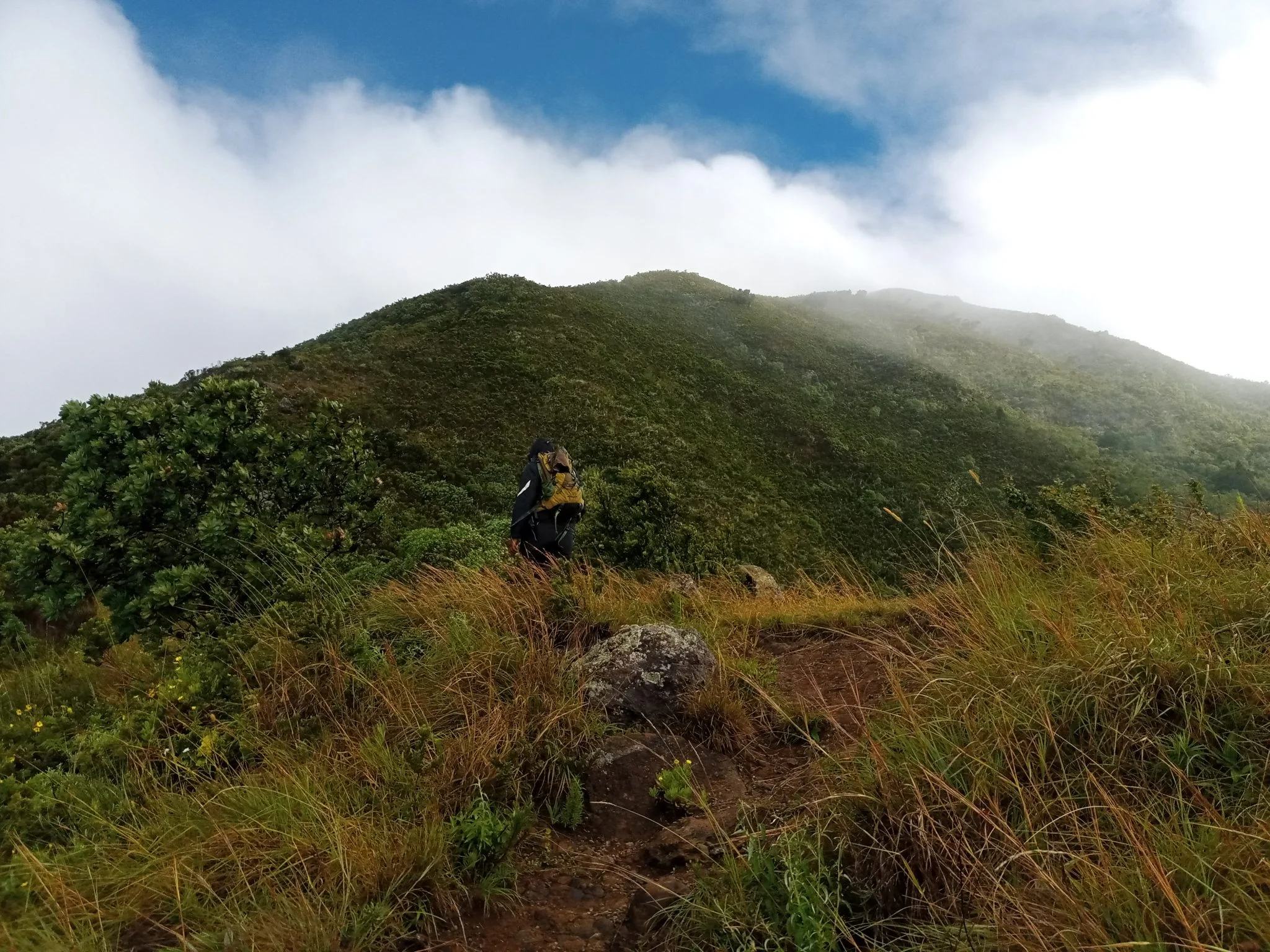
Discover Mount Hanang Rising above Katesh in Tanzania’s Manyara Region, Mount Hanang offers a rewarding mountain adventure beyond the familiar northern safari circuit. At approximately…
Wildlife
Klipspringer & Vervet monkeys
Landscape
Mountains & Trekking
Highlights
Approximately 3,423 metres — Tanzania’s fourth-highest mountain