 5.0 Excellent

Dorine M1 year ago

Grateful experience
As a solo female traveler, I felt super safe and well taken care of the entire time.
Read more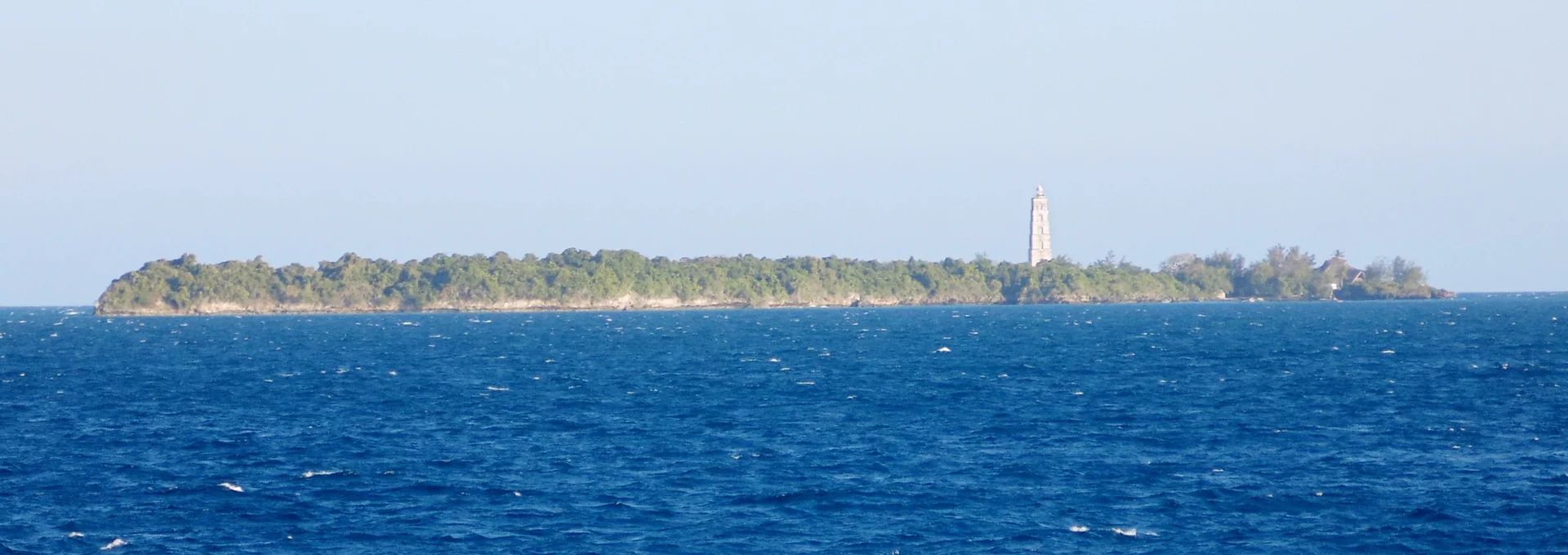
Zanzibar & Islands
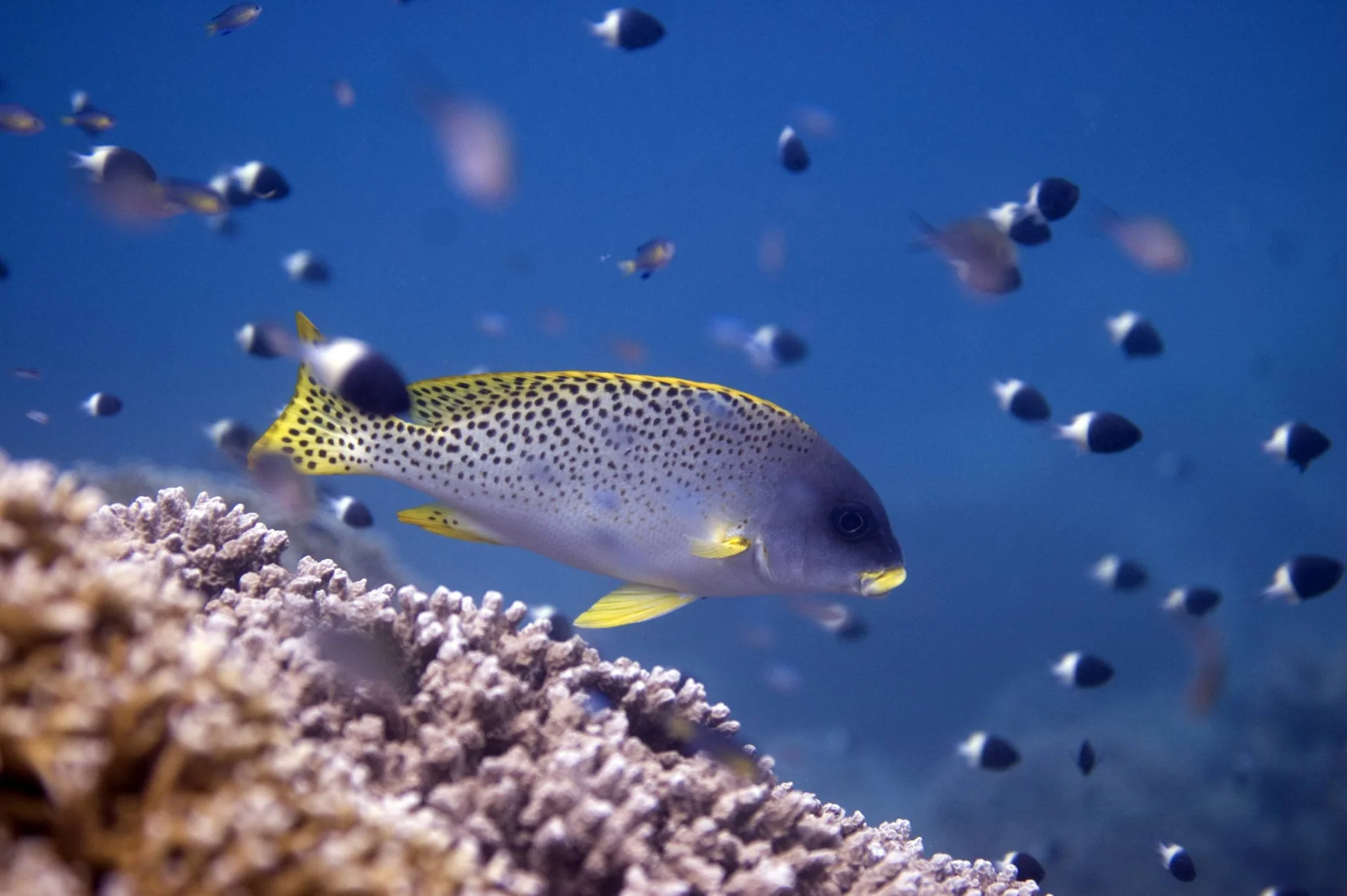
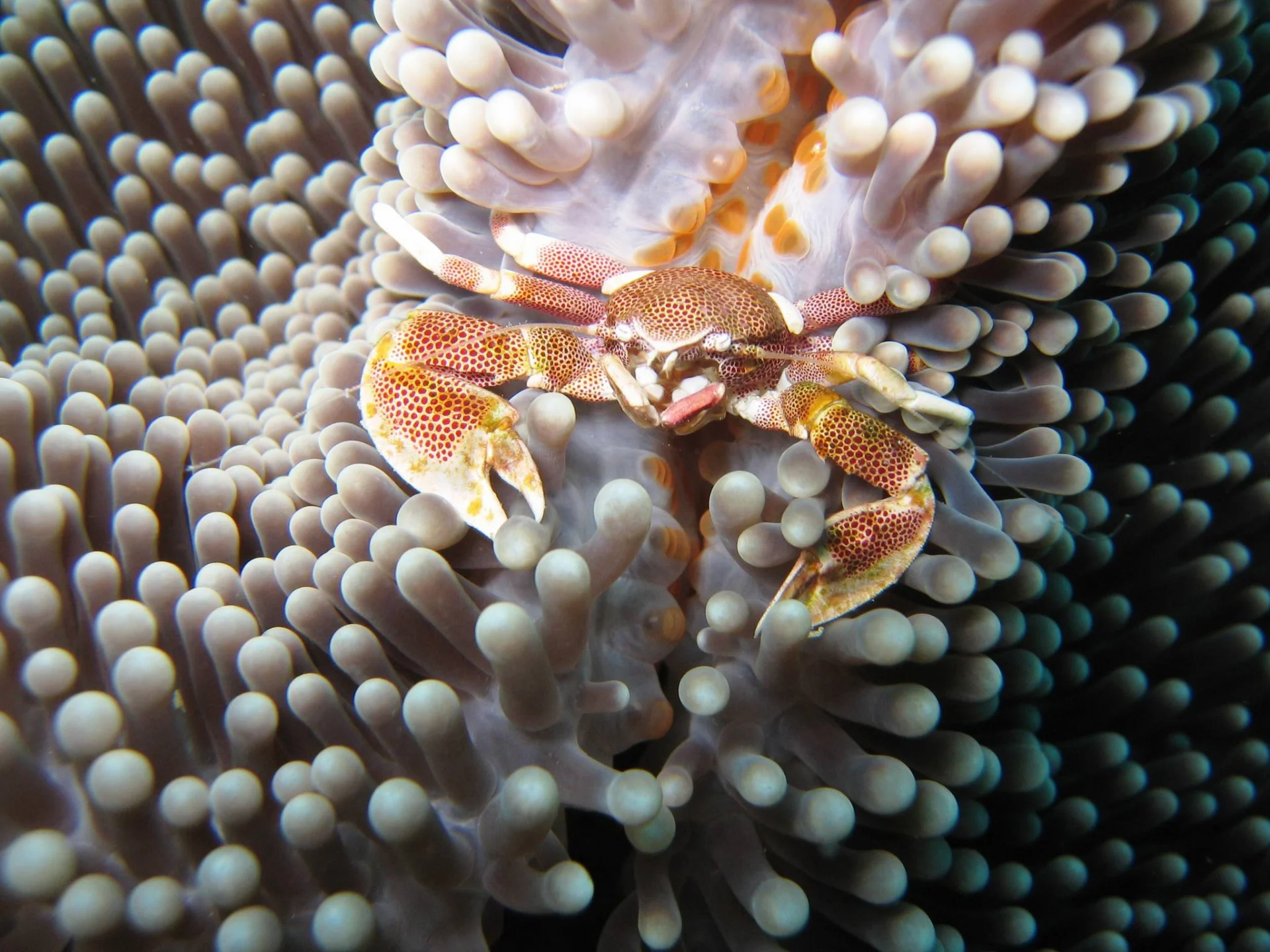
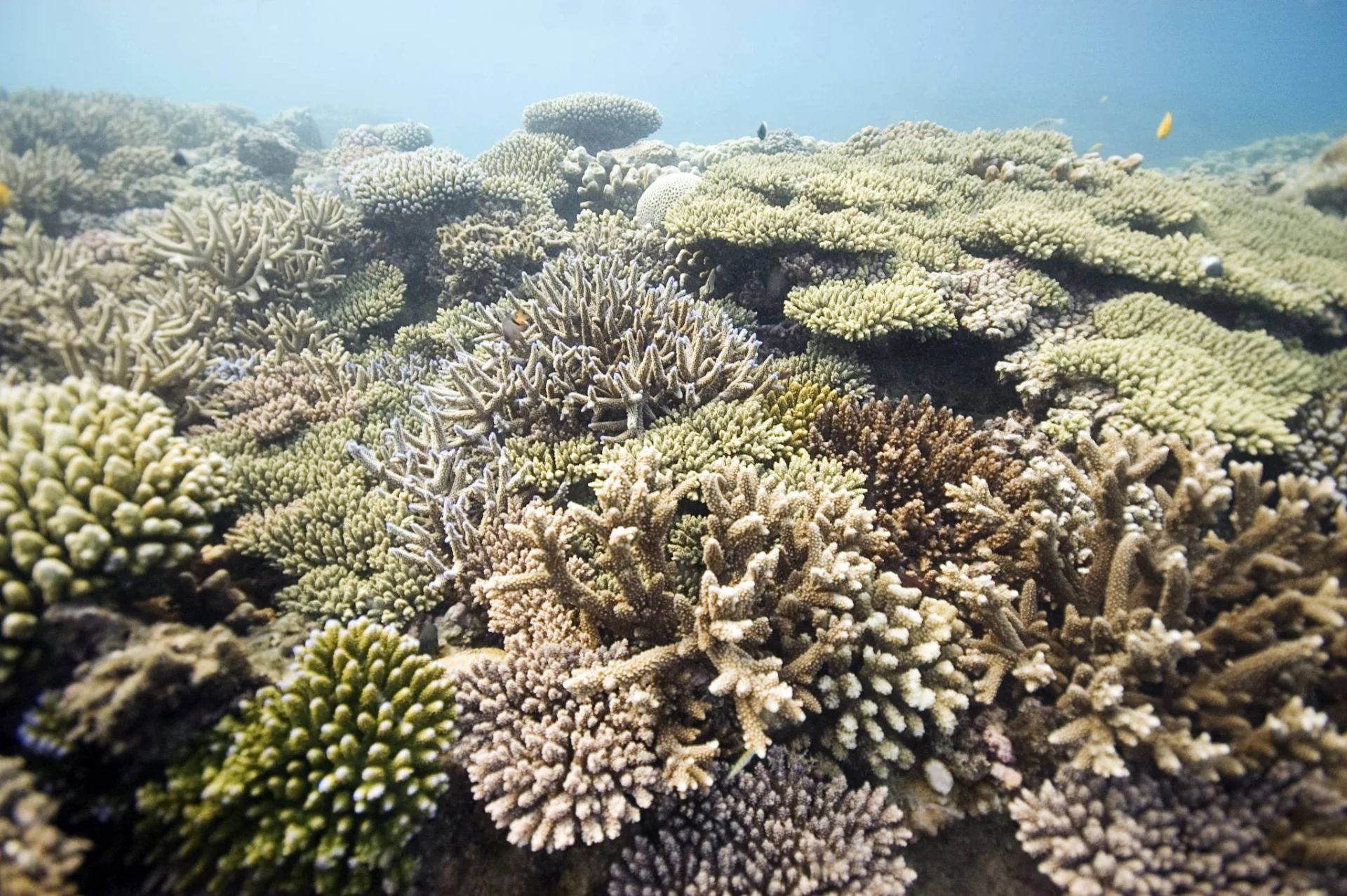
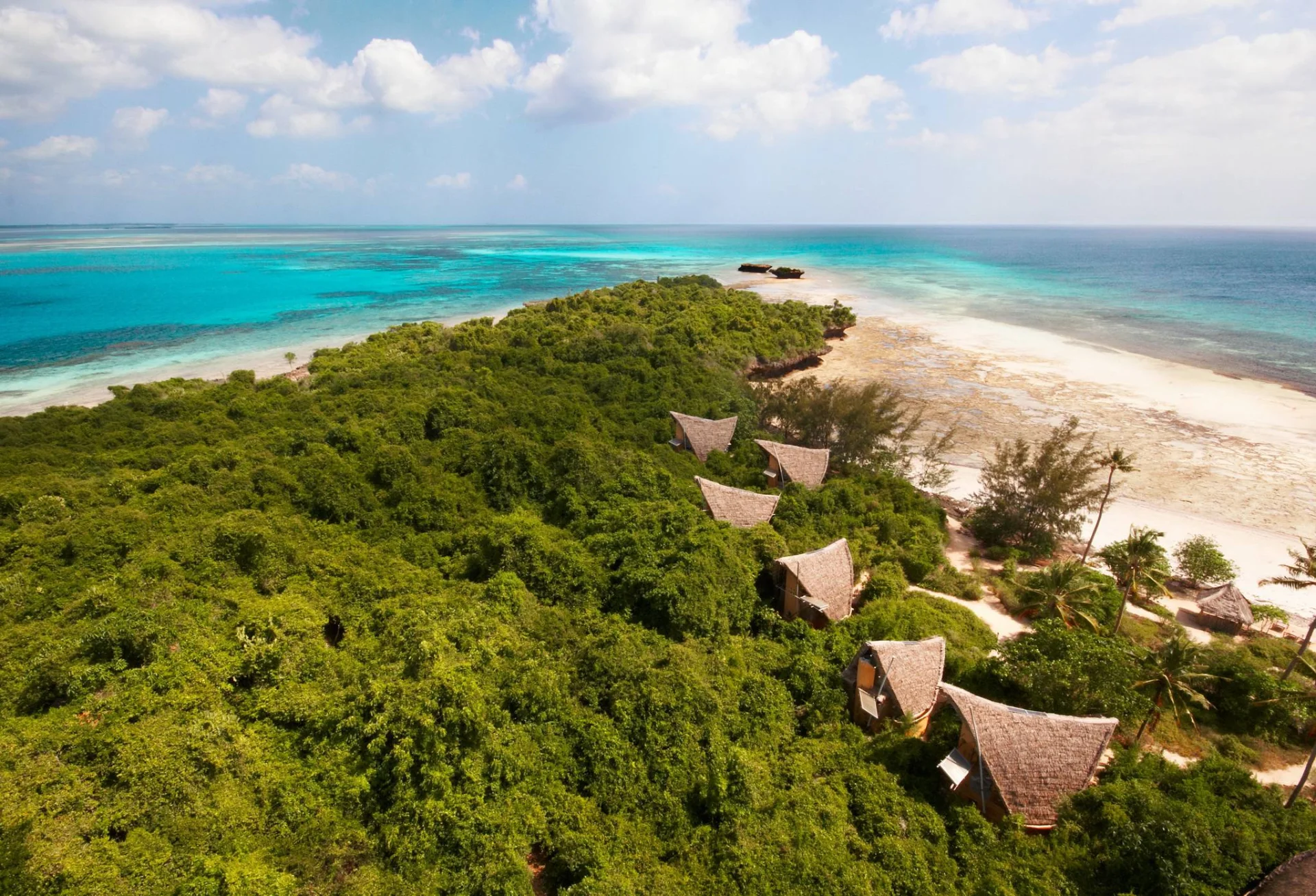
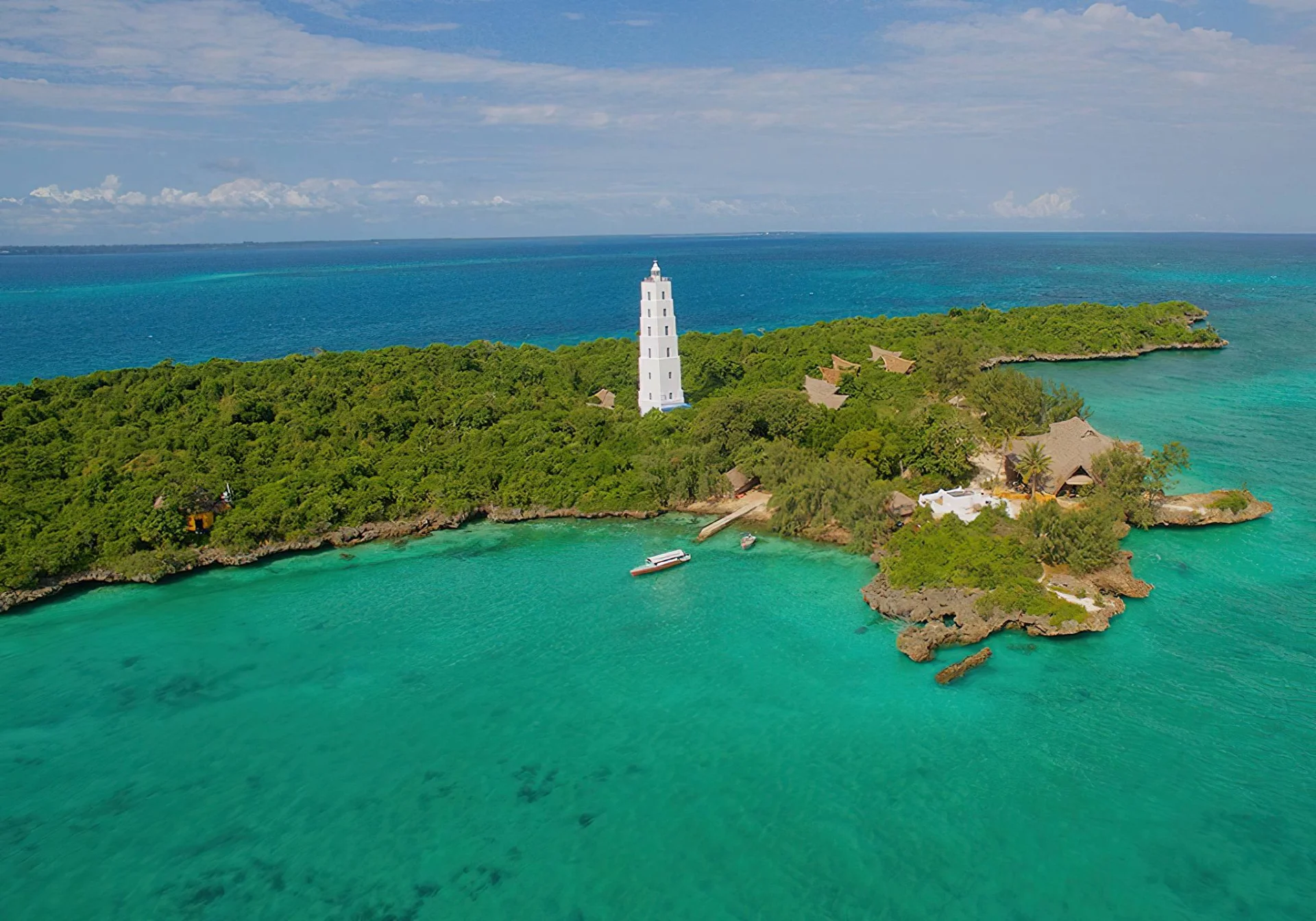
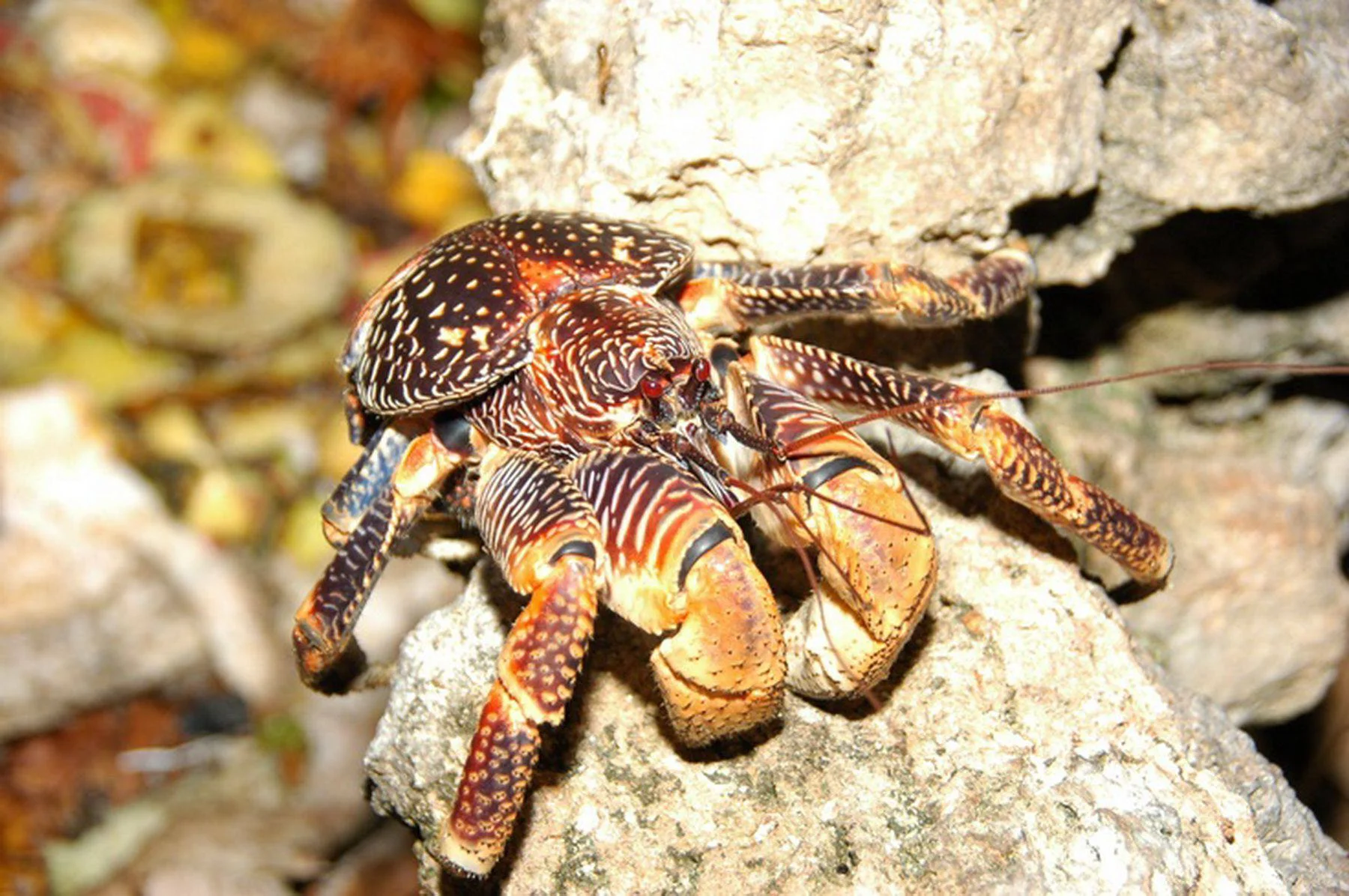
Chumbe Island Marine Sanctuary is a rewarding Zanzibar escape for travellers who want to understand the coast as well as enjoy it. Often known as Chumbe Island Coral Park, or CHICOP, it combines a protected reef with an island forest and a small eco-lodge off Unguja's west coast. Guided encounters with nature, quiet time beside the sea and a strong conservation purpose shape the experience. Choose a reserved day visit or stay overnight to enjoy the island at a slower pace. A sanctuary with a purpose The reef sanctuary and forest reserve received legal protection in 1994. Chumbe's privately managed, not-for-profit model uses visitor revenue to finance protection and environmental education. The project works with people from Zanzibar's coastal communities, including local staff, food suppliers and craftspeople. Its education programme supports school excursions, teachers, students and community learning. Visiting provides a chance to ask how a small tourism operation can support an ecosystem, and to see the practical work behind that ambition. Discover the reef The shallow coral habitat is the centrepiece of the marine experience. Rangers guide guests through a colourful underwater landscape, explaining what to look for and how to move without damaging living corals. The sanctuary supports hundreds of recorded reef-fish species alongside a wide variety of invertebrates. Green and hawksbill turtles and reef sharks occur in the area, but sightings depend on the day. A gentle pace and careful observation can reveal as much as a search for larger animals. Never stand on coral, chase wildlife or take anything from the reef. Beyond the water On land, the coral-rag forest reveals a different side of the island. Plants grow among exposed limestone and fossil coral, while paths introduce visitors to the forest's adaptations. Birds, lizards and crabs add interest along the way. The rare Aders' duiker lives in the protected forest but is elusive, so treat an encounter as a special possibility. Overnight guests can ask about an evening walk to look for coconut crabs. Leave animals undisturbed and follow the ranger's instructions around the rugged ground. Heritage and shore walks A historic lighthouse and a small mosque add cultural context to the reserve. Ask staff about current access, including whether the lighthouse climb is suitable for you, and respect the mosque as a place of worship. Intertidal exploration offers another view of coastal life when the water recedes. The available route changes with the tide; a full circuit is possible only at sufficiently low spring tides. Let the ranger choose the outing rather than attempting an independent crossing of exposed rocks and pools. Staying on the island Chumbe has seven eco-bungalows, with solar electricity, rainwater collection and composting toilets forming part of their design. These are open, nature-focused spaces, intended for guests who enjoy sea breezes and the sounds of the island. Meals draw on Zanzibari flavours, and dietary requirements should be discussed in advance. Request the bungalow arrangement that suits your party, especially if stairs or an open sleeping platform may be difficult. An overnight stay allows more time for interpretation, rest and evening wildlife activity than a day trip. Plan the visit carefully Reserve before travelling and use the sanctuary's authorised boat transfers. Independent boat landings are not accepted. Confirm the meeting point, availability, inclusions and current charges in writing, with particular attention to government levies and transfers from your Zanzibar hotel. Allow a full day for a day excursion and avoid a tight flight connection. Weather, tide and the ranger's judgement determine which activities are practical. Pack lightly, protect valuables from spray and wear suitable footwear for the forest and boarding. A thoughtful Zanzibar combination Chumbe works well alongside time in Stone Town or a longer Unguja beach stay. Keep the island day free of competing appointments so that the experience can unfold around sea conditions. For a conservation-focused itinerary, allow one or two nights as a suggested pace, subject to availability. Listen to the briefing, minimise disposable packaging and give yourself time to notice the smaller details that make this protected island distinctive.
April-May: the long rains are the wettest period. Chumbe has historically used this interval for maintenance closures, so confirm the exact operating dates before planning a visit. March brings mixed sunshine and showers.
September-October often offer drier, more comfortable weather. November-December bring short rains, with potentially good snorkelling between showers. June-August can be windy with rougher seas; any outing depends on conditions.
January-February are typically hot and relatively dry, with appealing snorkelling opportunities. Reserve limited island accommodation and day places well ahead. Weather and underwater visibility remain variable, and rangers determine the daily programme.
Travel first to Unguja, Zanzibar, using Zanzibar's airport or the passenger ferry to Stone Town. Arrange a road transfer to CHICOP's confirmed departure point at Mbweni. Its published visitor guidance identifies the restaurant at Jungle Paradise Resort & Spa, formerly Protea Mbweni Ruins Hotel, roughly a 10-minute drive south of Stone Town. The same guidance lists 09:30 check-in for a 10:00 boat departure. Treat these as indicative published arrangements and reconfirm the current meeting point, check-in, crossing estimate and return schedule directly with CHICOP when reserving. Day-trip and overnight return programmes differ; do not assume the overnight checkout boat is the day-trip return. Weather and tides can alter arrangements. Access is exclusively on Chumbe's own authorised boats by reservation; independent vessels and unarranged landings are not accepted. Ask the team to coordinate any hotel taxi or alternative transfer. Allow a full day for a day visit and leave a generous buffer before onward flights. At low tide, boarding may involve a short wade; pack in a splash-resistant bag and discuss mobility needs in advance. Confirm the total quotation, including government charges, road transfers, meals and activity inclusions, before booking.
Chumbe is off the west coast of Unguja in Zanzibar, Tanzania. The name commonly used by its manager is Chumbe Island Coral Park, or CHICOP.
A protected reef, forest reserve and small eco-lodge operate together. Guided nature experiences and conservation learning are central to a visit, alongside time to relax by the sea.
Yes, reserved day visits are offered. Request availability and the confirmed programme before arranging other transfers; places are limited, and arriving at a mainland departure point does not guarantee entry.
Reserve with CHICOP and use its authorised boat transfer from the confirmed Zanzibar departure point. Ask the team to coordinate the journey with your mainland hotel or airport arrival.
No. Chumbe states that visitors must use its own boats and that independent boats cannot moor or land. Ensure any travel agent arranges access through the sanctuary.
January-February often suit warm-weather snorkelling, while September-October tend to be drier. June-August can be windy. Confirm any April-May maintenance closure and check the forecast for your dates.
Discuss your swimming ability with the rangers before joining. Ask for a briefing, properly fitted equipment and flotation support where appropriate; participation should depend on your comfort and the conditions.
These activities are not offered or permitted in Chumbe's marine protected area. The reef experience is guided snorkelling. Arrange any separate diving plans outside the sanctuary with an appropriate operator.
The reef supports many fish and invertebrates, with turtles and reef sharks also present in the area. Sightings vary. Enjoy the habitat without expecting a particular animal or pursuing wildlife for photographs.
Overnight guests can ask about ranger-led evening crab walks. Aders’ duikers are elusive forest animals, so an encounter is never assured. Keep a respectful distance and let the ranger direct observations.
Ask about forest walks, birdwatching, heritage features and tide-dependent shore exploration. There is also time to rest at the beach. Choose a programme suited to your interests and walking ability.
Only sufficiently low spring tides allow the full intertidal route. Shorter outings may be possible at other low tides. Follow a ranger's assessment rather than attempting a circuit on your own.
Ask staff about current access and suitability. The lighthouse involves a substantial stair climb, while the mosque is used for worship. Follow visiting etiquette and request permission before entering or photographing worshippers.
There are seven eco-bungalows, with seafront, seaview and garden arrangements. Confirm the available layout when booking, especially if stairs or open sleeping platforms would be difficult for your party.
One or two nights is a suggested pace for combining nature activities with relaxation, subject to availability. A day trip suits a shorter introduction; an overnight visit leaves time for evening observations and a less hurried stay.
Request a current written breakdown. Published overnight packages include meals, transfers and guided activities, but government levies and alcoholic drinks can be additional. Check your exact booking, including road transfers, before paying.
Yes, but families should discuss ages and needs with the team. Rocky ground, boats and open bungalow layouts require close supervision. Ask about child equipment and sleeping arrangements; the lodge does not provide babysitting.
Request an individual access assessment before booking. Boat boarding, possible wading, uneven forest paths and bungalow stairs may be challenging. A single-storey room does not establish step-free access across the island.
Bring light clothing, swimwear, protective footwear, a hat and a dry bag. Ask rangers about sun protection. Maintain buoyancy, avoid touching coral or animals, and leave shells and other natural objects where they are.
Visitor revenue helps finance protected-area management and environmental education. CHICOP supports school and teacher programmes, student learning and outreach with coastal communities. Ask the team about its current work and follow the island's guidance to reduce your impact.
Grateful experience
As a solo female traveler, I felt super safe and well taken care of the entire time.
Read morePrivate Safari 6 days
I can only highly recommend the young company Tanzalux for organizing a private safari.
Read moreAn unforgettable vegetarian journey with Tanzalux Safaris
I highly recommend Tanzalux for anyone wanting a special, personalized safari.
Read moreOur 3-day camping safari with Tanzalux was simply fantastic! Everything was perfectly organized.
Read moreBack in April, I joined a day trip to Tarangire National Park with Tanzalux Safaris, and it was truly one of the best experiences I have ever had…
Read moreI've had an amazing experience with Tanzalux Safaris, would 1000% recommend! Thank you for making my trip so special🫶
Read moreI recently visited Meru Waterfalls in Arusha and got to do some of the activities there, honestly it was such a great experience and I really enjoyed it.
Read moreOur guide Dullah Mr Rastaman had the best vibe. I would like to recommend other people not to miss it, Tarangire is the best national park.
Read moreOur tour guide Nasri was very friendly and welcoming from the first day we met him. He knows Tarangire very well and explained many things during the safari.
Read moreAs a grandmother in the group, I would like to share my happiness with Tanzalux Safaris. Me, my daughters, and my grandson went on a short trip to Tarangire National Park…
Read moreReceive a free, no obligation quote

 Western Circuit
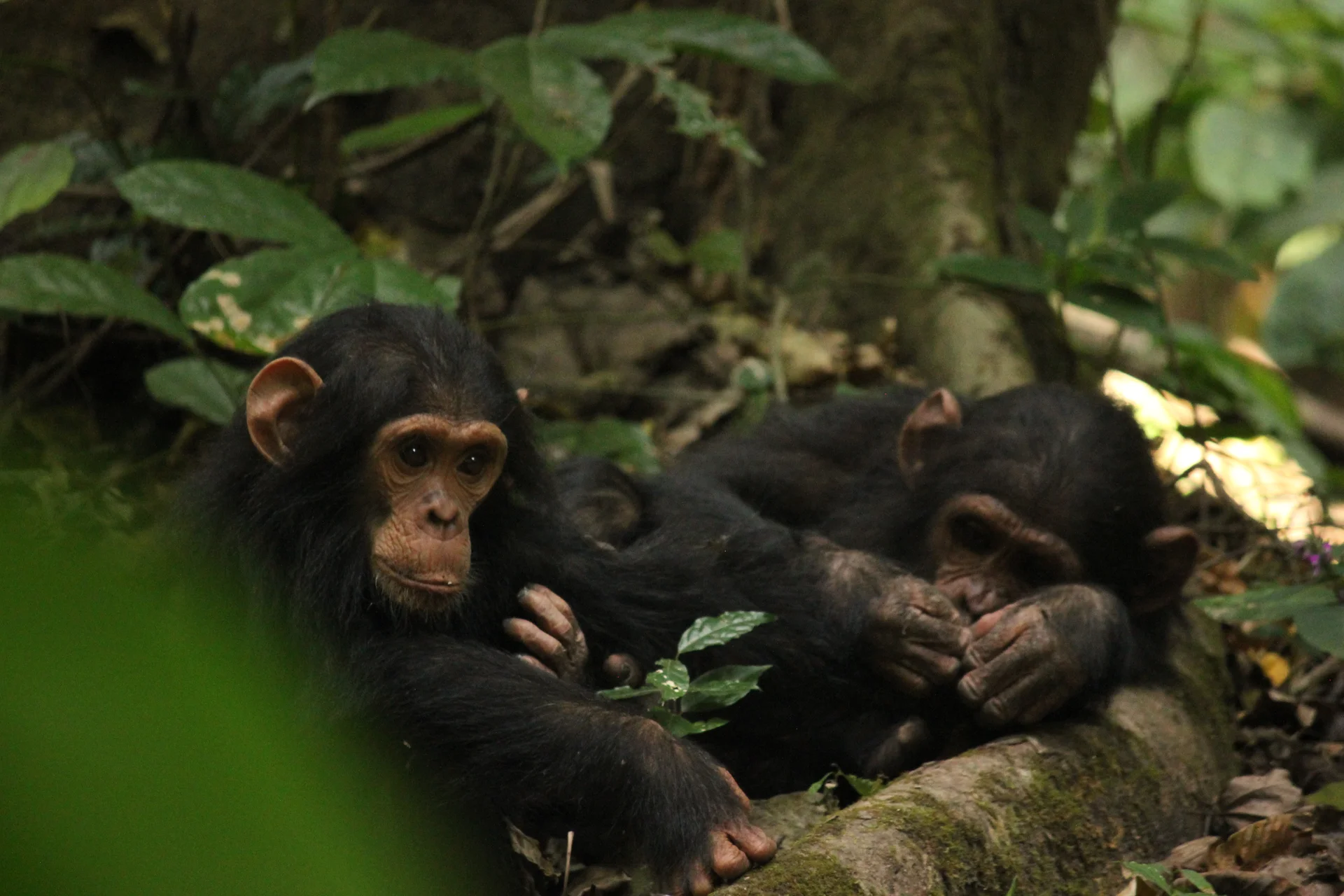
Gombe Stream National Park, also known as Gombe National Park, combines wild chimpanzee trekking with forested hills and the shores of Lake Tanganyika. In Kigoma…
Wildlife
Chimpanzees & Olive baboons
Landscape
National Parks & Safari
Highlights
Wild chimpanzee trekking with park rangers
 Southern Circuit
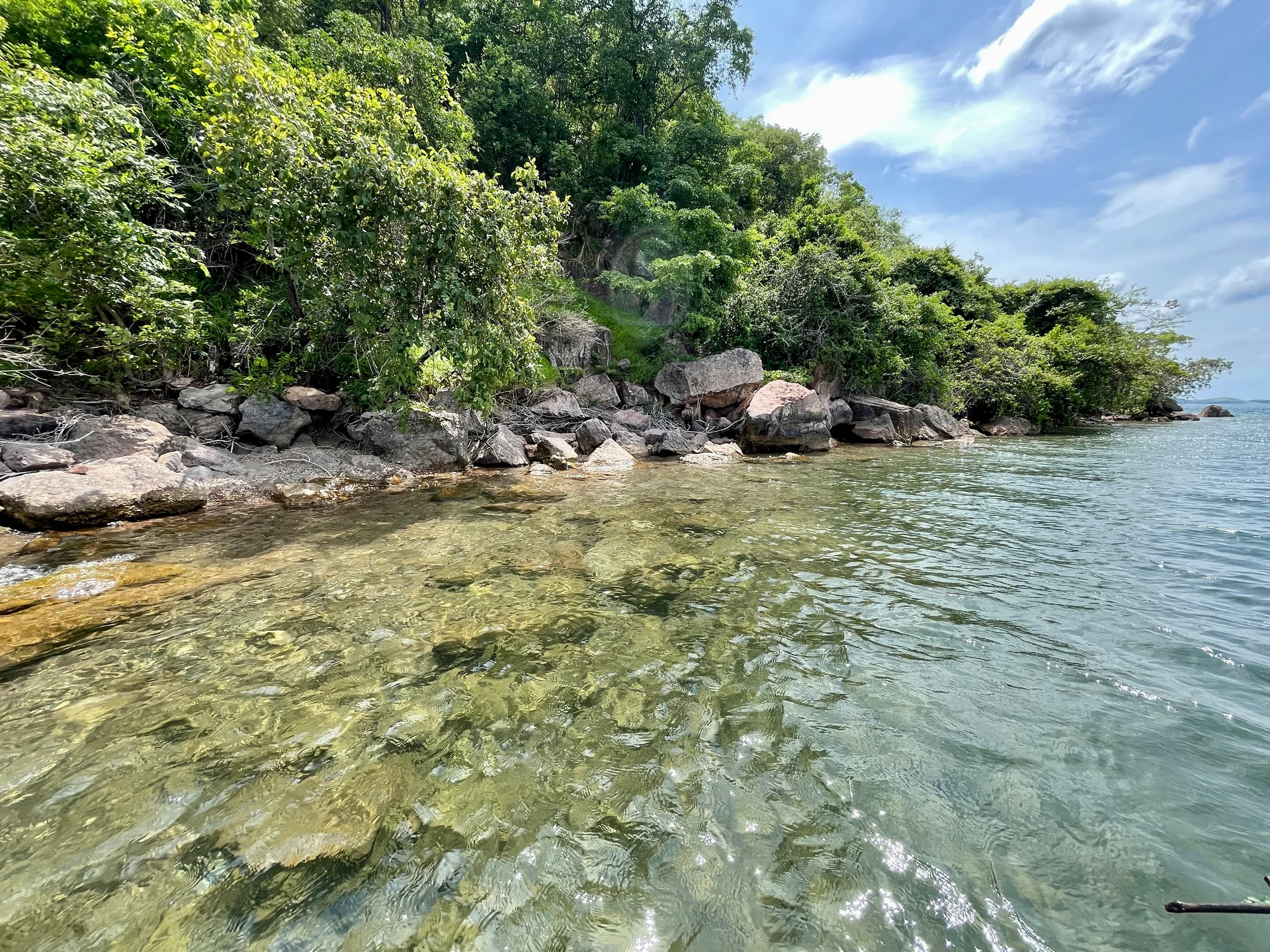
Lake Tanganyika offers a striking freshwater setting along Tanzania’s western frontier: broad blue horizons, wooded shores, bays, beaches and communities whose daily life is closely…
Wildlife
Endemic cichlid fish & Other freshwater fish
Landscape
Lakes & Hot Springs
Highlights
Africa’s deepest freshwater lake in the East African Rift
 Northern Circuit
Kilimanjaro rises above northern Tanzania’s plains to Uhuru Peak at 5,895 metres, the highest point in Africa. Its volcanic massif, dramatic changes in vegetation and…
Wildlife
Black-and-white colobus monkeys in forest habitats & Blue monkeys in forest habitats
Landscape
Mountains & Trekking
Highlights
Uhuru Peak at 5,895 metres — Africa’s highest point
 Western Circuit
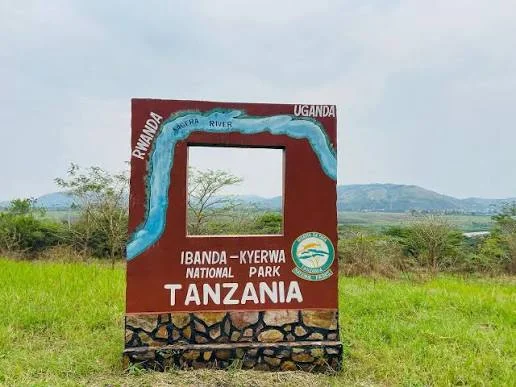
Ibanda-Kyerwa National Park protects a scenic corner of northwestern Tanzania, where the Kagera River meets a landscape of savanna, wooded slopes, valleys and wetlands. Situated…
Wildlife
Buffalo & Roan antelope
Landscape
National Parks & Safari
Highlights
Kagera River scenery on Tanzania’s northwestern border
 Zanzibar & Islands
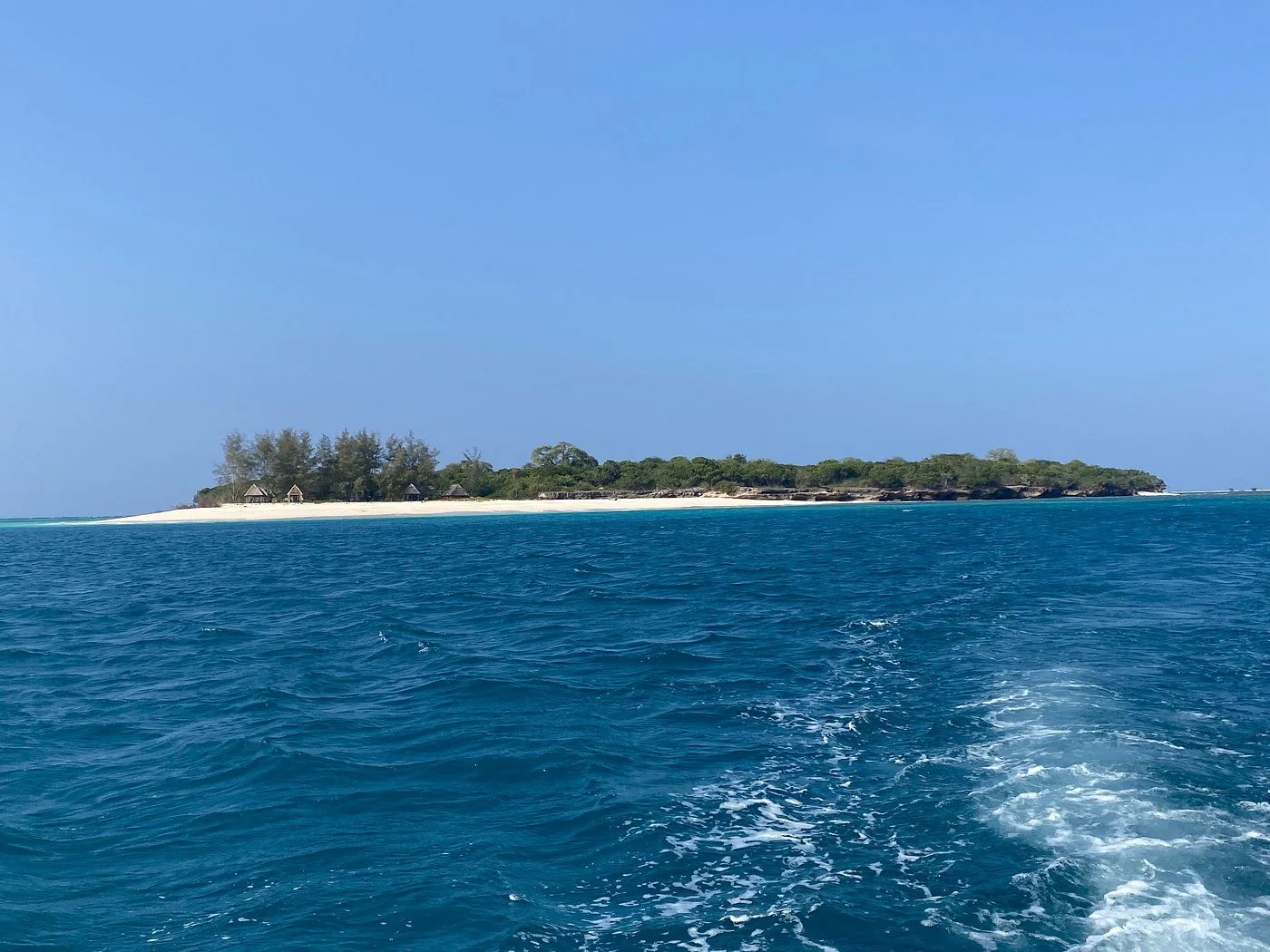
Sinda Island Marine Reserve offers an Indian Ocean escape off Kigamboni, on the southern side of Dar es Salaam. The reserve encompasses Inner and Outer…
Wildlife
Reef fish & Coastal birds
Landscape
Beaches & Islands
Highlights
Inner and Outer Sinda islands
 Northern Circuit
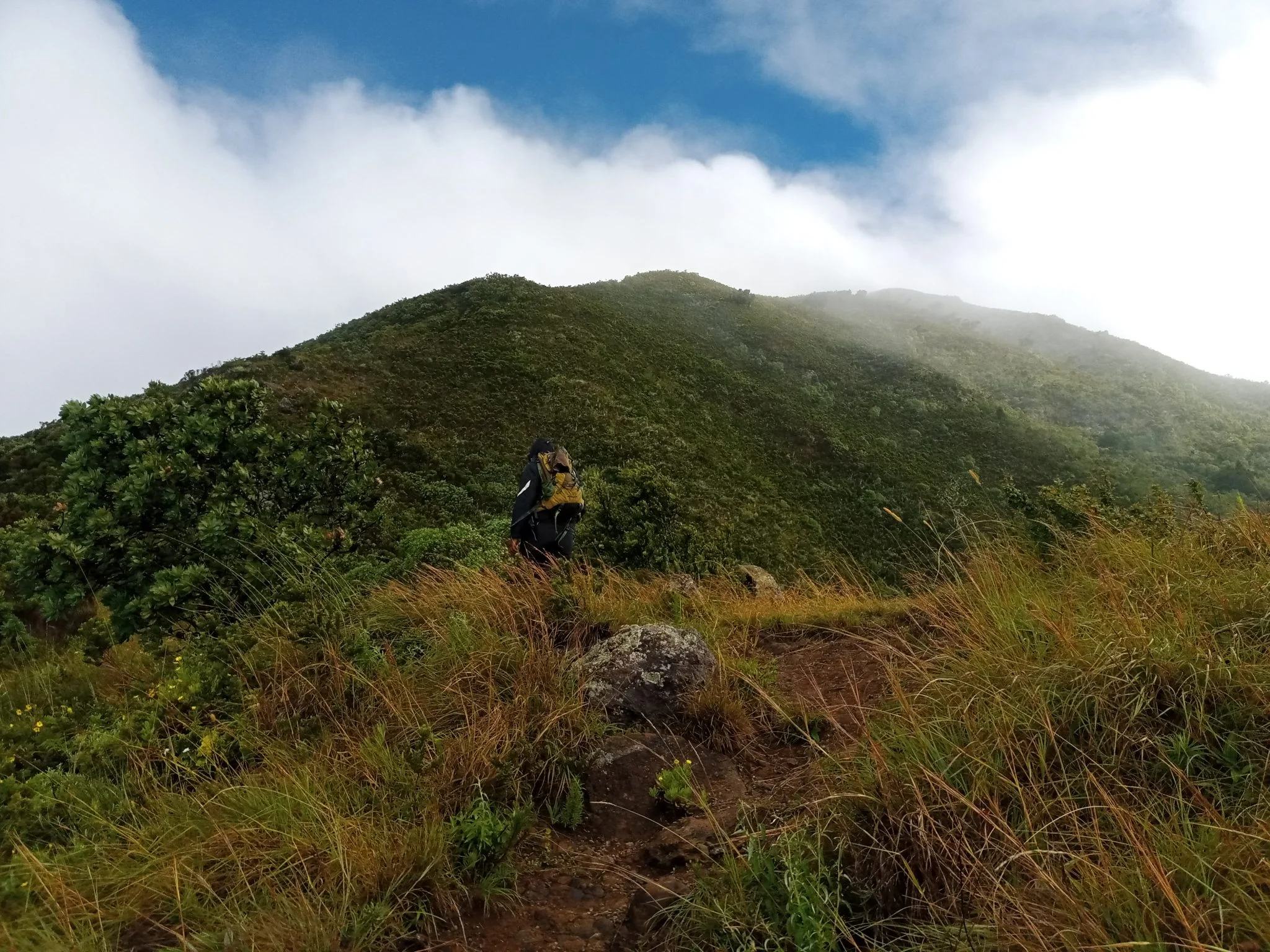
Discover Mount Hanang Rising above Katesh in Tanzania’s Manyara Region, Mount Hanang offers a rewarding mountain adventure beyond the familiar northern safari circuit. At approximately…
Wildlife
Klipspringer & Vervet monkeys
Landscape
Mountains & Trekking
Highlights
Approximately 3,423 metres — Tanzania’s fourth-highest mountain