 5.0 Excellent

Dorine M1 year ago

Grateful experience
As a solo female traveler, I felt super safe and well taken care of the entire time.
Read more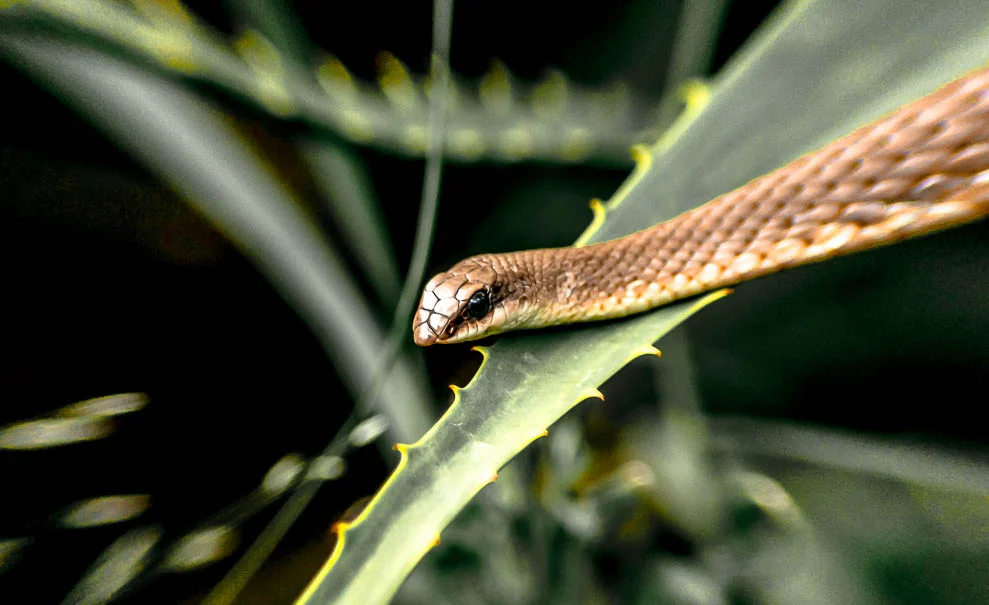
Northern Circuit
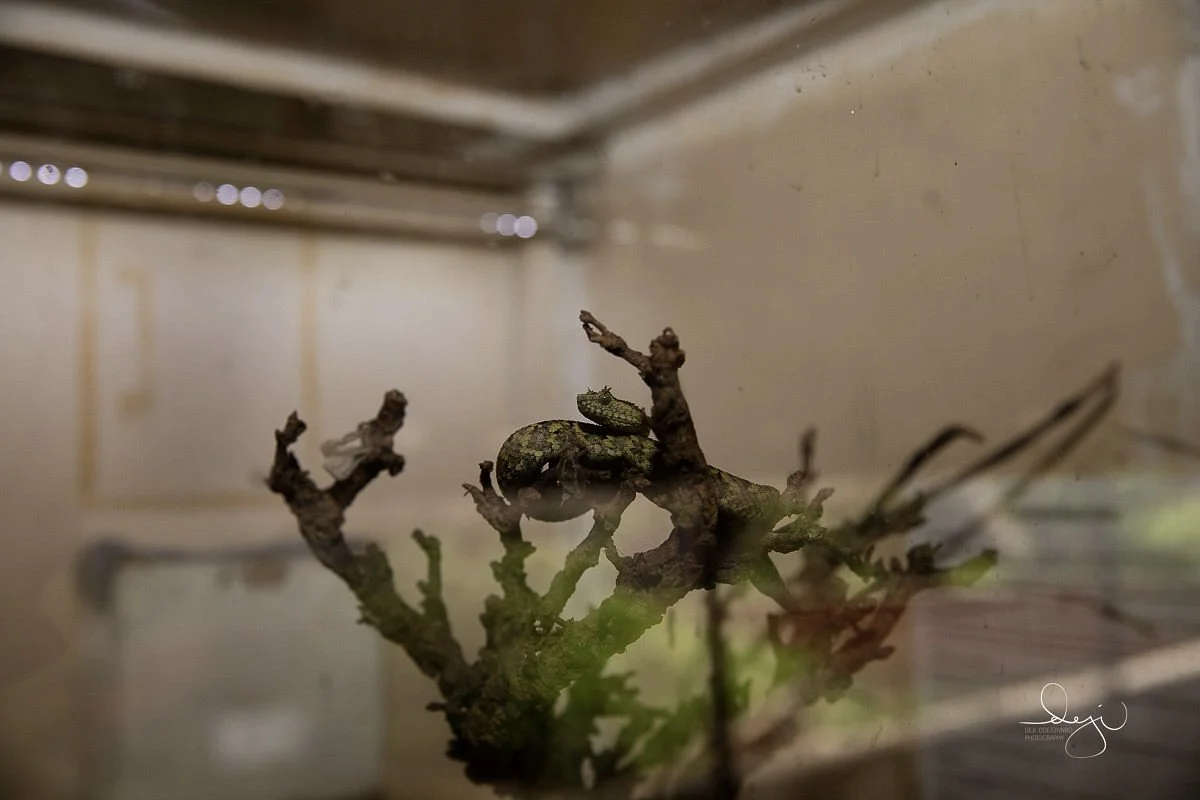
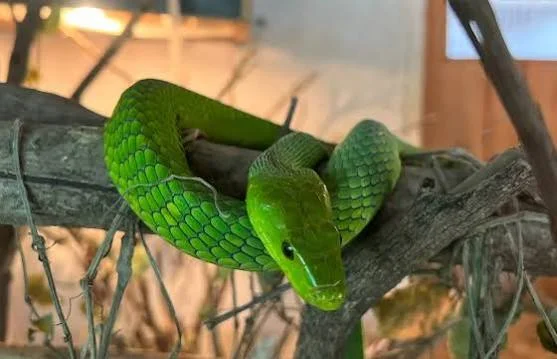
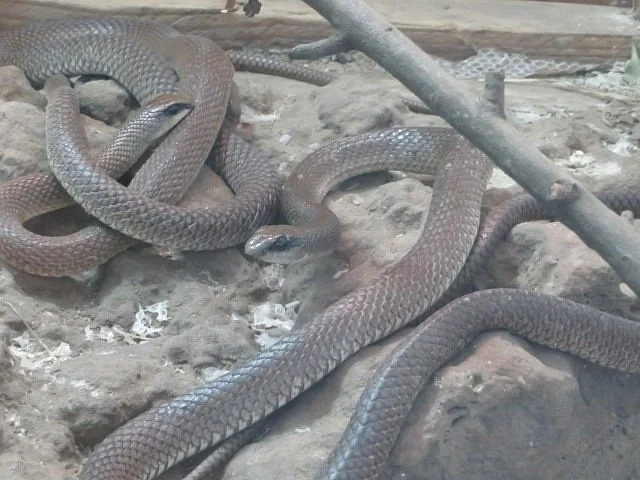
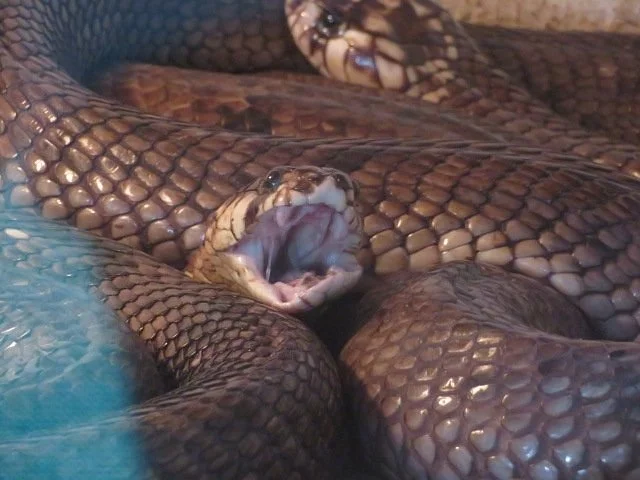
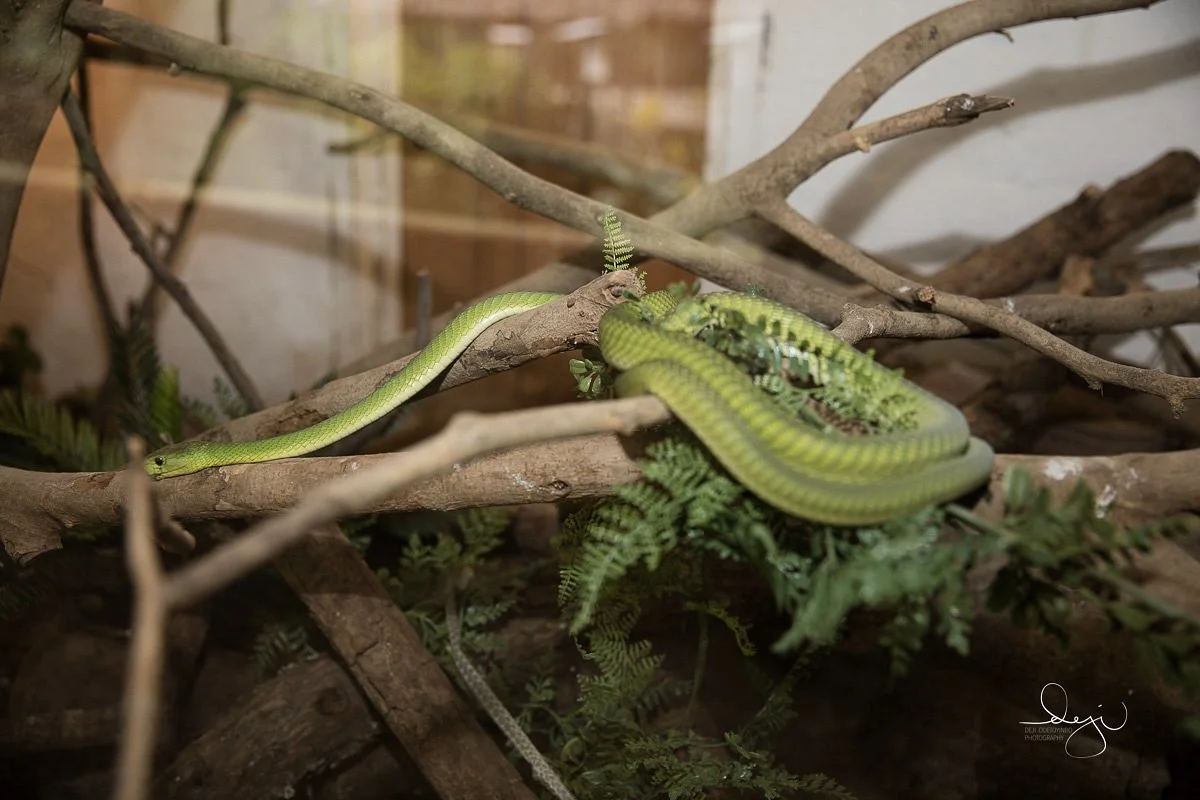
Arusha Snake Park, commonly known as Meserani Snake Park, is an accessible reptile and cultural attraction west of Arusha. It makes a useful addition to a city stay or a planned stop on a northern Tanzania safari journey. The park’s own website places it approximately 25 kilometres from Arusha on the route towards Ngorongoro and the Serengeti. Its appeal is a focused visit with time to learn, ask questions and explore at a gentler pace between longer travel days. The main experience is a guided look at snakes and other reptiles in managed enclosures. The operator describes a collection that includes mambas, cobras, puff adders and pythons, alongside crocodiles, monitor lizards and tortoises. Exhibits and individual animals can change, so treat any species list as an introduction rather than a guarantee. A knowledgeable guide helps visitors understand differences between animals, their adaptations and the role reptiles play in their habitats. Take time to observe rather than rushing from enclosure to enclosure. Notice posture, camouflage and movement, and use the visit to build a greater appreciation of animals that can be difficult to see during a conventional safari. This is an enclosure-based attraction; the experience differs from looking for free-ranging wildlife in Tanzania’s national parks. It is especially rewarding for curious travellers who want a closer educational introduction to reptiles. The Maasai Cultural Museum provides another dimension to the stop, with guided interpretation of Maasai traditions and everyday life. The site also describes a Maasai crafts market. A museum visit offers an introduction, while any separately arranged community visit is its own experience. Approach cultural encounters with curiosity and respect: ask before taking portraits, listen to your host’s explanation and allow space for questions. Purchases are optional, and prices should be agreed directly with the seller. We suggest keeping roughly two to three hours available for the park and museum, with additional time for transport, craft browsing or other agreed activities. This is a flexible planning allowance, not a fixed tour duration. Visitors with a strong reptile interest may want longer, while a short safari transfer stop can be shaped around the time available. Establish the visit’s scope before arrival so that it fits comfortably with lunch, hotel check-in and your onward journey. For families, choose a pace that suits the children’s ages and attention spans. Stay together near enclosures, follow staff instructions and explain that barriers are there for everyone’s safety. Animal handling is optional and should only be considered if explicitly offered and supervised by authorised staff; you can enjoy the visit entirely through observation. Never open an enclosure, touch an animal independently or attempt to recreate a demonstration. Arusha offers a wide choice of accommodation for travellers making a day visit. The park also advertises a campsite, which should be booked separately with details of facilities, meals and equipment confirmed beforehand. An overnight camping arrangement and a daytime attraction visit have different requirements, so request a clear quotation identifying exactly what is included. Confirm visitor hours, admission charges and guide availability close to your travel date. Bring comfortable shoes, drinking water, sun protection and a light rain layer. A camera can be useful, but ask about photography rules and avoid flash or any action that disturbs animals. If you need step-free access or assistance, discuss the actual paths, facilities and vehicle drop-off point in advance. A well-planned visit can turn a simple roadside stop into a thoughtful introduction to reptiles and local cultural interpretation.
March–May is generally Arusha’s wetter period, with showers also possible during November–December. The visit can still be worthwhile because it centres on managed exhibits and cultural interpretation, but outdoor paths may be wet. Bring a rain layer and shoes with grip, allow flexible transport time and check whether any optional outdoor activity is running.
January–February and the transitions into or out of the main dry period can suit a relaxed local excursion, although showers are still possible. A morning visit can fit comfortably around an Arusha stay. This attraction does not depend on a migration season; guide availability, your daily schedule and weather matter more than a strict month-by-month wildlife calendar.
June–October is generally a convenient drier window for combining a park visit with a northern Tanzania safari. Expect sun, possible dust and cooler early starts in the Arusha area. Book transport and guiding ahead during busy travel periods, carry drinking water and sun protection, and leave enough time for onward safari transfers.
Meserani Snake Park is approximately 25 km west of Arusha on the main road towards the northern safari routes. Arrange a private vehicle, taxi or safari-driver stop from your Arusha hotel, with a confirmed return or onward journey. Drive duration varies with your starting point, traffic and road conditions; ask for a date-specific estimate rather than treating the distance as a fixed travel time. For arrivals by air, Arusha Airport or Kilimanjaro International Airport can be used according to your flight itinerary, followed by a separately arranged road transfer. An Arusha hotel base is practical for a local outing. If combining the attraction with a transfer towards Ngorongoro or the Serengeti, agree the stopping time with your driver so it fits the onward route and accommodation arrival. The operator currently lists daily visitor hours of 07:30–18:00; reconfirm hours, last admission, guide availability and current fees before departure. Contact listed by the park: +255 754 440 800 or meseranisnakepark@gmail.com; website https://meseranisnakepark.net/. Ask whether the reptile tour, Maasai museum, craft visit and any extras are included in your chosen booking. For accessibility needs or a large group, arrange the visit in advance.
Yes. The attraction commonly referred to as Arusha Snake Park is Meserani Snake Park, west of Arusha. Use the Meserani name when arranging transport or admission so your driver and host identify the correct site. It combines reptile viewing with cultural interpretation and visitor facilities.
The operator places the park approximately 25 km west of Arusha on the route towards Ngorongoro and the Serengeti. It can be visited from an Arusha hotel or included as an agreed roadside stop on a safari transfer. Allow for local traffic and your actual departure point.
We suggest roughly two to three hours for reptile viewing and the cultural museum, plus transport time. This is a flexible planning recommendation. A shorter stop can focus on a guided reptile introduction, while keen visitors or groups may need longer. Agree the programme and finish time with your guide.
The current park website lists daily hours of 07:30–18:00. Reconfirm opening hours and the latest time for a guided visit before travelling, especially if arriving late in the day. A published closing time does not necessarily mean every activity can be started immediately before it.
Ask the operator or your tour organiser for the current admission rate and a clear list of inclusions. Guide services, museum access, transfers and optional extras should be identified in the quotation. We avoid listing an unverified price because visitor categories and packages can differ.
Advance arrangements are helpful for private guiding, large groups, school visits or accessibility needs. Even for a casual visit, check operating hours and transport beforehand. If the stop is part of a safari transfer, tell your operator early so the visit is included in the day’s schedule.
The operator describes snakes including mambas, cobras, puff adders and pythons. Individual displays can change, so ask what is currently visible. The educational value comes from observing animals with a guide and learning about their differences, rather than expecting every species on a promotional list to be present.
The site also describes crocodiles, monitor lizards and tortoises. Ask your guide which enclosures are open during your visit and what can be observed. Treat any feeding presentation or demonstration as subject to the park’s current programme rather than a guaranteed part of every visit.
The main attraction involves animals in managed enclosures. It is a different type of experience from a national park game drive. Choose this stop for guided reptile observation and learning; any wider safari wildlife viewing should be planned separately in the appropriate parks or reserves.
The operator advertises supervised snake handling, but availability and participation conditions must be checked on the day. Handling is optional, and observation is a complete way to enjoy the visit. Only participate when authorised staff explicitly offer and supervise it; never touch an animal or open an enclosure independently.
It can suit curious children when the pace and explanations match their ages. Keep children together, supervise them near barriers and make sure they follow staff instructions. Ask about any activity age limits in advance. Families can choose to observe animals without taking part in handling demonstrations.
A guided museum visit introduces aspects of Maasai traditions and everyday life through displays and explanation. Use it as an opportunity to listen and ask respectful questions. It is an interpreted museum experience; a separately arranged visit to a living community has a different setting and should be discussed on its own terms.
The park describes a Maasai crafts market associated with the cultural visit. Browse at your own pace and ask sellers about materials, workmanship and prices. Purchases are optional. Ask permission before photographing makers or their stalls, and carry a suitable payment option agreed before arrival.
Ask staff about the current photography rules at each enclosure and cultural display. Avoid flash or behaviour that disturbs animals. Obtain permission before photographing people, and respect a refusal. Do not assume a handling photograph or posed cultural picture is automatically included in your admission.
The attraction can be considered throughout the year. June–October generally offers drier regional conditions, while rainy periods call for a rain layer and extra transport flexibility. The experience centres on managed exhibits, so it does not depend on a migration season. Pick a time that fits your safari and guide arrangements.
Arrange a private vehicle, taxi or stop with your safari driver, and confirm the return or onward journey in advance. Provide the full Meserani Snake Park name and agree the visit duration. Airport transfers are separate arrangements, and travel time depends on the airport, hotel, traffic and exact route.
Yes, it can be a useful addition to an Arusha stay or a planned stop on the westbound safari route. Agree the timing with your driver so it fits onward travel and accommodation arrival. Avoid squeezing a lengthy visit into a tight flight connection or a day already full of transfers.
Bring comfortable walking shoes, drinking water, a hat, sun protection and a light rain layer. Carry your camera if you wish, subject to site rules. Keep hands free near viewing areas and secure loose belongings. Your guide can advise on any additional items for the specific programme you have booked.
Confirm the actual paths, viewing heights, toilet facilities and vehicle drop-off point directly before booking. Explain your needs so suitable assistance and pacing can be discussed. We do not assume every enclosure or cultural display is step-free, and it is better to plan around confirmed access than a general attraction description.
The operator advertises a campsite. Book it separately and confirm availability, showers and toilets, meals, power, equipment and arrival arrangements according to your needs. An Arusha hotel is another option for a daytime visit. Camping accommodation and attraction admission should both be clearly covered in your quotation.
Grateful experience
As a solo female traveler, I felt super safe and well taken care of the entire time.
Read morePrivate Safari 6 days
I can only highly recommend the young company Tanzalux for organizing a private safari.
Read moreAn unforgettable vegetarian journey with Tanzalux Safaris
I highly recommend Tanzalux for anyone wanting a special, personalized safari.
Read moreOur 3-day camping safari with Tanzalux was simply fantastic! Everything was perfectly organized.
Read moreBack in April, I joined a day trip to Tarangire National Park with Tanzalux Safaris, and it was truly one of the best experiences I have ever had…
Read moreI've had an amazing experience with Tanzalux Safaris, would 1000% recommend! Thank you for making my trip so special🫶
Read moreI recently visited Meru Waterfalls in Arusha and got to do some of the activities there, honestly it was such a great experience and I really enjoyed it.
Read moreOur guide Dullah Mr Rastaman had the best vibe. I would like to recommend other people not to miss it, Tarangire is the best national park.
Read moreOur tour guide Nasri was very friendly and welcoming from the first day we met him. He knows Tarangire very well and explained many things during the safari.
Read moreAs a grandmother in the group, I would like to share my happiness with Tanzalux Safaris. Me, my daughters, and my grandson went on a short trip to Tarangire National Park…
Read moreReceive a free, no obligation quote

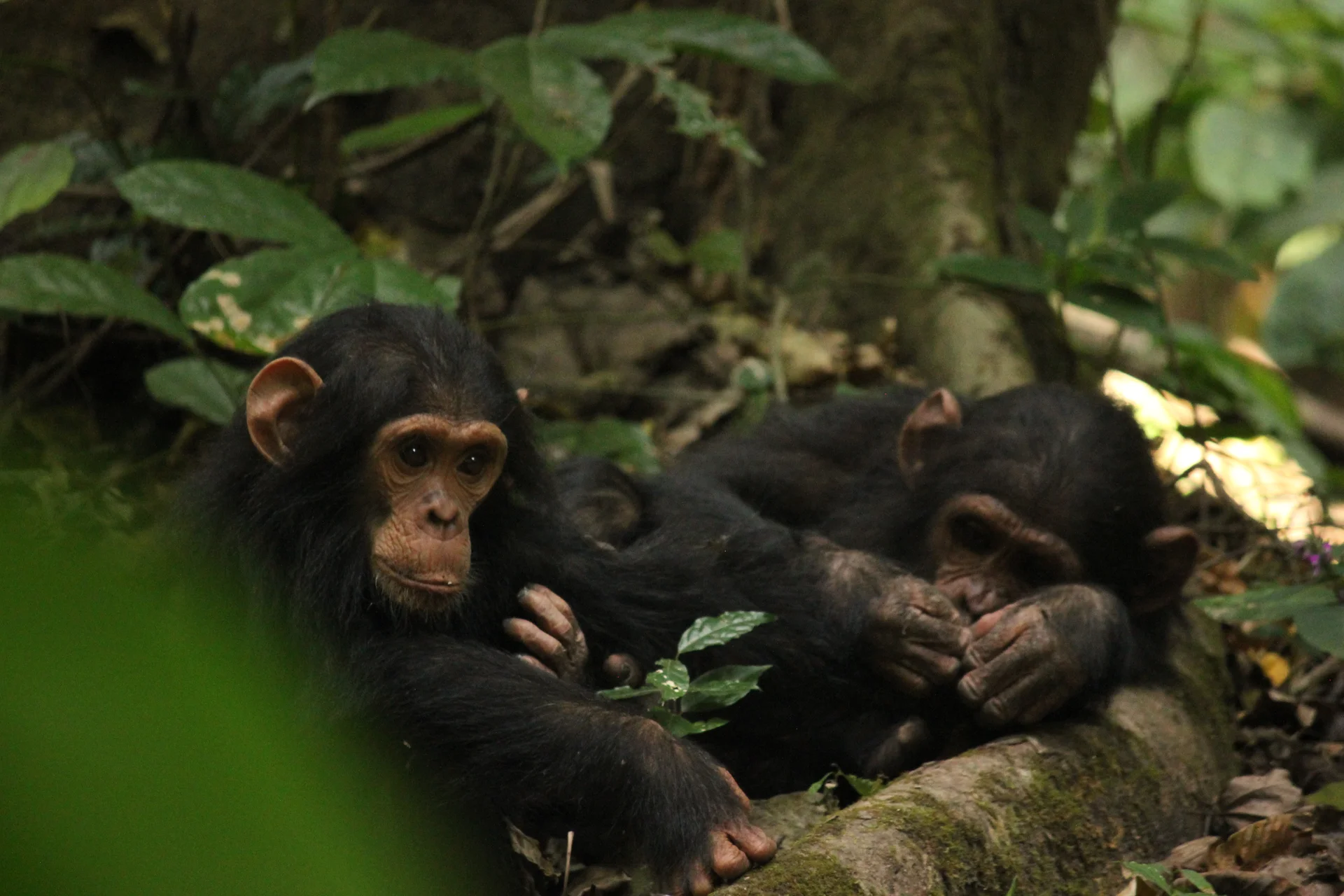 Western Circuit
Gombe Stream National Park, also known as Gombe National Park, combines wild chimpanzee trekking with forested hills and the shores of Lake Tanganyika. In Kigoma…
Wildlife
Chimpanzees & Olive baboons
Landscape
National Parks & Safari
Highlights
Wild chimpanzee trekking with park rangers
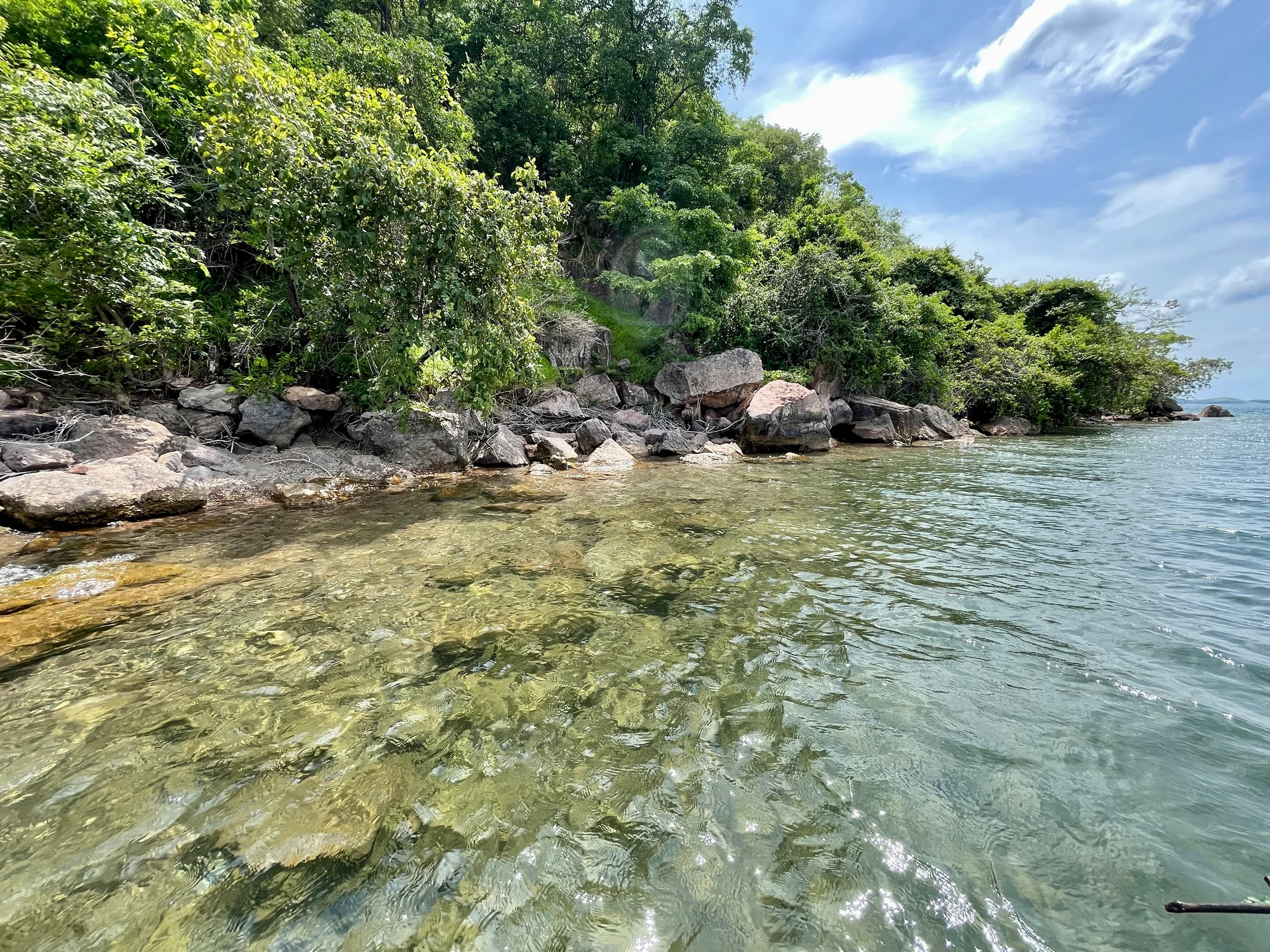 Southern Circuit
Lake Tanganyika offers a striking freshwater setting along Tanzania’s western frontier: broad blue horizons, wooded shores, bays, beaches and communities whose daily life is closely…
Wildlife
Endemic cichlid fish & Other freshwater fish
Landscape
Lakes & Hot Springs
Highlights
Africa’s deepest freshwater lake in the East African Rift
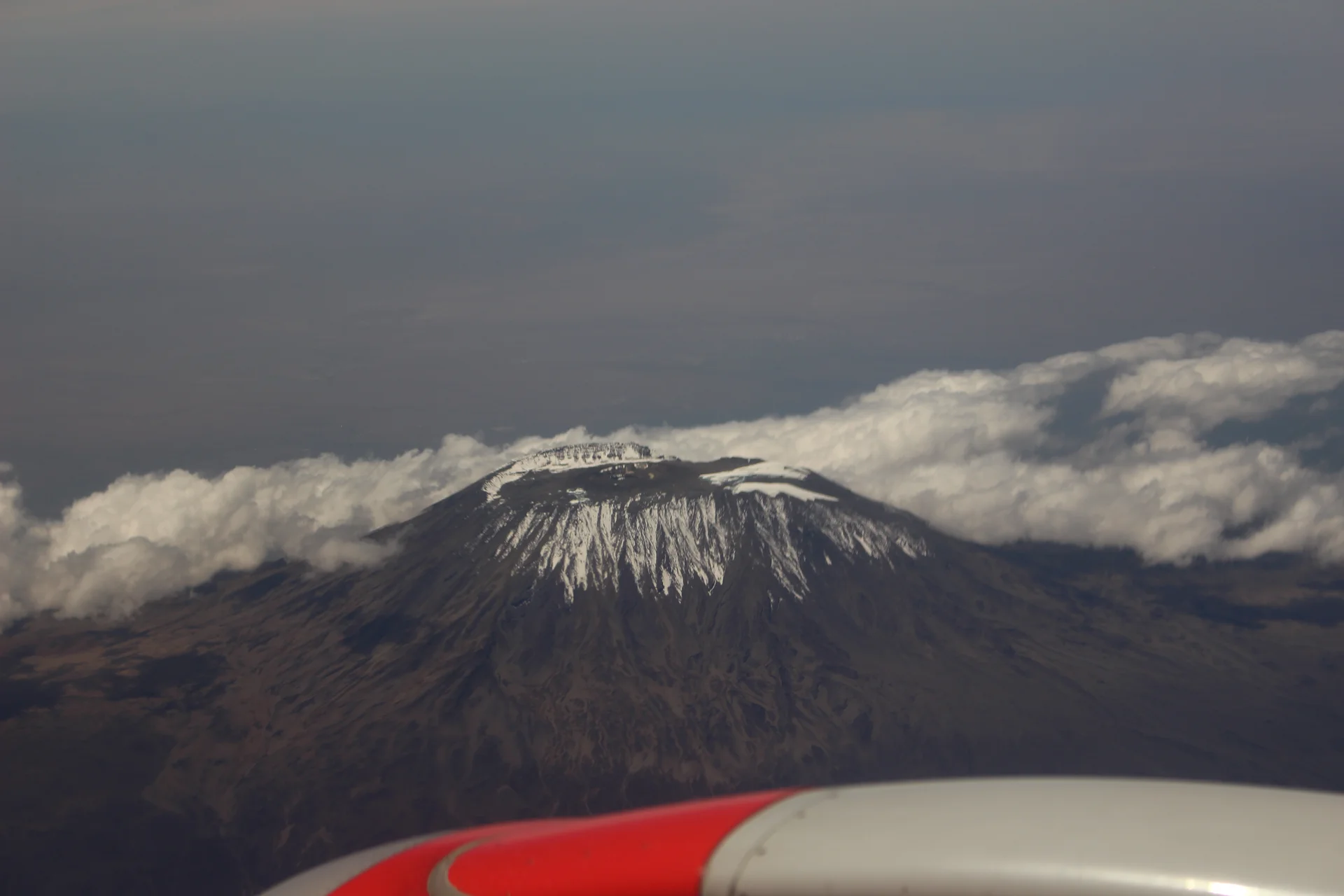 Northern Circuit
Kilimanjaro rises above northern Tanzania’s plains to Uhuru Peak at 5,895 metres, the highest point in Africa. Its volcanic massif, dramatic changes in vegetation and…
Wildlife
Black-and-white colobus monkeys in forest habitats & Blue monkeys in forest habitats
Landscape
Mountains & Trekking
Highlights
Uhuru Peak at 5,895 metres — Africa’s highest point
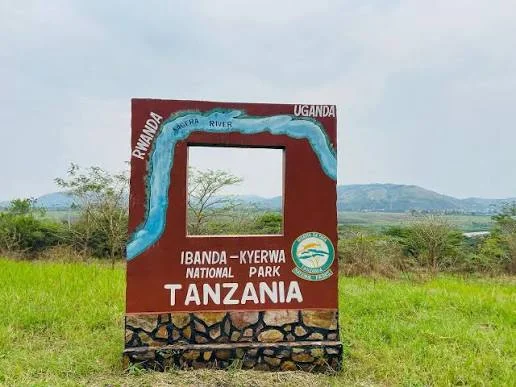 Western Circuit
Ibanda-Kyerwa National Park protects a scenic corner of northwestern Tanzania, where the Kagera River meets a landscape of savanna, wooded slopes, valleys and wetlands. Situated…
Wildlife
Buffalo & Roan antelope
Landscape
National Parks & Safari
Highlights
Kagera River scenery on Tanzania’s northwestern border
 Zanzibar & Islands
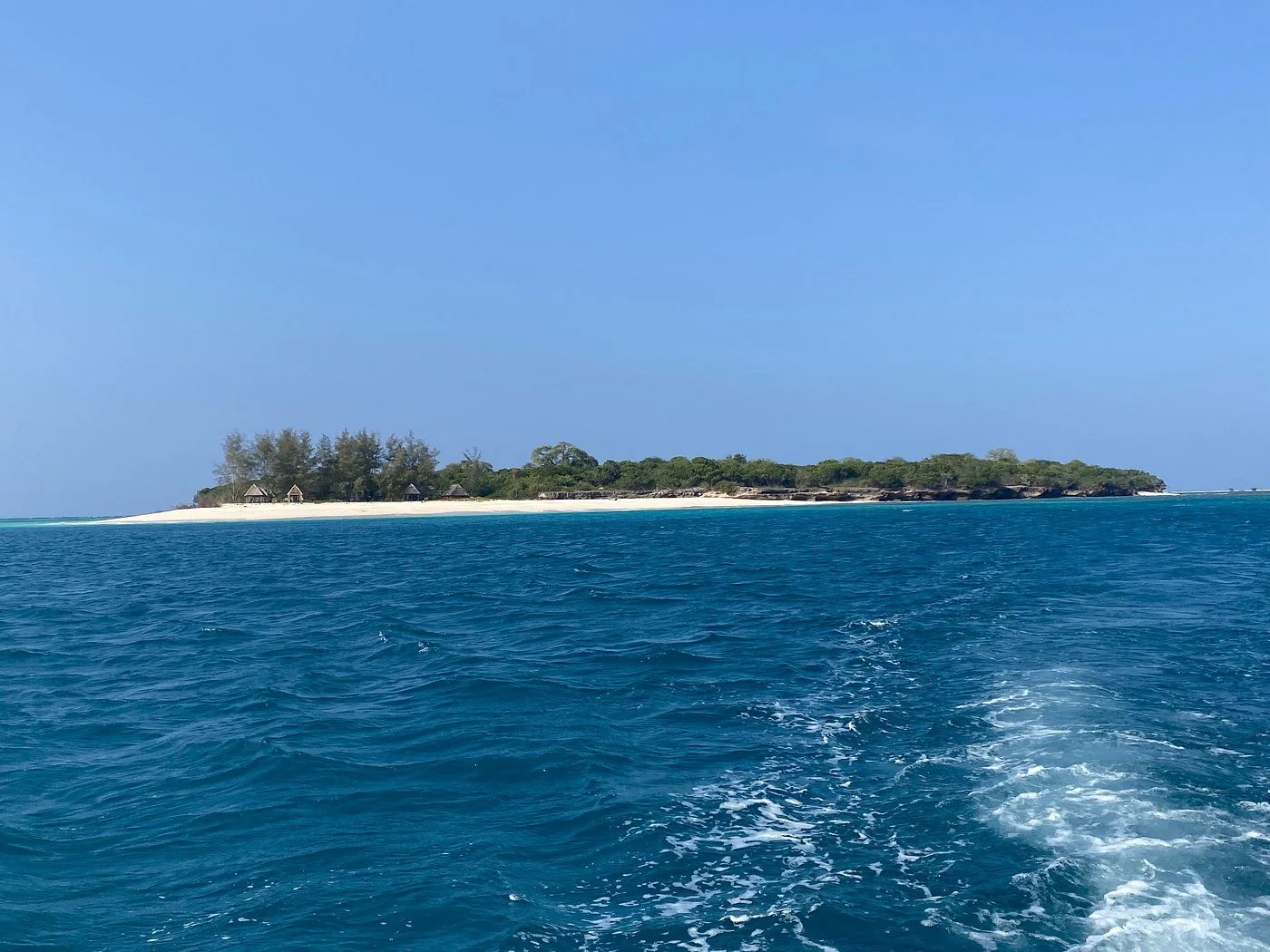
Sinda Island Marine Reserve offers an Indian Ocean escape off Kigamboni, on the southern side of Dar es Salaam. The reserve encompasses Inner and Outer…
Wildlife
Reef fish & Coastal birds
Landscape
Beaches & Islands
Highlights
Inner and Outer Sinda islands
 Northern Circuit
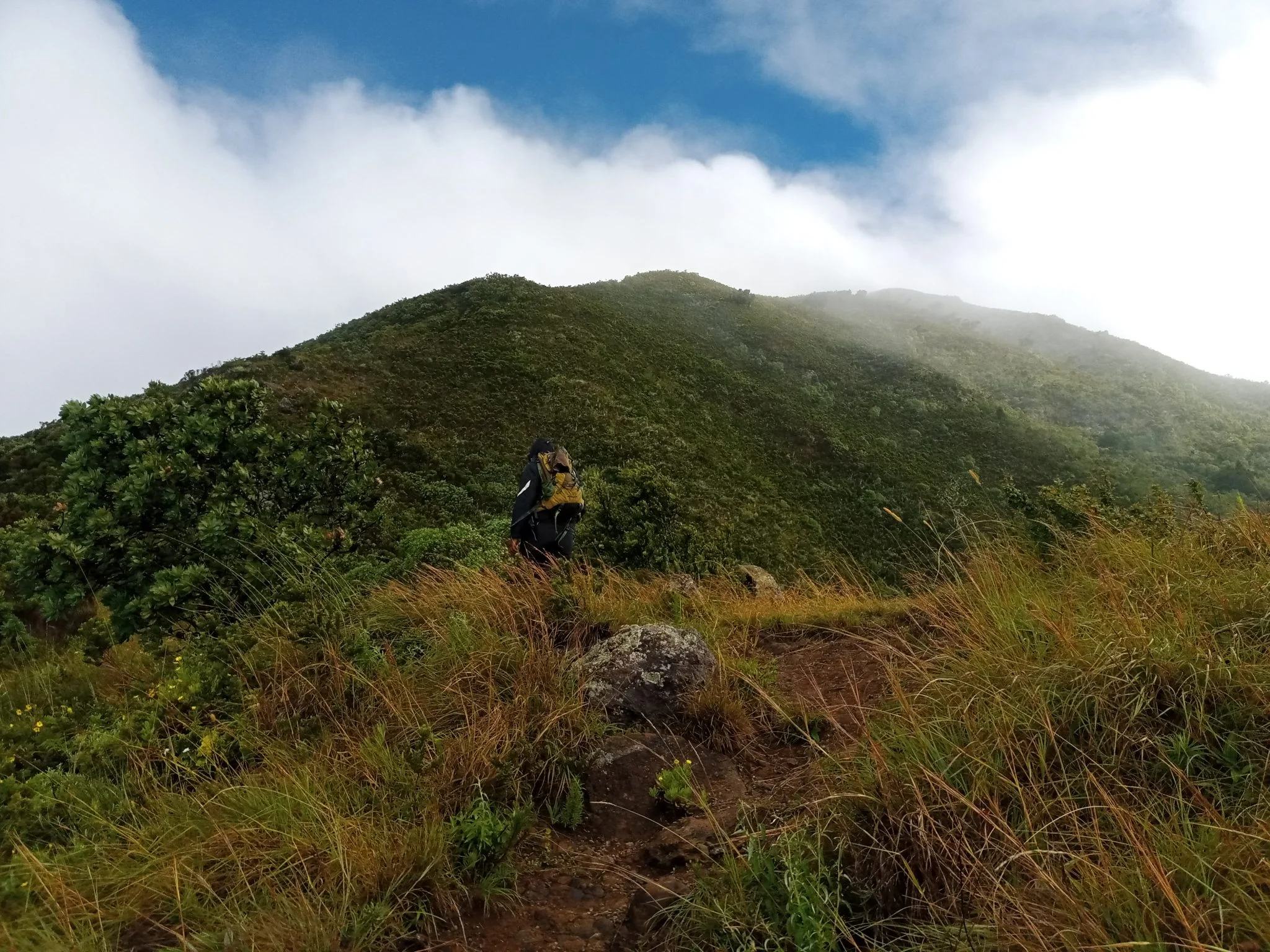
Discover Mount Hanang Rising above Katesh in Tanzania’s Manyara Region, Mount Hanang offers a rewarding mountain adventure beyond the familiar northern safari circuit. At approximately…
Wildlife
Klipspringer & Vervet monkeys
Landscape
Mountains & Trekking
Highlights
Approximately 3,423 metres — Tanzania’s fourth-highest mountain