5.0 Excellent
Tips for Traveling with Children in Tanzania
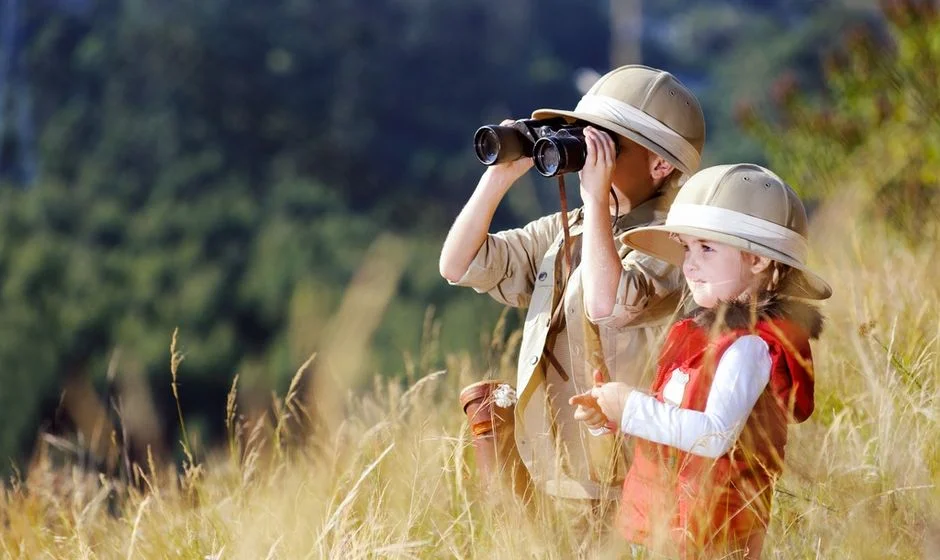
Traveling with children in Tanzania can be a wonderful way to explore wildlife, landscapes, and daily life together. A child may remember a giraffe feeding beside a tree more clearly than a famous landmark. The best family trip leaves time for those small discoveries, as well as rest and play.
Good planning makes the difference. Match the route to your youngest traveller, check each camp’s age rules, and keep long transfers under control. A private guide can help shape the pace, but park rules and safety limits still apply. No safari is risk-free, and no operator can promise a particular animal sighting.
This guide covers age groups, parks, daily schedules, family rooms, health preparation, documents, costs, packing, and a beach extension. It also includes sample routes and exactly 20 FAQs at the bottom. Use the ideas to build a trip around your family’s real needs.
What makes Tanzania rewarding for children?
Tanzania gives families many ways to learn through observation. Wildlife drives, landscapes, community-led visits, and a beach stay can offer different kinds of discovery.
On safari, children can notice how animals move, feed, and use shade. They can draw a bird, compare tracks from the vehicle, or ask why a herd has stopped. There is no need to turn every moment into a lesson. Curiosity grows when there is space to ask questions.
The experience is also shared family time. A quiet view can start a conversation that lasts through dinner. A simple journal can become a record of what each person noticed. Let the children choose some of the subjects that interest them.
Plan around what your family enjoys at home. A child who loves sketching may prefer a long stop. Another may enjoy short games between sightings. A teenager may want photography or a deeper wildlife discussion. These interests can shape the trip without forcing everyone into one style.
What is the best age for a family safari?
There is no single best age for all families. Readiness, health, attention, travel tolerance, and camp rules matter more than a simple birthday threshold.
Babies and toddlers
A trip with very young children needs careful checks for health, feeding, sleep, transport, and accommodation. Discuss the plan with a paediatric travel professional before booking.
Choose fewer bases and allow generous downtime. Confirm cot arrangements, food storage, washing needs, and room access. Ask whether the camp welcomes the exact age of your child. A general claim of being family-friendly is not enough.
Be honest about long road journeys and the limits of a remote camp. You may decide a shorter mainland stay is a better fit. That is a planning choice, not a missed opportunity. The aim is a trip the whole family can enjoy.
Primary-school-age children
Many school-age children enjoy spotting animals and keeping a simple safari journal. Build a mix of drives, breaks, and quiet activities into the day.
Give them a small task, such as finding three different bird colours. Keep it flexible so the drive remains fun. Explain vehicle and camp rules before arrival. Repeat the key instructions calmly rather than assuming one briefing is enough.
Teenagers
Teenagers may enjoy more detailed guiding, photography, and a role in route choices. Ask what they want before finalising the trip.
Some will happily wait at a wildlife sighting. Others may prefer a balance with rest, sport at a suitable hotel, or a beach stay. Agree on phone use and shared family time. Avoid treating every teenager as someone who wants all-day drives.
Why can a private safari help a family?
A private vehicle can make stops and pacing easier to agree. It is useful when children need different breaks from a shared group’s schedule.
Private does not mean you can stop or leave the vehicle anywhere. The guide still follows safe viewing rules, permitted routes, and park hours. Ask how breaks will work and which places are suitable for them.
Confirm what is private in your booking. Airport transfers, road travel, and lodge game drives may use different arrangements. A private room does not prove an exclusive safari vehicle. Get the guest numbers and vehicle use stated in writing.
Share each child’s age and interests with the guide. Explain travel discomfort or the need for a regular rest period. Clear information helps the operator plan meals and drive lengths. The guide should be approachable and comfortable answering simple questions.
How do you keep drives enjoyable?
Begin with manageable drives and adjust to your family’s response. There is no fixed duration that works for every child or every day.
Discuss a morning drive, a rest break, and an optional later outing. The camp’s location must make this practical. Returning for lunch can involve a long drive if the base is far from the viewing area. Ask for the actual travel time.
Use the first full day to see how everyone feels. A child who is tired, hungry, or overwhelmed may need a shorter outing. Ending early can protect interest for the next day. A safari should not become a test of endurance.
Agree on breakfast, lunch, and toilet stops before departure.
Keep water, wipes, and simple activities within easy reach.
Ask the guide for a clear explanation of the day’s plan.
Include birds and landscapes instead of waiting only for big cats.
Keep noise low at sightings and put games away when needed.
Leave room to change the schedule if the family needs rest.
Explain that wild animals follow their own lives. A quiet drive is not a failure. A giraffe, a bird call, or the shape of a baobab can still start a good story.
Which parks suit a family route?
Choose parks by travel time, camp location, interests, and full viewing days. Fewer well-planned stops can work better than a long list of brief visits.
Tarangire: elephants, baobabs, and time to watch
Tarangire can be a rewarding part of a northern family route. Give it enough time for drives and rest rather than treating it as a quick stop.
TANAPA’s Tarangire guide highlights elephants, baobab landscapes, the river, and Silale Swamp. These settings give families plenty to look at. A child can sketch the shape of a tree or watch a herd from the vehicle.
Check where your lodge sits. Travel from a gate to a distant camp can take time. Do not call every Tarangire route short simply because the park is on the northern circuit. Our Tarangire safari guide gives more context for the choice.
Lake Manyara: forest, lake, and habitat contrasts
Lake Manyara can add a different landscape to the trip. Match the visit to current access and your family’s interests.
TANAPA’s wildlife guide describes groundwater forest, wetland birds, hippo areas, and primates. Lions in trees and flamingo gatherings are possible highlights, not promises. Water levels and wildlife movements affect what is seen.
Ask which viewing areas are suitable during your visit. A compact park is not automatically a place where every animal is easy to find. Keep food secure near monkeys and baboons. Follow the guide at picnic sites and permitted boardwalks.
Ngorongoro Crater: a dedicated wildlife day
Ngorongoro can add a crater landscape and a distinct wildlife day. Plan the descent, meals, breaks, and onward travel with care.
The crater is part of the wider Ngorongoro Conservation Area wildlife landscape. Discuss realistic drive time with your guide. Do not promise a rhino, a big cat, or a full checklist within a few hours.
For children, a crater day can be tiring if it also includes a long move to the next camp. Consider staying nearby after the drive. Read our Ngorongoro Crater safari guide before deciding how it fits your route.
Serengeti: more space and a stay worth giving time
The Serengeti can suit families ready for a longer wildlife stay. Choose one seasonal base carefully and avoid unnecessary camp moves.
The Tanzania Tourist Board’s Serengeti guide explains its different regions, resident wildlife, and moving wildebeest herds. Your dates help determine a useful camp location. A migration plan should not promise a river crossing or a hunt.
Road journeys can be long, especially between distant regions. A confirmed flight may reduce some road travel, but it brings airstrip transfers and baggage rules. Give the park several nights when possible. Our Serengeti safari guide can help with the discussion.
When should children travel to Tanzania?
Choose dates by weather, school plans, wildlife interests, and camp access. A popular season is not automatically the right season for every family.
TANAPA’s trip planner describes broad dry and rainy periods. June to October is a common dry-season starting point. Rain can affect tracks and some camp operations at other times. Ask about your exact route rather than a national weather slogan.
If the migration is a main interest, explain that to the planner. The likely herd area changes through the year, and rainfall can shift timing. A school holiday may fit one Serengeti region better than another. Choose the camp accordingly.
Book family rooms early when dates are fixed. Connecting units and larger suites can be limited. Compare the full price and opening dates, not just a headline room offer. Allow time for health and document preparation before the trip.
How do you choose a genuinely suitable family lodge?
Choose a lodge by its exact age policy, room layout, daily routine, and safety arrangements. Confirm the practical details for your own children.
Room layout: are rooms connecting, shared, or separate? Ask about beds and bathrooms.
Age policy: which ages may stay, and which activities have extra limits?
Location: how far is the camp from the gate, airstrip, and main drive areas?
Meals: can the kitchen arrange early meals and your dietary needs?
Rest: is there a shaded place for a quiet afternoon?
Water: what pool supervision and safety arrangements apply?
Night routine: are escorts required between rooms and common areas?
“Children welcome” does not mean supervised childcare is included. If you need it, ask who provides it, when it runs, and what it covers. Do not assume staff will supervise at the pool or during free time.
Room photos may not show stairs, steep paths, or long walks between buildings. Ask about access if that affects your family. Get clear answers before paying a deposit. A good match matters more than a star rating.
What do real camp policies show?
Camp age rules and activity rules can differ. These examples show why you need exact confirmation rather than a general family-friendly label.
Oliver’s Camp currently lists children aged five and older for stays. Its walking safari has a separate minimum age of 12 and seasonal conditions. A child eligible to stay may still be unable to join that walk.
Lemala Mpingo Ridge lists a two-bedroom suite option. Nimali Tarangire describes family suites with connected space. These layouts can help, but you still need bed arrangements, age terms, and activity details for your dates.
Check policies again when booking, since they can change. Do not treat these examples as the only suitable options. The right camp depends on your route, budget, and the way your family likes to travel.
What health preparation do children need?
Arrange a pre-travel consultation for each child using the exact route and dates. A clinician should assess vaccines, malaria prevention, medicines, and any ongoing health needs.
The CDC’s family travel guide recommends reviewing routine vaccines, travel risks, and access to medical care. Share each child’s age, weight, health history, and planned activities. Start early enough to complete any recommended preparation.
Use CDC’s child travel vaccine guidance for questions to discuss with your clinician. Vaccine timing and eligibility can vary by age. Yellow fever entry rules also depend on where you travel from and transit. Do not assume that every visitor needs the same vaccine.
Keep a written plan for regular medicines and emergencies. Ask which symptoms need urgent care and where to go. Tell the operator about needs that affect meals, rooms, or activity planning. Share only the details needed to arrange suitable support.
How should families plan for malaria and mosquito bites?
Malaria prevention needs personal medical advice and bite prevention together. Do not choose a child’s medicine or dose from a general safari blog.
CDC’s Tanzania travel guidance identifies malaria risk in parts of Tanzania, including many common travel areas. Give the clinician your full mainland and island route. A luxury room or a dry-season trip does not remove that risk.
The CDC malaria chapter explains that prevention for children depends on the child and destination. Ask the clinician about suitable medicine and an age-appropriate repellent. Follow the prescription and product directions.
Use the room’s screens or mosquito nets as instructed and wear suitable covering clothes. If a child develops fever during or after travel in a malaria-risk area, seek prompt medical assessment and mention the trip. Do not wait for several safari days to pass before asking for help.
How do you plan food, water, and daily comfort?
Agree on meals, safe drinking water, and snacks before the trip. Keep the routine simple and share allergies or feeding needs in advance.
Ask what water is supplied in the vehicle and at camp. For infants, discuss feeding and water needs with a clinician. Familiar food may help during a long journey, but storage and preparation still matter. Do not assume a rural camp stocks your usual formula or special food.
Choose snacks that suit the child’s age and allergy needs. Whole nuts and other choking hazards are unsuitable for some young children. Keep food secure around wildlife. Do not give snacks to monkeys, baboons, or other animals.
Build handwashing into meal breaks. Keep a small day bag with wipes, spare clothes, and any needed personal supplies. Pack a familiar comfort item. The aim is to make the day easy, not to carry a whole playroom into the vehicle.
Protect time for shade and rest in warm weather. Use sun protection suitable for the child, following professional and product advice. Ask for a break before tiredness becomes a problem. A comfortable family is more likely to stay interested in the wildlife.
What should you confirm about vehicles and child seats?
Confirm working seat belts and an age-appropriate child restraint before booking road transport. Check compatibility with the exact vehicle rather than assuming a seat can be fitted.
CDC’s child passenger guidance explains the need for a restraint suited to age and size. Ask the operator to explain the restraint arrangement for transfers and game drives. If you bring your own seat, discuss fitting and storage in advance.
Agree on safe behaviour in the vehicle. Children should not lean out, move around while it is travelling, or use the viewing roof without the guide’s instructions. A parent holding a child does not replace a suitable restraint.
Ask about breaks on long road journeys and luggage space. Check whether a flight could reduce a particularly demanding transfer. Compare the whole journey, including airports and airstrip drives. Flying is a transport choice that still needs clear planning.
Which documents should a family prepare?
Check passports, visa eligibility, tickets, and any consent documents for each traveller. A child’s entry needs should be checked separately from the parents’.
Use Tanzania Immigration Services and the relevant embassy for current rules. Requirements depend on nationality and travel circumstances. Check passport validity, blank pages, and whether each person needs a visa. Confirm transit rules as well.
If one parent, a relative, or another guardian travels with a child, ask the airline and relevant authorities about consent and proof of relationship. Do not assume that carrying a surname match is enough. Equally, do not rely on a blog claiming one universal form works for every route.
Check the exact names on passports, flights, and bookings.
Confirm visa needs and application timing for every family member.
Keep return or onward travel details accessible.
Carry any required vaccination certificate for your route.
Check consent, custody, or birth-record needs for your circumstances.
Keep secure backup copies of essential documents.
UK government entry guidance is a useful reference for British passport holders. Other families should use advice that applies to their own nationality. Recheck close to departure, since entry rules can change.
What insurance rules apply to a family trip?
Check mandatory inbound cover and your family’s wider travel insurance. Include every child and read the benefits, exclusions, and emergency process.
From 1 October 2026, mainland Tanzania’s inbound insurance requirement applies to eligible foreign visitors, subject to exemptions. A Tanzanian embassy notice identifies NIC for mainland entry and ZIC for Zanzibar entry.
NIC’s official explanation states that a visitor with valid required cover for the first entry can travel onward between the mainland and Zanzibar without buying the mandatory cover again, subject to its terms. Keep certificates accessible and check current child eligibility and pricing through the official provider.
For mainland-first travel, use the official NIC portal. For Zanzibar-first travel, use the official Zanzibar portal. Recheck the rules for your dates and circumstances.
Mandatory cover should not be assumed to meet every family need. Check your wider policy for medical care, evacuation, cancellation, baggage, and planned activities. Ask about pre-existing conditions and exclusions. Save the assistance number and understand how to request help.
A sample eight-day family safari
This route gives families time in Tarangire, a separate crater day, and a Serengeti stay. Adjust it to the youngest traveller and exact camp locations.
Day 1: arrive near Arusha. Rest, unpack essentials, and review the trip with your guide or contact. Avoid forcing an activity after a tiring flight.
Day 2: travel to Tarangire. Allow time for breaks and arrival. Add a manageable drive if the family is comfortable and the schedule permits.
Day 3: enjoy a full Tarangire day. Split viewing and rest in a way the camp’s location supports. Let the children ask questions and choose a journal subject.
Day 4: move to a Ngorongoro-area base. Keep the day’s plan modest. Prepare for the crater outing and confirm meals and breaks.
Day 5: dedicate the day to the crater. Follow a realistic drive plan and return to the nearby base. Avoid adding a long Serengeti move to the same day.
Day 6: travel to your Serengeti camp. Treat this as a transfer day with viewing opportunities, not a full settled park day. Confirm the route’s length for the exact base.
Day 7: spend a full day in the Serengeti. Choose a pace the family can enjoy. Take a break when needed rather than pushing through fatigue.
Day 8: depart by a confirmed route. Check the airstrip or road transfer and onward connection. Allow a sensible time margin.
This example gives two nights in the Serengeti. Add a third night if you want another full day and the budget allows. For younger children, a shorter route with fewer parks may work better. Your operator should explain both options.
What could a shorter family route look like?
A shorter trip can focus on Tarangire and a Ngorongoro-area base. It may suit families who want fewer long transfers.
Consider a rest night near Arusha, two nights for Tarangire, and two nights near Ngorongoro. Give the crater its own day. Depart by a schedule that fits your flight. This is a planning suggestion that needs checks for each base and transfer.
Lake Manyara may be an alternative or a carefully planned extra stop. Do not add it simply because it is nearby on a map. Count the time for entry, driving, meals, and the next transfer. A relaxed holiday can include fewer parks and still feel full.
How can children learn without getting bored?
Use small games and open questions that fit the real scene. Keep the activities quiet and let the guide lead when wildlife appears.
Safari journal: draw one animal and write a detail about its behaviour.
Bird colours: find a few colours through binoculars without chasing a sighting.
Landscape sketch: draw a baobab, hill, or river view from a permitted place.
Guide question: let each child ask one question at a quiet moment.
Photo story: older children can choose three frames that explain a day.
Evening recap: each person shares a favourite moment and something new they learned.
Avoid competition that rewards shouting or spotting animals at any cost. The point is curiosity, not winning. If a child wants a break from the notebook, put it away. Simply enjoying the view is enough.
Prepare for nature’s harder moments too. Predators may hunt, and dead animals may be seen. Ask the guide to explain sensitively and give children a chance to look away. Follow their response rather than forcing a dramatic scene.
How should families approach community visits?
Choose a visit arranged with the hosts’ participation and consent. It should give children a respectful way to meet people, not treat a community as a display.
Ask how the visit works, what it costs, and who benefits. Let hosts decide whether photos or demonstrations are welcome. Explain to children that daily life is not a performance owed to visitors.
Learning a greeting or asking a thoughtful question can start a warm exchange. Avoid handing out sweets or gifts at random. If you want to support a local project, discuss an established approach with the operator and community.
School visits need particular care. Do not interrupt lessons or photograph pupils without proper permission. A family holiday should respect other children’s privacy and routine.
Should you add Zanzibar after the safari?
A beach stay can give the family a change of pace after wildlife drives. Choose the hotel, transfer, and water activities with the same care as the safari.
Check room layout, pool arrangements, shade, and the time from airport to hotel. Ask how the beach’s tides and conditions affect swimming. A photo of blue water does not show every part of the daily experience.
For any boat trip, confirm suitable child-size life jackets, operator arrangements, weather checks, and age limits. CDC’s drowning prevention guidance calls for close, constant adult supervision around water. Assign a responsible adult who stays focused on the children rather than a phone. Do not assume a hotel or boat crew provides childcare.
Choose manageable outings with time to rest. A short guided visit can work better than a full day of activities after a long safari. Avoid experiences that chase or touch marine wildlife. Quiet observation fits the same respect used in the parks.
CDC’s Tanzania guidance advises against swimming in untreated freshwater lakes, rivers, or ponds because of infection risks. Use suitable managed swimming settings and local safety guidance. Discuss specific water plans with your clinician before travel.
What should you pack for children?
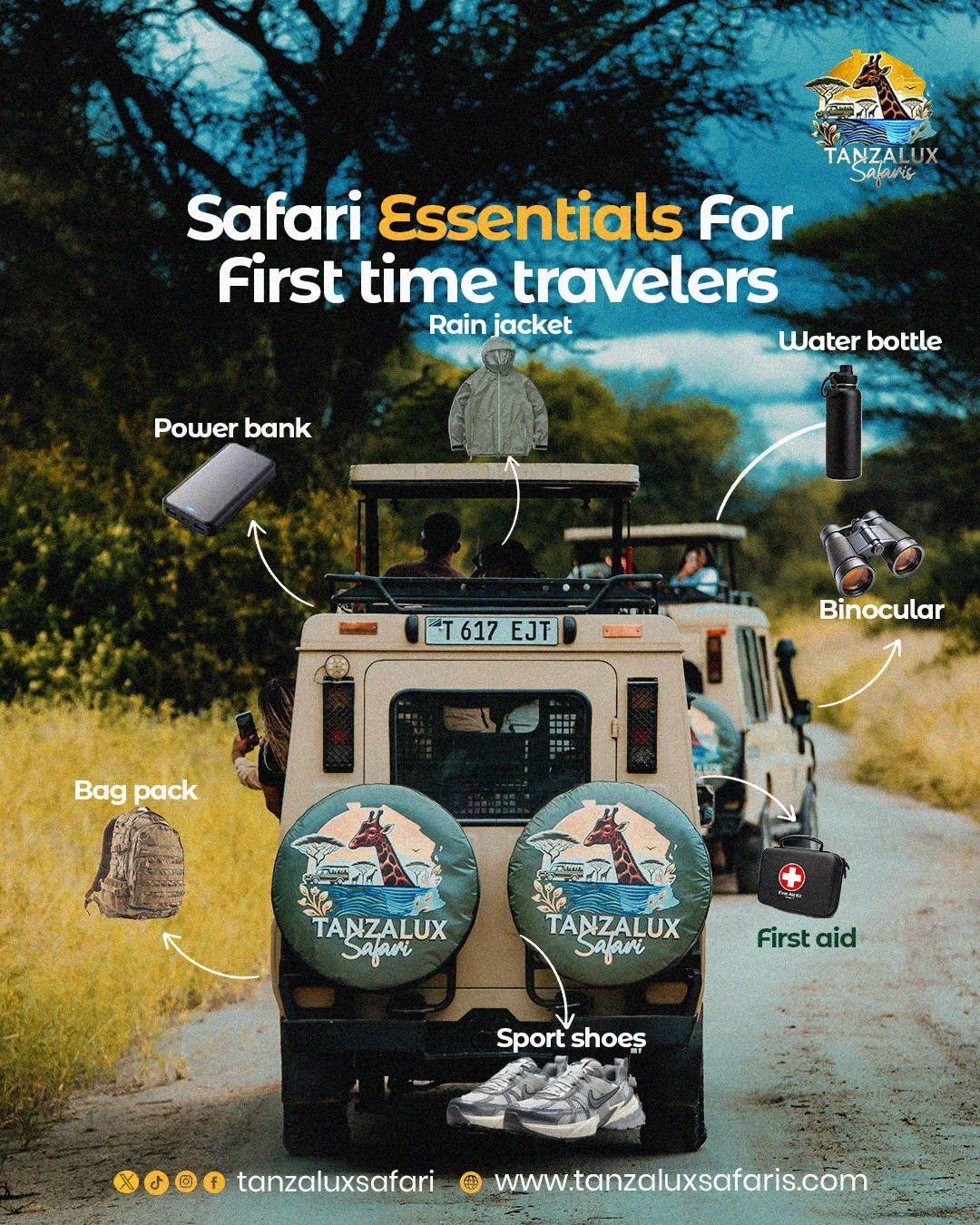
Pack for comfort, routine, and the route you will actually take. Keep the most useful items in a small day bag.
Light layers, a warm top, and a light rain shell.
Sun hats, comfortable shoes, and suitable sun protection.
Age-appropriate repellent chosen with professional advice.
Spare clothes, wipes, and feeding or toileting supplies.
Familiar snacks suited to allergies and age.
Binoculars, a notebook, pencils, and a small quiet activity.
A comfort toy or bedtime item.
Prescribed medicines, written instructions, and essential health details.
Chargers, spare power, and dust protection for devices.
Carry enough essential supplies for travel delays. Keep medicines secure and out of children’s reach. Check the carrier’s cabin rules and any paperwork needed for medicines. Do not leave vital items only in checked luggage.
For a light-aircraft route, confirm bag type, dimensions, and weight with the booked airline. Decide what you can leave at a storage point if one is arranged. Pack around confirmed limits rather than a general safari allowance.
How much should a family safari cost?
Request a quote using every child’s exact age and your room needs. Family costs depend on transport, camps, season, and activity rules.
Do not assume one child discount applies everywhere. Lodges, parks, airlines, and activities can use different age bands. Ask how sharing with adults affects the price. Check supplements if the room layout needs another unit.
Vehicle and guide arrangements, including private or shared use.
Road transfers, flights, and airstrip pickups.
Park entry and any other applicable government charges.
Room layout, beds, meals, drinks, and laundry terms.
Child rates and charges for each planned activity.
Insurance, visa costs, and other excluded expenses.
Deposit, cancellation, and amendment terms.
Compare the whole plan rather than a low per-person headline. A distant camp may add transfer time. An extra family room can change the total. Good value should include a pace and service level your family can use.
What safety habits should children learn?
Teach a few clear rules before the trip and repeat them at each camp. Adults remain responsible for close supervision.
TANAPA’s visitor guidance requires safe wildlife viewing and permitted exit points. Stay inside the vehicle at sightings. Never feed, call, touch, or approach animals. Keep food secure, especially around primates.
Follow camp escorts and night-time instructions. A garden, deck, or pool beside wildlife habitat is not automatically a free-play space. Ask staff where the family may move and when an escort is needed.
At the pool or beach, use active adult supervision. Check the setting and conditions rather than relying on the presence of other guests. Around roads and parking areas, keep young children close. A calm routine helps them understand what to do.
Plan your family trip with TanzaLux Safaris
Share your dates, children’s ages, starting point, budget range, and main interests. Tell us what a comfortable day looks like for your family.
Mention any room, dietary, access, or transport needs before the route is finalised. We can discuss park choices, base locations, private vehicle options, and a beach extension. Ask for a plan that shows full drive days and realistic transfers.
Review the details together before booking. A family trip should have room for unexpected wildlife moments and an ordinary need for rest. Contact TanzaLux Safaris to discuss a Tanzania journey built around your children and the whole family.
20 frequently asked questions about traveling with children in Tanzania
These answers cover common family planning choices. Confirm current camp policies, entry rules, and health advice for your exact route and dates.
1. Is Tanzania safe for children to visit?
A well-planned guided trip can manage many risks, but travel is not risk-free. Follow wildlife rules, supervise closely, and prepare for health, road, and water risks.
Check current official travel advice for the places you will visit. Avoid any blanket promise that all routes and activities are equally safe.
2. What age should children be for safari?
There is no single best age. Consider readiness, health, travel tolerance, and the camp’s minimum age alongside the activities you want.
Very young travellers need extra checks for feeding, sleep, restraints, and medical care. Older children also benefit from a route matched to their interests.
3. When is a good time for a family trip?
June to October is a common dry-season starting point. Other periods can suit different wildlife and scenery interests, depending on the route.
Check current weather patterns, camp openings, and school dates. If migration viewing matters, choose the Serengeti region to fit the season.
4. How long should a family safari last?
Choose a length that allows viewing and rest without too many transfers. A shorter route with fewer parks may suit younger children.
Compare full park days rather than package length alone. Add a night where it makes a demanding transfer or activity day easier.
5. Is a private vehicle worth considering?
Yes. It can make pacing, stops, and viewing priorities easier to agree as a family. The guide still follows park rules and safe routes.
Confirm private use for each part of the trip. Transfers and lodge drives may have different arrangements.
6. Which parks should families consider?
Tarangire, Lake Manyara, Ngorongoro, and the Serengeti can fit northern routes. Choose by interests, transfer time, camp location, and available days.
You do not need all four. Give fewer places enough time rather than rushing between many brief visits.
7. Can younger children enjoy the Serengeti?
They can on a suitable plan, subject to camp rules and health preparation. Long transfers and the chosen camp location need careful thought.
Consider whether a confirmed flight helps, and check its full schedule. Keep enough time at one base to avoid constant moves.
8. How long should each game drive be?
There is no fixed ideal length. Start with a manageable outing and adjust to energy, interest, comfort, and the day’s conditions.
Agree on breaks before departure. Returning to camp is practical only if its location fits the route.
9. How do I choose a family lodge?
Check age rules, room layout, meals, access, and night-time arrangements. Ask which spaces and activities are suitable for your children.
Do not assume childcare, pool supervision, or connecting rooms are included. Confirm them separately if you need them.
10. Can children join walks or balloon flights?
Only if they meet the activity’s age, safety, and participation rules. A camp’s child stay policy does not automatically allow every activity.
Confirm current limits and booking conditions for the exact provider. A guided walk is separate from a normal game drive.
11. Should I arrange a child car seat?
Yes, where a child needs an age- and size-appropriate restraint. Confirm a compatible seat and working belts for the booked vehicle.
Discuss installation before travel, including any seat you bring. Holding a child is not a substitute for a suitable restraint.
12. What health checks should I arrange?
Book a pre-travel consultation using each child’s age, weight, health history, and route. Discuss vaccines, medicines, and access to care.
Start early and follow the clinician’s advice. Keep a plan for ongoing medicines and urgent medical needs.
13. Do children need malaria prevention?
Many Tanzania routes include malaria-risk areas. A clinician should assess suitable prevention for each child and the exact itinerary.
Combine prescribed measures with bite prevention. Seek prompt medical assessment for fever during or after travel in a risk area and mention the trip.
14. What documents do children need?
Check passports, visa eligibility, tickets, and any consent or relationship documents for each traveller. Requirements depend on nationality and travel circumstances.
Ask the airline and relevant authorities about one-parent or guardian travel. Do not assume the parents’ documents cover the child.
15. What insurance should I arrange for children?
Check required inbound cover and wider family travel insurance. Make sure every child is correctly included and understand the terms.
Use the official provider for your first point of entry. Confirm current exemptions, child pricing, emergency assistance, and any additional cover you need.
16. What should I pack for a family safari?
Bring layers, hats, comfortable shoes, suitable sun and bite protection, spare clothes, and essential personal supplies. Add a small quiet activity and familiar comfort item.
Keep important medicines and documents accessible. Confirm baggage limits if your route uses light aircraft.
17. Can lodges handle allergies or special food needs?
Some can, but you must confirm the exact need with each camp. Share clear information before booking and ask about preparation and storage.
Do not assume special food or infant formula will be stocked. Agree on a practical plan with the operator and clinician where needed.
18. How do I keep children interested?
Use short games, drawing, simple questions, and a safari journal. Let the guide and real wildlife scene shape the activity.
Keep it quiet at sightings and allow downtime. Interest often lasts longer when the day does not feel like a test.
19. Should we add a Zanzibar beach stay?
A beach extension can offer a change of pace. Check the hotel, tides, pool arrangements, transfers, and the suitability of planned water activities.
Use close adult supervision and suitable child-size life jackets on boat trips. Do not assume a resort provides childcare or lifeguards.
20. How do I plan and budget a family safari?
Share dates, exact ages, room needs, interests, and budget with TanzaLux Safaris. Request a route with realistic transfers and full viewing days.
Review child rates, private services, fees, inclusions, and cancellation terms. Confirm the whole written plan before booking.
.jpg?alt=media&token=95a5caed-fa4c-47ac-a42e-c42ac61e6b69)
Ready to start planning?
Tell us your dates and what you're after — no obligation.