5.0 Excellent

What to Pack for Tanzania: Safari, Zanzibar & Kilimanjaro
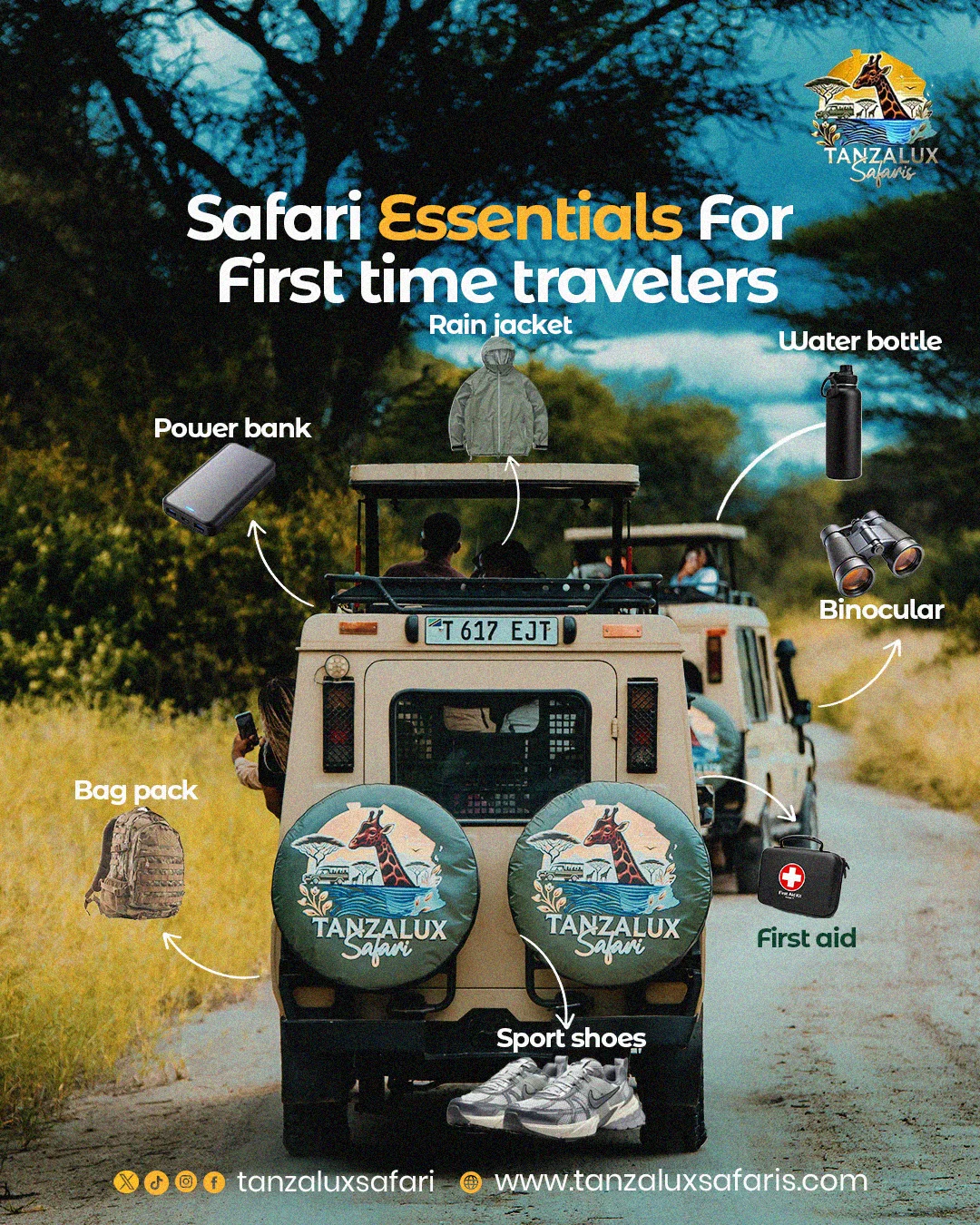
What should you pack for Tanzania? Start with light clothes, a warm layer, closed shoes, sun protection, and your travel documents. Then add beach items for Zanzibar or a full mountain kit for Kilimanjaro.
A good packing list follows your route, not just the weather forecast. A dawn game drive, a humid coast, and a cold mountain camp need different gear. You can still travel light if you plan your layers and laundry.
This Tanzania guide gives you a clear base list, three trip-specific checklists, and 20 FAQs. Use it alongside your airline baggage rules and your trek team’s final kit briefing.
How do you plan your Tanzania packing list?
List each part of your trip before you buy or pack anything. Note your flights, nights, activities, and laundry stops. The strictest baggage rule may shape the whole trip.
Write down every flight, including small safari aircraft.
Check the weight and size limits on each ticket.
Ask whether cameras and hand luggage count toward the limit.
Confirm which lodges offer laundry and how long it takes.
Separate essential gear from items that are merely nice to have.
Check what your lodge, boat crew, or trek team provides.
Lay everything out at home, then pack and weigh it. Include the bag itself, shoes, chargers, and camera kit. Leave room for small purchases rather than filling every gap.
Which luggage works best in Tanzania?
A soft-sided bag is often practical for safari transfers. It fits more easily into tight spaces. However, your booked carrier’s current rules take priority over any general packing tip.
Coastal’s standard baggage policy lists a 15 kg limit. This is a carrier-specific example, not a rule for all Tanzania flights. Other tickets, aircraft, and fare types can have different allowances.
Ask about total weight, dimensions, hand luggage, and any extra allowance before paying for a flight. Extra weight is not always possible, even if you are willing to pay.
A wheeled case may work well for a hotel-based beach stay. For a mixed trip, check that it also suits the safari leg. Do not assume your international allowance applies on a small domestic plane.
What belongs in your hand luggage?
Keep documents, essential medicines, valuables, and a change of clothes with you. Follow airline rules for liquids, batteries, and sharp items.
Passport and required travel confirmations.
Insurance details and key contact numbers.
Personal medicines in labelled packaging.
Phone, charging cable, and permitted spare batteries.
Glasses or other essential personal aids.
A light layer and one change of clothes.
Pack with a delayed checked bag in mind. If you are climbing, discuss how to protect essential fitted items such as boots. Do not begin a trek with missing safety gear simply to keep to a schedule.
Which documents should you bring?
Carry your passport, required entry documents, booking details, and insurance records. Keep secure offline copies as a backup. Requirements depend on nationality, route, and the date of travel.
Before leaving, check Tanzania Immigration guidance and the entry advice that applies to your passport. Review transit requirements too. Do not rely on an old blog for visa eligibility or document validity.
Zanzibar has a separate mandatory inbound insurance requirement for visitors covered by its rules. Check current Zanzibar Insurance Corporation guidance and keep the required confirmation. This does not replace checking your wider travel cover.
For Kilimanjaro, ask your insurer whether the policy covers your route, planned altitude, rescue, and medical evacuation. Check exclusions in writing rather than assuming ordinary holiday cover is enough.
How should you handle money and valuables?
Bring more than one payment method and keep them apart. Confirm which currencies and cards your booked services accept. Avoid assuming every lodge, shop, or guide can take the same payment.
Ask the operator about current Tanzania payment rules and how to settle your balance. Arrange small local purchases and tips through appropriate payment methods. Do not rely on a blanket claim that US dollars work everywhere.
Keep only the day’s spending money within easy reach. Leave costly jewellery at home. Store backup cards and copies separately, and know how to contact your bank if a card is lost.
What clothing do you need for a Tanzania safari?
Choose breathable clothes that layer well and dry quickly. A warm top is useful for cool starts, while long sleeves and trousers help cover skin during outdoor time.
For about a week with a confirmed laundry stop, the list below is a sensible starting point. Adjust it for your route, habits, and how often you can wash clothes.
Three lightweight tops, including long-sleeved options.
Two pairs of comfortable trousers.
One pair of shorts for suitable lodge or leisure settings.
One fleece or warm sweater.
One light windproof layer, plus rain protection if needed.
Enough underwear and socks between laundry stops.
Sleepwear and a swimsuit if your lodge has a pool.
Muted colours such as beige, olive, and light brown are practical for dust and walks. You do not need a full wardrobe of specialist safari clothes. Fit and comfort matter more than a matching outfit.
Use layers you can remove without a full change of clothes. Keep the warm top accessible in the vehicle. High-elevation overnight stops can feel much cooler than the plains.
Which shoes work for a safari?
Comfortable closed shoes suit many vehicle-based safaris. Guided walks may need stronger grip or more support. Ask about the actual ground and walking distance before choosing footwear.
Take light sandals for suitable lodge areas if you use them. Avoid bringing several bulky pairs for the same purpose. Wear your walking shoes at home first to check for rubbing.
What goes in a game-drive day bag?
Carry the things you need between lodge stops, not your whole suitcase. Keep the bag small enough to sit safely beside you without blocking shared space.
Drinking water and any agreed snacks.
Hat, sunglasses, and sun protection.
A warm layer and light rain shell as needed.
Camera, binoculars, and spare memory card.
A soft cloth and dust cover for equipment.
Personal essentials and a small bag for litter.
What should you pack for Zanzibar?
Pack light clothes, swimwear, a cover-up, and comfortable shoes. Add modest outfits for Stone Town and village visits. Beach clothing does not suit every setting.
Two swimsuits if you want one to dry between uses.
Light tops and loose trousers, skirts, or dresses.
Clothes that cover shoulders and knees for town visits.
A sun hat and sunglasses.
Sandals and shoes with grip for walking.
A compact rain layer and a small dry bag.
Ask your hotel about dinner dress codes rather than packing formal clothes by default. Choose pieces you can wear in more than one setting. A light shirt can work as both a sun layer and a cover-up.
For boat trips, protect your phone from splashes and avoid loose valuables. Check whether towels and snorkel gear are supplied. If you bring your own mask, test the fit before travel.
Water shoes may help on suitable rocky entry points, but they do not make coral safe to stand on. Follow your guide’s instructions and avoid touching marine life. Use clothing and shade as well as sunscreen.
What should you pack for Kilimanjaro?
Kilimanjaro needs a dedicated mountain kit, not extra safari clothes. Confirm every item with your trek operator. Your route, season, fit, and tolerance for cold all matter.
This section is a planning framework, not a final safety approval. Have the team check your equipment before the climb. Resolve missing or unsuitable gear before you enter the park.
How should your mountain layers work?
Use a base layer for moisture, warm middle layers, and outer protection from rain and wind. Make sure the layers fit together without restricting movement.
Quick-drying base tops and bottoms.
Fleece or other warm mid-layers.
A warm insulated jacket approved by your trek team.
A hooded waterproof jacket and waterproof trousers.
Trekking trousers and suitable walking tops.
A warm hat, sun hat, and neck or face cover.
Inner gloves and warm outer gloves or mitts.
Enough hiking socks, with a dry pair kept for camp.
Try the full system on before departure. Check that your shell fits over the warm jacket. Practise using zips and your headlamp while wearing gloves.
Do not judge warmth from the word “winter” on a label. Ask your operator to review the actual item and its condition. A light city jacket may not meet the needs of a summit night.
Which boots and sleep gear do you need?
Bring well-fitting, worn-in hiking boots and a sleeping bag approved for expected conditions. Check the bag’s comfort rating, not only its extreme survival rating.
Try boots with the socks you plan to wear. Test them on slopes and longer walks. Keep toenail care and blister prevention in mind before travel, not only on the mountain.
Ask which sleeping mat is supplied and whether you need anything extra. If renting a sleeping bag, confirm the model, size, condition, and cleaning arrangements. Inspect it before the trek begins.
What other mountain gear is essential?
Your team should give you a route-specific list. Confirm what is supplied, what you carry, and what can be rented before purchasing bulky equipment.
A comfortable daypack with rain protection.
A suitable duffel and reusable waterproof packing sacks.
A headlamp with compatible spare power.
Trekking poles if recommended and familiar to you.
UV-protective sunglasses.
A drinking system suited to cold conditions.
Personal hygiene items and a small towel.
Snacks that you already know you enjoy.
Ask about water provision and how to keep it accessible in freezing weather. Keep daily essentials in your own pack. You may not have access to the porter-carried bag during the walk.
Confirm the permitted duffel weight with your operator. Do not confuse your personal bag allowance with the full load a porter carries. Pack within the agreed limit and support fair load practices.
What health and comfort items should you pack?
Bring your usual medicines, sun protection, insect repellent, and a personal first-aid kit suited to your needs. Seek travel-health advice well before departure.
A clinician can review vaccines, malaria prevention, and medicine choices for your Tanzania route. Keep medicines in labelled packaging and check any import requirements. This packing guide cannot replace personal medical advice.
For mountain trips, discuss altitude risk before booking. Fitness and warm gear do not prevent altitude illness. Tell your guide promptly if you feel unwell, and follow the team’s safety plan.
Useful comfort items may include blister dressings, lip balm, hand cleaner, and spare contact-lens supplies. Choose products you have used before. Keep essential items accessible rather than buried in the main bag.
Which electronics are worth bringing?
Bring only the devices you will use and check how each one charges. Ask your accommodation about sockets and power hours. An adapter changes plug shape, not voltage.
Read the input label on each charger before travel. A device that is not compatible with the local supply may need more than an adapter. Avoid carrying high-power appliances unless you have confirmed they are suitable.
Check your airline’s current rules for power banks and spare lithium batteries. These usually belong in cabin baggage, subject to capacity and quantity limits. Protect terminals and keep labels readable.
Back up key documents and maps for offline use. Carry spare camera storage rather than relying on fast internet at each camp. Protect equipment from dust, rain, and salt spray.
How do you pack for a combined Tanzania trip?
Build one small everyday wardrobe, then add only the specialist items each activity needs. Do not pack three complete holiday wardrobes.
Safari and Zanzibar
Combine a safari clothing set with swimwear and modest town clothes. Reuse light shirts and trousers. One pair of walking shoes and suitable sandals may cover most plans.
Safari and Kilimanjaro
Prioritise your approved mountain kit, then keep safari clothes simple. Ask whether non-trek items can be stored securely. Confirm where and when you will collect them.
Safari, Zanzibar, and Kilimanjaro
Plan luggage storage around the full route before you fly. Check every transfer and baggage limit. Rental gear may reduce bulk, but availability and fit must be confirmed.
Never reduce safety-critical mountain gear to meet a flight limit. Instead, discuss storage, approved extra baggage, or a different transfer plan. The logistics should fit the safe kit, not the other way round.
What can you leave at home?
Skip items with no clear role in your itinerary. Heavy duplicates add weight without improving the trip. Keep essentials, but question every “just in case” extra.
Several pairs of heavy jeans.
Large bottles when small refills will last.
Costly jewellery and unnecessary valuables.
Multiple chargers that do the same job.
Formal outfits with no planned use.
New footwear you have not tested.
Use reusable packing sacks and check current Tanzania restrictions on plastic carrier bags. Do not assume every plastic item is treated the same way. Check rules for drones and other regulated equipment before bringing them.
How can TanzaLux Safaris help you prepare?
Ask TanzaLux Safaris to match your packing plan to your booked route. Share your activities, flights, and needs so the advice is specific to your trip.
Request written details on baggage limits, laundry, included equipment, and rental options. For a climb, ask for the final kit list and pre-trek inspection. Confirm any special needs early.
Contact TanzaLux Safaris for trip-specific packing guidance. Include your travel dates and whether your Tanzania holiday covers safari, Zanzibar, Kilimanjaro, or all three.
Tanzania packing FAQs
These 20 answers cover common packing choices. Your confirmed airline rules, entry requirements, and trek briefing should always guide the final bag.
1. What are the main Tanzania packing essentials?
Start with documents, personal medicines, light clothes, a warm layer, closed shoes, and sun protection. Add equipment for your booked activities, then check the total weight.
2. Do I need special safari clothes?
No complete specialist wardrobe is needed. Comfortable, breathable clothes often work well. Choose practical layers and check footwear needs for any guided walks.
3. How many clothes should I bring?
Pack for the gap between laundry stops, not necessarily every day away. Confirm service and drying time first. Carry spare essentials in case washing is delayed.
4. Is a soft bag compulsory?
It depends on the carrier and aircraft. Soft bags are often easier to handle on safari. Check the exact size, shape, and weight rules on your booking.
5. Do all safari flights allow 15 kg?
No. Some use that limit, but fares and airlines differ. Confirm whether hand luggage and camera gear are included in your total allowance.
6. Can I pay for excess baggage at check-in?
Do not rely on it. Space and aircraft weight can limit what is accepted. Arrange any extra allowance in advance and obtain confirmation.
7. Do I need a warm jacket in Tanzania?
A warm layer is useful for cool starts and highland stays. Kilimanjaro needs much more insulation than a normal safari. Follow the mountain kit list.
8. Are boots needed for every safari?
No. Many vehicle-based trips suit comfortable closed shoes. Walks on rough ground may require more grip or support. Ask your guide about the terrain.
9. What should I wear in Stone Town?
Choose light, modest clothes that cover shoulders and knees. Wear comfortable shoes for walking. Keep swimwear for appropriate beach and pool settings.
10. Should I bring my own snorkel mask?
It is optional. A well-fitting personal mask can be useful, but check what your excursion includes. Test it before departure and avoid packing unused gear.
11. Are water shoes essential in Zanzibar?
They may help at some beach entry points. Ask about your specific beach and activity. They do not make it acceptable to stand on coral.
12. Can I rent Kilimanjaro gear?
Rental may be available through your operator. Confirm sizes, quality, price, and availability before travel. Inspect key items during the pre-trek check.
13. Which sleeping bag should I bring?
Use one your trek team approves for the route and conditions. Discuss its comfort rating and your needs. A survival rating is not a comfortable sleeping temperature.
14. Can I wear new boots on Kilimanjaro?
Avoid starting with untested boots. Use them on several walks before travel and check the fit with your trekking socks. Resolve pressure points early.
15. Does good equipment prevent altitude sickness?
No. Gear helps with weather and comfort but does not remove altitude risk. Seek medical advice before the trip and report symptoms to your guide promptly.
16. Do I need a travel adapter?
Check your charger plugs against the sockets at your stays. Bring a suitable adapter if needed. Also check voltage compatibility, as an adapter alone does not convert voltage.
17. Where should I pack a power bank?
Follow your airline’s current lithium battery rules. Power banks usually travel in cabin baggage, with capacity and quantity limits. Protect the terminals against short circuits.
18. Should I bring cash or cards?
Plan more than one payment method. Check current local rules and what your booked providers accept. Keep backup funds separate and avoid carrying unnecessary cash.
19. Can I store luggage during a climb?
Ask your hotel or operator before arrival. Confirm security, any charge, and collection plans. Do not leave valuables or essential documents without a suitable arrangement.
20. How do I get a tailored Tanzania packing list?
Send TanzaLux Safaris your route, travel dates, flights, and activities. Include any personal needs. Ask the team to confirm luggage limits and supplied equipment.
Final checks before you close your bag
Weigh the packed bag, check your documents, and test key equipment. Keep essential items within reach. Leave enough time to fix anything missing.
Confirm each airline’s baggage rules.
Save key documents securely offline.
Test footwear, layers, chargers, and headlamp.
Check laundry, storage, and rental arrangements.
Review your final mountain kit with the trek team.
Keep space for flexibility rather than more outfits.
The best Tanzania packing list is one you can use with confidence. Keep it focused on your real itinerary. Plan your trip with TanzaLux Safaris and confirm the details before you travel.
Ready to start planning?
Tell us your dates and what you're after — no obligation.