5.0 Excellent

What to Wear on a Tanzania Safari: The Ultimate Guide
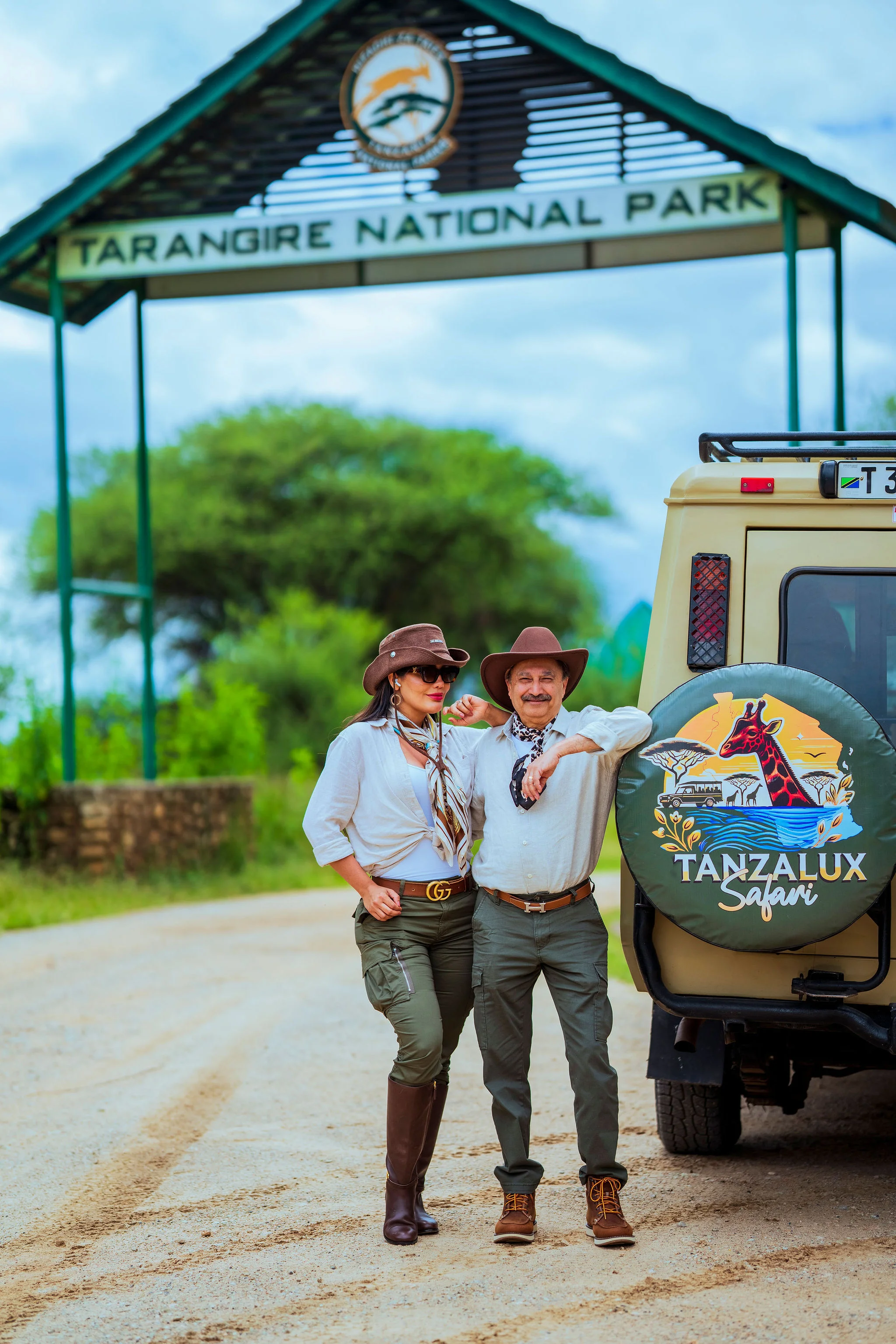
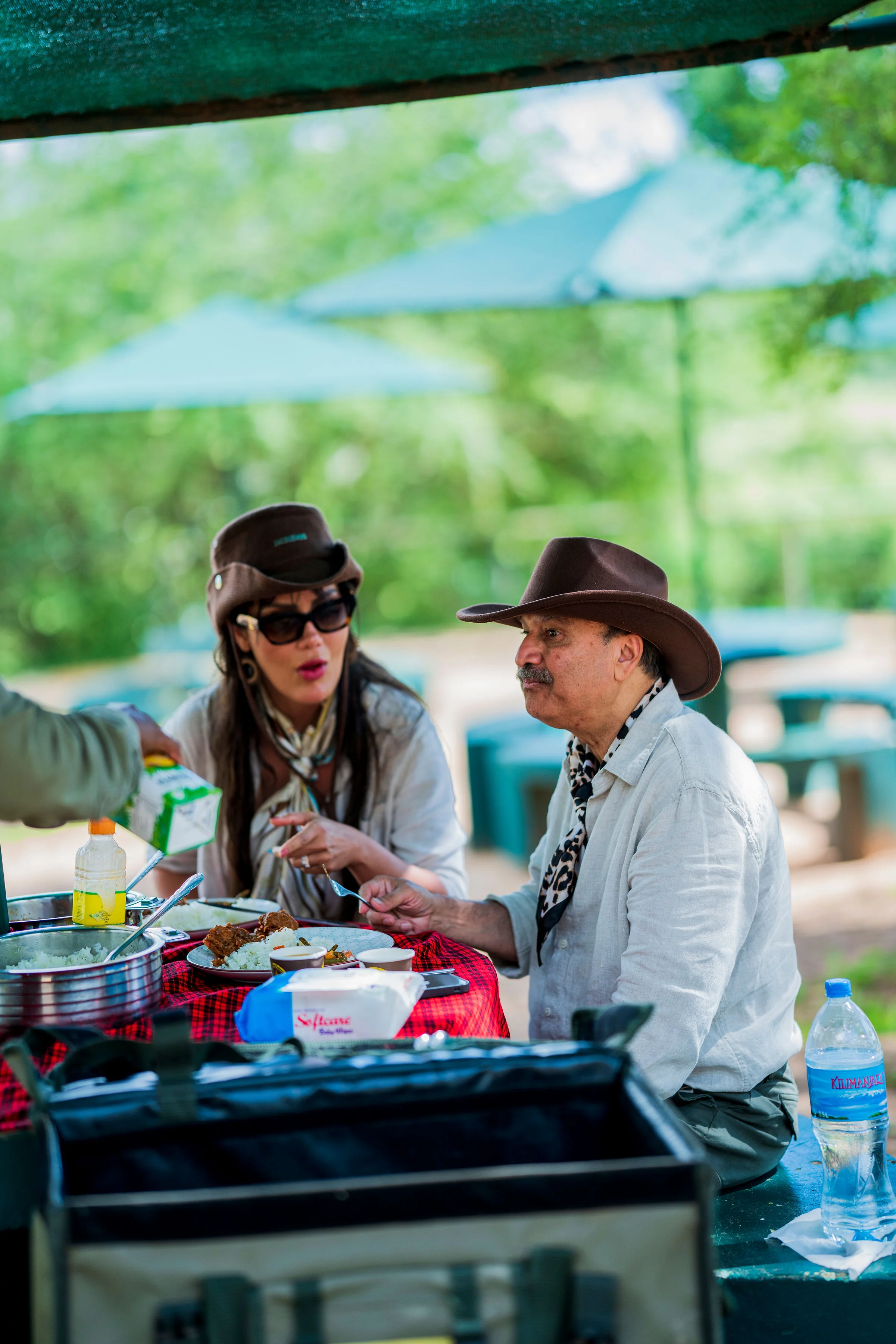
The best Tanzania safari clothing is comfortable, easy to layer and suited to your actual route. Start with muted colours, long trousers, breathable tops, a warm layer, a light rain shell and well-worn closed shoes. Add a sun hat and a small selection of clothes for camp.
You do not need a new wardrobe or a head-to-toe khaki uniform. Choose pieces you can sit in for hours, move in easily and wear more than once. Your packing plan should also account for laundry, baggage limits, the season and any walking or beach days.
This guide explains what to wear on a Tanzania safari, with a practical safari packing list, advice for different parts of the day and sample packages. It also covers village visits and Zanzibar so you can prepare for the whole holiday.
Plan your safari with TanzaLux and ask for clothing advice matched to your route.
Tanzania safari clothing: the essentials at a glance
For game drives: a comfortable top, long trousers and closed shoes.
For cool starts: a fleece or warm mid-layer with a wind-resistant outer layer.
For sun: a secure hat, sunglasses and covered skin where practical.
For rain: a packable shell that fits over your other layers.
For camp: clean casual clothes and comfortable footwear.
For town or village visits: clothes that cover shoulders and knees.
For a beach extension: swimwear, a cover-up and separate town clothing.
Think of these as functions rather than seven separate outfits. One pair of trousers and a shirt can work for a drive, a transfer and a casual evening.
What should you wear on a game drive?
Choose an outfit that stays comfortable when seated. Check the waistband, seams and pockets before you travel. If a shirt pulls at the shoulders when you lift binoculars, it may not be your best choice.
Nomad's Tanzania safari advice recommends neutral colours, long sleeves and trousers, comfortable sturdy shoes, a hat and a warm layer for early mornings. These are useful basics; the right combination depends on conditions.
For Tanzania safari clothing, aim for freedom of movement without loose fabric that catches on handles. Keep a layer within reach instead of burying it in the main bag.
Try a complete outfit at home. Sit in it, bend your knees and wear the shoes for a long walk. Comfort you have tested is more useful than an outfit bought only for its safari look.
Which colours work best?
Muted beige, olive, stone and similar shades are practical choices. They mix easily and tend to show dust less dramatically than very dark or bright clothing.
Colour also matters in areas with tsetse flies. The CDC Yellow Book advises neutral colours and notes attraction to bright or dark colours, particularly blue and black.
That does not mean every item must be the same shade. Build your main Tanzania safari clothing kit around a few muted pieces, then use your guide's local advice when choosing what to wear each day.
Leave military-style camouflage at home and choose plain fabrics. You can create a useful safari wardrobe without needing specialist patterns.
Fabrics: breathable, practical and easy to wear again
Look for clothing that feels good against your skin and suits the day's conditions. A fabric that dries readily can be useful when you are moving between camps or washing a small item yourself.
Do not make every piece as thin as possible. For tsetse protection, CDC guidance notes that flies can bite through thin fabric and recommends medium-weight clothing. A woven long-sleeved shirt and trousers can therefore be worth packing alongside lighter layers.
When choosing Tanzania safari clothing, balance coverage with comfort. Avoid a heavy, stiff outfit that you find too hot to keep on. Pack options so you can adapt rather than depending on one fabric for every situation.
Check care labels before travel. If an item needs special washing or takes a long time to dry, consider whether it earns its place in a small bag.
How to use safari layers through the day
Start with a breathable base, add a warm layer and keep an outer shell handy. You can remove pieces as the day warms, then put them back on later.
For a cool morning, try a shirt, fleece and wind-resistant shell. For a warmer midday drive, the shirt and trousers may be enough. The same system works better than packing a completely different outfit for each hour.
Tanzania safari clothing should allow space between layers. Test your shell over the fleece, not just over a T-shirt. If the sleeves feel tight, the system will be awkward when you need it.
A small scarf or neck covering can add comfort in wind or dust. Keep it secure and within the vehicle; avoid loose ends that catch on equipment.
What shoes should you bring?
Your safari shoes should fit well and already be broken in. For a mainly vehicle-based trip, comfortable closed trainers or similar sturdy shoes may suit better than heavy new boots.
For a guided walk, ask the provider about the route, surface and footwear requirements. Grip, support and fit matter. A walking safari can need a different shoe choice from sitting in a vehicle.
Access 2 Tanzania's packing guidance includes comfortable sturdy shoes, breathable socks and a lighter option for relaxing.
Build Tanzania safari clothing around what you will actually do. One useful closed pair and one light camp or beach pair often serve a trip better than several pairs chosen for appearance.
Wear socks you have tested with the shoes. Pack enough to change into a dry pair when needed, and keep wet footwear separate from clean clothes.
What to wear for lodge evenings
Most of your packing can remain simple. A clean shirt or top with trousers, a comfortable dress or a skirt can provide a fresh change after a dusty day.
Check the specific property's dining expectations before packing formal clothes. Do not assume a luxury lodge needs a jacket, heels or a separate evening outfit every night.
Keep a warm layer ready for dinner and the return to your room. Highland stays and exposed camp areas can feel different from a warm afternoon drive.
Your evening Tanzania safari clothing can overlap with the rest of the kit. Choose one or two pieces that feel good and work with the shoes you already plan to bring.
Clothing and insect-bite precautions
Long sleeves, trousers and socks are useful coverage. Fit and fabric matter as well as colour, and no outfit prevents every bite.
CDC notes that repellents and treated clothing are not particularly effective against tsetse flies, though they can help against other insects. Use products according to their labels and follow local advice; do not assume a treated shirt makes other precautions unnecessary.
For personal travel-health advice, including malaria prevention, consult a travel clinician before departure. This guide helps with clothing choices rather than replacing that advice.
Keep Tanzania safari clothing practical: have a covered option ready and ask your guide about conditions in the areas you are visiting.
What should women and men pack?
The core kit is much the same for any traveller: comfortable layers, trousers, closed shoes and sun protection. Fit and personal preference matter more than a gender label on the garment.
If useful for you, choose supportive underwear or a sports bra that feels comfortable on bumpy roads. Test it with your seated outfit before packing.
A loose dress, skirt or casual shirt can work for camp or town when its coverage suits the setting. Shorts may be comfortable in some situations, but keep long trousers available for coverage and local visits.
For children, apply the same Tanzania safari clothing principles in washable pieces. Keep a spare set where it is easy to reach and allow for laundry delays.
A practical clothing list for a 7-day safari
This is a starter list for one adult on a mainly vehicle-based trip. It assumes some rewearing and a workable mid-trip laundry option. Adjust it for your needs, route and the confirmed laundry service.
Four tops: for example, two long-sleeved shirts and two lighter tops.
Two or three pairs of trousers: comfortable enough for long seated days.
One optional pair of shorts: for suitable camp or leisure settings.
One fleece or other warm mid-layer.
One packable rain and wind shell.
One secure sun hat and sunglasses.
Five to seven sets of underwear and four to six pairs of socks, adjusted to laundry plans.
One pair of worn-in closed shoes and one light camp or beach pair.
Sleepwear and one casual evening combination, using existing pieces where possible.
Optional swimwear and cover-up if your booked stays or beach plans call for them.
The goal of a Tanzania safari clothing list is a small set that works together. Lay it all out, build several combinations and remove duplicate pieces before adding more.
Laundry: what should you check?
Ask each camp whether laundry is available, what it costs and how long it takes. Do not assume every property provides the same service or accepts every item.
For example, Asilia's guest FAQ describes hand-washed laundry dried outdoors, weather-dependent turnaround and a policy of not washing underwear. That is a provider-specific example, not a rule for all camps.
For your Tanzania safari clothing plan, keep a clean spare shirt, underwear and socks even when laundry is included. Avoid sending everything away just before a move to the next camp.
If you plan to wash small items yourself, check what facilities and drying arrangements are available. Let clothes dry fully before packing when you can.
Luggage limits and your first-day outfit
Check the baggage conditions of every booked transport service. Ask about weight, dimensions, bag style and whether the limit includes hand luggage and camera equipment.
Some light-aircraft services use stricter limits than your international flight. There is no single universal allowance in this guide. Confirm the actual operating carrier and the conditions of your booking before choosing a bag.
Soft-sided luggage can also be easier to fit into a road safari vehicle, as Access 2 Tanzania notes. Still, ask about your vehicle's space rather than assuming any size will work.
Keep a small Tanzania safari clothing backup in your permitted hand luggage. Include a change of essentials and a layer for the first transfer, while following all carrier rules.
How should you adapt for weather and route?
Check the forecast close to departure, then review it against the places and activities on your itinerary. A warm coast, an exposed morning drive and a highland lodge do not call for exactly the same outfit.
Cool or windy starts: keep your warm layer and shell close to hand.
Wet conditions: make room for a rain shell, dry socks and a way to separate damp items.
Dusty drives: choose easy-care pieces and protect the clean spare set.
Walking: follow the activity provider's clothing and shoe advice.
Mountain trekking: request a separate Kilimanjaro or Meru equipment list.
Tanzania safari clothing for a game drive is not a complete mountain kit. If your holiday includes a climb, give that stage its own detailed preparation.
Seasonal Tanzania safari clothing: dry, wet and highland days
Dry-season safari outfits
For Serengeti planning, TANAPA identifies June to October as the dry season. That is a broad planning guide, not a promise of dry weather every day. Keep a light shell in the bag and check the forecast for each stop.
Try a muted shirt, long trousers and well-worn closed shoes as your base. Add the fleece for an early drive, then remove it when you feel warm. Choose pieces you can rewear between confirmed laundry stops. Keep one clean set out of the dusty day bag.
Outfits for rain and greener months
Build around the same base rather than adding a second wardrobe. Make sure your rain shell fits over the warm layer. Test the hood and zip before you travel, and keep dry socks easy to reach.
Choose clothes whose care labels suit your wash plan. If you wash an item yourself, allow time for it to dry before the next move. A reusable wet pouch helps separate damp items during a transfer. Air them when you can instead of leaving them sealed for days.
Highland stays and a Zanzibar finish
A highland lodge and a warm beach day call for different layers. Keep Tanzania safari clothing flexible by packing a warm top that fits under your shell. Ask the lodge about the conditions expected during your stay, especially if you plan to sit outdoors after dark.
For Zanzibar, add a small set of beach clothes and a cover-up. Keep a loose sleeved top and trousers or a longer skirt for town visits. You can build several safari outfits from the same pieces, leaving room for the few items needed only on the coast.
What to wear in villages, towns and Zanzibar
Pack at least one outfit with shoulders and knees covered for town and village visits. Loose trousers or a longer skirt with a sleeved top are useful options.
The UK's Tanzania travel guidance advises modest dress, particularly away from tourist resorts in Zanzibar and Pemba. Ask your local host about any extra requirements at religious or cultural sites.
A beach extension needs more than swimwear. Add a cover-up, suitable town clothes and footwear for the outings you actually book. Change or cover up before leaving the beach or resort setting for local streets.
Your Tanzania safari clothing can do double duty here. A loose shirt and trousers may work for both a drive and a town visit, saving space for the items unique to the coast.
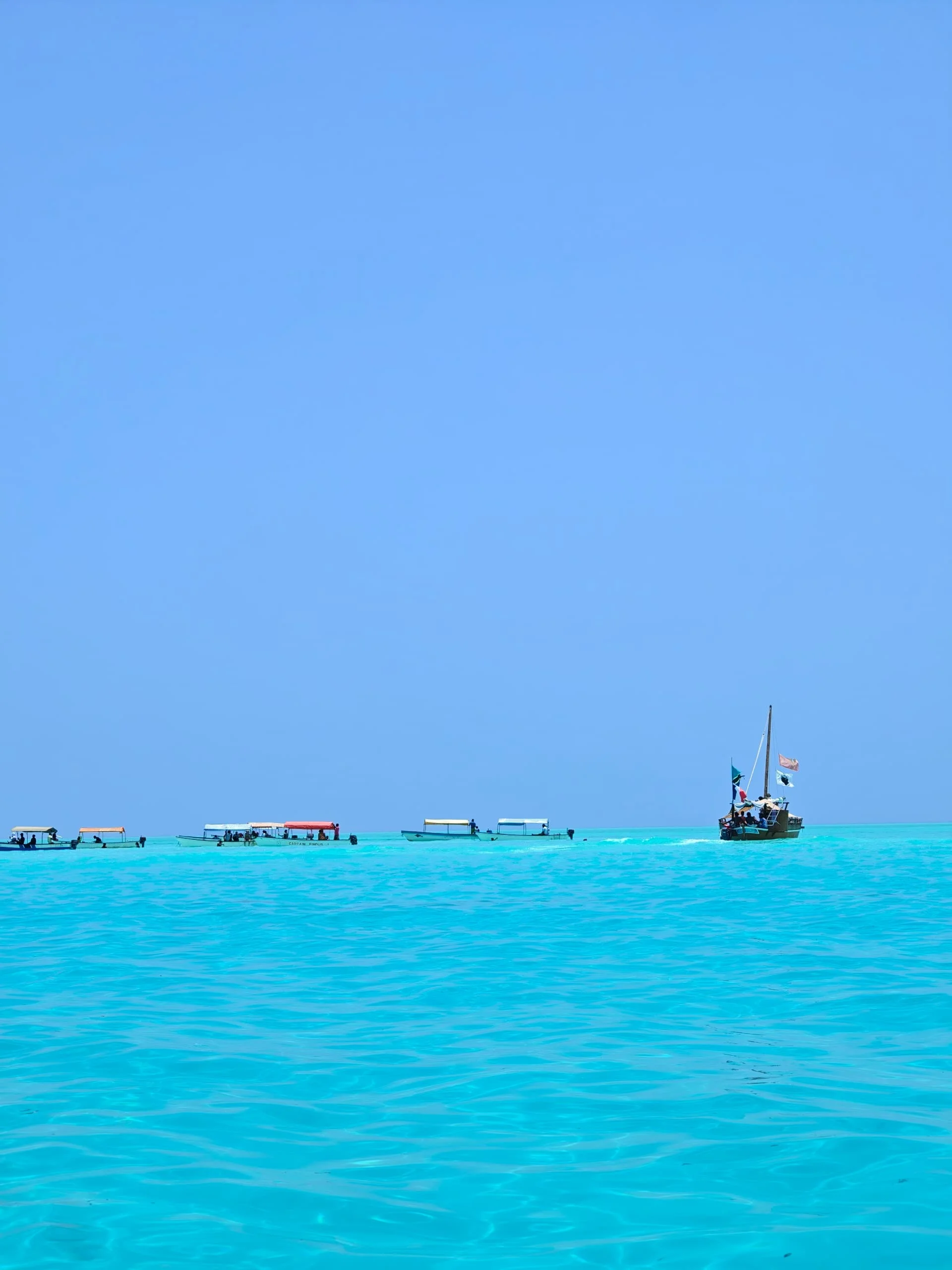
A Zanzibar extension adds coastal time. Pack beach items alongside modest clothing for town and village visits.
What can you leave at home?
Start with the items that do not match your actual plan. A safari does not require a new outfit for every drive.
New shoes that have not been tested.
Several heavy pairs of boots for a vehicle-only trip.
Bulky formal clothes without a confirmed reason to wear them.
Large amounts of valuable jewellery.
Military-style camouflage when plain clothing does the job.
A full set of separate clothes for every camp.
Before buying specialist Tanzania safari clothing, look through what you own. Spend on a gap that affects comfort, such as a good fit or a missing warm layer.
A simple outfit plan for one day
Early drive: wear trousers, a shirt, closed shoes and socks. Add the fleece and shell if the morning calls for them. Keep your hat and sunglasses ready.
Midday: remove layers as needed and put them in a reachable bag. Keep a covered option available rather than leaving it back at camp.
Evening: change into a clean casual outfit, with your warm layer nearby. Follow the camp's rules when moving between your room and dining area.
This approach to Tanzania safari clothing keeps the kit manageable. Adjust the example to the weather and your guide's local advice.
Ask TanzaLux to help you match your packing list to your safari and beach plans.
Sample safari packages and what to pack for them
These are sample route ideas, not fixed offers or live prices. Camps, transport and services require a dated quote. Use the final itinerary to refine your clothing choices.
Sample package: 7-day Northern Circuit safari
Day 1: arrive and stay in Arusha.
Day 2: visit Tarangire and continue to a suitable Karatu-area stay.
Day 3: travel to Central Serengeti.
Days 4–5: enjoy full game-drive days from one camp.
Day 6: return toward Ngorongoro and stay nearby.
Day 7: visit the crater and transfer onward, adding a night if required by your flight.
Packing focus: use the starter list, keep warm layers ready for early drives and highland stays, and check laundry timing before the return journey.
Request a private Northern Circuit safari and a route-specific packing brief.
Sample package: 9-day slower wildlife safari
Day 1: arrive in Arusha.
Days 2–3: spend two nights in the Tarangire area.
Day 4: travel to your chosen Serengeti base.
Days 5–6: explore from the same camp.
Day 7: return toward Ngorongoro or Karatu.
Day 8: visit the crater and stay a second night nearby.
Day 9: continue to Arusha or your booked departure point.
Packing focus: a longer trip does not always need many more clothes. Confirm laundry and add spare essentials based on the number of days between washes.
Plan a slower Tanzania safari with TanzaLux Safaris.
Sample package: 12-day safari and Zanzibar holiday
Days 1–6: follow an Arusha, Tarangire, Serengeti and Ngorongoro-area route.
Day 7: visit the crater and stay overnight in Arusha.
Day 8: take your separately booked Zanzibar connection.
Days 9–11: enjoy one beach base, with optional outings.
Day 12: transfer for your onward journey.
Packing focus: add swimwear, a cover-up and suitable town clothing. Check the baggage rules for the actual island connection before adding a second bag.
Create a safari and Zanzibar holiday with a practical packing plan.
Why travel with TanzaLux Safaris?
TanzaLux is Tanzanian-owned and based in Arusha. The team plans around your dates, interests, budget and pace. Its private safari service offers your own vehicle and guide on a tailored route.
That planning conversation is the right time to discuss Tanzania safari clothing. Share your planned walks, beach days, luggage concerns and any comfort needs before confirming the route.
Ask for the exact camp list, laundry information and transport conditions. A clear itinerary makes it easier to pack what you will use and enjoy your time in Tanzania.
Start planning with TanzaLux Safaris and prepare for your actual journey.
Frequently asked questions
1. What Tanzania safari clothing should I pack first?
Start with comfortable trousers, breathable tops, a warm layer, a rain shell, closed shoes and a secure hat. Adapt the list to your route and laundry options.
2. Do I need to wear khaki every day?
No. Muted beige, olive, stone and similar colours mix well. You do not need a matching uniform or a new wardrobe for each trip.
3. Should I avoid blue and black?
They are less useful choices in tsetse areas because the flies are attracted to dark colours, particularly blue and black. Ask your guide about local conditions.
4. Can tsetse flies bite through clothing?
Yes, they can bite through thin fabric. CDC recommends medium-weight clothing for protection. No garment or colour prevents every bite.
5. Can I wear shorts on a game drive?
They may suit some warm conditions, but keep long trousers available for coverage and local visits. Follow the guide's advice for the day's route.
6. Do I need hiking boots?
Not automatically for a mainly vehicle-based trip. Comfortable closed shoes may suit. Ask the provider about grip and footwear requirements for any guided walk.
7. Are trainers suitable safari shoes?
They can be if they are sturdy, comfortable and suited to the planned activities. Test them before travel and bring socks that work with them.
8. Should I pack a warm jacket?
Bring a warm layer and an outer shell that fit together. Early starts and highland stays can call for more coverage than a warm midday drive.
9. Is a rain shell worth packing?
Yes, a light packable shell is a useful option. Check the forecast, but avoid depending on dry weather for the whole trip.
10. What should I wear to lodge dinners?
Clean casual clothes are a useful starting point. Check the particular property's expectations before packing formal wear, and keep a warm layer nearby.
11. Can I wear dresses or skirts?
Yes, where they suit the activity, coverage and setting. For drives, make sure the outfit is comfortable when seated and practical for getting in and out.
12. How much underwear should I bring?
Base it on the days between reliable washes, with spares. Some properties do not wash underwear, so check the policy rather than assuming it is included.
13. Is laundry always free?
No. Availability, charges, accepted items and turnaround vary. Confirm each camp's arrangements and allow for weather-related drying delays.
14. What should children wear?
Use comfortable washable layers, closed shoes and sun protection. Keep a spare outfit accessible and plan for their actual sizes and laundry needs.
15. What should I wear for village visits?
Choose modest clothing covering shoulders and knees, and ask your host about the setting. A loose shirt and trousers are useful options.
16. Can I wear swimwear around Zanzibar towns?
Change or cover up before leaving the beach or resort for local streets. Pack separate modest clothing for Stone Town, villages and cultural visits.
17. Is there one luggage limit for all safaris?
No. Check every booked carrier and transfer for weight, dimensions and bag style. Ask whether camera equipment and hand luggage count toward the limit.
18. Can this clothing list be used for Kilimanjaro?
It is not a complete mountain equipment list. Request a separate climb-specific brief for the route, season and support arrangements.
19. Should I buy specialist safari clothes?
Only where they fill a useful gap. Start with tested clothes you own, then add pieces needed for comfort, coverage or the actual activities.
20. Can TanzaLux help refine my packing list?
Yes. Share your route interests and comfort needs, then ask about camps, laundry, walks and transport. Use those details to make your final clothing choices.
Ready to start planning?
Tell us your dates and what you're after — no obligation.