5.0 Excellent
Professional Safari Guides in Tanzania: The Difference Between Seeing Wildlife and Truly Experiencing It
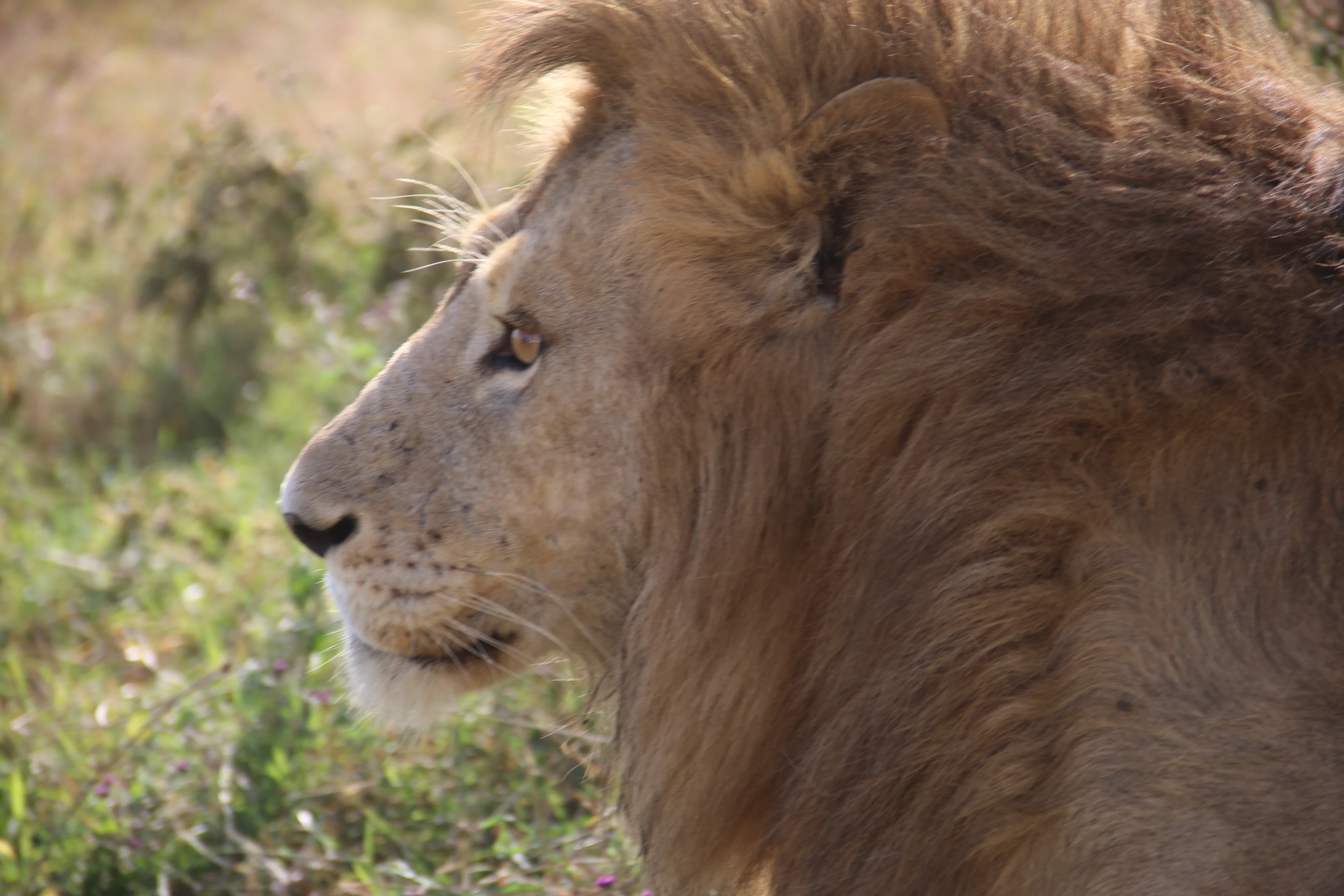
Professional safari guides turn a game drive into a richer view of Tanzania. They help you notice tracks, read the landscape, and understand what animals are doing. Good guiding also means sound judgment, clear plans, and respect for wildlife.
A guide cannot control nature or promise a rare sighting. What they can do is help you make thoughtful use of your time. This guide explains what to look for, what to ask before booking, and how to choose the right support for your trip.
What do safari guides actually do?
The role goes well beyond driving and naming animals. A good guide balances observation, road conditions, guest needs, and the limits of the day's plan.
Some work includes tasks you may hardly notice. Choosing a sensible route, checking the next fuel stop, and allowing time to reach camp all matter. A smooth day often reflects careful decisions made well before the first sighting.
Explain wildlife, habitats, and the links between them.
Help guests find and watch animals without crowding them.
Manage the pace of drives and breaks.
Explain local site rules and brief guests on conduct.
Communicate changes to the day's plan.
Coordinate with camps, drivers, and other staff as needed.
The exact role varies by booking. One person may guide and drive throughout an overland trip. On a fly-in safari, you may meet a different camp guide at each stop. Know which setup you are buying.
How do safari guides help you understand wildlife?
They add context to what you see. A sleeping lion, a grazing herd, or a bird on a branch becomes more interesting when you understand the scene.
Rather than rushing past common species, ask what is happening in front of you. Why are the animals facing one way? What food is available here? What might change as the light or wind shifts?
A strong guide separates observation from guesswork. They may explain that tracks suggest an animal passed recently, while admitting they cannot know its exact location. That honesty is a sign of care, not a lack of skill.
Tracks and small signs
Tracks, sounds, droppings, and disturbed plants can offer clues. The value lies in reading them together, rather than treating one mark as proof of a nearby animal.
Ask how the guide reached a conclusion. A short explanation can teach you what to notice on the next drive. Do not ask to leave the vehicle to inspect a track unless it is part of a permitted activity.
Patience at a sighting
Time spent watching can be more rewarding than a rapid checklist. A quiet pause lets you notice movement, social contact, and changes in the group.
Tell your guide if you enjoy longer stops. Other guests may prefer a wider variety of sightings, especially on a shared drive. Agreeing on that balance early helps everyone enjoy the day.
Can safari guides guarantee the Big Five?
No. Wild animals move freely, and even an excellent guide cannot guarantee the Big Five, a hunt, or a river crossing.
Route, season, habitat, weather, and time all affect what you may see. A sighting report can be useful, but it may be out of date by the time you arrive. No promise should depend on an animal staying in one place.
Be wary of claims that every guest will see every target species. Better planning improves your opportunity to explore suitable areas; it does not create certainty. Set priorities while leaving room to enjoy the unexpected.
A good day might include a common animal doing something new to you. It might also include a wide landscape, a striking bird, or a useful lesson about the habitat. Do not judge the whole trip by one missing species.
What makes safari guides a good fit for your trip?
Look for relevant field experience, sound judgment, and clear communication. The best fit depends on your route and interests, not just a broad claim of many years in tourism.
Experience on your route
Ask which areas the guide knows and how recently they worked there. Familiarity with one circuit does not mean equal knowledge of every park in Tanzania.
Request examples linked to your plans. A keen birder may want a guide with a strong interest in calls and habitats. A photographer may need someone who understands light, patience, and vehicle positioning.
Training and current skills
Ask what training is relevant to the proposed work. Request the name of any claimed qualification and what it covers. Do not assume the words “professional” and “certified” mean the same thing.
First-aid training, driving skills, wildlife knowledge, and guest care are distinct areas. Ask when practical skills were last refreshed. A logo or a badge alone does not explain how a team handles a difficult day.
Clear, respectful communication
A good guide listens as well as speaks. You should feel comfortable asking basic questions, requesting a break, or saying you did not understand an explanation.
Confirm the guiding language before booking. General conversation and detailed wildlife interpretation require different levels of fluency. If a particular language matters, ask for written confirmation rather than relying on “multilingual guides available.”
What is the difference between a driver-guide and a camp guide?
A driver-guide often stays with an overland group across several stops. A camp guide may lead activities from a specific lodge or camp.
Both can offer excellent guiding. The choice is about how your safari is organised. Continuous guiding can help one person learn your interests over time. Camp-based guiding can bring detailed knowledge of the local area.
Overland plan: confirm whether the same guide and vehicle stay with you.
Fly-in plan: ask who meets each flight and who leads camp activities.
Mixed plan: check each handover, transfer, and included drive.
Special activity: ask whether a separate guide or ranger is required.
Do not assume the person meeting you at the airport will guide the whole trip. A clear itinerary should explain who is responsible at each stage.
Should you choose private or shared safari guides?
A private arrangement gives your group more control over pace and interests. A shared drive spreads the experience across guests who may want different things.
Private guiding
Private drives can suit families, photographers, and guests with a strong special interest. You can discuss longer stops and a pace that works for your group.
Private does not mean unrestricted. Park rules, road conditions, camp schedules, and staff working time still apply. Confirm whether exclusivity covers all drives, only certain days, or just the road transfers.
Shared drives
Shared drives can be enjoyable and social. They may suit guests who are flexible about the route and timing. Ask how many people normally share a vehicle.
Check seating, viewing space, luggage, and how stops are agreed. A shared vehicle is not automatically poor value, and a private vehicle is not automatically better guided. Compare the actual service.
How should safari guides support photographers?
Good support means patience and thoughtful positioning within the rules. It does not mean chasing wildlife or blocking its path for a picture.
Tell the guide what matters most to you. Wide scenes, bird images, portraits, and action shots call for different approaches. Ask whether the engine can be switched off where appropriate and whether the group can remain still during a shot.
Bring realistic gear expectations. A guide may help with fieldcraft without knowing every camera menu. If technical tuition is important, confirm that a photography specialist is part of the booking.
Discuss how long you like to stay at sightings.
Check support for heavy lenses and available space.
Protect equipment from dust and rain.
Keep straps and gear from obstructing other guests.
Accept that the animal's welfare comes before the angle.
What should families ask safari guides?
Ask how the day's pace can match your children. Short, engaging explanations and well-timed breaks may matter more than a long list of facts.
Share ages, attention spans, motion-sickness concerns, and meal needs. Ask about suitable restraint arrangements and access to toilets along the route. Do not wait until the first drive to explain an important need.
Children may enjoy spotting shapes, comparing tracks, or keeping a simple wildlife journal. Avoid turning the drive into a test. A guide should help build curiosity while adults remain responsible for their children's behaviour and care.
Confirm any activity age limits directly. A game drive, walk, boat trip, and balloon outing may have different requirements. One family-friendly label does not cover every activity.
What should you expect from a safety briefing?
A useful briefing gives clear instructions before they are needed. Ask about vehicle conduct, approved stops, communication, and what happens if plans change.
TANAPA's trip-planning guidance advises visitors to use licensed operators and roadworthy vehicles. Its Tarangire visitor guide also stresses following guide instructions, not harassing wildlife, and leaving vehicles only at designated points.
Rules can vary by site and activity. Ask your guide to explain those that apply to your route. Do not treat another vehicle's behaviour as permission to do the same.
Check who carries communication equipment and how help is requested. Ask the operator about vehicle backup and emergency arrangements. Your guide can manage risks, but cannot promise a risk-free trip.
What does responsible wildlife viewing look like?
It gives animals space and avoids changing their behaviour for entertainment. A guide's decision to wait, move away, or refuse a request can be a mark of professionalism.
Do not ask for feeding, baiting, calling, or crowding animals to get a better view. Keep noise low and follow the guide's directions. Stay on approved routes and respect any viewing limits.
If a sighting becomes crowded, discuss a calmer alternative. Leaving one busy scene may create time for a quieter experience elsewhere. A safari is not improved by treating every animal as a photo prop.
How do route and season affect safari guides?
A well-matched route matters as much as the guide. Even skilled guiding cannot turn a badly timed transfer day into a full day of wildlife viewing.
Share your main interests before lodges are booked. Ask why each overnight stop fits them and how much time is spent travelling between areas. A famous park name is not enough; the location of the camp also matters.
For the Serengeti, ask which area your plan uses and why. For Ngorongoro Crater, review the planned day and access schedule. For Tarangire, discuss the time available rather than treating it as a brief transit stop.
Keep flexibility where practical, but recognise the limits of fixed rooms, permits, and flights. Changes may have costs. Ask what can be adapted during the trip and what needs to be decided beforehand.
Can safari guides lead walks, boat trips, and cultural visits?
Not every guiding role covers every activity. Ask who leads each experience and what site approval, training, or local support is needed.
A driver-guide's presence does not turn an unplanned stop into an authorised walking safari. Book specialist activities through the operator and follow the specific briefing. Avoid casual offers that bypass the agreed plan.
For a community visit, let local hosts speak for themselves. A guide can help with context and translation without claiming to represent everyone's views. Ask permission for photos and respect private spaces.
What should guiding cost, and what is included?
Guiding may be bundled into the safari price or charged separately for specialist services. Request a dated quote that explains the full arrangement.
Compare like with like. A private overland driver-guide, a shared lodge drive, and a specialist photography host are different services. The cheapest total may exclude transfers, extra drives, or activity fees.
Ask whether the guide and vehicle are exclusive to your group.
Confirm the included drive schedule and any time limits.
Check whether fuel, park charges, and transfers are included.
Ask about language or specialist-guide supplements.
Separate tips, personal spending, and optional activities.
Read cancellation and guide-substitution terms.
Do not pay an unplanned extra just to keep the day moving without understanding it. Ask the operator to explain any change and confirm the price. Keep key booking terms available offline.
How should you give safari guides tips and feedback?
Ask for current tipping guidance before travel, then make your own informed choice. Tips should recognise service, not purchase rule-breaking or replace fair pay.
Clarify whether advice is per guest, per group, or per day. Ask how to handle a trip with several guides. This avoids both confusion and pressure at the end of the safari.
Give useful feedback early. A calm request for shorter explanations or more bird stops may improve the next drive. If there is unsafe conduct, raise it promptly with the operator rather than waiting for a public review.
What should you tell your guide on the first day?
Explain what would make the trip rewarding for you. The guide cannot tailor the day to needs they have not heard about.
Your main interests and any species you hope to see.
Whether you prefer longer stops or more varied sightings.
How early you are comfortable starting.
Mobility, seating, meal, or break needs.
Your preferred balance of conversation and quiet.
Any fixed return time or onward connection.
Frame wildlife targets as hopes, not demands. Ask what is realistic on the route. A shared plan gives the guide a useful brief while leaving room for nature to surprise you.
Why plan your safari guides with TanzaLux Safaris?
Plan guiding alongside the route, vehicle, and camps. That makes it easier to match the trip to your interests rather than treating the guide as an afterthought.
TanzaLux presents itself as an Arusha-based team coordinating safari, trekking, and Zanzibar travel. Use that planning conversation to explain the kind of experience you want. Review the TanzaLux background and ask for details specific to your proposed trip.
Request confirmation of the guiding language, route experience, private or shared format, and relevant training. Ask how substitutions are handled if a named guide becomes unavailable. This article does not claim a verified certificate or qualification for any individual guide.
Contact TanzaLux Safaris with your dates, group size, interests, and budget. Ask for a written plan that explains both the places you will visit and the support that brings them to life.
Safari guides in Tanzania: 20 frequently asked questions
These answers cover the main choices before booking. Confirm the details for your own itinerary and guide arrangement.
1. Why are safari guides important?
They help you observe wildlife, understand the landscape, and manage the day. Their judgment and communication matter as much as their ability to spot an animal.
2. Can safari guides guarantee sightings?
No. Wildlife moves freely, and conditions change. A guide can make informed choices, but cannot guarantee a particular species or behaviour.
3. What is a driver-guide?
A driver-guide combines driving with guiding on the trip. Confirm whether the same person stays with you throughout the route or whether handovers are planned.
4. What is a camp-based guide?
A camp guide usually leads activities from a particular camp or lodge. Ask whether drives are shared or private and which activities are included.
5. How do I check a guide's qualifications?
Ask for the qualification name, issuing body, and relevant experience. Request current details rather than relying on a general claim that all guides are certified.
6. Are TanzaLux guides certified?
Confirm the credentials of the guide proposed for your trip with TanzaLux. No individual certification record is verified in this article.
7. Can I request a specific language?
Yes, as a booking request. Availability must be confirmed. Ask whether the guide can explain wildlife and practical details clearly in your preferred language.
8. Is private guiding worth it?
It can be valuable if pace, photography, or family needs are priorities. Compare the price with the flexibility you will actually receive.
9. Does a private safari mean every drive is private?
Not necessarily. The term may refer to only part of a package. Ask which vehicles, transfers, and camp activities are exclusive to your group.
10. Can a guide teach photography?
Some can, while others mainly help with position and fieldcraft. If camera tuition matters, book and confirm a specialist rather than assuming it is included.
11. Should birdwatchers request specialist support?
Yes, if birds are a main interest. Explain your goals and ask about relevant knowledge, field experience, and the pace of the drives.
12. Can guides adapt drives for children?
Discuss ages, attention spans, and break needs in advance. Adaptation depends on the route and format. Parents remain responsible for their children's care and behaviour.
13. Will the same guide stay with us?
That depends on the itinerary. Overland trips may keep one guide, while fly-in trips often use camp teams. Ask for the handover plan.
14. Can we change the route during the safari?
Some changes may be possible, but rooms, permits, flights, and site rules create limits. Confirm costs and practical effects with the operator before changing plans.
15. Can we leave the vehicle near wildlife?
Only where permitted and under the correct arrangements. Follow the guide's briefing and site rules. Do not step out for a photo on your own.
16. Are walking safaris included automatically?
No. They are separate activities with specific arrangements. Confirm availability, guide or ranger support, age limits, and price before booking.
17. How much should we tip?
Ask the operator for current guidance and whether it is per person or per group. The final choice should reflect your means and the service received.
18. What if the guide is not a good fit?
Explain the issue politely and early. Contact the operator if it remains unresolved. Raise unsafe conduct promptly rather than treating it as a simple preference.
19. What should we ask about safari guides before paying?
Confirm language, experience, private or shared service, inclusions, and substitution terms. Request clear answers linked to your itinerary, not broad marketing promises.
20. How can TanzaLux match guiding to our trip?
Share your interests, dates, group needs, and budget. Ask the team to explain the proposed guide arrangement and confirm important details in writing before booking.
.jpg?alt=media&token=95a5caed-fa4c-47ac-a42e-c42ac61e6b69)
Ready to start planning?
Tell us your dates and what you're after — no obligation.