5.0 Excellent
Tanzania Now Has the Largest Lion Population in the World
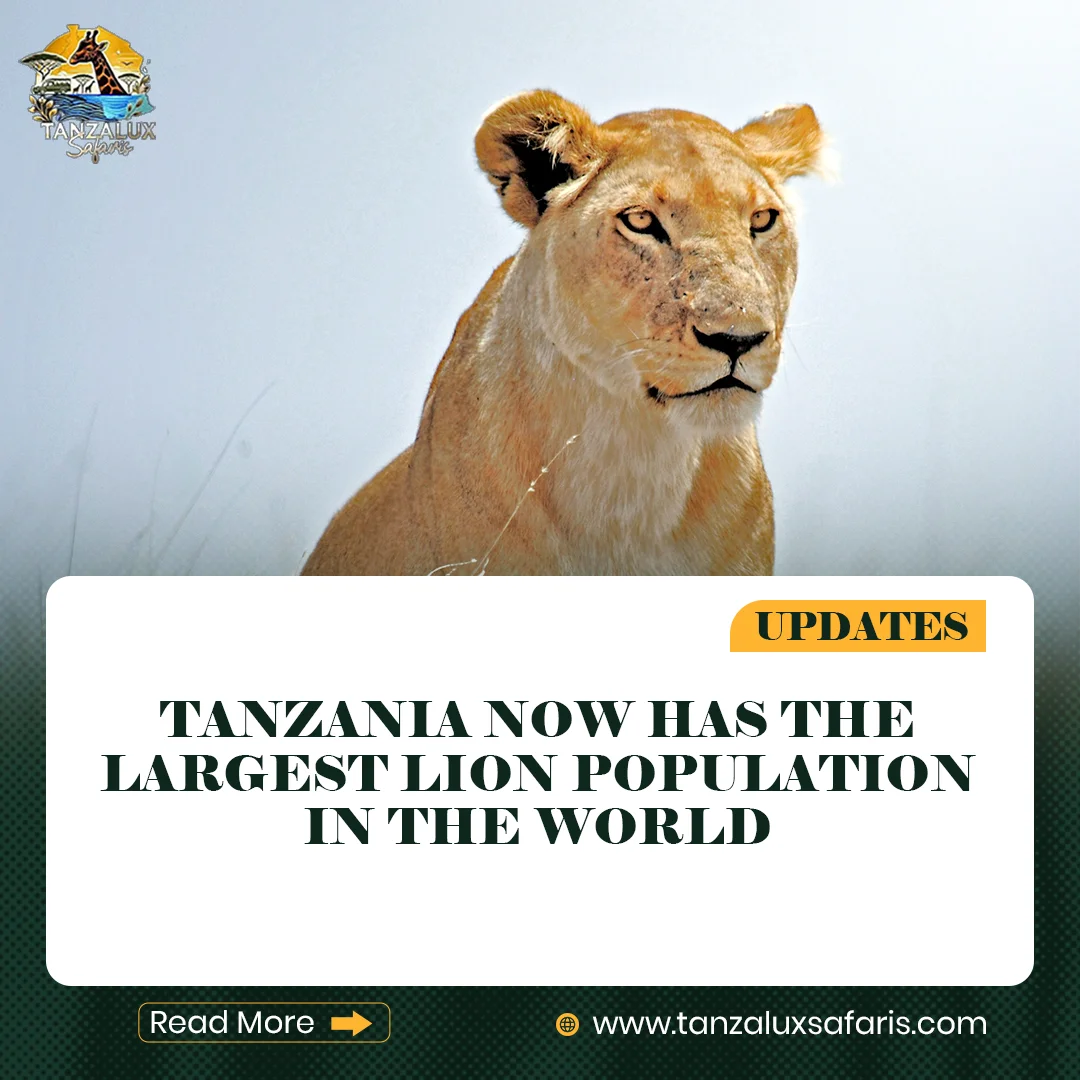
Tanzania's lion population makes the country a major stronghold for wild lions. A June 2026 report put the national estimate at about 17,200, citing TAWIRI census findings. That headline needs context: estimates are not exact counts, and sightings are never guaranteed.
For travellers, the story is both exciting and important. Tanzania offers several landscapes where lions live in the wild. Yet a large national total does not mean that every pride is secure, every park has the same numbers, or every drive will find a lion.
What does the latest lion population report say?
On 18 June 2026, The Guardian in Tanzania reported an estimate of 17,200 lions. It cited findings from TAWIRI, Tanzania’s wildlife research body.
The June 2026 news report described Tanzania as having the highest national lion total. It said the census related to the 2024/2025 financial year. Here, the figure is presented as a reported estimate, not an independently verified headcount.
The word now in the headline refers to that recent reporting. It should not imply that Tanzania has only just become important for lions. Research has recognised its leading role for years.
This article does not use the new figure to claim a precise rise from an older estimate. That needs the same methods, dates, and areas. A new number can reflect better information as well as changes in wildlife.
Why do lion population estimates differ?
Studies can cover different places, years, and age groups. They may use different methods too. A country total may not match the basis of a world total.
A 2023 peer-reviewed study used available data that placed Tanzania at more than 8,000 lions. It also stressed weaknesses in population knowledge. That older study and the recent report should not be treated as matching census rounds.
Before comparing two figures, ask what each includes. Does it cover the same land? Were all ages included? How much was surveyed directly? Were estimates made for areas that could not be sampled?
Look for the year of the survey, not just the publication date.
Check whether the figure is national, regional, or park-specific.
Distinguish wild lions from captive animals.
Ask whether methods and survey coverage are comparable.
Look for a range, not just one number. Check the limits of the data.
For this reason, a simple league table can mislead. Numbers from different countries may come from different years and methods. We avoid presenting them as one perfectly matched global census.
What share of the world's lions lives in Tanzania?
Tanzania supports a major share, but this article does not claim an exact percentage. To find the share, both counts must use a sound, shared basis.
A new country total and an old world total may not fit together. Dividing one by the other can mislead. The result may look clear while hiding major differences in the underlying data.
The stronger message is that Tanzania is central to the future of wild lions. That remains meaningful without an unsupported percentage. It also leaves room for better surveys and revised estimates.
Why can Tanzania support such an important lion population?
Large habitats, prey, and links between wildlife areas help support lions. Work with local people matters too. No single factor explains the whole national picture.
Space and connected habitats
Lions need more than the small patch of ground where a visitor sees them resting. They need food, mates, and safe space. Young animals may need to move into new areas.
Roads, farms, settlements, and other land uses can change those movements. A park boundary does not tell the whole story. What happens outside protected areas can affect wildlife within them.
A healthy prey base
Lions depend on suitable prey. Protecting the predator while losing its food supply is not enough. The health of a landscape includes grass, water, herbivores, and many less visible parts of the system.
For a safari guest, this adds value to every sighting. Watching antelope or buffalo is not time wasted between cats. It helps explain how the wider ecosystem works.
Research and local knowledge
Work over many years shows where lions do well and where risks grow. Field teams need consistent methods and enough time to detect meaningful change.
Lion Landscapes describes camera-trap surveys used to track carnivore trends. Such work offers more than a headline total. It can help guide local protection and future research.
Does a large lion population mean conservation is complete?
No. A large national total can exist alongside local decline and serious threats. Conservation is ongoing work, not a task finished by one encouraging announcement.
Panthera's lion overview identifies habitat loss, human–wildlife conflict, and illegal wildlife trade among the pressures on lions. It also notes the species' Vulnerable status on the IUCN Red List.
That is the status of the species. It does not mean each local group faces the same risk. Conditions can differ sharply between landscapes. A national headline should not erase those differences.
People living alongside lions matter
A safari visitor may hope to see a lion. A livestock keeper may fear losing an animal that supports the family. Good conservation must take both wildlife and human well-being seriously.
Lion Landscapes' coexistence work includes practical livestock protection with pastoralists. Reinforced enclosures are one example of measures aimed at reducing losses and conflict.
Avoid blaming communities for complex pressures. Ask how a project works with residents, who helps make decisions, and what benefits reach local households. Clear answers matter more than broad slogans.
Prey and habitat need protection too
Protecting lions also means protecting the resources they need. Snares, loss of prey, and shrinking habitat can all weaken a landscape. Work on one threat may not solve the others.
A sound lion population story should include these limits. It can celebrate Tanzania's importance while still calling for careful research, sustained funding, and fair local partnerships.
Where can you look for lions in Tanzania?
Several parks can form part of a lion-focused safari. Choose between them using your dates, time, budget, and wider interests. Do not select a route from a national population total alone.
Serengeti National Park
The Serengeti is a strong option for guests interested in lions and varied plains wildlife. Camp location and time in the field matter. One night in a distant base is not the same as several well-placed nights.
Do not assume lions move with the wildebeest migration as one vast group. Ask your guide how local prides use their ranges. A migration-focused trip and a lion-focused trip may overlap, but are not identical.
Allow time to watch ordinary behaviour. Resting, greeting, and moving through the landscape can be as revealing as a hunt. No guide can schedule a kill for visitors.
Ngorongoro Crater
A crater visit can fit a northern-circuit plan that includes lion viewing. Its compact setting offers a different experience from a long Serengeti stay. Wildlife still moves, rests, and remains out of sight.
Plan the day around access, drive time, and your overnight base. Do not promise every Big Five species in one descent. Enjoy the landscape and other animals whether or not the cats cooperate.
Tarangire National Park
Tarangire adds baobab scenery and a different northern safari setting. Lions are one part of the experience, not the only reason to visit. Give the park enough time rather than treating it as a transit stop.
Ask about current conditions and the areas your camp can reach. A useful plan balances your cat interest with elephants, birds, and other wildlife. That creates a more rewarding day when lions stay hidden.
Ruaha National Park
Ruaha suits guests who want a southern safari with rugged landscapes and predator interest. Its lion population is part of a wider ecosystem, and sightings depend on local conditions and patient guiding.
Allow for travel and several nights if your schedule permits. Do not choose Ruaha as a guaranteed Big Five destination. Rhino viewing should not be part of the promise.
Nyerere National Park
Nyerere offers a different southern setting of woodland, floodplain, and river country. TANAPA's wildlife guide lists lions among its predators. Choose activities that fit your camp and the conditions.
Nyerere was created from part of the wider Selous landscape. It is not simply a new name for the entire Selous Game Reserve. Confirm the location on your itinerary so the route and expectations are clear.
When is the best time to plan a lion safari?
There is no month that guarantees lions. Season affects access, vegetation, prey movements, and viewing conditions. Your exact park and camp are as important as the dates.
For broad dry-season planning, June to October is a useful starting point in many safari areas. Yet a dry spell is not a promise of easy cats. Long grass, shade, distance, and luck still matter.
A green-season visit can offer different light and scenery. Check road access, flight arrangements, and camp opening dates. Do not assume every lodge remains open through heavier rains.
Discuss daily timing with your guide. Early and late outings may suit wildlife activity and light, but park rules come first. Never pressure a guide to stay out beyond permitted hours for a photo.
How can you improve your chances without chasing guarantees?
Spend enough time in a suitable area and work with a guide who listens. A flexible plan gives you room to respond to current conditions. It cannot control wild animals.
Choose camp location for the area you want to explore.
Allow several drives instead of relying on one short outing.
Share your interests before the trip.
Be willing to wait quietly at a useful sighting.
Keep time for other wildlife and landscapes.
Respect a guide's decision to leave or keep a safe distance.
A large lion population does not translate into a daily sighting rate for one guest. Numbers across a whole country say little about a particular road on a particular morning.
For a planning example, a seven-night northern trip could use one arrival night, two nights near Ngorongoro, and four in the Serengeti. This is not a fixed package. Transfers, season, and interests should shape the final route.
If your holiday is short, fewer bases may work better. Packing each morning can take time from the field and leave you tired. A slower safari is often more useful than a long list of park names.
What should you watch for during a lion sighting?
Look for behaviour as well as a clear portrait. Notice where the animals rest, how they respond to each other, and what happens around them. Ask your guide to explain what can be observed.
A guide may recognise individuals or a pride, but should distinguish knowledge from a guess. Age, relationships, and a recent history are not always obvious from one view.
Do not dismiss sleeping lions as a failed sighting. Rest is part of their day. A quiet scene can show body language, shade choice, and interactions that a rushed vehicle might miss.
At the same time, do not stay just to force a dramatic moment. Let your guide judge the situation and the needs of the group. Wildlife viewing is not a performance with a timetable.
How can you photograph lions responsibly?
Use distance, patience, and good framing rather than pressure on the animal. Keep your body and equipment safely within the vehicle as instructed. Follow the guide and park rules.
A longer lens can help, but a wide view can also tell a strong story. Include the grass, rock, or tree that gives the lion context. Not every photograph needs a close-up face.
Keep voices low and avoid sudden movement. Do not call, bait, or use sounds to attract attention. Never ask the driver to block an animal's path or separate members of a group.
Make room for other guests to enjoy the view. If a sighting becomes crowded, your guide may choose to move on. Responsible viewing protects the experience as well as the animals.
What should a lion-focused safari quote include?
A useful quote should explain the route, camps, transport, and guiding. It should not charge a premium on the basis of guaranteed lions. Nature does not sell confirmed appointments.
Exact travel dates and number of nights.
Named camps and room types.
Private or shared vehicle arrangements.
Flights, road transfers, and realistic travel times.
Park fees, meals, drinks, and activity inclusions.
Currency, payment dates, and cancellation terms.
Any specialist photography or guiding requests.
Ask what changes if you shift the dates or add a night. Compare full packages rather than headline rates. A better-located camp may offer more field time than a cheaper room with long daily transfers.
The lion population headline can inspire a trip, but sound planning makes it workable. Choose a budget that allows time, rest, and reliable arrangements, not just more destinations.
How can tourism support the future of lions?
Tourism can contribute through park fees, jobs, and responsible business choices. Its benefits depend on how money and decisions are handled. A booking alone does not prove a direct conservation impact.
Ask an operator for specific examples of local employment and support. If a donation is offered, ask who receives it and how its use is reported. Avoid claims that one purchase automatically saves a lion.
Choose wild viewing rather than experiences built around touching, feeding, or posing with lions. Ask careful questions about animal welfare and the purpose of any facility before visiting.
A healthy lion population needs support beyond the tourist season. Respect for communities, habitat, prey, and field research all belongs in the story. Travel can be one part of that wider effort.
Why plan your safari with TanzaLux Safaris?
Use TanzaLux to turn your wildlife interests into a clear and realistic route. Begin with your dates, preferred pace, and budget. Then discuss the best areas for your wider goals.
Tell the team whether lions, photography, family time, or a mix of wildlife matters most. Ask why each suggested camp fits the plan. Confirm private guiding separately if that is important to you.
A strong proposal should be honest about uncertainty. It should explain travel time, camp location, and the value of several nights in one area. It should never promise a hunt, cubs, or daily sightings.
Contact TanzaLux Safaris to discuss your Tanzania trip. Let the country's remarkable lion population inspire your journey, while clear planning and respectful viewing shape the experience.
20 frequently asked questions about Tanzania's lion population
These answers separate the headline from practical safari planning. Wildlife estimates and travel conditions can change, so use dated information and realistic expectations.
1. Does Tanzania have the world's largest wild lion population?
Recent reporting describes Tanzania as the leading country, and research has long recognised its importance. Exact national comparisons need care because estimates may use different dates, methods, and survey coverage.
2. How many lions are reported in Tanzania?
A June 2026 news report cited a TAWIRI estimate of about 17,200. Treat this as a reported national estimate, not an exact count of every animal alive today.
3. What period does the reported census relate to?
The cited report says the census was conducted during the 2024/2025 financial year. The publication date is June 2026. Those two dates describe different parts of the reporting process.
4. Why do older studies give lower numbers?
Coverage, methods, years, and data quality can differ. An older estimate should not be compared directly with a newer one without checking those details. A higher number alone does not prove growth.
5. What percentage of all lions lives in Tanzania?
This article does not give a precise share. That calculation needs compatible national and global estimates. Mixing figures from different studies can produce a misleading percentage.
6. Does the title mean Tanzania only recently became important for lions?
No. Tanzania has been recognised as a major lion stronghold for years. The title refers to recent reporting, not a claim that its importance began in 2026.
7. Are lions still threatened?
Yes. Lions face pressures including habitat loss and conflict with people. Their global IUCN status is Vulnerable. A large national population does not mean that every local group is secure.
8. Why does habitat connectivity matter?
Links between suitable areas allow wildlife to move. Isolated habitats can limit options for dispersal and access to resources. Conservation therefore involves more than protecting one visitor area.
9. How do researchers study the lion population?
Research can use tools such as camera-trap surveys and repeated field monitoring. Methods depend on the question and landscape. A sound estimate should say how the team got its data. It should state its limits too.
10. Which parks should I consider for lion viewing?
Serengeti, Ngorongoro Crater, Tarangire, Ruaha, and Nyerere can fit different plans. Choose by season, camp location, budget, and time. None guarantees a sighting.
11. Does the largest lion population mean lions are easy to find everywhere?
No. A countrywide estimate does not predict one game drive. Habitat, access, weather, animal movement, and chance affect what you see. Give the trip enough time and stay flexible.
12. Can TanzaLux guarantee daily lion sightings?
No responsible operator can guarantee wild lions each day. Good plans and guides can help, but cannot promise a sighting. A worthwhile safari includes other wildlife and landscapes too.
13. Will I see lions hunting?
Possibly, but hunts cannot be scheduled. You may see lions resting or interacting instead. Never pressure a guide to disturb an animal in the hope of creating action.
14. Is a migration safari the same as a lion safari?
No. The two interests can overlap, but they are not identical. Herd movements and local lion ranges shape different choices. Discuss your main priority before choosing camps.
15. How many nights should I allow?
Several nights in a suitable area provide more viewing opportunities than one short stop. Choose a length you can enjoy and afford. More time still cannot guarantee a particular encounter.
16. Can children enjoy a lion-focused safari?
Yes, if the drives and camp suit their needs. Explain that wildlife may rest or stay hidden. Also prepare them for the possibility of natural predation and follow all safety rules.
17. Should I get out of the vehicle near lions?
No. Follow your guide's instructions and remain in the vehicle during such sightings. Only leave at a permitted, staff-approved stop. Do not approach an animal for a closer photo.
18. How can I help reduce pressure on wildlife?
Keep quiet, respect distance, and never bait or call animals. Support operators who follow park rules. Ask clear questions about community and conservation claims rather than relying on slogans.
19. Can I combine northern and southern lion destinations?
Yes, if your time and transport allow it. Check flights and transfer needs carefully. A shorter trip may work better in one region with fewer camp changes.
20. How do I plan a lion safari with TanzaLux?
Send your dates, group size, budget range, and interests. Request named camps, clear transfers, and guiding details. Use the lion population story as inspiration, not a promise of specific sightings.

Ready to start planning?
Tell us your dates and what you're after — no obligation.