5.0 Excellent

Tanzania at the World Travel Awards: What Makes Our Destination World-Class
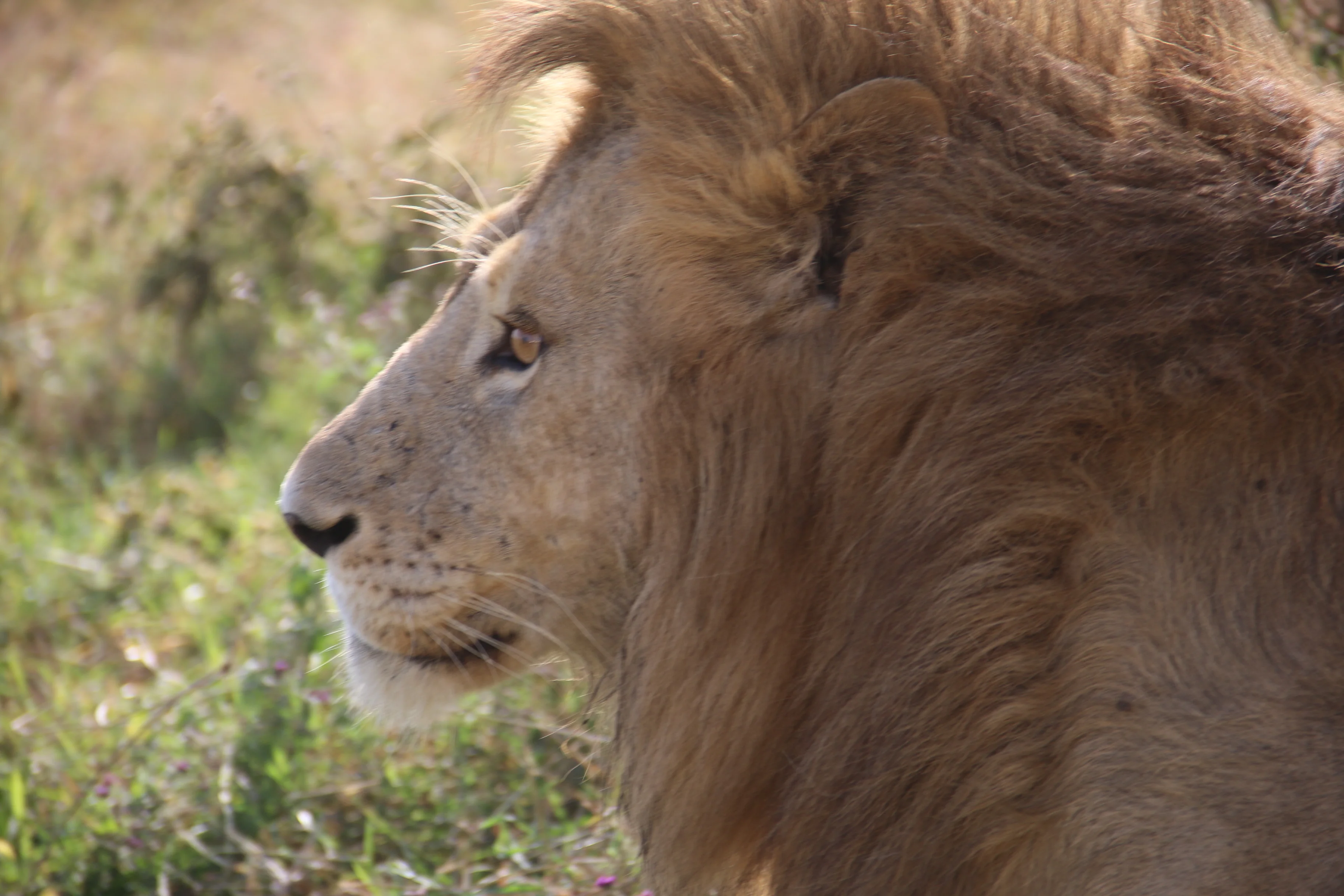
The World Travel Awards put Tanzania on a global stage, but the appeal of a visit is felt in smaller moments. A herd moves through the grass. A guide points out a bird you would have missed. Later, the pace shifts as you walk through Stone Town or watch the tide change beside a Zanzibar beach.
In 2026, Tanzania won the Africa's Leading Destination title. Several of its parks and island experiences also won titles in their own fields. Together, these results give travelers a strong reason to look more closely at the country and the range of journeys it offers.
This guide explains the verified wins, what they mean and how to turn that inspiration into a well-planned holiday. Award facts were checked on 24 October 2026. The trip ideas are TanzaLux's own advice, shaped around what a guest can enjoy.
Explore Tanzania's celebrated destinations on a private safari with TanzaLux Safaris.
Tanzania at the World Travel Awards: the key results
These selected results come from the award organizer's own winner pages. The year and level matter: an Africa title is regional, while a world title belongs to a separate tier. The list below keeps those details clear.
Tanzania: Africa's Leading Destination 2026.
Serengeti National Park: Africa's Leading National Park 2026.
Serengeti National Park: Africa's Leading Big 5 National Park 2026.
Kilimanjaro National Park: Africa's Leading Mountain National Park 2026.
Nyerere National Park: Africa's Leading Scenic National Park 2026.
Zanzibar: Africa's Leading Beach Destination 2026.
Tanzania: World's Leading Safari Destination 2025.
Serengeti National Park: World's Leading National Park 2025.
The country award page also records Tanzania's wins in the same Africa destination category in 2024 and 2025. That gives context to its 2026 success. The two world-level results listed here are verified 2025 awards; they should retain that year when shared or used in a travel proposal.
What are the World Travel Awards?
The programme has country, regional and world tiers. It honors destinations as well as travel services. Read each title with its named winner and year.
According to the organizer's published methodology, voting takes place online and includes both travel consumers and industry professionals. A standard vote has a weight of one. A vote from a verified travel professional has a weight of two. The organizer says votes are internally audited.
For a traveler, the World Travel Awards offer a useful signal of recognition within the travel market. They can help you build a shortlist. Your own booking decision should then consider the route, season, guiding, room choice and service terms that will shape your stay.
What do the World Travel Awards mean for travelers?
The strongest story in these Tanzania tourism awards is the range of experiences represented. A safari park, a mountain park and a beach destination serve different interests. Their presence in the results supports a broader view of the country than a single famous photograph might suggest.
Our view is that this range gives Tanzania its special appeal. You can plan around open plains and wildlife, make room for heritage and then slow down by the ocean. You can also choose one region and explore it more deeply. A good holiday does not need to include every award winner.
Industry prestige can introduce you to a place. Time on the ground gives that prestige meaning. For many guests, the value lies in the way the journey feels: enough room to watch, a guide who explains what is happening and travel days that leave some energy for the next experience.
Serengeti: wildlife on a remarkable scale
The Serengeti's World Travel Awards recognition draws attention to a landscape where wildlife movement is part of the wider story. The UNESCO account of Serengeti National Park highlights its vast savannah and the migration of wildebeest, zebra and gazelles, followed by predators. This is a living system with changing patterns.
The sense of scale is a key part of the appeal. A drive can move from a close view of one animal to a wide scene of herds spread across the plains. Give your guide time to explain behavior and habitat. You will often gain more from a patient stop than from rushing to the next report.
Choose your Serengeti base with care
Decide which experience matters most before choosing a camp. A central stay, a southern calving trip and a northern river-focused safari each serve a different purpose. The broad label “Serengeti” does not tell you whether a property is well placed for your dates.
Ask how many full viewing days the plan allows. Keep transfer days visible in the outline. If river crossings are your main aim, spend several nights in the relevant northern area and accept that no crossing can be guaranteed. The park's value extends well beyond one dramatic event.
Create a Serengeti itinerary around your dates, interests and preferred pace.
Ngorongoro: landscape, wildlife and a deeper human story
A wider Tanzania journey can add depth beyond the award list. Ngorongoro Conservation Area brings highland landscapes, wildlife and important traces of the human past into one broader setting. Its crater is the best-known feature, but the conservation area is much larger than the crater floor.
UNESCO's Ngorongoro description explains its mixed natural and cultural importance. It highlights varied habitats, wildlife and the area's archaeological evidence. It also describes the multiple land-use setting, including Maasai pastoralism. This gives a visit more context than a wildlife checklist alone.
For planning, separate a crater visit from time elsewhere in the area. Ask where your lodge stands and how the next travel day will work. A night near Karatu and a night on the crater rim create different daily plans. The most suitable choice depends on your route and comfort preferences.
When you arrange a cultural visit, choose one with clear consent, a fair fee and an agreed purpose. Let your hosts shape the encounter. Ask before taking photographs and allow time to listen. People and communities deserve the same care in planning as any other part of the trip.
Kilimanjaro: adventure above the plains
Kilimanjaro's mountain-park title adds an adventure chapter to Tanzania's World Travel Awards story. UNESCO records the summit at 5,895 metres, the highest point in Africa. Forest around the mountain and the volcanic massif give the park a character distinct from a vehicle safari.
A full climb needs a dedicated plan and enough days for a suitable pace. Discuss route length, guiding, support and preparation with a specialist. Avoid treating a summit attempt as a quick extra between two safari camps. The mountain deserves its own time and clear expectations.
Guests who prefer a lighter adventure can ask about a guided lower-slope outing that fits their abilities and available time. Confirm the route and permit needs before adding it. A view of the summit also depends on cloud, so build interest in the landscape rather than a single promised photograph.
Zanzibar: a beach holiday with cultural depth
Zanzibar's beach award invites you to slow the pace after safari. For a good stay, look beyond the hotel photographs. Ask about the exact beach, the effect of tides on swimming and the transfer from the airport. A room with an ocean view and a room beside a useful swimming beach may offer different experiences.
The island also rewards time away from the sun lounger. Stone Town's UNESCO listing recognizes its Swahili coastal trading heritage and the cultural influences reflected in its buildings and streets. A thoughtful guided walk can help you understand the town as a place where people live and work.
A Zanzibar beach holiday can include rest, heritage and carefully chosen activities. Leave some days open rather than booking every hour. If you want snorkeling, diving or a boat outing, ask a licensed provider about the site and local conditions. Choose trips that respect marine life and the needs of your group.
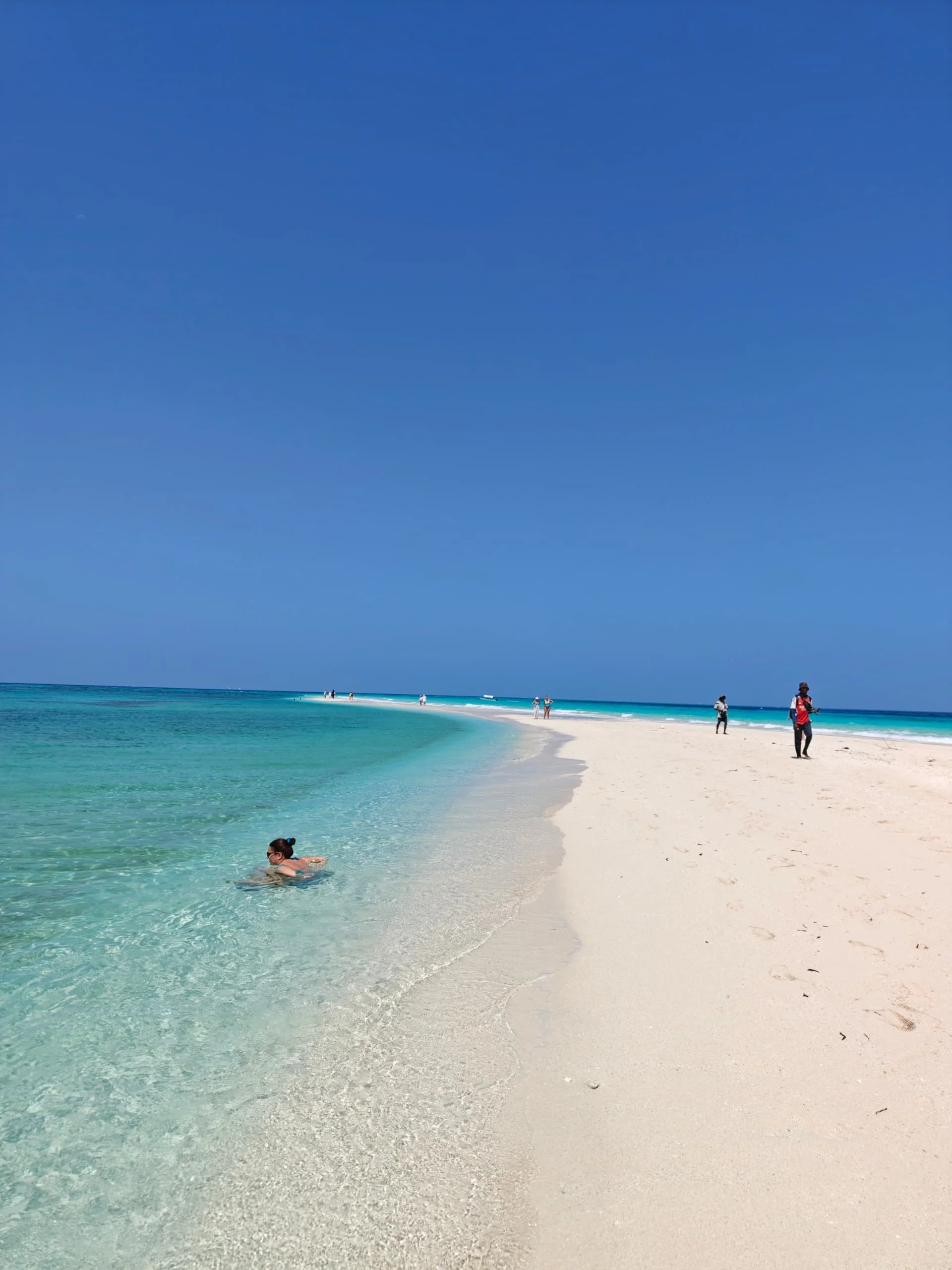
Beach time gives a Tanzania journey a different pace after days of wildlife viewing.
Nyerere: a different safari landscape
The World Travel Awards scenic-park recognition points to another side of Tanzania. Nyerere offers river systems, woodland and wetland views that feel different from the open Serengeti plains. TANAPA describes the Rufiji landscape as a mix of channels, lakes, floodplains and varied habitats.
Those settings support wildlife such as hippos, crocodiles and many birds, alongside animals found on land. Plan time to enjoy the setting itself. A stretch of river, a change in bird calls or the view from camp can become as memorable as a close wildlife sighting.
Ask about the activity mix for your dates. Asilia's Nyerere seasonal guide explains that boating can be affected by low water late in the dry season. Walking and boat trips also need the proper staff and suitable conditions. Confirm what your chosen camp can offer.
What makes a luxury Tanzania safari feel world-class?
A World Travel Awards headline may bring you to the destination, but the quality of the daily experience is built from practical details. Luxury can mean a fine suite and a beautiful meal. It can also mean a short transfer, a guide who understands your interests and time to stay at a sighting.
Guiding that adds meaning
Share your interests before the route is finalized. A birdwatcher, a family and a keen photographer may enjoy very different days. Ask about the guiding setup and whether the vehicle is private. The more clearly you explain your priorities, the better the daily pace can fit your group.
Rooms that support the journey
Choose a camp for both its setting and its practical fit. Check room layout, bathroom facilities, power and meal arrangements. If you need connecting rooms or easier access, raise that early. Comfort is most valuable when it helps everyone rest well and enjoy the next day.
A route with room to breathe
Spend more time in fewer places when the schedule begins to feel crowded. An extra full day can be worth more than another transfer. Before booking, count the nights and identify the days spent mostly traveling. This makes it easier to judge what the proposed holiday will actually feel like.
Design a luxury Tanzania safari with the guiding, camps and pace that suit you.
Prestige and responsible travel
The landscapes behind the World Travel Awards need care from every visitor. Stay on permitted routes, keep wildlife space and follow your guide's instructions. The TANAPA planning guidance is a useful source for park conduct and arrangements. Rules remain part of a private safari, even when your vehicle is exclusive to your group.
Ask camps and operators to explain specific practices that matter to you. Clear details about water, waste, local employment or a named community project are more useful than broad green language. If a proposal includes a donation, ask who receives it and how it is handled.
Travel recognition and conservation results are separate questions. A trophy alone does not show how much money reaches a project or how a lodge manages resources. Choose the features you can understand and verify. Respect for wildlife and hosts should be part of every day's behavior.
When should you visit Tanzania's celebrated destinations?
Use World Travel Awards results to inspire a shortlist, then choose dates around your main goal. Tanzania Tourism's timing guide highlights July to September for a chance of northern river crossings, greener months for birdlife and the disruption that heavy April–May rain can bring.
A river-focused trip needs a different base from a southern calving safari. A beach extension also needs its own weather and hotel checks. Tell your planner which part matters most, then give the route enough time to work. A season offers a chance, while daily wildlife movement is still uncertain.
If your dates are fixed, ask for the strongest route within them. You may gain more by changing the region than by trying to force a specific event into the schedule. For a southern camp, confirm opening dates and transport links. For any flight, check the actual departure airport and baggage terms.
How to compare Tanzania safari packages
World Travel Awards prestige is a useful introduction to the destination. A written plan tells you what you are buying. Compare packages with the same number of nights, room level, guiding setup and transport plan. A lower total can reflect a shorter stay, shared drives or a camp in a different location.
Accommodation: confirm the named property, room type, meals and drinks.
Guiding: check private or shared drives and who handles each transfer.
Transport: identify road days, domestic flights, pickups and connection time.
Fees: ask which park charges, permits and activity costs are included.
Terms: read payment, cancellation and change conditions before committing.
Allow for tips, personal spending and optional activities in your own budget. Avoid choosing by a single “from” price when dates are unknown. Ask for a quote for your actual group and travel period. If you can move your dates, a second proposal can help you compare the tradeoffs.
Request a clear private safari quote for Tanzania's standout destinations.
Turn World Travel Awards inspiration into your own journey
Start with the type of holiday you want, then choose the places that serve it. A family may value two full days in one park and a relaxed pool afternoon. A honeymoon couple may prefer fewer moves and a quiet beach stay. A photographer may want more nights in the same wildlife area.
Share these priorities with your planner before choosing rooms. Ask what you would gain or give up by adding another stop. If the outline feels rushed, remove a move or extend the holiday. The best route is the one you can enjoy, rather than the one with the longest list of famous names.
Three sample packages inspired by Tanzania's appeal
These sample routes turn the World Travel Awards story into clear holiday ideas. They are starting points for a tailored quote, not fixed departures or priced offers. Named camps, flights and activities must be confirmed for your dates. Each overnight total is shown so you can compare the time on the ground.
Sample package: 8-day northern Tanzania private safari
Best for: a first safari with varied landscapes and time in the Serengeti. Seven nights: one in Arusha, two in or near Tarangire, two in the central Serengeti and two near Karatu.
Day 1 — Arusha: arrive, meet your transfer and rest at your hotel.
Day 2 — Tarangire: drive to the park and enjoy wildlife viewing within the day's timing. Stay in or near the park.
Day 3 — Tarangire: explore at an unhurried pace, with a second night in the same area.
Day 4 — Central Serengeti: travel by road to your camp. Treat this as a transfer day with possible sightings.
Day 5 — Serengeti: enjoy a full day with your guide, then stay a second night.
Day 6 — Karatu: travel toward the highlands and settle into your lodge.
Day 7 — Ngorongoro: visit the crater, then return to the Karatu area.
Day 8 — Return: drive toward Arusha for your agreed onward plan.
This route suits guests who want a road journey through several northern settings. It is not designed as a dedicated Mara River trip. For that goal, add northern Serengeti nights and revise transport. Keep the final flight connection realistic, with an extra hotel night if needed.
Sample package: 12-day Serengeti safari and Zanzibar escape
Best for: a longer bush-and-beach holiday with time to rest. Eleven nights: one in Arusha, one in or near Tarangire, three in the central Serengeti, two near Karatu and four on Zanzibar.
Day 1 — Arusha: arrive and recover from your journey.
Day 2 — Tarangire: visit the park and stay nearby.
Day 3 — Serengeti: travel to your central camp, allowing time for the road journey.
Days 4–5 — Serengeti: enjoy two full days in the park with your guide.
Day 6 — Karatu: travel to the highland area and rest.
Day 7 — Crater: visit Ngorongoro Crater, then return to your lodge.
Day 8 — Zanzibar: transfer to the agreed airport or airstrip and take a confirmed flight to the island.
Days 9–11 — Island days: enjoy beach time and optional guided activities, chosen around your interests and local conditions.
Day 12 — Departure: transfer to the airport for your onward journey.
The four beach nights give three full island days between travel days. Ask about a Stone Town visit if heritage is a priority. For a different migration period, move the Serengeti base to the appropriate region and revise the transfer plan. Seasonal room locations need confirmation.
Sample package: 8-day Nyerere safari and Zanzibar stay
Best for: travelers drawn to the south's river landscape and a shorter beach extension. Seven nights: one in Dar es Salaam, three in Nyerere and three on Zanzibar.
Day 1 — Dar es Salaam: arrive and spend the night before the safari connection.
Day 2 — Nyerere: fly to the agreed airstrip and transfer to camp, with an activity if the schedule permits.
Days 3–4 — Safari days: explore with the camp's confirmed activity plan. Include boating only when offered and conditions allow.
Day 5 — Zanzibar: take a confirmed flight connection and continue to your beach hotel.
Days 6–7 — Beach days: rest or choose an optional guided outing.
Day 8 — Departure: transfer to the airport.
Check the exact camp opening dates and flight services before accepting this plan. The route offers a focused mix of safari and sea without adding the northern circuit. If you want more than two full island days, extend the beach stay rather than shortening the safari.
Personalize one of these Tanzania safari packages with TanzaLux Safaris.
Why travel with TanzaLux Safaris?
The World Travel Awards can spark the idea of a Tanzania holiday. Local planning helps turn that idea into a journey that fits. Your camp location, guide, travel days and room choice all shape how much you can enjoy the places that inspired you.
TanzaLux Safaris is a Tanzanian-owned company based in Arusha. Its trips start with your dates, pace, budget and interests. Safari, Kilimanjaro and Zanzibar can be coordinated through the same team, helping each part of the holiday fit with the next.
For a private Tanzania safari, discuss your own vehicle and guide, preferred style of camp or lodge and the amount of time you want in each area. Ask the team to explain the route and provide a clear quote. The destination's recognition belongs to the named winners; your travel plan should stand on the quality and clarity of its own details.
Start your tailored Tanzania journey with TanzaLux Safaris.
Frequently asked questions
1. What are the World Travel Awards?
They are travel and tourism awards with country, regional and world tiers. Categories recognize destinations and specific products or services. Read the exact title, winner and year together to understand what has been recognized.
2. What did Tanzania win in 2026?
Tanzania won the Africa destination title, while Serengeti, Kilimanjaro, Nyerere and Zanzibar earned the selected regional titles listed above. Use the linked winner pages for the exact award names. This guide is not a complete list of every Tanzanian winner.
3. Are regional and world titles the same in the World Travel Awards?
No. They are different tiers in the programme. An Africa-level award should keep that regional description. The verified world-level safari and national-park wins cited in this article carry the year 2025.
4. Did Tanzania win a world safari title in 2025?
Yes. The organizer's 2025 winner page names Tanzania in the world safari destination category. That is a specific result for that year. Keep the year attached when comparing it with later regional results.
5. Why is Serengeti National Park important to the story?
It holds both regional 2026 recognition and the cited world-level national-park title for 2025. Its vast wildlife landscape and migration also give travelers strong reasons to visit. Your chosen camp and season still need careful planning.
6. Does the Big 5 award guarantee five sightings?
No. An award recognizes the park in its category; it does not promise specific animals during your stay. Give your safari enough time and enjoy the wider wildlife story. Sightings always depend on conditions and chance.
7. Why include Zanzibar after a safari?
It offers a change of pace, with beach time and the option to explore Stone Town's heritage. Allow enough nights after the flight and hotel transfer. Choose the coast and hotel around your own interests.
8. What was Kilimanjaro recognized for?
Kilimanjaro National Park won the cited 2026 Africa mountain-park category. A visit can involve very different levels of activity. A full summit trek needs its own dedicated plan, while a lower-slope outing should be matched to your abilities.
9. What makes Nyerere different from the Serengeti?
Nyerere's river, lake and woodland settings create a different safari feel from the Serengeti plains. Ask about the activity mix at your chosen camp. Boat trips depend on local conditions and may not run throughout every season.
10. Is UNESCO recognition part of the World Travel Awards?
No. They are separate forms of recognition. This article uses UNESCO descriptions to explain the heritage of places such as Ngorongoro and Stone Town. Check with each body to learn what its title means.
11. Who votes in the World Travel Awards?
The organizer describes online voting by consumers and travel industry professionals. Standard votes carry a weight of one, while verified professional votes carry a weight of two. Its published methodology explains the process.
12. Do World Travel Awards prove a trip is sustainable?
A travel title alone does not provide the details of a company's environmental or community practices. Ask for specific evidence about the features that matter to you. Check any separate certification or conservation claim on its own terms.
13. What is the best time to visit these destinations?
Choose dates around your main goal and the region you will visit. A southern calving trip and a northern river safari need different planning. Confirm camp dates and local conditions, and leave room for changes in wildlife movement.
14. Can I combine the Serengeti and Zanzibar?
Yes. Allow time for the safari, a sensible flight connection and several island nights. Confirm the exact airstrip, airport and hotel transfer. The twelve-day sample above offers one starting point for a tailored route.
15. How many days should I allow for a first safari?
Start by choosing the parks and counting full viewing days. The eight-day northern sample gives a useful comparison, but there is no single ideal length. More stops need more time, especially when travel is by road.
16. What does a private safari change?
A private vehicle and guide let your group agree on pace, breaks and interests within park rules. Check that exclusive use is stated in the quote. Popular wildlife areas can still have other vehicles.
17. Can families enjoy Tanzania's celebrated parks?
Yes, with a route that fits the children's ages, interests and comfort needs. Check camp age policies, room arrangements and drive lengths. Shorter travel days and time to rest can make a large difference to the experience.
18. How much will a luxury safari cost?
The total depends on dates, room choice, group size, flights and guiding arrangements. Request a dated quote for your exact route. Compare inclusions and terms before deciding which proposal offers the best value.
19. Does a destination award apply to every tour operator?
An award applies to its named winner and category. A country's title does not automatically become an operator's award. Choose your travel company by its own service, proposal, credentials and clear booking terms.
20. How can I book with TanzaLux Safaris?
Share your travel dates, group size, available nights and preferred style with the team. Mention the experiences that inspired you in the World Travel Awards story. Ask for a tailored route, named camps and lodges and a clear written quote.
Ready to start planning?
Tell us your dates and what you're after — no obligation.