5.0 Excellent
Tanzania Elephant Conservation Guide | TanzaLux
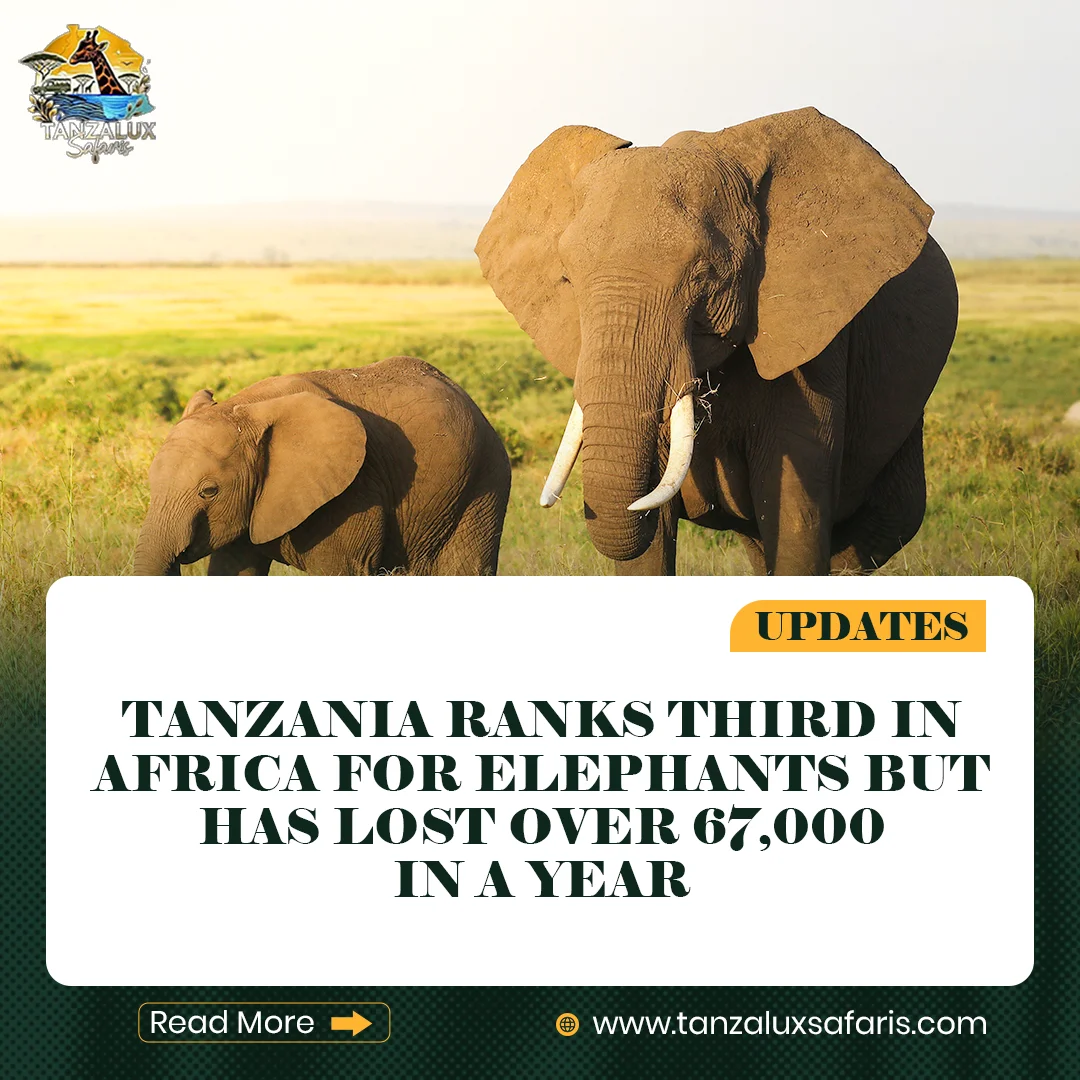
Tanzania elephant conservation: a quick answer
Tanzania elephant conservation protects wildlife, habitat and the people who live near wild areas. Rangers, communities, researchers and responsible travelers all have a role.
Elephants are one of the great reasons to visit Tanzania. Their future depends on long-term care for the places where they live and move.
Why are elephants important in Tanzania?
Elephants help shape the landscape around them. They spread seeds, open paths through thick plants and create places that other animals use.
They support healthy woodland and grassland systems.
They draw visitors to Tanzania’s national parks.
They connect people to conservation through safari travel.
They need large, linked areas of habitat.
What does Tanzania elephant conservation involve?
Protection works best when it combines several actions. Park teams, local communities and conservation groups work on safety, habitat and wildlife research.
Ranger patrols and law enforcement.
Monitoring elephant movement and numbers.
Protection of water, habitat and wildlife corridors.
Community partnerships near protected areas.
Clear visitor rules for respectful wildlife viewing.
Where can you see elephants in Tanzania?
Several parks offer strong elephant viewing, but wildlife is never guaranteed. Your guide will use recent sightings and seasonal conditions to plan the day.
Tarangire National Park
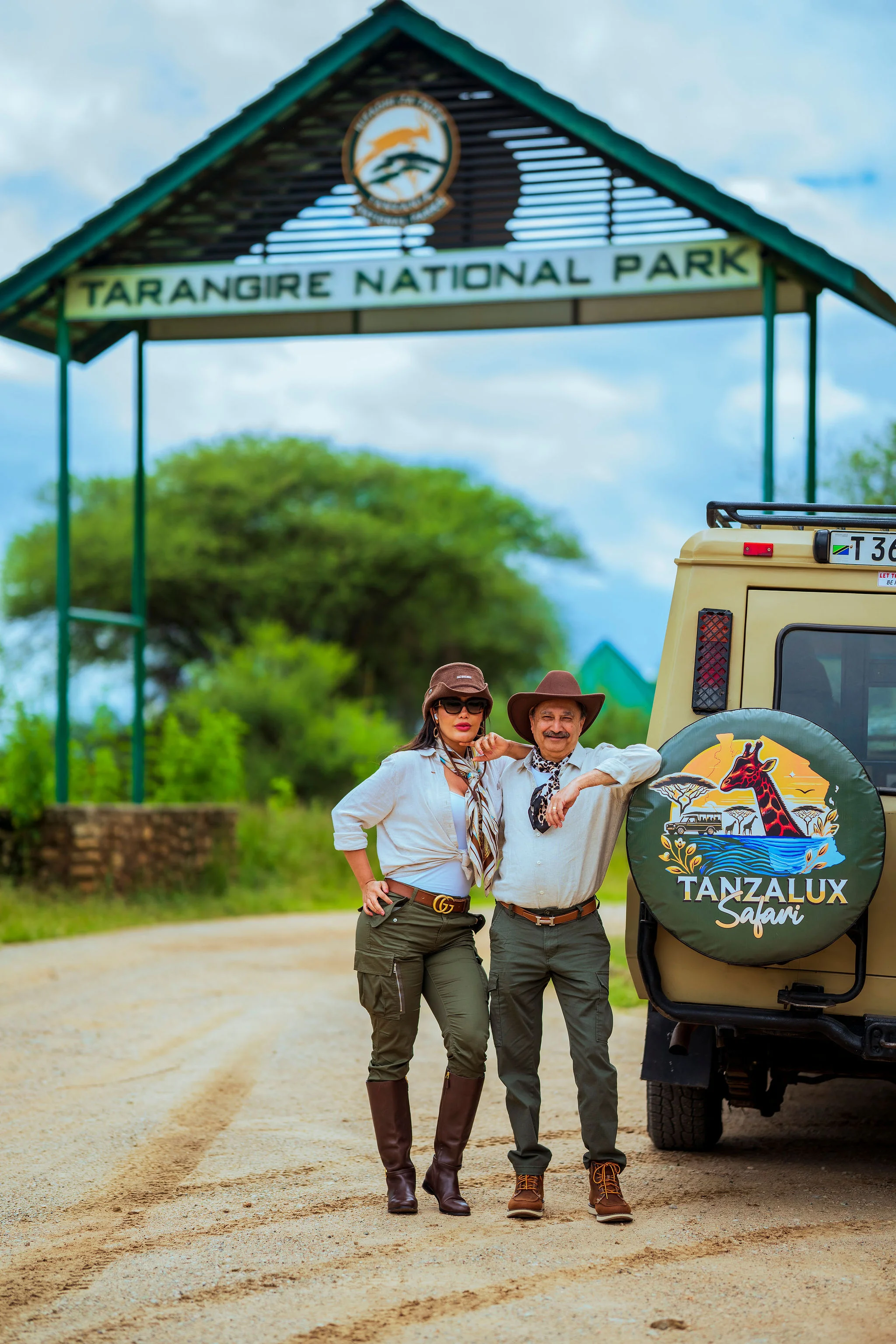
Tarangire is known for baobabs, river scenes and elephant herds. It is a popular choice on the northern safari circuit.
Serengeti National Park
The Serengeti has wide open plains and varied habitats. Elephants can appear during game drives, alongside many other species.
Ruaha, Nyerere and Katavi
These southern and western parks offer a quieter, more remote safari style. They can suit travelers who want longer time in wild landscapes.
How does responsible tourism help elephants?
Responsible travel supports the systems that protect wildlife. Park fees support protected areas. Local safari jobs can also bring direct value to nearby communities.
Stay in the vehicle unless your guide says otherwise.
Keep a respectful distance from every animal.
Never feed wildlife or leave a marked track.
Choose a safari team that follows park rules.
Learn from your local guide and ask thoughtful questions.
A calm, patient game drive is better for people and wildlife. It also gives you more time to watch natural behaviour.
What can travelers do before a Tanzania safari?
Plan with care and set realistic expectations. Ask about the route, season, vehicle and guide. Remember that wildlife moves freely and sightings cannot be promised.
Bring binoculars and a camera strap.
Listen to your guide’s safety advice.
Travel with reusable water bottles when practical.
Respect local communities and protected areas.
Why book an elephant safari with TanzaLux?
TanzaLux plans private Tanzania safaris from Arusha. We help you choose parks, timing and a guide who fits your group.
We can create a safari that includes Tarangire, the Serengeti, Ngorongoro and other destinations. Every plan is tailored to your dates and travel style.
Frequently asked questions about Tanzania elephant conservation
1. Why are elephants important in Tanzania?
They shape habitats, spread seeds and are a major part of Tanzania’s wildlife heritage.
2. Where can I see elephants in Tanzania?
Tarangire, Serengeti, Ruaha, Nyerere and Katavi are well-known elephant areas.
3. How can safari travelers help elephant conservation?
Follow park rules, choose responsible operators and respect wildlife space.
4. Can I see elephants on a first Tanzania safari?
Yes. Many northern circuit trips include areas with regular elephant sightings.
5. Why does habitat protection matter?
Elephants need space to move between feeding, water and breeding areas.
6. Can TanzaLux plan a responsible safari?
Yes. We build private Tanzania trips with local guides and respectful wildlife viewing.
Plan a responsible Tanzania safari
Tell us what you hope to see. We will help you build a trip that respects wildlife and makes the most of your time in Tanzania.
Plan your Tanzania safari with TanzaLux Safaris or call +255 788 163 855.
Sources
What does a good elephant day look like?
A good day is calm and slow. You may rise at dawn, drive to the park and scan the bush as the sun comes up. Your guide will look for fresh tracks, dust, birds and signs of a herd.
Pack a hat, sun cream, a coat and a full phone. Sit back and look from side to side. Use your eyes and ears. You may see a herd far off, or one close to the road.
If an elephant is near, stay still and keep your voice low. Let the guide choose the right spot. Do not rush close. Do not stand out of the car. Take the view in, then take a photo.
Some of the best times come when you wait. A quiet, safe view is good for you and for the herd.
Ready to start planning?
Tell us your dates and what you're after — no obligation.