5.0 Excellent

Safaris That Give Back: Supporting Community Programs and GEF-9 Initiatives in Tanzania
Safaris that give back can bring more depth to your time in Tanzania. You may come for lions, wide plains and warm nights in camp. Along the way, your choices can also support local guides, food producers and community hosts. A thoughtful trip connects those experiences with the people and places behind them.
That idea matters as Tanzania enters a new phase of global environmental funding. GEF-9 covers July 2026 to June 2030. It offers a wider context for work on nature, land and climate. Safari travel can complement those goals through sound local choices. A booking does not, by itself, become a GEF grant or a payment into GEF-9.
This guide explains that link in plain terms. It covers community programs, the latest official funding context and ways to assess a visit. You will also find sample routes and questions to ask before you book. The aim is a rich safari with benefits you can understand.
Plan a private Tanzania journey with local experiences and clear costs through TanzaLux Safaris.
What are safaris that give back?
They are trips designed to create value for hosts as well as guests. That value can come from paid work, local purchasing and well-run visits. It can also come from a separate gift to a trusted project. The details matter more than the label.
For safaris that give back, start with a clear question: who benefits from this choice? A guide earns a fee for skilled work. A cook earns income from a hosted meal. A craft maker sells something they have made. These are real exchanges, even when they are not charitable gifts.
Local services: paid guiding, transport, meals and activities.
Local products: food, crafts and supplies bought on fair terms.
Protected-area charges: required payments for access and related services.
Project contributions: separately identified support with a named recipient.
Grant funding: formal finance approved through a fund’s own process.
Keep those categories clear when comparing trips. A market purchase should not be described as a donation. A park entry charge should not be presented as a GEF payment. Honest language helps you see the benefit and make a choice. It also respects the work of the people you meet.
What is GEF-9, and why does it matter?
GEF stands for the Global Environment Facility. The official GEF-9 overview describes its ninth replenishment cycle, from July 2026 to June 2030. Priorities include integrated work across nature and other systems, wider participation and private finance. These are global funding directions, rather than a safari certification.
For a traveller, the useful link is shared purpose. Healthy landscapes need care beyond a park gate. Local people need a voice in choices that affect their lives. Tourism can offer markets for skills and products. Those ideas can complement environmental programs when the arrangements are sound.
Safaris that give back should explain their own role clearly. A business may support a local enterprise without any GEF connection. A project may hold a GEF grant but have no visitor programme. A lodge may have good practices without a formal grant link. Each case needs its own evidence.
What is happening in Tanzania in 2026?
The Vice-President’s Office reported a national GEF-9 launch meeting on 12 October 2026. It described expected environmental financing of US$41.06 million. The wording concerns anticipated funding. It should not be read as proof that this whole sum has reached local projects or tourism businesses.
An earlier official update on 8 August explained the wider funding picture. It referred to about US$16 million through the GEF Trust Fund, plus opportunities under the Least Developed Countries Fund and Global Biodiversity Framework Fund. The headline combines different funding windows. It is not one pot paid for by safari guests.
The GEF Tanzania country profile, checked on 23 October 2026, listed a GEF-9 STAR allocation of US$16,142,179. Its STAR table showed no amount utilised at that check. STAR is the System for Transparent Allocation of Resources. An allocation is distinct from a completed project or a payment received by a village. This table also does not cover every GEF-family funding window.
These figures give useful context, but they are not a guest activity list. Before calling a visit a GEF-9 initiative, check the actual project record. Find its title, identifier, funding cycle and current status. Then check whether the host has agreed to receive visitors.
Earlier GEF projects are not automatically GEF-9 initiatives
A project can be approved in 2026 and still belong to an earlier cycle. One example is GEF project 11531 in the Greater Serengeti Ecosystem. Its record concerns ecosystem-based adaptation and community capacity. It lists UNEP as implementing agency and Tanzania’s Vice-President’s Office as executing agency.
The record places this project under GEF-8 and the Least Developed Countries Fund. It shows approval for implementation on 21 May 2026. Its aim includes stronger climate resilience for crop and livestock farmers, improved resource use and community-led land-use planning. This is a useful landscape example. It should be labelled GEF-8, rather than renamed to fit a GEF-9 travel story.
Safaris that give back can help guests understand this wider landscape. Your guide may explain the links between farms, water, livestock and wildlife. That learning does not require entering a project site. Nor does passing through the region mean your booking funds that specific project.
Where does the GEF Small Grants Programme fit?
The Small Grants Programme offers another route for community-led work. UNDP’s Tanzania call published in December 2025 covered its eighth operational phase, 2025–2028. It invited civil society and community groups to propose local environmental action. Themes included threatened ecosystems, sustainable food systems, clean energy and waste.
That phase is called SGP-OP8. It is not the same label as GEF-9. The cited call closed on 22 January 2026, so treat it as context rather than an open invitation. A project’s funding cycle should come from its own record. Similar dates do not make all programs part of the same round.
The value for safari planning is the approach: local groups can design work around their own needs. Guests can learn from that principle when choosing visits. Ask what hosts want to share and what they want to protect. Their plans should lead the encounter.
Safaris that give back do not need to invent a grant link to feel worthwhile. A paid workshop, guided farm walk or locally prepared meal can stand on its own. Explain what the activity includes and who receives the fee. Let the quality of the exchange be clear.
Community-based tourism in Tanzania: a practical example
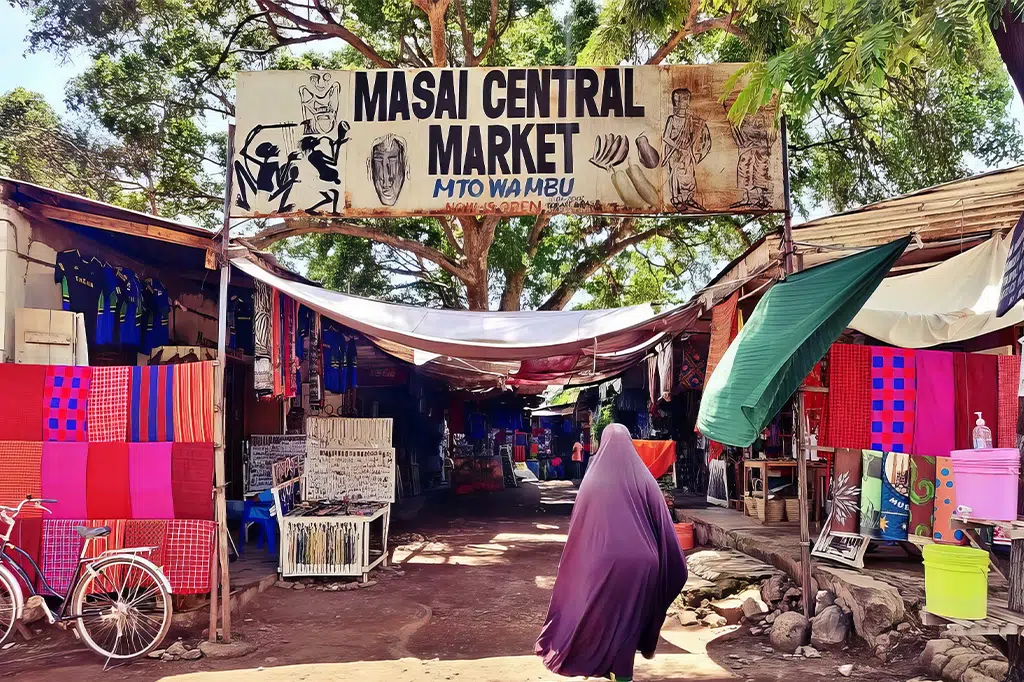
Mto wa Mbu offers a useful northern circuit example. Mto wa Mbu Cultural Tourism Enterprises lists farm visits, village walks, cycling and local food experiences. These can add a human chapter to a wildlife trip. Confirm the current activity, host and schedule before adding it to your route.
Its community tourism page says tour proceeds support local people and development work. It names guides, artists and women who cook among those paid through visits. This is the organisation’s own description. Ask for current fee details and project information if those benefits shape your decision.
No GEF-9 affiliation is assumed for this example. It shows a way tourism can create local income through a service guests enjoy. The same care should apply to any host. Check who organises the activity, who delivers it and how payment is handled.
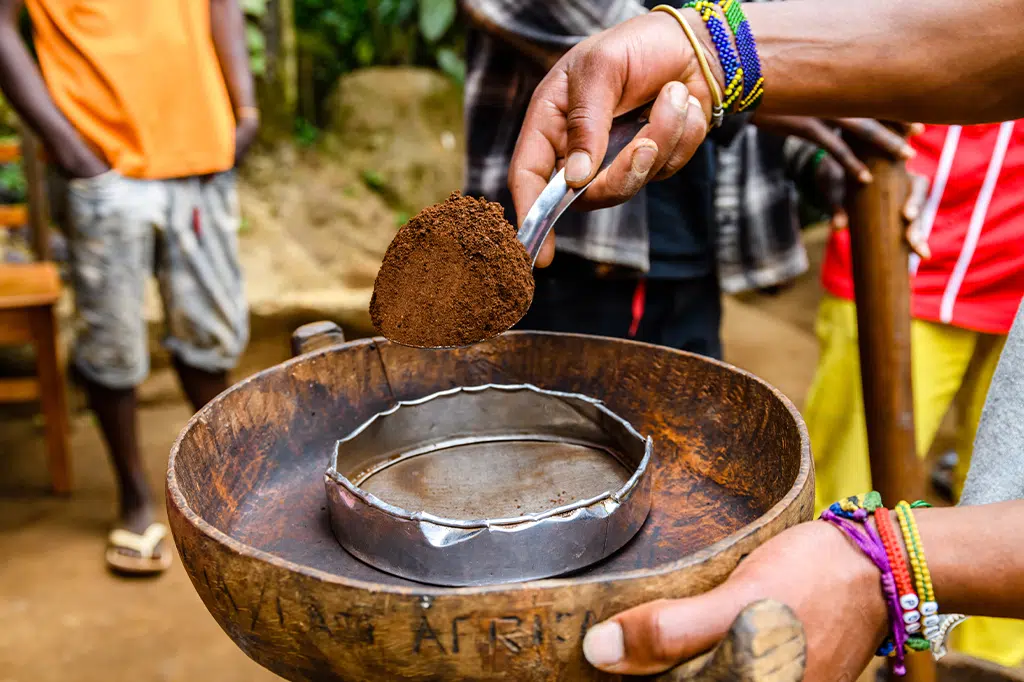
Food and craft experiences can create paid work for local hosts. Confirm the arrangement and fee before you visit.
For safaris that give back, leave enough time to take part. A meal or walk should be more than a hurried photo stop. Listen, ask thoughtful questions and pay the agreed price. You may learn about crops, cooking, craft or daily work. Let the host decide what is welcome to share.
How safari spending can support community programs
Start with the purchases your trip already needs. Ask about local staff, food suppliers and guides at each lodge. Request specific examples rather than a promise that all money stays nearby. Tourism businesses have varied supply chains and costs. Clear information helps you understand the local share without guessing at a percentage.
Safaris that give back can also include a paid activity with a local enterprise. Choose something that interests you, such as a food experience or craft workshop. Confirm the group size and time involved. Make sure the host wants the visit and can provide it on fair terms.
Women’s and youth enterprises
Ask who owns and manages a business, as well as who appears in its photos. Look for paid roles, training and a voice in decisions. A workshop should value skill rather than rely on a story of need. Buy products you want and respect the maker’s price.
If a project seeks extra support, ask what it has requested. A useful contribution may be less visible than a gift handed over for a photo. It might fund tools, maintenance or training through a verified organisation. Let the group explain its priorities before deciding how to help.
Land, water and local livelihoods
On safaris that give back, nature is part of a lived landscape. Water, soil and grazing affect local work as well as wildlife. Ask your guide how those links appear along your route. A good conversation can deepen the day without adding another stop.
For any proposed beekeeping, forest or water project, check the actual activity. Who manages it? What problem does it address? How is progress checked? These are questions to guide your choice, rather than claims that a particular project has already been approved or funded.
How to support GEF-9 goals without overstating your role
Think in terms of practical choices that complement wider goals. Choose camps that can explain their water and waste systems. Respect access rules and wildlife space. Pay local providers on clear terms. These actions can support thoughtful tourism without requiring a formal link to a grant.
For safaris that give back, any direct project contribution needs a separate trail. Ask for the project’s official name and recipient. Check whether the payment is a fixed levy, a share of the booking or a voluntary gift. Request a receipt where appropriate. Keep the wording in the quote consistent with the evidence.
Shared goals: similar aims, with no automatic funding relationship.
Named donation: a clear payment to an identified recipient.
Formal partnership: a relationship confirmed by the relevant parties.
GEF-funded project: an activity backed by an official project record.
Visitor access: a separate arrangement that the host must accept.
A GEF-funded project may not accept direct gifts or guests. Ask its authorised team how support can work. Do not send money to a personal account based on a project logo. Use verified channels and current details. Good intentions are most useful when they follow the recipient’s process.
What respectful community visits look like
Safaris that give back should be led by willing hosts. Agree on the activity, fee and likely group size in advance. Ask before entering private spaces. Check photo rules before using your camera. People should have room to decline a picture or a question without pressure.
Keep visits to schools and other settings involving children out of casual drop-in plans. If you want to help, ask a credible organisation about an appropriate route. Support should fit local needs and protect privacy. A child’s daily routine should not become an attraction for passing guests.
Use a guide who can help both sides communicate. Listen when a host explains how a visit works. Avoid making promises you cannot keep. Share feedback through the agreed organiser if something feels unclear. Respect includes ordinary courtesy as well as careful planning.
Should you plant a tree or join a work activity?
Only choose an activity that the project has requested and can manage. Ask who selects the species, who tends the site and how survival is checked. A planting photo does not show a lasting result. Your role should fit the project’s work rather than create extra work for its team.
Short visits are often best used for learning and paid local services. Skilled tasks need trained people and time. A gift through a trusted channel may be more useful than untrained labour. Ask the host what helps most and take the answer seriously.
Plan safaris that give back with a realistic budget
Start with the full trip cost, then review the community element. Your quote should name the guide, lodging, meals and main transfers. It should also show required access charges and optional activities. Any claimed project payment needs a clear description. Compare trips on the same basis.
A higher price does not prove a greater local benefit. Ask how an activity is delivered and who is paid. The cheapest option may also leave too little time or unclear fees. Look for a fair service and a plan that works. Value should be visible in both the journey and its arrangements.
Safaris that give back work best when the route has room to breathe. Choose a few meaningful stops rather than a long list of visits. Allow time for translation, meals and questions. Keep wildlife drives calm too. A rushed day can weaken both the guest experience and the host’s work.
Three sample packages for safaris that give back
These routes are planning ideas for a tailored quote. They do not include assumed GEF funding, grants or automatic project visits. All local activities depend on host consent and current availability. Ask TanzaLux Safaris to confirm costs, access and the details of any contribution.
Sample package: 6 days of wildlife and local food
Best for: a first safari with one well-placed local experience. Plan five nights: one in Arusha, two in the Tarangire area and two in the Ngorongoro area. A hosted Mto wa Mbu lunch or short walk may fit the transfer day. Confirm its timing before booking.
Day 1: arrive and rest in Arusha.
Days 2–3: enjoy Tarangire game drives from one base.
Day 4: visit a willing local host en route to the Ngorongoro area.
Day 5: take a guided crater game drive.
Day 6: return for a planned onward connection.
Keep the community activity focused rather than overfilled. Ask who prepares the meal or leads the walk and how the fee is shared. The quote should state whether it is included. Allow a sensible road buffer before your departure flight.
Request a six-day safari with a carefully arranged local food or walking experience.
Sample package: 10 days of wildlife and community learning
Best for: travellers who want more time for both wildlife and people. Plan nine nights: one in Arusha, two in Tarangire, one in Karatu, three in Serengeti and two in the Ngorongoro area. The extra Karatu night gives a local visit its own space.
Day 1: arrive in Arusha.
Days 2–3: explore Tarangire.
Day 4: enjoy an arranged Mto wa Mbu experience, then stay in Karatu.
Day 5: travel to your selected Serengeti camp.
Days 6–7: take unhurried game drives.
Day 8: transfer to the Ngorongoro area.
Day 9: explore the crater.
Day 10: return to your agreed airport or onward base.
This is one way safaris that give back can fit a northern route. Wildlife remains a central part of the trip. The local experience adds time to learn and pay for skilled hosting. Any separate project contribution should be listed and verified.
Tailor a ten-day Tanzania safari with meaningful community time through TanzaLux Safaris.
Sample package: 13 days from the northern circuit to Zanzibar
Best for: a longer holiday with time to rest at the coast. Plan twelve nights: one in Arusha, two in Tarangire, one in Karatu, three in Serengeti, two in the Ngorongoro area and three in Zanzibar. Use the ten-day route as the safari foundation.
Days 1–9: follow the northern circuit and community plan above.
Day 10: transfer to the confirmed airport and fly to Zanzibar.
Days 11–12: enjoy beach time and suitable optional local outings.
Day 13: depart through your arranged transfer and flight.
Confirm the flight against the road transfer and allow room for delays. At the coast, ask the same questions about local work and waste. A local food or craft experience may suit your interests. No reef, forest or GEF project visit is assumed in this sample.
Combine a community-minded safari and Zanzibar stay in one tailored TanzaLux itinerary.
Why travel with TanzaLux Safaris?
TanzaLux Safaris is Tanzanian-owned and based in Arusha. Its team shapes trips around your dates, pace, budget and interests. That local planning approach helps you discuss practical routes and the experiences you value. It is a useful starting point for a responsible Tanzania safari.
When planning safaris that give back, tell the team what support means to you. You may want paid local hosting, a craft experience or clear information on camp practices. Ask who will deliver each activity. Review the timing and cost alongside the main wildlife route.
Use the written quote to settle the details. Confirm lodges, room types, meals, guiding and transfers. Ask for the recipient and terms of any proposed project payment. If a GEF link is claimed, request the official record. A transparent plan makes your choices easier to review.
TanzaLux can coordinate safari and Zanzibar within one itinerary. Share family needs, mobility needs and preferred activity levels early. Keep the schedule realistic and the purpose clear. The strongest trip gives you time to enjoy Tanzania while respecting the people who welcome you.
Speak with TanzaLux Safaris about a thoughtful route, local experiences and a clear quote.
Frequently asked questions
1. What is GEF-9?
It is the ninth replenishment cycle of the Global Environment Facility, covering July 2026 to June 2030. It sets global funding directions for environmental work. It is not a safari label or a certification for tour operators.
2. Does booking a safari directly fund GEF-9?
Not automatically. Safari payments cover travel services and required charges. A formal GEF relationship needs evidence. Safaris that give back can support local livelihoods without sending money to GEF or becoming part of a grant.
3. Has Tanzania already received the full US$41.06 million?
The October 2026 official update described expected financing. That does not prove the whole sum has been disbursed. The wider funding picture involves different windows. Check current official project records for approvals and implementation status.
4. Are SGP-OP8 and GEF-9 the same thing?
No. UNDP’s cited Tanzania call covered the Small Grants Programme’s eighth operational phase, 2025–2028. GEF-9 is a separate replenishment label. Check each project’s record rather than assigning its cycle from the year alone.
5. Is Greater Serengeti project 11531 a GEF-9 project?
No. Its GEF record places it under GEF-8 and the Least Developed Countries Fund. It was approved for implementation in May 2026. That date does not change the funding cycle shown in its official record.
6. How do I verify GEF-9 initiatives in Tanzania?
Ask for the exact project title, identifier, funding cycle, agency and status. Check these against official records. Confirm any claimed partnership separately. A logo, shared goal or nearby location does not prove a funding relationship.
7. How do safaris that give back support local people?
They can create paid work through guiding, meals, transport and craft sales. Ask who owns and delivers each service. A clear payment for skilled work is a useful benefit, even when no charitable gift is involved.
8. Is buying crafts the same as making a donation?
No. A purchase pays for a product and the maker’s work. Buy something you value on fair terms. If a business also raises project funds, ask how that separate payment works and who receives it.
9. Can I include a Mto wa Mbu community visit?
Ask your planner to arrange a suitable activity with willing hosts. Local providers list food experiences, walks and farm visits. Confirm the current offer, fee and timing. Leave enough room to take part without rushing.
10. Should I visit a school or give gifts to children?
Avoid casual drop-in visits that disrupt daily life. If you want to help, ask a credible organisation about requested support. Keep children’s privacy and routines central. Useful giving does not need a personal handover or a photograph.
11. What are the photo rules during local visits?
Ask the host and each person before taking a portrait. Accept a refusal without pressure. Check before entering private areas or sharing sensitive images. Your guide can help clarify local expectations and any agreed terms.
12. Do I need to make an extra donation?
No. Safaris that give back can focus on fair local services and purchases. Any optional gift should be clear in purpose and recipient. Check whether a stated levy is included before you compare trip prices.
13. Is tree planting always a useful safari activity?
Only if the project wants it and has a sound plan. Ask about species, site care and survival checks. A short visit should serve the project’s needs. A photo of a planted seedling is not evidence of lasting restoration.
14. Can I support water or beekeeping projects?
Possibly, through a verified group that requests support. Ask what it needs, who manages the work and how progress is reported. Do not assume a project is GEF-funded or open to visitors because it fits an environmental theme.
15. How much time should I allow for community experiences?
Build the day around the actual activity and drive. A short meal stop and a guided walk need different time. Safaris that give back should leave room for hosts, questions and rest, rather than squeezing visits into a transfer.
16. Can families enjoy these trips?
Yes. Choose age-suitable food, craft or walking experiences and realistic drive days. Share children’s ages and interests with your planner. Confirm room layouts, breaks and host expectations. Keep participation comfortable for both your family and the people receiving you.
17. How do I assess a lodge’s community claims?
Ask for specific examples of local jobs, supplies, training or project payments. Check the property you will use, rather than a broad group slogan. Request current details if a claimed benefit is central to your choice.
18. What should my safari quote include?
It should state lodges, rooms, meals, guiding, transfers and required access charges. List community activities and optional gifts separately. For safaris that give back, the purpose and recipient of any claimed project contribution should be clear.
19. Can a project visit be guaranteed when I book?
Only rely on arrangements confirmed by the authorised host. Funding status does not create visitor access. Project work, community plans and travel conditions can affect availability. Keep a suitable alternative in the itinerary if a visit cannot proceed.
20. How can TanzaLux Safaris help me plan?
Share your dates, budget and interests, including the local experiences you value. Ask for a realistic route and clear activity costs. Request a tailored itinerary for safaris that give back with TanzaLux Safaris.
Ready to start planning?
Tell us your dates and what you're after — no obligation.