5.0 Excellent
Tanzania Elephants Safari: Meet Africa’s Gentle Giants with TanzaLux Safaris
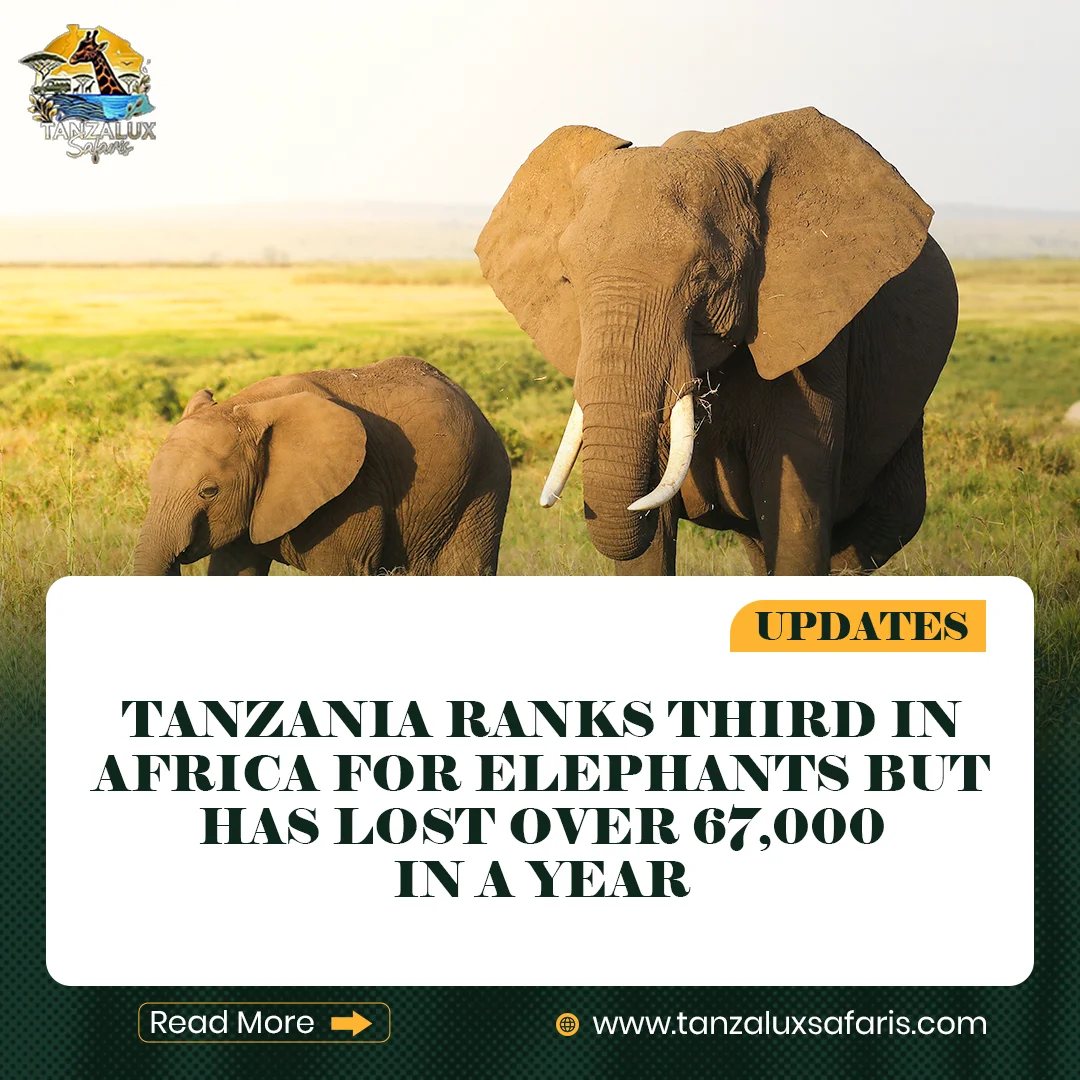
A Tanzania elephants safari gives you time to watch one of Africa's most remarkable animals in the wild. A family may cross a track in single file. A calf may pause while the adults feed. A large bull may lift his trunk to test the air. Each scene is richer when you have space to watch and a guide who can explain it.
Tarangire, the Serengeti, Ruaha and Nyerere offer different settings for these encounters. Rivers, woodland, open grass and seasonal rain all shape where elephants spend their time. The right choice depends on your dates, route and the kind of safari you enjoy.
This detailed guide covers the parks, elephant behaviour, seasons, trip costs and sample routes. It also explains how to photograph and observe elephants with care. You will find 20 useful FAQs at the bottom.
Why choose Tanzania for an elephant safari?
Tanzania offers several national parks where you can look for elephants as part of a wider wildlife trip. You can choose a northern route, a southern route or a longer journey that links both.
A strong plan gives each park enough time. It matches your camp location to the areas you will explore. It also leaves room for quiet observation rather than turning every day into a search for a larger herd.
You do not need to see hundreds of animals at once for the encounter to matter. One family feeding, drinking or moving through the trees can hold your attention. Ask the guide what they notice about the group.
Choose your guide as carefully as your lodge. Knowledge of behaviour, roads and the local season shapes how the day unfolds. A good guide can explain why a distant elephant is worth watching and when the vehicle should give it more room.
No route can promise a sighting on every drive. Let your planner know that elephants are a priority, then build a trip with suitable places and enough time. Keep an open mind about the other wildlife you find.
Which elephants can you see in Tanzania?
The elephants associated with Tanzania's main savanna safari parks are African savanna elephants, also called bush elephants. They are wild animals whose space and behaviour should be respected.
The IUCN's elephant assessment distinguishes the African savanna elephant from the African forest elephant. It lists the savanna species as Endangered and the forest species as Critically Endangered. These are separate species, rather than two names for the same animal.
The title's “gentle giants” captures why many travellers love elephants. It should not be read as a claim that they are tame. Their size, speed and response to pressure make careful guiding essential.
Watch from the agreed viewing position. Avoid calling, feeding or trying to touch an elephant. The best encounter allows the animal to continue its own activity while you observe.
Why is Tarangire a strong elephant destination?
Tarangire is a useful first choice for an elephant-focused northern safari. Its river, baobab scenery and family groups give you plenty to discuss with a guide.
TANAPA's Tarangire attractions page highlights elephant families, river terraces and baobab landscapes. It also describes the river and swamp areas as important dry-season gathering places.
Plan more than a quick pass if elephants are a key interest. Two or three nights can give you several drives and room to wait at a good sighting. Ask which camp location suits the parts of the park you will explore.
A lodge outside a gate and a camp deeper in the park can lead to different daily routes. Compare the morning drive, access time and fees, as well as the room itself. A short transfer may give you more useful time with wildlife.
Tarangire can fit well at the start of a northern trip before the Ngorongoro area and the Serengeti. Leave time to rest after arrival in Tanzania. A calm first morning helps you enjoy the first elephant sighting.
What can the Serengeti add to your elephant safari?
The Serengeti can combine elephant viewing with a broader northern wildlife experience. Select the camp for your dates and route, rather than choose only by the park's name.
TANAPA's Serengeti overview includes elephants among the park's wildlife. Its habitat guide describes grassland, woodland, riverine forest and other settings. Ask how these habitats relate to the drives from your proposed camp.
Tell your planner if elephants matter more to you than migration viewing. The choice of camp should reflect that interest alongside the season. A route designed for a river crossing may serve a different goal from a slow drive through varied habitat.
Allow several nights where possible. A longer stay reduces repeated packing and gives your guide time to read the local scene. It also leaves space for lions, birds and other wildlife alongside elephants.
A sighting can be worth keeping even when another famous species has been reported elsewhere. Discuss your priorities at the start of the day. A guide who knows them can help balance stops.
Why consider Ruaha for elephant viewing?
Ruaha offers a southern safari setting with river systems, woodland and wide landscapes. It can suit guests who want a different route from the northern circuit.
TANAPA's Ruaha wildlife guide describes elephants gathering along rivers during dry conditions. It also highlights baobab-studded savanna, rocky areas and miombo woodland.
Ask which part of Ruaha the proposed camp serves and how far the daily drives range. The park name alone is not enough to show what you will experience. Choose a base that fits both the season and your comfort needs.
For a southern trip, give Ruaha its own clear block of nights. A short stay between long transfers can leave too little time to settle in. Compare flights and road travel using actual camp locations.
Do not choose Ruaha on an old claim that it has the largest elephant population. Counts depend on date and survey area. Its scenery and wildlife can justify a visit without a ranking.
Ask your guide about elephant tracks, feeding signs and movement through the habitat. A thoughtful explanation can connect a sighting with the wider landscape.
What makes Nyerere different?
Nyerere can add a river-based experience to an elephant safari. Its boat activities offer another way to explore the landscape when conditions and bookings allow.
TANAPA's Nyerere page describes the Rufiji River, woodlands, floodplains and boat safaris. Elephants may be seen near the water, but a crossing or riverbank sighting is never guaranteed.
Ask which activities your camp offers on your dates. A package may include game drives, a boat outing or other guided options. Confirm the specific plan and any age limits before booking.
On a boat, follow the guide's seating and movement instructions. Keep equipment secure and use the safety gear provided. The guide should choose a route and distance suited to the water and wildlife.
Boat viewing should let an animal drink or cross without pressure. Do not ask to follow a family closely or cut across its path. A calm view from a sensible position is enough.
Nyerere can pair with Ruaha on a southern itinerary. Check flight days, transfers and camp operating dates. A workable connection matters more than a line drawn between two parks on a map.
How do you choose between a northern and southern route?
Choose one coherent route first, then consider whether you have time to add more. Elephant viewing can be a strong focus on either circuit.
Northern route: consider Tarangire with the Serengeti and a separately planned Ngorongoro visit.
Southern route: compare Ruaha and Nyerere with the transfers and activities that suit your dates.
Longer combined trip: allow extra time and budget for flights, handovers and rest.
For a first safari, a simple route can be easier to enjoy. Fewer moves leave more time for wildlife. Each change of camp takes time for packing, travel and settling in.
For returning guests, a different region can add new scenery and ways to explore. Tell your planner what you liked on the last trip and what you hope to change.
Do not combine all four parks just to tick them off. Ask for an explanation of how each stop serves your interests. An extra night in a well-chosen park can be more useful than another transfer.
How do elephant families work?
Elephant social life is rich and varied. Watching relationships within a group can be as rewarding as watching the animals feed or drink.
The Elephant Charter describes close mother-calf bonds, extended social networks and learning from other elephants. It also highlights the role of older animals' knowledge in social and ecological life.
Ask your guide which animals appear to be travelling together. Watch how they pause, turn or touch. Describe what you see before deciding what it means. A brief safari view cannot reveal the full history of a family.
A calf offers a useful focus for observation. How does it keep pace? Where are the nearby adults? What changes when the group begins to move? These questions help you watch carefully without seeking a dramatic event.
A large gathering can contain more than one family. Avoid assuming that every elephant in view belongs to one fixed herd. Your guide may explain what they can infer and what remains uncertain.
What should you know about male elephants?
Adult males have their own social relationships and movement patterns. A bull on his own is not automatically lost or abandoned.
Save the Elephants' account of musth describes a state in which an adult male's body and behaviour change in relation to breeding. This is one reason skilled judgement matters during viewing.
Let the guide assess the situation. Visitors should not use one visible sign as a rule for how near to get. A calm-looking animal still needs space, and conditions can change.
Ask about the scene after the guide has positioned the vehicle safely. Watch the bull's direction, pace and interaction with others. Keep the route open so he can continue moving.
Do not treat a large bull as an opportunity to test how close the vehicle can go. The lasting memory can come from his scale within the landscape and the quiet detail of his movement.
How do elephants communicate?
Elephants use sounds as well as touch and visible movement. Much of a group's exchange can be subtle from a visitor's point of view.
ElephantVoices' communication guide explains that low-frequency rumbles are central to their calls. Some frequencies fall below normal human hearing. Trumpets occur in different contexts, including play and heightened arousal, so the sound alone does not tell the full story.
Watch quietly and ask the guide what else is happening. Which animal moved first? Is the group coming together or separating? The context helps make sense of a call.
Keep speakers and playback sounds off during viewing. Trying to make an elephant react changes the encounter and can disturb it. Natural behaviour is the focus of a good safari.
If you would like to learn before travelling, explore the Elephant Ethogram. This research-based library uses descriptions and recordings to show behaviour in context. It can make you more attentive without turning a short visit into a claim that you can read every signal.
What can a trunk and feeding behaviour reveal?
An elephant's trunk helps it smell, breathe, drink and handle food. Watching its use can turn an ordinary feeding stop into a fascinating lesson.
The African Wildlife Foundation's elephant profile describes the trunk's many roles and finger-like tips. It also explains that elephants forage for plant foods such as grasses, fruit, roots and bark.
Watch the sequence rather than just take a single photo. How does the elephant choose a plant? Does it gather, pull or place food in its mouth? Ask the guide to explain what they recognise.
Do not use a fixed daily food or water figure to judge what you see. Needs and opportunities vary. A short drink does not tell you how much the animal has taken in across the day.
As the San Diego Zoo elephant guide explains, the trunk is not a straw that carries drinking water straight to the stomach. The animal draws water into it and delivers that water to the mouth. Look for the movement if your viewing position allows it.
Feeding, drinking and touching can all appear in one calm sighting. Give the scene time. You may come away with a better sense of the animal than from a rushed close-up.
What should you know about calves and long lives?
Elephants grow and learn over many years. A calf's development and an older animal's experience are both worth noticing on safari.
The African Wildlife Foundation gives a pregnancy length of about 22 months and a possible life span of 60 to 70 years. These are broad biological figures, rather than a prediction for an individual you see.
For calves, watch how they move with the group and use their trunks. San Diego Zoo's guide describes young elephants learning trunk control as they grow. Their early dependence on the mother helps explain why family space matters.
Do not place a vehicle between a calf and an adult to get a better picture. Let the family stay together and keep its route open. A good view includes those relationships.
For older animals, ask what features your guide uses to estimate age. An estimate from a drive is not a birth record. Avoid giving an exact age to a photo unless it comes from reliable individual monitoring.
When is a good time for a Tanzania elephants safari?
The drier months can be a useful starting point for elephant-focused planning. The best dates still depend on the chosen park, camp and wider route.
TANAPA's Tarangire overview describes a June-to-October dry season, with short rains around November and December and longer rains from March to May. These broad patterns help with planning, but rainfall does not follow exact calendar dates.
As temporary water dries, animals may use more persistent sources. That can help guides find good viewing areas. It does not mean that elephants are always beside a river or that each drive will find a large group.
In greener months, the landscape can offer fresh colour and different light. Water and food may be available more widely, so your route and camp choice matter. Give the guide time to search and explain the scene.
For the southern parks, confirm seasonal camp operations and the access used by your itinerary. Boat activities depend on local conditions as well as the calendar. A general Tanzania season label cannot describe every camp's experience.
Choose dates with your planner using three questions: which park, which camp and which activity? This is more useful than asking for one perfect month for the whole country.
How close should you get to elephants?
Let the guide choose a suitable position and leave the animals room. A good encounter is based on their comfort and the setting, rather than a fixed distance target.
TANAPA's Tarangire visitor guide calls for generous distances, open animal paths and viewing from the vehicle except at designated places. It also requires visitors to follow guide and ranger instructions.
Do not ask to block a path to water, surround a group or move closer because another vehicle has done so. A family crossing the road needs a clear way through.
If your guide asks for quiet or decides to move back, follow the instruction promptly. Keep arms and equipment within the vehicle as advised. Leave the assessment to the person responsible for the drive.
A close view can happen when an animal chooses to pass by. That still does not invite touching, feeding or leaning out. Watch calmly and let it continue.
Long lenses and binoculars help you enjoy details from a sensible position. The animal's freedom to move is part of what makes a wild safari special.
How do you photograph elephants well?
Use patient observation, good light and a steady camera position. A strong photograph can show both the animal and its place in the landscape.
Start with a wide view. A family beneath a baobab or a bull beside a river can tell a story through scale. Then look for smaller details, such as a trunk reaching for food or a calf beside an adult.
Ask the driver to stop fully where it is safe and allowed. Keep your gear ready so you do not rush when the view changes. A simple camera support can help from a vehicle.
Let behaviour shape the picture. Waiting for a natural turn or movement can be more rewarding than asking the driver to reposition repeatedly. Do not use sounds or food to get a reaction.
For video, record short, steady clips with the natural sound when possible. Keep your own voice low. A quiet feeding sequence can be worth more than a shaky clip taken during constant movement.
Protect equipment from dust and showers, and charge batteries before early drives. Check the lodge's power arrangements and your flight baggage allowance if you carry large lenses.
What should you look for in a guide and vehicle?
Choose a team that can explain elephant behaviour, plan the route and respect wildlife space. Ask about the actual vehicle and group arrangement.
Who will guide the elephant-focused drives?
How many guests share the vehicle?
Does each guest have a useful view?
Is a private vehicle included or an extra service?
What are the daily drive and meal arrangements?
Which features, such as charging or cold drinks, are confirmed?
How does the team handle a sighting that becomes crowded?
A private vehicle can help your group agree on pace and longer stops. It does not give exclusive access to wildlife. Your guide must still follow park rules and share space with other visitors.
Tell the guide what you want to learn. Some guests enjoy family behaviour, while others prefer landscapes or photography. A clear brief helps the day fit your interests.
Ask how guiding works when you change camps. The same guide may travel with you on a road safari, while a fly-in trip may involve local guides at each stop. Confirm those handovers in the proposal.
How many days should an elephant-focused trip allow?
Give your main elephant park several drives where possible. A few well-planned nights can be more rewarding than a series of one-night stays.
Two or three nights in Tarangire can give a northern trip a clear elephant focus. Add enough Serengeti time for a broader experience rather than use it only as a short transfer stop.
For a southern trip, consider separate blocks in Ruaha and Nyerere. The total depends on flight connections, camp positions and the activities you want. Avoid assuming that a quick transfer will always be available.
A longer stay gives the guide time to show different areas and lets you revisit a scene in new light. It also allows for a quiet drive after a busy one without feeling that the trip has failed.
If you have only a short break, focus on one park with straightforward access. Explain your time limit early. Ask the planner to show the amount of actual viewing time after travel is included.
A sample seven-day northern elephant safari
This example gives Tarangire a clear role and adds other northern wildlife settings. Adapt it to the exact lodges, flights and season.
Day 1: Arrive in Arusha. Rest, meet your guide and review the plan.
Day 2: Travel to Tarangire. Begin the booked drive with time to settle into safari pace.
Day 3: Explore Tarangire. Focus on elephants, scenery and patient observation.
Day 4: Move to the Ngorongoro area. Enjoy a calm transfer and prepare for the next activity.
Day 5: Crater visit and onward travel. Use a feasible route to the booked Serengeti camp, or add a night if the transfer is too long.
Day 6: Serengeti safari. Explore the local habitat with your guide.
Day 7: Depart or extend. Use a suitable return flight or road plan.
Day 5 needs careful planning. A distant Serengeti camp may make the combination impractical. Ask your planner to calculate it from actual locations and access rules, and add time rather than rush.
For a slower version, add a night near Ngorongoro and more nights in the Serengeti. For a stronger elephant focus, consider an extra Tarangire night. The route should serve your priorities.
A sample seven-night southern safari
A southern plan can give Ruaha and Nyerere time to offer different experiences. Choose the order around confirmed flight and transfer arrangements.
One arrival night: rest at a suitable gateway before the safari transfer.
Three nights in Ruaha: allow several drives and time to enjoy the camp.
Three nights in Nyerere: combine booked drives with a boat outing when suitable.
Departure or extension: use a connection with a realistic buffer for onward travel.
This is a planning outline, not a promise of a particular flight schedule. Ask for the actual airstrips, operating days, baggage rules and camp pickup details.
If you add a beach stay, keep its transfer separate from the safari activities. Leave room for delays and a comfortable handover. A clear final day makes the whole trip easier to enjoy.
What should the safari price include?
Ask for a complete, itemised quote based on your dates and named camps. A room rate alone does not show the full cost of an elephant safari.
Accommodation: room types, number of nights and meals.
Guiding and vehicle: private or shared arrangements and drive plans.
Access charges: park, vehicle, activity and accommodation-related fees that apply.
Transport: flights, road transfers and airstrip pickups.
Extra activities: boat trips, walks or other booked experiences.
Other services: drinks, laundry and any extras that matter to you.
Check whether charges apply per person, per vehicle, per night or per activity. Group size can change the per-person cost of private transport. Room sharing and single supplements also matter.
Compare proposals with the same inclusions. A cheaper room package may exclude game drives or transfers. A higher quote may include services that another lists separately.
Keep payment, cancellation and change terms in writing. Ask what happens if an activity cannot operate or a flight changes. The answer should be clear before you book.
What should you pack?
Pack for the specific parks, flights and activities in your route. Keep your day bag light and the items you need close at hand.
Binoculars: useful for viewing from a respectful position.
Comfortable layers: prepare for an early start and changing weather.
A light outer layer: choose one for wind or rain when needed.
Closed shoes: suited to camp paths and any authorised walk.
Sun protection: keep a hat and other essentials ready.
Camera supplies: include batteries, memory and a protective cover.
Personal essentials: carry what you normally need for a long outing.
Confirm water, charging and storage in the vehicle. For boat activities, ask what safety gear is provided. Keep large bags within the limits of all booked flights.
Can children and guests with mobility needs join?
Plan around the group's comfort, age and access needs. Share these details before choosing camps and optional activities.
Children may enjoy looking for a calf, watching a trunk at work or drawing a sighting afterwards. Keep drives realistic for their attention span. Ask about meals, breaks and each camp's age policy.
For a boat trip or guided walk, check the activity's specific limits. A child accepted by a lodge may not meet the age rule for every outing. Confirm the arrangement before paying.
For guests with limited mobility, ask about vehicle height, boarding help and room access. Check steps, path surfaces and the distance to meals. Request specific details for the named property.
A shorter drive or more rest time may give the whole group a better day. Let the guide know what works, and keep room for adjustments within the park rules.
How can your visit support elephant conservation?
Choose careful wildlife viewing and ask clear questions about any conservation claim. Support for elephants includes protecting habitat and respecting the people who live nearby.
IUCN identifies poaching and habitat loss among the pressures on African elephants. A strong sighting in one park should not be taken as proof that the species faces no wider risk.
Ask an operator what it means by “supports conservation”. A paid park visit, local employment and a donation to a named project are different contributions. Each should be described accurately.
If a package claims to fund a project, ask for the partner, amount or process and current evidence. Your booking should not be presented as a direct donation unless that arrangement exists.
Keep wildlife space, take your waste away and avoid ivory souvenirs. Listen when guides discuss the challenges of living near elephants. Conservation works best when both wildlife and local livelihoods are taken seriously.
Plan your Tanzania elephants safari with TanzaLux Safaris
Share your dates, group size and interests with TanzaLux Safaris. Ask for a route that gives elephants a clear focus and leaves enough time to enjoy each park.
Explain whether you prefer a northern road trip, a southern fly-in safari, photography or family travel. Request named camps, vehicle details, activity plans and an itemised total.
Keep sightings open to the day. What you remember may be a quiet drink, a calf's small steps or a family moving through late light. Good planning gives those moments room to happen.
20 frequently asked questions about Tanzania elephants safaris
These answers cover wildlife, seasons and the main booking choices. Confirm the final plan for your parks, camps and travel dates.
1. Where can I see elephants in Tanzania?
Tarangire, the Serengeti, Ruaha and Nyerere are useful parks to compare. Each offers a different setting and route. Choose the camp and season with your planner rather than expect the same experience across all four.
2. Is Tarangire a good choice for elephants?
Yes. Tarangire is known for elephant families, river areas and baobab scenery. It can give a northern itinerary a strong elephant focus. Allow enough time for several drives if this is your main interest.
3. Can I see elephants in the Serengeti?
Yes, elephants are part of the Serengeti's wildlife. Tell your planner they are a priority and discuss camp location and habitat. A trip focused on migration viewing may be designed around different areas.
4. Why choose Ruaha for an elephant safari?
Ruaha adds a southern setting with river systems, woodland and wide scenery. Ask how the chosen camp serves the areas you will explore. Give the park enough time after transfers are included.
5. Can a Nyerere boat safari include elephants?
Elephants may be seen near the Rufiji River, but no sighting or crossing is guaranteed. Confirm the boat activity for your dates and camp. Follow the guide's instructions and let wildlife use the water without pressure.
6. What is the best time to look for elephants?
Drier months can be a useful starting point, especially around Tarangire's June-to-October dry season. Conditions vary by park and year. Ask about the actual camp, access and activities for your dates.
7. Can I enjoy an elephant safari in greener months?
Yes, a well-planned trip can work in greener conditions. Wildlife may use a wider area, and rain can affect access. Confirm camp operations, roads and any boat or walking plans before booking.
8. Are elephant sightings guaranteed?
No. Wildlife moves freely, and each drive is different. Choose suitable parks and enough time, then enjoy what the day offers. A guide should not promise a close view or a fixed herd size.
9. Which elephant species will I look for?
In Tanzania's main savanna safari parks, you will look for African savanna elephants, also called bush elephants. The African forest elephant is a separate species. Use reliable species information rather than older labels that combine them.
10. Are African savanna elephants endangered?
Yes. IUCN lists the African savanna elephant as Endangered. Poaching and habitat loss are important pressures. A large group seen on one drive does not show the status of the species across its whole range.
11. How do elephants communicate?
They use sounds, touch and visible signals. Low-frequency rumbles play a major role, and some frequencies are below normal human hearing. Ask the guide about the context rather than assume every trumpet means the same thing.
12. What do elephants eat?
Elephants eat plant foods, including grasses, fruit, roots and bark. Watch how they select and handle food with the trunk. The foods available vary with habitat and season.
13. How long do elephants live?
African Wildlife Foundation gives a broad life span of 60 to 70 years. This describes potential longevity rather than a guaranteed age. Do not assign an exact age to an animal seen briefly on safari.
14. How long is an elephant pregnancy?
About 22 months is a widely used figure for African elephants. Calves then rely closely on their mothers and family. Give groups with young animals room to stay together and move freely.
15. Does a lone bull need help?
A male travelling alone is not automatically lost or abandoned. Adult males have their own movements and social relationships. Observe through the guide rather than try to intervene or attract the animal.
16. How close can I get to elephants?
Let the guide choose a suitable viewing position and keep the animals' paths open. Do not seek a fixed distance as a target. Use binoculars or a longer lens, and follow any instruction to move back.
17. Can I touch or feed elephants on a wild safari?
No. Watch wild elephants without touching, feeding or calling them. Stay in the vehicle unless the guide identifies a designated place to get out. Their freedom to continue natural behaviour is part of the experience.
18. How many days should I plan?
Allow several drives in your main elephant park where possible. Two or three nights can be a useful starting point for Tarangire. Longer northern or southern routes need time for transfers and other interests.
19. Are elephant safaris suitable for families?
They can be, with suitable camps, vehicle seating and a realistic pace. Confirm child policies and the rules for each optional activity. Share ages, mobility needs and meal requirements with the planner early.
20. How do I book with TanzaLux Safaris?
Send TanzaLux Safaris your dates, group size, budget and elephant-viewing interests. Request named camps, a clear route, guiding arrangements and full costs. Confirm transfers, included activities and change terms before booking.
Ready to start planning?
Tell us your dates and what you're after — no obligation.