5.0 Excellent
Serval Wildlife Tanzania: An Unforgettable Wildlife Experience
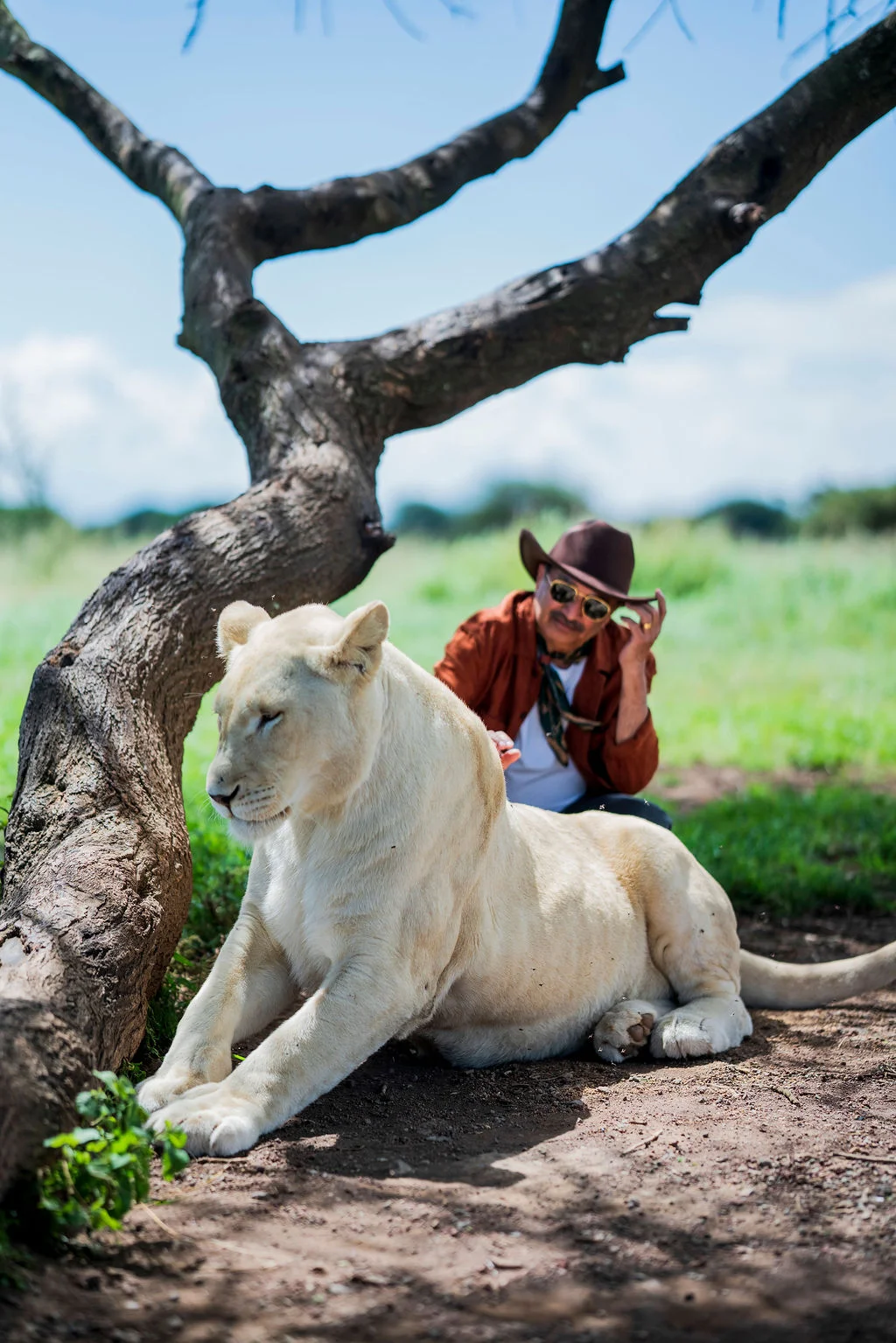
Serval Wildlife Tanzania is a wildlife attraction and villa resort in Siha District, in the Kilimanjaro region. It offers a short guided visit or a longer stay. The appeal is simple: time near animals, space to slow down, and mountain views when the sky is clear.
A good visit starts with clear plans. Day entry, meals, transport and a villa stay are different purchases. A photo seen online may show a paid extra or an overnight activity. This guide explains what to ask, what to budget and how to enjoy the site with care.
Use it to plan a day from Moshi or Arusha, a break near Kilimanjaro International Airport, or a calm night before a longer safari. At the end, 20 FAQs answer the questions that matter most. Listed prices are planning figures, not a final quote.
What is Serval Wildlife Tanzania?
Serval Wildlife describes itself as a wildlife sanctuary and luxury eco-tourism resort. It is a managed property where staff guide visits. It offers a different experience from a game drive in a national park.
In a park, wild animals choose where to move over a vast area. Sightings take patience and luck. At this property, the setting and activities are managed. That can suit a short visit, but it should not be confused with seeing a free-ranging herd or tracking wild cats.
Think of the visit as one part of a Tanzania trip. You can spend time with staff, ask about animal care and enjoy the grounds. Then use a longer safari to learn about wild habitats, migration routes and the links between predators and prey.
The property name is also not a species checklist. Nor is a villa name a promise to see that animal. Ask the team which species are present and which areas are open on your date. Care needs, rest and staff decisions may change the day's plan.
Where is it, and how do you get there?
Serval Wildlife is in Siha District, in northern Tanzania's Kilimanjaro region. Moshi, Arusha and Kilimanjaro International Airport are common starting points. Book transport from your actual hotel or airport, rather than from a town name alone.
On its official About page, the operator gives these approximate drive times:
Kilimanjaro International Airport, known as JRO: about 35 minutes.
Moshi: about 60 minutes.
Arusha: about 90 minutes.
These are the property's estimates. Your trip may take longer due to traffic, rain, road works or your pick-up point. A hotel across town can add time before the main drive even starts. Leave room for stops, entry and a relaxed return.
JRO and Arusha Airport are different airports. Arusha Airport uses the code ARK. Check your ticket and share the right airport with your driver. A cheap transfer quote can become costly if it covers the wrong starting point or only one direction.
For a private trip, agree on the pick-up time, vehicle, return point and waiting time. Ask if the driver stays while you visit. If you carry large bags, confirm storage space too. A clear transport plan helps you enjoy the day without a rush.
Serval Wildlife day visits: hours and timing
The Serval Wildlife day-visit page lists opening hours of 10:00 AM to 4:00 PM daily. It says the tour takes about two hours. Plan extra time for travel and any meal you choose to buy.
The same page says day visitors can buy tickets on arrival without prebooking. That does not remove the need to plan transport. Check current access before a long drive, especially for a group, a holiday visit or a tight travel day.
Arrive with enough time to complete the tour before closing. A late arrival should not rely on the team extending opening hours. The listed schedule is also why advice to arrive at sunrise may not suit a day ticket.
Ask whether the two-hour estimate includes your briefing and photo stops. A slow lunch can add time after the guided visit. With children, build in a toilet break and some quiet time. Your full outing will be longer than the tour alone.
If you have a flight later that day, work backwards from the airline's check-in guidance. Allow for the return drive and delays. Do not treat a short distance from JRO as a guarantee that a late visit will fit.
How much does a day visit cost?
The official Day Visit Information page lists separate resident and nonresident rates. Its published figures help with a first budget. Confirm the rate for your date and the documents needed for your group.
Tanzanian and Tanzanian resident adults: US$45 each.
Tanzanian and Tanzanian resident children aged 4–12: US$15 each.
Nonresident adults: US$120 each.
Nonresident children aged 4–12: US$50 each.
These are figures displayed on the official page when checked for this guide in October 2026. The page carries a June 2024 date. Ask for a current quote before you pay, rather than treating an older page as a fixed rate for all future trips.
The page says there is no separate East African rate. Do not assume a passport from a nearby country qualifies for the Tanzania resident price. Confirm the category and proof needed before you set your budget.
The published child band begins at age four. It does not clearly settle the fee for children below that age. Ask directly. Share each child's age, since “family ticket” can mean different things to different people.
A simple family budget
At the listed nonresident rates, two adults and two children aged 4–12 would pay US$340 for entry. At the listed Tanzania resident rates, the same group would pay US$120. Both examples exclude meals, transfers and any paid extras.
For a couple, the listed nonresident entry total is US$240. A solo visitor would start at US$120. Use these sums to compare quotes. Then add the same extras to each quote, so the cheaper headline price does not hide missing costs.
A useful budget has four parts: entry, transport, food and optional activities. Keep a small margin for changes. Ask which currency will be used for payment and how any conversion is calculated. The website's US dollar display is a price reference; it does not settle every payment detail.
What does a day ticket include?
The official page lists an English-speaking guide, access to the animals and access to the restaurant. Restaurant access does not mean a meal is included. Food is priced on the restaurant menu.
The operator also lists photo, feeding and petting activities. Treat those as activities subject to staff rules, species limits and animal care. Entry does not mean you can touch every animal, choose any encounter or insist on a certain photo.
The day-visit page says picnics and meals with animals around are for staying guests. It lists the gazebo as a separate package. Walking with lions is not included in a day trip. It also says children are not allowed close to lions.
These details matter because photos can blur package differences. A picture of breakfast by a villa may show an overnight stay. A decorated table may be a celebration add-on. Ask the team to name each inclusion in your own quote.
Is the guided visit included, and in which language?
Are meals or drinks included, or paid on the day?
Which animal activities may be offered to this group?
Is any photo service or special setup extra?
Does transport include both directions and waiting time?
The page lists bank, cash and M-Pesa payment options. Confirm which are accepted for your booking and how a receipt is issued. Use the property's verified channels. Keep the booking reference and written price where you can find them at entry.
What wildlife experience should you expect?
Expect a staff-led visit rather than a self-directed safari. The best approach is to listen, watch and ask. Animal care should set the pace of the visit, even when that changes a planned activity.
Giraffe encounters feature in the property's own accommodation information. The site also refers to lions and other species. That still does not create a fixed list for each visit. Ask for a current species list if one animal is the main reason for your trip.
Start by watching how each animal moves. Notice its feet, coat, ears and feeding habits. Ask what it eats and where that species lives in the wild. Those small details can make a short visit rich, even without a close photo.
You may choose to observe instead of taking part in contact activities. Tell the guide early. You can still learn from a comfortable distance. A good memory does not need a hand on an animal or a dramatic pose.
If feeding is offered, use only food supplied or approved by staff. Do not bring snacks to attract an animal. Human food may not suit its diet. Feed only where and how the guide allows, and stop as soon as staff ask.
Keep the animal's needs first
No wild animal is made risk-free by a calm appearance. Respect barriers and staff instructions. Avoid chasing, crowding, sudden moves or blocking an animal's path. Let the team decide when an encounter must end.
Do not use sweets, drinks or hidden food to hold an animal in place. Never ask a guide to wake it or pull it into a pose. Rest is part of care. If an animal moves away, accept the change and enjoy the wider scene.
Ask permission before flash photography. Keep loose straps and small items under control. Put food away before moving between areas. Follow handwashing guidance after any approved contact. These simple habits help both visitors and staff.
Serval Wildlife and animal welfare
The operator says its work includes care for animals from zoos and animals found injured or orphaned. Its About page describes work with Tanzania's wildlife bodies. These are the facility's own statements, rather than an independent welfare assessment.
That distinction helps you make an informed choice. A resort's name, photos or conservation language cannot explain every animal's story. If welfare is central to your trip, ask for details before booking.
Useful questions are specific. Where did the animal come from? What care does it need now? Can it choose to rest away from guests? Which activities are ruled out? What happens when an animal does not want to take part?
Ask who provides veterinary care and how feeding is managed. If rehabilitation or release is mentioned, ask which species and which programme. Not every animal can be released, and broad promises should not replace a clear explanation.
You do not need to make contact to support a thoughtful visit. Choose observation when it fits your values. TanzaLux Safaris can help you plan around that preference. A national park safari may be a better fit if your priority is watching wildlife with no arranged contact.
Serval Wildlife villas: staying overnight
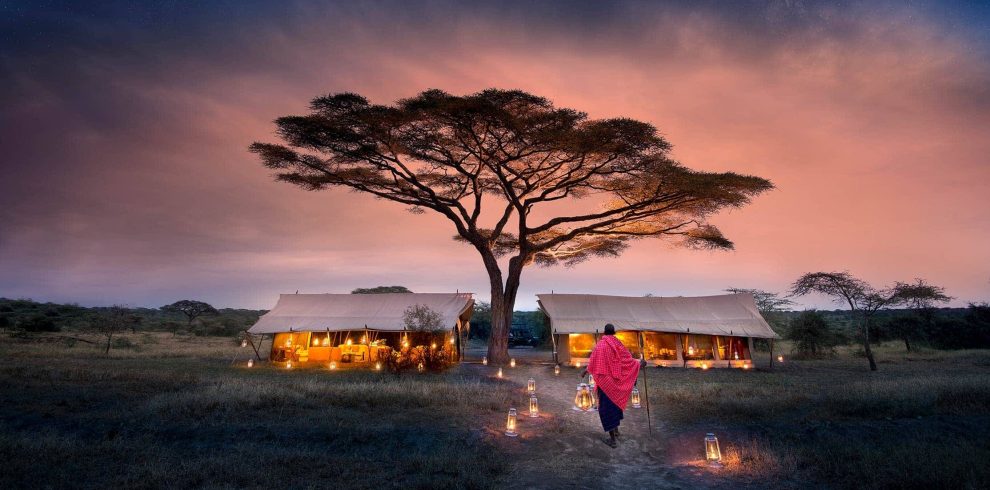
A Serval Wildlife stay gives you more time on the property and a place to rest between activities. It is a different booking from a day ticket. Choose it for the pace and room experience, after checking the full price.
When checked in October 2026, the official website's main villa listings showed several one-bedroom villas at US$950 per night. They were listed with space for two adults and two children. The Serval Family Villa was listed at US$3,000 per night, with three bedrooms and a larger group capacity.
Use these as published starting points, not a promise of availability. Your dates, room choice and extras need a written quote. Check taxes, child rules and the total number of guests allowed. Ask about beds rather than relying on the word “capacity.”
The official accommodation page names villas after animals. It explains that the name does not limit you to that species. Booking Lion Villa does not promise a lion at your door. Booking Giraffe's Villa does not promise a private giraffe encounter.
The same page gives noon check-in and 10:00 AM checkout. Confirm those times for your stay. If your flight lands early, ask about bag storage and entry before the room is ready. If you leave late, ask about day use and any charge.
Confirm meals and extras in writing
The accommodation page includes an older list of activities and a note about breakfast-only pricing from January 2025. Because the page mixes terms, your written booking should state the current meal plan and activities.
Do not assume the villa price covers lunch, dinner, every encounter or every setup shown in photos. Ask which services are included for your date. A room rate and a package rate may be quite different.
The operator advertises paid celebration and romantic dining options. It also refers to selected villas with balcony baths. Ask for the exact room features you want. A bath is not proof of a shared swimming pool, and day entry does not promise pool use.
For a family, request the bed layout and any extra-bed price. For a couple, confirm privacy, meal times and the space used for a special dinner. For a group, ask which rooms are close together and how changes affect the total.
Room type, guest names and each child's age.
Check-in, checkout and any early or late use.
Breakfast, other meals, drinks and dietary needs.
Animal activities, age limits and staff supervision.
Transfer details, taxes and any paid extras.
Cancellation, date-change and refund terms.
Day trip or overnight stay: which suits you?
Choose a day visit when your main aim is a short guided experience. Choose a villa when you want the room, grounds and slower pace to be part of the trip. Compare the full costs before deciding.
A day trip can work well if you already have a hotel in Moshi or Arusha. You keep your base and return after the visit. It may suit a family with a free day or travellers who want a short stop before a longer safari.
A stay may suit a honeymoon, a celebration or a rest day near JRO. It offers time to settle in. The higher cost should make sense for your priorities, rather than for one social media photo that may be an extra.
Neither choice guarantees mountain views or a named animal activity. Weather and care needs apply to both. A well-planned day visit can be memorable. An expensive room is not required to learn or enjoy the setting.
If your budget is tight, compare the cost with an extra game-drive day elsewhere in your safari plan. Decide what you want to remember: the villa, close observation, a slow lunch or more time in the wild. There is no single right answer for every traveller.
Visiting Serval Wildlife with children
Serval Wildlife welcomes children under a parent's or guardian's care. That does not mean every activity suits every age. Adults need to supervise closely and follow the limits set for each animal area.
The official day-visit page states that children are not allowed close to lions. Do not use an online photo to override that rule. Ask what younger guests can do and where they should watch from before you enter an area.
Talk with children before arrival. Explain that animals need quiet, space and rest. Agree on a simple rule: stay with the adult and wait for the guide. Young children often learn more when the pace is calm and the instructions are short.
Choose a few things to notice together. A giraffe's long tongue, an animal's tracks or the shape of its ears can start a good talk. Ask the guide how these features help it live. Let children ask their own questions too.
Build the plan around food and rest. The visit lasts about two hours, but the drive can make the day feel long. Check toilets, shade, stroller access and meal options before travelling. Bring what your child needs for the drive, then follow food rules inside.
Skip contact if a child is scared or tired. A photo is not worth pushing them into distress. Step back, take a break or watch from a distance. Let curiosity grow at the child's own pace.
Photography: make good memories with care
You can make strong Serval Wildlife photos without forcing a close encounter. Focus on light, calm observation and the wider setting. Ask staff where photos are allowed and keep the animal's path clear.
A phone can be enough. Clean the lens, check your battery and free some storage before leaving the hotel. Take a wider shot of the scene, then a closer view from the permitted distance. Use zoom rather than stepping beyond a barrier.
For a camera, a modest zoom lens can help you frame an animal without moving too close. Keep equipment light enough to carry during the tour. A huge bag can slow you down and leave you watching your gear more than the visit.
Light changes through the day. Early in the published visiting window may suit your schedule and avoid a late rush. Shade can give a softer portrait than harsh sun. Let the guide's instructions and access rules take priority over finding the perfect angle.
Mount Kilimanjaro and Mount Meru may be visible from the area when conditions allow. Clouds can hide them in any season. Do not build the whole trip around a clear mountain backdrop. The wildlife, gardens and shared time can still make the day worthwhile.
Turn off flash unless staff specifically allow it.
Keep phone straps and lens caps secure.
Avoid loud sound effects or calls to attract attention.
Do not hold food out for a pose unless staff direct it.
Ask before photographing guides or other guests.
Check rules for drones and commercial filming in advance.
Post photos with honest captions. Describe a managed wildlife visit as such. Do not present an arranged encounter as a chance meeting in a national park. Clear captions help future travellers know what they are booking.
When should you visit?
Pick a date that fits your route and leaves time to enjoy the visit. Serval Wildlife lists daily opening. Weather can still affect the feel of the day, outdoor plans and the chance of a mountain view.
A dry spell can make walking and photography easier. Rain can bring soft light and green grounds, but it may also change an outdoor plan. Check the forecast close to travel. Ask the team what happens if rain falls during your visit.
There is no month that guarantees a cloud-free Kilimanjaro view. The mountain can appear briefly and then vanish behind cloud. Enjoy the view if it comes, and choose your date for the whole trip rather than that one shot.
If you want a quieter pace, ask about expected groups on your date. Do not assume a wet month always means fewer guests. Weekends, holidays and local events can affect demand. The property can give a better picture of that day's bookings.
For a special occasion, book room and setup details early enough to compare options. For a simple day visit, confirm the current ticket rules and arrange the drive. Keep the last part of the afternoon free in case your return takes longer.
A relaxed day-trip plan
A good Serval Wildlife day plan leaves time for the tour, a meal if wanted and the return drive. The outline below is an example, not the property's fixed schedule. Your driver should adjust it to your hotel and group.
Before departure: check the current hours, price and return plan. Pack light and have your booking details ready.
Late morning: arrive during opening hours, pay or check in, then listen to the guide's briefing.
Main visit: allow about two hours for the guided tour. Follow the day's access rules and take breaks as needed.
Optional lunch: use the restaurant if it fits your plan. Choose from the menu and pay for what is not included.
Early afternoon: return to your hotel, or continue only to a stop agreed in advance with your driver.
From Arusha, the round trip can mean several hours in the vehicle. From Moshi, it can still take a large part of the day with lunch and stops. Avoid adding a long drive just because the guided visit sounds short.
A flight-day visit needs a larger buffer. Confirm airport transfer timing and where bags will be kept. If your plan depends on every stage running perfectly, choose another day. A calm final morning is often worth more than a rushed extra stop.
How does it fit into a longer Tanzania trip?
Serval Wildlife can sit at the start or end of a northern Tanzania route. Plan nearby outings by actual drive time. Use separate days for distant parks so each stop has room to breathe.
The property's accommodation page advertises trips to Materuni, hot springs and Maasai villages. Those are separate outings with their own costs and arrangements. Ask for the route, guide, walking level and what is included before adding one.
For Materuni, check the walk and footwear needs rather than treating a waterfall stop as a quick roadside photo. For hot springs, ask about access and local water conditions. For a village visit, choose a host-led plan and ask before taking portraits.
If you plan to climb Kilimanjaro, fit this visit around your guide's mountain schedule. Leave time to rest and prepare. A day at the property does not replace the checks, briefings and gear work needed for a trek.
For Tarangire, Ngorongoro or Serengeti, think in terms of a multi-day safari. These are not casual additions to a short Siha visit. Long road journeys and park entry times deserve their own plan. A rushed checklist usually gives you less time to watch wildlife.
TanzaLux Safaris can help shape the order around your arrival airport, hotels and interests. Share whether you value animals, photos, a villa stay or a gentle family day most. That makes it easier to choose the right amount of time at each stop.
What should you bring?
Bring light, practical gear for a Serval Wildlife visit, walking outdoors and sitting in the vehicle. Add a layer for a change in weather. Keep valuables secure and follow the property's food rules.
Comfortable closed shoes with a good grip.
A light rain layer and clothing that suits the forecast.
A hat, sun protection and sunglasses.
A phone or camera with enough charge and storage.
A small day bag with secure pockets.
Any resident-rate documents requested for entry.
Your booking details and an agreed way to pay.
Child essentials and a change of clothes if needed.
Ask about drinking water and refill options. Avoid carrying open snacks into animal areas. If you need a specific meal or have a dietary concern, arrange it ahead of time. A restaurant visit is easier when the team knows your needs.
For a villa stay, pack for the room as well as the tour. Check the exact bath facilities and any separate activity you booked. Do not pack swimwear on the assumption that a day ticket includes a pool.
Access, comfort and clear booking details
Ask about access before booking if anyone in your group needs extra support. The word “accessible” is too broad on its own. A clear description of paths, rooms and transport helps you decide.
Request details on steps, walking distance, surfaces and toilet access. If you use a wheelchair or walking aid, ask about the route you would actually take. Confirm vehicle entry and space for equipment. A photo of a smooth terrace cannot show every part of the visit.
If language matters, request your preferred language in advance. The official day page lists an English-speaking guide. Other languages should be confirmed rather than assumed. For a large group, ask how the tour is divided and how everyone can hear.
For transfers, the official day page displays US$70 from JRO and US$140 from Arusha Airport. The accommodation page separately lists round trips. Check direction, vehicle size and current price. An airport transfer figure does not automatically cover a town pick-up or the return journey.
Save the total quote and the terms before paying. Check what happens if you change dates, arrive late or cancel. Ask how deposits and balances work. A clear record is useful for both sides and reduces confusion at the gate.
Plan your Serval Wildlife experience with TanzaLux Safaris
A memorable visit comes from a good fit between the experience and your interests. Keep the plan calm, the price clear and the animals' needs first. The right choice may be a short tour or a slower villa stay.
To start, share your date, pick-up point, group size and children's ages with TanzaLux Safaris. Say whether you want day entry or a room. Add your flight times, walking needs and any activity you hope to include.
Ask for a quote that separates entry, room, meals and transfers. Compare it with the wider safari plan. This gives you a useful way to spend both time and money, with fewer surprises on the day.
Source note: visitor details above draw on the property's official day-visit guidance, accommodation information and villa listings, checked in October 2026. Pages and packages can change. Confirm current terms directly before booking.
20 frequently asked questions
1. Where is Serval Wildlife Tanzania located?
It is in Siha District, in the Kilimanjaro region of northern Tanzania.
Moshi, Arusha and JRO are common starting points. The operator estimates drives of about 60, 90 and 35 minutes from those places, respectively. Allow extra time from your actual hotel or airport.
2. Is Serval Wildlife a national park?
No.
It is a managed wildlife attraction and resort. A visit differs from a game drive among free-ranging animals in a national park. You can include both in a trip, but choose a park safari if wild habitats and natural animal behaviour are your main goals.
3. What are Serval Wildlife's opening hours?
The official day-visit page lists daily opening from 10:00 AM to 4:00 PM.
Arrive with time to finish the visit before closing. Check the current schedule before travel, especially if you have a flight or a long drive planned for the same day.
4. How long does a Serval Wildlife day tour take?
The operator says about two hours.
Your full outing takes longer once you add the drive, entry and any meal. From Arusha, allow a generous part of the day. Do not treat the tour length as the time needed from hotel departure to return.
5. How much is Serval Wildlife entry for nonresidents?
The official page displays US$120 per adult and US$50 per child aged 4–12.
These are published planning figures checked in October 2026, on a page dated June 2024. Confirm the current rate and payment terms. Meals, transfers and extras are separate unless your quote says otherwise.
6. Are there Tanzania resident rates?
Yes.
The official page lists US$45 per adult and US$15 per child aged 4–12 for Tanzanians and Tanzanian residents. Ask what proof is needed. The page says there is no separate East African rate, so do not assume another nationality qualifies for the same price.
7. Is Serval Wildlife free for children under four?
Ask the property directly.
The official page gives a child rate for ages 4–12, but does not clearly state the fee below age four. Share the exact age of each child before booking. Do not assume free entry from a third-party listing or a past visit.
8. Do I need to book a day visit in advance?
The operator says day visitors can buy tickets at entry without prebooking.
Confirm that policy before travelling. Arrange your transport separately, and check ahead for groups or special access needs. A villa stay, celebration setup or other paid package needs its own booking details.
9. Is lunch included in Serval Wildlife entry?
No standard meal is included in the published day-entry information.
Visitors can use the restaurant and pay menu prices. Ask for meal options if you have dietary needs. If a tour company includes lunch, make sure its written quote says what meal and drinks are covered.
10. Which animals will I see?
Ask for the current species list and the areas open on your date.
The property's information features giraffe encounters and refers to lions, among other animals. The exact visit depends on access and care needs. A resort name or villa name is not a reliable species checklist.
11. Can I feed or touch animals at Serval Wildlife?
The operator advertises some guided feeding and contact activities.
They depend on staff permission, species rules and animal care. Use only approved food and follow the guide. You can choose observation instead. Never treat entry as permission to approach or touch any animal you choose.
12. Can children go close to lions?
No.
The official day-visit page says children are not allowed close to lions. Keep them with a responsible adult and follow staff directions. Ask which areas and activities suit their ages. A calm-looking animal or a photo online does not remove that restriction.
13. Does a Serval Wildlife day ticket include walking with lions?
No.
The operator explicitly excludes it from day visits. Its accommodation page mentions it in connection with staying guests, subject to conditions. Do not assume availability or suitability. Ask about current rules, age limits and care, and consider watching from a distance instead.
14. How much do Serval Wildlife villas cost?
The main website listed several one-bedroom villas at US$950 per night when checked in October 2026.
The larger Serval Family Villa was listed at US$3,000. Confirm dates, guest limits, meals, taxes and extras in a written quote. The displayed rate does not guarantee a room or every activity.
15. Does the villa name guarantee a certain animal?
No.
The operator says villas are named after animals, but the name does not limit the species guests may access. It also does not guarantee an animal by your balcony. Choose a room for its confirmed features, layout and price, then ask separately about wildlife activities.
16. Can day visitors use a swimming pool?
Do not assume pool access.
The accommodation information refers to baths in selected villas and paid bath setups, which are different from a shared pool. Ask whether any swimming facility exists, who can use it and whether it is included in your booking.
17. Will I see Mount Kilimanjaro from Serval Wildlife?
You may see Kilimanjaro or Mount Meru when the sky is clear.
Clouds can hide the mountains at any time of year. No date or package guarantees the view. Plan for the wildlife visit and setting, then enjoy a mountain backdrop if conditions allow.
18. Can I visit before a flight from JRO?
It may fit if your flight is late enough and your schedule leaves a wide buffer.
Work backwards from airline check-in guidance. Include the tour, airport drive, bags and possible delays. If timing is tight, choose another day rather than making the flight depend on a perfect outing.
19. Can I combine Serval Wildlife with Serengeti or Ngorongoro?
Yes, as part of a multi-day Tanzania itinerary.
Give those parks their own travel and game-viewing time. They should not be treated as quick extras after a two-hour visit in Siha. TanzaLux Safaris can help arrange the order around your hotels, flights and interests.
20. How can TanzaLux Safaris help plan my visit?
Share your dates, pick-up point, group size, children's ages and choice of day visit or stay.
Add your flight times and any access needs. Request a clear quote for entry, room, meals and transfers. That helps shape a relaxed visit that fits the rest of your Tanzania trip.
Ready to start planning?
Tell us your dates and what you're after — no obligation.