5.0 Excellent
Ruaha National Park Safari: Tanzania’s Untamed Wilderness
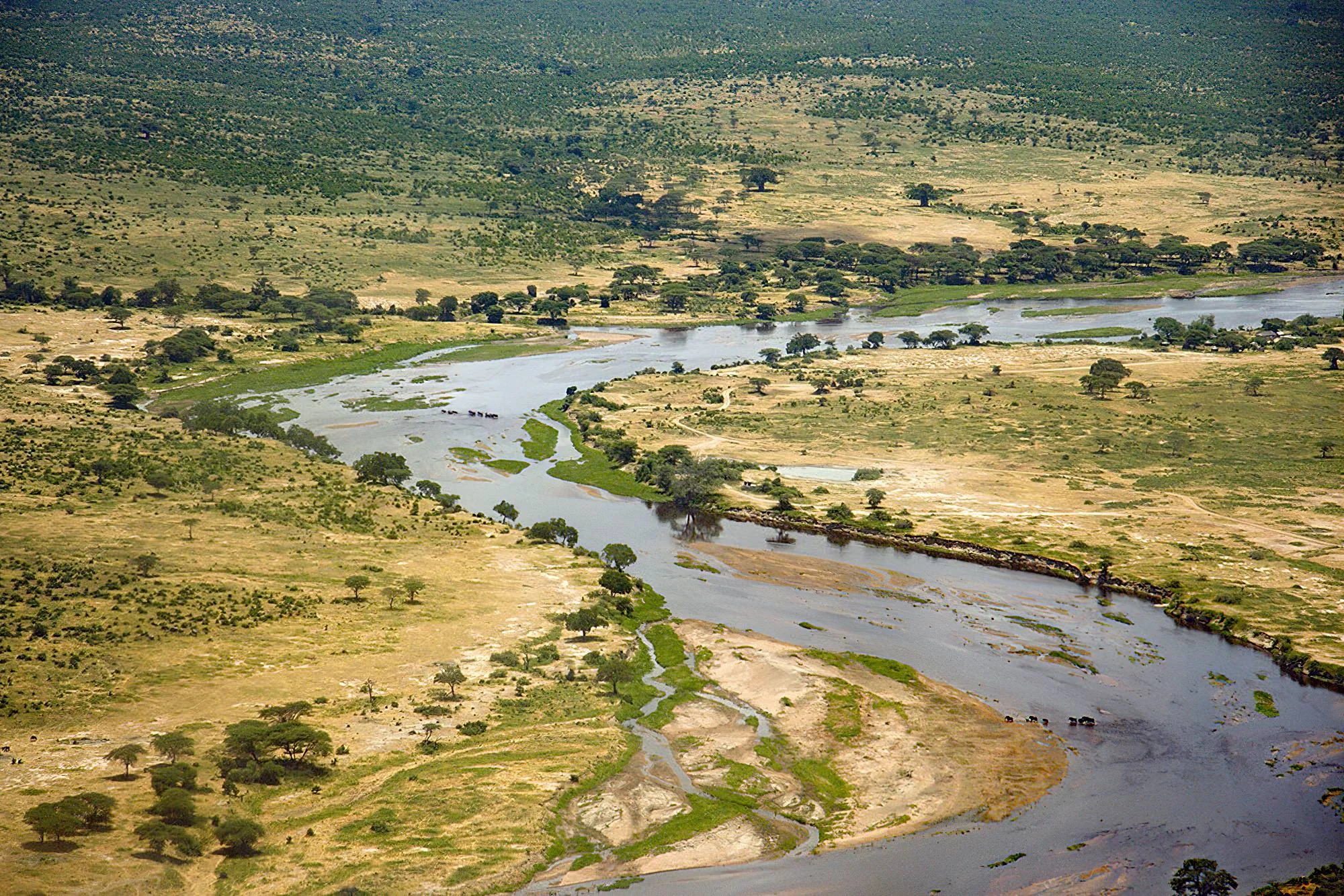
A Ruaha National Park safari offers rugged scenery, varied wildlife, and time to explore Tanzania beyond the northern circuit. Plan for game drives, baobab landscapes, and patient viewing. Choose your camp and season carefully, as distances are large.
Ruaha rewards guests who enjoy the whole bush experience. A lion sighting may be a highlight, but so can a quiet waterhole, fresh tracks, or birds in the morning light. This guide helps you plan a stay with clear expectations and enough time to enjoy it.
Why choose a Ruaha National Park safari?
Choose Ruaha for a spacious safari setting and a route that differs from the classic northern parks. It suits guests who value wildlife, landscapes, and an unhurried pace over a fixed checklist.
The park is one of Tanzania's largest, but size alone does not define the visit. Your camp location shapes the areas you can reach. A smaller, well-planned daily range often works better than trying to cover the whole park.
Ruaha can feel quieter than heavily visited safari areas. However, no guide can promise empty roads or a private sighting. Wildlife moves freely, and several vehicles may gather around an animal.
Spend several nights in one useful base.
Choose a camp for its location as well as its rooms.
Make time for landscapes, birds, and small details.
Keep expectations flexible for elusive species.
Check access and camp opening dates before booking.
Where is Ruaha National Park?
Ruaha lies inland in Tanzania, west of Iringa, and is part of the southern safari circuit. It is not a short side trip from Arusha or the Serengeti.
Think of it as a destination that deserves its own time. A map may make two parks look close, while the actual transfer takes much of a day. Ask for realistic travel times between each overnight stop.
For a first Ruaha National Park safari, start with your arrival airport and available nights. Then compare flying with a road journey. The right choice depends on budget, pace, and whether you want stops along the way.
What wildlife can you see in Ruaha?
Ruaha is known for elephants, buffalo, big cats, and varied antelope. African wild dogs also occur, but sightings are unpredictable. No animal should be treated as a guaranteed part of the trip.
The TANAPA wildlife and habitat guide describes the park's river systems, woodlands, and rocky landscapes. Those different habitats help explain why one drive can feel quite different from the next.
Elephants and buffalo
Water sources can draw animals together as conditions become dry. Watch how a herd approaches, drinks, and moves on. Give animals room to choose their path.
Do not judge a sighting only by how close the vehicle gets. Behaviour, light, and the setting can make a distant view more rewarding. Your guide should keep a respectful gap and avoid blocking access to water.
Lions, leopards, and other predators
Ruaha supports several large predators, but each has its own range and habits. Patient drives may be rewarding, especially when the guide has time to read tracks and signs.
Do not expect a hunt on demand. A resting cat is still a wild animal, not an attraction that must perform. Keep voices low and let the sighting unfold without pressure to move closer.
Wild dogs and antelope
Wild dogs range widely, so a longer stay does not guarantee them. Kudu and other antelope add interest beyond the most familiar safari species.
Tell your guide what excites you, then remain open to other finds. A morning spent chasing an old report can mean missing wildlife nearby. Current conditions should guide the day, not a rigid wish list.
Is Ruaha a Big Five destination?
Do not book Ruaha as a complete Big Five destination. Lions, leopards, elephants, and buffalo occur, but rhino viewing should not be part of the promise.
If rhinos are a major goal, discuss another suitable area within your wider trip. Even there, sightings remain uncertain. A Ruaha National Park safari is best valued for what the park offers, not for completing a marketing label.
What makes Ruaha's landscapes special?
Baobabs, rocky hills, riverbeds, and woodland give the park a strong visual identity. The scenery is part of the safari, rather than a backdrop between animal sightings.
The Great Ruaha River and other water systems shape life here. Flow and available water change through the year. Do not assume every river channel will hold visible flowing water during your visit.
Look for the link between terrain and wildlife. Shade can matter in the heat. Water can shape movement. Your guide can help turn those observations into a better understanding of the place.
In photographs, leave room for the landscape around the subject. An elephant beneath a baobab may tell a richer story than a tightly cropped portrait. Take a few moments to enjoy the view without a screen as well.
When is the best time for a Ruaha National Park safari?
June to October is a useful starting window for a dry-season wildlife trip. Wetter months can offer green scenery and bird interest, but camp closures and access need closer attention.
Asilia's Ruaha seasonal guide outlines how the experience changes. Use it as broad context, then check your exact camp and dates. Seasonal patterns are not daily weather forecasts.
June to August: settling into the dry season
These months can suit guests planning a classic game-drive stay. Conditions often become drier as the season progresses. Early mornings may still call for a warm layer.
Ask about the landscape and access expected in your travel month. A June stay and an August stay need not look the same. Pack for dust, cool starts, and sun rather than one fixed temperature.
September and October: plan around heat
Later dry-season travel can bring strong wildlife interest around remaining water. Heat and dust may also be more noticeable. Choose a daily rhythm that keeps you comfortable.
A shaded rest period at camp can be valuable. Ask about room cooling and common areas before booking. Guests who struggle with heat should discuss this early rather than relying on the word luxury.
November to February: green-season possibilities
Rain can change the scenery and bring fresh interest for bird lovers. Viewing conditions, tracks, and daily plans may also change. Check which properties remain open.
Lower demand does not guarantee a lower total cost. Flights, room type, and private guiding still matter. Compare complete quotes for the same services and allow flexibility in your schedule.
March to May: confirm operating dates
Heavier rains can limit travel, and some camps close for part of this period. Do not assume a property is open because its website displays photos and a contact form.
Get written confirmation of your nights and transfer plan. Ask what happens if conditions affect the route. A Ruaha National Park safari in a quieter period needs a workable plan, not just an attractive room rate.
How do you get to Ruaha?
You can plan access by air or road, depending on your starting point and itinerary. Confirm the arrival airstrip or park approach with the camp before arranging transfers.
Fly-in safaris
A fly-in trip can reduce long road journeys and leave more time in camp. However, a scheduled flight may include stops, and onward connections still need a sensible buffer.
Coastal's Ruaha destination page is a starting point for flight enquiries. Ask for current routing, timings, baggage limits, and the airstrip used for your selected lodge.
Check the full chain: airport check-in, flight, airstrip pickup, and drive to camp. Do not treat the listed flight time as the entire transfer. Confirm who meets you and how to contact the team if plans change.
Road-based trips
A road journey can suit guests who want a broader overland route. It needs realistic distances, suitable transport, and time to rest rather than a race between parks.
Ask which sections are paved and where conditions may slow progress. A drive from Iringa is not the same as a drive from Dar es Salaam. Request estimates based on your exact hotel and camp.
How many nights should a Ruaha National Park safari include?
Three or four nights is a useful starting point for planning. More time can suit photographers, birders, or guests who prefer fewer transfers and a slower daily pace.
A one-night stay leaves little margin after arrival and before departure. You may spend more effort reaching the park than enjoying it. Consider fewer destinations if your total holiday is short.
For a Ruaha National Park safari with a specific wildlife interest, extra nights create more opportunities, not certainty. Choose the length around your budget and enjoyment of the bush, not a promise that one more day ensures a rare sighting.
What could a four-night Ruaha itinerary look like?
This sample gives you three full days between arrival and departure. It is a planning example, not a fixed package. Activities depend on your camp, permissions, weather, and flight times.
Day 1: arrive and settle in
Transfer to camp, meet the team, and review safety guidance. If timing allows, take a first drive. Leave room for delays rather than promising a full afternoon in the bush.
Day 2: explore near your base
Start with a morning drive, then return for rest if that suits the group. Use the afternoon to explore another area. Discuss what you enjoyed so your guide can shape later outings.
Day 3: follow a different interest
Focus on birds, tracks, landscapes, or a longer drive with a picnic where permitted. If a guided walk is available and suitable, it can offer a different way to observe the bush.
Day 4: keep the plan flexible
Revisit a productive area or try a route you have not explored. Avoid making the whole day depend on one elusive species. Leave time to enjoy the camp you selected.
Day 5: depart with a buffer
Confirm pickup time and onward connections the evening before. A final activity may fit, but should not threaten your transfer. Keep documents and essential items in your hand luggage.
Which activities can you include?
Game drives are the core of most visits. Other activities vary by property and location. Ask what is permitted, operating, suitable for your group, and included in the price.
Guided walking
A walk shifts attention toward tracks, plants, scents, and small details. It is not a self-guided hike. Qualified staff and the required park arrangements are essential.
Check age limits, fitness needs, distance, and footwear. Tell the team about any mobility concerns. Follow the briefing closely and accept that a walk may be changed or cancelled for safety.
Birding and photography
Both reward a patient pace and a guide who understands your interests. Share your goals before booking so the drive style and available equipment can be discussed.
Ask about vehicle space if you carry large lenses. A private vehicle may give more control over timing, but needs explicit confirmation. Do not assume it is included with a high-end room.
Night drives and specialist outings
These are not automatic features of every Ruaha National Park safari. Availability depends on the property, area, permissions, and conditions. Confirm the specific activity rather than relying on a general brochure.
How should you choose a lodge or tented camp?
Start with location, access, and guiding style. Then compare room comfort and services. The best-looking property may not be the best fit for your priorities.
Ask which part of the park you will explore most often.
Check the transfer time from your arrival point.
Confirm shared or private game drives.
Ask about power, hot water, charging, and cooling.
Check steps, paths, and room access if mobility matters.
Confirm child policies, meals, and family room arrangements.
Ask about internet access without expecting a city connection.
Review opening dates and cancellation terms.
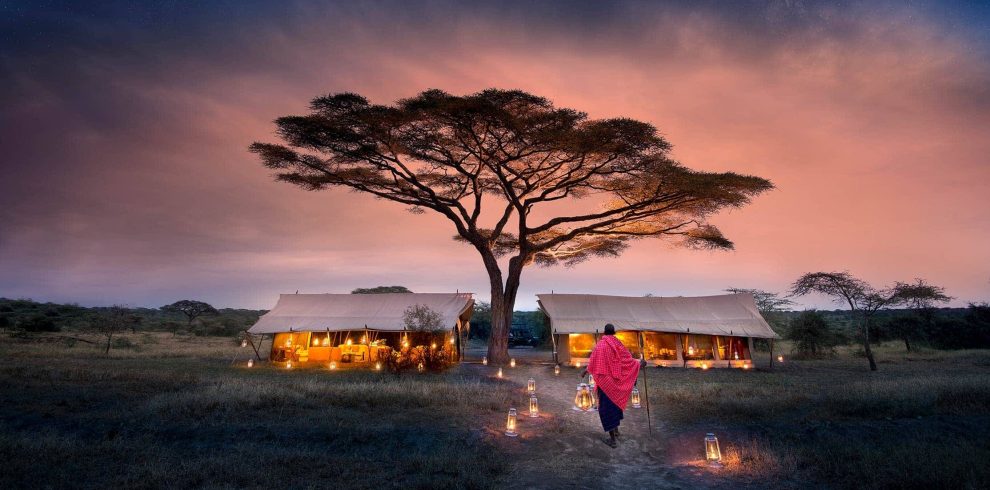
A tented room can still offer high comfort, while a solid-walled lodge may feel closer to a hotel. Choose what helps you rest well. Sounds at night are part of many bush stays, and staff instructions should guide movement after dark.
What affects the cost of a Ruaha National Park safari?
The main cost factors are season, camp, guest count, transport, and guiding arrangements. There is no single fair price without knowing those details.
Ask for a dated quote in a named currency. It should list the number of nights, room type, meals, park fees, flights, and transfers. A package total is more useful when you can see what it covers.
Check drinks, laundry, tips, specialist activities, and single-room supplements. Also ask whether flights are confirmed or estimated. Do not compare a shared-drive package with a private-vehicle plan as if they were the same product.
For better value, compare a longer stay in one camp against several short stops. Reduced transfer time may improve the experience as well as simplify the route. Any offer should be checked against the full booking terms.
Can you combine Ruaha with another destination?
Yes, but choose the combination around available nights and workable transport. Ruaha, Nyerere, and Zanzibar can serve different interests, while a northern extension adds more travel.
Ruaha and Nyerere can offer contrasting safari settings. Ask which activities each camp actually provides. Do not book two parks solely to repeat the same daily routine in different rooms.
Zanzibar can add a beach break after a Ruaha National Park safari. Check flight links and hotel availability for your dates. Beach conditions need their own planning and should not be inferred from inland weather.
If you also want the Serengeti, allow enough time for both regions. A short holiday may be better spent in one circuit. Ask the team to show the travel burden before committing to an ambitious route.
What should you pack for a Ruaha National Park safari?
Pack for early starts, sun, dust, and the limits of your transport. Keep essentials accessible and check the camp's services before deciding how much to bring.
Light clothing and a warm layer for cool drives.
A hat, sunglasses, and sun protection.
Closed shoes for camp and any approved walks.
A light rain layer suited to your travel season.
Binoculars, spare batteries, and charging equipment.
Dust and water protection for cameras and phones.
Personal medicines and travel documents.
A soft bag if your flight operator requires one.
Ask a travel-health professional about your personal needs well before departure. Check insurance for the activities and remote setting. Share relevant dietary or access needs with the booking team without waiting until arrival.
How do you travel responsibly in Ruaha?
Follow park rules and your guide's instructions. Respectful viewing protects wildlife and helps other guests enjoy the same place. A close photo is never worth disturbing an animal.
Stay in the vehicle unless staff confirm a permitted stop. Never feed wildlife or call animals toward you. Keep noise low and give guides room to make safe decisions.
At camp, follow escort and after-dark rules even if the path looks clear. Store food as instructed. Ask before flying a drone; bringing one does not mean you have permission to use it.
When choosing an operator, ask specific questions about local employment and conservation support. Clear examples are more useful than broad claims. A Ruaha National Park safari should respect the people and habitats that make it possible.
Why plan your Ruaha National Park safari with TanzaLux Safaris?
Use TanzaLux to bring your dates, preferred pace, and camp choices into one clear plan. Start with the experience you want, then check the practical details together.
Tell the team whether wildlife, photography, privacy, family time, or lodge comfort comes first. Share your budget range and fixed flights. Ask why each recommended camp fits your season and interests.
Request named properties, clear inclusions, realistic transfers, and written terms. Confirm private services explicitly. Good planning explains trade-offs and avoids promises that nature cannot keep.
Contact TanzaLux Safaris with your dates, guest count, and interests. Ask for a Ruaha National Park safari proposal with enough nights to enjoy the park without rushing.
20 frequently asked questions about a Ruaha National Park safari
Use these answers as a starting point. Confirm current access, activities, and camp availability for your own travel dates.
1. Where is Ruaha National Park?
Ruaha is inland in Tanzania, west of Iringa. It belongs to the southern safari circuit. Plan access by air or road according to your starting point and available time.
2. What is Ruaha best known for?
It is known for rugged scenery, baobabs, elephants, predators, and varied habitats. The appeal includes quiet time in the bush, not just a list of famous animals.
3. Is Ruaha Tanzania's largest national park?
No. It is one of the country's largest parks, but should not be described as the largest. Its vast scale makes thoughtful camp placement important for a rewarding visit.
4. Can I see all the Big Five in Ruaha?
Do not choose Ruaha for a complete Big Five safari. Lions, leopards, elephants, and buffalo occur, but rhino viewing should not be promised. Discuss another area if rhinos are a priority.
5. Are wild dog sightings guaranteed?
No. Wild dogs range widely and can be hard to find. Tell your guide about your interest, but enjoy other wildlife too. Even a long stay cannot guarantee them.
6. When is the best time to visit?
June to October is a useful starting window for dry-season wildlife viewing. Wetter periods offer different scenery and bird interest. Check your selected camp's operating dates before confirming.
7. Can I visit during the rainy season?
Possibly, where camps remain open and access is workable. Some properties close for heavier rains. Ask about roads, airstrips, activities, and the backup plan for weather disruption.
8. How many nights should I book?
Three or four nights is a practical starting point. More time suits a slower pace or specialist interests. Avoid spending most of a short visit on arrival and departure logistics.
9. Can I fly into Ruaha?
Fly-in arrangements are possible, but current routes and schedules need confirmation. Match the airstrip to your camp and include the onward vehicle transfer in your plan.
10. Are flights always nonstop?
No. A scheduled safari flight may make stops or need a connection. Ask for the full routing and total journey time. Leave a buffer before important onward flights.
11. Can I reach Ruaha by road?
Yes, with a route suited to your starting point, season, and vehicle. Ask for realistic driving times. A road trip from Iringa differs greatly from a longer cross-country journey.
12. Is Ruaha suitable for a first safari?
Yes, if you enjoy an unhurried wildlife trip and accept that sightings vary. Choose a well-planned stay with clear guiding arrangements. Do not expect every famous species in one visit.
13. Is a Ruaha National Park safari suitable for children?
It can be, depending on the camp's policies and the child's needs. Check age limits, drive length, room layout, and supervision. Walking activities may have separate restrictions.
14. Are walking safaris available?
Some properties arrange guided walks with the required staff and permissions. Check availability, age limits, and fitness needs. Never set out on an independent walk in wildlife areas.
15. Are private game drives included?
Not always. Some packages use shared camp vehicles. Request a private vehicle and guide explicitly if you need them, and confirm the price and availability in writing.
16. Is Ruaha good for photographers?
Yes, its wildlife and landscapes offer varied subjects. Good photos still depend on patience, light, and conditions. Discuss vehicle space and drive pace if photography is a major focus.
17. What should I check before choosing a lodge?
Compare location, transfer time, guiding, and room access first. Then check meals, power, cooling, internet, and laundry. Confirm that the camp operates on your exact dates.
18. Can I combine Ruaha with Zanzibar?
Yes, if flight links and available nights work together. Confirm the full route before paying. Allow time to enjoy the beach stay rather than treating it as a rushed final stop.
19. What should my safari quote include?
Look for dates, currency, named camps, rooms, meals, park fees, transport, and guiding. Ask for exclusions and cancellation terms. Check private activities and extras rather than assuming they are included.
20. How do I book with TanzaLux Safaris?
Send your dates, group size, budget range, and main interests. Request a Ruaha National Park safari plan with named camps, clear transfers, confirmed inclusions, and realistic wildlife expectations.
Ready to start planning?
Tell us your dates and what you're after — no obligation.