5.0 Excellent
Olduvai Gorge Tanzania: Walk Through the Birthplace of Humanity
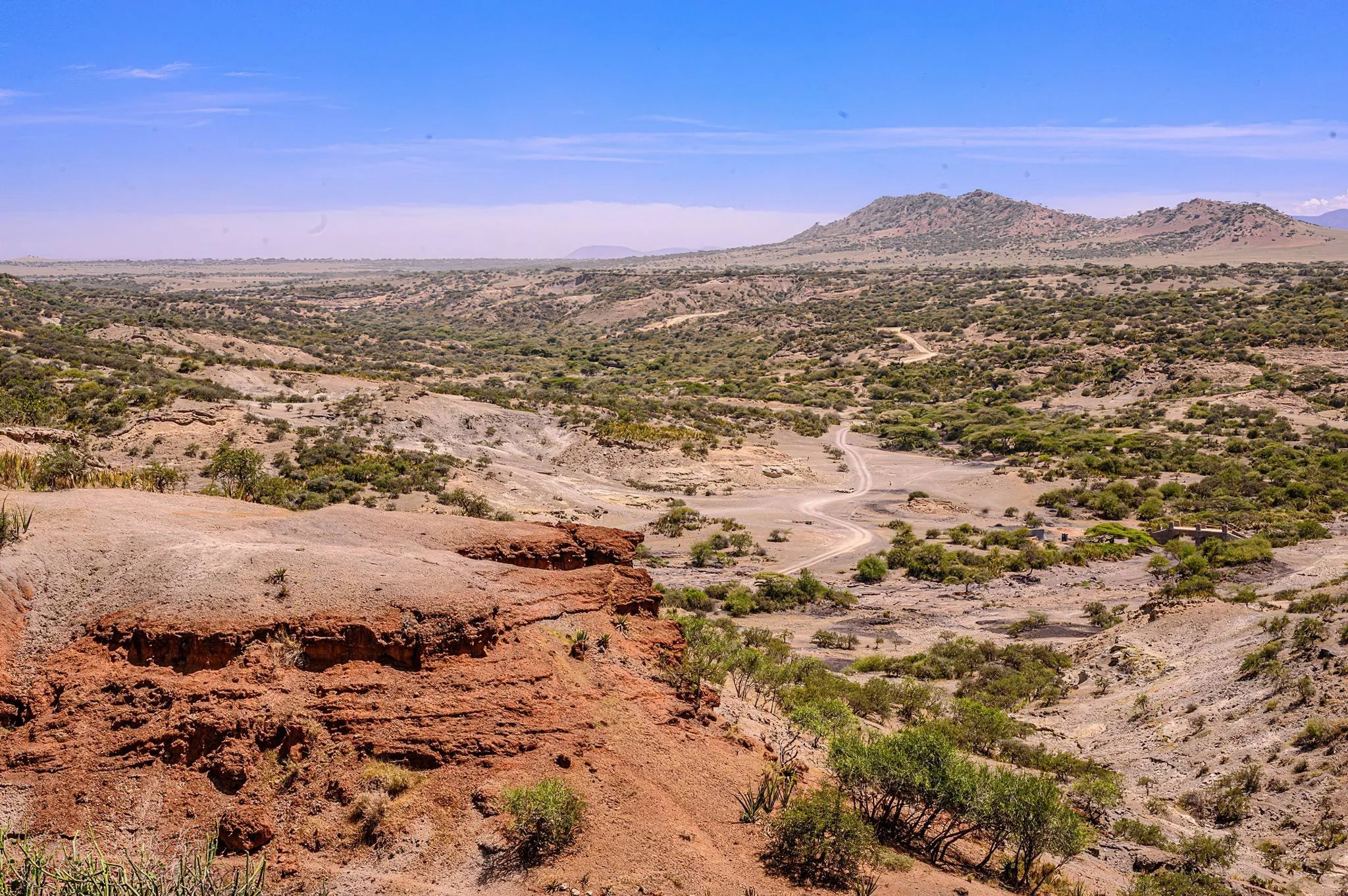
Olduvai Gorge Tanzania brings deep history into a northern safari. Here, a view across rock layers can lead to questions about our earliest relatives, the tools they used and the land they lived in. The museum and a clear guided explanation make that distant past easier to grasp.
The gorge lies within the Ngorongoro Conservation Area. It can fit a planned journey between the Ngorongoro region and Serengeti, with a detour and enough time for the stop. It is a place to slow down, listen and look beyond the wildlife you see today.
This guide explains the main discoveries, what the museum visit offers and how to plan your time. It also covers Laetoli, families, costs, access and nearby safari options. Exactly 20 FAQs at the bottom answer common questions before you book.
Why is Olduvai Gorge important?
Olduvai Gorge holds a long record of early human life, stone tools and changing environments. Its value comes from how these clues fit together.
A fossil gains meaning when scientists know where it was found and how old that layer is.
The record reaches back roughly two million years. It helps researchers study bodies, behaviour and the setting in which early humans lived. Human origins involve many sites and several species across Africa. This gorge is a key chapter within that larger story.
A visit gives you a chance to connect a museum label with the land outside. A jaw, a stone flake or a layer of ash may seem small on its own. Together, they can help explain food, movement and life in an ancient landscape.
You do not need to be a scientist to enjoy it. A good explanation begins with simple questions. What was found? Where was it found? How do we know its age? Those questions turn a famous name into a place you can understand.
Where is Olduvai Gorge located?
Olduvai Gorge is within the Ngorongoro Conservation Area in northern Tanzania. It sits in the wider landscape between the crater region and Serengeti. It is outside Ngorongoro Crater itself.
Many visitors reach it as part of a northern-circuit road safari. The stop needs to be included in the route, since the museum is not simply every traveller's roadside viewpoint. Ask for the detour and visit time to be shown in your itinerary.
Start with your actual hotel and next destination. A trip from the Karatu area, a crater-rim stay or a Serengeti camp has different travel demands. A broad place name is not enough to predict the driving time.
Road conditions, weather and access procedures can affect the journey. Let your guide plan the stop within the day's available time. It works best when you can enjoy the museum without worrying about a late arrival at the next camp.
Olduvai or Oldupai: why are there two names?
Olduvai and Oldupai refer to the same gorge. Olduvai is the widely used spelling in books and travel searches. Oldupai reflects the local Maasai name associated with a plant that grows in the area.
You may see either spelling on signs, museum material or a safari itinerary. It does not mean you have found two separate attractions. Confirm that the booking refers to the gorge and museum visit you want.
The name is a reminder that this is also a living landscape with local history. The scientific record is part of its story, alongside the people and places of the wider conservation area.
The Leakey discoveries: a short timeline
Louis and Mary Leakey's research helped make Olduvai Gorge central to the study of human origins. Their work was part of a much larger effort involving field teams and later researchers. Important finds changed how scientists read the evidence.
1959: Mary Leakey found the famous skull known as OH 5, or Zinj.
1960: Jonathan Leakey found OH 7, a key fossil in the story of Homo habilis.
1964: Homo habilis was formally named as a species.
Later research: new work has continued to study tools, fossils and past environments across the gorge.
These dates help you follow a museum visit, but they are not the whole story. Finding a fossil is one step. Cleaning, comparing, dating and explaining it can take years. New methods may also change how an older find is understood.
Give credit to the wider work as well as famous names. Field staff, local knowledge, museum teams and scientists help preserve and interpret the evidence. The site is still a place of learning, rather than a story completed by one discovery.
OH 5: Mary Leakey's famous skull
OH 5 is a skull found by Mary Leakey in 1959. It is about 1.8 million years old. You may hear it called Zinj or see it linked with the name Paranthropus boisei.
The large teeth and strong chewing features made it a striking find. Its original name was Zinjanthropus boisei, which explains the lasting nickname Zinj. Changes in the scientific name reflect how researchers compare fossils and group related forms.
Use the exhibit to ask what a skull can show about an animal's body and diet. Let the guide distinguish visible features from ideas that require other evidence. A good explanation makes the fossil more interesting without treating every early relative as a direct ancestor of us.
OH 7 and Homo habilis
OH 7 helped define Homo habilis, an early member of the human genus. Jonathan Leakey found it in 1960. The species name, introduced in 1964, means handy man.
The name reflected a proposed link with stone-tool making. That link is a useful part of the history of research. It should not become a claim that every tool found nearby can be assigned to one species with certainty.
Different early human species could live in the same broad region. Fossils and tools may also be incomplete. Scientists compare many clues before linking a behaviour to a particular group. Ask which parts of an interpretation are well supported and which remain open questions.
For a visitor, the main lesson is how evidence is used. A small piece of a jaw can matter when it is compared with other finds. The story grows through careful work, rather than through the size or beauty of a single object.
Stone tools: skill preserved in rock
The stone tools of Olduvai Gorge show deliberate choices and actions. Early toolmakers struck stone to remove sharp flakes. A flake could provide an edge useful for tasks such as cutting animal tissue.
Three terms help you follow the displays. A hammerstone is used to strike. A core is the stone from which pieces are removed. A flake is one of those pieces, often with a sharp edge.
These tools can look simple at first. Look at the edge, the marks where flakes were removed and the stone chosen. Ask how researchers tell deliberate work from a naturally broken rock. This makes a tool display a lesson in evidence rather than a row of stones.
The word Oldowan refers to an early stone-tool tradition closely linked with the site's research history. Olduvai is an important place to learn about that tradition. The wider search for early tools includes other sites too.
Do not assume that a tool and a fossil found in the same area belonged to the same individual. Their layers, positions and ages must be studied. The careful link between an object and its setting is what makes the archaeology useful.
The gorge as a record of time
The exposed layers are one of the site's great strengths. Sediment and volcanic material built up through changing conditions. Later erosion cut into that record, helping reveal fossils and tools.
The landscape you see now has a long history. Lakes, watercourses and volcanic activity played roles in creating the deposits. A dry view today should not be treated as a picture of every past environment at the site.
Scientists study more than human bones. Animal remains and tiny plant traces can help reconstruct older habitats. The pattern across a layer may show where water, plants or animals were present and how the land changed through time.
Ask your guide to point out a layer sequence from the authorised viewpoint. You do not need to climb down or collect anything to learn from it. A clear view and explanation can turn the gorge wall into a much larger version of the museum's timeline.
How do scientists work out the ages?
Scientists use the order of layers and suitable dating methods to build a timeline. They may date material associated with a find rather than the fossil itself. Several lines of evidence help check the result.
In an undisturbed sequence, lower layers usually formed before those above them. That helps establish relative age. Researchers also check whether later processes moved, tilted or mixed material. The original position of a find matters.
Some volcanic materials can be dated through methods based on predictable changes in elements. The result helps anchor the surrounding sequence in time. A museum date such as 1.8 million years is therefore part of a tested framework, not a guess from appearance.
One useful visitor question is: was this date measured directly, or inferred from the layer? Another is: how does the team check it? You do not need the full maths to understand why the answer is stronger than a simple estimate.
Olduvai Gorge and Laetoli are different sites
Laetoli is a separate site in the wider Ngorongoro landscape. Its famous footprints are about 3.6 million years old. They offer evidence of early humans walking on two feet.
The tracks were preserved in volcanic ash. Their shape gives clues about feet and movement. They are usually linked with Australopithecus afarensis. Footprints and bones answer different kinds of questions, which is why both matter.
A museum explanation of Laetoli does not mean you have visited the original footprint site. The sites need different travel and access plans. Original tracks are protected, so do not assume they will be uncovered for you to walk beside.
If Laetoli is a main interest, ask for it by name before booking. Confirm access, guide arrangements and the extra time required. It should not be described as a quick included walk from the Olduvai museum.
What can you see at the Olduvai Gorge Museum?
The museum puts the gorge's finds in context. Displays explain early human life, stone tools, the local landscape and the people who study it.
Start with the broad timeline. Then look at the fossil and tool displays in that order. This helps you place each find in time. It also makes the outdoor view more meaningful. The gorge is no longer just a deep cut in the land. It becomes a place where layers hold clues to past lives.
Read the labels with care. A display may use a cast, a model, a drawing or an original object. These serve different roles. A cast lets you see the shape of a rare fossil without putting that fossil at risk. Ask a staff member if you want to know what a specific case holds.
Do not expect to see every famous original skull in one room. Museums and research collections share the task of keeping rare finds safe. The value of your visit comes from the story and the evidence, not just from whether one object is an original.
A helpful way to read an exhibit is to ask three things. What was found? Where was it found? What does it tell us? Take a small notebook if you enjoy learning. One clear sketch of a tool can be more useful than dozens of photos of labels.
The viewpoint: learning to read the landscape
The gorge viewpoint helps you connect the museum's story with the place itself. Look for the broad shape of the valley and the visible rock layers.
A sheltered viewing area is used for talks about the site. Ask whether a talk is available when you arrive. Listen first, then use your camera. It is easier to frame the scene once you know what the guide is pointing out.
From above, distant features can seem small and simple. Their meaning may be much harder to see without context. A pale band might be a layer of ash or another deposit. Do not guess a date from color alone. Ask how the staff identify that layer and how it relates to the finds.
Stay in the marked visitor area. The viewpoint does not grant access to every slope or trail below. Uneven ground, loose rock and protected research sites all affect where visitors can go. A long lens is useful for landscape details. A wide lens can show the setting and the scale.
Can you visit an excavation at Olduvai Gorge?
Some excavation areas may be open to arranged visits. Access needs an official guide and depends on permission, site conditions and the work taking place.
A museum stop and an excavation visit are different activities. Do not assume that a standard entrance fee covers every field site. Tell your safari planner before the trip if a guided field visit is a priority. The planner can then check what is possible and allow enough time.
A field site is a place of research, not a place to dig for souvenirs. Follow the guide's route and do not enter a trench. Even a plain stone can have value because of where it lies. Moving it can remove a clue that cannot be put back with certainty.
Ask for a clear written description of the activity. It should say where the tour goes, who leads it and what the cost covers. It should also explain what happens if the location is closed. A museum visit can still be rewarding when field access is not available.
A simple plan for your visit
Begin with the museum, move to the viewpoint and leave time for questions. This order helps you build a clear picture of Olduvai Gorge.
Check in: confirm the entry arrangement and ask about talks or guided options.
Read the timeline: place the main finds in order before looking at each display.
Study a few objects: choose one fossil, one tool and one landscape exhibit.
Visit the viewpoint: link what you saw indoors with the gorge outside.
Ask questions: use your remaining time to explore the topics that interest you.
Return to your safari route: allow time for the drive, park entry and your next lodge.
This is a suggested plan, not a fixed tour schedule. A school group may need more time indoors. A keen history reader may want a longer talk. A family with young children may prefer a few short stops. Choose a pace that keeps the visit enjoyable.
Try not to spend the whole stop reading every label in full. Pick a theme first. Tools, early human forms, or past landscapes can each give your visit a focus. You can then ask better questions and remember more of what you learn.
How much time should you allow?
Set aside about one to two hours for a relaxed museum and viewpoint visit. Treat this as a planning allowance, not a promised tour duration.
Add the drive off your main route to that allowance. Add any planned lunch, queue, guided field visit or shopping time too. A stop that looks short on a map can use much of a transfer day once all these parts are included.
Your next lodge matters as much as your starting point. A camp deep in the Serengeti may leave less time for a long museum stop. A nearer overnight stay can give you more room to enjoy the site. Ask for the full day's plan rather than a single driving estimate.
For a specialist visit, build in more time from the start. It is hard to turn a brief transfer stop into a detailed field tour on the day. Confirm the guide and permissions first. Then choose lodging and park activities that fit around them.
A good plan also leaves some space for delays. Road conditions, weather and gate formalities can affect the day. Avoid a schedule that relies on every part running at its fastest possible pace.
Questions that make the science more interesting
The best questions separate an observation from an interpretation. Ask what the evidence shows, then ask how strong the conclusion is.
Which parts of this skull were found, and which parts were restored?
What makes this stone a tool rather than a natural broken rock?
How do researchers know where an object sat in the layers?
What evidence helps date the deposit?
Could more than one early human species have lived here?
What can animal bones and plant traces tell us about the habitat?
Which ideas have changed as new finds have been made?
For example, a mark on a bone may help researchers study how animals were used. They must compare its shape and position with other marks. Teeth, weathering and stone edges can leave different traces. Context is essential. One mark alone does not tell the full story of a meal.
This way of thinking gives Olduvai Gorge lasting appeal. The site offers evidence to examine and ideas to test. It is more engaging than a simple tale in which one skull answers every question about our past.
How does Olduvai Gorge fit into a Tanzania safari?
Olduvai Gorge fits best into a carefully planned journey through the Ngorongoro Conservation Area toward or from the Serengeti. It is a deliberate stop with its own time needs.
A northern safari can combine wildlife, landscape and human history. These themes support one another. After seeing living herds, you may better understand why researchers study ancient animal bones. After looking at past habitats, you may notice the range of habitats on your next game drive.
The Ngorongoro Crater safari guide can help you plan the wildlife part of your trip. Remember that the crater and the gorge are separate places within the wider conservation area. A crater descent has its own timing and rules. It should not be treated as the same activity as a museum stop.
The Serengeti National Park safari guide covers another part of the route. Where you stay in the park will affect your transfer time. Choose the camp area for your wildlife goals, then see how the gorge visit fits. Do not force a long detour into a day that is already full.
Tarangire and Lake Manyara may form part of a wider northern circuit. Visiting those parks does not mean that every drive passes Olduvai Gorge. The sequence of parks, the overnight stops and the road chosen all matter. Ask for the visit to be named in your itinerary.
A sample transfer day with a history stop
A good transfer day leaves room for both the road and the museum. The outline below is a planning example, not a fixed timetable.
Before departure: have breakfast and check the day's route with your driver-guide. Confirm whether lunch is packed or arranged elsewhere. Keep your hat, water and notebook close at hand. Put large bags away so you do not need to unpack the vehicle at the stop.
At Olduvai Gorge: check in, visit the exhibits and join a talk if one is available. Allow a quiet moment at the viewpoint. A short pause helps you take in the scale of the landscape after the detail of the displays.
After the visit: continue toward your next overnight stop. Any game viewing on the way depends on the route, park rules and time left. Do not promise yourself a long afternoon game drive after a lengthy history visit and a long transfer.
That evening: note the three things that stood out. They might be a tool's edge, the age of a layer and a footprint display. This small habit helps the day feel like a story, rather than a list of places passed through.
You can use the same logic in the opposite direction. The best choice depends on your lodges, park sequence and main interests. There is no single route that suits every safari.
When is the best time to visit?
Olduvai Gorge can be visited in different seasons. Choose dates for your full safari, then check local access, weather and visitor arrangements.
Dry conditions can make an outdoor stop easier to manage. Dust and bright sun may still affect comfort. Carry water and keep your camera protected during the drive. A light layer helps if the day begins in cooler highland air.
Rain can change road conditions and outdoor plans. It can also change the light and the look of the land. Bring a light rain layer and use shoes with grip. Your driver-guide should judge the actual route conditions rather than rely only on the calendar.
The museum adds a useful learning stop to a safari in any season when it is open and accessible. Confirm current opening hours before travel. Do not assume that an excavation is open just because the main museum accepts visitors.
If the Great Migration is also a priority, plan its viewing area separately. Herd movement depends on rainfall, grazing and other conditions. An Olduvai Gorge stop does not guarantee a migration sighting or a river crossing. Each part of the trip needs its own realistic plan.
Costs, tickets and what your quote should include
Ask for a current, itemized quote for the visit. Museum entry, conservation area charges, transport and specialist guiding may be separate costs.
Fees can change, and the amount may depend on the visitor's category. Your age, residency status and the activity booked may all matter. Do not use an old blog price as the final cost of your trip. Ask your planner to confirm the rate for your actual travel dates.
A useful quote should state:
Whether museum entry is included.
Which Ngorongoro Conservation Area charges are included.
Whether a site guide or talk carries an extra charge.
Whether a field visit has separate fees and permissions.
How the detour affects vehicle and driver-guide costs.
Whether meals, drinks or purchases are paid separately.
What happens if weather or access changes the plan.
Keep the scope clear. A safari package that includes the crater may still need a separate museum entry arrangement. Equally, a museum ticket should not be assumed to cover a crater descent. Written details avoid confusion once you are on the road.
Confirm the payment method before arrival. Do not rely on a particular card service, mobile signal or cash currency without checking. Your operator can explain the practical arrangements that apply to the visit you have booked.
Visiting with children and students
Olduvai Gorge can be a rewarding family or school stop. Keep the explanation clear, choose a few key exhibits and match the pace to the group.
For younger children, focus on objects they can picture. A sharp stone edge, a footprint and a skull shape give them a starting point. Explain that fossils are traces of past life and that dates can be far older than any written record.
Try a simple learning task. Ask each child to choose one display and explain it in their own words. A drawing can work better than a long written note. Remind them that exhibits must not be touched unless staff invite them to do so.
Older students can compare claims with evidence. They might ask how a site is dated, why a skull is placed in one group, or why one idea has changed. The aim is to understand the method, not just to memorize a list of names.
Teachers should request a group plan in advance. Confirm the language of the talk, the number of guides, rest stops and any learning needs. Leave time for questions. A rushed lecture at the end of a long drive is unlikely to give the group much value.
Access, walking and visitor comfort
Most standard visits focus on the museum and viewpoint. Ask about the exact walking surfaces and facilities if you have access needs.
Do not assume that every part of a heritage site is step-free. Paths, thresholds, slopes and distances can differ. Describe your needs clearly when you book. Ask about the drop-off point, toilets, seating and access to the viewing area.
An excavation tour may require different walking ability from a museum visit. Ask how far it goes, how steep the ground is and whether there is shade. A guide can help you choose an option that fits your comfort and interests.
If you prefer less walking, ask for a museum-centered visit with a short viewing stop. The scientific story can still be rich without a field walk. Good planning gives everyone a clear idea of what the day will involve.
What to pack for Olduvai Gorge
Pack for sun, dust, short walks and a day on safari. Keep the essentials in a small bag that is easy to carry.
Water: bring your usual refillable bottle and check how refills are arranged.
Sun protection: use a hat, sunglasses and sunscreen.
Walking shoes: choose closed shoes with grip for uneven or dusty ground.
Layers: carry a light warm layer and a rain layer when conditions call for them.
Camera protection: use a cover or bag during dusty drives.
Learning kit: a small notebook and pencil are useful for questions and sketches.
Day items: keep any personal essentials accessible during the transfer.
A large bag can get in the way in a museum. Take only what you need at the stop. Keep valuables secure and follow staff advice on where bags can be placed. If you plan a longer guided visit, ask whether any extra gear is needed.
Photography and respectful visiting
Follow the photo rules posted at the museum and the guide's directions outside. Protect the site and ask permission before photographing people.
Some exhibits may have restrictions on flash or photography. Read the signs before taking a picture. A display case can reflect bright light, so a careful angle often helps more than a flash. Let others enjoy the exhibit without blocking the space for too long.
At the viewpoint, use the safe visitor area. Do not climb barriers for a different angle. Commercial filming, drones and specialist shoots may need separate permission. Ordinary entry should not be treated as permission for those activities.
Leave stones, bones and other objects where they are. Do not scratch marks into the ground or take samples. Take litter back to the vehicle. Treat local people and staff with the same respect you give the exhibits. Ask before taking a portrait, and accept a refusal politely.
Why Olduvai Gorge still matters today
The gorge shows how a careful search can turn small clues into a larger story. It also reminds us that the story keeps changing with new evidence.
A fossil may be incomplete. A tool may seem plain. A thin ash layer may look unremarkable. Together, they can help researchers ask when early people lived, how they used a place and what the world around them was like.
This is a good reason to slow down during a safari. Wildlife encounters are often immediate and dramatic. The gorge asks for a different kind of attention. Its impact grows as you learn to notice clues and understand what they can tell us.
The title's phrase, "Birthplace of Humanity," captures that sense of wonder. Use it as an invitation to explore our shared past, not as proof that all human origins began at one exact spot. Many African sites contribute to the story, and many questions remain open.
Plan your visit with TanzaLux Safaris
Ask TanzaLux Safaris to include Olduvai Gorge by name in your route. Share your interests so the visit can have the time and focus it needs.
Tell us whether you want a short museum stop, a longer learning visit or a field tour if access allows. Mention the ages in your group, walking needs and preferred language. These details help shape the day.
Use the TanzaLux Safaris contact page to discuss your dates and planned parks. Request a route with clear overnight stops and a quote that states the museum and guiding arrangements. Good planning makes the history stop an integral part of your safari.
Olduvai Gorge offers a rare chance to look beyond the day's sightings. You can leave with a clearer view of deep time, the skill in a simple stone tool and the care needed to understand a fossil. That gives your Tanzania journey a lasting human dimension.
Frequently asked questions about Olduvai Gorge
These 20 FAQs cover the main history and planning questions. Confirm current access, fees and opening hours for your own travel dates.
1. Where is Olduvai Gorge in Tanzania?
Olduvai Gorge is within the Ngorongoro Conservation Area in northern Tanzania. It lies in the wider landscape between the crater region and the Serengeti.
The gorge is outside the crater itself. Your safari route needs to include the museum detour and enough time to visit.
2. Why is Olduvai Gorge famous?
It is famous for early human fossils, stone tools and the layers that preserve their context. These finds help researchers study a major chapter of human history.
The site is especially valuable because objects can be studied alongside their surroundings. Their position matters as much as their shape.
3. Is it literally the only birthplace of humanity?
No. Human origins involve many places, populations and stages across Africa. Olduvai Gorge is a key part of that wider story.
The phrase in the title expresses the site's great importance. It should not imply that modern humans first appeared at this one spot or that every find was our direct ancestor.
4. What is the difference between Olduvai and Oldupai?
The two names refer to the same gorge. Oldupai reflects a local name linked to the wild sisal plant, while Olduvai is widely used in travel and research.
You may see either spelling on maps and signs. Ask your guide about the local name and the landscape around the site.
5. Who made the famous Leakey discoveries?
Mary Leakey found the famous OH 5 skull in 1959. Jonathan Leakey found OH 7 in 1960. These discoveries formed part of a much wider research effort.
Louis and Mary Leakey's work is central to the site's history. Local staff and later research teams also deserve attention in that story.
6. What is the OH 5 skull?
OH 5 is a skull of Paranthropus boisei, an early human relative that lived about 1.8 million years ago. It was first named Zinjanthropus boisei.
It has striking chewing features. Ask which features you can see in the display and which conclusions require more evidence than skull shape alone.
7. Why is Homo habilis linked with Olduvai Gorge?
Olduvai finds helped researchers describe Homo habilis in 1964. The name is often translated as "handy man" and reflects an early proposed link with tool use.
That name does not prove that every nearby tool was made by this species. Scientists examine context and competing explanations.
8. What are Oldowan stone tools?
Oldowan tools belong to an early stone tool tradition. Makers struck stones to produce sharp flakes and worked pieces that could be used for cutting and related tasks.
They are not just any broken stones. Researchers examine fracture patterns and context when identifying tools. Nor should Olduvai's tools be described as the earliest tools ever found anywhere.
9. How old is the evidence at Olduvai Gorge?
The gorge preserves a long record covering roughly two million years, with finds from different periods. There is no single age for all its fossils and tools.
Read the date attached to each display. A date for one layer or object should not be applied to every find in the gorge.
10. Are the Laetoli footprints at Olduvai Gorge?
Laetoli is a separate site. Its famous footprint trails date to about 3.6 million years ago and provide evidence of upright walking.
The museum may explain the tracks through displays. That is different from visiting the protected original trails, which need separate arrangements and may remain covered.
11. What does a standard Olduvai Gorge visit include?
A standard plan usually centers on the museum and gorge viewpoint. Ask whether a staff talk or site guide is included in your specific booking.
Do not assume that the plan also includes an excavation walk, Laetoli or all nearby heritage sites. Have each activity listed clearly.
12. Will I see all the original famous fossils?
You should not expect every original fossil to be on display. Exhibits may include casts, models, images and original objects, with labels that explain what you are viewing.
Ask about a specific item if that distinction matters to you. A good replica can still show the features clearly and help protect a rare find.
13. Can visitors go into the excavation areas?
Some field sites may allow arranged visits with an official guide. Access depends on permission, conditions and current research work.
Book the activity in advance if it matters to your trip. Follow the guide's route and never enter trenches or collect objects on your own.
14. How long should I allow for the museum?
Allow about one to two hours for a relaxed museum and viewpoint stop. Add more time for a detailed talk or any approved field visit.
This estimate excludes the detour, meals and onward drive. Your planner should fit all those parts into the full transfer day.
15. How much does an Olduvai Gorge visit cost?
Request current prices for your dates and visitor category. Museum entry, conservation area fees, guiding and transport may be charged separately.
An itemized quote is more useful than a single old price. Check which activities it covers, how payment works and whether any extra charges apply.
16. What season is best for Olduvai Gorge?
The site can be visited in different seasons when access and opening arrangements allow. Choose dates for your whole safari and check local conditions before the stop.
Dry weather can simplify outdoor plans, while rain can affect roads. Neither season guarantees access to every field site. Keep a little flexibility in the day's route.
17. Can I combine it with Ngorongoro and the Serengeti?
Yes. A route through the conservation area toward or from the Serengeti can include Olduvai Gorge. The museum needs its own place in the day's schedule.
Crater activities, gate arrangements and lodge locations affect timing. A long transfer may require a shorter museum visit or a different overnight plan.
18. Is Olduvai Gorge suitable for children?
Yes, a well-paced visit can suit families and students. Focus on a few clear themes, such as tools, footprints and the clues held in rock layers.
Use short explanations and leave room for questions. Confirm walking distances, shade, toilets and any specific learning needs before booking a group visit.
19. What should I wear and bring?
Bring water, a hat, sun protection and comfortable closed shoes. Carry a light layer, a camera and a small notebook if you enjoy taking notes.
Pack for the forecast and the drive as well as the museum. If you need step-free access, ask about the actual paths, entrance and viewpoint in advance.
20. How can TanzaLux Safaris arrange the visit?
Contact TanzaLux Safaris with your travel dates, parks and interest in Olduvai Gorge. Ask for the visit, entry arrangements and guiding to be specified in your itinerary.
Share your group's ages, walking needs and preferred pace. A clear plan can give you time to enjoy both Tanzania's wildlife and the evidence of its deep human past.
.jpg?alt=media&token=7317eb9e-c84b-4bd1-aacb-5bbedfcd139d)
.jpg?alt=media&token=b6df5c2a-91ec-416b-b737-08e7017b55c1)
Ready to start planning?
Tell us your dates and what you're after — no obligation.