5.0 Excellent

What to Expect When Visiting a Maasai Village in Tanzania
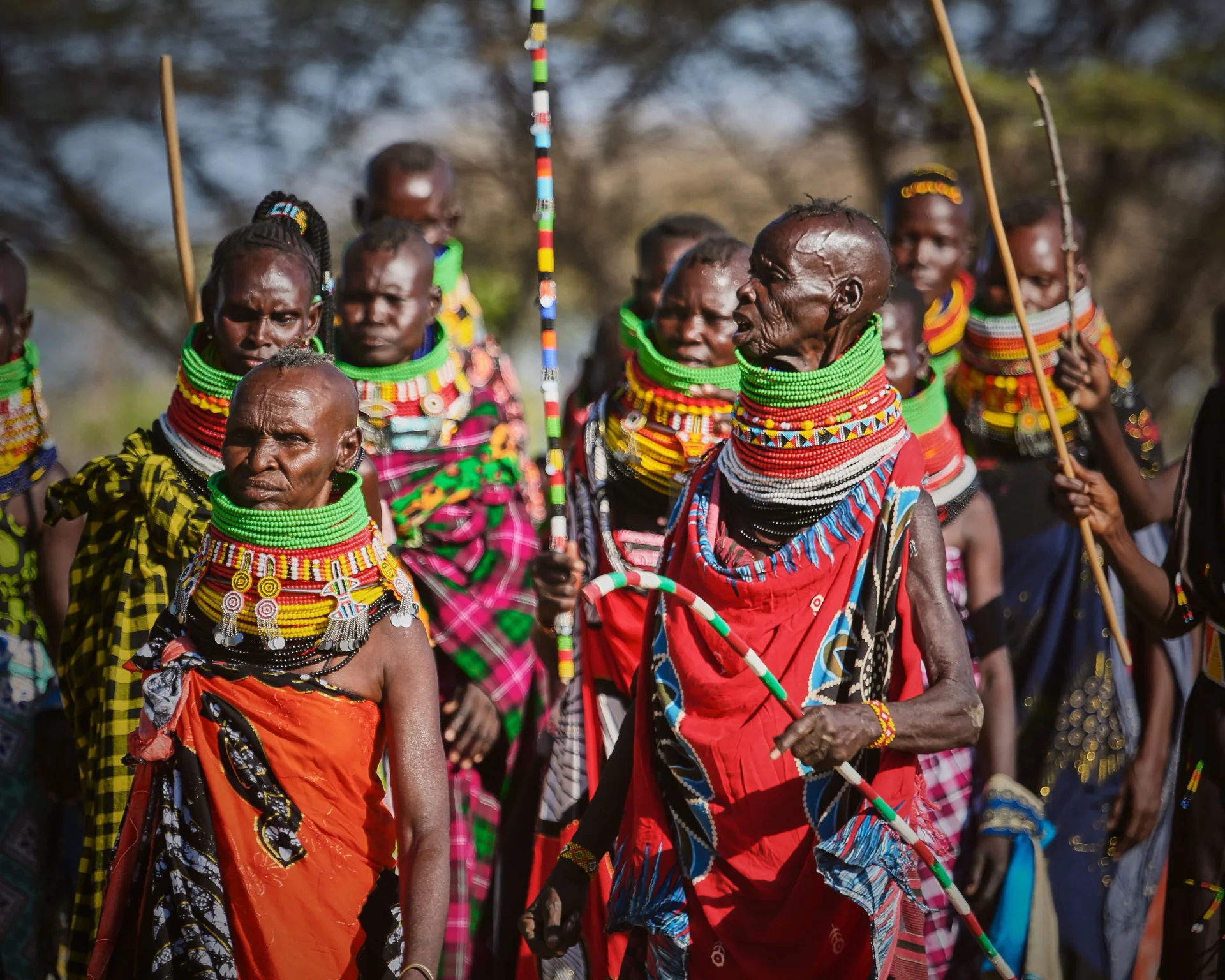
A Maasai village visit in Tanzania can bring a new depth to your safari. You meet people who can explain their own traditions, hear stories, and ask questions about life in the region. The best visits leave time for a real exchange, with clear plans and respect on both sides.
Expect a hosted experience whose content depends on the community and the booking. It may include a welcome, a guided introduction to a homestead, beadwork, or songs and dance. Home entry, meals, photographs, and specific activities need agreement. They are not automatic parts of every tour.
This guide explains how to prepare, what may happen, and how to make thoughtful choices. It also shows how to fit a visit into a luxury trip without rushing your hosts or your safari.
What should you expect from a Maasai village visit?
Expect to be a guest. Your hosts decide what they wish to share, and your guide helps with the plan and language. Begin with a greeting and a chance to listen. Put the camera away until you know the rules.
A clear welcome: meet the host or local guide and learn how the visit will work.
Time to learn: discuss topics such as livestock, homes, craft skills, and daily life.
Agreed activities: join only those that the hosts offer and you feel happy doing.
Optional purchases: allow time for craft browsing if that is part of the programme.
Clear boundaries: ask before entering homes, taking photos, or touching belongings.
A well-planned Tanzania cultural tour gives space for questions. It should also explain the fees, travel time, and level of walking before you book. Ask for the named host location, rather than only a broad promise of a cultural stop.
Meet a living culture, with many different voices
Maasai communities live in both Tanzania and Kenya. Maa is their heritage language, though the languages people use vary. Within Maasai culture, families and regions have their own experiences and customs. One visit offers a local perspective, rather than a complete account of every Maasai person.
Pastoral life and livestock are important parts of that history. FAO's account of the Engaresero Maasai Pastoralist Heritage Area describes knowledge of grazing, water, and livestock movements in northern Tanzania. Ask your host how these matters shape life in that particular place today.
A phone, a school qualification, or work in town does not make someone less Maasai. The Maasai Association, a Maasai-led organisation, describes cultural heritage and development as goals that can go together. Arrive ready to learn about both change and continuity.
Choose the kind of visit that suits you
A hosted community or homestead visit
This can offer a closer view of a place where people live. It also calls for care with privacy. Your invitation may cover only certain spaces and activities. Do not wander through the settlement because the entrance fee has been paid.
For this type of Maasai village visit, ask who has agreed to host the group. Check the group size and whether other tour parties may arrive at the same time. A small group is a useful request, but should be confirmed rather than assumed.
A cultural centre or museum programme
A centre can provide a planned introduction with displays and set activities. For example, Olpopongi describes itself as a cultural village and museum. This is an example of a visit format, not a confirmed TanzaLux partner or an inclusion in the sample routes below.
Ask the organiser to explain whether you will visit an occupied home, a display space, or both. A transparent programme can be worthwhile. Its value comes from the hosts' choice, knowledge, and fair treatment, rather than a claim that visitors have found a place untouched by modern life.
How a Maasai village visit may unfold
1. A short briefing before arrival
Your safari guide should explain the agreed plan before you reach the village. Use this moment to check the fee, photo rules, toilets, and expected finish time. Mention any need for shade, a seat, or a shorter walk.
Tell the guide if you would rather listen than dance or pose for photos. Taking part should feel like an invitation. You can be a warm, interested guest while choosing a quiet role.
2. A welcome and introductions
Let the local host lead the greeting. Say your name, listen to theirs, and follow their cue on a handshake or another form of welcome. Ask the guide to teach you a greeting in the language your hosts prefer.
Allow time for translation. A pause does not mean the conversation has failed. Ask one short question at a time, then give the person space to answer in their own way.
3. Stories about homes and daily life
You may be shown parts of a homestead or invited into a home. Ask before crossing a doorway, sitting down, or touching tools. Some spaces can be small, dim, or smoky. You can politely remain outside if that suits your comfort or health needs.
During a Maasai village visit, a simple question can open a useful discussion. Ask how a home is built, how livestock are cared for, or how daily tasks change with the seasons. Let the people who live there explain the details.
4. Songs, dance, or a demonstration
Some programmes include songs, dance, or a skill demonstration. Your hosts may explain a movement or invite you to join. Listen to that explanation instead of treating the activity only as a photo opportunity.
A visitor welcome is not the same as a private ceremony. Do not expect access to rites of passage, weddings, sacred places, or other events. A request to watch or film can be declined, even when another part of the visit is open to guests.
5. Beadwork and time with makers
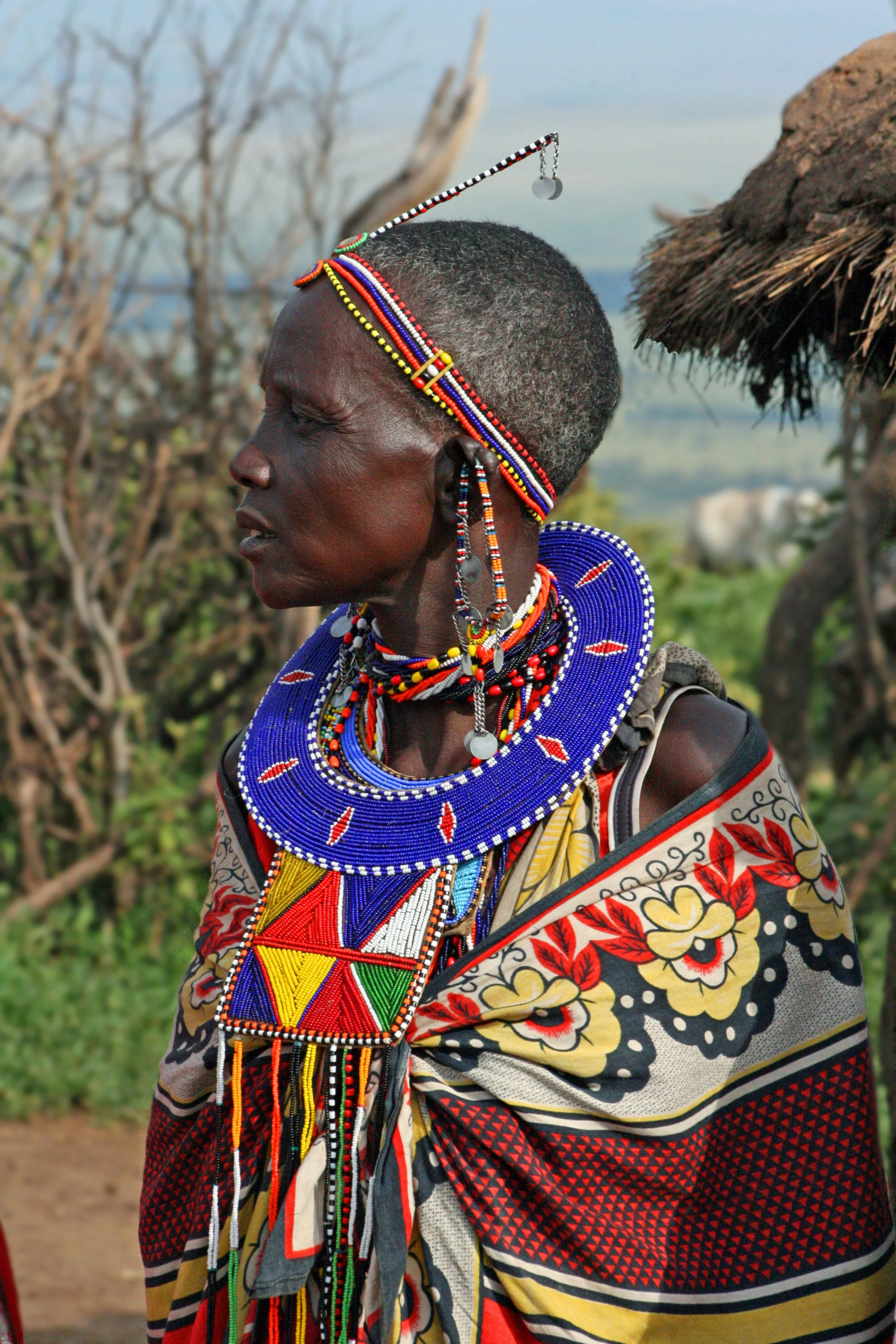
Ask your hosts about the skills, designs, and meanings they wish to share.
Beadwork can prompt a rich conversation about skill, design, and meaning. A Project FUEL account from Arusha records how jewellery and patterns relate to identity and occasions. Ask the maker what a piece means to them; a fixed colour chart will not tell every story.
If a workshop is offered, check whether materials and the finished item are included. You may only be watching a demonstration. Taking a maker's time has value, whether or not you buy a necklace at the end.
What should you wear and bring?
For a Maasai village visit, choose modest, loose clothing that works for walking and sitting outdoors. Covered shoulders and knee-length or longer clothing are a considerate choice. Ask your guide about any specific host expectations before leaving the lodge.
Closed shoes with grip help on dust, stones, and uneven ground. Take a light layer for a cool morning or the highlands. In wet weather, choose shoes you do not mind getting muddy.
Carry drinking water, a hat, and sun protection.
Bring a small bag and keep both hands free when walking.
Take modest cash for optional crafts if the seller accepts it.
Pack hand sanitiser for times when a wash point is not close.
Keep extra items in the vehicle rather than carrying a large pile of gifts.
You do not need to dress as a Maasai person to show respect. If a host offers a garment or ornament, ask how to wear it and whether there is a charge. Treat borrowed items with care and return them when asked.
Photography: ask first, then enjoy the moment
A Maasai village visit fee does not give you blanket photo rights. Ask the person you want to photograph, even if the guide has said cameras are generally welcome. Explain if you are taking a still photo or recording video.
Consent to a photo does not mean consent to every later use. Ask separately before posting a recognisable portrait online or using it for business. Arrange a commercial shoot in advance with the people involved. Keep the terms clear, including any payment and agreed use.
Do not use a long lens to avoid asking, or film through an open doorway. A person can change their mind. If someone declines, lower the camera and continue the visit warmly.
For children, seek a parent's or guardian's permission and respect the child's own comfort. Avoid sharing names, school details, or precise locations. The NSPCC's image guidance explains why taking and sharing a child's image need separate care.
How much does a Maasai village visit cost?
The price depends on the host programme, group size, travel, and what is included. Request a current written quote. A quick roadside stop, a longer workshop, and a cultural centre programme are different services.
Ask for the Maasai village visit charge to be shown clearly within your safari quote. Check which payments are per person and which are per group. Do not assume that an online price from a Kenyan village applies to a Tanzanian visit.
Host fee: what does it cover, and who receives it?
Guiding: is a local host guide or interpreter included?
Transport: are extra driving time and transfers included?
Activities: are workshop materials, food, or photos extra?
Other access fees: are any park, conservation-area, or local charges needed?
Tips and donations should be discussed separately from the agreed tour price. Ask your guide about the local arrangement before handing over cash. There is no need to turn every conversation into a payment or a purchase.
Buying crafts and offering support thoughtfully
Craft purchases during a Maasai village visit should be optional. If you like a piece, ask who made it, what materials were used, and the price. Agree on a price before accepting an item or taking it away.
Ask whether prices are fixed before bargaining. If bargaining is welcomed, keep the exchange friendly and fair. A polite decline is enough when an item does not suit your budget. Tell your guide if you feel pressured so they can help you leave the sales area calmly.
For responsible cultural tourism, go beyond a vague promise that a visit gives back. Ask how the host fee is paid and who decides how shared income is used. A Tanzanian community tourism study found that benefit-sharing arrangements were not always clear. Do not assume every fee funds a school or clinic.
Community voices matter here. In its Maasai Conservation Vision, MISA calls for host control, community consent, respect for cultural rights, and fair benefits from tourism. Those are useful questions to bring to the booking process.
If you want to donate, ask about an established, locally chosen channel. Avoid handing sweets, money, or gifts directly to children. Do not make an unplanned school visit part of your day. ChildSafe's traveller guidance explains how well-meant visits and gifts can disrupt learning and create harmful incentives.
Ask TanzaLux about the hosts, fees, and arrangements for a respectful cultural visit.
Good questions to ask your hosts
Bring curiosity to a Maasai village visit, rather than a test of what you think culture should look like. Begin with topics your host has already raised. Let personal subjects remain private unless the person chooses to discuss them.
What would you most like guests to understand about this community?
How does the season change the day's work?
How did you learn this craft or skill?
What is the best way for visitors to support local makers?
Which customs would you like to explain to younger generations?
Avoid asking someone to speak for every Maasai family. Do not press for details about income, marriage, religion, or painful events. Hosts may welcome a thoughtful question, or they may choose another topic. Follow that choice.
Where and when can you plan a visit?
TanzaLux lists visits in northern Tanzania, including areas around Karatu, Lake Manyara, and the Ngorongoro highlands. Treat these as planning regions. The exact community, permission to host, travel time, and current access must be confirmed for your trip.
A Maasai village visit can fit beside a Northern Circuit safari, but it needs its own time. Add it on a relaxed lodge day or a transfer day with enough space. Avoid squeezing it between a full game drive and a long evening journey.
Visits may be possible in different seasons, subject to the hosts' agreement. Rain can affect roads and walking surfaces, while heat can make a midday walk tiring. Family needs and local events also matter. Let your planner confirm a suitable time with the hosts, rather than arriving without notice.
For accessibility, ask about the actual ground, steps, doorways, seats, and toilets. A short distance on paper may still involve rough ground. Request a seated or outdoor alternative if home entry or a walk would not suit your needs.
Sample safari packages with time for culture
These are sample routes to tailor, not fixed offers or confirmed departures. Each Maasai village visit depends on host agreement and suitable access. Ask for the exact programme, lodging, transfers, activities, and fees in your written quote.
Sample package: 5-day Culture, Tarangire, and Crater Escape
Best for: a shorter northern trip with a separate cultural day.
Day 1: Arrive in Arusha and settle into your lodge.
Day 2: Take an arranged village or cultural-centre visit, then return to Arusha.
Day 3: Drive to Tarangire for wildlife viewing and continue to a lodge near Karatu.
Day 4: Visit Ngorongoro Crater and return to Karatu.
Day 5: Transfer to Arusha or the airport with time to suit your flight.
Choose a host location that makes sense from your Arusha base. Add another overnight stay if the flight plan requires it. This route leaves the Serengeti for a longer trip.
Request a five-day safari quote with a clearly planned cultural visit.
Sample package: 8-day Northern Circuit and Maasai Village Visit
Best for: a first safari with several wildlife areas and a full cultural day.
Day 1: Arrive in Arusha.
Day 2: Meet your agreed hosts, with time for conversation and optional crafts.
Day 3: Explore Tarangire and stay near the park.
Day 4: Visit Lake Manyara, then stay in Karatu.
Days 5–6: Travel to the Serengeti and enjoy game drives.
Day 7: Drive toward the Ngorongoro highlands and rest.
Day 8: Make a crater visit and return to Arusha.
Plan an Arusha overnight stay after the final drive when needed. Wildlife and road conditions can change the day's pace. Keep the cultural day flexible enough for the agreed host programme.
Explore private safari options and tailor an eight-day northern route.
Sample package: 12-day Safari, Culture, and Zanzibar Holiday
Best for: couples or families who want wildlife, local learning, and beach time.
Day 1: Arrive in Arusha and rest.
Day 2: Enjoy a pre-arranged cultural visit from a suitable northern base.
Day 3: Explore Tarangire and continue to Karatu.
Day 4: Visit Ngorongoro Crater and return to Karatu.
Days 5–7: Travel to and explore the Serengeti.
Day 8: Fly to Zanzibar if a suitable service operates, then transfer to your hotel.
Days 9–11: Relax at one beach base and add a planned cultural outing if you wish.
Day 12: Transfer to the airport for departure.
Flights may have stops and luggage limits. Add a transit night if the available timetable needs one. A Swahili cultural outing on Zanzibar offers a different perspective from the Maasai visit on the mainland.
Plan a safari and Zanzibar holiday with time for a thoughtful community visit.
Why travel with TanzaLux Safaris?
TanzaLux Safaris is Tanzanian-owned and based in Arusha. Its team designs journeys around your dates, pace, interests, and budget. That local planning can help a cultural day fit well with your lodge stays and wildlife route.
The company's Maasai tour page describes guided exchange and principles of consent, fair compensation, and permission for photography. Ask the planner to explain how these apply to your named host and booking. Specific answers make it easier to understand the experience you are choosing.
On a private road safari, your own guide and vehicle allow a more personal pace within park rules and the agreed schedule. Tell the planner whether you prefer craft skills, a seated discussion, or a shorter walk. The hosts must still agree to what is offered.
Before paying, check the final quote and ask about extra costs. Confirm who will interpret, how the host fee is handled, and what happens if the visit cannot go ahead. A well-chosen Maasai village visit can leave you with new understanding as well as memories.
Tell TanzaLux Safaris your travel dates and interests to begin planning your cultural safari.
Frequently asked questions
1. What happens during a Maasai village visit in Tanzania?
You meet agreed hosts and learn about the topics they wish to share. A programme may include stories, a homestead introduction, crafts, songs, or dance. Confirm the actual activities before booking.
2. How long should we allow for a visit?
Ask for the programme's length and add the full transfer time. A brief welcome and a longer workshop need different plans. Leave room for questions and avoid booking a tight onward flight connection.
3. Where can we arrange a Maasai village visit?
Visits can be planned with participating hosts in northern Tanzania. TanzaLux lists areas around Karatu, Manyara, and the Ngorongoro highlands. The exact host, access, and route must be confirmed.
4. How much does the visit cost?
Request a current written quote for your group and programme. Check the host fee, guiding, transfers, and any local access charges. Workshops, food, and photo arrangements may be priced separately.
5. Is a Maasai village visit included in my safari?
Only if your written itinerary and quote include it. A private vehicle does not automatically include every activity along the route. Ask for the cultural visit and its charges to be listed clearly.
6. Can I take photographs of people?
Ask each person first and follow the host's rules. A general camera allowance does not replace individual consent. Agree on any charge before taking photos, and ask separately about sharing recognisable images online.
7. What should I wear?
Choose modest, loose clothing and shoes with grip. Covered shoulders and knee-length or longer clothing are thoughtful choices. Bring a hat and a light layer, and check any specific expectations with your guide.
8. Do I have to join a dance or demonstration?
No. You can watch and listen if that is more comfortable. Tell your guide your preference before arrival. Hosts may invite participation, but guests should not feel pushed to perform.
9. Will we go inside a family home?
Only if the family invites you and it is part of the agreed visit. Some programmes use display spaces instead. Ask which you will see, and do not enter private rooms on your own.
10. Are craft purchases compulsory?
No. Buying jewellery or other crafts should be optional. Ask the price and whether bargaining is welcomed. A polite decline is enough if you do not want to buy.
11. Does the entrance money go to the community?
That depends on the arrangement. Ask who receives the host fee, what service charges are included, and how any shared income is managed. Do not assume a fee funds a specific school or clinic.
12. Should I tip during a Maasai village visit?
Ask your guide about the agreed local approach. Tips are separate from the host fee and should not be treated as a payment for every interaction. Check whether there is a shared collection.
13. Can I bring sweets or gifts for children?
Avoid handing sweets, money, or gifts directly to children. If you want to help, discuss a suitable channel with local hosts or a trusted organisation. Support should follow local priorities.
14. Can we visit a school?
Do not expect a classroom visit as part of the tour. Unplanned visits can disrupt lessons and affect privacy. Ask about ways to support education without turning learning time into a visitor activity.
15. Is the experience suitable for families?
It can be, with a host programme that suits your children's ages and interests. Ask about shade, toilets, walking, and length. Prepare children to greet politely, listen, and ask before taking photos.
16. Is a Maasai village visit wheelchair accessible?
Access varies by location. Ask about the actual ground, steps, door widths, seats, and toilets. Request an outdoor or seated programme where useful, and confirm arrangements before booking.
17. Will food or drinks be served?
Only if included in the host programme. Share allergies and dietary needs in advance. You can politely decline a tasting and still show respect. Ask about the menu and food preparation before agreeing.
18. Can we attend a private ceremony?
Do not assume so. A visitor welcome is different from a private family, sacred, or community event. Access requires a genuine invitation and the hosts' agreement; they can choose not to share it.
19. Is every community visit the same?
No. Hosts, local customs, activities, and formats differ. A cultural centre and a residential homestead can offer different experiences. Ask for a clear description rather than judging authenticity by clothing or technology.
20. How can TanzaLux plan the visit for us?
Share your dates, group size, interests, and access needs. Ask TanzaLux to confirm the named host, programme, fees, consent arrangements, and travel time. Build it into a safari day with enough room to enjoy the exchange.
Ready to start planning?
Tell us your dates and what you're after — no obligation.