5.0 Excellent
Maasai Cultural Experience – Discover the Heart of Tanzania with TanzaLux Safaris
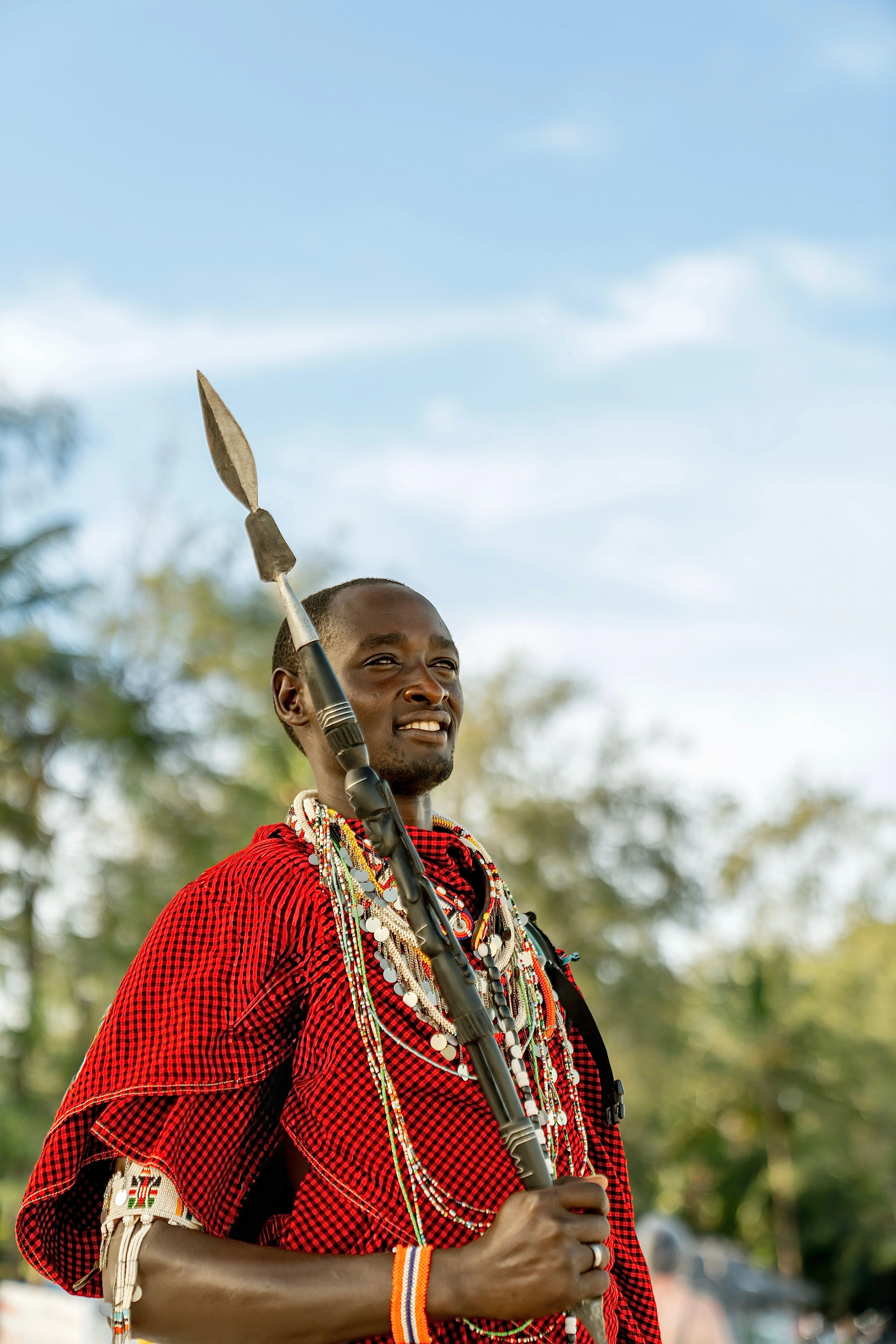
A Maasai cultural experience in Tanzania is a chance to learn from local hosts about their lives, skills, and views. The best visits are agreed in advance, led by the hosts, and clear about fees, photography, and what guests may join.
It can be a meaningful part of a safari, but it is not a show that every village must provide. Come to listen, ask thoughtful questions, and respect the choices of the people welcoming you. This guide explains how to plan that kind of visit.
What is a Maasai cultural experience?
It is a hosted visit or activity through which Maasai people choose to share aspects of their culture and daily life. The format varies by place, host, season, and booking.
A visit might include conversation, craft work, a short walk, or an introduction to livestock keeping. Music or dance may be offered by agreement. None of these should be assumed to happen on every tour.
Maasai communities live across parts of Tanzania and Kenya. They are not one uniform group with identical lives. A host speaks from their own experience, not on behalf of every Maasai person.
Approach the visit as time with people living in the present. Phones, school, business, and new ideas do not make a culture less real. Tradition and change can be part of the same life.
Where can you arrange a Maasai cultural experience?
Several places in northern Tanzania offer hosted visits. Ask for the actual village or programme name before booking. The phrase alone does not identify one fixed attraction.
Near Lake Natron, Engaresero is one place with a cultural tourism programme. The Engaresero Cultural Tourism website describes its work and local focus. Treat it as an example, not proof that every tour uses the same hosts.
Other visits may fit routes near Arusha or elsewhere in the north. Their activities, governance, and payment arrangements can differ. Ask who has agreed to host your group and how the visit is organised.
The earlier phrase Lake Maasai is not used here as the name of a separate destination. If your plan is for Lake Natron, the itinerary should say so clearly. Check the location rather than relying on a broad tour label.
Why add culture to a wildlife safari?
A hosted visit can add human context to the landscapes you travel through. It creates space to learn about work, family, skills, and local priorities, rather than viewing the region only through wildlife.
The Tanzania Tourist Board's cultural tourism overview highlights programmes run by local communities. Such visits can create income and exchange when hosts help shape them. The details of each booking still matter.
Do not expect a short stop to explain a whole culture. A good encounter may leave you with more questions than answers. That is a reason to stay curious, not to demand a complete story in one afternoon.
For a family trip, it can also open useful conversations. Children can learn to ask permission, listen through a guide, and see both shared interests and different ways of living.
What might happen during the visit?
Expect the host or local guide to explain the plan first. Confirm what is included and what is private. A good Maasai cultural experience leaves room for questions and for a host to say no.
A welcome and conversation
Begin with a greeting and introductions. Ask your guide how to address people politely. Let the host set the pace rather than moving straight to photographs.
Conversation may cover daily routines, local history, family life, or changes in the area. Ask open questions. Do not pressure someone to discuss personal matters or speak for an entire community.
Livestock and the landscape
Hosts may explain how livestock fits into local life and land use. If a walk is offered, ask what ground it covers, how long it takes, and what conditions to expect.
Keep away from animals unless the host invites you closer. Do not open gates, block paths, or touch equipment without asking. A working area remains a workplace even during a paid visit.
Beadwork and other skills
A maker may explain their work or offer a demonstration. Ask who made a piece and what the design means to that person. Do not assume every colour has one fixed meaning everywhere.
If a hands-on session is offered, confirm the time and cost. Respect the skill involved and avoid treating a finished piece as a free souvenir. The maker should control what they share.
Music or dance by agreement
Music and dance may form part of a booked welcome, if hosts choose to offer them. A performance arranged for visitors is not automatically a private ceremony or rite of passage.
UNESCO's description of Maasai rites in Kenya shows that ceremonies can have specific social roles. It does not grant visitors access to rituals in Tanzania or elsewhere.
Join only when invited, and follow the hosts' lead. Watching respectfully is also fine. No guest needs to jump, dance, or take part to show interest.
What makes a Maasai cultural experience respectful?
Hosts should help decide the content, access, pace, and terms. Guests should know where fees go and what conduct is expected. Respect is shown through clear arrangements and everyday behaviour.
Book through a named host or programme.
Ask who has agreed to receive your group.
Confirm fees and any optional extras before arrival.
Keep home visits and photos subject to consent.
Make shopping optional for guests.
Accept changes if hosts are busy or plans no longer suit them.
Leave private matters and sacred spaces private.
A polished welcome is not proof that a visit is false. Hosts may choose to plan how they share their work. Equally, a remote location is not proof that a tour is fair.
Look beyond claims such as untouched or unchanged. They can turn living people into a picture of the past. Ask instead who controls the visit and who benefits from it.
Can you enter homes or photograph people?
Only with permission. Paying a visit fee does not give open access to homes, people, livestock, or private events. Ask each time the situation changes.
A group welcome does not mean every person agrees to a portrait. Let your guide translate the request if needed. Accept a refusal with no argument and put the camera away.
For children, seek permission from a parent or guardian and respect the child's own wishes. Avoid sharing names, school details, or other identifying information. Think about how an image may affect the person after you leave.
Commercial photography needs a separate agreement. Permission for a holiday photo is not the same as consent for an advert, website campaign, or product shoot. Agree the intended use before taking the image.
Do not use a drone on the assumption that an open landscape is public space. Check all required permissions and the host's consent. Noise can also disturb people, livestock, and wildlife.
What questions can lead to a better conversation?
Ask about what the host wants to share, then listen carefully. Specific questions often lead to more useful answers than asking someone to explain their whole culture.
What would you most like visitors to understand about this place?
How did you learn this craft or skill?
How does the season change your daily work?
What changes have you seen here during your lifetime?
What would you like guests to do differently?
Which parts of the visit do you enjoy sharing?
Allow time for translation and a full reply. Avoid asking several questions at once. Speak to the host rather than only to the guide, while giving the guide space to help.
If a subject feels personal, ask whether it is welcome before going further. No one owes a stranger details about marriage, income, health, or beliefs. A good Maasai cultural experience values boundaries as well as exchange.
How do fees, tips, and craft purchases work?
There is no single price or payment model for every visit. Request a written breakdown for your specific booking. Separate host fees, transport, guiding, and optional purchases.
Ask who receives the visit fee and how it is managed. A statement that a tour supports the community is not enough on its own. Clear details help you choose a visit that matches your values.
For crafts, ask the price before agreeing to buy. Ask whether the seller made the item or is selling for someone else. Make your choice calmly, without pressure on either side.
Do not promise to buy something merely to obtain a photo. If payment for a portrait is proposed, clarify the terms before taking it. Keep the agreement fair and separate from any wider commercial use.
Tips should reflect your budget and the service received. Ask the guide about the agreed approach, especially for a group. Avoid public comparisons of who received what.
Should you bring gifts or donations?
Do not assume gifts are needed or helpful. Ask the host programme what it actually wants and how any support would be managed. A planned contribution is better than a spontaneous handout.
Avoid handing sweets, cash, or pens to children along the road. Such gifts can encourage crowding and turn a visit into competition for attention. Keep the focus on a respectful exchange.
If you want to support education or another project, ask who runs it and how funds are reported. Do not enter a school or photograph pupils simply because it appears on a tourist route.
Ask before bringing used goods. Transport, storage, and suitability can create extra work for hosts. Sometimes the best contribution is paying the agreed fee and buying a wanted item at a fair price.
What should you pack for a Maasai cultural experience?
Choose comfortable, modest clothing and shoes suited to the ground. Confirm the local advice with your guide. Heat, dust, rain, and uneven paths may affect what you need.
Light clothes that provide comfortable coverage.
Closed shoes for uneven or dusty ground.
A hat and sun protection.
Drinking water and a small personal day bag.
A light rain layer when needed.
Small cash for agreed extras or purchases.
Essential medicines and any walking aid you use.
Ask where toilets and handwashing facilities are available. Do not assume a rural stop has hotel-style facilities. Share access needs before booking so hosts can say what is practical.
Keep valuables discreet and bags out of walkways. Bring less equipment if it makes conversation easier. A Maasai cultural experience does not need a camera in your hand from start to finish.
How long should a Maasai cultural experience take?
The duration depends on the host and activities. A two-hour visit is a possible planning allowance, not a rule. Confirm the hosted time and add road transfers separately.
A simple conversation and craft visit may need less time than a walk and meal. Ask for the sequence rather than only a total number of hours. Leave space for a relaxed pace and questions.
A sample half-day plan
This example shows a gentle structure, not a promised programme. The host should confirm which parts fit the day and your group.
Travel to the agreed meeting point with enough time for delays.
Meet the local host and review etiquette and photo rules.
Join a conversation or a pre-agreed activity.
Browse crafts if offered, with no duty to buy.
Thank the hosts and return without rushing the farewell.
Do not insert unplanned stops at homes along the road. If a visit cannot go ahead, ask for an agreed alternative. A booked Maasai cultural experience should respect the host's time as well as yours.
How does a Lake Natron visit fit into the plan?
Lake Natron can combine landscapes with a hosted visit around Engaresero. It needs proper route planning and is not a quick add-on to every northern safari.
The FAO account of Engaresero describes links between pastoral life, tourism income, and the landscape. It provides local context without proving the impact of any specific booking.
Ask for realistic driving times and an overnight plan if needed. Road conditions, heat, and the next destination matter. Do not squeeze a Maasai cultural experience between two long drives just to add another activity.
The Lake Natron Basin is a Ramsar wetland. Follow local access rules and keep away from sensitive bird areas. Flamingo viewing should never involve approaching nests or disturbing breeding birds.
A climb of Ol Doinyo Lengai is a separate, demanding activity. It should not be treated as a casual village-walk extension. Ask for current specialist advice if it is part of your wider plans.
When should you arrange the visit?
Choose a date that suits the hosts and your route, not only a broad weather season. Confirm road access and local availability close to travel.
Dry weather does not remove every travel risk, and rain does not affect all routes in the same way. Ask about the actual roads and walking conditions. Leave room for changes if needed.
Do not plan around a private ceremony unless there is a clear invitation. A host may discuss its meaning without offering attendance. There is no need to seek a rare event for the visit to be worthwhile.
Is a Maasai cultural experience suitable for families?
It can be, if the host welcomes children and the activities suit them. Share ages, attention spans, and walking needs before booking. Avoid describing every visit as suitable for everyone.
Prepare children to greet people, ask before touching, and accept no for an answer. Explain that a home is not a display and that people are not there to be photographed on demand.
Choose a shorter plan if your children tire quickly. Bring what they need for comfort and take breaks without disrupting hosts. Ask before offering food to other children.
Guests with limited mobility should request a specific route description. Discuss steps, surfaces, shade, seating, and toilet access. A private vehicle does not guarantee access to every part of a settlement.
How should you compare cultural tours?
Compare the host arrangements and actual content, not just photos or the word authentic. A useful proposal explains who leads the visit and what your fee includes.
Named village, host, or community programme.
Confirmed activities and approximate hosted time.
Language and translation arrangements.
Transport and realistic pickup times.
Fees, tips policy, and optional purchases.
Photo rules and any commercial-use restrictions.
Access, facilities, and weather alternatives.
Cancellation terms and what happens if hosts change plans.
Ask whether your guide is a local host, a driver-guide, or both. Those roles can complement each other, but should be clear. Translation should support the host's voice, not replace it.
A Maasai cultural experience should not rely on claims that every sale funds conservation or every guest directly supports all families. Ask for evidence of the specific benefit being advertised.
Why plan with TanzaLux Safaris?
Use TanzaLux to fit the visit into a realistic route and clarify the arrangements before you arrive. Tell the team what you want to learn and how much time you can give.
Ask TanzaLux to identify the proposed host and confirm consent, fees, guiding, and access. Request a visit that leaves room for conversation rather than only a short photo stop.
If your plan includes Lake Natron, share your onward destination and comfort needs. For a city-based trip, ask whether a closer host would be a better fit. Good planning should explain those trade-offs.
Contact TanzaLux Safaris with your date, group size, route, and interests. Request a Maasai cultural experience with clear host arrangements, optional shopping, and time to listen.
20 frequently asked questions about a Maasai cultural experience
These answers help set expectations before you book. Confirm the details with the specific host, since no single programme represents every Maasai community.
1. What is a Maasai cultural experience?
It is a hosted visit in which Maasai people choose to share aspects of their lives and culture. Activities vary. Clear consent and host involvement matter more than a fixed list of performances.
2. Where does the visit take place?
Ask for the named village or programme. Visits can take place in several parts of northern Tanzania. Engaresero near Lake Natron is one example, not the location of every tour.
3. Is Lake Maasai the destination name?
This guide does not use Lake Maasai as a separate place name. If your visit is near Lake Natron, that should be stated clearly in the itinerary and transfer plan.
4. Will I always see dancing?
No. Music or dance depends on what hosts agree to offer. A visitor performance is not the same as a private ritual. Join only if invited.
5. Can I enter a family home?
Only with a clear invitation. A tour fee does not grant access to private rooms or belongings. Follow the host's guidance and accept any limit without pressure.
6. May I photograph people?
Ask first and respect each person's choice. Group permission does not cover every portrait. For children, seek guardian permission and respect the child's own wishes too.
7. Can I use the photos in an advert?
Personal photo consent does not cover commercial use. Agree the intended use and any terms separately before the shoot. Do not assume a guide can consent for everyone.
8. How long does the visit take?
It depends on the host and activities. Around two hours may be a useful starting allowance, but confirm the plan. Add travel time and breaks separately.
9. What should I wear?
Wear comfortable, modest clothes and shoes suited to the ground. Ask your guide about local expectations. Bring sun protection and a light rain layer if needed.
10. Can children join?
Often, if the host and activities suit them. Share ages and walking needs in advance. Prepare children to ask permission, avoid touching belongings, and treat the visit as time with people.
11. Is the visit step-free?
Do not assume so. Ask about paths, slopes, seating, toilets, and vehicle access. A tailored shorter route may be possible, but the host must confirm what works.
12. Can I buy beadwork?
Craft sales may be offered. Ask who made the piece and agree the price before buying. Purchases should be optional, with no pressure on visitors or sellers.
13. Where does my fee go?
Payment models differ. Ask for a clear explanation of host fees, guiding, and transport. Do not assume all money reaches every household or a community fund.
14. Should I bring gifts for children?
Avoid spontaneous handouts. Ask the host programme about any genuine needs and an agreed way to help. Direct gifts can create pressure, crowding, or unfair expectations.
15. Do I need to tip?
Ask about the local arrangement before the visit. Tips are separate from agreed fees unless stated otherwise. Choose within your budget and avoid creating competition between hosts.
16. Can I combine the visit with Lake Natron?
Yes, if the host, roads, and itinerary allow it. Confirm transfers and consider an overnight stay where appropriate. Protect sensitive lakeshore areas and follow local guidance.
17. Can I combine it with a wildlife safari?
Yes. Choose a host that fits the route and allow enough time. A short stop between long drives may be less rewarding than a slower, focused visit.
18. Are ceremonies included?
Not automatically. Ceremonies have their own purpose and may be private. Do not expect attendance without an explicit invitation, even if a brochure mentions traditional culture.
19. How can I tell if a tour is respectful?
Look for named hosts, consent, clear fees, optional shopping, and honest activity details. Ask who shapes the programme. Avoid promises of unrestricted access or staged intimacy.
20. How do I book with TanzaLux Safaris?
Send your date, route, guest count, and interests. Request a Maasai cultural experience with confirmed hosts, clear costs, suitable access, and enough time for a respectful exchange.
.jpg?alt=media&token=7317eb9e-c84b-4bd1-aacb-5bbedfcd139d)
.jpg?alt=media&token=b6df5c2a-91ec-416b-b737-08e7017b55c1)
Ready to start planning?
Tell us your dates and what you're after — no obligation.