5.0 Excellent

Guide to Trees in Tanzania
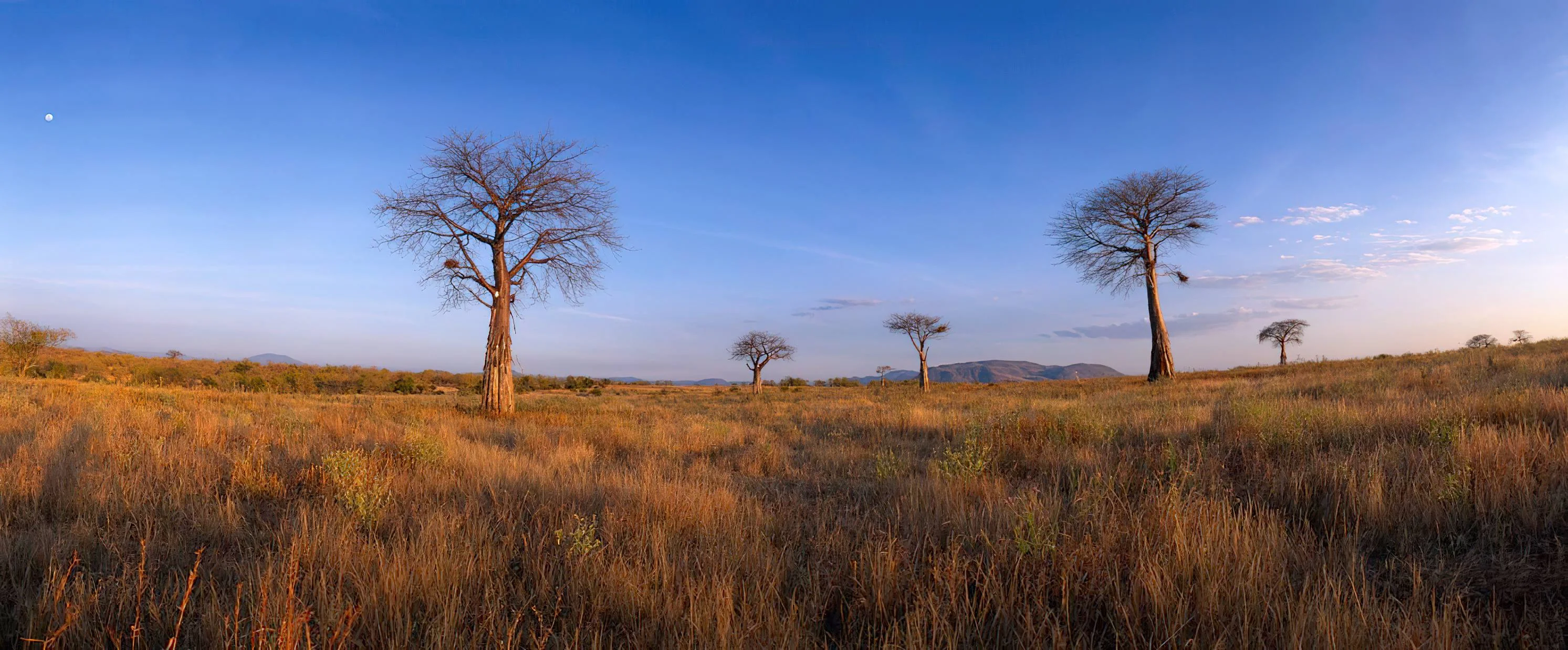
Trees in Tanzania turn a good wildlife trip into a richer journey. A huge baobab can frame an elephant herd. A fig beside a river can draw your eye to birds in its crown. On the coast, palms give way to mangroves where the tide reaches the roots.
You do not need to be a botanist to enjoy these scenes. Start with shape, then look at bark, leaves, fruit, and habitat. This guide explains ten useful trees and tree groups, where to look for them, and how to add plant life to a private safari.
The list includes single species and clearly marked groups. It is a travel guide, rather than a complete flora or a tool for choosing wild foods. Tree names can vary by region, language, and field guide. When a detail is unclear, take a photo and ask for help.
Ask TanzaLux Safaris to plan a nature-rich Tanzania journey around your interests.
A quick guide to trees in Tanzania
For baobab trees: put Tarangire on your northern safari route.
For acacia trees: explore savanna and woodland, while checking the species with your guide.
For riverbank trees: look for figs and sausage trees where the route crosses suitable habitat.
For miombo woodland: consider a southern Tanzania route with time to study the landscape.
For mangrove forests and palms: add a guided coastal or Zanzibar nature visit.
For a better field record: photograph the whole tree, a leaf, bark, and any fruit from a safe place.
Why Tanzania trees deserve a place on your safari
It is easy to watch only for large mammals. Yet trees help explain why animals use a place. A shaded patch may offer relief from the heat. Flowers, leaves, and fruit can provide food. Branches can hold nests, while a tree-lined river can form a narrow green route through dry ground.
The mix of trees in Tanzania also changes as you travel. Open grassland, wooded slopes, river margins, and coastal forest do not hold the same mix of plants. A tree that thrives beside water may be absent from a dry ridge nearby. These shifts make even a transfer day worth watching.
Learning a few trees in Tanzania adds another layer to each game drive. Instead of seeing a plain green background, you begin to notice patterns. Your questions become more precise: Why does this tree keep its leaves? What made that scar? Are these small leaflets part of one leaf?
Take the time to enjoy the tree itself, too. A bare crown against a pale sky can be as striking as a wildlife portrait. You can keep a small nature journal without knowing every name. A sketch and a few notes often bring back the day better than a rushed label.
Ten trees in Tanzania and tree groups to look for
1. African baobab: the bold silhouette of the savanna
Scientific name: Adansonia digitata. The broad, swollen trunk is the first clue. Thick branches can look like roots held against the sky. Grey-brown bark may look smooth in places and folded in others. When present, the leaves have several finger-like leaflets. The tree sheds its leaves, so a bare crown does not by itself mean that it is dead. These features are described by SANBI's baobab profile.
For travellers interested in trees in Tanzania, Tarangire is a rewarding place to look for baobabs. The park authority highlights them among its landscape features, alongside woodland and river habitats. Read more in TANAPA's Tarangire guide.
For a photo, try both a wide view and a tighter crop of the trunk. Include an animal only when it is already in a safe, natural position. Do not ask a driver to crowd wildlife for scale. Avoid attaching a precise age to a tree based on its size alone.
2. Umbrella thorn: the classic flat-topped outline
Scientific name: Vachellia tortilis, also known under the older name Acacia tortilis. A spreading crown, small leaflets, thorns, and curled or twisted pods can help with identification. Its form varies with age and growing conditions. See the accepted name and native range in Kew's umbrella thorn record.
This is one of the trees in Tanzania that many visitors picture before arrival. However, a flat canopy is a clue, not proof. Several trees can form a broad crown. Check more than one feature before you name a distant silhouette.
Look for the outline on suitable dry savanna and woodland routes. In good light, leave space around the crown to show its shape. From the vehicle, binoculars can reveal pods that a wide photo misses. Never pull down a thorny branch to make a closer inspection.
3. Fever tree: pale bark near wetter ground
Scientific name: Vachellia xanthophloea, formerly Acacia xanthophloea. The pale yellow-green bark is a useful clue. Fine foliage, straight paired thorns, and yellow ball-shaped flowers add detail when visible. It is linked with damp ground, such as river margins and places that flood in season. SANBI's fever tree profile explains these features.
The name can cause needless worry. The tree does not give people malaria. Its old association with fever came from the wet places where people encountered both the tree and mosquitoes.
Keep the focus on bark and setting when you photograph it. Bright bark may stand out well against darker leaves. Ask your guide whether a wetland stop fits the day's route. Do not assume every pale-barked tree by a lake is a fever tree.
4. Sausage tree: fruit you will remember
Scientific name: Kigelia africana. Large, hanging, sausage-shaped fruits make this tree easy to remember. Dark red or maroon flowers offer another clue when the tree is in bloom. It can grow beside rivers, on floodplains, and in open woodland. The features and African range are set out in SANBI's sausage tree guide.
When viewing trees in Tanzania, look into the crown rather than only at the trunk. Fruit may hang on long stalks well below the leaves. A photo that includes a branch and its hanging fruit can explain the name better than a close crop.
Despite its name, this is not a snack stop. Do not taste the fruit or copy traditional uses without qualified advice. The fruits are also heavy. View them from a sensible distance and avoid resting or standing beneath hanging fruit.
5. Sycamore fig: a broad crown with trunk-borne figs
Scientific name: Ficus sycomorus. This fig can have a wide crown, broad leaves, and figs in clusters on the trunk and larger branches. Bark colour and texture vary with age. It occurs in Tanzania, including riverine and valley settings. CIFOR-ICRAF's Tanzania tree guide describes the species and its habitat.
Do not label every fig as this species. Tanzania has other figs, and a tree with roots wrapped around a trunk may belong to a different kind. Photographs of leaves and where the fruit grows can help an expert narrow the choice.
When you study trees in Tanzania, a fruiting fig is worth a patient look. Watch for animals already using it, but accept that there may be none in view. Quiet observation often reveals small details that are lost when you drive straight past.
6. Miombo: a woodland community, not one tree
Tree group: miombo woodland is associated with genera such as Brachystegia, Julbernardia, and Isoberlinia. The Tanzania Forest Services miombo publication explains this woodland type. The name describes a community of trees rather than a single species.
It is an important part of the wider southern Tanzania landscape. A route through suitable woodland can feel quite different from an open northern plain. Tree cover, leaf colour, and the play of light become part of the experience.
Ask your guide to stop at an approved place for a broad habitat view. Compare leaf shape and bark across several trees instead of seeking one perfect example called “the miombo tree.” A proper species list may require a local plant specialist. For most visitors, learning to recognise the woodland is a good first step.
7. African blackwood: mpingo beyond the carving shop
Scientific name: Dalbergia melanoxylon. African blackwood is also widely known as mpingo. Small rounded leaflets, greyish bark, and often a modest tree form are more useful field clues than the dark timber seen in finished objects. World Agroforestry's species profile describes its leaves and bark. Kew lists Tanzania within its native range.
This tree connects nature with craft, but wood colour in a souvenir does not prove the species or its source. If you shop for a carving, ask about the material, legal sourcing, and any export requirements before paying.
Do not cut bark to expose the wood for a photo. A standing tree should stay intact. If mpingo is a main interest, request a specialist-led visit in suitable woodland rather than expecting every northern safari to pass a known specimen.
8. Tamarind: a generous crown and small paired leaflets
Scientific name: Tamarindus indica. Tamarind can form a dense, spreading crown. Its compound leaves hold many small paired leaflets, while the bark becomes rough and fissured. The World Agroforestry tamarind profile gives these useful clues and includes Tanzania in the species' range.
When comparing trees in Tanzania, take a close look at what seems to be one leaf. A row of small green parts may be a single compound leaf, not a whole branch of separate leaves. Learning that distinction makes several trees easier to understand.
Tamarind also links the landscape with food culture. You may meet its flavour in a prepared drink or dish. Ask your host how it is used locally. Keep tasting to food prepared for guests, rather than sampling a pod found on the ground or guessing at an unknown tree.
9. Mangroves: a forest shaped by tides
Tree group: mangroves include several species adapted to coastal tidal conditions. Tanzania Forest Services lists species such as Rhizophora mucronata and Avicennia marina on the mainland. Its mangrove forest overview shows why the word refers to a group, rather than one tree.
Mangrove forests reward a slower pace. Look at the edge of the water, exposed roots, fallen leaves, and the gaps between trunks. Different species have different root forms. Let a trained local guide identify them rather than assuming all roots serve as the same field marker.
A coastal nature walk adds a new setting to a trip focused on trees in Tanzania. Stay on the authorised route or boardwalk. Do not step across exposed roots for a photo. Ask how tide and weather affect access, since the best time for a visit may differ from the best time for a beach swim.
10. Coconut palm: part of the coastal cultural landscape
Scientific name: Cocos nucifera. A tall stem topped by long feather-like fronds gives the coconut palm its familiar profile. It is widely cultivated along Tanzania's coast. The country's crop history is discussed in the international coconut genetic resources publication.
A palm grows differently from the branching broadleaf trees earlier in this guide. Include it in your travel journal, but do not apply every bark or branch clue to it. Nor should a palm-lined beach be treated as proof of untouched native forest. It may be a planted landscape.
Try a wide coastal scene to show the palms in context. Avoid sitting beneath fruit or loose fronds, especially in wind. A guided food or farm visit can explain how coconuts are used without turning a beach stroll into an unsafe climbing or harvesting attempt.
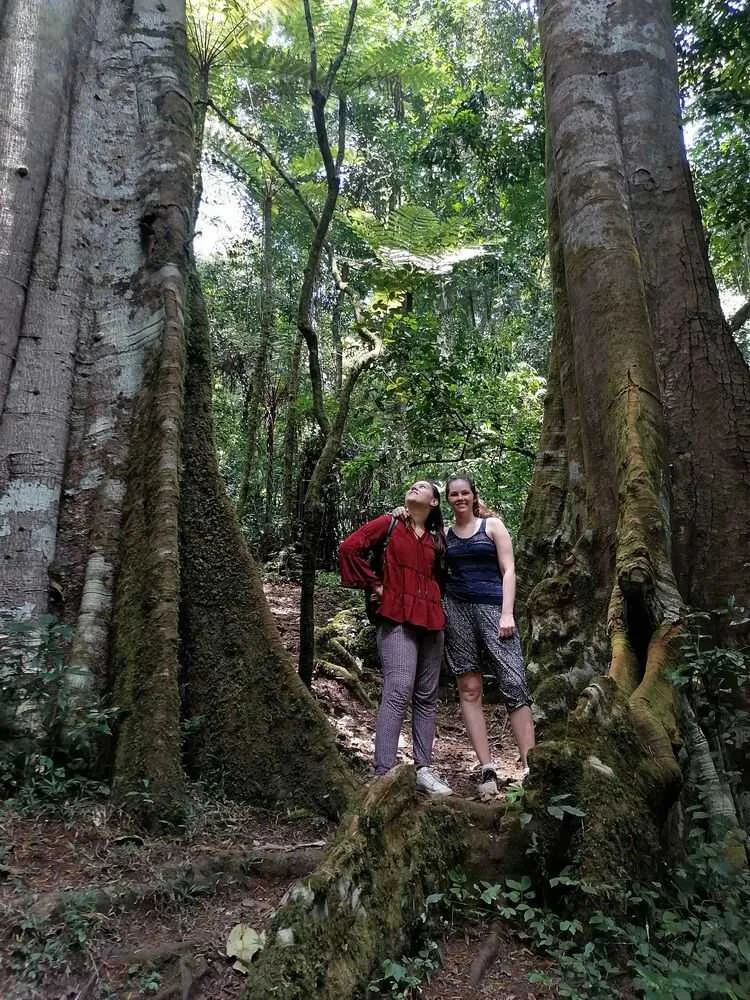
A forest walk reveals a different side of Tanzania’s trees. Identify a species from several features rather than trunk size alone.
How to identify trees in Tanzania without rushing
Use several clues together. A single photo of a distant crown may never support a firm name. That is fine. Record what you can see and leave the name open until you have enough detail.
Start wide. Note whether the crown is flat, rounded, narrow, or irregular. Include the whole tree in one frame.
Record the setting. Is it near a river, in dry woodland, on a cool slope, or beside tidal water?
Study the bark. Note its colour and whether it looks smooth, flaky, or deeply cracked. Do this from a safe position.
Check the leaves. Look for one broad blade or many leaflets on a shared stalk.
Look for extra clues. Flowers, pods, figs, thorns, and hanging fruit can be more useful than crown shape.
Keep the date and place. A season and general habitat help an expert interpret the photo later.
A field guide or plant app can suggest a name. Treat that as a lead to check. Poor light, missing flowers, and similar species can all affect a result. Do not turn a tentative label into a confident claim in a caption.
Where to plan a Tanzania nature safari
Tarangire: a strong choice for visitors who want baobabs and woodland within a classic wildlife route. Allow more than one short drive if tree photography matters. Different light can change the same scene.
Serengeti and the northern circuit: use the contrast between plains, wooded areas, and watercourses. Trees in Tanzania can be part of the story even when migration viewing is the main aim. Habitat varies by sector, so match each stop to your interests.
Arusha and forest landscapes: add a forest-focused day where it fits the route. TANAPA describes montane forest among Arusha National Park's habitats. Confirm any guided walk, route, and required escort in advance.
Southern woodland: discuss a longer nature-focused plan if miombo is a priority. Moving between distant regions uses valuable travel time. It may be better to explore one area well than add long transfers just to collect more names.
The coast and Zanzibar: combine beach time with an authorised mangrove or forest visit. Ask about the exact site, guide, access conditions, and fees. A coastal tree walk should have its own time in the plan.
Share your favourite habitats and let TanzaLux shape a suitable nature safari route.
When to go and what to bring
There is no single best month for all trees in Tanzania. Dry periods can reveal branch structure and make some silhouettes easier to study. After rain, fresh foliage may give you more leaf detail. Flowering and fruiting vary by species, site, and recent weather.
A bare baobab and a leafy baobab tell different stories. If flowers or a particular fruit are your main goal, say so before you book. Ask for local advice close to departure. A calendar can guide your plan, but it cannot promise a tree will be in bloom.
For a trip focused on trees in Tanzania, carry binoculars, a camera or phone, spare power, and a small notebook. A zoom lens is useful because many details must be viewed from a vehicle or path. Pack suitable shoes for any approved walk, sun protection, and drinking water. Check luggage limits if your route uses light aircraft.
Give tree photos a simple sequence: landscape, whole tree, feature, habitat note. Use a stable position and avoid leaning out of a vehicle. A clear record is more useful than a risky attempt to reach a leaf.
Enjoy the trees while helping protect them
Look without stripping bark, breaking branches, or collecting pods and seeds. Follow local rules even when an item appears dry or fallen. Stay in the vehicle unless your guide says that leaving it is allowed and safe. Wildlife can be hard to see in shade or long grass.
Ask permission before walking onto farms or photographing people beside a tree. A tree may have a family story, a practical use, or cultural meaning. Let the host decide what they wish to share. No single explanation represents every community in Tanzania.
If a tree-planting visit interests you, ask practical questions. Who owns the land? Are the species suited to the site? Who cares for the young trees after guests leave? Planting alone does not prove long-term survival or cancel a trip's environmental impact.
Sample packages for a tree-rich Tanzania holiday
These are illustrative, tailor-made route ideas. They are not fixed departures or confirmed offers. Lodge choice, permits, guide skills, transport, meals, fees, and any specialist visit must be set out in your written quote. No route promises every tree or wildlife sighting.
Five days: Northern woodland and wildlife
Day 1: arrive in Arusha and settle in. Days 2–3: explore Tarangire, with time for baobab landscapes and woodland detail. Day 4: return towards Arusha, allowing a planned rest stop where appropriate. Day 5: depart, or add a pre-booked forest day if flight times allow.
This slower option suits a first safari with a clear interest in trees in Tanzania. Ask for time to observe habitat between wildlife stops. An extra night may be needed for a full Arusha National Park visit.
Request a five-day Tarangire woodland safari designed around your pace.
Eight days: Baobabs, plains, and riverbank trees
Day 1: Arusha arrival. Days 2–3: Tarangire. Day 4: travel through the highlands to the Serengeti. Days 5–6: game drives with time to study suitable woodland and river habitats. Day 7: return towards the Ngorongoro highlands. Day 8: transfer to the airport, allowing enough time for the journey.
This is a varied Tanzania nature safari, with long travel legs kept in view. Add nights if you also want a crater descent or more time in a distant Serengeti sector.
Ask for an eight-day northern safari with nature and tree photography in mind.
Twelve days: Safari trees and a coastal finish
Days 1–7: follow a paced northern safari through Arusha, Tarangire, and the Serengeti. Day 8: fly to Zanzibar if suitable connections are available. Day 9: enjoy a pre-arranged guided nature visit. Days 10–11: relax by the coast, with time to notice palms and local gardens. Day 12: depart.
This plan has four coastal nights. Add a day or shorten the safari if you want a fifth coastal night. Confirm the chosen forest or mangrove visit before booking, together with transfer times and any tide limits.
Explore a private safari and Zanzibar plan with TanzaLux Safaris.
Why travel with TanzaLux Safaris?
A trip focused on trees in Tanzania works best when the planning starts with your interests. Tell TanzaLux whether you want broad landscapes, close study, birdlife, photography, or time with a local nature guide. Share your walking comfort, preferred pace, and the mix of safari and coast you would enjoy.
Use the planning process to match the route, lodges, and daily rhythm. A shaded lodge garden can offer quiet nature time, while an extra park night can reduce the pressure to rush. Ask for any specialist plant guide and authorised walk to be confirmed in the proposal.
Clear details matter as much as an appealing route. Review what your price includes, which activities need advance booking, and what may change with weather or access. A luxury trip should give you time to appreciate trees in Tanzania, as well as the animals that share their habitat.
Plan your tree-rich Tanzania escape with TanzaLux Safaris and request a tailored proposal.
Frequently asked questions
1. What are the most recognisable trees in Tanzania?
Baobabs, umbrella thorns, and sausage trees are memorable starting points on suitable safari routes. Coconut palms are familiar on the coast. Learn a few strong clues for each, then use habitat, leaves, and fruit to check your first impression.
2. Where can I see baobab trees on safari?
Tarangire is a well-known choice for baobab landscapes. Plan enough time for more than one drive if they are a main interest. Access, light, and wildlife positions will affect each photo stop.
3. Are all flat-topped trees acacias?
No. A broad, flat crown is not enough to name a species. Check the leaves, thorns, pods, and bark. Some trees commonly called acacias now appear under names such as Vachellia in modern botanical guides.
4. Why do some trees in Tanzania lose their leaves?
Some species shed leaves as part of their normal seasonal cycle. The timing depends on the tree and local conditions. A leafless crown alone does not show that a tree has died.
5. Can I tell how old a baobab is by its trunk?
Size alone is not a reliable way to give an exact age. Avoid repeating a precise age unless there is sound evidence for that tree. Its shape and setting can make a fine story without an age claim.
6. Does the fever tree cause malaria?
No. The name reflects an old mistaken link with fever in wet places. It does not mean the tree transmits malaria. Follow your travel clinician's mosquito and health advice throughout your journey.
7. Can I eat the sausage tree's fruit?
Do not eat or taste it on safari. The name describes its shape, rather than a food for visitors. Keep clear of hanging fruit, since the fruits can be heavy.
8. What is special about a sycamore fig?
Its figs can grow in clusters on the trunk and larger branches. That is a useful clue alongside its leaves and broad crown. Other fig species occur in Tanzania, so check several features before naming one.
9. Is miombo one species of tree?
No. Miombo is a woodland type linked with several tree genera. It is useful to learn the habitat first. A more detailed species list may require a plant specialist and closer field study.
10. What does mpingo mean?
Mpingo commonly refers to African blackwood, Dalbergia melanoxylon. You may hear the name in nature or craft settings. A finished object's colour does not confirm its species or legal source, so ask the seller for details.
11. Are coconut palms native forest trees?
Coconut palms are widely cultivated on Tanzania's coast. A palm-lined beach may be a planted cultural landscape. It should not automatically be described as untouched native forest.
12. Where can I include mangroves in my trip?
Discuss an authorised coastal or Zanzibar nature visit when you plan your route. Confirm the exact site, guide, fees, and access conditions. Tide and weather can affect the visit.
13. What is the best season for tree photography?
That depends on whether you want bare shapes, fresh leaves, flowers, or fruit. Recent rain and local conditions matter. Tell your planner your main goal and seek local advice near your travel dates.
14. Do I need to walk to enjoy trees in Tanzania?
No. You can study many shapes, habitats, and details from a safari vehicle. Binoculars and a zoom lens help. Walk only on an approved route with the required guide or escort.
15. Can children learn about trees in Tanzania on safari?
Yes, with short, age-suitable activities. Try a shape hunt, bark sketches from photos, or a list of different leaves. Keep children from touching thorns, tasting plants, or leaving the vehicle without permission.
16. Can a phone app identify all trees in Tanzania?
No. Apps can suggest names, but similar species and poor photos can lead to mistakes. Save several clear views and ask a knowledgeable guide. Keep uncertain records labelled as uncertain.
17. Can I collect seeds, bark, or fallen pods?
Do not collect them unless the relevant authority permits it. Local access and export rules may apply. Photos, notes, and sketches are simple ways to take your memories home without removing material.
18. Will every safari guide know the scientific names?
Plant knowledge varies by guide and region. If detailed botany matters, request a specialist in advance and confirm the arrangement in writing. A standard wildlife safari does not automatically include a botanical expert.
19. Can I combine tree watching with the Great Migration?
Yes. Use time between wildlife sightings to study the landscape. Match the Serengeti sector to seasonal wildlife interests, then leave room for plant observation. Neither migration events nor individual tree features can be guaranteed.
20. How do I book a private nature trip with TanzaLux?
Send your dates, group size, preferred pace, and key interests through the linked enquiry page above. Mention any trees or habitats you most want to see. Ask for the route, guide arrangements, lodges, activities, and inclusions in a written proposal.
Ready to start planning?
Tell us your dates and what you're after — no obligation.