5.0 Excellent

How Many Tribes in Tanzania? An Insight into Tanzania’s Rich Tribal Heritage
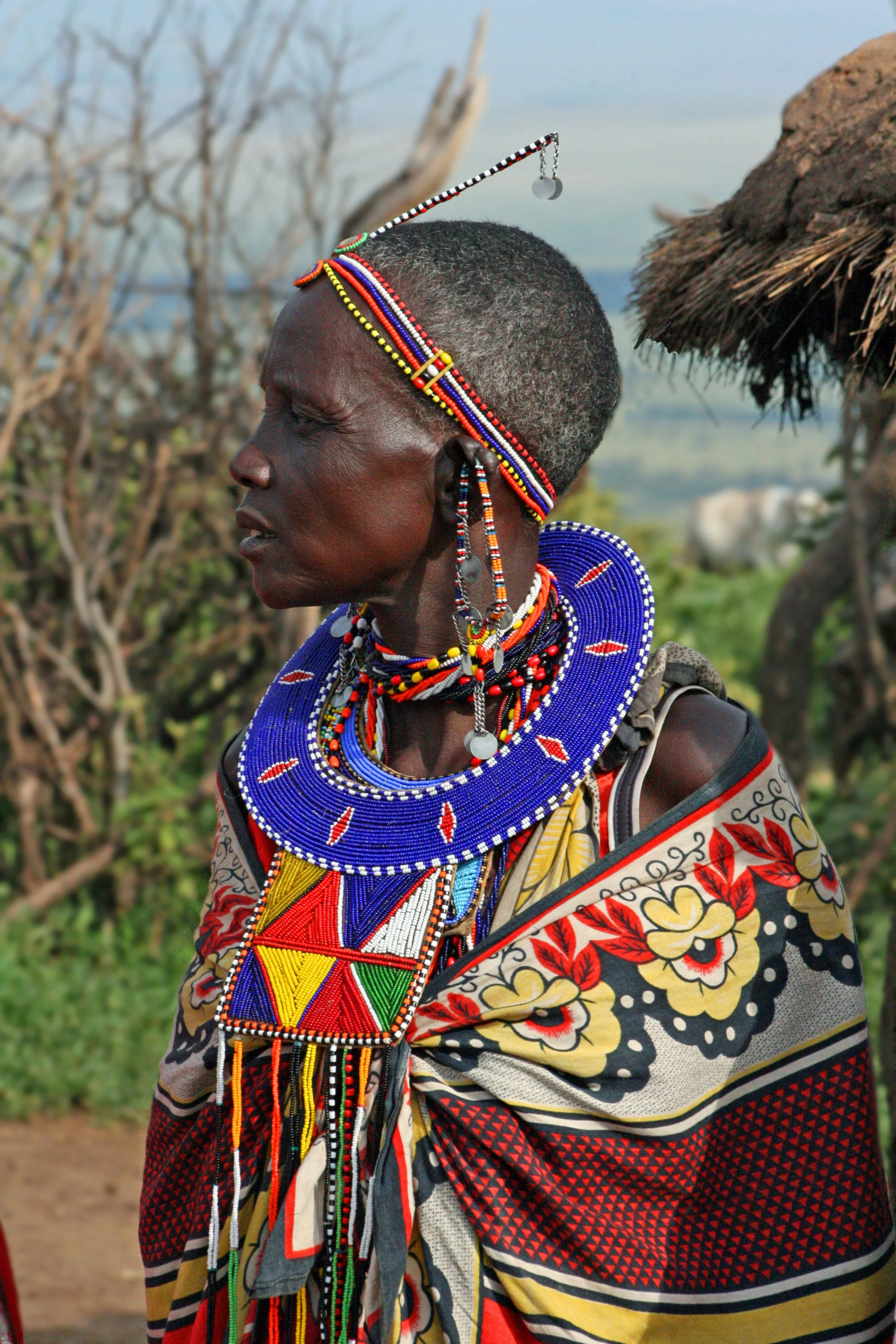
How many tribes in Tanzania are there? The most useful short answer is more than 120 ethnic groups. This is a widely used description of the country’s diversity, rather than a fixed, up-to-date census total. Tanzania’s Investment and Special Economic Zones Authority uses the figure of over 120 in its overview of the Tanzanian people.
Yet a number tells only a small part of the story. Tanzania is home to many languages, family histories, arts and ways of life. You can explore this heritage on Kilimanjaro’s farmed slopes, near Lake Victoria, in the northern highlands and along the coast. Cities and small towns also reveal how people share, shape and renew their culture today.
This guide looks at tribes in Tanzania through people and places you may meet on a well-planned trip. It explains the count, introduces several communities and sets out good ways to visit. You will also find sample routes, useful questions for your planner and answers to common travel questions.
Ask TanzaLux to add a thoughtful cultural visit to your Tanzania safari.
How many tribes in Tanzania are there, and why do counts vary?
“More than 120” is a sound starting point. Treat it as a broad guide, not a list with one final entry. Sources may group related communities under one name or count them on their own. Some lists focus on language, while others use a wider sense of shared history and identity.
The word “tribe” is common in travel searches and local tourism. In this article, “ethnic group” and “community” are also used. These terms help make room for the varied ways people describe themselves. When you meet someone, their own name for their background matters more than a label in a guidebook.
There is no need to memorise every name before you arrive. Start with the places on your route, then ask your hosts what they would like you to know. A short, open question can lead to a much richer exchange than a long list of facts.
A national identity: a person may identify first as Tanzanian.
A family heritage: parents and grandparents may come from different communities.
A home language: it may differ from the language used at school or work.
A present-day life: work, faith, age and place also help shape identity.
For visitors, the key point about tribes in Tanzania is simple. Culture belongs to living people. It is passed on, discussed and changed, rather than kept still for a visitor’s camera.
Language, ethnic identity and a shared Tanzanian culture
Kiswahili, also called Swahili, is a shared national language. It lets people from many backgrounds talk, trade and build friendships. Regional and home languages remain part of the wider picture. Speaking Swahili does not mean that every speaker has the same ethnic heritage.
Nor does a language family equal one ethnic group. Terms such as Bantu, Nilotic and Cushitic describe language relationships. They should not be used as neat boxes for appearance, behaviour or personal worth. Some languages do not fit those families. For example, scholars describe Hadza as a language isolate in research on Tanzania’s Rift Valley languages.
English may help in hotels and tourism, but a few Swahili words show care. Try “habari?” to ask how things are, “asante” for thank you and “tafadhali” for please. Ask a guide when and how to use a greeting. Tone, age and the setting can shape what feels most polite.
Learning about tribes in Tanzania also means leaving room for mixed identities. A city resident may speak several languages, wear modern clothes and still value a family’s customs. Heritage need not be visible in dress to be real.
Eight communities that offer a starting point
The following examples are an introduction to tribes in Tanzania and the wider topic of Tanzania ethnic groups. They are not a full catalogue or a ranking. Regions overlap, and families move for work, study and marriage. No brief profile can speak for every member of a community. Use these notes to choose topics to explore with a host or museum guide.
Sukuma: Lake Zone heritage and the arts
Sukuma heritage has strong roots in Tanzania’s Lake Zone. Near Mwanza, the Sukuma Museum at Bujora Cultural Centre offers a clear place to start. Its work covers both older traditions and new creative work, with a role for elders and younger people.
A museum visit can put objects, music and stories in context. It is a useful way to learn about tribes in Tanzania beyond a brief roadside stop. Ask which displays your guide would most like to explain. Check opening times and any event plans before you travel. A scheduled dance or workshop is a separate matter from a standard museum visit; never assume one will happen.
Chagga: farms on Kilimanjaro’s slopes
Chagga heritage is closely linked with Kilimanjaro’s slopes. A host-led farm visit can open a window onto coffee, bananas and the work behind a cup. Tanzania’s cultural tourism guide describes local farm visits in this area and around Mount Meru.
Make the visit more than a tasting stop. Ask how a crop is grown, who works on the farm and how the harvest is sold. If a host offers a meal, check the price and your dietary needs in advance. A family farm is also a workplace and home, so follow the host’s lead.
Maasai: northern landscapes and pastoral heritage
Maasai communities are part of northern Tanzania’s cultural landscape. Cattle and pastoral traditions are important themes, but they do not define every person’s work or daily life. Do not assume that every Maasai person is nomadic or that one village visit represents all Maasai experiences.
Choose an agreed, hosted visit with time for questions. Ask what the fee covers, who welcomes guests and whether crafts are sold separately. A performance arranged for visitors can still have value when the hosts choose it. The useful question is whether the terms are clear and people take part by choice.
Hadza or Hadzabe: the Lake Eyasi area
Hadza communities live in the Lake Eyasi and nearby valley areas. Hunting and gathering remain part of life for some people. Neither this fact nor a brief visitor encounter should be used to call people “unchanged” or to imply that they live outside the modern world.
If you hope to visit, ask who has agreed to host you and what is suitable that day. A walk, talk or demonstration should follow the hosts’ wishes. Do not book on the promise of a hunt, a rare event or access to a particular family. Respect a change of plan or a decision to decline guests.
Datoga: varied lives around the northern highlands
Datoga heritage includes pastoral traditions, and some families practise metalwork. These are starting points for learning, not jobs that all Datoga people share. A visit near Lake Eyasi may offer the chance to ask a craft worker about tools, methods and the time needed to make an item.
Agree on any workshop charge first. Keep clear of hot metal and sharp tools, and ask before touching a work in progress. Buying a piece can be a good way to support its maker when you know who made it. There should be no pressure on either side to buy or perform.
Iraqw: the Karatu and Mbulu highlands
Iraqw heritage is closely associated with the Karatu and Mbulu area. The Karatu cultural tourism overview describes local programmes that share history, food and household objects. Confirm which hosts and activities are available for your dates, as a directory listing is not a live booking.
Karatu can be a useful place to pause on a northern safari. Instead of treating it only as a bed before a crater drive, allow time for a guided visit. Ask about local farming, family stories or the meaning of a display. Keep private areas of a home off limits unless you are invited.
Makonde: carving and creative expression
Makonde heritage has a strong connection with southern Tanzania, including the Mtwara region. Carving is one well-known art form. The Mtwara regional investment guide includes Makonde carving among the area’s cultural assets.
When buying art, ask the maker or seller about the work’s origin and material. Do not judge its value only by size or how old it looks. Art can be new, experimental and rooted in heritage at the same time. Check any export or import rules that apply to the material before buying.
Wameru: another perspective near Mount Meru
Wameru hosts are among the communities featured in cultural tourism around Mount Meru. Their presence is a reminder that a northern trip can include more than the few names most visitors already know. A local guide can help you choose a visit that fits the area and the host’s plans.
Ask about the landscape as well as the people. Water, farm plots, markets and routes to town can make good starting points for a chat. A walk may show how daily life and the local land fit together. This adds a sense of place to what you learn about tribes in Tanzania. Choose a distance and surface that suit your group.
These examples show why learning about tribes in Tanzania works best with time and context. One careful visit can teach more than several rushed stops made just to collect photos.
Share the communities and cultural themes you would like to learn about with TanzaLux.
Where does Swahili coastal heritage fit?
Do not squeeze the coast into a simple list of tribes in Tanzania. Swahili heritage has deep East African roots and a long history of exchange across the Indian Ocean. Stone Town is a useful place to see that history in buildings and streets. UNESCO’s Stone Town listing explains its mix of African, Arab, Indian and European cultural influences.
A guided walk can help you read details that you might otherwise miss. Ask about carved doors, street plans and the stories of people who lived or worked there. Yet Stone Town is also a living place. Shops serve local needs, homes remain private and faith shapes the use of some spaces.
Dress with care in town and ask before entering places of worship. Food, music and craft visits can add depth when they are led by willing hosts. Allow time to listen rather than trying to fit every cultural theme into one morning.
How can you visit communities respectfully?
Cultural tourism in Tanzania is most rewarding when hosts have a real say in the visit. A good plan should set out who will welcome you, what is included and how long you can stay. It should also make clear that hosts may set limits on photos, spaces and activities.
Before booking a trip to learn about tribes in Tanzania, ask these questions:
Who has agreed to host this visit, and who will guide it?
How is the fee split between transport, guiding and hosts?
Are meals, workshops, performances or craft purchases extra?
What are the rules for photos, video and posting online?
Can the hosts or visitors change or end an activity?
What clothing, walking ability and language support are needed?
Ask for consent before taking a portrait, even after paying an entry fee. That fee does not buy a person’s image. Ask again before a close-up or before sharing a name online. For children, follow the guardian’s decision and the child’s wishes. Do not offer sweets or cash in return for a photo.
Avoid unplanned visits to schools or private homes. Gifts are best discussed with the host group, rather than handed out in a crowd. If you want to support a project, ask about its local leadership and how funds are used. A tourism fee, a craft sale and a donation are different things.
Good cultural travel need not feel formal. A warm greeting, patience and honest curiosity go a long way. You can ask about cooking, skills or a host’s own story without asking them to speak for an entire people.
Request a host-led cultural experience with clear fees and time to listen.
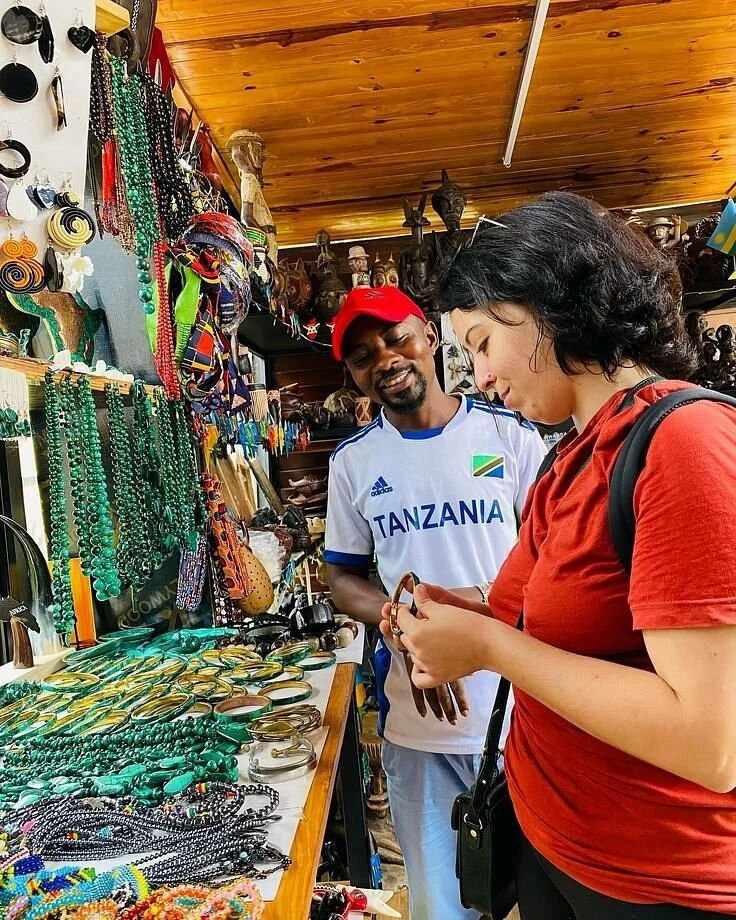
At craft stalls, ask about the maker, the materials and the price before you buy.
When should you explore tribes in Tanzania?
There is no single cultural season that fits every community. Choose dates first around the host’s availability and the places you want to visit. Farm work, family events, religious dates and local commitments may affect what can be offered. A ceremony is not a daily visitor attraction.
Weather also shapes the day. Rain can make rural roads and footpaths muddy. Heat can make a long midday walk tiring. Build some spare time into the route, ask about the current road conditions and agree on a wet-weather option.
If you combine culture with wildlife, plan the two together. A farm visit near your overnight stop may be easy to include. A journey to Lake Eyasi or a trip to Mwanza needs its own travel time. Do not treat every place mentioned in this guide as a day trip from Arusha.
Pack shoes with grip, a sun hat and a refillable water bottle. Bring light layers and clothes suited to the host setting. Tell your planner about mobility needs, food allergies and any limits on walking. The right pace gives both guests and hosts space to enjoy the visit.
Check suitable dates and cultural visits for your chosen Tanzania route.
Sample packages for culture and safari
These are illustrative route ideas for learning about tribes in Tanzania. They are not fixed departures or confirmed bookings. TanzaLux can check hosts, lodges, transport and fees for your dates. Final details should state what is included, what costs extra and how changes are handled.
Package 1: Northern culture and wildlife — 8 days, 7 nights
Day 1: arrive and settle into a lodge in Arusha.
Day 2: take a pre-arranged farm and coffee visit in the Kilimanjaro foothills; return to Arusha.
Day 3: drive to Tarangire for a game drive and overnight nearby.
Day 4: travel to Karatu for a host-led cultural visit and stay.
Day 5: visit the Lake Eyasi area by prior agreement; return to Karatu.
Day 6: take a Ngorongoro Crater excursion and stay in Karatu.
Day 7: return to Arusha with a relaxed afternoon and final night.
Day 8: transfer for departure.
This route leaves room for several cultural themes without adding a rushed Serengeti leg. Hosts and activities depend on consent and availability. No wildlife sighting, hunt, ceremony or performance is promised.
Package 2: Lake Zone heritage and the Serengeti — 8 days, 7 nights
Day 1: arrive in Mwanza and stay overnight.
Day 2: visit Bujora Cultural Centre by arrangement; stay in Mwanza.
Day 3: travel to a lodge near the western Serengeti and stay.
Days 4–5: explore the western park with two more nights in the area.
Day 6: drive to the central Serengeti and stay overnight.
Day 7: enjoy a full park day and a second central stay.
Day 8: transfer to an airstrip for an onward flight, if a suitable service operates.
Confirm drive times, the right park gate and flight options before fixing this route. Herd locations vary by season. Museum events and workshops need a separate check; they are not assumed to run each day.
Package 3: Northern safari and Swahili coast — 11 days, 10 nights
Day 1: arrive for one night in Arusha.
Day 2: take a Tarangire game drive and stay nearby.
Day 3: enjoy an agreed Karatu cultural visit and stay in town.
Day 4: visit Ngorongoro Crater and spend a second night in Karatu.
Day 5: return to Arusha and stay overnight.
Day 6: fly to Zanzibar and settle into Stone Town.
Day 7: take a guided history walk and stay a second night.
Day 8: transfer to a beach hotel for three nights.
Days 9–10: relax, with optional host-led food or craft visits.
Day 11: transfer for departure.
This plan balances wildlife, highland heritage and time on the coast. The five mainland nights and five island nights allow a gentler pace. Flight schedules, hotel space and any optional visits must be checked when quoting.
Ask for a tailored quote for one of these culture and safari routes.
Why travel with TanzaLux Safaris?
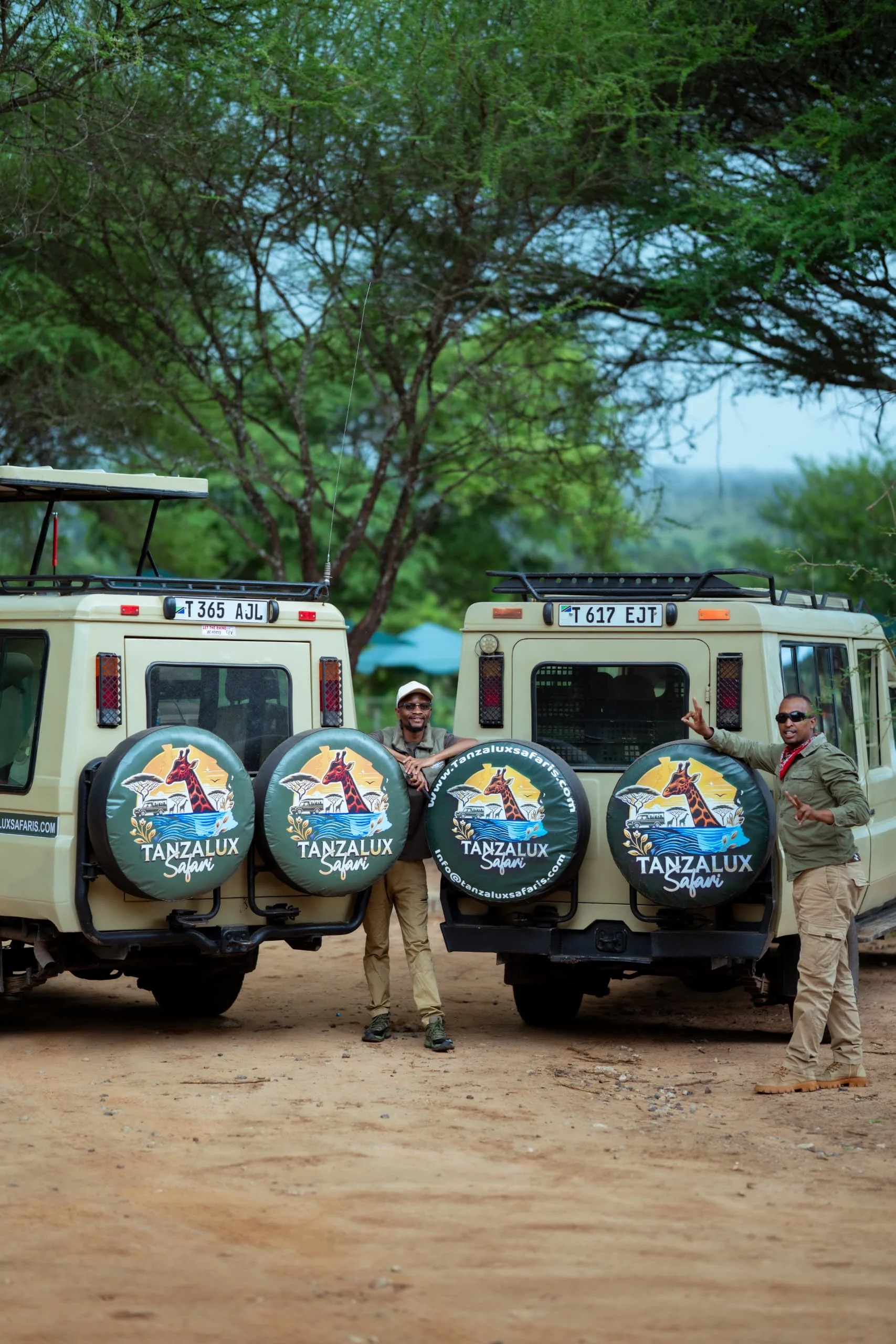
Learning about tribes in Tanzania is easier when the route has been shaped around your interests. TanzaLux is a Tanzanian-owned company based in Arusha. Its approach to trip planning centres on your dates, pace, budget and priorities, with safari, Kilimanjaro and Zanzibar coordinated by one team.
That gives you a useful starting point for a trip with both wildlife and culture. To explore tribes in Tanzania with care, tell the planner what you hope to learn. Your interests might include coffee growing, craft skills, regional history or food. Also say what kind of visit feels right for your group: a museum, a short walk or a longer hosted day.
A route that makes sense: ask for cultural stops near your chosen overnight bases.
Room for questions: allow time for translation and a relaxed pace.
Clear choices: request a written outline of host fees and optional extras.
Joined-up planning: link the cultural day with transfers, lodges and your safari schedule.
These are planning points to agree in your own proposal. Local hosts, activities and access still need to be confirmed. A thoughtful itinerary should serve your interests while leaving hosts free to decide what they wish to share.
Plan a Tanzania holiday with space for wildlife, culture and meaningful conversation.
Frequently asked questions
1. How many tribes in Tanzania are there?
Tanzania is commonly described as having more than 120 ethnic groups. This is a broad estimate of cultural diversity, rather than one exact, current census total. The names and boundaries used in different lists can vary.
2. Why do different sources give different numbers?
Some sources combine related communities, while others list them separately. A count of languages is also not the same as a count of ethnic groups. Check what a figure measures before using it as a firm total.
3. Is “ethnic group” the same as “tribe”?
The terms often overlap in travel writing. “Ethnic group” can offer a clearer way to discuss shared heritage without implying that all members live alike. Follow the words your hosts use for themselves and ask politely if you are unsure.
4. Which is Tanzania’s largest ethnic group?
The Sukuma are widely described as the largest ethnic group; the Sukuma Museum also uses this description. Exact population shares need careful sourcing. For a visitor, learning about the culture matters more than trying to rank communities by size.
5. Do all tribes in Tanzania speak the same language?
No. There are many home and regional languages. Kiswahili is a shared national language that helps people from different backgrounds communicate. Many people use more than one language in daily life, work or study.
6. Is Swahili a tribe or a language?
Kiswahili is a language, and Swahili can also refer to coastal cultural identities and heritage. Those meanings are related but not identical. A person who speaks Swahili is not automatically a member of one coastal ethnic community.
7. Where can I learn about Maasai heritage?
Arrange a hosted visit in northern Tanzania through a planner who can explain the terms. Ask who will welcome you and what the visit includes. Avoid assuming that one household or performance represents all Maasai people.
8. Where can I learn about Chagga culture?
Kilimanjaro’s foothills offer a useful starting point, including host-led farm and coffee visits. Choose the experience based on the hosts and the time available. Agree on any meal, walk and workshop before you arrive.
9. Where do Hadza communities live?
Hadza communities are associated with the Lake Eyasi and nearby valley areas. Some people continue hunting and gathering practices. Visits need local agreement and care; no guest should expect access to a family or a particular activity as a right.
10. Are Hadza and Datoga the same community?
No. They are distinct communities with different histories and languages. Some visitor routes include both in the Lake Eyasi area. A good guide should explain whose home or workshop you are visiting and avoid blending their identities.
11. Can I meet different tribes in Tanzania on one safari?
You can include visits with hosts from more than one community if the route allows it. Choose a few well-planned encounters instead of rushing between stops. Travel time, host consent and your interests should shape the final plan.
12. Is a cultural visit suitable for children?
It can be, with a willing host and an age-appropriate activity. Short farm visits, food sessions and museums may suit families. Check walking distances, tool safety, shade, toilets and food needs before choosing the day.
13. May I take photos during a village visit?
Ask first and accept a no. Consent to a visit does not mean consent to portraits or online sharing. Ask about children’s photos with particular care, and never offer gifts or money to pressure someone into a picture.
14. Should I bring gifts for a community?
Ask the host group before packing gifts. Unplanned handouts can create tension or miss real needs. If you want to help, discuss locally led options and clear ways to contribute. Paying an agreed visit fee is a separate transaction.
15. What should I wear for a cultural visit?
When visiting tribes in Tanzania, choose clean, comfortable clothes suited to the setting. Use modest coverage for homes, towns and places of worship. Wear shoes that suit the path. Ask your host or planner about any specific dress rules before you go.
16. Are traditional dances included in every visit?
No. A dance, workshop or performance must be agreed with the hosts. Some visits focus on conversation, farms, art or museum displays. Do not demand a ceremony or ask people to stage private customs for your group.
17. Do visit fees always go to the whole community?
No single payment model applies to all visits. A fee may pay a guide, host household, venue or local group. Ask who receives it and what it covers. Do not assume that every charge funds a village-wide project.
18. Can I buy crafts directly from makers?
Often you can, when a workshop or market visit is arranged. Ask who made the item, what it is made from and how it should be cared for. Agree on the price politely and check any relevant travel rules for the material.
19. What is the best time to explore tribes in Tanzania?
Start with host availability and your chosen region. Weather, farming and local events can affect the day. Ask about current access and leave room for changes. There is no single date when every cultural activity is available.
20. Can TanzaLux combine culture, safari and Zanzibar?
Yes. Ask TanzaLux to shape a route around your dates, budget and interests. Confirm each host visit, lodge and transfer in the proposal. Allow enough time for conversation and rest, as well as the wildlife and beach parts of your trip.
Ready to start planning?
Tell us your dates and what you're after — no obligation.