5.0 Excellent

Tanzania’s Waterfalls: A Guide to Natural Wonders
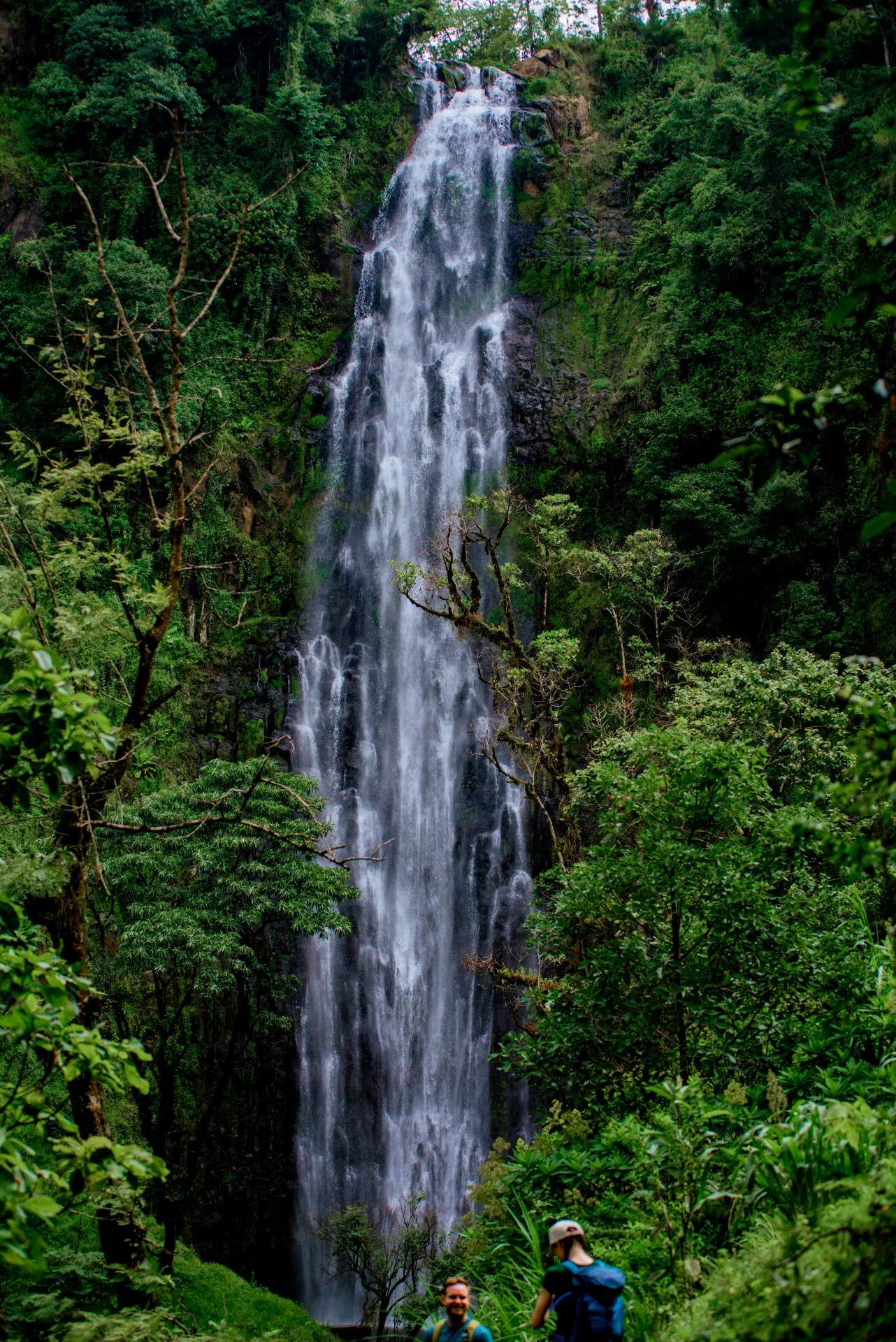
Waterfalls in Tanzania add a fresh rhythm to a safari. You leave the game-drive seat, follow a green trail and hear the water before you see it. A sheer rock face, a cool mist and the scent of wet earth can be as striking as an open plain. These walks also bring you close to the farms, forests and small towns that many fast-paced tours pass by.
This guide explores seven stops across the country. Some fit a spare day near Arusha or Moshi. Others call for a stay in the hills or a full journey west. You will find route ideas, tips for the trail and three sample packages. Choose a walk that suits your fitness, your dates and the time you want to spend outdoors.
Ask TanzaLux Safaris to add a scenic waterfall walk to your private trip.
Why visit waterfalls in Tanzania?
A waterfall day gives you time to look at small things. Ferns grow on damp rock. Birds call from the tree tops. A farm path may lead past coffee shrubs and banana plants. On foot, you can pause for these details and let the view unfold at your own pace.
It also breaks up long days on the road. A walk near Moshi can sit between your arrival and a safari. A forest stay near Lushoto can form part of a longer trip toward the coast. Sanje works well with a southern route through Mikumi. The key is to choose waterfalls in Tanzania that fit your route, rather than cross the country to tick off a list.
Which waterfall should you choose?
Near Moshi: choose Materuni for a waterfall walk with a possible coffee and farm visit.
Near Arusha: consider Napuru for a guided local outing, or Tululusia within Arusha National Park.
In the Usambara Mountains: base yourself near Lushoto for Kisasa and a separate visit to Soni.
On a southern safari: make room for Sanje Waterfalls in Udzungwa Mountains National Park.
For a remote western journey: plan Kalambo Falls as a distinct part of your trip near Lake Tanganyika.
These places have different entry systems, trail surfaces and guide rules. A village path, a national park walk and a forest reserve visit are not the same booking. Ask for the exact site name and the full day's plan when you compare waterfalls in Tanzania.
1. Materuni Waterfalls: a green escape near Moshi
Materuni Waterfalls lie on the lower slopes of Kilimanjaro near Moshi. The Tanzania Tourist Board's Materuni guide describes a walk through farms and lush green hills. Coffee, banana and avocado plants form part of the landscape. A locally hosted coffee visit can add depth to the day, if you book it as part of the plan.
This is a good choice if you want waterfalls in Tanzania without a long detour from a northern trip. Stay in Moshi, or allow for the extra road time from Arusha. Wear shoes with grip and expect rough or muddy sections. Ask how much walking your chosen route needs; a short drive to a trail does not mean the walk is step-free.
Give the falls time. Stop at a safe place to feel the spray, then look back along the green walls of the valley. Keep the camera dry between shots. If you add coffee, ask your hosts to explain what is grown there and how it is used. Pay agreed fees and ask before you take close portraits.
2. Napuru Waterfalls: a nature break near Arusha
Napuru is an option for guests who want to explore the Meru area near Arusha. Tengeru Cultural Tourism lists Napuru among its local nature outings. This makes it worth asking about when you have a free day before a safari, or when you prefer a local walk over another full day in a vehicle.
Get the current meeting point and trail plan before you set out. The walk, transfer and access fees should be clear in your quote. Mention sore knees, trouble with steep paths or a need for frequent rests. Your guide can then explain whether this route fits, or suggest a different day.
Leave a gap after an overnight flight. A late arrival and a hard walk can make the first day feel rushed. A calm breakfast, a well-timed drive and a slow start may work much better. For waterfalls in Tanzania near a busy safari hub, the value often lies in this easy change of pace, rather than in how much you can fit into one day.
3. Tululusia Waterfall: a walk in Arusha National Park
Tululusia lies within Arusha National Park. TANAPA's Arusha National Park guide lists the waterfall and explains that park walks must be arranged through the gates. This is a park outing with its own rules and fees. Confirm the guided walk, any required ranger escort and the route in advance.
The setting brings a different feel from a farm walk. Forest, a gorge and the park's wider scenery shape the day. Wildlife can be present along walking routes, so stay with your guide and follow each instruction. Do not step away from the group to seek a photo or a closer view.
Tululusia can suit guests who want waterfalls in Tanzania within a wider park day. Ask how a walk fits with a game drive and rest stops. Choose fewer stops if you want to linger on foot. Clouds may hide the mountain views, but a close look at leaves, bark and the moving water can still make the day rich.
4. Sanje Waterfalls: forest trails in Udzungwa
Sanje Waterfalls are a key draw in Udzungwa Mountains National Park. This is a forest walking destination on the edge of the Kilombero Valley. Most visits use the Mang'ula area as a base. The official Udzungwa visitor guide sets out access, route registration and guide rules.
Set aside enough time for the trail rather than squeeze it into a long transfer day. Steep ground, heat and damp rocks can affect your pace. Tell the guide how far you want to walk and ask which viewpoints fit. Start with water, a snack, sturdy shoes and a light rain layer.
Sanje is a strong choice for waterfalls in Tanzania on a southern safari. A stay near the park gives you a fresh start, while Mikumi can provide the game-drive part of the trip. On the trail, look up as well as down. Forest sounds, shifting shade and small streams help tell the story of this place. Any primate sighting is a bonus, never a promise.
5. Kisasa Waterfall: farms and hills near Lushoto
Kisasa belongs on a slower journey through the Usambara Mountains. The Tanzania Tourist Board's Usambara guide describes an approach through farmland and planted forest. A stay near Lushoto lets you build a day around the walk, rather than rush in from a distant safari park.
Ask about the last part of the path. Local provider Shambaa Eco Tours describes a steep final descent. The way down may need more care than the earlier farm paths, and the return climb can feel hard. Good grip and an honest chat about fitness matter more than a broad label such as “easy hike.”
For waterfalls in Tanzania with a hill-country feel, Kisasa offers a useful change from the plains. Spend time watching the folds of the land and the dark rock behind the water. Ask which plants are crops and which grow in the forest. Keep to the agreed path through farms, and leave gates, plants and work spaces as you find them.
6. Soni Waterfalls: another Usambara option
Soni adds another named waterfall stop to a stay in the Usambara Mountains. Visit Usambara lists Soni and Kisasa among the area's nature outings. Treat them as separate stops with their own routes. Confirm the access point, walking distance and latest ground conditions with your local guide.
You do not need to visit every fall in one day. A single well-chosen walk, a relaxed lunch and a village or viewpoint visit may feel more rewarding. If one trail is too steep, ask what can be seen from another safe, allowed spot. Be clear if stairs, exposed edges or wet paths are a concern.
Soni can be part of a longer hill stay for guests who like waterfalls in Tanzania and enjoy slow travel. Keep time for the drive through the hills too. Let the guide choose safe places to stop, and ask permission before entering a field or home. The landscape is also a place where people live and work.
7. Kalambo Falls: a remote journey near Lake Tanganyika
Kalambo Falls lie on the Tanzania–Zambia border, southeast of Lake Tanganyika. Tanzania Forest Services lists the falls within Kalambo Nature Forest Reserve in Rukwa Region. The gorge, forest and lake setting make this a distinct western trip. It is not a quick side visit from Arusha or the Serengeti.
Plan transport, places to stay and local guiding together. Check the current road approach and access on the Tanzanian side. Do not use a Zambian tour's fees or route as a guide to your Tanzania visit. If your plan crosses the border, the travel documents and transport need their own checks.
Kalambo suits guests who want waterfalls in Tanzania as a main travel goal. Build in spare time and accept a different pace from the northern circuit. Ask what comfort level is available each night. At the falls, use the marked viewpoints and keep well back from edges. A wide view of the gorge can be far more striking than a risky close-up.
Tell us which waterfall regions interest you, and let us shape a realistic route.
When is the best time to visit waterfalls in Tanzania?
Choose your dates for the whole trip, not just the volume of water. Rain can make a fall look full and the hills look lush. It can also make trails slick and some roads harder to use. A dry spell may improve footing, while the flow can be lower. Conditions vary by catchment, altitude and recent rain.
The Tanzania Tourist Board climate guide describes two wet periods in the north and east: long rains around March to May and short rains around October to December. These are broad patterns, not fixed dates. The Usambaras, Udzungwa and western Tanzania have local weather of their own. Ask for a fresh trail and road update close to your visit.
For a safari and a walk: start with the season that suits your main wildlife route, then choose a suitable waterfall nearby.
For fewer wet-trail concerns: ask about drier months at the exact site and allow for showers in any month.
For photography: discuss light, spray and safe viewpoints, as well as expected flow.
For a fixed flight day: choose a low-pressure outing with a clear cut-off time and a backup plan.
The best day for waterfalls in Tanzania is one with safe access and enough time to enjoy it. A change of route after heavy rain is a sound decision. Keep a coffee visit, craft stop or restful lodge lunch in mind as an alternative.
How hard are Tanzania waterfall hikes?
Tanzania waterfall hikes range from shorter walks to steep forest trails. Distance alone tells only part of the story. Steps, mud, roots, heat and a sharp climb back out can all affect the day. Ask for details about the descent as well as the return. A path that is simple in dry weather can feel very different after rain.
Share your needs before booking. Tell the team if you use a walking aid, travel with young children or need a short route. Ask about toilets, shade, rest stops and the option to turn back. Avoid relying on a general claim that a place suits everyone.
Choose a guide who knows the current path and its rules. In a national park, confirm the park's own guide and escort requirements. Start at a steady pace. Keep a gap on slippery steps and let faster walkers wait at safe stops. You should finish with time to rest, not race the light back to the vehicle.
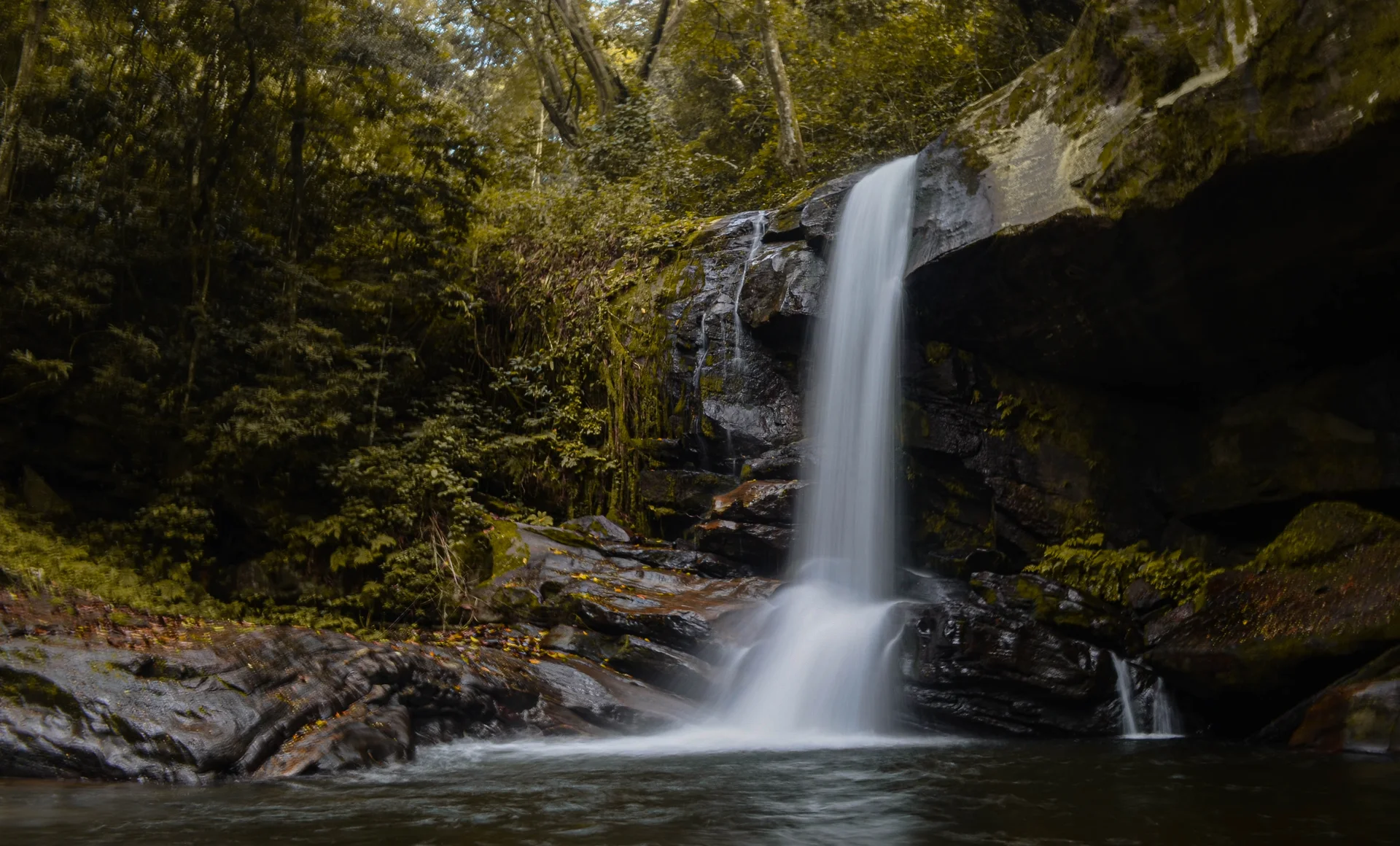
Forest waterfall walks bring a fresh pace to a safari. Follow local signs and guide advice near pools.
What should you pack for a waterfall walk?
Worn-in walking shoes with a firm, grippy sole.
A light rain shell and quick-dry clothes suited to the forecast.
Drinking water and a small snack for the agreed trail length.
A sun hat, sunscreen and suitable insect repellent.
A dry bag or waterproof pouch for your phone and camera.
A small daypack that leaves both hands free.
Any personal medicine you need, with a small first-aid kit.
A spare top and socks to leave in the vehicle.
Pack for a walk, not a heavy expedition. Check what your day trip supplies before you leave the lodge. Keep cash dry if local fees or tips are due. A walking pole may help on some trails; ask whether it suits the route and avoid cutting a branch for one.
Can you swim at waterfalls in Tanzania?
There is no single swimming rule for all waterfalls in Tanzania. A pool may look calm while hiding strong flow, sharp rock or a steep drop. Permission and safe conditions must both be clear. At Udzungwa, TANAPA allows swimming only in signed pools when conditions are safe. Your guide's advice and signs take priority over a photo or an old travel review.
Never jump from a ledge or enter fast water for a picture. Keep children close and away from edges. If swimming is not allowed or the guide says no, enjoy the view from dry ground. A planned swim is always optional; it should never be the reason to ignore a warning.
How can you take better waterfall photographs?
Start from a safe, firm spot. A little distance can show the full shape of the valley and the trees around it. Use a person for scale only when they can stand on an allowed path. Keep bags out of narrow passing places and protect your lens from spray.
Try two kinds of shot. A fast shutter keeps the drops sharp. A slower shutter can soften the water, if you have a stable support and your guide allows time. With a phone, try the standard camera first; you do not need to climb on wet rock for a strong image.
Look for a leaf, a root or a curve in the stream to lead the eye toward the falls. Cloud cover can give soft light in a forest. Leave drones packed unless you have all required written permissions. Quiet, patient work often brings better results than a rushed hunt for a dramatic angle.
What does a waterfall day cost?
The cost of waterfalls in Tanzania depends on where you start, the site and what is included. A short local walk and a national park day have different charges. A remote Kalambo journey needs a wider budget for transport and nights away. Avoid comparing only the headline price.
Transport: check the pickup point, vehicle, road time and return drop-off.
Access: ask which park, village or forest fees are included.
Guiding: confirm the local guide and any required ranger costs.
Meals: check lunch, drinking water and any coffee experience.
Extras: ask about tips, personal cover, optional stops and cancellation terms.
Request a dated, itemised quote. Group size, season, visitor category and the chosen lodge can affect the total. TanzaLux can help you compare the full day's plan and decide where it adds most value to your trip.
Sample packages with waterfalls in Tanzania
These are sample routes for planning, not fixed departures or confirmed offers. Each can change to suit your dates, pace and budget. Lodges, fees and guided walks depend on current availability. Ask for a full quote with all inclusions and exclusions before booking.
Package 1: 7-day northern safari and Materuni walk
Day 1: arrive at Kilimanjaro Airport and transfer to Moshi. Rest overnight.
Day 2: take a guided Materuni walk and optional pre-booked coffee visit. Travel to Arusha for the night.
Day 3: enjoy a Tarangire game drive, then stay in the Karatu area.
Day 4: travel through the highlands to the Serengeti and begin your stay there.
Day 5: spend a full day on Serengeti game drives at your chosen pace.
Day 6: leave the Serengeti and stay near Ngorongoro or Karatu.
Day 7: visit the crater, subject to permits, then return to Arusha. Book any onward flight with ample time or add a night.
This six-night outline suits guests who want waterfalls in Tanzania as an active opening to a classic safari. Discuss long drives and lodge locations before you commit.
Request a private northern safari with a Materuni waterfall day.
Package 2: 6-day Usambara hills and coast escape
Day 1: arrive in Arusha and rest overnight.
Day 2: make the road journey to the Lushoto area and settle in.
Day 3: walk to Kisasa with a local guide, if the trail suits your needs.
Day 4: choose a separate Soni visit, a viewpoint outing or a gentler local walk.
Day 5: travel toward the Tanga coast for a relaxed seaside night.
Day 6: rest or take a pre-arranged onward transfer suited to your departure plans.
This five-night route suits slow travel, farms and hills. It has substantial road time and no major game-drive park. Add safari nights as a separate extension if wildlife is a priority.
Ask for a tailored Usambara waterfall and coast itinerary.
Package 3: 7-day Mikumi and Sanje forest safari
Day 1: arrive in Dar es Salaam and stay overnight.
Day 2: drive to the Mikumi area and settle into your lodge.
Day 3: take a full day of Mikumi game drives.
Day 4: transfer to the Mang'ula area near Udzungwa and rest.
Day 5: follow a guided Sanje route chosen for your fitness and current conditions.
Day 6: return toward Dar es Salaam and stay overnight.
Day 7: depart, or start a separately arranged coast extension.
This six-night outline gives Sanje a full walking day. It is a useful way to pair waterfalls in Tanzania with southern wildlife viewing, while keeping the forest visit distinct from the drives.
Plan a private Mikumi safari and Sanje Waterfalls escape.
Why travel with TanzaLux Safaris?
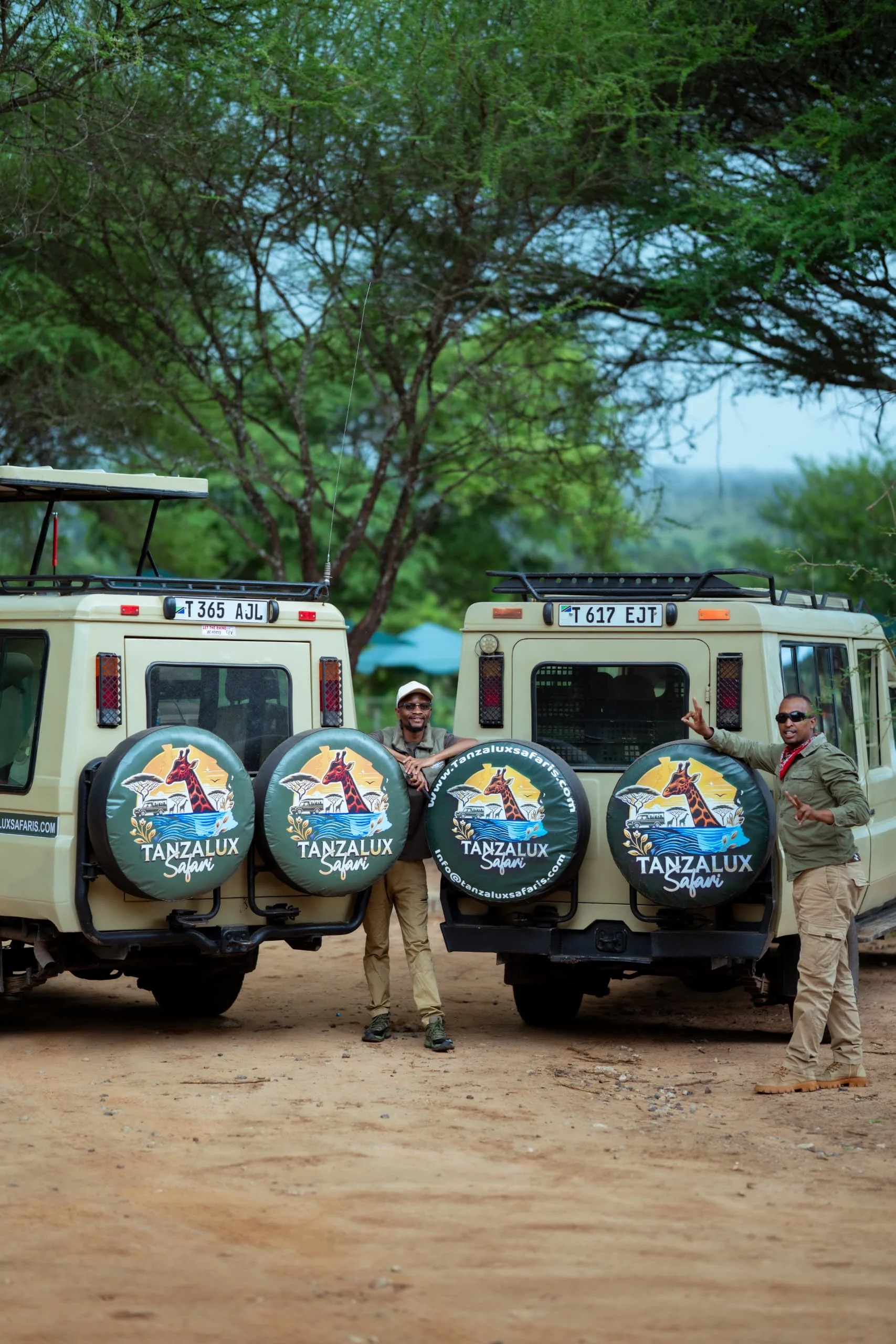
TanzaLux Safaris is a Tanzanian-owned team based in Arusha. We tailor trips to your dates, budget, pace and interests. That matters when a holiday includes both long safari drives and time on foot. A good plan leaves space for rest, transfers and the kind of walk you will enjoy.
Tell us whether waterfalls in Tanzania are a short add-on or the main reason for your trip. Share your walking needs and the comfort you want each night. We can discuss route choices, local visits and how a waterfall day fits with a safari, Kilimanjaro trip or Zanzibar stay.
Ask for clear details on the guide, access fees, meals and backup options in your proposal. We will shape the plan around the places and services available for your dates. Weather and wildlife remain beyond any team's control, so a thoughtful route and room to adjust are part of good travel planning.
Start planning your Tanzania waterfall and luxury safari journey with TanzaLux Safaris.
Frequently asked questions
1. Which waterfalls in Tanzania are best for a first visit?
Materuni is a useful starting point near Moshi. Napuru and Tululusia may fit an Arusha stay. The best choice depends on your route, walking needs and current access. Ask for the exact trail details before booking.
2. Where are Materuni Waterfalls?
They are near Moshi on the lower slopes of Kilimanjaro. A guided visit can fit before or after a northern safari. Allow for both the transfer and the walk, and check whether a coffee visit is included.
3. Can I visit a waterfall from Arusha?
Yes. Ask about Napuru in the Meru area or Tululusia within Arusha National Park. Park entry and walking rules apply at Tululusia. Choose the outing that fits your time, rather than combine too many stops.
4. Is Sanje Waterfalls part of Udzungwa?
Yes. Sanje is in Udzungwa Mountains National Park. Most visitors base themselves near Mang'ula. Plan the guided forest walk as a full part of the trip, with time to rest before and after it.
5. Where are Kisasa and Soni waterfalls?
Both are in the Usambara Mountains. A stay near Lushoto can give you time for local walks. They are separate stops, so confirm each route and access point with your guide.
6. Is Kalambo Falls a day trip from the Serengeti?
No. Kalambo lies far away on the Tanzania–Zambia border near Lake Tanganyika. It needs a separate plan for transport, nights away and local guiding. Do not add it to a short northern route as a quick detour.
7. When do waterfalls have the most water?
Flow often rises after rain, but each site has its own catchment and weather. A full fall may also mean slick trails or unsafe water. Get a current local update rather than rely only on a seasonal chart.
8. Can I visit waterfalls during the dry season?
Often yes, subject to local access. Drier ground can make some walks more manageable, while flow may be lower. Ask about your exact site and dates. No season guarantees a fixed volume of water.
9. Do I need a guide?
A local guide helps with the route and current conditions. National parks and reserves have their own rules. Confirm any required guide or ranger escort before the visit, and stay with the group on the trail.
10. Are waterfall walks suitable for children?
Some routes can suit children, but steep steps, wet rocks and long climbs may not. Share their ages and walking experience in advance. Keep them close near water and edges, and choose a shorter route when needed.
11. Can guests with limited mobility visit?
Ask about steps, slopes, path width and the distance to a safe viewpoint. Many natural trails have rough ground and lack step-free access. A guide should describe the actual route rather than promise that every waterfall is suitable.
12. Can I swim below the falls?
Only where swimming is allowed and current conditions are safe. Follow signs and guide advice. Some pools are unsafe or off limits. Never jump into unknown water or enter fast flow to take a photo.
13. What shoes should I wear?
Wear walking shoes with good grip that you have used before the trip. Smooth soles and loose sandals can slip on wet paths. Pack spare socks for the drive back, especially if spray or rain is likely.
14. Will I see Kilimanjaro at Materuni?
A clear mountain view is not guaranteed. Clouds and local weather can hide it. Enjoy the walk, farms and falls as the main experience, and treat any wider mountain view as a bonus.
15. Can I combine a waterfall with a coffee visit?
Materuni can be paired with a locally hosted coffee experience if arranged in advance. Check the time, fee and what the hosts will show you. Ask before taking portraits and respect their working space.
16. Can I fly a drone near a waterfall?
Do not assume you can. Aviation rules and site permissions may both apply, and protected areas can require written approval. Check all requirements before carrying out a flight. A phone or camera can capture great views from the path.
17. Are entrance fees included in a day tour?
That depends on the quote. Ask for a clear list of access fees, guiding, transfers, lunch and water. Park charges may differ by visitor category. Compare the full plan before choosing on price alone.
18. Can I add a waterfall to a luxury safari?
Yes. Choose a site near your main route and leave time for the walk and a change of clothes. Comfort comes from a well-paced day, a suitable trail and a restful stay, as well as the lodge itself.
19. What happens if heavy rain affects the walk?
The guide may shorten, change or cancel the route if conditions are unsafe. Discuss a backup outing and the booking terms in advance. Keeping the day flexible is better than forcing a walk on a hazardous path.
20. How can I visit responsibly?
Stay on allowed paths, take litter away and keep soap out of streams. Do not feed wildlife or pick plants. Pay agreed local fees, ask before photos and follow your guide. Small choices help protect waterfalls in Tanzania for future visits.


Ready to start planning?
Tell us your dates and what you're after — no obligation.