5.0 Excellent

What Language Is Spoken in Tanzania?
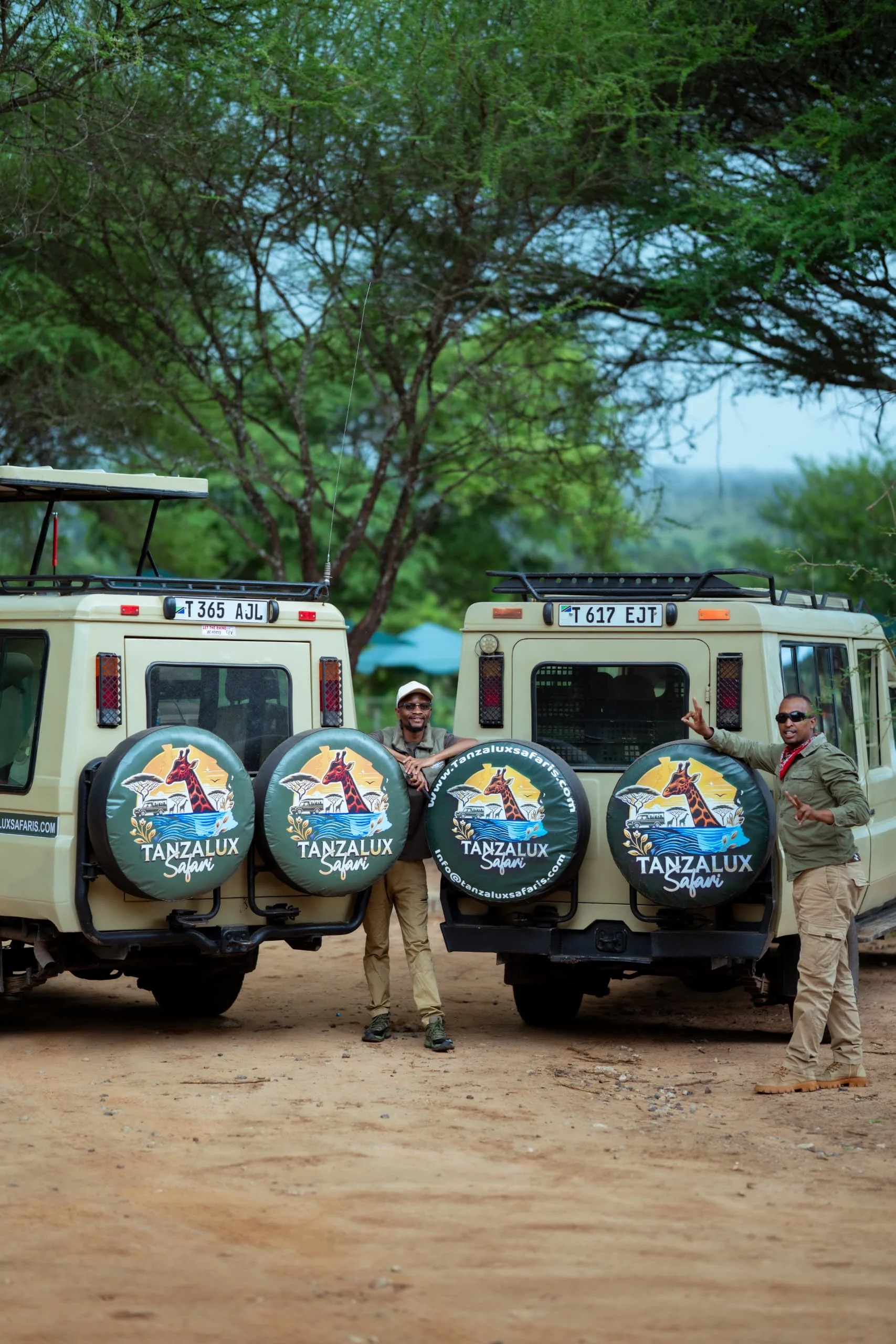
What language is spoken in Tanzania? Swahili, also called Kiswahili, is the main shared language of daily life. English is useful in tourism and other professional settings, while many people also speak a community language. The languages in Tanzania reflect a country with many local histories, cultures, and ways of life.
For a visitor, this is good news: you do not need to master Swahili to enjoy a well-planned safari. You should still confirm the language of your guide and learn a few polite words. A greeting, a clear question, and time to listen can make an ordinary exchange more enjoyable.
This guide to languages in Tanzania explains what you may hear in towns, safari camps, villages, and Zanzibar. It also shares useful phrases, booking tips, and sample routes. The aim is to help you feel prepared, without treating everyone you meet as though they speak the same languages.
Plan your Tanzania trip with clear guide-language arrangements and a personal pace.
Languages in Tanzania: the quick answer
Swahili in Tanzania is a useful starting point for everyday greetings and common exchanges. Use English where it is shared, and ask your planner to confirm support for any other language you need. Your guide's fluency matters more than a broad claim that a destination is “English-speaking.”
Swahili or Kiswahili: the national language and a shared means of daily contact.
English: used in many travel, business, and study settings; fluency varies by person.
Community languages: used within families and local networks across the country.
Other languages: may be spoken by particular people or offered through a booked guide.
Tanzania's investment authority describes Kiswahili as the national language in daily use and notes English in business and education. See the official language context from TISEZA. For travel, the key point is simple: shared languages help, but individual skills differ.
Do not assume that a receptionist, driver, market seller, and village host will all use English with the same ease. Understanding the languages in Tanzania starts with asking what works for the person in front of you.
Are Swahili and Kiswahili the same language?
Yes. Swahili is the usual English name, while Kiswahili is the name used in the language itself. You may see both terms on signs, course pages, and travel guides. They do not refer to two separate languages that you must choose between.
The University of Kansas introduction to Kiswahili explains its Bantu language roots and use as a shared language in East Africa. It also notes the influence of other languages on its vocabulary. Swahili is not a form of Arabic or a mix of English phrases.
Like other living languages, it has regional forms and styles. A greeting used by friends may differ from one used with an elder. Your host may also choose different words for a formal meeting and a relaxed chat.
When reading about languages in Tanzania, avoid the idea that there is one fixed phrase for every moment. Learn a useful starting point, then listen. Your guide can explain why a local speaker chooses one form rather than another.
Can you travel in Tanzania using English?
Many visitors arrange a safari in English and use it for guide briefings, hotel check-in, and meals. That is a practical option when the services are confirmed in advance. It is still wise to ask who will provide each service and which language they can use.
English in Tanzania is not a skill you should assume every person has. Outside booked travel services, you may need more patience, a written note, or help from your guide. Speak in short sentences and avoid slang. Shouting or repeating the same long question faster rarely helps.
If English is not your preferred language, ask about a guide who speaks yours. Confirm dates, cost, and the scope of the service. A French-speaking safari guide, for example, does not automatically mean every hotel staff member will also speak French.
When weighing languages in Tanzania for your trip, consider the full route. Airport transfers, game drives, a village visit, and a Zanzibar boat day may use different teams. Ask which parts include your chosen language and where an interpreter may be needed.
What other languages are spoken in Tanzania?
Tanzania has many community languages alongside Swahili and English. Examples include Sukuma, Iraqw, and Maa, often called Maasai in travel information. These are languages with their own structures and uses, rather than simply local accents of Swahili.
Research from the University of Dar es Salaam looks at this rich language setting, including Iraqw and Sukuma in public language use and Swahili, English, and Maasai in Orkesumet. A national overview cannot predict what each person uses at home.
Exact language totals can differ according to how a source groups languages and regional forms. For a traveller, a single count is less useful than respect for this diversity. Ask people which language they prefer rather than guess from their name, clothes, or location.
The languages in Tanzania are part of daily life, not only part of a cultural tour. A person may use one language with relatives, Swahili at work, and English with a guest. Do not treat language choice as a test of how “local” someone is.
What language is spoken in Zanzibar?
Swahili is the main language in Zanzibar for daily exchanges. English can be useful in booked visitor services, while other languages may be heard in particular homes, businesses, or religious settings. Arabic has a historical and cultural presence, but it is not a substitute for learning a few Swahili greetings.
For your Zanzibar stay, ask the hotel and tour provider about language support. A guide may help you follow a Stone Town walk or a spice-farm visit in more depth. Boat crews and hotel teams may have different language skills, so confirm the details for each outing.
You can use the same core polite words on the mainland and islands. Listen for local ways of saying them, and let your host lead the tone of the exchange. There is no need to use a string of memorised phrases when a brief greeting will do.
Learning about languages in Tanzania can make a beach holiday more engaging. Start with a polite hello before asking a shop question. Ask permission before a photo, and use your guide when the subject needs more than a short answer.
How do you greet someone in Swahili?
Begin with a greeting and give the person time to reply. The right form depends on age, familiarity, and the setting. The Five College Tanzania greeting guide explains why greetings carry more meaning than a quick opening word.
Habari? A greeting asking how things are; a common reply is Nzuri, meaning good.
Hujambo? A greeting to one person; the matching reply is Sijambo.
Shikamoo. A respectful greeting to an elder; the reply is Marahaba.
Mambo? A casual greeting among peers; Poa is a common informal reply.
Jambo. A familiar visitor greeting; useful to recognise, though not the only everyday choice.
Ask your guide when to use each one. A casual phrase with a friend does not always fit a formal meeting. You do not need to force slang or copy every expression you hear. A calm, polite greeting is a good place to begin.
When exploring languages in Tanzania, remember that a reply can lead to more conversation. If you only know the opening, smile and explain that you are learning. Nobody needs to turn a friendly exchange into a language exam.
Useful Swahili phrases for travellers
Start with a small set that you can say and understand. These basic Swahili phrases cover thanks, courtesy, and simple needs. Their English meanings are practical guides; a word can carry a wider meaning in context.
Asante: thank you.
Asante sana: thank you very much.
Karibu: welcome; it can also mean you are welcome, depending on the exchange.
Tafadhali: please.
Samahani: excuse me or sorry.
Ndiyo: yes.
Hapana: no.
Sawa: okay or all right.
Pole pole: slowly or gently, depending on context.
Maji: water.
Chakula: food.
Sielewi: I do not understand.
Bei gani? What price?
Kwaheri: goodbye.
For important requests, use a full sentence in a language you share. A single food word will not explain an allergy, and “yes” does not prove both people understand a complex plan. Let your guide help with details.
A short phrase list is a starting point for languages in Tanzania, not a replacement for listening. Practise a few words on the first day and reuse them naturally. You are likely to remember a word linked to a real exchange better than a long list learned all at once.
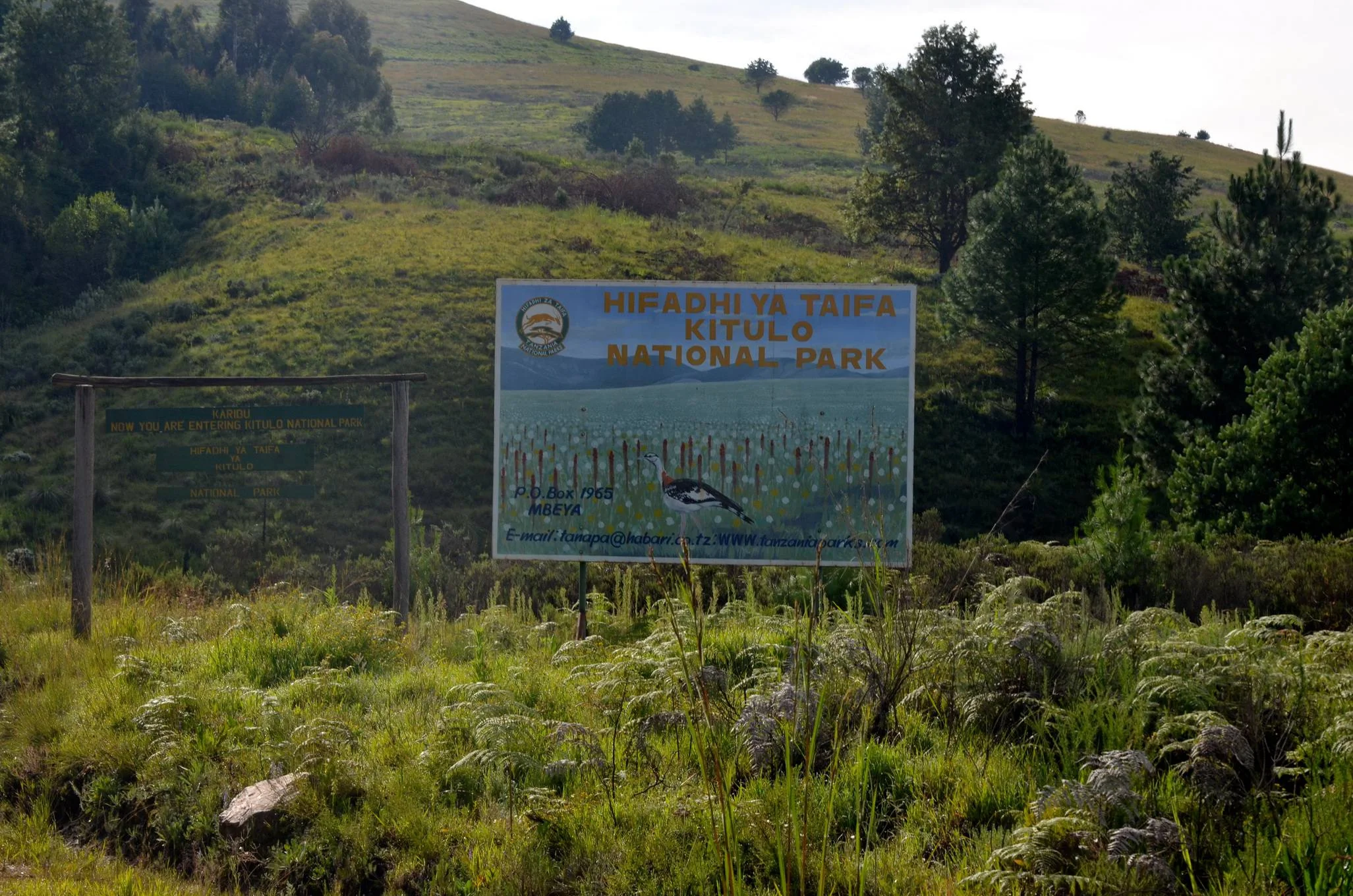
Look for familiar words on signs, and ask your guide when you are unsure.
How can you pronounce Swahili words more clearly?
Swahili has five main vowel sounds. Harvard's ELIAS Swahili vowel lesson is a useful place to start. Listen to a speaker rather than rely only on an English spelling guide, since English accents can change how written hints sound.
Say each part of the word with care. For most words, stress falls near the end, on the next-to-last syllable. As rough aids, think of a-SAN-te, ka-RI-bu, and ha-BA-ri. These are learning hints, not exact phonetic spellings.
Keep your voice relaxed and ask for one word at a time. Let your guide say it, repeat it once, and listen to a correction. If a conversation is busy or someone is working, keep the lesson short. Their time matters too.
The goal is to be understood, not to sound fluent on day one. With languages in Tanzania, a patient learner often gets more from a few clear words than from a fast stream of phrases with meanings they do not know.
Language on safari: what should you confirm?
Your Tanzania safari guide explains wildlife, the daily route, park rules, and meeting times. Choose a shared language that lets you ask follow-up questions. If a member of your party needs slower explanations, mention that before the trip starts.
Ask whether the same guide stays with you for all game-drive days. Check language support for transfers, cultural visits, and optional activities separately. A driver may handle a pickup in one language, while a specialist host leads the visit in another.
Languages in Tanzania can add interest to a wildlife day. Your guide may share Swahili names such as simba for lion or tembo for elephant. Enjoy learning them, while keeping attention on the guide's instructions and the animals.
UNESCO notes that the word safari means journey in Swahili and has links to Arabic through the region's history of travel. See its Kiswahili language overview. The modern travel word is one small example of the language's wider reach.
Clear communication makes the day easier
For pickups, ask for the time and date in writing, including morning or evening. Confirm the meeting point, contact number, and vehicle plan. Do not rely on a spoken number alone if you are unsure which clock format is being used.
At a market, agree on the price and currency before buying. Use a written figure or calculator if needed. A shared smile is pleasant, but it does not confirm the terms of a sale. Basic Swahili can help start the exchange; clear numbers help finish it.
At a lodge, explain food needs in plain words and ask staff to repeat the key points. For an allergy, use a reliable translated note and discuss it directly with the team. A translation app should support an important conversation, rather than be the only check.
When learning about languages in Tanzania, keep your needs clear too. It is fine to say you do not understand. Ask a person to slow down, use a shorter sentence, or write the details. Clarity is more useful than pretending to follow.
Language, respect, and cultural visits
Ask a host before taking a portrait or recording a conversation. Explain what you plan to do with the image or audio. If you do not share a language, let your guide check consent rather than guess that a nod means agreement.
Give people room to choose whether they want to talk. A cultural visit should be arranged with willing hosts and a clear plan. Avoid asking someone to perform a greeting, song, or story simply because you want a souvenir from the day.
Languages in Tanzania carry personal and community meaning. Use the words people prefer for themselves. Avoid jokes about accents and do not rank one person's language as more “authentic” than another. Being a good guest begins with listening.
If learning is a main reason for your trip, consider a proper class. MS TCDC's beginner Swahili course covers practical skills and cultural context. Check current dates and fees directly. A tour guide can share words, but a safari booking is not automatically a language course.
A simple language plan before you travel
You do not need months of study for a short visit. Set a small goal: greet people, say thanks, and ask for help when you need it. If you enjoy learning, add more after the first few words feel familiar.
Before booking: confirm the language of your guide and which parts of the route it covers.
Before departure: save names, contacts, and meeting details offline.
In the first days: learn one greeting, its reply, and a few courtesy words.
During the trip: ask one short question and listen to how the answer is said.
For key details: use written times, prices, and requests in a shared language.
A translation app can help with a sign or simple word, but it may miss context. Download the right language tools before reaching places with weak signal. For languages in Tanzania, local help remains valuable when a conversation involves health, safety, money, or consent.
Ask TanzaLux about languages in Tanzania and guide support across your route.
Sample packages with time for local encounters
These are sample routes to tailor, not fixed departures or language courses. Guides, hosts, hotels, and activities need confirmation. Tell the planner your preferred language and any learning interests. All cultural visits should be arranged with willing hosts.
5 days: Arusha, Tarangire, and Ngorongoro
Day 1: Arrive in Arusha and meet your booked transfer.
Day 2: Enjoy a guided Arusha visit with time for a few everyday phrases.
Day 3: Visit Tarangire with your safari guide, then stay near the park.
Day 4: Visit Ngorongoro Crater and overnight in the Karatu area.
Day 5: Return to Arusha for an onward flight with a suitable time buffer.
This short route offers a gentle way to encounter languages in Tanzania while enjoying wildlife and town life. Confirm drive lengths and the guide's language. An early departure flight may need a final Arusha night added to the plan.
Tailor a five-day northern safari with clear guide-language arrangements.
7 days: Stone Town and a Zanzibar beach stay
Day 1: Arrive and transfer to a Stone Town hotel.
Day 2: Take a guided town walk in your confirmed language.
Day 3: Visit a spice farm on the way to your beach hotel.
Days 4–5: Rest or add a suitable pre-booked outing.
Day 6: Keep a free day for the beach, pool, or a planned food experience.
Day 7: Take your arranged departure transfer.
This Zanzibar route gives you time to use greetings in real settings. It also leaves space to rest. Ask which outings include a guide in your chosen language, rather than assume the same support applies to every boat or hotel service.
Plan a Zanzibar stay with guided culture, beach time, and a personal pace.
12 days: northern safari and a coastal finish
Day 1: Arrive in Arusha and rest.
Day 2: Explore Tarangire with your guide.
Day 3: Travel through the highlands towards the Serengeti.
Days 4–5: Enjoy guided Serengeti game drives.
Day 6: Transfer to the Ngorongoro area.
Day 7: Visit the crater and return to Arusha for the night.
Day 8: Take a confirmed flight to Zanzibar and transfer to Stone Town.
Day 9: Enjoy a guided city walk, then transfer to the coast.
Days 10–11: Relax or add one suitable outing.
Day 12: Transfer to the airport and depart.
A Tanzania safari and Zanzibar holiday lets you hear language in several settings. Flights, rooms, guide language, and transfers must be confirmed. Wildlife sightings are never guaranteed, and local encounters should follow the hosts' wishes and the day's plan.
Combine a private safari and Zanzibar with clear support from arrival to departure.
Why travel with TanzaLux Safaris?
TanzaLux Safaris is Tanzanian-owned and based in Arusha. Its about page describes tailored routes and a planner coordinating safari, Kilimanjaro, and Zanzibar. You can use that planning stage to discuss pace, local visits, and the guide language you need.
For languages in Tanzania, clear booking details are important. Ask the team to name the agreed service: a guide who speaks your language, an interpreter for a particular visit, or support for an individual transfer. These are different arrangements and may have different costs.
Personal planning: match the route and daily pace to your group.
Local context: discuss guided visits that respect the people and places you meet.
Connected travel: coordinate safari and coast rather than leave gaps between bookings.
Clear services: confirm guide language, transfers, inclusions, and terms in writing.
Do not assume that every language request is available on every date. Specialist guides and interpreters need confirmation. Share your priorities early so the final proposal reflects what the team can arrange.
Start planning your Tanzania journey with TanzaLux Safaris.
Frequently asked questions
1. What language is spoken in Tanzania?
Swahili, also called Kiswahili, is the main shared language of daily life. English is useful in many visitor and professional settings. Tanzania also has many community languages, so the language used depends on the person and situation.
2. What is Tanzania's national language?
Kiswahili is the national language. It helps people from different communities communicate across the country. For visitors, it is the most useful place to start with simple greetings and everyday courtesy words.
3. Are Swahili and Kiswahili different?
No. They refer to the same language. Swahili is the common English name, while Kiswahili is its name in the language itself. You can use either term when asking your planner about a course or phrase guide.
4. Is English spoken everywhere?
No. English is one of the languages in Tanzania that visitors may use, but skills vary by person and setting. Confirm English support for your booked guide and transfers, and be patient in other exchanges. Written names, prices, and pickup details can help when there is no fluent shared language.
5. Do I need to learn Swahili before a safari?
You do not need fluency for a guided trip with confirmed language support. A few polite words are still useful. Learn how to greet, say thanks, and explain that you do not understand. Let your guide handle detailed exchanges when needed.
6. What language is spoken in Zanzibar?
Swahili is central to daily life in Zanzibar. English is useful in many travel services, while other languages may be used in particular settings. Confirm the language for each booked tour, especially if English is not your preference.
7. Is Swahili a form of Arabic?
No. Swahili is a Bantu language. Its vocabulary has been influenced by Arabic and other languages through a long history of contact. Shared words do not make the two languages the same.
8. Is everyone in Tanzania a first-language Swahili speaker?
No. Some people grow up with Swahili, while others learn it alongside or after a community language. Many people use more than one language in daily life. Avoid guessing a person's first language from where you meet them.
9. How many languages are spoken in Tanzania?
There are many, and exact totals differ by source and classification. A visitor does not need to memorise a count. Recognise that languages in Tanzania include distinct community languages as well as Swahili and English.
10. Is Jambo the only way to say hello?
No. You may also hear Habari, Hujambo, or other forms suited to the setting. Jambo is familiar to visitors, but greetings vary. Ask your guide which form fits the person and moment.
11. What is the reply to Hujambo?
The matching reply to Hujambo, addressed to one person, is Sijambo. You can add thanks once you know the exchange. Learn both parts of a greeting so you can follow the reply as well as say the opening.
12. What does Shikamoo mean?
It is a respectful greeting used towards an elder. The reply is Marahaba. Ask a local speaker about the context before using it. It is different from a casual greeting between close friends.
13. How do I say thank you?
Say Asante. Asante sana means thank you very much. Keep the delivery simple and sincere. You do not need a long speech to show appreciation for a meal, a helpful answer, or a guide's explanation.
14. What does Karibu mean?
Karibu can mean welcome or you are welcome, depending on context. You may hear it when arriving at a lodge or during a polite exchange. Listen to the situation rather than expect one English translation to fit every use.
15. Can I request a guide who speaks another language?
Yes, you can ask. Confirm availability, extra cost, and the parts of the route covered. A language request is not guaranteed until agreed in writing. Separate hosts or activity teams may still need their own arrangements.
16. Can a translation app handle all my needs?
No. It can help with simple words, but may miss meaning or context. Use trusted human help for important health, safety, money, and consent discussions. Save useful tools offline for areas where the signal is weak.
17. How should I confirm a pickup time?
Ask for the date, time, and meeting point in writing. Include morning or evening, and check which clock format is being used. Repeat the details back if unsure. A clear message helps more than guessing from a spoken number.
18. Can children learn a few words during the trip?
Yes. Start with a greeting, thanks, and a simple word they hear often. Keep it playful and brief. Ask willing staff or your guide for help, and respect their time. A trip does not need to become a formal lesson.
19. Can I take a Swahili course in Tanzania?
Yes. Specialist providers offer courses at different levels. Check current dates, course length, fees, and what is included. If study is your main goal, plan a proper class rather than rely only on a safari guide sharing phrases.
20. How can TanzaLux help with language planning?
Tell the team your preferred language and which services need it. Ask for a clear guide plan and any interpreter costs. You can then enjoy learning about languages in Tanzania while knowing that the key travel details are agreed.
Ready to start planning?
Tell us your dates and what you're after — no obligation.