5.0 Excellent

Are Tanzanians Friendly? A Tourist Guide
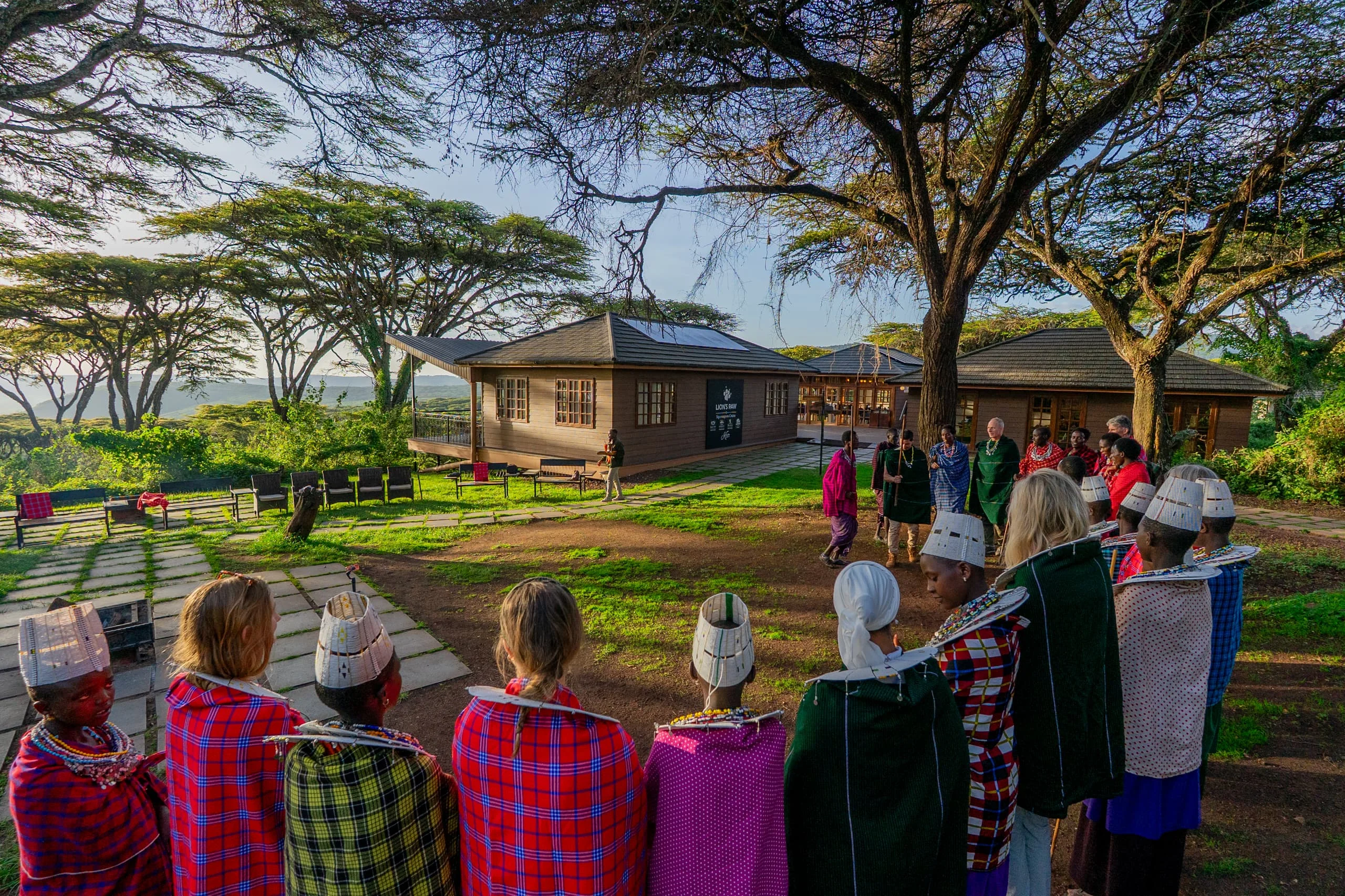
Yes, many visitors find Tanzanians welcoming, helpful and happy to exchange a greeting. Tanzanian hospitality can be a memorable part of a safari, from a thoughtful camp welcome to a conversation with a local guide or craft maker.
At the same time, people are individuals. A person's mood, language, work and setting shape an encounter. You will have a better trip if you arrive with curiosity and courtesy, rather than expecting everyone to behave in the same way.
This tourist guide explains what a warm welcome may look like and how to respond. It covers Swahili greetings, Tanzania travel etiquette, photography, cultural visits and practical boundaries. You will also find sample packages and advice for planning with TanzaLux Safaris.
Plan a Tanzania safari with TanzaLux and leave time for people as well as wildlife.
What does Tanzanian hospitality mean for visitors?
It can be as simple as someone taking time to greet you, helping with a question or making you comfortable during a stay. Travel operator Access 2 Tanzania's cultural guidance describes the importance of greetings and the value placed on welcoming guests.
You do not need to make every meeting a long conversation. Start with a greeting, listen to the reply and notice whether the person has time to talk. A shopkeeper serving another customer or a guide concentrating on the road may need a different moment.
Tanzanian hospitality is best enjoyed as an exchange. Bring the same patience, interest and respect that you hope to receive.
Begin with a greeting
A brief greeting is a good way to start before asking for directions, ordering something or raising a question. It recognises the person, not just the task you want done.
The Five College Center for World Languages' Tanzania resources explain that Swahili greetings often follow a question-and-response pattern. They give Habari? as a greeting and Nzuri as one response.
Ask your guide to help you practise. Learn the reply as well as the first word, and use a phrase that fits the setting. A small sincere effort is more useful than reciting a long exchange you cannot follow.
When experiencing Tanzanian hospitality, let people set the pace of a greeting. Follow their lead about a handshake, and do not take it personally if someone prefers a nod or a verbal greeting.
Useful Swahili words for your trip
You do not need to be fluent to show courtesy. These short phrases give you a simple starting point:
Habari? — a greeting asking how things are; literally “news?”
Nzuri. — “good,” one response to a Habari? greeting.
Asante. — thank you.
Tafadhali. — please.
Samahani. — excuse me or sorry.
Karibu. — welcome; the meaning also depends on context.
Kwaheri. — goodbye.
If you hear a form you do not know, smile and ask for help. You can also use English politely where it is shared. Do not assume everyone speaks English or that a limited reply means a lack of interest.
Swahili greetings are an introduction to Tanzanian hospitality, not a test you must pass. Your willingness to listen matters more than perfect pronunciation.
Expect variety across people and places
A hotel reception, a farm visit, a market and a family home are different settings. The way you meet someone in each place will differ too.
A tourism professional may offer a clear, confident welcome in English. A craft maker may prefer to speak through your local guide. A busy resident may simply greet you and carry on with the day.
Enjoy Tanzanian hospitality without treating any one encounter as proof of how a whole country behaves. Ask people about their own work and interests, and leave room for answers that surprise you.
Useful opening questions are concrete: “How did you learn this craft?” or “Which ingredients are used in this dish?” Personal experience is a better topic than asking one person to explain everyone in Tanzania.
Meeting guides, drivers and camp staff
Use names where you have been introduced and thank people for specific help. A guide's explanation of a bird, a well-timed rest stop or care with a room request are all worth recognising.
Remember that staff are working. A welcoming manner does not mean someone is free for a long chat, a personal photograph or a request outside their role.
Tanzanian hospitality on safari works well when guests communicate clearly. Share food, comfort or access needs early. If a problem comes up, explain it calmly while the team has time to help.
Agree important times and services in plain terms. Confirm the meeting point, pickup time and what is included. Clear plans and a warm atmosphere can go together.
How to enjoy cultural visits respectfully
Choose a visit built around willing hosts and a clear plan. Ask who will guide you, what activities are offered, how long the visit takes and what the fee covers.
For example, TanzaLux's Mto wa Mbu cultural tour describes locally guided walks, market visits, cooking and farm or craft experiences. These offer a way to explore local life through an arranged visit rather than entering private spaces on your own.
For cultural visits in Tanzania, consent should stay part of the day. A booking does not give access to every house, workshop or private event. Follow the host's limits and ask before joining an activity.
Tanzanian hospitality should leave space for hosts to choose what they share. Let the guide introduce you, listen before asking for photographs and accept that some moments are private.
Explore a locally guided Mto wa Mbu visit with TanzaLux Safaris.
Photographs: ask first and accept the answer
Ask before photographing a person, a home or an activity in a private space. Make sure the person understands what you are asking. A smile in your direction is not the same as permission.
Your guide can help where language is a barrier. If someone says no or seems unsure, put the camera away. Avoid turning a refusal into a negotiation.
Take extra care with children. Seek a parent or guardian's permission and respect the child's own wishes. Do not photograph distress, private care or a school activity simply because you are visiting.
A good memory of Tanzanian hospitality does not need to become an image. Sometimes the best response is to stay in the conversation and enjoy the moment.
Clothing and local settings
Choose clothing that suits the place you are visiting. A beach or resort setting is different from a local street, village or religious site.
The UK's Tanzania travel guidance advises modest dress, particularly away from tourist resorts in Zanzibar and Pemba. Clothes covering shoulders and knees are useful for town and village visits.
Ask your guide or host about the specific setting. There may be further entry requirements at a religious site, and some places may not be open to visitors.
Respectful travel in Tanzania starts with small choices like these. You can be comfortable while showing regard for the people whose home you are visiting.
Markets, crafts and polite bargaining
A market can be a good place to talk about food, materials and local work. Begin with a greeting and ask before touching items or photographing a stall.
Check whether the price is fixed before bargaining. If negotiation is welcome, keep it friendly and practical. Make an offer you mean, listen to the response and be ready to leave politely if you cannot agree.
Buying something is your choice. A warm greeting does not require a purchase, and a seller's offer does not need to spoil an otherwise pleasant visit.
When enjoying Tanzanian hospitality in a market, keep prices and services clear. Ask the total and the currency before agreeing. This avoids confusion and keeps the interaction comfortable for both sides.
Invitations, tea and shared food
If you are invited to share time or food, pause and understand the plan. On an arranged visit, your guide can explain who is hosting and whether the meal is included.
Thank the host and share any dietary needs in advance. You can decline something politely if you are uncomfortable or cannot eat it. A clear, kind explanation is better than feeling pressured to accept.
Ask before entering a home or joining a table, and follow the host's lead on shoes, seating and how the meal is served. Do not assume every household follows the same routine.
Tanzanian hospitality is about people sharing a moment. Let it develop naturally rather than expecting every conversation to lead to a home invitation.
Can you say no and still be polite?
Yes. You can decline a sale, an invitation, a photograph or an extra service with a calm thank-you. You do not need a long explanation.
For example: “Thank you, I am not buying today,” or “Thank you for inviting me; I need to return to my group.” Your guide can help with wording if needed.
Keep any paid arrangement clear before it starts. Ask whether guiding, transport, meals or an activity have a charge. An agreed price helps everyone understand the plan.
Warm Tanzanian hospitality and sensible personal boundaries can exist together. Use your booked contact details and ask your planner for help if a situation becomes uncomfortable.
Tipping, gifts and thoughtful support
A tip can be a way to thank someone for service, while a sincere verbal thank-you also matters. Ask your planner and each property about their current tipping guidance and any shared staff pool.
Keep the agreed trip price separate from voluntary tips and personal purchases. Do not assume a friendly interaction creates an extra payment.
If you want to support local work, consider paying fairly for a guided activity, a meal or a craft you value. Ask how fees and purchases reach the people providing the experience rather than relying on a vague promise.
For gifts or donations, talk to the host or a credible local organisation before buying or handing out items. Avoid creating a crowd around children or interrupting their routines.
Tanzanian hospitality is not something you need to buy. Thoughtful spending is one way to recognise work, alongside respect for time, privacy and consent.
Families and solo travellers
Families can make local visits more enjoyable by preparing children beforehand. Practise greeting people, asking permission and listening to a host. Keep the outing short enough for the children's energy and attention.
Solo travellers can use a guide or arranged activity as a comfortable setting for conversation. Share the kind of interaction you enjoy, whether that is a cooking session, a craft visit or a town walk.
Friendliness does not replace normal travel precautions. Keep control of your belongings and use clearly agreed services and transport. If you need current destination-specific advice, consult official travel guidance before departure.
You can appreciate Tanzanian hospitality at your own pace. A quiet visit with a few good conversations can be more rewarding than a day filled with stops.
Where can you add people-focused experiences?
Arusha can provide time for a guided town outing before or after a safari. Around Mto wa Mbu, discuss a focused visit based on farms, cooking, markets or crafts rather than trying to do every activity in one morning.
On Zanzibar, a guided Stone Town walk can add another setting for learning about local history and daily life. UNESCO recognises Stone Town for its historic Swahili coastal townscape and cultural connections.
These are different experiences, not interchangeable examples of one national culture. Ask which hosts, routes and activities fit your interests.
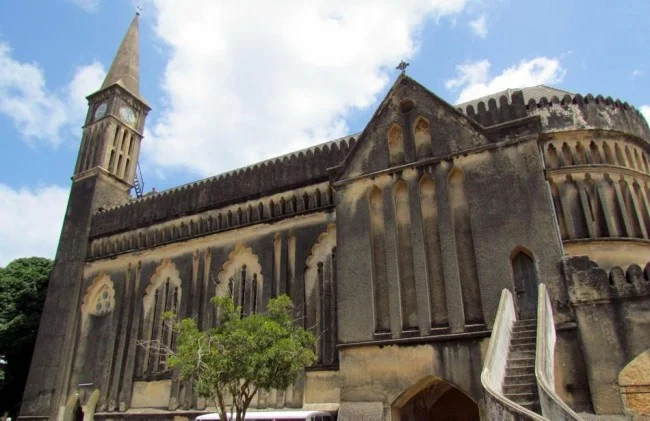
Stone Town adds a different setting to a Tanzania itinerary. Follow your guide and ask before photographing people or entering private spaces.
Sample safari packages with time to meet local hosts
These are sample ideas, not fixed offers or live prices. Activities, hosts, services and travel times need a dated quote. Build a route that leaves room to enjoy Tanzanian hospitality without rushing each encounter.
Sample package: 3-day Arusha and culture introduction
Day 1: arrive and spend the night in Arusha.
Day 2: take a separately arranged guided town, market or craft outing, with time to rest.
Day 3: enjoy a focused Mto wa Mbu visit and return to Arusha, allowing for the actual drive and any onward connection.
Best for: guests adding a people-focused start to a longer holiday. Add an overnight if a flight or onward transfer makes the final day rushed.
Ask TanzaLux to shape a cultural introduction around your interests.
Sample package: 8-day safari and cultural visit
Day 1: arrive and stay in Arusha.
Day 2: visit Tarangire and continue to a suitable Karatu-area stay.
Day 3: spend time on an arranged Mto wa Mbu cultural experience and stay in the area.
Day 4: travel to Central Serengeti.
Day 5: enjoy a full game-drive day from the same camp.
Day 6: return toward Ngorongoro or Karatu.
Day 7: visit the crater and stay a second night nearby.
Day 8: return to Arusha or your booked departure point.
Best for: a route balancing wildlife and cultural visits. Add a Serengeti night if more full wildlife days are a priority.
Create a private Tanzania safari with time for local experiences.
Sample package: 12-day safari, Stone Town and beach
Days 1–6: follow an Arusha, Tarangire, Serengeti and Ngorongoro-area route.
Day 7: visit the crater and stay overnight in Arusha.
Day 8: take your separately booked Zanzibar connection and stay in Stone Town.
Day 9: enjoy a guided town walk if timing allows, then transfer to your beach base.
Days 10–11: enjoy coastal time and optional outings.
Day 12: transfer for your onward journey.
Best for: guests who want wildlife, history and rest in one holiday. Confirm the actual transport provider, baggage conditions and connection plans.
Plan a safari and Zanzibar journey with TanzaLux Safaris.
Why travel with TanzaLux Safaris?
TanzaLux is Tanzanian-owned and based in Arusha. The team shapes trips around dates, interests, budget and pace. Its private safari service offers your own vehicle and guide on a tailored route.
Tell the planner how you would like to experience Tanzanian hospitality. A cooking session, a conversation with a maker and a guided town walk each need different arrangements.
Ask who will host the visit, what is included and how photography and personal purchases are handled. Clear plans give you more room to enjoy meeting people.
Start planning with TanzaLux Safaris and add thoughtful local experiences to your journey.
Frequently asked questions
1. Are Tanzanians friendly to tourists?
Many visitors experience warm welcomes and helpful conversations. People are individuals, so approach each encounter politely without expecting everyone to respond in the same way.
2. What does Tanzanian hospitality look like?
It may be a greeting, help with a question or thoughtful care during a stay. Respond with thanks, patience and respect for the person's time.
3. Should I greet someone before asking a question?
Yes, a brief greeting is a useful start. Notice whether the person is free to talk and avoid interrupting work or another conversation.
4. Do I need to speak Swahili?
No fluency is required, but a few words can help. Ask your guide to practise greetings and responses with you.
5. How do I respond to Habari?
Nzuri, meaning “good,” is one response. Greetings vary by context, so listen and ask for help when you hear a form you do not know.
6. Does everyone speak English?
Do not assume so. Speak clearly, use simple language and let a local guide help when needed. A language gap is not a measure of friendliness.
7. Should I shake hands with everyone?
Follow the other person's lead. A polite verbal greeting or nod works when a handshake is not offered or does not suit the situation.
8. Can I photograph people in a market?
Ask first and respect the answer. A market is a workplace, and being in a public setting does not make a portrait welcome.
9. Can I take photographs of children?
Seek a parent or guardian's permission and respect the child's own wishes. Avoid photographing private, distressing or sensitive moments.
10. What should I wear for cultural visits?
Clothes covering shoulders and knees are useful. Ask your guide about the specific setting and any extra requirements at religious sites.
11. Is bargaining always expected?
No. Ask whether the price is fixed. Where negotiation is welcome, keep it polite and agree the total and currency before buying.
12. Can I decline a sale or invitation?
Yes. A calm thank-you and a clear answer are appropriate. You do not need to buy something or accept an invitation to remain courteous.
13. What if I cannot eat food offered by a host?
Explain dietary needs in advance and decline politely where needed. Your guide can help clarify the situation without putting you or the host under pressure.
14. Should I give gifts directly to children?
Discuss support with the host or a credible local organisation first. Avoid creating crowds or interrupting children's routines with unplanned gifts.
15. Are tips required to receive a friendly welcome?
A friendly encounter does not create a payment obligation. Keep agreed fees, voluntary tips and personal purchases clear, and ask about provider-specific tipping guidance.
16. Where can I arrange a cultural visit?
Mto wa Mbu is one option to discuss for a northern itinerary. Choose the actual activities and hosts through a clear, locally guided arrangement.
17. Can families enjoy people-focused outings?
Yes, with an activity and pace suited to the children. Practise greetings and asking permission before the visit, and allow time for breaks.
18. Can a solo traveller meet local hosts comfortably?
An arranged walk, cooking session or craft visit can provide a clear setting. Choose the pace you enjoy and use agreed services and transport.
19. Does a warm welcome mean normal precautions are unnecessary?
No. Keep control of belongings and confirm services and transport. Courtesy and clear personal boundaries work well together.
20. How can TanzaLux add local experiences to my safari?
Share your interests, available time and comfort needs. Ask for named activities, clear inclusions and hosts' guidance so the visit fits the rest of your route.


Ready to start planning?
Tell us your dates and what you're after — no obligation.