5.0 Excellent

Tanzanian Traditional Food: Top 10 Dishes to Savor the Culture

Tanzanian traditional food is one of the most enjoyable ways to learn about the country. A plate of ugali with beans, a bowl of banana soup, or rice scented with warm spices can tell you as much about a place as a landmark. Leave time to taste, ask questions, and enjoy the meal.
This guide highlights ten dishes worth trying: ugali, nyama choma, pilau, mishkaki, ndizi nyama, mtori, maharage ya nazi, mchicha, chapati, and mandazi. The list brings together staples, main dishes, side dishes, and a sweet snack. It is a tasting shortlist, rather than a measured ranking.
There is no single recipe shared by every Tanzanian kitchen. Ingredients, texture, spice, and serving style vary by region, household, and cook. Several dishes are also loved elsewhere in East Africa. Their place in Tanzanian life matters more than a claim that they belong to only one country.
Add Tanzanian traditional food to a safari and coastal escape planned around you.
Tanzanian traditional food: what should you try first?
Start with a balanced plate rather than ten dishes in one sitting. Try a staple such as ugali, add beans or grilled meat, and include cooked greens. On another day, choose pilau or a banana dish. A fresh mandazi with tea can make a simple breakfast memorable.
For everyday staples: ugali, chapati, and beans.
For grilled flavours: nyama choma and mishkaki.
For a spiced rice dish: pilau.
For cooking bananas: ndizi nyama and mtori.
For plant-based choices: ask about maharage ya nazi and mchicha.
For a tea-time bite: mandazi.
Tanzania's embassy describes the country's food as varied, with coastal use of spices and coconut alongside inland staples, grilled foods, and greens. Its people and culture overview gives useful context. Expect variety when exploring Tanzanian traditional food, rather than a fixed national menu.
1. Ugali: the staple that brings a meal together
Ugali is a firm, cooked staple most often associated with maize flour and water. Its mild taste lets the rest of the plate lead. Rather than a sauce-heavy main dish, think of it as the base that brings beans, greens, fish, or meat together.
Texture matters. A cook may serve it firm enough to pinch off a piece, while the grain and flour used can vary. You may see versions made with other flours. Ask what is used if you have a dietary restriction, rather than assume every ugali is made in the same way.
Try a small piece with the stew or vegetables beside it. If your host eats by hand, you can ask how to do the same after washing your hands. Using cutlery is also fine. There is no need to turn your first taste into a test of table skills.
Tasting tip: order ugali as part of a full plate. Tanzanian traditional food often makes more sense through the way its parts work together than through one item eaten on its own.
2. Nyama choma: grilled meat made for a relaxed meal
Nyama choma means grilled or roasted meat. Goat and beef are common choices, though menus vary. The appeal is the taste of the meat and the grill, with side dishes that let you build a satisfying plate.
Ask what cut is available and how it is priced. A portion may be sold by weight, as a mixed platter, or as a set meal. Confirm the amount and cost before ordering. A group can choose several sides without needing everyone to order the same thing.
It may arrive with ugali, rice, greens, or other accompaniments. Request meat cooked through and served hot. If a raw salad is offered, make a separate choice about whether it suits your food-safety needs. The grill itself is only one part of the meal.
Tasting tip: leave time for the food to be prepared. Tanzanian traditional food can be an occasion to sit and talk, and nyama choma fits that slower rhythm well. Avoid squeezing it between a long drive and a fixed departure.
3. Pilau: rice with a warm spice aroma
Pilau is rice cooked with a blend of spices and other ingredients. You may taste notes such as clove, cardamom, cumin, or cinnamon, depending on the cook. The dish can be rich in aroma without being very hot with chilli.
Meat-based versions are common, while vegetable versions also exist. Ask about stock and cooking fat if you do not eat meat. A plate that has no visible meat is not proof that its rice was cooked in a vegetable stock.
Pilau is part of a wider coastal and East African food story, shaped by local life and long connections across the Indian Ocean. Do not expect each restaurant's version to taste identical. A difference in colour or spice does not by itself make one version more authentic.
Tasting tip: try the rice before adding a hot sauce. Pilau shows how Tanzanian traditional food can use spice for scent and depth as well as heat. Ask the cook what makes their own version distinctive.
4. Mishkaki: marinated meat from the skewer
Mishkaki, also written mshikaki or mishikaki, are skewers of meat cooked over a grill. The smaller pieces give you a different eating experience from a large cut of nyama choma. Marinades and the meat used vary from place to place.
You might find them on an evening menu or as part of a grill platter. Ask what meat is used, what goes into the marinade, and whether sauces are served separately. This is useful for food preferences as well as allergies.
A skewer is a good size for a tasting stop, but do not assume it is enough for a whole meal. Add a suitable side if you are hungry. Choose food that is fully cooked and served hot, rather than skewers that have been sitting out.
Tasting tip: compare the seasoning with nyama choma on another day. Both belong in a guide to Tanzanian traditional food, yet the cut, marinade, and cooking style can produce quite different results.
5. Ndizi nyama: cooking bananas with meat
Ndizi nyama brings cooking bananas and meat into one savoury dish. The bananas are not simply sweet dessert fruit added to a stew. Cooking varieties provide body and absorb the flavour of the broth or sauce around them.
A version may include beef, onions, tomatoes, and other vegetables or seasonings. Ask the cook about their method. Banana type and ripeness affect both texture and taste, so a dish with firmer pieces may differ from one cooked until very soft.
This is a useful choice if you want to look beyond rice and maize. You may come across it in northern food settings or in a lodge meal arranged in advance. Do not assume it will be on every restaurant menu each day.
Tasting tip: start with a modest portion and notice the savoury banana texture. Tanzanian traditional food includes many uses of familiar crops that may feel new to a visitor. Ask about the ingredient rather than judge it by the banana you eat at home.
6. Mtori: a comforting banana-and-meat soup
Mtori is a thick soup made with cooking bananas and, in a common version, beef. The bananas are softened and mashed into the broth. It is a different dish from a stew where the banana pieces remain more distinct.
Mawe Lodges' mtori recipe describes its connection with Chagga cooking around the foothills of Kilimanjaro. The lodge's version includes meat, while other recipes can differ. Ask what is in the bowl rather than assume a banana soup must be vegetarian.
The texture may be smooth, slightly coarse, or include pieces of meat. It can make a filling lunch or a starter in a smaller serving. Let the cook explain how they serve it, since its place in a meal need not be the same everywhere.
Tasting tip: ask about mtori when planning time in Arusha or the Kilimanjaro area. It brings a regional story to Tanzanian traditional food without requiring a long detour. A special dish is best requested before the kitchen has planned the day's menu.
7. Maharage ya nazi: beans in coconut sauce
Maharage ya nazi combines beans with coconut milk or a coconut-based sauce. The result can be creamy and savoury, with a softness that works well beside rice, chapati, or ugali. The spice blend and thickness depend on the recipe.
It is one of the dishes to ask about if you want more plant-based meals. Still, check whether the kitchen uses meat stock, butter, or any other ingredient you avoid. The dish's name gives you a clue, but it does not list every part of the recipe.
This style of bean dish is shared across parts of East Africa. For one cook's version, see the Maharage ya Nazi recipe from Together Women Rise. Its Kenyan setting is a reminder that national food traditions can share ingredients and dishes without being identical.
Tasting tip: pair the beans with a plain staple and cooked greens. Tanzanian traditional food offers plenty to explore without making every meal centre on meat. Ask for small portions if you want to compare several dishes.
8. Mchicha: cooked greens with a place on the everyday plate
Mchicha is a name you may meet for leafy greens and dishes made with them. Often associated with amaranth leaves, a menu description may also use the broader English word “spinach.” Ask which greens the kitchen is actually cooking.
The leaves may be prepared with onions, tomatoes, coconut, or other ingredients. Some versions can include groundnuts or other additions. A green vegetable dish is not automatically free from allergens, so check the recipe if that matters to you.
Try the greens beside ugali or beans. Their texture and sauce can make the plate more varied. They deserve attention in their own right, rather than being treated as decoration beside a large serving of meat.
Tasting tip: ask your host how the leaves are prepared in their home or region. The everyday side dishes of Tanzanian traditional food can lead to just as interesting a conversation as a formal restaurant main course.
9. Chapati: a soft, layered flatbread
East African chapati is a pan-cooked flatbread often made with wheat flour. Many versions have soft layers and browned spots from the pan. Tear off a piece to enjoy with beans or stew, or have it as part of breakfast.
The bread reflects the wider connections that have shaped the region's food. It is loved in Tanzania and neighbouring countries. Imma Adamu's East African chapati recipe offers one example of the rolling and layering approach. It is not a rule for every cook's version.
Ask about wheat, oil, ghee, or other ingredients if needed. A plain-looking bread can still include a food you avoid. For gluten-free needs, do not assume that a small change to the flour will solve concerns about shared surfaces and equipment.
Tasting tip: try chapati freshly made and still warm. Tanzanian traditional food often shines through simple combinations: bread, beans, and a cup of tea can be more memorable than a very large tasting platter.
10. Mandazi: a gently sweet fried treat
Mandazi are fried dough snacks often enjoyed with tea or coffee. They may be triangular, round, or another shape. The outside has a light crust, while the inside can be airy or more bread-like, depending on the dough.
Some recipes use coconut milk and cardamom, while others are simpler. They are often less sweet than a heavily glazed doughnut. Imma Adamu's mandazi recipe shows one East African version; ingredients and names vary between cooks and places.
They can contain wheat and may include egg or dairy, so ask rather than guess. A fresh serving can suit a breakfast stop, but you do not need to eat a large portion to enjoy it. Share a plate if you are tasting other foods later.
Tasting tip: enjoy one with a hot drink and a little time to sit. Mandazi gives this Tanzanian traditional food shortlist a sweet finish without turning the whole meal into dessert.
What makes Tanzanian cuisine so varied?
Local crops, climate, trade, family habits, and daily work all help shape a meal. A coastal dish may use coconut, while another kitchen builds a plate around grains, bananas, beans, or greens. These are broad patterns, not rules that every household follows.
Tanzania's embassy publication Tanzania in Focus discusses links with South Asian food traditions and the variety of local meals. That history helps explain why a familiar ingredient can appear in a distinct local form.
Do not divide food into “real” village cooking and “unreal” hotel food. A skilled lodge cook may prepare a family dish with great care, while a household may enjoy modern meals too. Tanzanian traditional food is a living part of the culture, with room for change.
For more background and recipes from a Tanzanian cook, Rufina's Tanzania Cookbook includes dishes such as ugali, mtori, pilau, and banana stew. Use a full recipe when cooking at home; a travel tasting guide does not replace its detailed method.
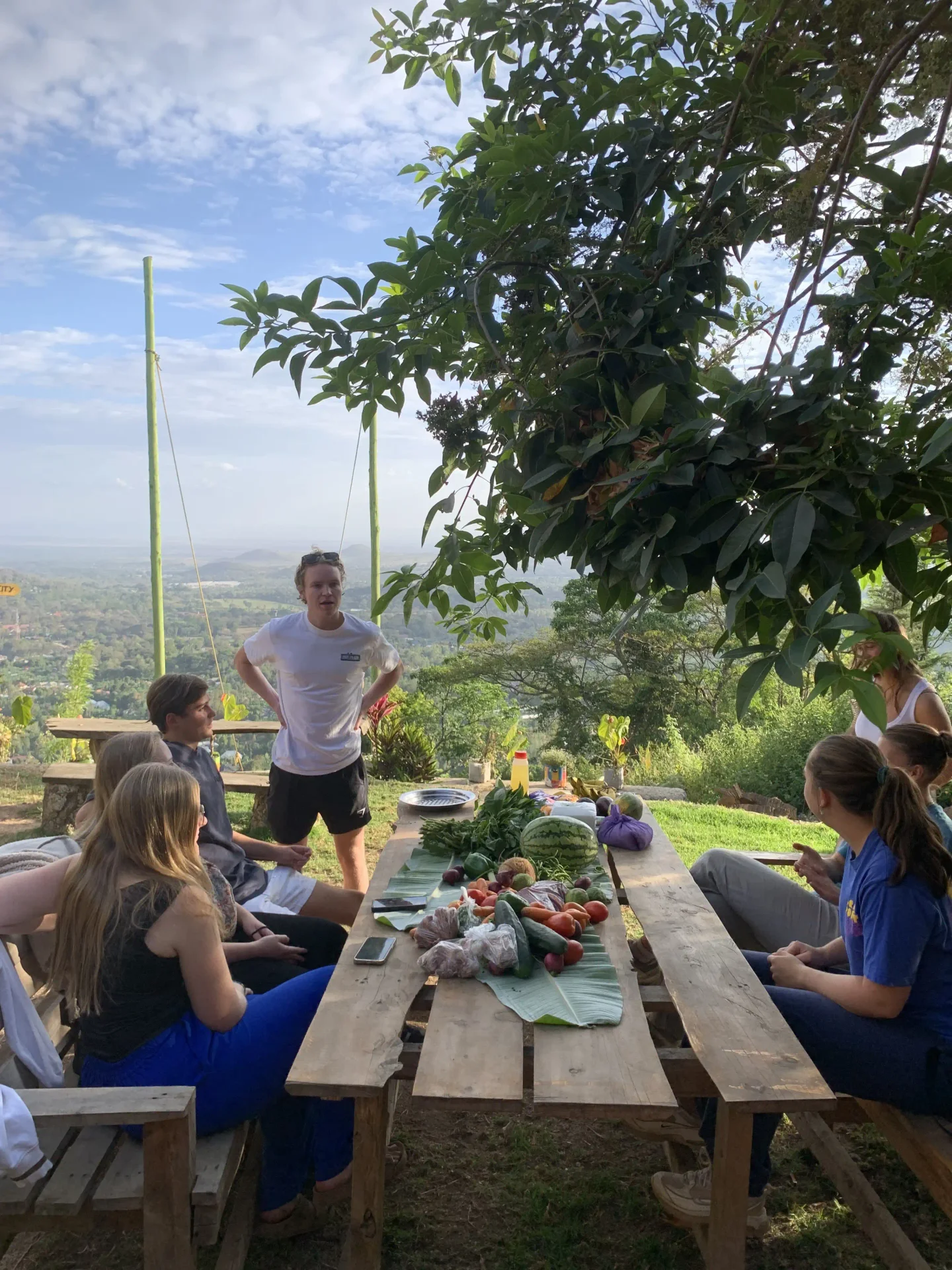
A planned cooking visit gives you time to ask about ingredients and local methods.
Where can you taste these dishes during your trip?
Ask about a local meal before your itinerary is fixed. Time in Arusha or Moshi may allow a guided lunch or a planned kitchen visit. On safari, ask the lodge whether it can include a Tanzanian dish in the menu. Availability depends on supplies and the kitchen's plans.
For Swahili food, coastal towns and Zanzibar can add another chapter. A guided market visit may explain ingredients, while a booked cooking class can show how a dish is put together. Confirm the host, group size, menu, and whether you will cook or watch.
A Tanzania food tour should have a clear route and willing hosts. Ask about transport, tasting portions, dietary needs, toilets, and time in the heat. Do not assume a private guide means a private restaurant or kitchen.
Make Tanzanian traditional food part of the journey rather than an extra rushed stop. A good lunch needs enough time to arrive, ask questions, and eat. Plan it on a day with breathing room, instead of just before a flight or a long park transfer.
Dietary needs and safer food choices
Share allergies and dietary needs before booking, then speak directly with the kitchen on arrival. Ask about stock, marinades, cooking fat, and shared equipment. A dish described as vegetarian, halal, or gluten-free should meet your needs in its actual preparation, not only in its name.
The CDC's food and drink guidance advises choosing fully cooked food served hot, safe drinking water, and careful hand hygiene. Raw produce and food held at unsuitable temperatures can carry risk. No venue or price level removes that risk completely.
If you choose street food, apply the same care and consider the added uncertainty. A busy stall or a pleasant smell is not proof of food safety. Skip a tasting if the handling or storage is unclear. You can enjoy food in Tanzania without trying every item offered.
For plant-based meals, beans, greens, rice, and some breads may be useful starting points, with ingredients checked. For severe allergies, discuss a suitable plan with your clinician and travel provider. Tanzanian traditional food should be an enjoyable part of your holiday, with choices that fit your own needs.
Simple food etiquette and ordering tips
Start with a greeting, ask what is available, and agree on the price and currency. Check whether the menu price covers a full plate or only one item. Ask for chilli on the side if you prefer mild food. Spice aroma and chilli heat are different things.
Wash your hands before eating, especially if you plan to use them for ugali or bread. Follow your host's cues and ask if unsure. You can use cutlery when it is offered. Respect matters more than copying a method you have not learned.
Ask before photographing people, their kitchen, or their meal. A cooking visit should give hosts a choice about what they share. Thank the person who prepared the food, and ask a short question about it if they have time.
Plan a guided food experience with clear dietary arrangements and time to enjoy it.
Sample packages with time for Tanzanian traditional food
These are sample routes to tailor, not fixed departures or guaranteed menus. Food visits, cooks, hotels, and activities need confirmation. Tell your planner which dishes interest you and which ingredients you avoid. A tasting request remains a request until agreed.
5 days: Arusha, local flavours, and northern wildlife
Day 1: Arrive in Arusha and enjoy a relaxed first evening.
Day 2: Take a guided town visit with a pre-arranged local lunch.
Day 3: Explore Tarangire with your safari guide and stay near the park.
Day 4: Visit Ngorongoro Crater and overnight in the Karatu area.
Day 5: Return to Arusha for a flight with a suitable time buffer.
Ask about mtori or a plate of ugali, beans, and greens for the planned lunch. The kitchen should confirm what it can prepare. An early departure flight may need an extra Arusha night.
Tailor a five-day northern safari with a thoughtfully arranged local meal.
7 days: Stone Town, spices, and a beach stay
Day 1: Arrive in Zanzibar and transfer to Stone Town.
Day 2: Take a guided town walk and a planned food experience.
Day 3: Visit a spice farm on the way to your beach hotel.
Day 4: Rest by the sea or pool.
Day 5: Add a pre-booked cooking class if suitable space is available.
Day 6: Keep a free day or add a short outing.
Day 7: Take your arranged airport transfer and depart.
This route adds coastal dishes to your Tanzanian traditional food journey. Ask whether the class includes a meal, transfers, and a menu that suits your needs. Do not assume every resort can run a class on demand.
Plan a Zanzibar holiday with culture, spices, and a chosen cooking experience.
12 days: private safari and a Zanzibar food-and-beach finish
Day 1: Arrive in Arusha and rest.
Day 2: Visit Tarangire with your guide.
Day 3: Travel through the highlands towards the Serengeti.
Days 4–5: Enjoy guided Serengeti game drives.
Day 6: Transfer to the Ngorongoro area.
Day 7: Visit the crater and return to Arusha for the night.
Day 8: Take a confirmed flight to Zanzibar and stay in Stone Town.
Day 9: Enjoy a guided town and food visit, then transfer to the coast.
Days 10–11: Relax, with one optional food or marine outing.
Day 12: Transfer to the airport and depart.
This Tanzania safari and Zanzibar holiday gives you wildlife and coastal time. Ask safari lodges about a local dish on one evening, then compare coastal cooking later. Flights, menus, and rooms need confirmation, and wildlife sightings are never guaranteed.
Combine a private safari with Zanzibar flavours and unhurried beach days.
Why travel with TanzaLux Safaris?
TanzaLux Safaris is Tanzanian-owned and based in Arusha. Its about page describes tailored routes and a planner coordinating safari, Kilimanjaro, and Zanzibar. That planning approach can help you fit meals and local visits into the wider route.
If Tanzanian traditional food is a priority, say so before choosing hotels and drive days. Tell the planner whether you want a guided lunch, a cooking class, or simply more local dishes in lodge meals. These are different requests and need separate confirmation.
Personal pacing: leave time to enjoy a meal rather than rush to the next stop.
Clear requests: share dietary needs and dishes you would like to try.
Connected travel: join safari and coast with practical flight and transfer plans.
Written details: confirm hosts, menus, inclusions, and any extra cost.
Specific cooks, venues, and menus remain subject to availability. This guide does not imply that TanzaLux owns a restaurant or has an exclusive food-tour partnership. Ask for a concrete plan that the team can arrange for your dates.
Start planning a Tanzania journey with food, wildlife, and culture at your own pace.
Frequently asked questions
1. What is Tanzanian traditional food like?
It is varied, with grains, cooking bananas, beans, greens, grilled foods, and coastal use of spices and coconut. Recipes differ by cook and region. A full plate often combines a staple with a stew, vegetables, or meat.
2. Which Tanzanian dish should I try first?
Ugali with beans and cooked greens is a useful starting point. Pilau is another good choice if you enjoy spiced rice. Ask for a small serving and a clear description, especially if you have dietary needs.
3. Is ugali a main dish or a side?
It is a staple that forms the base of a meal and is usually eaten with other foods. Try it with a stew, beans, or greens. On its own, it does not show how the full plate is meant to work.
4. What is nyama choma?
Nyama choma is grilled or roasted meat, often goat or beef. Cuts and serving styles vary. Ask about the portion, price, and side dishes before ordering, and choose meat that is fully cooked and served hot.
5. How is mishkaki different from nyama choma?
Mishkaki usually uses smaller pieces of meat on skewers, often with a marinade. Nyama choma can involve larger cuts or a different grill presentation. The exact seasoning and meat depend on the kitchen.
6. Is pilau always spicy?
Pilau often has a strong spice aroma, but that does not always mean hot chilli. Ask how much chilli is used and whether extra sauce comes separately. A mild version may still have plenty of flavour.
7. Can pilau be vegetarian?
Yes, a kitchen can make a vegetable version. Check the stock and cooking fat as well as visible ingredients. A plate with vegetables can still contain meat stock, so ask before assuming it fits your diet.
8. Are the bananas in ndizi nyama sweet?
The dish generally uses cooking bananas rather than ripe dessert bananas. They act as a savoury, starchy part of the meal. Variety and ripeness change the texture, so ask how the cook prepares their version.
9. What is mtori?
Mtori is a thick cooking-banana soup, commonly made with beef in the northern version described here. The banana is softened and mashed into the broth. Ingredients vary, so check whether meat, dairy, or other additions are used.
10. Is maharage ya nazi vegan?
It can be, since beans and coconut form its base. Check stock, cooking fat, and other additions with the kitchen. Do not rely on the dish's name alone when you need a meal free from all animal products.
11. What is mchicha?
Mchicha refers to leafy greens and dishes made from them. Ask which leaves and other ingredients are used. Recipes may include coconut or groundnuts, so a vegetable dish still needs an allergy check where relevant.
12. Does chapati contain gluten?
The usual wheat-flour version does. If you need to avoid gluten, speak with the kitchen about ingredients and shared equipment. Do not assume that removing the bread from a plate resolves every cross-contact concern.
13. Are mandazi the same as glazed doughnuts?
They are a fried dough snack with their own styles and recipes. Many versions are gently sweet and served without a heavy glaze. Coconut, cardamom, egg, or dairy may be used, depending on the cook.
14. Is there vegetarian food in Tanzania?
Yes. Beans, cooked greens, rice, and some breads offer starting points. Ask about stock, fat, and sauces. Share your needs before travel so lodges and hosts can plan suitable meals rather than make a last-minute guess.
15. Can I try local dishes at a luxury safari lodge?
Ask the lodge in advance. Some kitchens can include a local dish within the planned menu. Supplies, timing, and guest needs affect what is possible. Treat a special menu as a request until the team confirms it.
16. Is street food safe to eat?
Food safety varies by handling, cooking, water, and storage. Street food can involve added uncertainty. Follow travel-health guidance, favour fully cooked food served hot, and skip items when conditions are unclear. No stall or venue can guarantee zero risk.
17. Do I have to eat with my hands?
No. Some foods are often eaten by hand, but you can use cutlery when available. Wash your hands and ask your host if unsure. Being respectful and comfortable matters more than copying a method you have not learned.
18. Can I book a cooking class during my holiday?
You can request one through a suitable host or provider. Confirm the menu, group size, transfers, meal, and whether you will cook or observe. Dietary needs and accessibility should be discussed before the booking is confirmed.
19. Are these dishes exclusive to Tanzania?
No. Several are shared across East Africa and have links with wider food traditions. Tanzanian traditional food has its own local recipes and meanings within that shared history. Avoid treating a national border as the edge of a food culture.
20. How can TanzaLux add food experiences to my trip?
Share your interests, dates, and dietary needs. Ask for a guided meal, class, or lodge-menu request within a clear route. Confirm the host, cost, and inclusions before booking, then enjoy the food alongside the rest of your journey.



Ready to start planning?
Tell us your dates and what you're after — no obligation.