5.0 Excellent
Nyerere National Park Tanzania: Where Africa’s Wild Heart Still Beats
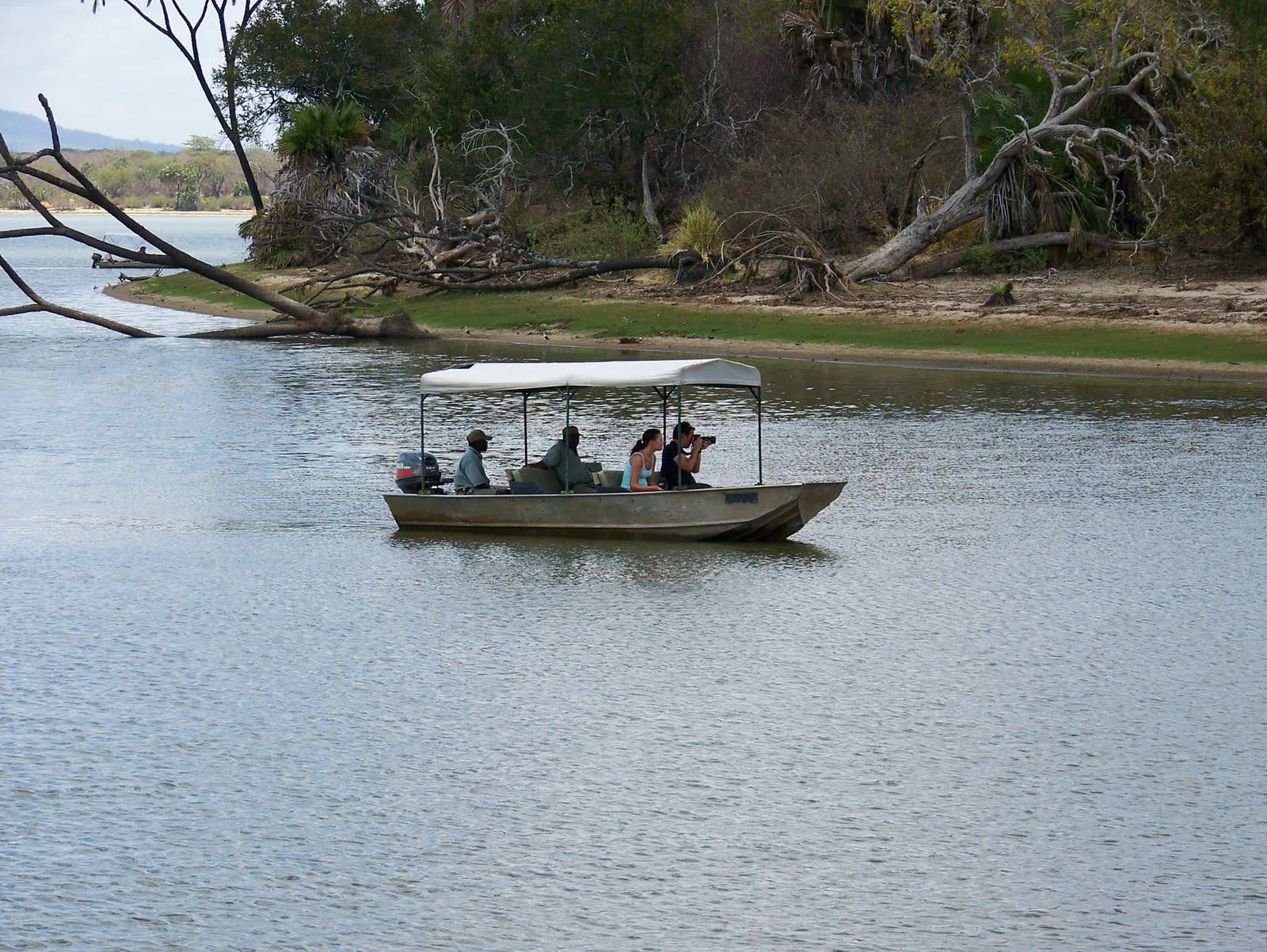
Nyerere National Park is a vast safari park in southern Tanzania, known for the Rufiji River, boat trips, woodland game drives, and guided walks. It suits travellers who want time in the bush and a mix of ways to see wildlife. Sightings and available activities vary with conditions.
Picture a fish eagle above the water, tracks in the sand, and a hippo surfacing beside a distant reed bed. The appeal is the change of pace. One day can bring a drive through woodland; another can bring a quiet stretch of river.
A well-planned stay gives those moments room to happen. This guide explains how to choose your season, camp, transport, and trip length, with practical advice for planning through TanzaLux Safaris.
Where is Nyerere National Park?
The park lies in southern Tanzania, within the wider Selous landscape. It covers more than 30,000 square kilometres. That huge area includes woodland, plains, rivers, lakes, and wetlands.
The TANAPA park overview describes the Rufiji River and its channels as central to the park’s character. The river setting adds a different feel to a safari based only on road game drives.
Your camp is the useful starting point for planning. Guests explore the routes within reach of their chosen base, rather than the whole park in a few days. A park-wide map can hide the time needed between places.
Ask for the camp’s position, arrival airstrip or gate, and transfer route. These details often matter more than the word luxury in a room description.
How are Nyerere National Park and Selous related?
Nyerere was established in 2019 from part of the Selous Game Reserve, as recorded in TANAPA’s park brochure. It honours Tanzania’s first president, Julius Kambarage Nyerere.
Selous and Nyerere are linked names, but they do not mean that every part of the former reserve became the same national park.
The UNESCO World Heritage record is titled Selous Game Reserve. Its history and wider landscape help explain the area’s importance. Describe that connection clearly rather than implying that Nyerere received a separate new inscription.
You may still see Selous used in lodge names and older safari guides. Ask where a proposed activity actually takes place and which protected-area fees apply. A familiar marketing name is not a precise location.
The landscape also has a modern history and faces real pressures. Come for a rich wildlife setting, without expecting a place frozen in time or unchanged by people.
Why choose Nyerere National Park for a safari?
Choose it for variety: wildlife from a vehicle, water-level views from a boat, and the small details of a guided walk. A stay can feel different from day to day without changing camps each night.
Rufiji River scenery and wetland birdlife.
Game drives through woodland and open ground.
The chance to look for wild dogs and other predators.
Guided walks where available and suitable.
A useful southern safari option for a coast-based trip.
Space in the itinerary for rest and patient viewing.
Some sightings may feel quiet, but no operator can promise an empty park. Popular routes, camps, and wildlife encounters can draw other guests. Choose your pace and base carefully rather than booking on a crowd-free claim.
What wildlife might you see in Nyerere National Park?
Elephants, buffalo, giraffes, antelope, lions, leopards, wild dogs, hippos, and crocodiles occur in the park. A guide can help you search, but no wild animal encounter is guaranteed.
The official wildlife guide describes the mix of woodland, grassland, floodplain, and river habitats. Each offers different possibilities. A quiet drive in one area does not tell you what the whole park holds.
Look beyond a list of large mammals. Tracks can reveal where an animal passed, birds can draw your eye to the riverbank, and a herd’s behaviour can reward a long stop.
Tell your guide what you enjoy watching. A keen birder may want frequent short stops. A photographer may prefer to stay with one subject. The best day depends on your interests as well as the wildlife.
Will you see African wild dogs?
Wild dogs are a special possibility, never a promise. Their range, movements, and visibility can make a sighting hard to predict. Allow several days if they are a main interest.
A longer stay gives more chances to explore, but it does not make a rare encounter certain. Avoid building the whole holiday around one pack or a reported sighting from an earlier week.
Is it a good place for birds?
Yes. River edges, woodland, and wetlands offer rich birding. Fish eagles, kingfishers, bee-eaters, and waders can add interest even when larger wildlife is out of view.
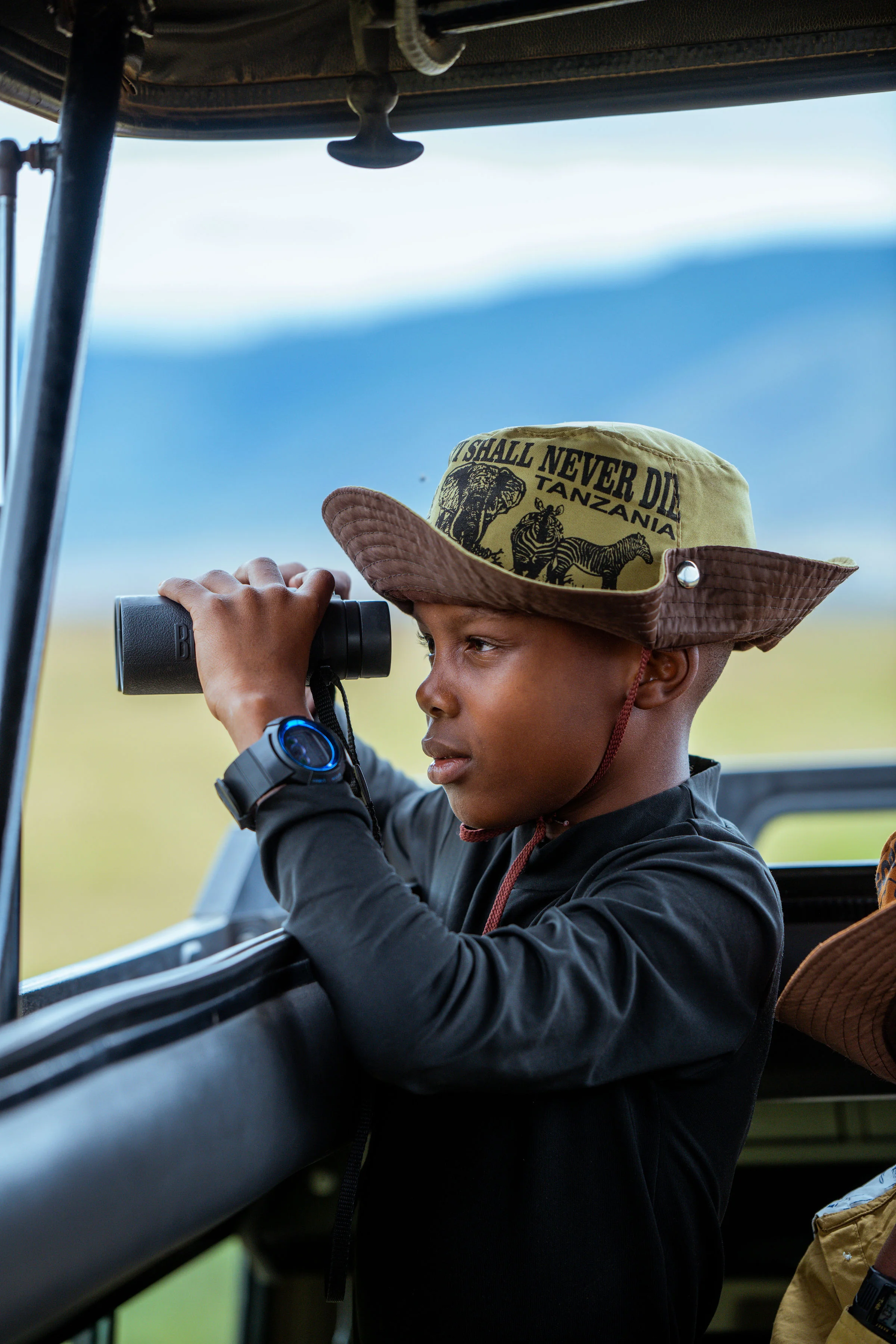
Bring binoculars and share your birding interest before the trip. Ask whether the guide can give time to identification. You do not need a long species count for a rewarding day.
What is a boat safari in Nyerere National Park like?
A boat safari offers a view of the river and nearby lake system from the water. Expect a guided outing on an approved route, with its length and timing shaped by current conditions.
Watching a bank from a boat changes what you notice. A crocodile may rest on sand; birds may perch close to the water. Hippos can be present, but distance and route choice belong to the boat guide.
Boat safaris may use river or lake routes, depending on the camp and conditions. Ask where you board, how long the outing lasts, and whether the transfer to the boat is included.
Confirm that the boat trip is in your quoted package.
Ask about the guide, boat size, shade, and boarding access.
Check child age rules and suitable lifejackets.
Understand what happens if the outing is cancelled.
Keep camera gear in a bag that protects it from splashes.
TANAPA’s visitor guide asks guests to wear lifejackets and follow guide instructions. Keep limbs inside the boat. A good photo never calls for approaching a hippo or crocodile.
River levels and usable routes can change. Ask the camp for current advice close to travel. An old photo or itinerary cannot confirm today’s boat route.
What should you expect from a Nyerere National Park game drive?
A game drive follows approved tracks through the habitats within reach of your camp. The guide reads conditions and recent wildlife activity while keeping the day within park rules.
Morning and late afternoon can offer softer light. A longer drive with a packed meal may suit some guests, while others prefer a midday break at camp. Discuss both options.
The park’s size does not mean you should drive all day to cover more ground. Long transfers can reduce time spent watching. Ask which routes make sense from your base and allow the guide to adjust them.
Check whether the vehicle is private or shared. On a shared camp drive, other guests help shape the pace. A private vehicle should be stated in the quote rather than assumed.
Can you walk in Nyerere National Park?
Guided walks are available through proper arrangements, with the required guide and ranger support. They focus on tracks, plants, birds, and the landscape as well as wildlife.
TANAPA’s Nyerere park brochure lists walking and boat safaris alongside game drives. Ask the camp what it offers for your dates and who leads the activity.
Share ages, fitness, and mobility needs before booking. Check distance, ground conditions, footwear, and the likely heat. A short walk can still involve uneven ground.
The guide decides how the group moves and when to stop. Walking is not a way to chase large animals for closer views. Follow the briefing and keep the group together.
When should you visit Nyerere National Park?
The drier months, broadly June to October, are often a good starting point for wildlife-focused trips, in line with the Tanzania Tourist Board’s park guide. Rain, river levels, road access, and camp opening dates all affect the choice.
June to October: a common wildlife choice
This period often offers easier road access and useful wildlife viewing around water. Conditions still vary, and some days can be hot or dusty. Build in rest and drinking-water breaks.
Book your preferred camp early for busy dates. Ask about the whole day, including transfers, rather than choosing only by the season label.
November to February: consider the greener months
Rain can bring fresh growth and change the look of the park. Birding and green scenery may appeal, while wildlife can be more spread out. Check the actual camp and route conditions.
Do not assume every week follows the same weather pattern. A good plan leaves space for adjustments to drives and boat trips.
March to May: check long-rain arrangements
This is commonly the long-rain period. Some camps close seasonally or limit activities. Ask for confirmed opening dates and current access before committing to flights.
Lower advertised rates do not help if the camp or activity you want is unavailable. Compare the experience offered on your dates, not just the price.
How many nights do you need in Nyerere National Park?
Three or four nights can give a balanced first stay, with time for drives, a boat trip, and rest. Treat that as a planning suggestion, not a rule for every guest.
Two nights may work when time is tight, but arrival and departure can use much of the first and last day. Compare usable safari hours before choosing.
Extra nights suit guests who enjoy patient viewing or want a gentler pace. They can also reduce the need to fit every activity into one day. More time does not guarantee more species.
Ask the planner to show when you reach camp and when you leave. A package called four days may offer less time than you expect if transfers dominate.
How do you reach Nyerere National Park?
Road and air access are both possible. The right choice depends on your starting point, camp, budget, and tolerance for travel time. Confirm the exact route before booking.
Flying to a park airstrip
TANAPA lists airstrips such as Mtemere and Kiba. Your planner should match the flight to the camp and arrange the onward transfer. Check the booked airstrip name carefully.
Ask whether the flight is scheduled or chartered, whether it makes other stops, and what baggage limits apply. A small-aircraft allowance may differ from your international ticket.
Leave sensible time between flights and check whether you must change airports. Confirm each segment rather than relying on the phrase airport transfer included.
Travelling by road
Road access can start from Dar es Salaam or other southern route points. The gate and conditions matter. Ask for a current transfer estimate with meal stops and a buffer.
Do not treat the park as a quick drive from every city. Share your arrival time before accepting a same-day road plan. A night near the starting point may make the journey more comfortable.
Can you combine Nyerere National Park with Zanzibar?
A coast-and-safari trip can work well with suitable flights and enough time.
Auric Air lists a Nyerere–Zanzibar connection, but confirm the booked service for your dates. Confirm the service for your dates, the mainland or park connections, and the transfer from your Zanzibar hotel.
Check which activities fit the flight times. A short fly-in visit may mostly provide a game drive. It does not automatically include a walk or boat trip.
For a calmer holiday, consider several nights in the park before your beach stay. Keep the last safari transfer and any international departure clear in the plan, with time for delays.
Where should you stay in Nyerere National Park?
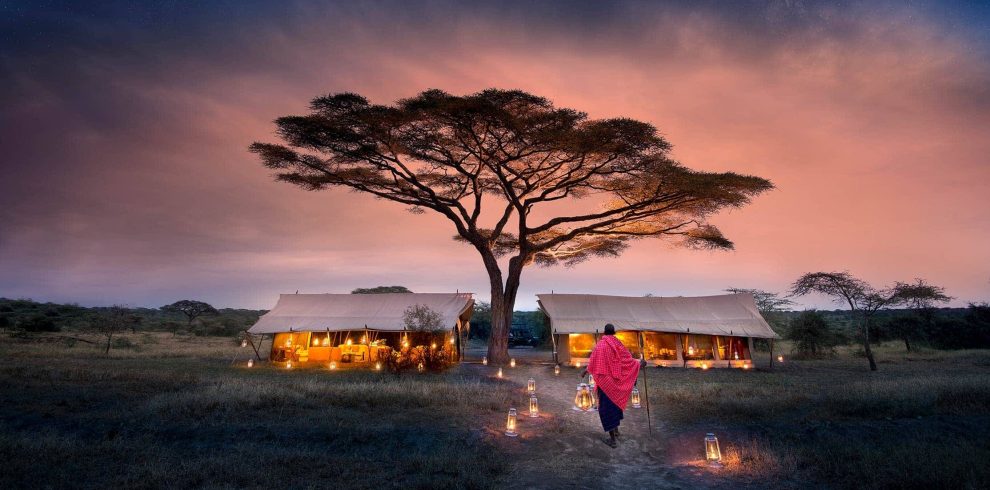
Choose by camp location, included activities, and the comfort you need. A riverside setting, a remote bush camp, and a lodge near a gate can offer quite different daily routines.
Confirm whether the property lies inside the park or outside it.
Ask for the airstrip or gate transfer time.
Check the game-drive and boat-trip arrangements.
Compare private and shared activities.
Ask about bathrooms, beds, power, fans, and hot water.
Share food, family, and access needs before paying.
Check escort rules for moving around camp after dark.
A tented room can range from simple camping to a spacious suite. Ask what the name means in the actual booking. Photographs alone may not show steps, room distances, or charging limits.
Look at the full daily experience. A cheaper room can involve longer transfers or extra activity costs. An expensive room may still use shared game drives.
For a concrete example, Asilia’s Roho ya Selous sits near Lake Nzerakera and lists a seasonal closure from mid-March to the end of May. Use it as one example of how setting and opening dates shape a stay. Confirm current terms and availability for any proposed camp.
What does a Nyerere National Park safari cost?
Cost depends on the dates, guest count, flights or road transport, camp, number of nights, and activities. Request a dated quote in a stated currency with clear inclusions.
Compare complete trips. A room-only rate, a shared lodge package, and a private guided safari are different products. One headline price cannot explain those differences.
Park fees and any overnight or concession charges.
Guide, vehicle, fuel, and planned transfers.
Rooms, meals, drinking water, and included drinks.
Domestic flights and their baggage terms.
Boat trips, walks, and any separate ranger charges.
Taxes, payment fees, and cancellation terms.
Exclusions such as tips and personal spending.
Give accurate ages and visitor-status details for fee calculations. Check what happens if a flight, camp, or activity changes. Ask for the revised choice and cost in writing.
What could a four-night Nyerere safari look like?
Four nights can allow a varied stay without moving rooms each day. This is an example of pacing, subject to flights, camp location, weather, and confirmed activity rules.
Arrival day: Transfer to camp, settle in, and join a short activity only if timing allows.
First full day: Explore by vehicle, with a camp break or a planned packed meal.
Second full day: Join a booked boat trip, then leave time for rest and another activity if suitable.
Third full day: Choose a confirmed guided walk or another game drive based on your interests.
Departure day: Transfer to the booked airstrip or road pickup with enough time for the next stage.
Use this as a conversation starter with your planner. You may prefer more drives, fewer early starts, or a full rest period. A good route should explain those choices.
Should you add Ruaha or another southern park?
Add a second park when it offers a setting or experience you want and the transfer fits your time. Keep enough nights in each place to make the move worthwhile.
Ruaha can complement the river focus of Nyerere with a different inland landscape. Ask for a clear flight or road plan and compare the cost of moving with extra nights at one camp.
Mikumi may suit some road itineraries, but the actual route and gate matter. Do not link distant parks with vague arrows on a map and assume each transfer is short.
If your holiday is brief, a single well-chosen base may give more safari time. A longer list of parks is not always the more rewarding trip.
What should you pack for Nyerere National Park?
Pack light layers, sun protection, and a small day bag. Keep essential items handy during transfers and protect equipment from dust or splashes.
Comfortable neutral clothes and a light warm layer.
Closed shoes for booked walks and camp paths.
A hat, sunglasses, and sun protection.
Binoculars and camera gear with spare power.
A rain layer when suitable for your season.
A dry bag or splash-resistant cover for boat trips.
Insect repellent used as directed.
Personal medicines and booking documents.
Follow the booked airline’s current bag limits. Check charging points at camp and bring what your equipment needs. Ask a qualified travel clinician for personal health advice before departure.
How can you improve your wildlife photographs?
Plan for patience, soft light, and a stable camera. The guide should choose a safe position; you can then work with the view available.
On a boat, use settings suited to movement and keep loose gear secure. On a drive, tell the guide what you hope to frame. Leave space around some subjects to show their habitat.
A zoom lens can help, but a wider view can tell the river story too. Watch behaviour and take time to enjoy it. Avoid calling, feeding, or pressuring wildlife to get a pose.
Is Nyerere National Park suitable for families?
It can suit families when the lodge, trip length, and activities match the children. Share ages and needs early. Boat trips and walks may have separate age rules.
Check lifejacket fit, room layout, vehicle seating, and time between breaks. Shorter drives can be better than one long day. Birds, tracks, and river scenery give children more to notice than a predator list.
For mobility needs, request details on boarding boats, vehicle steps, paths, and toilets. Ask what support the camp can provide. A private booking does not by itself confirm step-free access.
How can you travel responsibly?
Follow park rules, give wildlife room, and choose clear arrangements for any community visit. Your conduct and booking choices matter throughout the trip.
Stay on approved tracks, keep food secure, and take litter back to camp. Follow the guide’s advice on distance and leave animals a clear route. Never swim in wildlife river or lake areas.
Ask how a lodge handles waste, water, local jobs, and conservation support. Broad green claims are less useful than specific practices. Paying for a trip does not prove that every local household benefits.
Why plan your safari with TanzaLux Safaris?
TanzaLux can help connect your interests with the right route, camp, and daily pace. Start with what you want to experience, then build the transport and stays around that.
Explore our Tanzania safari options and request a plan for the south. Ask the team to explain camp locations, activity choices, and the cost of flying versus travelling by road.
Match the trip to your wildlife interests and travel dates.
Compare a short stay with three or four nights.
Confirm which boat trips and walks are included.
Plan coast connections and realistic transfer buffers.
Get a written breakdown of costs and exclusions.
Contact TanzaLux Safaris with your dates, group size, budget, and starting point. Include family, food, or access needs. Request a Nyerere National Park plan with named camps, clear transfers, and time to enjoy both land and water.
20 frequently asked questions about Nyerere National Park
Use these answers to prepare your booking questions. Confirm current transport, camp openings, prices, and activity rules for your dates.
1. Where is Nyerere National Park in Tanzania?
It lies in southern Tanzania within the wider Selous landscape. Your camp, arrival gate, or airstrip determines the practical route. Ask for those details before booking transport.
2. Is it the same place as Selous?
The names are linked, but not identical in scope. Nyerere was created from part of the Selous Game Reserve. Older lodge names may still use Selous, so confirm the actual location.
3. Is Nyerere a separate UNESCO World Heritage listing?
The UNESCO record is named Selous Game Reserve. Explain that wider heritage connection without implying a separate new inscription for Nyerere. Modern park names and the heritage record need careful distinction.
4. Why is the park known for boat safaris?
The Rufiji River and nearby lakes offer another way to view the landscape and wildlife. Trips depend on approved routes and current conditions. Ask what your camp actually includes.
5. Which animals might I see?
Possible sightings include elephants, buffalo, giraffes, antelope, lions, leopards, wild dogs, hippos, and crocodiles. A species list shows possibilities. No individual encounter is guaranteed.
6. Will I definitely find wild dogs?
No. Their movements and visibility are hard to predict. Give the trip enough time and enjoy other wildlife too. A recent sighting cannot promise where a pack will be later.
7. What is the best season for a first visit?
June to October is often a useful starting point for wildlife and road access. Conditions vary with rain and river levels. Check your chosen camp rather than relying only on a calendar.
8. Can I travel in the rainy season?
Some trips are possible, but camp openings and usable routes vary. Confirm arrangements before paying for flights. March to May commonly needs especially careful checks for long-rain conditions.
9. How many nights should I stay?
Three or four nights can give time for varied activities and rest. A shorter stay may work, but check arrival and departure hours. Usable safari time matters more than the package name.
10. Should I fly or travel by road?
Compare your starting point, budget, camp, and travel comfort. Flights need airstrip transfers and baggage checks. Road trips need a current time estimate and a suitable route.
11. Can I combine Nyerere with Zanzibar?
Yes, with flights and transfers confirmed for your dates. Check hotel pickup, possible connections, and the camp airstrip. Allow a buffer before any international departure.
12. Are walking safaris included?
Only when stated and properly arranged. Confirm the guide and ranger support, age limits, fitness needs, and fees. A lodge stay does not automatically include a walk.
13. Is a boat safari suitable for children?
It depends on the operator’s age rules, boat, and conditions. Check suitable lifejackets, boarding, shade, and supervision before booking. Do not assume every trip accepts every age.
14. Can I swim in the Rufiji River?
No. Wildlife waterways are not swimming areas. Hippos and crocodiles are a serious danger. Use only facilities your lodge confirms are intended for swimming.
15. Is the safari vehicle private?
Only if your quote says so. Many lodge packages use shared activities. Ask about seats, group size, and guide arrangements if you want a private pace.
16. Should I stay inside or outside the park?
Compare location, transfer time, activities, and the total cost. Either may suit a particular route. Ask which fees and daily journeys apply to the named property.
17. How much does a safari cost?
There is no single price for every trip. Dates, flights, camp, guests, and activities affect the total. Request an itemised quote in a named currency with clear exclusions.
18. What baggage can I take on a small aircraft?
Follow the actual airline’s current rules for weight, size, and bag type. Your international allowance may not apply. Confirm how cameras and extra bags are handled.
19. Can I add Ruaha to the trip?
Yes, when time, transport, and camp availability allow. Compare the transfer cost with spending longer at one base. Leave enough nights in both places to enjoy the move.
20. How do I book Nyerere National Park with TanzaLux?
Send your dates, guest count, budget, interests, and starting point. Ask for named camps, clear transfers, confirmed activities, and written booking terms. Mention any family or access needs early.
Ready to start planning?
Tell us your dates and what you're after — no obligation.