5.0 Excellent
Mto wa Mbu, Tanzania: Where Culture, Nature, and Adventure Meet
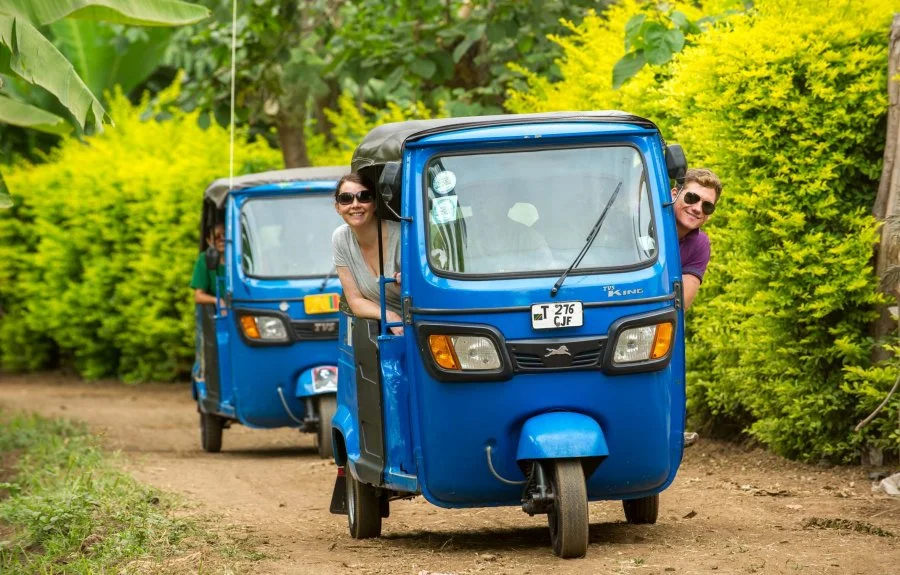
Mto wa Mbu, Tanzania brings a different rhythm to a northern safari. Here, the story is in busy market stalls, green farms, small workshops and meals shared with local hosts. You can step out of the safari vehicle and learn about the people who live beside the parks.
The town lies near Lake Manyara, below the Great Rift Valley escarpment. It makes a useful stop on the route from Arusha toward Karatu and Ngorongoro. A short visit can be rewarding, but a slower half-day gives you time to ask questions and enjoy each stop.
This guide covers the main experiences, how to choose a route, what to bring and how to fit the visit into your safari. You will also find 20 FAQs at the end. Choose a plan that suits your interests, rather than trying to do every activity in one day.
Why visit Mto wa Mbu?
Visit for the blend of daily life, food, crafts and scenery. A guided walk adds a human story to a wildlife trip. It helps you see how farming, trade and tourism shape the town.
A game drive may teach you about animal tracks and habitats. A village walk can teach you about crops, cooking and work. Both are part of the wider landscape. Together, they give your Tanzania journey more depth.
The most memorable moment may be a simple one. You might ask a farmer how a crop is grown or watch an artist explain a carving. You could learn the name of a dish you have never tried. These small exchanges give a place meaning.
Come with curiosity and time to listen. This is a working town, not a stage set. A visit should fit the host's routine and agreed arrangements. Let your guide introduce you, then enjoy the chance to learn without rushing from one photo to the next.
Where is Mto wa Mbu located?
Mto wa Mbu sits near the main entrance to Lake Manyara National Park in northern Tanzania. The lake, farmland and Rift Valley slopes give the area a varied setting. Arusha is the usual road starting point for many safari visitors.
Allow roughly two to two and a half hours from Arusha as a planning estimate. The nearby park route is about 125 kilometres from the city. Your actual journey depends on your hotel, traffic, stops and road conditions.
It is easy to see why the area fits a northern safari route. You can stop here before staying near Manyara, or spend time in town before continuing toward Karatu. A good route leaves space for the visit instead of treating it as a rushed fuel stop.
Confirm the exact meeting point with your guide. A booking that says “Mto wa Mbu” is not enough to tell a driver where to stop. Share the guide's contact, planned start time and drop-off point. Clear details save time once you arrive.
A meeting place of many cultures
The town is known for people with roots in many parts of Tanzania. That mix shows in food, crafts and shared daily life. Your guide can explain local stories without reducing the whole community to one identity.
It is more useful to learn from an individual host than to collect names of ethnic groups. Ask how their family came to the area. Ask what they grow, make or trade. A personal answer can reveal more than a broad label.
Craft traditions may draw on Makonde carving, while some visits include learning about Chagga banana beer. The Maasai are also part of the wider region's story. Avoid assuming every resident follows the same traditions or lives in the same way.
Swahili can help bridge many conversations. Even a few greetings show care. Your guide can help with pronunciation and explain when a phrase fits. You do not need fluent Swahili to enjoy the visit, but patience and a warm greeting go a long way.
Jambo: a greeting you may hear in tourist settings.
Asante: thank you.
Tafadhali: please.
Karibu: welcome.
Habari: a way to ask how things are.
Allow people to describe their own lives. Daily routines change, and tradition can sit alongside modern work and technology. A thoughtful tour shows that living culture grows and adapts. It does not need to freeze a community in the past.
Take a guided village walk
A Mto wa Mbu village walk is one of the best ways to begin. Local walking tours commonly run for about two to four hours. Choose the route and stops with your guide before setting out.
A walk may include farms, a market and a craft workshop. Some routes include a meal or a visit with a host family. These stops depend on the plan and permission. They should not be treated as automatic access to anyone's home or workplace.
Tell the guide what interests you most. A food lover may want extra time around produce and cooking. A keen gardener may enjoy the farms. An art lover may prefer one workshop with time for a real discussion about technique.
Keep the pace gentle enough to notice details. Ask about what is sold at a stall, how a crop reaches the market or why a craft uses a certain form. Open questions often lead to a better exchange than asking for a quick photo.
Walking distance is not the only measure of effort. Heat, uneven ground and long standing stops can make a short route tiring. Ask about shade, rest points and toilets. If anyone needs a slower pace, arrange that from the start.
How to choose a good walking route
Choose a few meaningful stops rather than a long checklist. A route with time to listen often feels richer than one that tries to cover every farm and workshop. Leave space for breaks and conversation.
Agree on the start and finish point.
Ask how far you will walk and what the ground is like.
Confirm which hosts and workshops are expecting you.
Check whether lunch, entrance fees and transport are included.
Say whether you want shopping time or mainly learning.
If a planned host is unavailable, let the guide adapt the visit. A change need not spoil the day. Another workshop or farm may offer a different story. The aim is a good exchange with willing hosts, not a fixed series of performances.
Explore banana farms and local crops
Farm visits show how the green landscape supports daily life. Mto wa Mbu is known for banana growing and irrigated fields. A local guide can help you understand what you see, rather than simply walking past the plants.
Ask a farmer to explain the difference between bananas grown for eating, cooking and brewing. The uses can be quite different. Learning from a plant in the field helps connect the crop with dishes and drinks you may see later.
Water is another useful theme. Look at the way fields receive it and ask how growers manage supply. Stay on the agreed path, since small channels and field edges are part of a working system. Do not step over them without the guide's advice.
A farm visit is also a chance to ask better questions. Which jobs take the most time? What changes with the season? How does the harvest reach buyers? Let the farmer choose what to share rather than expecting every visit to follow the same talk.
Local farm tours can vary from about one to four hours. The shorter option may suit a transfer day. A longer visit needs its own space in the schedule. Confirm the route and meal plan before you book.
Remember that crops and harvests are seasonal. No itinerary should promise every stage of farming on one date. You can still learn a lot from the fields, the tools and the host's explanation when a harvest is not taking place.
Cycle through Mto wa Mbu
A bicycle tour lets you cover more ground while staying close to the scene around you. Choose a route suited to your skill and comfort. A farm circuit and a longer lakeside ride are different outings.
Local cycling trips toward the Lake Manyara area are often planned for about two to five hours. Ask where the route goes, how much is on roads and whether it approaches wildlife areas. Conditions and access can change, so the day's route should be confirmed locally.
Do not assume “easy ride” means easy for everyone. Heat, sand, mud and road traffic can affect the effort. If you rarely cycle, choose a shorter route with regular stops. You can often learn more at a calm pace than on a long, tiring ride.
Check the bicycle before starting. The brakes should work, the tyres should be sound and the seat should fit. Ask for a helmet in the right size. Tell the guide early if any part of the bike feels wrong.
Confirm distance, ground conditions and road sections.
Ask about helmets, spare parts and support if a bike fails.
Carry water and use sun protection.
Keep enough space between riders.
Stop before taking photos, rather than filming while riding.
Choose a route suitable for each child's ability.
Wildlife sightings near a lakeside route are not guaranteed. If animals are present, follow the guide's directions and keep your distance. A cycle tour should not become an attempt to approach large animals on foot or by bike.
Enjoy local food and a hosted lunch
A local meal can be a highlight of a Mto wa Mbu visit. It gives you time to sit, talk and connect farm produce with the food on your plate. Arrange the meal ahead so your host can prepare.
Depending on the menu, you may try ugali, rice, beans, vegetables, chapati or cooked bananas. Pilau, grilled meat and fish may also be offered on some menus. Ask what is available for your date rather than expecting every dish at one table.
A hosted lunch commonly takes about one to two hours. Use that time to ask about ingredients and cooking methods. A meal is more rewarding when the host has room to explain it. Leave enough time to enjoy it without checking the clock after every bite.
Ask if a cooking demonstration can be arranged. Watching or helping with a dish may need a separate plan. Not every lunch includes a hands-on lesson, and a host may be too busy preparing food to teach at the same time.
Tell the booking team about dietary needs before arrival. Explain clearly if you avoid meat, dairy or a certain ingredient. Ask what can be prepared and whether shared utensils are used. Clear planning helps the cook and avoids last-minute confusion.
Choose freshly prepared food and follow the arrangements made with your guide. Bring drinking water, and ask where you can wash your hands. If a dish is unfamiliar, ask how it is eaten. Trying it with an open mind can be part of the fun.
Learning about banana beer
Some cultural routes include a stop to learn about banana beer. You can ask about the process without tasting it. Tell your guide if you prefer an alcohol-free visit, especially when travelling with children.
A tasting is optional. It should not become a test of whether you are willing to join in. Ask about ingredients and the way it is served. You can show interest through conversation, then move on to the next stop if you choose.
Meet artists and craftspeople
A workshop visit adds texture to a Mto wa Mbu cultural tour. You can learn how a piece is made, what the design means and how long the work takes. It is a chance to understand the craft before buying.
Makonde wood carving and painting are among the traditions you may encounter on a guided route. Ask what materials are used and which parts are done by hand. Let the maker explain their own work, rather than treating every piece as the same souvenir.
Watch for the small details. The finish on a carving, the shape of a face or a choice of colour may reflect hours of careful work. A short talk can help you see a piece in a new way.
There is no need to buy at every stop. Ask your guide to set that expectation if you prefer a learning-focused visit. If you do want to shop, allow time to look, ask about prices and make a calm choice.
For a purchase, ask whether the seller made the item and how it should be packed. A large carving may be hard to carry through the rest of a safari. Check transport and any import rules that apply to your destination before buying natural-material items.
A polite discussion about price can be part of shopping. Keep it friendly, and accept that a maker may decline your offer. The best souvenir is one you value and can bring home without trouble, bought at a price both sides agree on.
Visit a market with a local guide
Markets reveal another side of Mto wa Mbu. Go to observe trade, learn about produce and understand the day's work. A guide can help explain what is being sold and how the market fits local life.
A regular produce stop and a Maasai market outing are not the same experience. Ask which market is included, whether it is operating on your date and how long the visit takes. Do not build your whole plan around an unconfirmed market day.
Take time to look before taking photos. People may be serving customers, carrying goods or moving livestock. Stand where you do not block a stall or path. Your guide can ask when a closer look is welcome.
If you buy fruit or a small item, ask for the price clearly. Carry small notes for easier payment. A good visit is not measured by the size of your purchases. A few thoughtful questions can teach you how the market works.
Livestock areas require extra care. Give animals space and follow the guide's route. Keep children near an adult. Do not try to pose with an animal or cross through a busy trading area just to find a better angle.
A market is a real place of work. Some traders will enjoy a chat; others may be busy. Accept both responses. A respectful visit lets trade continue while giving you a view of everyday life.
Photography and respectful conversations
Ask before photographing people, homes or workshops. A yes should be clear, and a no should be easy to accept. Your guide can help when language or local expectations are unclear.
Begin with a greeting and a real conversation. Find out what the person is comfortable sharing. That often creates a better memory than starting with the camera. If a portrait is welcome, take your time and say thank you.
For photos of children, ask a parent or guardian and follow the tour's rules. Avoid using a child's face simply to decorate a travel post. Ask your guide which settings are suitable, and focus on your own family when in doubt.
Landscape and detail shots can tell a strong story too. A field, a finished craft or a meal may capture the visit without putting someone on display. Ask permission for private spaces even if no person is in the frame.
Use honest captions when sharing photos. Describe what you learned and where you were invited. Avoid sweeping claims about how all Tanzanians live. One tour is a window into a place, not a complete account of a country.
Listen before asking for a portrait.
Keep a clear path for people at work.
Ask before entering a home or field.
Respect places where photos are not allowed.
Use the guide's help with questions and greetings.
Accept a change of plan when a host is busy.
Climb Balaa Hill for a wider view
Balaa Hill offers a more active outing above the town and lake area. It gives you a wider view of the Rift Valley setting. Choose it when you have enough time and enjoy walking uphill.
Local hill tours are commonly described as three to six hours. That makes the outing a main activity, rather than a quick stop between lunch and a game drive. Ask about the climb, ground conditions and return route before booking.
A view from above can help make sense of the whole visit. Farms, settlements, the lake area and the escarpment become parts of one scene. Use the guide's explanation to connect what you saw in town with the wider landscape.
Start at a time agreed with the guide and carry enough water. Wear shoes with grip, especially after rain. The route should suit the slowest walker in the group. Ask about breaks and whether a shorter version is possible.
Cloud, haze or rain can affect views. Choose the outing because you enjoy the walk as well as the panorama. If conditions are poor, a village route may be a better use of the day.
Combine Mto wa Mbu with Lake Manyara
The town and Lake Manyara National Park fit naturally into one trip. The main gate is nearby. Give each experience enough time, rather than assuming a full cultural route and full safari both fit into a short day.
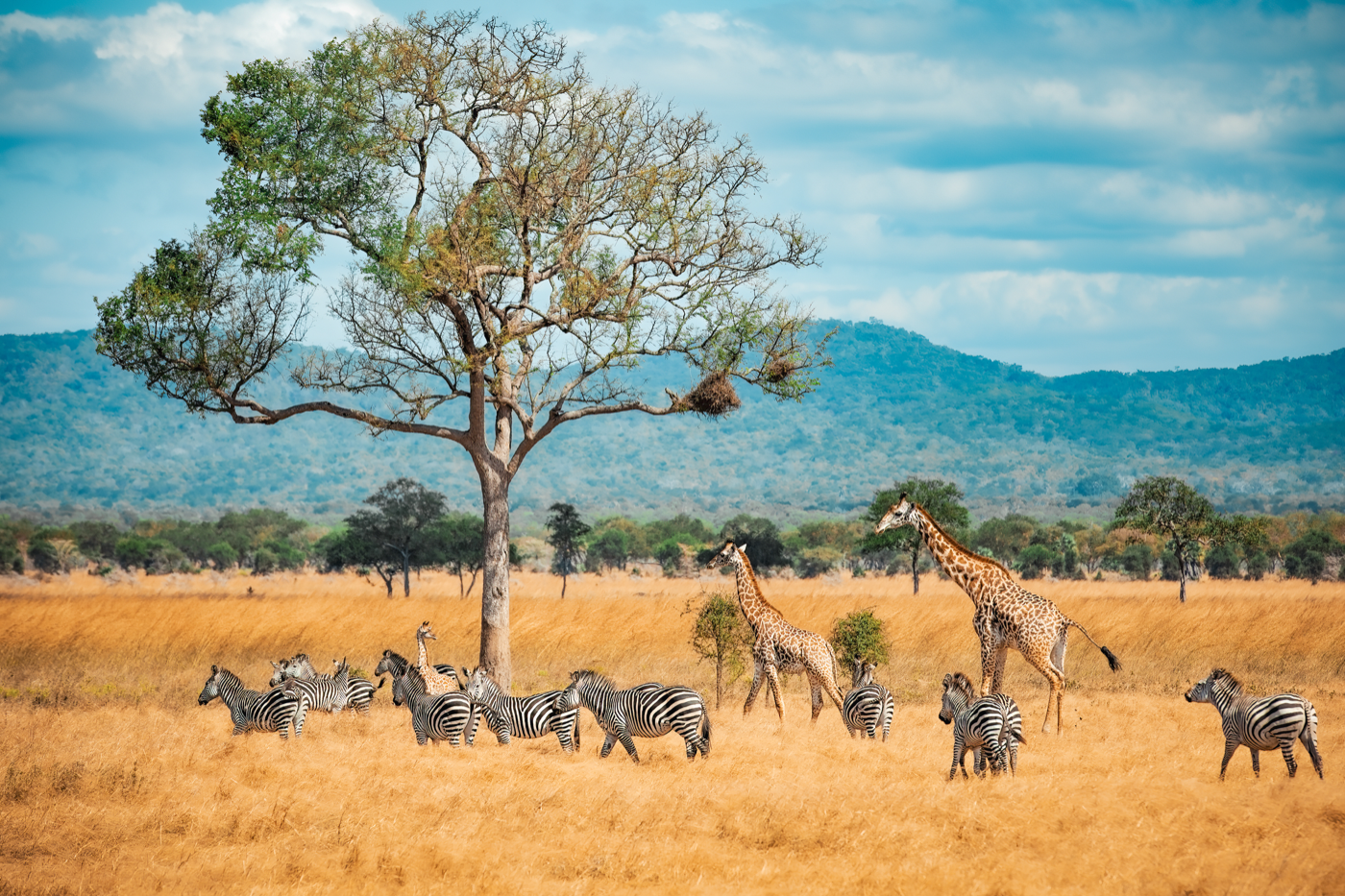
Manyara has forest, woodland, open areas and lake habitats. You may see elephants, monkeys, giraffes or other wildlife, depending on the route and the day. The park is also known for tree-climbing lions, but no game drive can guarantee a lion sighting.
Flamingos and other waterbirds may be present around the lake. Their numbers and visibility change with water and feeding conditions. Treat a pink lakeshore as a possible sight, not a promise that comes with the park ticket.
For a single day, choose priorities. A short village visit and a limited game drive may fit when you are already staying nearby. A full morning of farms and food plus a full park day usually works better spread across two days.
Town activities and park entry have separate costs and rules. A cultural-tour price does not automatically include Manyara fees, a safari vehicle or an authorised park activity. Ask for the full plan and each cost in your quote.
Inside the park, follow the guide and stay in the vehicle except where leaving it is allowed. Keep food secure around monkeys and baboons. Do not feed wildlife or approach animals to take a photo.
How to fit the stop into a northern safari
Mto wa Mbu works well as a pause between wildlife destinations. Place it where the route is already taking you. A calm half-day can add variety without forcing a long detour.
For an Arusha departure, a cultural afternoon may fit after the road journey if you leave enough time. Another option is to stay nearby and begin the walk fresh the next morning. Your starting hotel and next stop will shape the best choice.
If you are continuing toward Ngorongoro, allow for travel through the Karatu area and any access arrangements. Do not squeeze a long cultural visit into a day already filled with crater travel and game viewing.
A journey toward Serengeti National Park needs its own road or flight planning. Mto wa Mbu can be part of that larger route. It is not a quick base for a casual same-day Serengeti excursion.
Tell TanzaLux Safaris how you want to divide the trip. Some guests prefer long game drives with one short cultural stop. Others want equal time for food, people and wildlife. Both can work when the schedule is built around your priorities.
Best time to visit Mto wa Mbu
You can plan a visit in different seasons. For walks and rides, ground conditions and heat matter as much as the month. Use the wider safari plan to choose your dates, then adapt the local route to the weather.
The generally drier mid-year period can suit outdoor outings. It can also be dusty and busy along safari routes. Start walking before the day's hottest part where possible, and keep water close at hand.
Green-season visits can bring fresh-looking fields and a different feel to the scenery. Showers may change a walk or cycle route. April and May can bring heavier rain, so leave more room for adjustments.
A forecast is more useful than a claim that one month is always perfect. Ask your guide about paths and local conditions close to the visit. A workshop or hosted lunch may still make a rewarding plan if an outdoor route changes.
For markets and specific hosts, availability matters too. Confirm the outing on your date rather than assuming every activity runs every day. A quiet morning and a busy market day may offer very different experiences.
Sample half-day Mto wa Mbu plan
A half-day plan can combine a gentle walk, one craft stop and lunch. It suits guests who want a clear introduction without too many activities. The order below is an example to adapt with your guide.
Meet and plan: discuss interests, walking pace and the stops your hosts have agreed to.
Village and farm walk: follow a local route with time for questions and rest.
Workshop visit: watch a craft demonstration and allow optional shopping time.
Hosted lunch: enjoy a meal arranged in advance, with time to talk about the food.
Continue your journey: leave a buffer for the next hotel or planned activity.
If you have only two hours, shorten the route and focus on one theme. A farm visit and a workshop may be enough. Avoid cutting every stop so short that the day becomes a series of greetings with no real exchange.
Sample full-day plan
A full day gives you room to explore at a slower pace. Choose two main activities, with lunch and rest between them. Keep travel time separate from the time spent in town.
Morning: choose a farm walk or a suitable bicycle route.
Midday: sit down for a hosted lunch, arranged in advance.
Afternoon: visit a workshop or confirmed market, then return to your hotel.
If Balaa Hill is your priority, make it the main outing instead. Pair it with a simple meal or short town stop if time and energy allow. Do not add the climb to a packed farm, cycling and park day.
For families, choose fewer stops and a shorter active route. For photographers, leave time to ask permission and work slowly. For food lovers, a meal and cooking-focused visit can be the centre of the day rather than an extra.
Where should you stay?
Choose your base for the whole route, not only for one tour. Staying near Mto wa Mbu can make an early local start easier. Karatu may suit guests continuing toward the highlands and Ngorongoro.
Ask for the actual drive from the accommodation to your meeting point. A property marketed as “Manyara” can be some distance from town. A scenic location is attractive, but the transfer time should fit your plan.
Compare room type, meal plan and comfort. Families may need separate beds, linked rooms or space for rest. Couples may prefer a quiet setting after a busy walk. Tell the booking team what matters most rather than selecting by photos alone.
For a short stop, you may not need an extra overnight. For a full cultural day and a Manyara game drive, staying locally can make the pace easier. Check the next day's route before changing hotels.
Costs and what your quote should include
There is no single price for every Mto wa Mbu visit. Cost depends on the route, group, transport and inclusions. Ask for a current quote based on your exact plan.
A walk with a local guide is different from a private day trip from Arusha. A cycling tour needs equipment, and a hosted meal needs preparation. Park activities may have separate fees. Comparing only a headline price can hide these differences.
Pick-up and drop-off points, with return transport if needed.
Guide time, language and group size.
Agreed route and any host or activity fees.
Lunch, drinking water and any dietary arrangements.
Bicycle and helmet hire, if included.
Park fees and safari vehicle costs, if adding Manyara.
Optional purchases, tips and paid extras.
Ask how much of a group price is fixed and what changes with more guests. For children, confirm the age rules and suitable equipment. Keep the written itinerary with the quote so everyone is comparing the same experience.
Carry a modest amount of small cash for agreed purchases. Confirm how the main booking is paid and how receipts are issued. Shopping is optional, and tips should be considered separately from the stated tour price.
What to pack for a village visit
Pack for a comfortable day outdoors. Walking shoes, drinking water and sun protection matter more than special safari gear. Add a light rain layer when showers are possible.
Comfortable shoes with grip for uneven or muddy paths.
Light clothing suited to the weather and local visits.
A hat, sun protection and drinking water.
A small day bag with secure pockets.
A phone or camera with enough charge and storage.
Small cash for optional purchases.
Personal essentials and any supplies needed for children.
A light layer for rain or a cooler return journey.
Keep the bag light enough to carry through the tour. Large camera kits can slow a walk and make workshops feel crowded. Choose gear that lets you take part in the visit, rather than managing equipment all day.
Families, walking pace and access needs
A Mto wa Mbu visit can suit families when the route matches their needs. Short walks, farms and a meal may work better than a long ride. Ask about the actual conditions rather than relying on a general “family-friendly” label.
Tell the guide each child's age and what they enjoy. A few clear questions can keep them engaged: what is growing here, how is this made, or what goes into this dish? Leave space for snacks, toilets and rest.
For wheelchair users or guests with limited mobility, request details on steps, path surfaces and distance. Ask about vehicle access to specific stops. A workshop-based visit may suit some groups better than a long farm circuit.
If you need a certain language, arrange it in advance. Do the same for a quieter route or regular seated breaks. A thoughtful plan lets more people enjoy the visit without pressure to keep up with a fixed pace.
Make your visit count for local hosts
The way you book and behave affects the value of a cultural visit. Choose a plan with paid local guides and agreed hosts. Ask how guide, meal and workshop fees reach the people doing the work.
Support skill and service through the visit you choose. A fair fee for a guide's time or a carefully made item recognises real work. Avoid assuming that every purchase or tour automatically funds a community project.
Private homes and schools are not open attractions. Enter only when there is a clear invitation and an agreed visit. Let hosts set limits. Ask your guide about appropriate ways to support any project you are interested in.
Leave paths, fields and workshops as you found them. Use agreed waste disposal and avoid picking crops. A considerate guest makes future visits easier for both local hosts and travellers.
Plan your visit with TanzaLux Safaris
A Mto wa Mbu visit can be a personal highlight of your Tanzania trip. Choose what interests you and let local hosts lead the story. Give each stop time to leave a lasting memory.
Ask TanzaLux Safaris to fit the visit around your route. Share your dates, hotel, group size and children's ages. Say whether you prefer food, farms, crafts, walking or cycling, and mention any access or dietary needs.
Request a clear plan with the time, stops and costs listed. Leave room for local conditions and host availability. That turns a simple town stop into a thoughtful day of learning, conversation and discovery.
20 frequently asked questions
1. Where is Mto wa Mbu in Tanzania?
It is near Lake Manyara National Park, below the Great Rift Valley escarpment in northern Tanzania.
The town sits on a useful route between Arusha and the Karatu area. It is a common cultural stop on a northern safari, with farms, workshops and local meals to explore.
2. Is Mto wa Mbu worth visiting?
Yes, if you want people, food and daily life to be part of your safari.
A guided visit adds a different perspective to game drives. Give it enough time to listen and ask questions. A few well-chosen stops often feel more rewarding than a rushed tour of every activity.
3. How far is Mto wa Mbu from Arusha?
Allow roughly two to two and a half hours by road as a planning estimate.
The nearby Lake Manyara park route is about 125 kilometres from Arusha. Your actual time depends on your hotel, traffic and stops. Ask your driver to plan from the real pick-up point.
4. How much time should I spend in Mto wa Mbu?
A half-day is a useful choice for a walk, one workshop and a meal.
A full day lets you add more time for farms, cycling or a market. Local village walks often run for two to four hours. Keep road travel separate when deciding how much of the day you need.
5. What can I do on a cultural tour?
You can choose village walks, farm visits, craft stops, a market or a hosted meal.
Some plans also offer cycling or a cooking-focused activity. The exact stops depend on your route and host availability. Agree on the main interests before booking, rather than expecting every experience in one package.
6. Do I need a guide in Mto wa Mbu?
A local guide is strongly useful for a planned cultural visit.
The guide can introduce hosts, explain what you see and help with language and permission. Farms and private homes should not be treated as places to enter on your own. Guided planning also helps match the route to your pace.
7. Is Mto wa Mbu only a Maasai village?
No. The town is known for people with roots in many parts of Tanzania.
A Maasai visit is a specific outing, rather than a description of the whole town. Ask residents about their own stories and work. Avoid assuming everyone shares one identity, tradition or way of life.
8. Can I visit banana farms?
Yes, a guided farm route can include banana growing and other local crops.
Ask which farm is expecting you and what is included. Harvest stages vary with the season, so no visit should promise every part of farming on one day. Stay on the agreed paths and respect the grower's work.
9. Is cycling in Mto wa Mbu suitable for beginners?
A shorter route may suit beginners when the bike, ground and pace are right.
Ask about distance, traffic, sand, mud and breaks. Confirm helmet and bicycle sizes before booking. Longer lakeside rides can be a different level of effort. Choose a route that works for the least confident rider in your group.
10. What local food might I try?
Menus may include ugali, rice, beans, vegetables, chapati and cooked bananas.
Other dishes depend on the host and the meal you book. Ask about ingredients and preparation to make the experience richer. A hosted lunch does not automatically include a cooking lesson, so arrange that separately if you want one.
11. Can vegetarian meals be arranged?
Ask for a vegetarian meal when booking, rather than waiting until you arrive.
Explain any ingredients you avoid and confirm what the cook can provide. Do the same for other dietary needs. Clear advance planning helps the host prepare a suitable meal and prevents confusion at the table.
12. Do I have to taste banana beer?
No. Tasting is optional, and you can learn about the process without drinking.
Tell your guide if you prefer an alcohol-free route. This is especially useful for families or guests who avoid alcohol. Interest, questions and a polite conversation are enough to take part in the learning.
13. What crafts can I see in Mto wa Mbu?
Guided routes may include wood carving and painting workshops.
Makonde carving is one of the traditions you may learn about. Ask the maker how a piece is made and what the design means. Workshop access and demonstrations should be arranged, and buying something is your choice.
14. Can I photograph local people?
Ask first and accept the answer.
Begin with a greeting, then let your guide help with permission where needed. Be especially careful with children and private spaces. You can also make strong photos of scenery, crafts and meals without turning people at work into subjects without their agreement.
15. When is the best time to visit Mto wa Mbu?
Choose dates that fit your safari, then adapt the local outing to the weather.
Drier periods can suit walking and cycling. Rain may affect paths, especially during heavier-rain months such as April and May. Confirm ground conditions and host availability close to your date rather than relying on the month alone.
16. Can I combine Mto wa Mbu with Lake Manyara?
Yes. The town is close to the park's main entrance.
A short cultural stop and a limited game drive may fit one day when based nearby. For a full village visit and full park day, allow two days. Confirm separate fees, transport and enough time for both experiences.
17. Are flamingos and tree-climbing lions guaranteed?
No. Wildlife sightings in Lake Manyara are never guaranteed.
Lions can be hard to find, and flamingo numbers change with lake conditions. Enjoy the forest, birds and wider landscape as part of the safari. A cultural tour in town also does not guarantee nearby wildlife sightings.
18. Is Mto wa Mbu suitable for families or guests with limited mobility?
It can be, when the route is planned around the group's needs.
Ask about walking distance, steps, surfaces, rest stops and toilets. Shorter walks and workshop visits may suit some guests better than cycling or hill climbing. Share children's ages and access needs before the plan is confirmed.
19. How much does a Mto wa Mbu tour cost?
The price depends on the route, group, transport and inclusions.
Request a current quote that lists guide time, host fees, meals and any equipment. Park entry and a safari vehicle are separate unless included in writing. Compare the same itinerary across quotes rather than only the headline price.
20. How do I plan a visit with TanzaLux Safaris?
Share your dates, hotel, group size and main interests with the team.
Include children's ages, your preferred pace and any dietary or access needs. Ask for a clear route, timing and full quote. TanzaLux Safaris can help place the visit within your wider Tanzania trip so the day feels relaxed and worthwhile.
.jpg?alt=media&token=7317eb9e-c84b-4bd1-aacb-5bbedfcd139d)
.jpg?alt=media&token=b6df5c2a-91ec-416b-b737-08e7017b55c1)
Ready to start planning?
Tell us your dates and what you're after — no obligation.