5.0 Excellent
Mount Kilimanjaro: Africa’s Roof and Tanzania’s Greatest Adventure
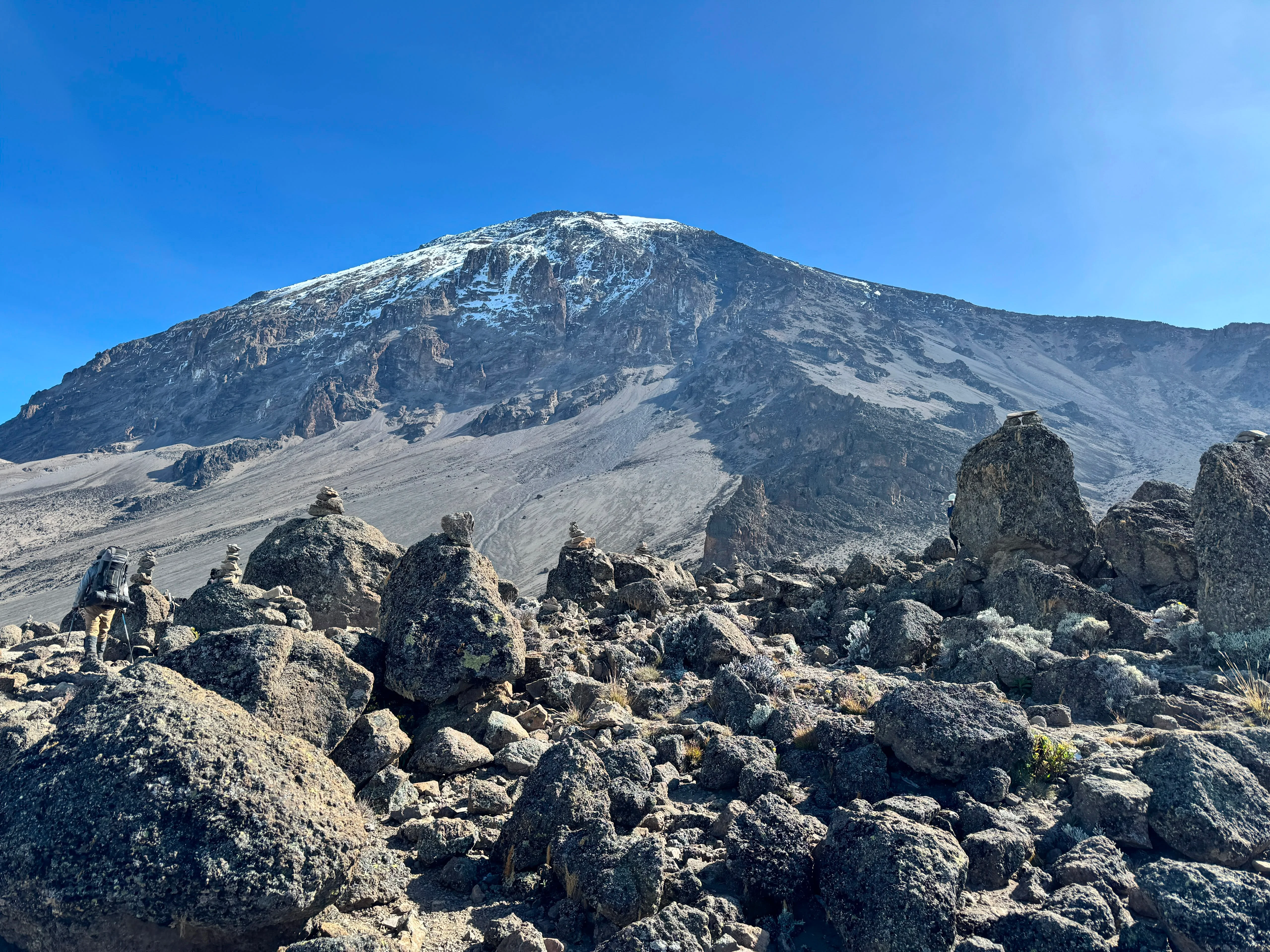
Mount Kilimanjaro rises to 5,895 metres above sea level and is Africa’s highest mountain. A trek to Uhuru Peak is a major high-altitude challenge, not a simple walk. With the right route, time, kit, and guide team, you can plan a rewarding journey through some of Tanzania’s most striking landscapes.
The mountain also welcomes guests who do not want a summit attempt. A guided forest hike, a day on the lower trails, or a view from the foothills can be a fine part of a Tanzania holiday.
This guide explains the main choices: routes, seasons, training, costs, packing, safety, and a safari after the climb. It ends with 20 practical FAQs. The aim is a sound plan and a safe return, with the summit only if your health and conditions allow.
What should you know before booking Mount Kilimanjaro?
Choose the route and ascent schedule before choosing a price. Kilimanjaro is a high mountain with serious risks. A good proposal explains how you will climb, sleep, eat, stay warm, and come down if you need help.
Highest point: Uhuru Peak on Kibo, at 5,895 metres, or about 19,341 feet.
Location: northern Tanzania, near Moshi and the border with Kenya.
Style: standard summit routes are mainly treks, but they still have rough, steep, and exposed sections.
Key challenge: thin air, as well as long days, cold, and fatigue.
Accommodation: shared huts on Marangu; tents on most other standard routes.
Time: mountain days are not the same as the total holiday length.
Outcome: no responsible booking promise can guarantee that you reach the top.
Start with your available days, hiking experience, health needs, and preferred sleeping style. Then discuss a route. Do not choose the shortest trek merely to save a day or prove your fitness.
Why is Kilimanjaro called Africa’s roof?
It stands higher than any other mountain in Africa. The huge volcanic massif rises above the surrounding plains, so its scale is striking even when you see it from below.
UNESCO lists Kilimanjaro National Park as a World Heritage property. The mountain has three main volcanic peaks: Kibo, Mawenzi, and Shira. Most standard summit treks aim for Uhuru Peak on Kibo, not the sharp towers of Mawenzi.
It is often called a freestanding mountain because it rises apart from a major mountain chain. That description does not make it easy. Its height still places it far above the altitude where many people begin to feel the effects of thin air.
The mountain is more than a summit sign. The forest, moorland, rock, shifting cloud, and long views all form part of the experience. If you turn around early for a sound safety reason, you have still made a real mountain journey.
What landscapes will you see on Kilimanjaro?
You pass through broad landscape zones as you gain height. They do not have sharp boundaries, and the route, weather, and light shape what you see.
Lower slopes: farms and settlements form part of the approach outside the high mountain.
Mountain forest: shaded paths, tall trees, moss, and damp ground.
Heath and moorland: more open views, shrubs, and distinctive highland plants.
Alpine desert: sparse growth, rock, dust, and a stronger sense of exposure.
Summit zone: thin air, cold, volcanic features, and remnant icefields.
Tanzania National Parks describes the mountain’s forests, plateau, peaks, and icefields. Do not expect every zone to feel like a different country at an exact height. The changes are gradual and vary across the mountain.
Forest wildlife may include monkeys and birds, but a trek is not a big-game safari. Keep to the trail, listen to your guide, and avoid feeding or approaching wildlife. The summit landscape is fragile; leave rocks, plants, and ice undisturbed.
A clear view is not guaranteed. Cloud may hide the upper mountain for long stretches, and snow or wind can change the scene near the top. Treat photos from brochures as examples, not a forecast.
Is Kilimanjaro suitable for beginners?
A first-time high-altitude trekker can consider the standard routes with proper preparation and support. “Non-technical” does not mean easy, and it does not remove the risks of altitude.
On normal trekking routes, you generally do not need the rope skills used on technical peaks. You do need to walk for many hours, manage rough ground, cope with cold nights, and carry your day bag. Some sections may involve scrambling and careful footwork.
Do not confuse a standard Uhuru trek with a specialist ascent of another peak or a different technical route. Ask your operator to identify the exact trail and summit approach. Conditions may also change the equipment or decisions needed.
A useful first test is a long local hike with hills, followed by another walk the next day. Notice how your feet, knees, and energy feel. Build experience gradually rather than rely on enthusiasm alone.
Before committing, discuss your health and itinerary with a clinician familiar with altitude travel. If a full summit trek is not right for you, a guided day hike remains a worthwhile choice.
How long should a Kilimanjaro climb take?
Allow enough mountain days for the chosen route, then add arrival, preparation, recovery, and onward travel. A seven-day trek is not a seven-day door-to-door holiday.
Common proposals include seven days on Machame, eight on Lemosho, and six on Marangu. Longer versions and other routes are available, but the actual camp plan matters more than the label. An extra day should improve the ascent profile, not simply extend time at the same high camp.
A longer schedule can give your body more time to adjust. It still does not make the climb risk-free. Some people become unwell despite careful planning, and a guide may need to change the plan or turn you around.
Ask for both the day’s high point and the sleeping height. A route with a higher walk followed by a lower camp has a different pattern from one that sleeps progressively much higher each night.
Separate mountain days from hotel and airport days.
Check where any adjustment day occurs.
Confirm the summit approach and descent plan.
Leave room for a gear check before the trek.
Protect a recovery day after leaving the mountain.
Which Kilimanjaro route should you choose?
Choose by ascent profile, terrain, time, and sleeping style. There is no route that is best for every guest. A familiar name does not tell you how much time the proposal allows.
The main options below are broad route patterns, not fixed departure promises. Camps, variations, and operating plans must be confirmed for your dates. Use the park’s visitor guidance to understand the guided-climb rules and the hut-versus-camp distinction.
Who should consider the Machame route?
Machame suits guests who want a varied camping trek and can cope with steep sections. A seven-day version is a common planning option, but review the actual overnight sequence.
The route starts from the south, moves through forest, and joins the southern trail system. The Barranco Wall requires careful movement and some scrambling. It is not a reason to dismiss the route, but should not be hidden from a nervous guest.
Compare how the schedule uses the Karanga stop and prepares for the summit. Do not accept a high “success rate” headline as a substitute for a clear itinerary and safety plan.
Who should consider the Lemosho route?
Lemosho suits guests with time for a western approach and a longer camping journey. An eight-day plan is worth discussing if you want a less compressed ascent.
It starts through forest, crosses the Shira area, and later joins the busier southern trail. It is not a private mountain path from start to finish. More days do not automatically mean fewer people at every camp.
Ask which Lemosho version is quoted. A shorter and a longer version may share a name but differ in sleeping heights, daily effort, and time to adjust.
Who should consider the Marangu route?
Marangu suits guests who prefer shared huts to tents. It is not automatically the easiest or safest route, especially when sold on a short schedule.
The ascent and descent use the same general trail. Mandara, Horombo, and Kibo provide the main hut stops. Shared sleeping space is not hotel comfort: ask about bedding, toilets, room arrangements, and the gear you still need.
A six-day version can include an adjustment day. The summit stage remains hard. Do not choose Marangu only because a nickname or brochure calls it an easy route.
Who should consider Rongai or the Northern Circuit?
Consider these when a northern approach or a longer traverse fits your time and interests. Check the full route, not only a promise of quiet trails.
Rongai approaches from the north and commonly descends on the Marangu side. Its different starting side can appeal to guests who want another perspective. A quieter start does not mean there are no other groups or no altitude risks.
The Northern Circuit begins from the west and continues around the northern slopes. It often uses a longer schedule, with eight- or nine-day proposals among the options. More time costs more in crew, food, and park-related charges, so compare what those days add.
Published firsthand Northern Circuit itineraries illustrate why the route name alone is not enough. Ask for the camp sequence and summit approach in your own proposal.
What about Shira and Umbwe?
Discuss these carefully rather than choose them for speed. They have ascent features that may make them a poor first choice for an inexperienced high-altitude trekker.
Shira typically starts higher after a vehicle approach. Umbwe is a steep southern approach with rapid early height gain. Neither should be marketed as a shortcut that solves the need to adjust to altitude.
A planner should explain why a specific version suits your background. If the explanation is only “fewer days” or “fewer crowds,” ask more questions before deciding.
When is the best time to climb Kilimanjaro?
January–February and roughly June–October are popular drier climbing windows. Rain, snow, cloud, and wind can still occur, so choose the month with realistic expectations and proper kit.
The park’s Kilimanjaro leaflet describes the broad dry and wet seasons. April and May commonly bring wetter conditions. Conditions on the upper slopes can differ greatly from the weather in Moshi.
March and the later part of the year can be transition periods. A wet trail, cloud, or fresh snow is possible even in a favoured window. Do not book a summit sunrise as if it were a timed show.
Popular dates can bring busy trails and camps. A full moon or holiday departure may suit your plans, but it does not improve your body’s response to height. Choose the ascent schedule first, then match it to your calendar.
If your trip also includes a safari, plan the safari region for that month. The best climbing window and the best place to look for migration herds are related travel choices, not the same question.
How should you train for Kilimanjaro?
Build steady hiking fitness, test your kit, and practise long days on hills. Training helps with the effort of the trek, but it does not protect you from altitude illness.
Start well before travel. Gradually add time on your feet and hills that suit your ability. A local trail, stairs, or a hill walk can help you learn what a sustained climb feels like.
Use the boots, socks, and day bag you plan to take. Find rubbing points at home, not on the second mountain day. Practise with a sensible load rather than assume the porters will carry everything you need during the walk.
Build up from shorter walks to longer hill days.
Include some downhill walking, which can feel hard on tired legs.
Try back-to-back walking days when your fitness and health allow.
Check how the pack sits with your warm and rain layers inside.
Leave time for rest and avoid a last-minute crash training plan.
Ask a qualified professional for a plan if you have an injury, health condition, or little recent exercise experience. The goal is to arrive well, not tired or injured from a rushed training schedule.
Why does the ascent schedule matter so much?
Your body needs time to adjust to thin air. Walking slowly helps pace the effort, but a slow walking speed does not fix an overly fast rise in sleeping altitude.
Acclimatization is the process of adjusting to lower oxygen pressure. The CDC’s high-altitude guidance stresses gradual ascent and notes that physical fitness does not lower your risk of altitude illness.
That is why a strong runner can struggle while another guest feels better. Past success on a mountain is useful history, not a guarantee for this trek. Review the sleeping heights with your planner and clinician.
Many Kilimanjaro itineraries gain height faster than general conservative altitude guidance. More days can help, but no named route is automatically medically safe. Ask how your particular plan gives time to adjust and how it responds if you become unwell.
A rest night in Moshi is useful for sleep and preparation. It should not be sold as full adjustment to the high mountain. Nor should a safari at much lower elevations be treated as a replacement for a well-paced ascent.
What symptoms should you report to your guide?
Report new symptoms promptly, even if they seem mild. A headache with nausea, dizziness, poor appetite, or unusual fatigue after gaining height may signal altitude illness.
Do not hide symptoms to protect a summit chance. Tell the guide how you feel and whether it is changing. The UIAA’s mountain-medicine field guidance explains why further ascent with altitude-illness symptoms is unsafe.
Stop ascent and seek assessment if symptoms develop. Do not move higher while symptoms of altitude illness persist. Worsening symptoms at the same height call for descent rather than another push uphill.
Breathlessness at rest, confusion, poor coordination, or a marked deterioration are urgent warning signs. Alert the guide immediately and seek emergency care with assisted descent or evacuation. Do not let the person descend alone.
This is general safety information, not a diagnosis or personal treatment plan. Your team must have a clear field response, trained staff, and a means to call for help.
What should you ask about oxygen and health checks?
Ask how the crew monitors guests and handles emergencies. Equipment matters only when it is available, maintained, and used by trained people within a clear response plan.
Emergency oxygen can support treatment and evacuation. It must not be used to justify continued ascent or delay necessary descent. The Wilderness Medical Society’s altitude guidelines distinguish proper treatment from unproven shortcuts.
A pulse oximeter can add information, but it cannot certify that someone is safe to summit. The FDA warns that readings have limitations. Symptoms and how the person is functioning must not be ignored because one number looks reassuring.
Ask a clinician familiar with altitude medicine whether preventive medication is appropriate for your health and route. Do not borrow another climber’s pills or use a blog as a prescription. Medication does not replace time to adjust or a sound descent decision.
What should you pack for Kilimanjaro?
Bring a complete system for rain, cold, sun, sleep, and walking. A warm jacket alone is not enough, and a “luxury” package does not make the summit warm.
Ask for a written gear list matched to your route and month. Then check which items are supplied, which are rented, and which you must bring. Make the check before you travel so there is time to replace a poor fit.
Which clothing and footwear are essential?
Use layers you can add or remove, boots you have tested, and a waterproof outer layer. Keep dry clothing protected inside your bag.
Broken-in hiking boots with a secure fit and useful grip.
Walking socks and spare dry pairs.
Base layers, warm mid-layers, and a properly insulated jacket.
Waterproof jacket and trousers.
Warm hat, sun hat, gloves, and warm hand protection for the upper mountain.
Comfortable camp clothing and dry sleep layers.
Test your gloves with your camera, pack buckles, and headlamp. Small tasks become harder with cold hands. Ask your guide team about current trail conditions and any additional gear they require.
What should go in your day bag?
Carry the things you need between camps. Your porter bag may not stay beside you on the trail, so keep vital items with you.
Warm and rain layers that are ready to use.
Water in containers suited to the route, plus an agreed treatment plan.
Headlamp, spare power, sun protection, and sunglasses.
Small snacks you know you tolerate.
Personal medicines and any essential documents.
Camera, batteries, and a dry protective pouch.
Agree a drinking-water plan with the crew. Stay adequately hydrated, but do not force excessive water as an altitude-sickness cure. Confirm where water is collected and how it is made safe to drink.
What sleeping and support gear should you check?
Check the sleeping bag, mat, tent or hut arrangements, and toilet plan. A good night’s rest depends on the whole setup rather than one premium item.
For a sleeping bag, ask about its comfort rating and suitability for the expected cold. An extreme or survival rating is not a promise that you will sleep warmly. Inspect rented kit and confirm how it is cleaned.
Trekking poles can help some guests on descents, but learn to use them at home. Keep batteries warm and carry spare power for your headlamp. Phone charging and mobile signal should not be assumed at every camp.
What does a Kilimanjaro climb cost?
Cost depends on route, days, group size, service level, fees, and inclusions. Compare a complete dated quote, not just a low headline price.
For a transparent reference, the TanzaLux website advertised these starting prices when checked on 1 October 2026:
Seven-day Machame climb: from USD 1,950 per person.
Eight-day Lemosho climb: from USD 2,050 per person.
Six-day Marangu climb: from USD 1,600 per person.
These are advertised “from” prices, not a personal quote, a guarantee of availability, or a statement that every cost is included. Confirm your party size, dates, room basis, taxes, and services before using them as a budget.
An extra mountain day can add crew wages, meals, camping or hut charges, and other operating costs. It should not be treated as wasted time if it improves the ascent plan. A short trek may be cheaper on paper but a poor fit for your needs.
Keep the climb price separate from flights, personal gear, tips, insurance, visas, hotels, and a later safari unless the proposal expressly includes them. A good comparison puts those items side by side.
What should the climb quote include?
It should state the route, days, named overnight stops, crew services, equipment, and exclusions. You should also understand the change and cancellation rules.
Mountain days and the planned ascent and descent routes.
Relevant park, camping or hut, and rescue-related charges.
Guide, cook, and porter services with a clear staffing basis.
Meals, safe drinking water, and dietary arrangements.
Tents, sleeping mats, dining arrangements, and toilet facilities where supplied.
Emergency equipment, guide training, communications, and response procedures.
Gate transfers, airport pickup, and hotel nights if included.
Applicable taxes, payment dates, quote validity, and cancellation terms.
Ask about single-tent supplements, gear rental, extra nights, and costs after an early descent. A rescue-related park charge is not the same as a personal evacuation-insurance policy.
What insurance and documents should you check?
Check cover for trekking to the full planned altitude, emergency medical treatment, evacuation, and trip changes. A general holiday policy may exclude the activity or have a lower height limit.
Tell the insurer the exact route and summit height. Ask how assistance is activated, who authorizes evacuation, and whether pre-existing conditions or an early descent affect cover. Do not assume a helicopter is always available; weather, location, and operational limits matter.
Check passport, visa, and current entry-insurance requirements for your complete Tanzania route. Required inbound cover and your own trekking policy serve different purposes. Ask your planner for the relevant current information and verify it with the authorities.
Discuss the full trip with a travel-health professional, including any safari or beach stay. Lower-altitude travel can have different health risks from the mountain. Carry your regular medicines and explain allergies or important conditions during the pre-trek briefing.
What does a day on the mountain feel like?
Expect a steady routine of walking, meals, checks, and rest. The pace should follow the route and your condition, not a race against another group.
Mornings often begin with breakfast and packing your day bag. The guide explains the day’s plan, while the crew prepares for the next stop. On the trail, take the agreed breaks and say early if something feels wrong.
At camp, change into dry layers, eat, and rest. Keep the next day’s key items easy to find. A simple routine saves time when it is cold, dark, or raining.
Meal times, lunch stops, and camp comforts vary by package. Discuss dietary needs before arrival, including allergies. Ask how the team handles food hygiene and handwashing, not only which dishes appear on the menu.
You may hear “pole pole,” or slowly, as a reminder to keep a measured pace. It is good trail advice, but the route still needs a sensible height profile. Do not assume slow footsteps alone solve the altitude problem.
What is summit day like on Kilimanjaro?
Summit day is usually the hardest stage because it combines height, cold, and a long descent. Reaching the top is only part of the work.
Many standard plans start the final ascent in darkness; some longer plans use daylight. Confirm which is quoted. There is no universal midnight departure rule, and the guide must adapt to conditions and the group.
Wear and carry the agreed summit kit. The guide may shorten stops, change pace, or stop the ascent for safety. A clear sky does not override illness, and a sunrise photo is not worth a dangerous decision.
After any high point reached, you still need to come down carefully. Save energy, use sound footing, and report pain or worsening symptoms. A turn-around decision is part of responsible guiding, not a failure to deliver the holiday.
What could an eight-day Lemosho plan look like?
An eight-day plan can spread the journey across forest, plateau, and southern camps before the summit attempt. This is an illustrative sequence, not a personal medical recommendation or a fixed booking.
Day 1: gate formalities and a forest walk to the first camp.
Day 2: leave the forest and move towards Shira 1.
Day 3: cross the plateau towards the planned Shira or Moir-area stop.
Day 4: use the planned higher traverse near Lava Tower, then descend towards Barranco.
Day 5: cross the Barranco section and continue to Karanga.
Day 6: move to Barafu and prepare for the final ascent.
Day 7: attempt the summit only if cleared by the guide, then descend to a lower camp.
Day 8: complete the descent and return to your hotel.
A published Lemosho itinerary shows one version of this pattern. Your own proposal must specify every camp and the sleeping heights. A guide’s decision, illness, weather, or route conditions can change the plan.
Add travel and hotel days outside those eight mountain days. Allow a preparation day before the trek and a recovery day afterwards where your holiday length permits. Do not place an onward flight so tightly that an early or delayed descent creates a crisis.
Can you visit Kilimanjaro without a summit climb?
Yes. A guided day hike or lower-forest visit gives you a mountain experience without a full summit expedition. It is not a one-day climb to Uhuru Peak.
Marangu forest hikes towards the Mandara area and guided Shira visits are among the shorter options described by the park. Check the trail, driving access, height gained, walking time, and return plan before booking.
A high-start day trip is not automatically easy because it ends the same day. Altitude still matters, and a distant transfer can make the day long. Tell the planner how much walking you want rather than simply ask for “Kilimanjaro in one day.”
A foothill stay can also suit guests who want scenery, culture, and rest. Cloud can hide the peak, so build a varied day instead of promising an uninterrupted mountain view.
How can you combine Kilimanjaro with a safari?
Add rest after the trek, then choose a safari route that fits the days left. A climb and a wildlife trip should complement each other rather than turn the whole holiday into a rush.
A shorter extension can focus on nearer northern-circuit parks. A longer extension can give the Serengeti several nights and include a crater visit if the route allows. Do not treat every park as a quick detour from Moshi.
For a practical planning outline, allow arrival and preparation, your agreed mountain days, at least a planned recovery stop, then the safari. If the climb ends early for health reasons, ask what can be rearranged and what requires fresh payment.
Wildlife focus: protect full game-drive days and avoid too many camp moves.
Relaxed pace: add a comfortable hotel night before the first long safari transfer.
Photography focus: choose a region for the season, not just a famous lodge.
Beach extension: check the flight connection and entry requirements for the complete route.
Explore TanzaLux’s Tanzania safari options as a starting point. Wildlife sightings are not guaranteed, just as a mountain summit is not guaranteed. Plan for a good journey rather than one specific photo.
The CDC’s safari and climbing guidance highlights the value of health planning for both parts of this type of trip. Share the full itinerary with your clinician, not only the mountain stage.
What does responsible Kilimanjaro travel involve?
Respect the mountain and the people who make the trek possible. Good porter care, fair pay, and careful waste handling should be part of the plan, not a vague promise.
The Kilimanjaro Porters Assistance Project’s standards provide useful questions about wages, loads, food, kit, shelter, and tips. Ask the operator to explain its practice clearly.
How much are crew members paid, and when?
How are loads weighed and kept within the stated limit?
What meals, clothing, shelter, and sleeping equipment do porters receive?
How are tips shared and delivered transparently?
What help is available if a crew member becomes sick or injured?
Can any claimed welfare-programme participation be verified directly?
A logo on a brochure is not proof of current participation in a welfare programme. Do not infer certification from a marketing phrase. Tips should not replace wages or pressure guests to cover poor working conditions.
On the trail, stay on marked routes, use the agreed toilet facilities, and take litter out. Leave plants, rocks, and wildlife alone. Ask about permission before using a drone; a booking does not grant permission to fly one.
Why plan your Kilimanjaro journey with TanzaLux Safaris?
Plan with TanzaLux when you want the climb, hotels, transfers, and safari discussed as one journey. The useful result is a clear proposal matched to your time, interests, and comfort needs.
TanzaLux presents locally planned Kilimanjaro and Tanzania safari options. Use that conversation to compare routes and the trip after the mountain, not to assume a premium label removes the effort or risk.
Route choice: discuss which schedule fits your experience and available days.
Joined-up logistics: align arrival, preparation, hotel nights, and onward travel.
Clear equipment planning: confirm what you bring, rent, or receive.
A tailored extension: add wildlife, culture, or a beach stay at a realistic pace.
Transparent booking questions: request crew, safety, welfare, and price details in writing.
Before paying, confirm the licensed mountain operator, guide qualifications, equipment, emergency plan, and contact arrangements for your departure. Do not assume services such as round-the-clock support, evacuation, or programme membership unless the final proposal states them.
How do you start planning the climb?
Start with your dates, hiking background, available days, and preferred style. Then compare route profiles and a complete quote. Keep health decisions with your clinician and field safety decisions with the qualified team.
Contact TanzaLux Safaris to discuss Kilimanjaro. Say whether you want a summit trek, a day hike, or a combined mountain-and-safari trip. Explain any access needs and ask for a written gear and preparation checklist.
The strongest Kilimanjaro plan is not the one with the boldest summit promise. It is the one that gives you time, support, realistic expectations, and a clear route back down.
Frequently asked questions: 20 Kilimanjaro answers
These FAQs help you compare options before booking. Confirm the current route and services for your own dates. The health answers are general guidance, not a substitute for personal advice or emergency care.
1. How high is Mount Kilimanjaro?
Uhuru Peak is 5,895 metres above sea level, or about 19,341 feet. It is the highest point in Africa.
The height is a central part of the challenge. A standard trekking trail still takes you into a serious high-altitude environment.
2. Is Kilimanjaro in Tanzania or Kenya?
The mountain is in Tanzania, near the border with Kenya. Standard Tanzania climb logistics commonly use Moshi and the Kilimanjaro airport gateway.
Views from across the border do not mean a summit trek begins there. Confirm the exact arrival and park-gate transfers.
3. Can beginners climb Kilimanjaro?
Beginners can consider standard trekking routes with preparation, an appropriate schedule, and qualified support. The climb is demanding even without technical rope work.
Build hiking experience and discuss your health before booking. A day hike is a valid alternative if a summit expedition is not suitable.
4. Does fitness prevent altitude sickness?
No. Fitness helps with walking effort but does not remove altitude-illness risk. Strong athletes can still become unwell.
Prioritize the ascent profile, honest symptom reporting, and the guide’s safety decisions. Do not use a fast pace as proof you are adjusting well.
5. How many days should a Kilimanjaro trek take?
It depends on the route and variation. Seven-day Machame and eight-day Lemosho plans are common options; mountain days include the descent.
Add hotel, arrival, preparation, and recovery time. Compare overnight heights rather than choose purely by the number of days.
6. Which Kilimanjaro route is best?
No route is best for everyone. Compare the ascent schedule, terrain, sleeping style, and your available time.
A longer Lemosho or Northern Circuit plan may suit one guest, while another prefers Marangu’s huts. The exact proposal matters more than the name.
7. Is Marangu the easiest route?
Not automatically. Huts remove the need to sleep in tents, but the climb still reaches the same high summit.
A short schedule leaves less time to adjust. Review the six-day option, shared hut arrangements, and summit stage before deciding.
8. Do you sleep in tents on Kilimanjaro?
Most standard trekking routes use tents at designated camps. Marangu uses shared mountain huts.
Ask which sleeping equipment is included. A hut does not mean a hotel room, and a tented trek still needs suitable warm gear.
9. What are the best months to climb?
January–February and roughly June–October are popular drier windows. Mountain weather remains variable in every month.
Pack for rain, cold, and wind even in a favoured season. Check dates, route conditions, and the plan with the operator.
10. What is altitude sickness?
It is illness linked to moving into thinner air before the body has adjusted. Headache with nausea, dizziness, or unusual fatigue can be warning signs.
Report symptoms early. Do not assume feeling unwell is just a normal part of a tough trek.
11. What should you do if symptoms develop?
Stop ascent and tell the guide promptly. Do not go higher while symptoms of altitude illness persist.
Worsening symptoms need descent. Breathlessness at rest, confusion, or poor coordination call for urgent help and assisted descent or evacuation.
12. Should you take medication for altitude?
Ask a clinician familiar with altitude medicine whether medication is appropriate for your health and itinerary. It is not a universal self-prescribed requirement.
Medication cannot guarantee safety or replace a suitable ascent plan. Do not borrow another climber’s prescription.
13. Can anyone guarantee a Kilimanjaro summit?
No. Health, weather, route conditions, and the guide’s assessment can prevent a summit attempt or require a turn-around.
Ask how an operator measures any published success claim. Treat a safe return as the priority, not a percentage or certificate.
14. Can you hike Kilimanjaro in one day?
You can take a guided day hike on lower or selected mountain trails. That is not a one-day trek to Uhuru Peak.
Confirm the starting height, walking distance, transport, and return time. A high-start day trip still requires sensible altitude planning.
15. How much does a Kilimanjaro climb cost?
The price varies with route, days, guest numbers, dates, and services. Use the dated starting-price examples above only as a reference.
Request a current itemized quote. Add flights, gear, tips, insurance, and other exclusions to understand the full holiday budget.
16. What gear should you bring?
Bring tested boots, layered warm clothing, waterproofs, gloves, a headlamp, sun protection, and the agreed sleeping kit.
Keep essentials in your day bag and check supplied or rented equipment in advance. Follow the final route-specific gear list.
17. Do you need guides and porters?
Park guidance requires a guided climb through a licensed operator. Porters and cooks commonly support standard organized treks.
Confirm the staffing plan and day-bag responsibilities. Ask how the crew is paid, equipped, fed, and supported if someone becomes unwell.
18. Can children or older adults climb?
Do not decide by age alone. Ask about current park and operator age rules, experience, health assessment, and the planned ascent.
For a child, seek specialist advice and confirm that the team can assess young trekkers properly. A shorter visit may be a better fit.
19. Can you add a safari or Zanzibar?
Yes, if time, health, flights, and budget allow. Leave recovery time after the mountain before a long transfer.
Plan the extension from your actual descent date and location. Check the entry, insurance, and health needs for the full route.
20. How do you book with TanzaLux Safaris?
Send your dates, guest count, hiking background, available days, and preferred comfort level through the TanzaLux contact page.
Ask for the exact route, sleeping heights, crew and safety details, full inclusions, and terms. Review the proposal before paying a deposit.
Ready to start planning?
Tell us your dates and what you're after — no obligation.