5.0 Excellent

Climbing Kilimanjaro Without a Guide: Is That Even Possible?
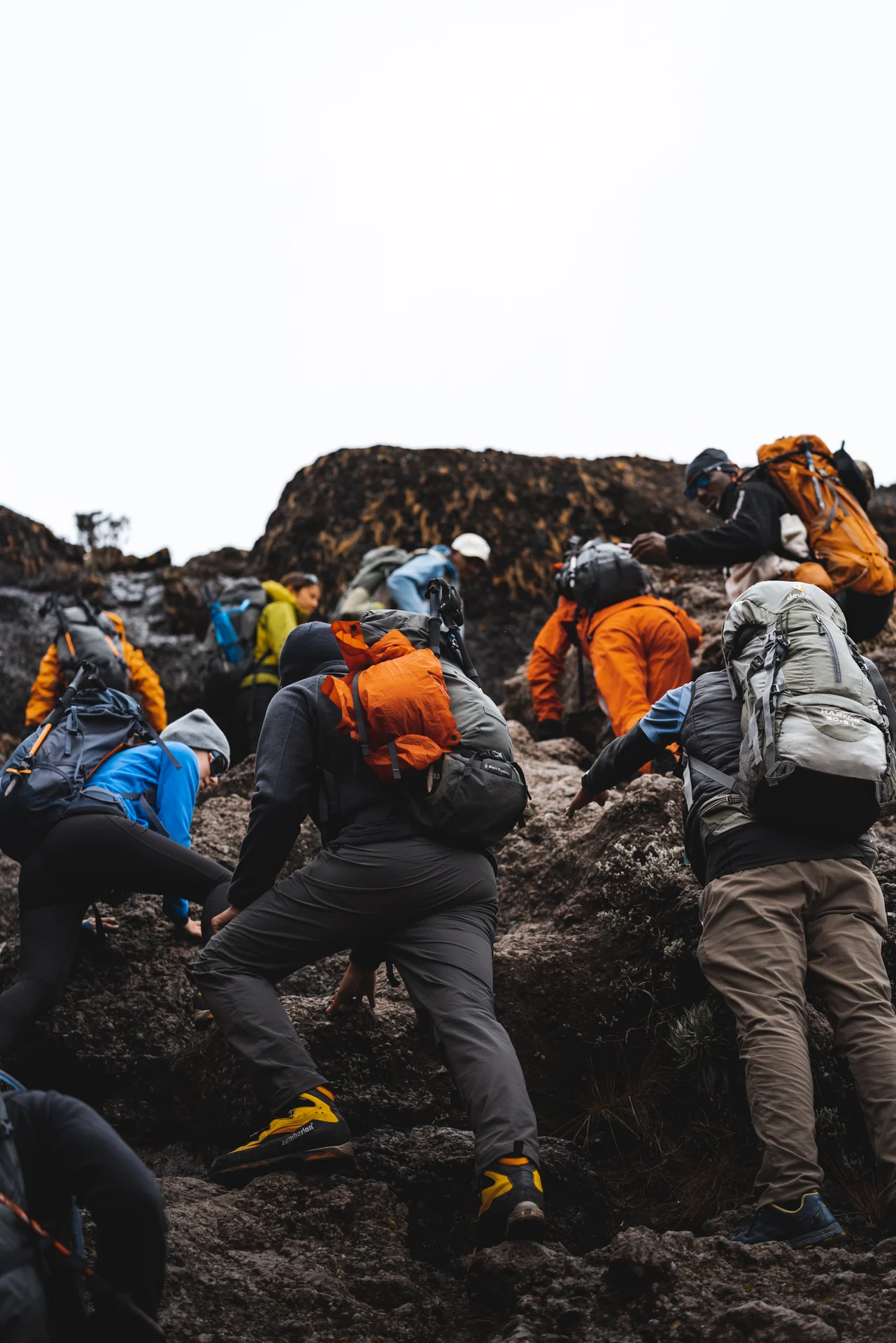
Can you climb Kilimanjaro without a guide? For a normal visitor trek, no. Kilimanjaro National Park requires guided climbs through a licensed operator. You can travel to Tanzania on your own and book a private climb for one guest. You still climb with a guide and an agreed support team.
That distinction matters. Many hikers who search for Kilimanjaro without a guide want freedom, a quiet trail or a fair price. A well-planned guided trip can meet those needs while following park rules. This guide explains what is required, what a mountain crew does and how to choose a climb that feels right for you.
Ask TanzaLux Safaris about a private Kilimanjaro climb built around your dates and pace.
Is climbing Kilimanjaro without a guide allowed?
No. The official TANAPA Kilimanjaro visitor guide states that climbs must be guided through a licensed operator. It also says solo trekking is not permitted. Paying an entry fee, carrying a map or having years of hiking experience does not turn a normal visitor trip into an unguided climb.
The park's published Mountains National Parks Regulations set out the guide requirement for climbing groups. They also address trained guides, park identity cards and suitable gear. Check current requirements with the park and your chosen team before booking. Do not treat an old trip report as an exemption.
You do not need to arrive with friends to take part. One paying guest can arrange a private guided climb. In travel terms, that guest may be a solo traveller. On the trail, they are part of a managed climb rather than walking alone.
Solo travel, private climbs and unguided trekking explained
These terms often get mixed together. Start by deciding what you actually want from the trip. If your goal is a flexible date or fewer guest companions, you have guided options. If your goal is to enter the park and climb alone, the rules do not allow that normal visitor plan.
Solo travel: you make the trip without a friend or partner. You can join a guided group or book privately.
Private Kilimanjaro climb: your booking has its own guest party and agreed crew. It can be for one person or a group of friends.
Open group climb: you share the trek with other guests on a set departure, if a suitable departure is available.
Unguided trek: you walk without the required mountain guide. This is not a permitted standard visitor option.
A private booking does not give you a private mountain. Routes and camps can be shared with other teams. Ask about likely traffic and the pace of your own party. A good plan sets clear expectations before you leave home.
Can experienced hikers climb Kilimanjaro without a guide?
Experience helps with long walks, rough ground and gear choices. It does not remove park rules or the effects of thin air. Kilimanjaro's standard trekking routes lead to a very high summit. TANAPA lists Uhuru Peak at 5,895 metres. The challenge is much more than finding the next path.
An experienced hiker may feel strong in the forest and struggle higher up. Cold, poor sleep and a long descent can change the day. A guide brings local route knowledge, manages the group's progress and helps make decisions when plans need to change.
If you have walked solo elsewhere, explain what you enjoy about it. Perhaps you like a quiet morning, time for photos or a steady pace without pressure. Discuss those wishes with the planner. They are better met through a suitable private trip than a plan to climb Kilimanjaro without a guide.
What does a Kilimanjaro mountain guide do?
A guide's work goes well beyond pointing out the trail. Before you book, ask what the assigned team will do each day and how its members are trained. Clear answers help you compare a real service with a vague promise of a summit.
Set the pace: plan the day's walk, rest stops and group movement within the approved route.
Explain the plan: brief guests on the next stage, weather, layers and items to keep close.
Check how guests feel: ask about symptoms and act on concerns under the team's health procedures.
Coordinate the crew: work with camp staff, cooks and porters so the day's tasks fit together.
Lead decisions: manage a turn-back, descent or request for help when needed.
Care for the place: keep the group on allowed routes and follow park and camp rules.
Ask who leads if the party splits. If one guest descends early, the remaining guests still need proper guiding. Do not assume a single guide can stay with two groups far apart. Crew size and the plan for this situation should be clear before the trek starts.
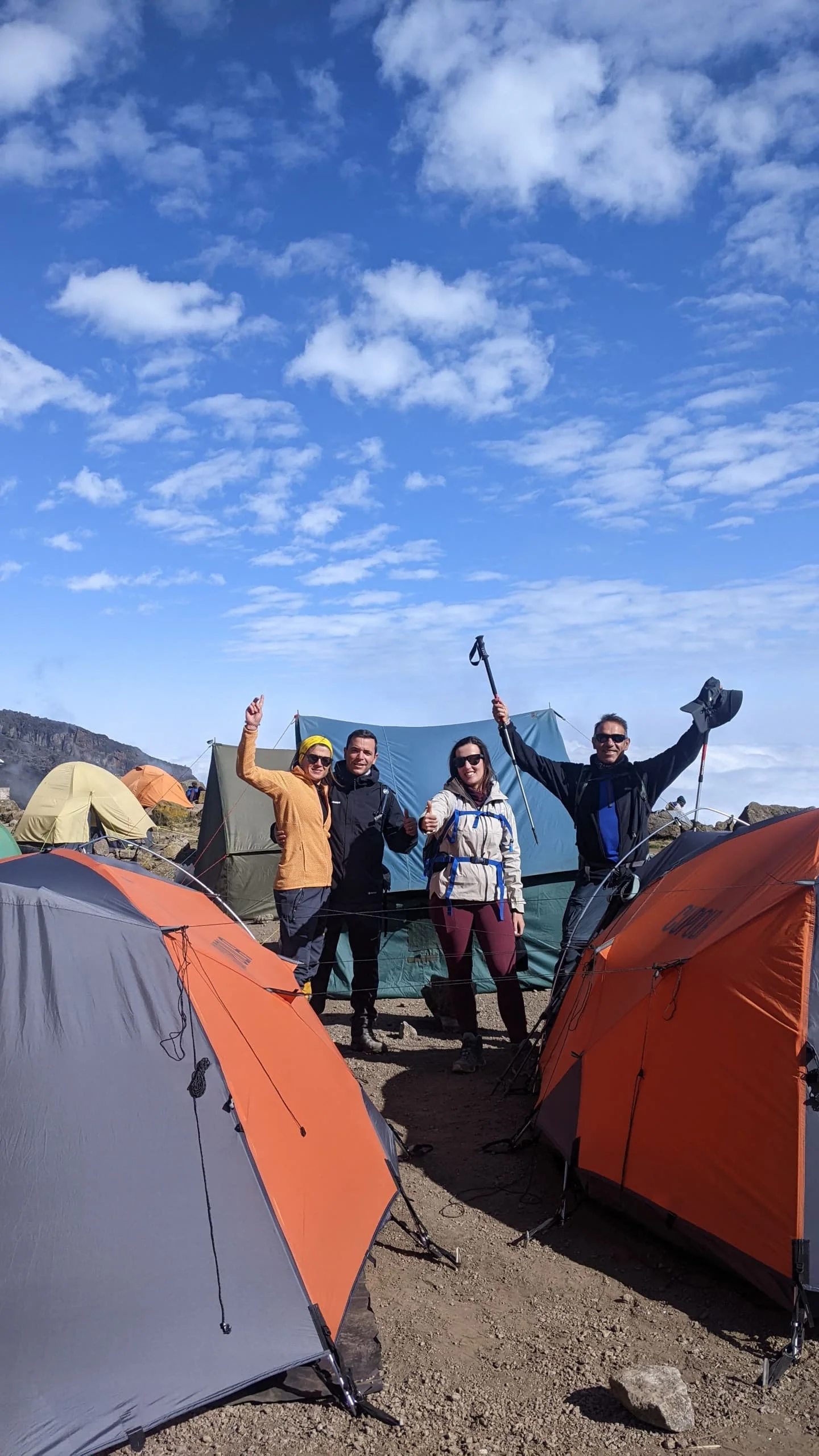
A supported climb brings trail days and camp life together. Confirm the camp service and crew plan before booking.
Do you also need porters and a cook?
The guide rule and the size of a support crew are separate questions. Do not assume that a guide-only or porter-free booking is available just because you can carry your own bag. Ask the licensed operator to confirm a compliant plan for your route, food, shelter and group size.
On a typical supported trek, porters move camp gear and supplies. A cook prepares meals. Guides lead guests and manage the climb. The exact team varies with the route and services. A one-guest booking may still need several crew members to run the trip well.
Carrying extra weight is not a useful test of how much you deserve the summit. You still walk each step under your own power. A lighter daypack can leave more energy for the climb and the return. Ask for the guest bag allowance and what you should carry each day.
Can you book a local guide directly?
You can speak with local teams while you plan. The key is that the whole climb follows the park's operator, guide and entry requirements. Hiring a person at a gate is not a substitute for a complete, properly arranged booking.
Ask for the name of the business responsible for your climb and evidence of its current status. Check who will lead, what is included and how payments are recorded. A friendly introduction is a good start, but you also need a clear route, crew, gear and emergency plan.
If someone offers Kilimanjaro without a guide as a special shortcut, ask for current written confirmation from the park. Do not rely on a verbal claim that rules can be bypassed. A low price is only useful when the trip you buy can actually take place as agreed.
Can GPS help you climb Kilimanjaro without a guide?
No. A navigation app does not meet the park's guiding requirement. It can show a line on a map, but it cannot lead the crew or make a sound group decision when a guest is ill. Batteries, cold, cloud and poor signal can also affect what your device can do.
Use your phone as a useful extra. Keep it charged, protect it from rain and carry a power bank if needed. Ask how the mountain team stays in contact when mobile service is weak. Do not plan Kilimanjaro without a guide on the strength of a downloaded track or a story about mountain Wi-Fi.
Save key contacts before you travel. Share your trip plan with someone at home and explain that updates may be brief or delayed. Your guide's instructions take priority over a route suggested by an app.
How does altitude change the planning?
Fitness and altitude tolerance are different. The CDC Yellow Book's altitude guidance explains that training does not prevent altitude illness. The rate of ascent and time spent adjusting matter. Good preparation therefore includes a suitable ascent plan, not just strong legs.
Ask for the sleeping altitude on each night and where the route gives time to adjust. Count mountain days separately from hotel and transfer days. An eight-day holiday may contain fewer days on the mountain than the name first suggests.
Talk with a travel-health clinician before the trip, especially if you have a health condition or take regular medicine. Discuss whether preventive medicine is appropriate for you. Do not copy a fellow guest's prescription or see medicine as permission to push on through symptoms.
Wanting to climb Kilimanjaro without a guide can come from a wish to control your own pace. On a guided climb, you should still speak up about pace, rest and how you feel. An honest daily conversation is part of the trip.
What should you do if you feel unwell?
Tell your guide promptly about a new headache, nausea, dizziness or unusual fatigue. Do not hide symptoms to protect your summit attempt. CDC advice for travellers at altitude says people with altitude illness should not go higher while symptoms remain. Worsening symptoms at rest call for descent.
Confusion, loss of balance or breathlessness at rest can signal a serious emergency. Alert the guide at once and seek urgent descent and medical help. Do not wait for a scheduled evening check or try to continue toward the summit. Follow the trained team's emergency instructions.
A turn-back is a valid outcome. A good plan gives it space, without shame or pressure. Agree before the trek that health decisions come first. Reaching the gate in good health matters more than reaching a sign at the top.
What emergency support should you ask about?
Ask for specifics, not a general claim that rescue is included. The CDC's advice on African climbing trips recommends checking that guides can recognise and respond to altitude illness. Find out what training, kit and procedures the assigned crew uses.
What current first-aid and altitude training does the lead guide have?
How does the team assess guests, and who makes descent decisions?
What emergency oxygen and first-aid supplies will the crew carry?
How will the crew call for help if mobile coverage is weak?
How will an unwell guest descend, and who stays with them?
Which rescue, treatment and extra hotel costs could fall to the guest?
Do not assume a helicopter can reach every camp at any time. Weather, location and service limits affect what help is possible. A park rescue fee is not the same as a promise that every evacuation or medical bill is paid.
What insurance should cover a Kilimanjaro climb?
Ask your insurer to confirm cover in writing for your exact route and summit altitude. Check trekking limits, medical care, search and rescue, evacuation and repatriation. Also check exclusions for existing conditions and any rules about guided climbs.
A general holiday policy may have a lower altitude limit than your trek needs. Any separate entry insurance should not be assumed to replace specialist mountain cover. Compare the actual wording with your climb plan before you pay.
Carry the policy details and assistance contact in a form you can use offline. Give the planner the information needed for an emergency. If you are comparing Kilimanjaro without a guide with a guided trip, remember that an unapproved activity may also fall outside policy terms.
How do you choose a route and enough mountain days?
Compare daily stages, sleeping heights, terrain and shelter. A famous route name alone tells you little about the pace. Ask for a day-by-day plan and discuss where it is demanding. The shortest schedule is not automatically the best value for your body or your experience.
Lemosho Route: discuss an eight-day mountain plan if you have time for a longer camping trek.
Machame Route: compare a seven-day plan and ask about steep ground, camp stages and the descent.
Marangu Route: consider a six-day hut-based plan with an extra day at Horombo.
Other routes: ask about their starting height, number of days and fit for your experience.
TANAPA confirms that Marangu uses huts, while other main routes use designated tented camps. Huts do not make the summit low or the climb easy. Nor does a longer route guarantee a summit. The right plan gives you a sensible framework and room to act on how you feel.
How can you keep the cost fair?
Looking for Kilimanjaro without a guide is often a search for a cheaper trip. A better comparison starts with the total quote. Park charges, crew pay, meals, transfers and gear all serve different needs. Removing a required guide is not a normal budget option.
Compare like with like: use the same route, mountain days and group size.
Check park charges: confirm the current fees, taxes and how they appear in the price.
Check the crew: ask about guiding, cooking, carrying and fair working conditions.
Check equipment: distinguish included camp gear from personal items or rentals.
Check extra costs: allow for insurance, tips, visa costs, flights and extra nights where relevant.
Check changes: read the terms for illness, cancellation, an early descent or a delayed arrival.
If budget is tight, ask about a suitable shared departure or simpler hotel nights. Do not cut time needed for the ascent merely to add an optional beach stay. You can adjust the wider holiday while keeping the mountain plan sound.
Why does fair porter treatment matter?
Your mountain experience depends on people who work in tough conditions. Ask about wages, meals, shelter, warm clothing, load checks and help for an injured crew member. Tips should add to fair pay, rather than replace it.
The Kilimanjaro Porters Assistance Project's responsible travel programme provides a useful reference for porter treatment. If a company claims programme membership, check its current status directly. Do not assume every trekking business has the same affiliation.
Respect your bag limit, keep sharp items safely packed and thank the crew by name. Ask for a clear tipping process before the last day. The answer to Kilimanjaro without a guide should lead to a better-supported trip, with care for the people who help make it possible.
What should you prepare before departure?
Build up to regular hill walks with the boots and daypack you plan to use. Include long descents and back-to-back walking days when suitable for your health. Leave time for rest as well as training. The goal is steady endurance and familiar gear.
Check boots, warm layers, waterproofs, gloves and headlamp before travel.
Confirm the sleeping bag rating and which kit can be rented.
Arrange a pre-climb briefing and a full gear check.
Keep essential medicine and irreplaceable items in hand luggage.
Allow time to recover from the flight before starting the trek.
Leave a calm recovery night after the descent before a tight onward plan.
A climb has simple comforts. Nights can be cold, bathrooms basic and clothes damp. Ask what your chosen service includes. A warm hotel before and after the trek is welcome, but no luxury label removes the physical work or altitude risk.
Compare guided routes, crew plans and a clear climb quote with TanzaLux Safaris.
Sample packages: guided ways to climb Kilimanjaro
These sample packages show ways to plan a guided trip. They are ideas for a tailored quote, not confirmed departures or summit promises. Dates, camp stages, permits, prices and crew services must be agreed before booking. The mountain team may change the plan for health, weather or park requirements.
Package 1: 10-day private Lemosho escape
Day 1: arrive, transfer to your pre-climb hotel and meet the team for a briefing and gear check.
Days 2–9: take an eight-day guided Lemosho Route climb. Follow the agreed camp plan, with a summit attempt only if conditions and health allow.
Day 9 after descent: return to the hotel for a shower, meal and rest.
Day 10: depart or begin a separately arranged holiday extension.
This nine-night outline has seven mountain camping nights and two hotel nights. It suits guests who want their own dates and more time on the mountain. If you first searched for Kilimanjaro without a guide to find freedom, a private Lemosho plan is worth discussing.
Request an eight-day private Lemosho climb with pre- and post-trek hotel stays.
Package 2: 9-day guided Machame journey
Day 1: arrive and settle into your hotel. Review the route and check all personal gear.
Days 2–8: follow a seven-day Machame Route plan with the agreed mountain crew and camping service.
Day 8 after descent: travel back to the hotel and rest.
Day 9: depart, or add a recovery day before further travel.
This eight-night outline includes six mountain camping nights and two hotel nights. Ask how each stage fits your experience and needs. A guided private booking, or a suitable shared departure if available, gives a lawful alternative to Kilimanjaro without a guide.
Ask for a seven-day Machame climb and a full list of included services.
Package 3: 12-day Marangu climb and northern safari
Day 1: arrive, meet your team and stay at a pre-climb hotel.
Days 2–7: take a six-day guided Marangu Route climb, including an extra night at Horombo. Use the agreed hut plan.
Day 7 after descent: return to the hotel for a restful night.
Day 8: keep a recovery day before transferring toward the safari start.
Day 9: visit Tarangire and stay near the next park on your route.
Day 10: take a Ngorongoro Crater game drive, subject to permits.
Day 11: visit Lake Manyara, then return to Arusha.
Day 12: depart or continue to a separately arranged Zanzibar stay.
This eleven-night idea combines five mountain hut nights with six hotel or lodge nights. Huts may be shared, and this schedule is not right for every climber. Discuss a longer mountain option if needed. Do not shorten the ascent just to preserve the safari dates.
Build a guided Marangu climb with recovery time and a private northern safari.
Why travel with TanzaLux Safaris?
TanzaLux Safaris is Tanzanian-owned and based in Arusha. We shape trips around your dates, budget, pace and interests. Our planning can bring Kilimanjaro, a wildlife safari and Zanzibar into one holiday, with clear links between each stage.
If you are weighing Kilimanjaro without a guide against a supported trip, tell us what you want to change. You may want fewer guests, more time for photos or a clearer cost breakdown. We can discuss a guided plan that fits those priorities within park rules.
Ask us to set out the route, mountain days, responsible operating team, crew arrangements and included services in your proposal. Share your walking experience and comfort needs early. That helps shape a trip you can assess in detail, rather than buy on a vague promise.
We can also plan the days around the mountain. A quiet arrival, time for the gear check and a recovery stay make the wider journey feel less rushed. The right choice is a well-prepared climb with realistic expectations, not Kilimanjaro without a guide.
Start planning your guided Kilimanjaro climb with TanzaLux Safaris.
Frequently asked questions
1. Can I climb Kilimanjaro without a guide?
No. Standard visitor climbs must follow the park's guided-climb requirements. Book through a licensed operator with the required mountain guide. Being fit, carrying a map or paying an entry fee does not remove that requirement.
2. Can I travel to Kilimanjaro alone?
Yes. You can travel as one guest and arrange a private guided climb. You can also ask about suitable shared departures. Travelling alone to Tanzania is different from walking alone on the mountain.
3. Is a private climb the same as an unguided climb?
No. A private climb has your own guest party and an agreed guide and crew. You may share trails and camps with other teams. Private dates and a tailored pace still sit within park rules and health decisions.
4. Can an experienced mountaineer climb Kilimanjaro without a guide?
Experience does not exempt a normal visitor from the guide rule. It helps with preparation and trail skills, but altitude can affect strong hikers too. Discuss your background so the team can help choose a suitable route.
5. Do I need a large group to book?
No. A private climb can be arranged for one guest, subject to the operator's services and availability. Ask for the full price for your party size. A small guest party may still need several crew members.
6. Can I hire a guide at the park gate?
Arrange the whole climb in advance through a properly licensed team. A last-minute guide hire alone does not settle permits, camps, food, gear or crew needs. Get the full plan and inclusions in writing before you travel.
7. Is climbing Kilimanjaro without a guide cheaper?
It is not a permitted standard visitor option, so it is not a valid package comparison. Compare guided quotes with the same route, days and services. Ask about a suitable shared departure or simpler hotel stays if cost is a concern.
8. Must I hire a fixed number of porters?
Do not assume one universal crew number fits every trek. Staffing depends on the route, party and services, within current requirements. Ask the operator to explain the agreed crew and load plan. A guide requirement alone does not answer every staffing question.
9. Can I carry all my own gear?
Discuss any self-carrying request before booking. It must fit a compliant, workable climb plan and should not reduce essential support. Carrying more weight can add strain. Most guests on supported trips carry a daypack with items needed during the walk.
10. Do I need ropes or technical climbing skills?
Standard trekking routes are generally walking routes rather than technical mountaineering climbs. They can still involve steep, rough ground and very demanding days. Ask about the terrain on your exact route. Nontechnical does not mean low risk or easy.
11. How many days should I allow?
Compare the actual mountain plan, including sleeping heights and time to adjust. Common options to discuss include eight days on Lemosho or seven on Machame. Add arrival and recovery time. No number of days guarantees a summit.
12. Can I climb Kilimanjaro without a guide on Marangu?
No. Huts change the sleeping arrangement, not the guide requirement. Marangu is still a high-altitude trek. Ask about a six-day plan with an extra day at Horombo and discuss whether the ascent profile suits you.
13. Does fitness prevent altitude sickness?
No. Fitness helps you handle walking, but it does not prevent altitude illness. Choose a sensible ascent plan and report symptoms early. A clinician can advise on your health and whether preventive medicine is suitable.
14. What if I feel sick during the climb?
Tell the guide at once. Do not ascend with altitude illness symptoms. Worsening symptoms or serious signs need prompt action, which may include urgent descent and medical help. Never hide how you feel to keep a summit attempt alive.
15. Is helicopter rescue guaranteed?
No. Weather, location, service limits and other factors can affect rescue. Ask how the team would help a guest descend and call for support. Confirm what costs your insurance covers rather than assume a park rescue fee pays everything.
16. Can internet or GPS replace the guide?
No. Devices do not meet the guide requirement or replace a trained team's judgement. Signal and power can also fail. Keep useful contacts offline and ask how the crew communicates when mobile coverage is weak.
17. Can I turn back before the summit?
Yes. You should be able to stop or descend when health or conditions require it. Ask how the team handles this and who stays with you. Extra costs and refund terms should be clear before booking.
18. What should a guided climb quote include?
Look for the route, mountain days, park charges, crew services, camp or hut arrangements, food, water and transfers. Check hotel nights and gear hire separately. Also clarify insurance, tips and early-descent costs that may be outside the price.
19. How do I check porter welfare claims?
Ask about wages, loads, meals, shelter, clothing and injury support. Check any claimed responsible-travel affiliation directly with the programme. Keep within your guest bag limit and ask how tips are shared. Good working conditions should be part of the plan.
20. Can TanzaLux combine my climb with a safari?
Yes. We can discuss a tailored climb, recovery days and a safari or Zanzibar stay. Share your full travel window and priorities. If you began by searching for Kilimanjaro without a guide, ask how a private guided plan can offer the freedom you want.
Ready to start planning?
Tell us your dates and what you're after — no obligation.