5.0 Excellent

5 Top Tips: Preparing for Kilimanjaro Trekking
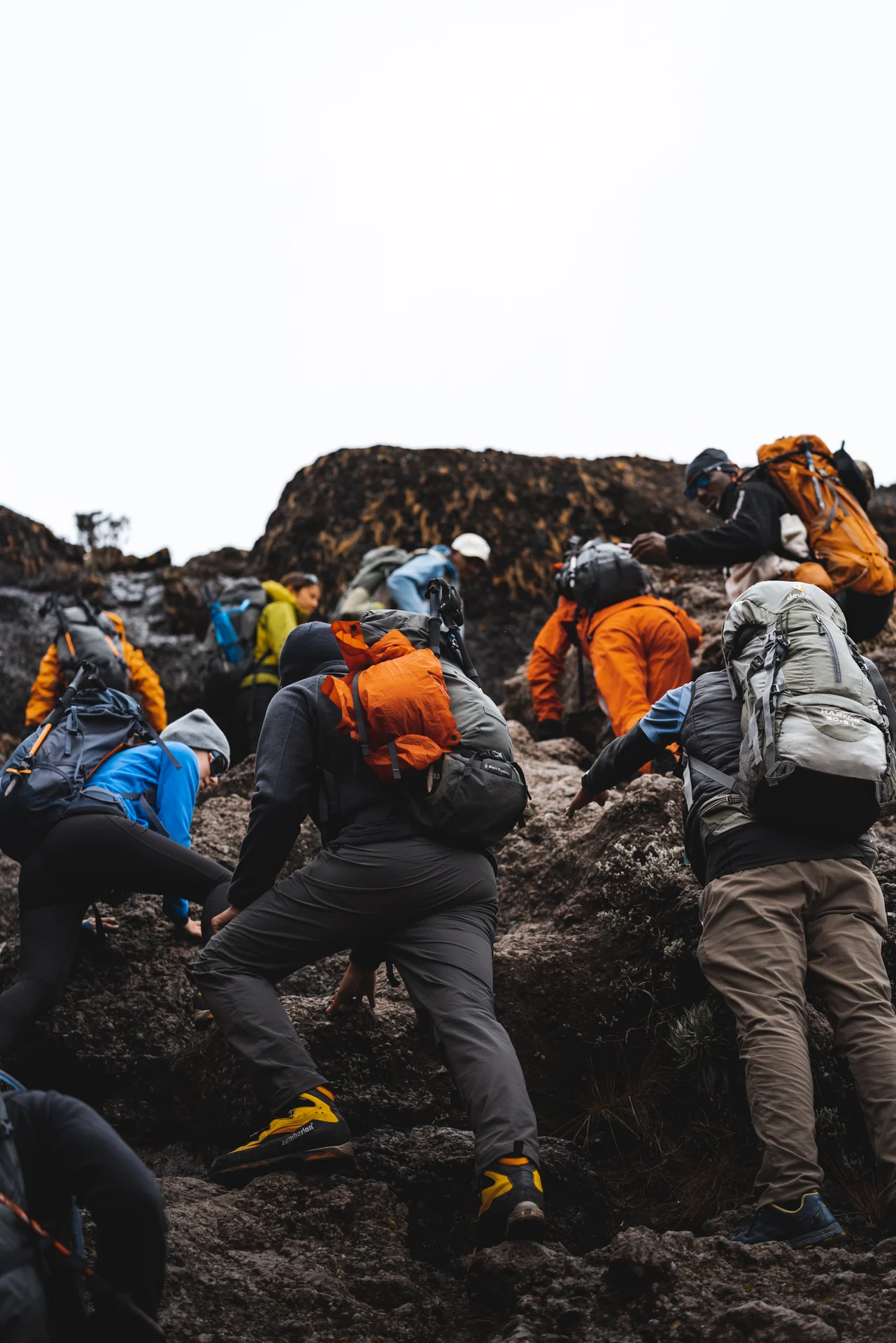
Kilimanjaro trekking starts long before you reach the park gate. A good plan brings together enough time on the mountain, steady training, tested gear, clear health advice, and sound trip logistics. Each part helps you feel more prepared for the days ahead.
The goal is to enjoy the journey and return safely, with the summit as a hope rather than a promise. Uhuru Peak stands at 5,895 metres. Cold, thin air, rough ground, and long days make this a serious mountain trip, even when a route does not require technical climbing skills in normal conditions.
This Kilimanjaro preparation guide sets out five practical tips. You will find a kit checklist, questions for your operator, sample trip ideas, and answers to common concerns. Use it to shape your plans with TanzaLux Safaris and discuss your own health needs with a clinician familiar with high altitude.
1. Give Kilimanjaro trekking enough time and respect the altitude
Choose the ascent plan before you choose the shortest price. Extra time can give your body more chance to adjust to altitude. The route name alone does not show how fast you will gain height. Ask to see the daily walking stages and the height of each overnight camp. Ask about steep ground and any scrambling sections too.
The British Mountaineering Council's Kilimanjaro guide favours longer plans over rushed ascents. Compare seven- to nine-day mountain options where suitable, rather than assuming a five-day climb is the best starting point. More days can help, but they cannot remove the risk of altitude illness.
Compare the actual ascent profile
Altitude acclimatisation means the body's adjustment to lower oxygen availability at height. The CDC Yellow Book stresses gradual ascent. Once above 3,000 metres, its general guidance limits sleeping-height gain to about 500 metres per night, with extra time to adjust.
Many Kilimanjaro trekking plans rise faster than general altitude guidance. Review the camp heights and your history with an altitude-informed clinician. A spare day in Arusha or Moshi is useful for rest and gear checks, but it is not a substitute for time spent adjusting at higher elevation.
Learn when to stop, report symptoms, and descend
Tell your guide promptly about a headache, nausea, dizziness, unusual fatigue, or loss of appetite after ascent. Do not hide symptoms to keep a summit plan on schedule. Stay at the same height rather than climb higher while symptoms of altitude illness remain.
The NHS altitude sickness guide identifies confusion, loss of balance, severe drowsiness, and breathlessness at rest as urgent warning signs. Alert the guide, stop ascending, and seek urgent descent and medical help. If symptoms worsen at the same height, descent is needed. Never send an unwell trekker down alone.
A strong Kilimanjaro trekking plan makes room for turning back. A summit photo is not worth ignoring illness. Ask before booking how the team responds if one guest needs to descend and the rest of the group remains on the route.
2. Build fitness for Kilimanjaro trekking, including descent
Train for hours on your feet, rather than just a fast effort in the gym. Regular walks and hikes help you learn your pace, test your boots, and notice how you recover. Build gradually from your current level and leave room for rest.
Kilimanjaro training should include uphill and downhill walking where you can do it safely. The descent is a major part of the trip. A long day going down can feel very different from a short, steep climb up.
Use a balanced approach
REI's hiking training guide covers endurance, strength, balance, and aerobic fitness. A coach can adapt these elements to your health, experience, and available time. There is no single programme that makes every person ready for Kilimanjaro trekking.
Time on feet: take regular walks and work towards longer hikes.
Hills: practise steady climbs and controlled descents.
Strength: include suitable leg and core work with good form.
Balance: learn to move calmly over uneven ground.
Recovery: keep rest days and ease off when your body needs it.
Start with a light pack, then build towards the daypack load you expect to carry. Do not train with an extreme load just to prove that you can. Ask your operator which items you will carry each day and which go in the crew-carried bag.
Use practice hikes as gear checks
On a longer walk, test socks, laces, poles, rain gear, and pack fit. Can you reach your water without unpacking? Does the hip belt rub? Can you pull on a shell while wearing your usual layers?
Keep a short note after each walk. Record what felt good, where you had pain, and what needs adjusting. Change one thing at a time. Arrive rested rather than trying to gain fitness through a hard last-minute push.
Keep fitness and altitude risk separate
Fitness can help with the physical work of Kilimanjaro trekking. It does not make you immune to altitude illness. The CDC's traveller guidance explains why ascent and health history need attention. A fit guest still needs a careful ascent plan and an honest response to symptoms.
Do not use a good running time as proof that you can climb faster. Keep to the guide's pace and report how you feel. A previous high-altitude trip without illness also does not guarantee the same response on a new trip.
3. Test your Kilimanjaro trekking gear before departure
Pack for changing conditions, not for one forecast. Lower slopes can feel damp and warm, while higher camps and the summit approach can be very cold. Wind and rain can change the feel of a day quickly.
Ask TanzaLux for the current Kilimanjaro packing list and a clear list of supplied gear. Check rental options before you fly. The exact items, sizes, condition, and fees need confirmation, especially for sleeping kit and warm outer layers.
Use layers you can change with ease
A base layer, an insulating layer, and a shell let you adapt as you move and stop. Add suitable cold-weather insulation for higher sections. Check that the shell fits over the layers beneath it without making movement awkward.
The BMC's clothing and packing guidance explains the role of waterproofs, insulation, and dry bags. For this mountain, confirm the full cold-weather kit with your operator. A casual rain jacket and everyday clothes are not a complete summit setup.
Clothing: walking layers, warm insulation, waterproof jacket and trousers.
Head and hands: sun hat, warm hat, neck cover, and suitable gloves or mittens.
Feet: tested trekking boots and socks, plus suitable camp footwear.
Sleep: a sleeping bag with a confirmed comfort rating and suitable mat arrangements.
Trail kit: headlamp, spare power, poles if used, and water containers.
Personal care: sun protection, hygiene supplies, and prescribed medicines.
Dry storage: liners or dry bags for sleep kit, spare clothes, and key items.
Give boots and feet special care
Wear your planned boots on several walks, including descents. Check toe room with the socks you will use. A boot that feels fine on flat ground may rub or press on toes during a long walk down.
Deal with rubbing early during practice, rather than hoping it will vanish on the mountain. Ask a qualified fitter if the boots remain painful. Test your poles too, including how to shorten them and stow them without slowing the group.
Pack for the part of the day you cannot access your main bag
During Kilimanjaro trekking, your main bag may reach camp by a different schedule from you. Keep water, a snack, rain gear, a warm layer, sun protection, and essential personal medicine in your daypack. Confirm the crew bag weight limit before packing.
At home, try finding each key item with cold hands or gloves on. Test the headlamp in the dark. Put small items in the same place each time so you do not have to empty the pack on a wet trail.
4. Plan health, food, and water for Kilimanjaro trekking
Book a travel-health visit well before departure. Bring the route, camp heights, total days, and details of your health and medicines. Ask about altitude risk, routine travel health, and whether any medicine is suitable for you. Do not copy another trekker's prescription or dose.
Kilimanjaro trekking reaches remote high ground, where help can take time. Share relevant medical information with the team through an appropriate private channel. Make sure you know how to explain symptoms to your guide and how to reach the insurer if care is needed.
Eat familiar food and discuss dietary needs early
Tell the planner about allergies, food restrictions, and any health needs affecting meals. Ask what can be provided on the mountain and how it is handled. Do not assume that every diet can be met without notice or that food is free from cross-contact.
Try trail snacks during training. A small, familiar snack may be more useful than a new supplement that upsets your stomach. The UIAA's mountaineering nutrition guidance discusses how altitude can affect eating and energy needs.
Drink sensibly and confirm water treatment
Ask how drinking water will be treated, how often it will be available, and what containers you need. Keep water easy to reach. Discuss a plan suited to your health, the weather, and the day's effort.
Do not force large volumes to meet an arbitrary target. Excess fluid can be harmful, and extra water does not prevent altitude illness. The Wilderness Medical Society's guidance on exercise-related low sodium addresses the risk of overdrinking. Tell the guide if you cannot drink or keep fluids down.
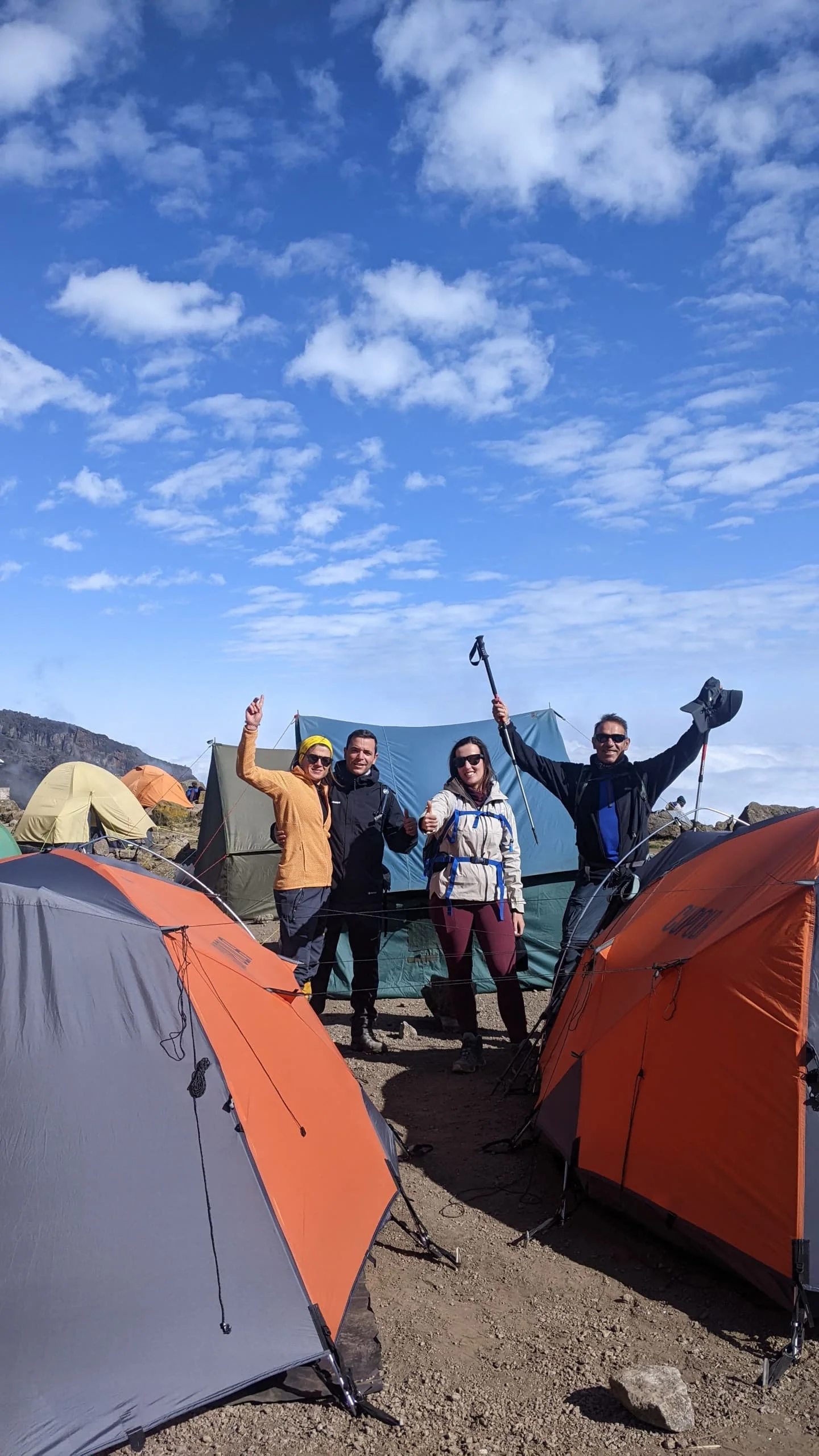
Use time at camp to rest, check your kit, and share how you feel with the guide.
Make camp routines simple
On arrival, change damp layers when needed and keep dry clothes protected. Check tomorrow's kit before dark. Put your headlamp and essential items where you can find them without a search.
Tell the guide about poor sleep, appetite changes, or feeling unwell. Do not assume every problem is just tiredness. Good daily habits support comfort, while the team assesses symptoms and decides whether the plan needs to change.
5. Confirm the team, trip details, and your turn-back plan
Clear arrangements are part of Kilimanjaro trekking preparation. Ask who runs the climb, how the guides are trained, and what emergency equipment and communication systems are available. Request specific answers rather than relying on a broad claim that a trek is “fully supported.”
TANAPA's visitor guide requires climbs through a licensed operator and sets out mountain rules. A guided trip still depends on weather, health, and sound decisions. Agree that the guide's safety decisions take priority over a summit target.
Ask about support and crew welfare
Who leads the trek, and what altitude-response and first-aid training do they hold?
What happens if one guest must descend early?
Which communication tools and emergency supplies are carried?
How are evacuation and medical costs handled?
What are the arrangements for crew pay, food, loads, shelter, and equipment?
What is the tipping process, and which costs are outside the quote?
The Kilimanjaro Responsible Trekking Organization provides resources on porter welfare and responsible travel. Ask for current evidence of any membership or monitoring claim.
Check insurance against the actual climb
Ask the insurer to confirm in writing that your policy covers trekking to 5,895 metres on your chosen route. Check rescue, evacuation, medical treatment, repatriation, exclusions, and declared medical conditions. A park rescue fee or a basic travel policy is not proof that all these costs are covered.
Keep the emergency number and policy details available offline. Check who can contact the insurer and what authorisation is needed. A helicopter should never be assumed: terrain, weather, access, availability, and the case itself can affect rescue options.
Leave time around the climb
Allow an arrival and gear-check buffer before the park start. Build in rest after descent, especially before a long flight or a safari. Ask where spare luggage can be stored and what happens if your main flight is delayed.
Prepare your mindset too. Focus on the next safe stage, not only the summit sign. A decision to turn back can be the right result of good judgement. Kilimanjaro trekking should end with everyone supported through the descent as well as the ascent.
Ask TanzaLux for a clear climb proposal covering the route, crew, gear, and support arrangements.
A practical Kilimanjaro trekking preparation timeline
Start as early as your fitness and plans require. The outline below is a planning aid, not a fixed training prescription. Adjust it with appropriate professional advice if you have an injury, health condition, or little hiking experience.
Well before booking: compare mountain days, camp heights, costs, and insurance options.
In the months before travel: build regular walking, arrange health advice, and test boots and layers.
Several weeks before: confirm rentals, dietary needs, crew support, and arrival transfers.
In the final week: check documents, pack from the agreed list, and arrive rested.
At the briefing: review weather, water, symptoms, bags, and the next day's plan.
Keep one written list of open questions. Mark each item when the team confirms it. This small habit makes Kilimanjaro trekking feel more manageable and helps prevent rushed purchases at the last minute.
Sample Kilimanjaro packages to tailor with TanzaLux Safaris
These are sample trip frameworks for discussion, not fixed departures or promises of summit success. Ask TanzaLux to confirm route availability, camps, mountain days, supplied equipment, and every inclusion. Hotel nights do not count as days of high-altitude acclimatisation.
11-day Lemosho Journey: eight mountain days with a pre-climb buffer
Day 1: Arrive and transfer to the agreed hotel.
Day 2: Rest, meet the team, review the route, and check gear.
Days 3–10: Follow a confirmed eight-day Lemosho route plan, including ascent, any summit attempt if safe, and descent.
Day 11: Depart or add a recovery night before onward travel.
This framework allows space to check equipment before the trek. The exact camp sequence and sleeping heights need review. More time is helpful, but eight mountain days still do not guarantee that you will adjust well to altitude.
Request an eight-day Lemosho climb with arrival nights and a clear camp-by-camp plan.
10-day Machame Journey: seven mountain days plus arrival time
Day 1: Arrive and settle into your hotel.
Day 2: Complete the briefing and gear checks.
Days 3–9: Follow a confirmed seven-day Machame route itinerary, including descent.
Day 10: Depart if timing and recovery allow, or stay longer.
Ask about terrain, the daily height gains, and whether this ascent profile suits your history. A longer alternative may be more appropriate. Compare the written itinerary rather than choosing on the route's reputation alone.
Discuss a Machame trek and compare its mountain stages with longer route options.
14-day Kilimanjaro and Northern Tanzania Safari
Day 1: Arrive and transfer to your hotel.
Day 2: Rest, briefing, and equipment check.
Days 3–10: Complete the planned eight mountain days on Lemosho, subject to safe progress.
Day 11: Rest after descent.
Day 12: Drive to Tarangire for wildlife viewing and an overnight stay.
Day 13: Take a planned Ngorongoro Crater outing, then return to Arusha.
Day 14: Transfer for departure.
Use a Karatu-area overnight after Tarangire if that best fits the crater drive. Confirm road times and keep the safari flexible if you need more rest. Add days rather than forcing a busy extension after a hard descent.
Combine a thoughtfully paced climb with a private Tanzania safari and time to recover.
Why travel with TanzaLux Safaris?
TanzaLux Safaris is Tanzanian-owned and based in Arusha. Its team plans around your dates, interests, comfort, and budget. You can discuss Kilimanjaro trekking alongside hotel stays, transfers, and a safari extension with one planning team.
Ask for a proposal that separates mountain days from hotel and travel days. Review guide arrangements, meals, gear, park fees, and exclusions in writing. This helps you compare options on what they actually provide.
Share relevant experience and concerns early. A local planning conversation can help you identify which questions still need an answer, from rental sizes to recovery nights. Medical advice comes from a suitable clinician, and mountain decisions rest with the qualified team on the ground.
Kilimanjaro trekking is most rewarding when expectations are clear. Train steadily, pack tested kit, respect altitude, and stay open to the guide's decisions. Reaching home safely is the outcome that makes every other memory possible.
Contact TanzaLux Safaris to build a personal Kilimanjaro plan and request a detailed quotation.
Frequently asked questions
1. How should I start preparing for Kilimanjaro trekking?
Begin with route length, camp heights, health advice, and your current fitness. Then build regular walking and test your gear. Keep a list of open questions for your operator rather than leaving key decisions until arrival.
2. Is Kilimanjaro suitable for a first high-altitude trek?
It can be considered by first-time high-altitude trekkers, but it is a serious undertaking. Assess your health and hiking experience, choose a suitable ascent plan, and understand the risks. A beginner label does not make the mountain easy.
3. How many mountain days should I consider?
Compare longer options, often seven to nine days, with the actual sleeping heights. More days may allow more time to adjust. Even a longer plan can rise quickly and cannot guarantee protection from altitude illness.
4. Do hotel nights count as acclimatisation days?
Rest and gear checks before a climb are useful. Low-elevation hotel nights are not equivalent to time spent adjusting at high altitude. Ask the planner to separate arrival nights, mountain days, and recovery nights in the proposal.
5. How much fitness do I need?
You need preparation for repeated long days on rough ground, including descent. Requirements vary with your baseline health and experience. Seek a suitable training plan, build gradually, and avoid treating a single gym result as a readiness test.
6. Will running alone prepare me for Kilimanjaro trekking?
Running can support general fitness, but hiking adds different demands. Include time on feet, hills, pack use, and tested footwear where suitable. Practise controlled descents and leave room for recovery in your plan.
7. Does being very fit prevent altitude sickness?
No. Fitness helps with effort but does not provide immunity. Ascent profile and individual response still matter. Keep to the guide's pace and report symptoms even if you normally feel strong on hills.
8. What symptoms should I tell the guide about?
Report headache, nausea, dizziness, unusual fatigue, appetite loss, or other new illness promptly. Do not climb higher with symptoms of altitude illness. A guide should know about changes early, before a minor problem becomes more serious.
9. Which symptoms need urgent help?
Confusion, loss of balance, severe drowsiness, or breathlessness at rest are urgent warning signs. Alert the guide immediately and seek urgent descent and medical care. An unwell person must not be left to descend alone.
10. Should I take altitude medicine?
Discuss this with a clinician familiar with altitude and your medical history. Do not use another person's prescription or assume medication makes a fast ascent safe. Get a personal plan before departure, including what to do if illness develops.
11. Can I drink extra water to prevent altitude illness?
No. Water does not replace gradual ascent or a response to symptoms. Maintain sensible hydration without forcing excessive amounts. Ask how water is treated and supplied, and report trouble drinking or keeping fluids down.
12. What boots should I take?
Take well-fitting trekking boots suited to the agreed kit list. Test them with your socks on longer walks and descents. Resolve rubbing and toe pressure early; new boots used for the first time on arrival are a poor plan.
13. Do I need warm clothes near the equator?
Yes. Height and weather make the mountain very different from nearby low ground. Pack proper insulation and rain protection, with a suitable sleep system. Confirm cold-weather requirements with your operator rather than relying on a town forecast.
14. Can I rent equipment?
Ask TanzaLux which items and sizes can be arranged, their condition, and the fees. Reserve important items ahead of travel. Check rentals at the briefing and leave time to resolve any poor fit or missing piece.
15. What belongs in my daypack?
Carry the day's water, snacks, rain gear, a warm layer, sun protection, and essential personal medicine. Add the items your guide specifies. Keep the load manageable and remember that your main bag may not be accessible until camp.
16. Can I climb without a guide?
No. TANAPA requires climbs through a licensed operator. Stay on the marked route, follow guide and ranger instructions, and keep to the agreed group arrangements. Independent solo trekking is not permitted under the cited park guidance.
17. Is Marangu the same as a camping route?
No. TANAPA describes Marangu as using alpine huts, while other main trekking routes use designated tented camps. Huts do not remove altitude risk. Compare ascent profiles and support, not only the type of bed.
18. What insurance should I check for Kilimanjaro trekking?
Get written confirmation for trekking to 5,895 metres and your route. Check rescue, evacuation, medical care, repatriation, and exclusions. A park fee or a general policy title is not proof that the required cover is in place.
19. Can I add a safari after the climb?
Yes, a safari can be discussed as an extension. Allow recovery time and keep the first outing realistic. If you are unwell or need further rest, the plan may need to change before any onward activity.
20. Can TanzaLux guarantee a Kilimanjaro summit?
No summit should be guaranteed. Weather, altitude response, health, and conditions shape the outcome. Ask TanzaLux for a clear plan, prepare well, and accept a turn-back decision when the mountain team judges it necessary.
Ready to start planning?
Tell us your dates and what you're after — no obligation.