5.0 Excellent
Mkomazi National Park: Tanzania’s Best-Kept Safari Secret
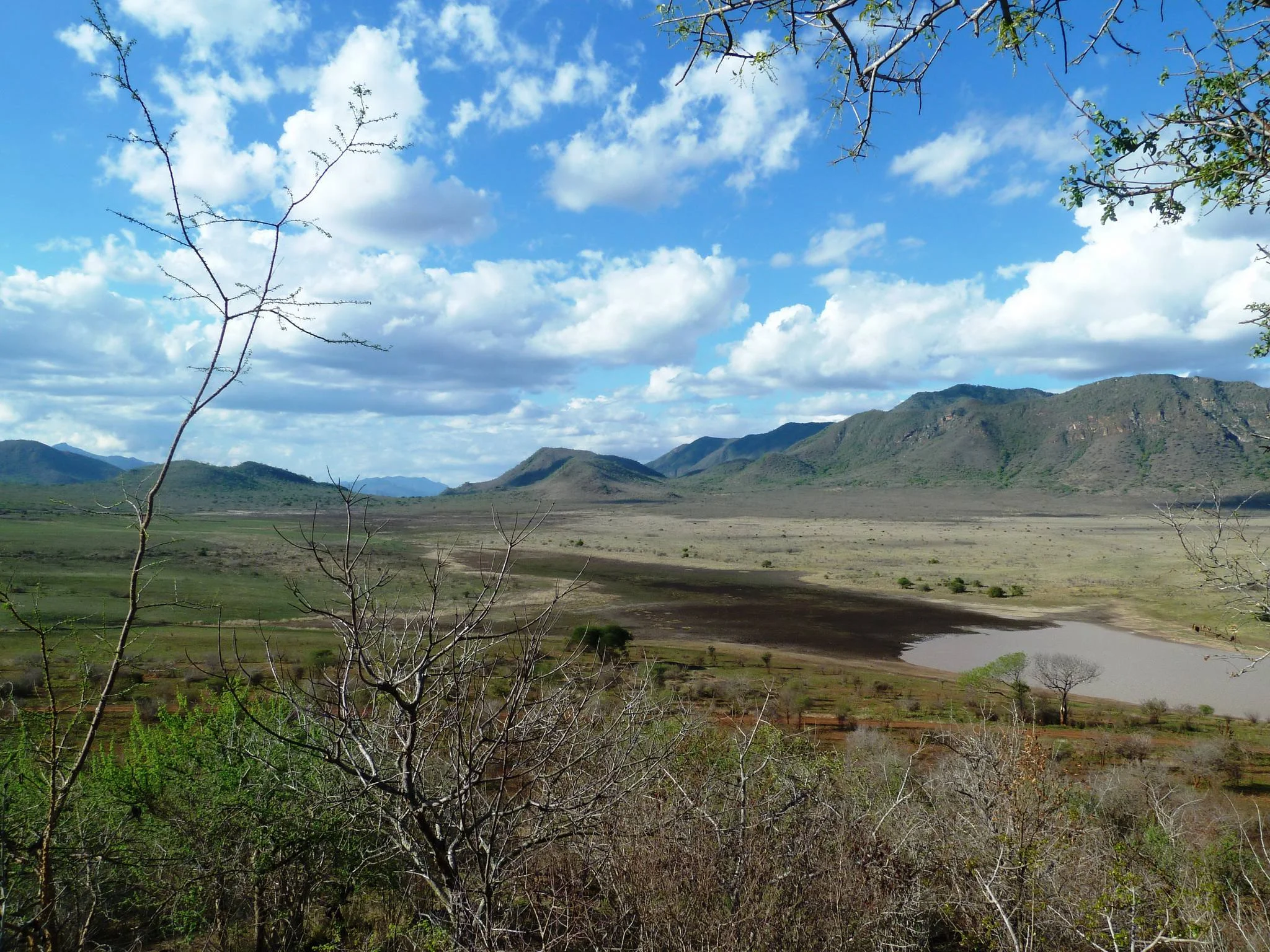
Mkomazi National Park offers a safari shaped by open space, dry bush, and a strong story of wildlife care. It suits guests who want time to look, listen, and learn. Come for more than a list of big animals. Come to see how a wild place works.
A good trip here starts with a clear plan. This guide covers what to look for, how to arrange a rhino visit, and when to travel. It also helps you choose a route, a place to stay, and the right pace for your group.
Where is Mkomazi National Park?
The park lies in northeastern Tanzania beside Kenya’s Tsavo West National Park.
The Tanzania Tourist Board places it within the Kilimanjaro and Tanga regions. Its dry landscape includes thorn bush, baobabs, and rocky hills. See the official destination guide for an overview of the park and its setting.
TANAPA’s park brochure gives an area of 3,245 square kilometers and dates national park status to 2008. It names the Pare and Usambara mountains as part of the backdrop. A view of Kilimanjaro depends on clear weather. Read the TANAPA Mkomazi brochure for this background.
Its position makes route planning worth some thought. It is a separate stop from the well-known parks farther west. Decide how many days you want here before adding more parks. A map can make several stops look close when a real day on the road is long.
Why choose Mkomazi National Park for a safari?
Choose it for dry-country wildlife, wide views, and time to learn about conservation.
The appeal is in the whole scene. You may watch a herd move through pale grass, spot a bird on a thorn tree, or pause at a broad view. These small moments are part of the safari. They deserve as much time as a large animal sighting.
This can be a good fit for a second safari or a guest with a strong interest in nature. It can also work for a first trip if your expectations are clear. Avoid judging a day only by how many species you saw. Light, tracks, bird calls, and the guide’s stories all add to the experience.
Give yourself time to watch rather than rush.
Tell your guide if birds or unusual antelope interest you.
Include a planned rhino activity if that is a main goal.
Keep some space in the day for rest and quiet stops.
Choose the route for your interests, not just for a famous name.
What wildlife can you see in Mkomazi National Park?
The park supports plains animals, dry-country antelope, and large predators.
TANAPA’s parks quick reference guide lists elephant, buffalo, lion, leopard, zebra, oryx, gerenuk, and kudu among its wildlife. It also highlights black rhinos in a protected sanctuary. A species list shows what lives here; it does not promise what you will see.
How should you watch wildlife?
Let the guide set the pace and keep a safe distance.
Take a moment before reaching for a camera. Watch where the animal is going and how the group reacts. A long, calm view can tell you more than a quick close-up. Ask your guide to explain what you are seeing without pushing for a closer approach.
Look across the full landscape. Scan the shade below trees as well as the open plains. Give smaller animals time too. Once you slow down, a game drive becomes a series of clues rather than a race from one sighting to the next.
Can you expect the Big Five?
Do not plan the trip as a guaranteed Big Five checklist.
Rhino viewing is a managed activity, while other sightings depend on where animals are on the day. Predators may be hard to find. If a particular species matters to you, say so before booking. Your planner can explain the best route and the limits of each option.
How does rhino viewing in Mkomazi National Park work?
Arrange rhino viewing as a distinct activity with confirmed access and costs.
The park’s protected rhino areas are part of its conservation story. Ask which visitor facility your booking includes. Find out whether a ranger or special vehicle is needed. Confirm the time, duration, and any fee beyond general park entry.
Save the Rhino explains that Mkomazi’s Eastern black rhino work involves breeding, habitat assessment, and careful monitoring. Its rhino management article shows why protection is only one part of recovery. The long-term work also needs healthy animals and enough suitable space.
Ask for the exact rhino activity in the written itinerary.
Check whether the fee is included in the quote.
Follow the ranger’s rules for distance and photography.
Ask about age limits and access needs before travel.
Let the staff decide where and how viewing takes place.
Use the visit to ask thoughtful questions. How is an animal monitored? What makes good habitat? How does the team plan for the future? You will gain more from the day when you understand the work behind the sighting.
Can you see African wild dogs?
Treat wild dog viewing as a possibility that needs a clear explanation.
TANAPA’s park prospectus describes Mkomazi as a refuge for black rhinos and African wild dogs. The park’s link to conservation does not mean every guest will see a free-ranging pack on a normal drive.
Ask whether a proposed activity is a game drive or a visit linked to a managed program. Ask which parts are open to guests on your dates. These are different experiences. A clear answer helps you decide whether the visit fits your interests.
A sighting should never come at the cost of disturbing an animal. Do not ask a guide to chase a pack or use bait. Enjoy what the day offers. The chance to learn about a species can be valuable even when it stays out of view.
Is Mkomazi National Park good for birdwatching?
Yes, it is a strong choice for guests who want dedicated time for birds.
TANAPA’s prospectus reports more than 450 bird species. The Tourist Board lists birds such as ostrich, kori bustard, secretary bird, and vulturine guineafowl. Ask for a guide who enjoys birding and can help you keep a useful list.
You do not need to be an expert. Start with shape, size, call, and where the bird sits. Is it on the ground, in a tree, or in flight? Write down a few traits before checking a field guide. Those notes help you learn from each sighting.
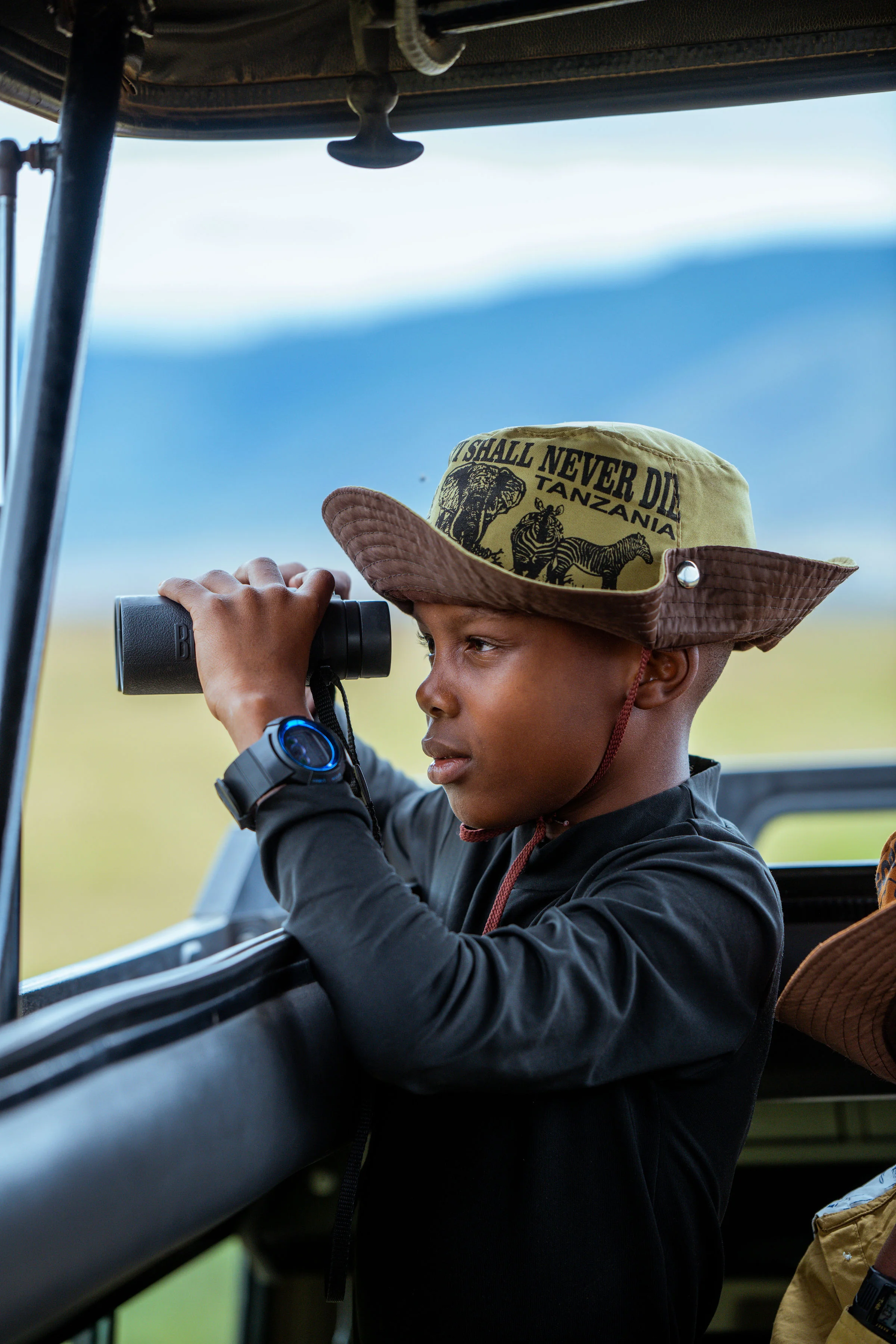
Bring binoculars that are comfortable to use for long periods.
Keep a small notebook or a simple offline bird list.
Ask for stops where it is safe and allowed.
Leave room in the day for patient scanning.
Let your guide know if birding is your main focus.
For a mixed group, agree on the balance before the drive. Some guests may want a long bird stop while others want to keep moving. A few planned pauses can make the day enjoyable for everyone.
When is the best time to visit Mkomazi National Park?
Late June to October is the main dry-season window highlighted by the Tourist Board.
Its destination guide describes thinner vegetation and animals gathering near water during that period. November to May is the wetter part of the year. Use these as broad seasonal patterns. Rain can vary, and the route should reflect conditions close to your travel date.
How do you choose between dry and greener months?
Choose the season around your interests and your comfort on the road.
If clear views of game are your main goal, start by asking about a dry-season trip. If you love changing light and green scenes, discuss the wetter months with your guide. Ask which tracks are likely to be usable and how the day may change after rain.
A flexible plan helps in any season. Keep a spare layer for the morning and water for warm hours. Leave space for a change of route. A good safari adapts to the weather rather than trying to force every item on a fixed list.
How do you reach Mkomazi National Park?
Plan the road approach through Same, or ask about a charter if it suits your budget.
TANAPA’s brochure places Zange gate about six kilometers from Same. It gives a road distance of about 202 kilometers from Arusha and names Kisima Airstrip for charter access. These figures help with planning, but they are not door-to-door travel times.
Ask your operator to include the hotel pickup, road transfer, gate process, and final drive to camp. Check the actual start and finish points. A transfer to a park gate is different from a transfer to a lodge inside the park.
For a charter, confirm the airstrip, flight schedule, baggage limits, and vehicle pickup. Do not assume a scheduled flight is available just because an airstrip exists. Get the whole connection confirmed before making other plans around it.
How many days should you spend in Mkomazi National Park?
Two nights can give you a more relaxed visit than a rushed day trip.
This is a planning suggestion, not a rule. The right length depends on where you start and what you hope to do. A guest already near Same has a different day from one leaving Arusha. Count travel hours as part of the trip.
With more time, you can split a drive, a rhino activity, and birding across separate sessions. You can also rest during the warm part of the day. If you only have one day, choose the most important activity and keep the route simple.
A sample three-day Mkomazi National Park visit
Use this outline as a starting point for a custom itinerary.
Day 1: Travel and settle in. Reach your chosen base, have lunch, and take a short drive if timing allows.
Day 2: Make wildlife the focus. Plan a morning outing and a confirmed rhino activity, with a break between them.
Day 3: Enjoy a final look. Add birding or a short drive, then leave with enough time for your next stop.
Your guide may change the order to suit access, weather, and animal activity. Confirm meal times and check-in arrangements as well. Avoid a tight flight connection straight after a long park transfer.
Where can you stay for Mkomazi National Park?
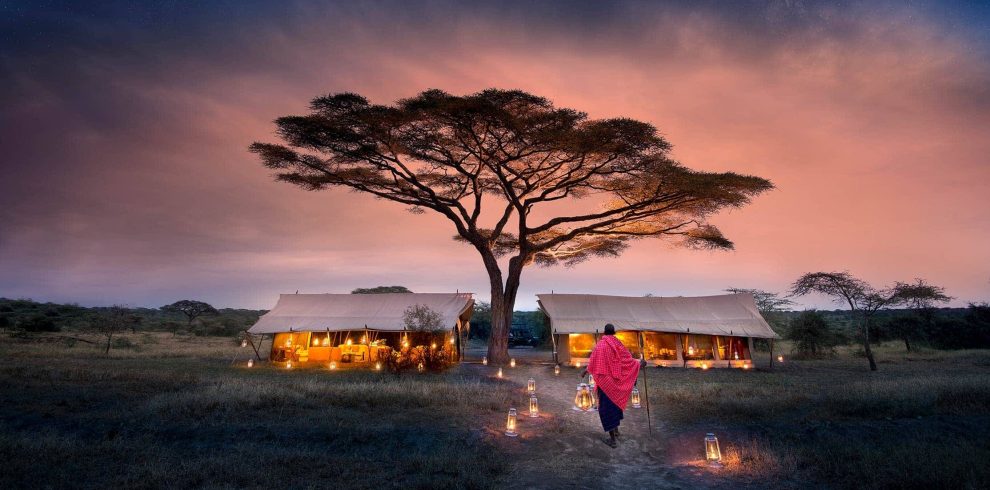
Choose between a park-based stay and a base outside the gate.
TANAPA has publicized accommodation at Zange, near the park headquarters. Its Zange accommodation notice is useful background. Ask the park or your operator for current availability, facilities, and rates before treating an older notice as a booking offer.
A base inside the park may reduce the time needed to start a game drive. A stay outside may suit your road route or budget. Compare the whole day, not just the room rate. Include the gate journey, meals, and any repeat entry costs that apply.
Confirm whether the bathroom is private or shared.
Ask about power, charging hours, and hot water.
Check meal times and any dietary needs.
Ask how far the room is from the day’s activity.
Confirm steps, paths, and access if mobility is a concern.
For camping, ask what gear and staff are included.
Let your planner know which comforts matter most. A simple room can be a fine choice when you know what to expect. A remote stay is easier to enjoy when practical details are settled in advance.
What should your Mkomazi National Park safari budget include?
Ask for a full quote that separates the main trip costs from optional activities.
A low headline rate may not include the parts you most want. Request the price for your dates and group. Park charges can depend on age, residency, vehicle, and activity. Confirm the current rules through Tanzania National Parks or your operator.
Park entry and the permits needed for your route.
Vehicle, guide, fuel, and road transfers.
Rhino viewing and any ranger-led activity.
Rooms or camping, meals, and drinking water.
Taxes and any stated booking charges.
Extra nights, charter flights, and optional extensions.
Ask what happens if weather or access changes the plan. Check cancellation terms and payment dates. Keep tips, personal purchases, and other excluded costs in a separate budget. A clear quote lets you focus on the safari once you arrive.
What should you pack?
Pack light, with useful layers and the gear you will use each day.
A soft bag is easy to fit in a safari vehicle. Keep the items you need on a drive in a small day bag. Put dust-sensitive gear in a cover. Ask your operator about luggage space before bringing large cases.
Light clothes in calm, muted colors.
A warm layer for cool mornings.
A hat, sunglasses, and sun protection.
Closed shoes and a light rain layer.
Binoculars, a camera, spare batteries, and memory cards.
A reusable water bottle and a small torch.
Personal essentials and copies of travel documents.
Download maps and useful notes before the trip. Ask your lodge about charging points and mobile coverage. Keep an offline copy of the itinerary. Leave some room in your bag so you can find things without unpacking it all.
How can you take better photos in Mkomazi National Park?
Give yourself time, steady the camera, and work with the light you have.
Ask for a pause when the vehicle can stop safely. Frame the scene before taking many shots. A wide view can show the landscape that makes the park special. A close view can show detail. Try both rather than using the longest lens for every frame.
Keep spare batteries within reach and protect the camera from dust. Turn off flash around wildlife. Ask the guide where photography is restricted. At a rhino facility, follow the staff’s directions even if that limits the angle you hoped to use.
Do not trade distance for a picture. A longer lens is more useful than pressure to approach an animal. Put the camera down sometimes too. The best memory of a safari may be a quiet moment you never photographed.
Is Mkomazi National Park suitable for families?
It can suit families when the drives and activities fit the children’s ages.
Plan shorter sessions, meal breaks, and time to rest. Ask about age rules for special activities. Tell your guide what the children enjoy. A simple task, such as spotting three bird shapes, can help them engage with the day.
Confirm room layout, vehicle seating, and the daily schedule before booking. Adults should explain the rules for staying in the vehicle and keeping quiet near animals. Keep snacks and water easy to reach. Leave space for a change of pace if someone gets tired.
How can you travel responsibly?
Follow park rules and put wildlife welfare ahead of a closer view.
TANAPA’s brochure tells guests not to feed animals, litter, disturb wildlife, or damage plants. Follow your guide’s directions about permitted tracks and stops. Never leave the vehicle without clear permission in a safe, approved place.
Conservation also involves people. Save the Rhino’s Rafiki wa Faru article describes an education program that brought local pupils into the park to learn about rhinos and habitat. It shows why local understanding matters alongside protection.
Ask permission before photographing people during a nearby community visit. Agree on the visit’s purpose and cost in advance. Buy local goods with respect for the maker’s time and skill. A thoughtful guest adds value through how they travel.
How can you combine Mkomazi National Park with a longer trip?
Build the route around enough nights and realistic travel time.
A Moshi or Kilimanjaro-area stay can be a useful starting point to discuss. If you want the main northern parks too, allow extra days for the journey west. Explore ideas for Arusha National Park, Tarangire, and Ngorongoro Crater.
For a Serengeti extension, ask for a route that gives you enough game-viewing time after the transfer. Avoid trying to link every park into one short trip. Fewer stops with more time can offer a richer safari.
Plan your Mkomazi National Park safari with TanzaLux Safaris
Share your dates, group size, and main interests to start a tailored plan.
Tell TanzaLux Safaris whether rhinos, birds, photography, or a slower pace matter most. Mention your preferred room style and the amount of driving you enjoy. Ask for the rhino activity and all transfers to be clearly shown in the itinerary.
Before you book, check the final quote, daily plan, and included costs. Confirm any special access for your dates. Then arrive ready to enjoy the park on its own terms: wide views, patient wildlife watching, and time to learn.
Frequently asked questions: 20 answers for your safari
1. Where is Mkomazi National Park?
It is in northeastern Tanzania, beside Kenya’s Tsavo West National Park. Plan the exact gate and overnight base with your operator. The drive to a camp may take longer than the drive to the park entrance.
2. What makes Mkomazi National Park special?
Its dry-country landscape, wildlife, and conservation story give it a distinct character. It suits guests who like patient watching. A rhino activity can add depth when access is confirmed in advance.
3. How large is the park?
TANAPA’s brochure lists 3,245 square kilometers. You will explore only part of that area on a short visit. Let your guide choose a route suited to the day rather than trying to cover the whole park.
4. Can I see black rhinos?
Ask for a confirmed rhino-viewing activity. It should show the facility, timing, and cost in your itinerary. Follow ranger directions during the visit and avoid treating a normal game drive as the same experience.
5. Are wild dog sightings guaranteed?
No. Ask whether the proposed visit concerns wild animals on a game drive or a managed program. Access and sightings are different questions. Get a clear explanation before making wild dogs the main reason for your trip.
6. Can I see all of the Big Five?
Do not expect a guaranteed checklist. A species can live in the park without being seen on your visit. Discuss your main wildlife goals with the planner and allow enough time for a varied experience.
7. Is Mkomazi National Park good for birds?
Yes. TANAPA reports more than 450 bird species. Request a guide with a strong interest in birds. Bring binoculars and leave enough time for slow stops rather than adding birding only at the end of a drive.
8. What is the best season to visit?
The Tourist Board highlights late June to October for dry-season viewing. Weather still varies from year to year. Ask about recent conditions and choose the wider itinerary around your interests.
9. Can I visit in the wetter months?
Discuss a wetter-season trip with your operator. Ask which roads and activities are expected to be usable. Keep the plan flexible and allow for changes if rain affects access.
10. How do I reach Mkomazi National Park?
Road access through Same is a key option to discuss. Charter access may also suit some trips. Confirm the whole transfer to your camp, not just the arrival at the gate or airstrip.
11. Is a day trip enough?
It can work if you start nearby and keep the plan focused. A long transfer can leave little time for wildlife. Compare the full day with a one-night or two-night stay before deciding.
12. How many nights should I book?
Two nights are a useful starting point for an unhurried visit. Add time if birds or photography are a priority. The best length depends on your starting point, daily pace, and confirmed activities.
13. Can I stay in or near the park?
Ask about current park-based rooms, camping, and nearby stays. Compare location, meals, facilities, and transfer time. Availability and services should be checked for your exact dates.
14. Are walks available?
TANAPA has listed walking and hiking activities in park information. Confirm current availability, ranger arrangements, age limits, and costs. Do not treat a walk as included unless it appears in your final booking.
15. What does a safari cost?
The total depends on dates, group size, rooms, transport, and activities. Ask for an itemized quote. Confirm whether park fees, rhino viewing, meals, and taxes are included.
16. Is Mkomazi National Park suitable for children?
It can be, with a plan matched to their ages. Keep drives manageable and confirm any activity limits. Share room and seating needs with your planner before booking.
17. What should I bring on a drive?
Carry water, a hat, a light layer, binoculars, and your camera essentials. Keep them in a small bag within reach. Ask the guide what else is useful for the day’s route.
18. Will I see Mount Kilimanjaro?
A view depends on weather and your position in the park. Clear skies help, but no trip should promise a mountain view. Enjoy the nearer landscape even when cloud hides the peak.
19. Can I combine the park with Serengeti?
Yes, if your trip has enough time for the route. Ask how much travel is involved and how many park nights remain. A well-paced extension is more rewarding than a rushed sequence of stops.
20. How do I plan with TanzaLux Safaris?
Share your dates, budget range, group details, and main wildlife goals. Ask for a written itinerary with confirmed activities and clear costs. Your plan should leave time to enjoy the park as well as reach it.
Ready to start planning?
Tell us your dates and what you're after — no obligation.