5.0 Excellent
Mikumi National Park Safari: Tanzania’s Hidden Wildlife Treasure
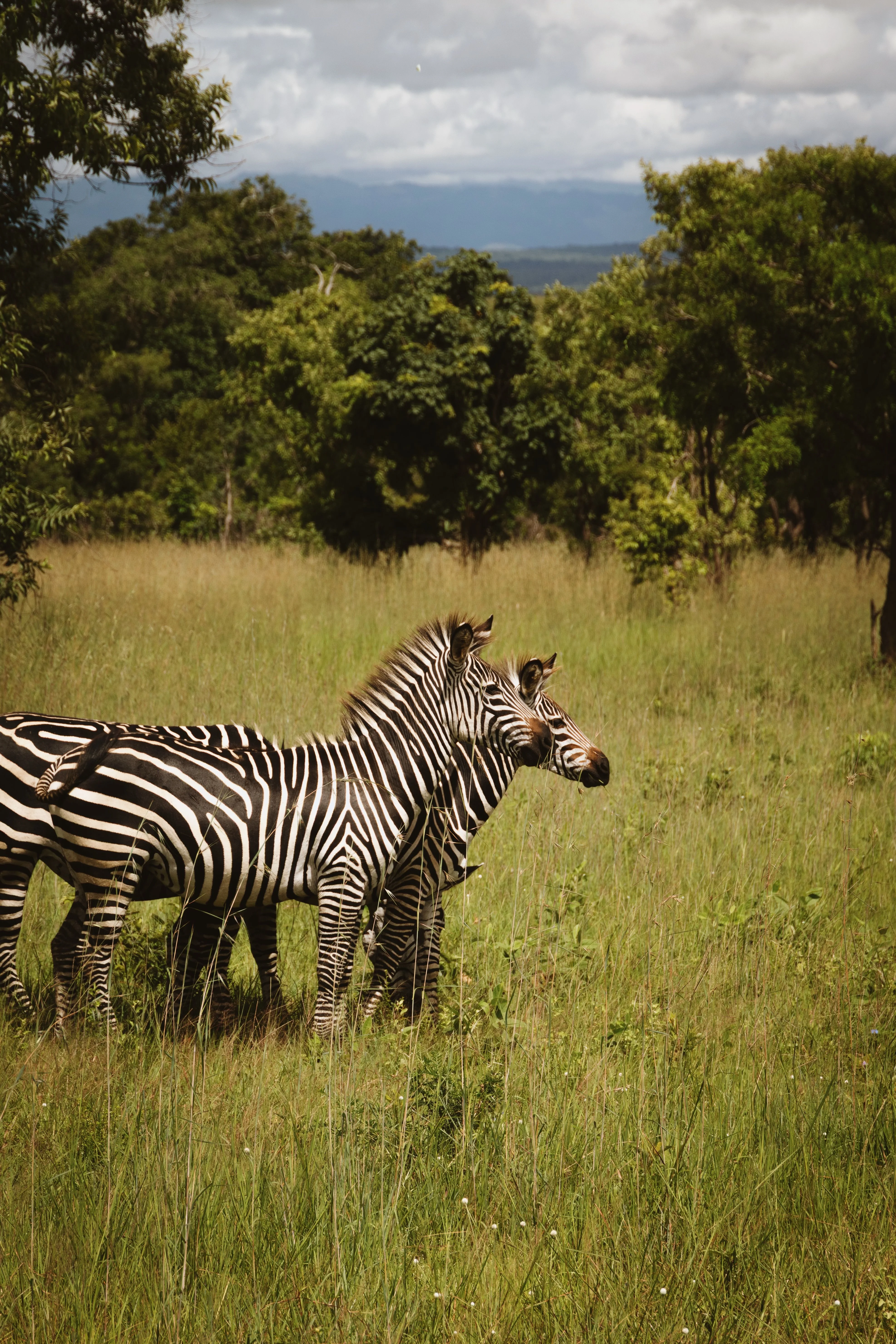
A Mikumi National Park safari brings you into a landscape of open grassland, broad skies, and wild animals. Elephants, giraffes, buffalo, zebra, and lions form part of the park’s wildlife story. Its road links with Dar es Salaam and Morogoro make it a useful choice for a short mainland trip.
The heart of the experience is the Mkata floodplain. Here, a distant herd can become a scene worth watching for half an hour. A giraffe feeds against a tree-lined horizon. Birds move through the grass. Your guide helps you see the small details between the big sightings.
Mikumi deserves more than a rushed stop on a long road journey. Give it enough time, choose a well-placed base, and arrive with realistic hopes. Wild animals move freely, so sightings are never guaranteed. This detailed guide explains how to plan the trip, what to look for, and how to enjoy the park responsibly. You will also find 20 FAQs at the bottom.
Why choose a Mikumi National Park safari?
Choose Mikumi for a classic wildlife trip that fits a route from Tanzania’s coast or Morogoro. Its open scenery can make a first safari easier to follow.
You do not need to know every animal name to enjoy the day. A good guide can explain what you see as you go. Ask why a herd is moving or why a bird stays near the water. That turns a drive into a deeper wildlife experience.
The park can suit couples, families, birders, and guests with a few days on the mainland. It can also form part of a longer southern route. The right plan depends on your time, budget, and preferred pace. A short trip should still leave room for breaks and patient viewing.
Avoid choosing it only because someone calls it empty or undiscovered. Busy periods and popular sightings can draw several vehicles. The appeal is the park’s own landscape and wildlife, rather than a promise of no other visitors.
Where is Mikumi, and what makes its setting important?
Mikumi lies inland from Dar es Salaam, reached by the road through Morogoro. It forms part of a wider southern Tanzanian wildlife landscape.
TANAPA’s park overview describes the links between Mikumi and the greater Nyerere landscape. It also explains the role of the Mkata floodplain, woodland, and nearby mountain ranges. The park is a place to explore in its own right, as well as a base for thinking about a longer route.
An official Mikumi park brochure records its establishment in 1964 and later growth to about 3,230 square kilometres. Those details give context to its scale. Avoid relying on older claims about its rank among Tanzania’s largest parks, since the national park system has changed.
Ecological links do not mean that every visitor route is simple. Two parks can share a wider ecosystem yet require a long transfer between camps. Ask your operator to show the exact roads or flight connections. Judge the plan by travel time and full park days.
What is special about the Mkata floodplain?
The Mkata floodplain gives Mikumi much of its open, wide-horizon character. It is a key setting for game drives and changing seasonal scenes.
TANAPA’s attractions guide highlights the plains, pools, seasonal waterholes, and tree-lined vistas. The nickname “Mini Serengeti” refers to the open scenery. It does not mean that Mikumi offers the Serengeti’s Great Migration or the same wildlife experience.
Take time to look across the scene before focusing on one animal. Notice the height of the grass and the patches of shade. Watch the herd at the edge of the view. A wide landscape photo can tell the story of the park just as well as a close portrait.
Ask your guide how the current season affects the route. A track that works well during dry weather may be less useful after rain. Conditions should shape the day’s drive. A flexible plan helps the guide choose suitable areas without rushing or breaking park rules.
Which animals can you see?
Mikumi supports large grazing animals, predators, hippos, and a rich bird community. Plan to enjoy a range of wildlife rather than a fixed checklist.
TANAPA’s wildlife guide lists elephants, buffalo, zebra, wildebeest, and giraffes on the plains. It also records lions, leopards, and spotted hyenas. Hippos and crocodiles occur around pools and rivers. These are possibilities, not a promise of what one drive will deliver.
Elephants: allow time to watch a group from a safe position. Include the landscape in your view.
Giraffes: look at the full animal and its surroundings. Notice how a feeding scene changes as you wait.
Zebra and wildebeest: watch the whole herd rather than just the nearest face.
Buffalo: view them from the vehicle and respect your guide’s choice of distance.
Lions: scan with your guide and allow patient stops. A quiet resting sighting can still be rewarding.
Leopards and hyenas: welcome a sighting if it comes. Do not build the whole trip around an elusive animal.
The older official park brochure lists four members of the Big Five: lion, leopard, elephant, and buffalo. Mikumi is not a place to book for wild rhino viewing. Even the species that live here may remain hidden on your visit.
The best safari memories often come from behaviour rather than a count. A herd moving through the frame or a bird landing near water may hold your attention. Give your guide room to share that broader story.
How should you enjoy the hippo pools?
View the pools from permitted places and follow your guide’s instructions. They add a different habitat to a day on Mikumi’s plains.
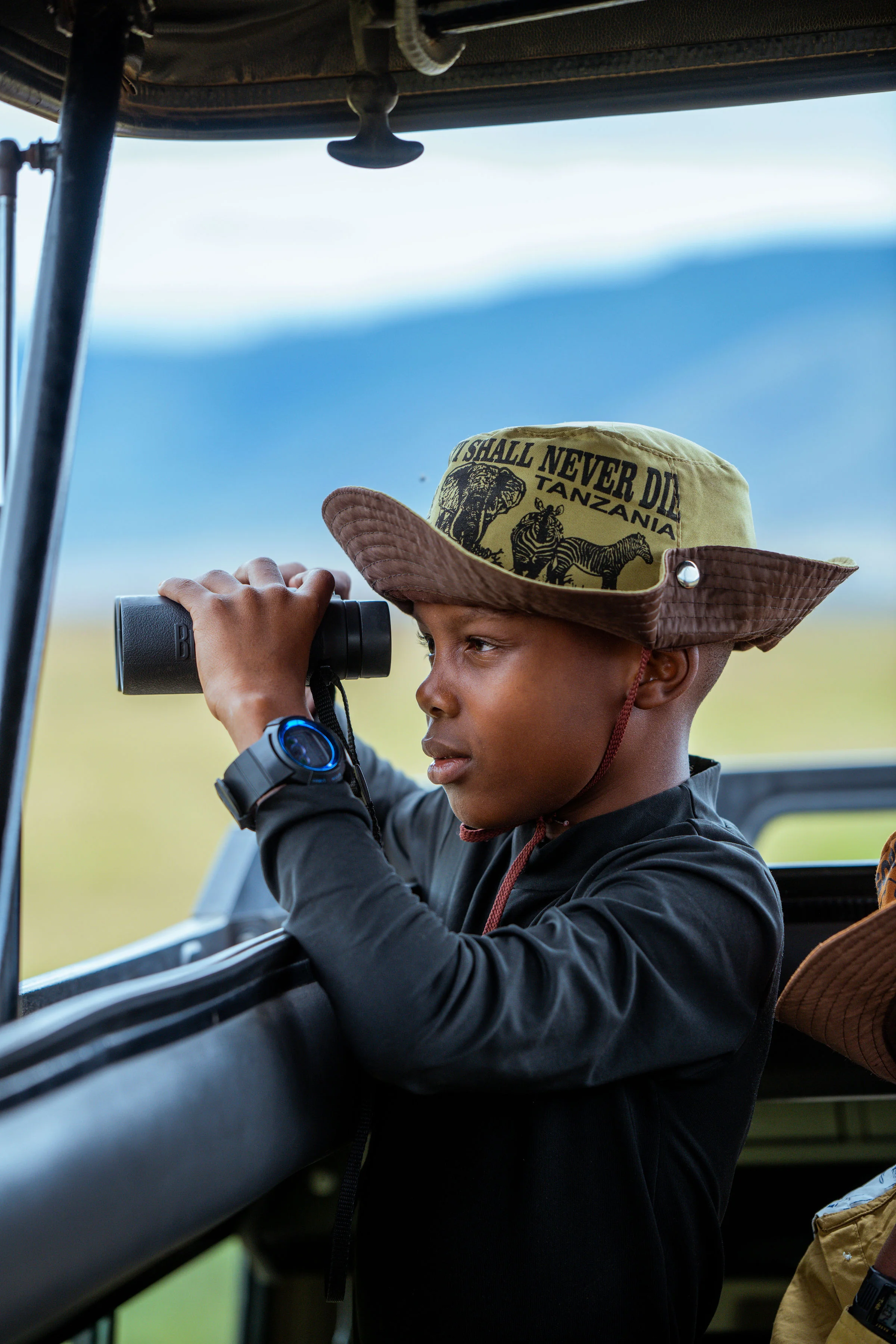
The park’s attractions guide includes hippos, crocodiles, and waterbirds in these areas. Bring binoculars so you can look from a safe distance. Do not approach the water’s edge on foot for a closer photo. A calm-looking scene can still contain dangerous wild animals.
Ask which viewing points are open and suitable that day. Water levels and access can change. If your guide chooses another stop, respect that decision. A route should respond to real conditions rather than an old map or a photo online.
Keep food and rubbish secure at any planned rest stop. Stay within the permitted area. Use the break to look at the wider scene and ask questions. The pool visit should fit smoothly into the drive rather than become a rushed tick on a list.
Is Mikumi good for birdwatching?
Yes. Mikumi’s grassland, woodland, and wetland habitats give birders a varied setting. Bring binoculars and tell the guide that birds are a main interest.
The official wildlife guide reports more than 400 bird species. It names rollers, bee-eaters, eagles, storks, and waterbirds among the groups found here. A park species total is not a target for one visit. Your own list depends on season, habitat, time, and patient observation.
Ask for a pace that allows short, quiet stops. Note the bird’s size, colours, bill, and behaviour. Check the habitat as well as the bird itself. If you cannot identify it, a clear photo or a few notes may help later.
A dedicated birding day can differ from a drive focused on big cats. Share your interests before booking a shared vehicle. If the group has mixed goals, agree on a fair balance. Birding can enrich the whole trip even when it is not the main reason for travel.
When is the best time to visit Mikumi?
June to October is a useful starting point for dry-season wildlife plans. Greener periods offer a different scene, with more attention needed to current track conditions.
TANAPA’s main Mikumi page highlights the dry season for wildlife around water and the green season for birding and dramatic skies. Weather does not follow a fixed timetable each year. Ask about conditions for your exact dates.
Dry-season planning
A dry-season visit can suit travellers who want to focus on game drives. Give the guide time to search suitable areas and stop at worthwhile sightings.
Do not assume dry weather removes every obstacle. Road work, traffic, and local conditions can still affect the journey. Ask how the transfer fits the first drive. Keep drinking water and sun protection easy to reach.
If your dates fall in a busy holiday period, check rooms early. Compare two or three suitable bases rather than waiting for one camp. The best value may come from a better location or an extra night, not just a lower room rate.
Green-season planning
A green-season Mikumi safari can appeal to guests who enjoy fresh scenery and birds. Build flexibility into the route and check which tracks and camps are operating.
TANAPA’s trip planner notes that rain can make some tracks muddy. It recommends checking road conditions and lodge availability. A wet forecast does not mean every day is lost, but it can change the plan.
Pack a light rain layer and a cover for camera gear. Discuss what happens if a planned route is unsuitable. Choose an operator who explains the options clearly. Avoid treating the green season as a guaranteed cheap or crowd-free period.
How do you get to Mikumi?
Road travel through Morogoro is a main way to reach the park. Flights may also be available, but your exact service and transfers need confirmation.
TANAPA’s visitor guide identifies the A7 road and Mikumi airstrip as access options. It gives road times as estimates. Your starting point in Dar es Salaam, traffic, stops, and road conditions can change the journey substantially.
For a road trip, request a pickup time that leaves room for a comfortable day. Ask where you will stop and when lunch is planned. Check whether the first afternoon includes a drive or mainly a transfer. A package called “three days” does not mean three full days inside the park.
For a flight-based trip, confirm the airline, route, dates, and baggage limit. Check who meets you at the airstrip and whether the vehicle is private or shared. Do not assume a daily flight exists because an older page lists air access.
If you start in Zanzibar, plan the island transfer and mainland safari together. Compare a confirmed flight option with a route through Dar es Salaam. Include hotel transfers and connection time. A short safari works best when the whole journey is clear.
Is a day trip enough, or should you stay overnight?
A day trip may fit a tight schedule, but an overnight stay can make the pace easier. Choose by total travel time and useful viewing hours.
A road day trip from Dar es Salaam can involve a long day. Early departure alone does not guarantee a long drive in the park. Think about fatigue, traffic, and the return journey. For many visitors, one or two nights gives a better balance.
A fly-in day trip has different tradeoffs. It may reduce road travel but depends on flight times and weather. Ask what happens if the service changes. Check how much time remains for game viewing after arrival and before departure.
One day: suits guests with little spare time who accept the limits of a short visit.
One night: reduces pressure to return the same day and may allow another drive.
Two nights: can provide a full day between arrival and departure.
Three or more nights: gives more room for birding, repeat drives, and a slower pace.
Look at the actual schedule before booking. Two nights usually create more space, but only the route can show your true park time. A well-planned shorter trip is better than a longer package filled with unnecessary transfers.
A practical three-day Mikumi safari itinerary
Three days and two nights can balance road travel with a full day of wildlife viewing. This sample needs adjustment for your pickup point and camp.
Day 1: travel and settle into the safari
Leave with enough time for the transfer, planned stops, and arrival arrangements. Add an afternoon park drive only if the schedule and gate rules allow it.
Meet your guide and discuss your main interests. Check the next day’s start and meal plan. Do not try to force too much into the first day after a long journey. A calm arrival helps everyone enjoy the next morning.
Day 2: give the park a full day
Use the full day for game drives, patient stops, and planned breaks. Let the guide choose suitable routes based on weather and current wildlife signs.
Discuss whether to carry a picnic or return to the lodge. The right choice depends on its location, your group, and the day’s conditions. Ask for time to view the plains and permitted pool areas. Leave room for birds and smaller details too.
When a good scene appears, wait if the group is comfortable. A long stop can offer more than a quick photo. If there are few large animals in view, use the time to learn about tracks and habitat from the vehicle.
Day 3: depart at a realistic pace
Plan any final drive around the return journey and current entry conditions. Allow a sensible margin for your onward connection.
A lodge outside the park may require another gate entry for a morning drive. Ask whether that is included. Do not squeeze a long transfer into a tight flight connection. If possible, separate the road return from an important international departure.
This plan is a starting point. It is not a guarantee of particular animals or a fixed drive timetable. Your operator should turn it into a clear written route for your dates.
Where should you stay?
Compare bases inside the park, near the gate, and in the surrounding area. Location, comfort, and daily drive time matter as much as the room style.
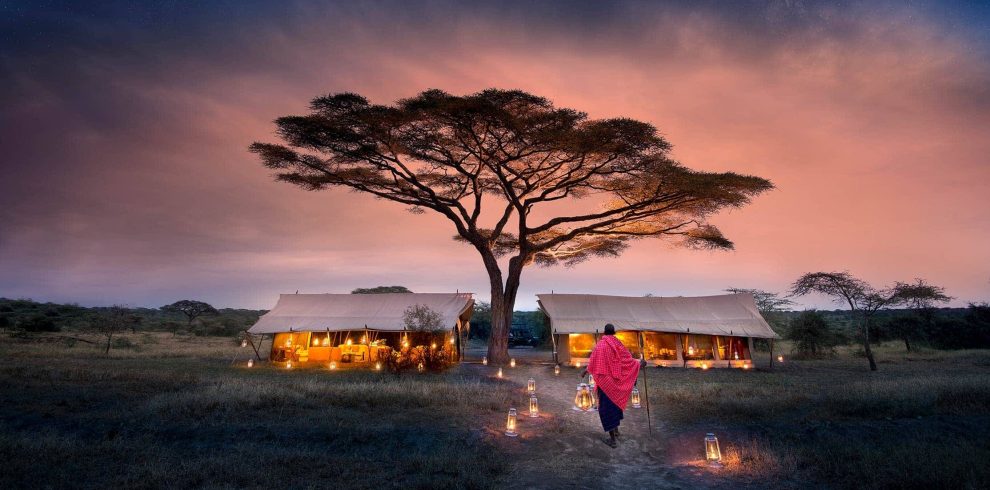
Park guidance lists lodges, tented camps, and campsites among the options. A tented camp can have very different facilities from basic camping. Ask what the label means in practice. Check bathrooms, meals, charging, and the way guests move around after dark.
A base inside the park may reduce some daily gate travel. A stay outside can offer another price or comfort level. Neither is automatically the right choice. Ask how each base affects morning starts, return times, and fees.
For camping, confirm the type of site and exactly what is supplied. Are tents, bedding, drinking water, meals, and wash facilities included? Who sets up camp? What briefing and support do guests receive? A low quote needs enough detail to compare fairly.
For families or guests who need easier access, request practical answers. Check room layout, steps, paths, and vehicle entry. Describe your needs clearly so the operator can match them. Avoid relying on a general claim that every lodge suits every guest.
What does a Mikumi safari cost?
The cost depends on transport, group size, visitor category, stay length, and lodge level. Compare itemised quotes for your exact dates.
Current park fees should come from TANAPA tariffs or your operator’s written quote. An old daily rate may exclude vehicle, campsite, or activity charges. Ask what your price covers and when another charge could apply.
Transport: road transfers or flights, plus any airstrip transfers.
Vehicle and guiding: private or shared use, guest numbers, and agreed drive time.
Park charges: entry and any relevant vehicle or activity fees.
Accommodation: room or tent type, meal basis, and taxes or other charges.
Camping: site charges, equipment, food, and staff where relevant.
Extras: optional walks, drinks, tips, or other excluded services.
Booking terms: deposits, final payment dates, changes, and cancellation conditions.
Compare time in the park as well as the total price. A cheaper package may use a distant base or a crowded vehicle. A more costly lodge may offer comfort without adding viewing time. Choose the balance that fits your goals.
If you want to lower the cost, ask about shared transport or a simpler stay. Flexible dates may create more options. Keep the route manageable. Cutting rest time or overloading a day is rarely a good way to improve the trip.
What activities can you book?
Game drives and birding form the core of many Mikumi trips. Other activities need separate checks for permission, season, staffing, and price.
The official park brochure lists walking safaris and night drives. That is useful context, but it does not prove that an activity runs on every date. Ask your operator to confirm current arrangements with the park. Get any age limits and conditions in writing.
A guided walk is a separate activity with its own briefing. It is not a chance to step out during a normal drive. Ask where the walk takes place, who leads it, and how long it lasts. Choose it only if it fits your group’s interests and needs.
A night drive also needs an authorised arrangement. Staying inside the park does not automatically include one. Check its route, start time, and booking conditions. Keep standard daytime drives as the foundation unless the extra activity is confirmed.
If you want a local community visit, ask how the hosts take part. Confirm the format, price, and consent for photos. A respectful visit should be chosen by the people receiving guests, with clear benefits and room to decline participation.
Can you combine Mikumi with other destinations?
Yes, but each extra stop needs enough time and a workable transfer. Choose combinations for the experience they add rather than the length of the park list.
Udzungwa Mountains for forest and hiking
Udzungwa can add forest trails and waterfalls to a plains safari. It offers a different activity style, so plan it around your walking interests.
TANAPA’s Udzungwa guide highlights Sanje Waterfalls and forest wildlife. Ask about trail conditions, the climb, guide arrangements, and the time needed. Do not treat a forest hike as a drive-based activity that every guest will enjoy equally.
Allow a proper day for the chosen trail and transfer. Pack suitable shoes and a rain layer. Check the route with the operator rather than adding a waterfall stop to an already full day.
Nyerere for a river-focused wildlife experience
Nyerere can add a different southern safari setting. Its river and wetland experiences can complement Mikumi’s open plains.
TANAPA’s Nyerere attractions guide provides a starting point for that choice. Ask which activities your camp actually offers and which are authorised. Plan around the exact camp locations. A wider ecological link is not the same as a short guest transfer.
Ruaha for a longer southern route
Ruaha deserves several nights and careful transport planning. It suits a longer trip more than a hurried addition to a short Mikumi break.
Use TANAPA’s Ruaha visitor guide to discuss road or air access. Ask the operator to show travel days clearly. Preserve enough time at each base so the route still feels like a wildlife holiday.
Zanzibar for a beach stay
A Zanzibar stay can follow or precede the mainland safari. Confirm flights or ferry connections, mainland transfers, and the time between them.
A safari and beach plan should work as one journey. Check who handles each transfer and what happens if a connection changes. Leave room to settle in rather than turning both arrival days into a rush.
How can you make the most of a game drive?
Share your interests, watch patiently, and stay open to unexpected scenes. The guide can plan better when they know what matters to you.
Say whether your priority is birds, photos, big mammals, or a broad first safari. Ask questions without expecting a story behind every movement. A good guide can distinguish a clear observation from a guess. Honest explanations make the trip more rewarding.
Use binoculars for distant animals before asking to move closer. Watch quietly and keep the vehicle’s space shared fairly. At a crowded sighting, respect the guide’s decision to wait or leave. More vehicles do not always make a better experience.
Keep a short journal of places and behaviours you saw. Record a few details each evening. A clear note about the light, landscape, or group can bring the moment back later. Do not judge the trip only by the number of species on a list.
What should you pack?
Pack for time in a vehicle, sun, dust, and changing weather. Keep essentials close at hand and check flight baggage limits if you will fly.
Light, comfortable clothes in muted colours.
A layer for a cool start and a light rain shell.
A hat, sunglasses, and sun protection.
Comfortable shoes for permitted stops or a confirmed walk.
Binoculars and a small notebook.
A camera or phone with spare power and storage.
A dust cover or simple pouch for electronics.
Personal medicines and the documents your operator requests.
Drinking water, or confirmation of how it will be supplied.
Ask a travel health professional about advice for your own trip well before departure. Personal needs differ, so use your dates and route in that discussion. Your guide’s wildlife knowledge is valuable, but it does not replace personal medical advice.
Check what the camp provides before packing bulky items. Confirm charging and plug needs. If you fly, ask about bag type and weight. A smaller, well-organised bag is easier to manage than gear you will not use.
How should you take photos responsibly?
Use good light, a steady camera, and patience. Do not ask the guide to approach too closely or break park rules for a photograph.
Take wide frames to show the plains, then closer views when your lens allows. For moving animals, choose a shutter speed that suits the motion. In dim light, adjust camera sensitivity if needed. Exact settings depend on your camera, lens, and subject.
A phone can record a strong wide scene or a short video. Avoid excessive digital zoom when it loses detail. Keep the device secure and inside the vehicle. Ask before standing at the viewing roof or changing seats.
Do not bait animals, play calls, or make noise to get a reaction. Keep other guests’ views in mind. A calm sighting can offer better photos and a better memory than a forced moment.
What rules protect guests and wildlife?
Follow your guide and ranger instructions throughout the trip. Wildlife is powerful and unpredictable, and a safari cannot remove every risk.
Stay on permitted routes and remain in the vehicle at wildlife sightings. Exit only where your guide confirms that it is allowed. Keep food secure and never feed animals. Follow the camp’s briefing when moving around after dark.
Ask about authorised walks rather than exploring on your own. Check current permission before bringing or using a drone. Park guidance requires prior written permission for drones. Your photo plans should fit the rules that protect the habitat and other guests.
Parents should supervise children closely. Plan breaks before anyone becomes too tired. Tell the operator about needs that affect the day’s pace. A safe, enjoyable plan starts with clear information rather than a claim that one style suits everyone.
How can your visit support conservation?
Choose respectful wildlife viewing and an operator that can explain its local commitments. Thoughtful travel works best when claims come with clear details.
TANAPA’s park overview describes anti-poaching work, habitat care, and community links among Mikumi’s conservation aims. The wider landscape matters because wildlife needs more than isolated viewing spots. Ask how your chosen operator supports the people and places connected to your trip.
Look for specific answers about local jobs, purchases, or conservation support. Who receives help? What work is done? How is it explained to guests? A vague claim of being green is less useful than a clear account.
During the safari, leave no rubbish and respect viewing distance. Choose community visits based on consent. Ask before taking portraits. Share accurate stories when you return. Your words can encourage others to value Mikumi without promising guaranteed animals or risk-free contact.
Plan your Mikumi safari with TanzaLux Safaris
Start with your travel dates, guest numbers, starting point, and budget range. Add your wildlife interests and the pace you would enjoy.
Tell us whether you want a short park break or a longer southern journey. Mention any children, photo goals, flight plans, or camp needs. These details help us discuss a route that gives you useful time in the park.
Ask for a written plan with transfers, full drive days, accommodation, and included costs. Review the details before booking. Contact TanzaLux Safaris to discuss a Mikumi trip built around your interests.
20 frequently asked questions about Mikumi National Park safari
These answers help with the main planning choices. Confirm current fees, services, and rules for your own dates before you book.
1. Where is Mikumi National Park?
Mikumi lies inland from Dar es Salaam, reached by the road through Morogoro. It forms part of Tanzania’s southern wildlife travel region.
Ask your operator to show the exact route from your hotel or arrival point. Your transfer time depends on that starting location.
2. Why is Mikumi called the Mini Serengeti?
The nickname refers to its broad open plains and classic wildlife scenery. It does not mean that Mikumi has the Serengeti’s Great Migration.
Choose it for its own habitats and trip options. Compare parks by the experience you want rather than a nickname.
3. Which animals might I see in Mikumi?
Elephants, buffalo, giraffes, zebra, wildebeest, lions, and hippos are among the possibilities. Leopards, hyenas, crocodiles, and many birds also occur.
No species is guaranteed on a particular drive. Enjoy the full landscape and allow the guide time to search.
4. Can I see all of the Big Five?
Mikumi supports lion, leopard, elephant, and buffalo. It is not a park to choose for wild rhino viewing.
Seeing all four on one trip is not guaranteed either. Plan around time in the park rather than a promised checklist.
5. When should I visit Mikumi?
June to October is a useful dry-season starting point. Greener months offer another style of trip, with scenery and birding among the attractions.
Check weather, track access, and camp operations for your exact dates. Seasonal patterns can vary between years.
6. Is Mikumi worth visiting in the green season?
Yes, if fresh scenery and birds fit your interests. Rain can affect routes, so choose a flexible plan and check current access.
Ask how the operator handles a muddy or closed track. Do not assume every camp or activity operates throughout the year.
7. How long is the drive from Dar es Salaam?
It is a substantial road journey through Morogoro. The time varies with your pickup point, traffic, stops, and road conditions.
Request a realistic estimate for your dates and schedule. Avoid treating a single online drive time as a guaranteed arrival time.
8. Can I visit Mikumi from Zanzibar?
Yes, with a planned mainland connection or a confirmed flight service. Check the full journey, including island and airstrip transfers.
Ask which route actually operates on your dates. Include connection time and a clear plan for delays.
9. Is a one-day safari enough?
A day visit may fit limited time, but it offers fewer viewing hours. An overnight stay can make the trip more comfortable and flexible.
Compare the whole travel schedule. A road day trip from Dar es Salaam can be tiring when both transfers fall on the same day.
10. How many nights should I stay?
Two nights can give a full day between arrival and departure. More nights may suit birders, photographers, or guests who prefer a slower pace.
Ask for full park days to be marked on the route. Total package length alone does not show real viewing time.
11. Is Mikumi suitable for a first safari?
Yes. Its open scenery and range of wildlife can suit a first safari. A skilled guide helps you follow what happens around you.
Choose a manageable schedule and allow breaks. Your comfort and curiosity matter more than prior wildlife knowledge.
12. Can children visit Mikumi?
Children can join suitable trips, subject to camp and activity rules. Match the drive length and daily pace to your family.
Confirm room layout, age policies, and any walking limits before booking. Adults must supervise children closely during drives and at camp.
13. Should I stay inside or outside the park?
Compare both options by location, price, and daily drive time. An inside stay may reduce some gate travel, while an outside base may fit other needs.
Ask how morning entry, meals, and park charges work for each choice. The best base depends on your complete plan.
14. Can I camp in Mikumi?
Camping options exist, but facilities and booking needs differ by site. Confirm the exact campsite and what your package supplies.
Ask about tents, bedding, meals, water, wash facilities, and staff. Follow the camp briefing and avoid walking around independently after dark.
15. Are guided walks available?
Park materials list walking activities in designated areas. Current permission, ranger support, season, and age conditions must be confirmed for your trip.
A walk needs its own booking and briefing. It does not permit leaving the vehicle at ordinary wildlife sightings.
16. Can I book a night drive?
Official park materials describe night drives, but availability needs a current check. Ask for an authorised activity with clear fees and arrangements.
Do not assume it is included in a lodge stay or standard safari. Confirm it in writing before building plans around it.
17. Is Mikumi good for birding?
Yes. Its range of habitats supports a rich bird community. Tell your operator if birdwatching is a priority so the guide can allow enough time.
Bring binoculars and keep simple field notes. A park-wide species total is not a target for a single visit.
18. Can I combine Mikumi with Udzungwa or Nyerere?
Yes, if you allow proper transfer and activity time. Udzungwa adds forest hiking, while Nyerere can offer a different river and wildlife setting.
Check exact camp locations and route conditions. Shared regional links do not make every transfer short or simple.
19. What should a safari quote include?
A useful quote should state transport, guiding, vehicle use, park costs, accommodation, meals, and exclusions. It should also show the booking terms.
Check visitor categories, guest numbers, and optional activities. Compare full park time alongside the total price.
20. How can I visit Mikumi responsibly?
Follow park rules, give wildlife space, and choose an operator with clear local commitments. Respect hosts and ask before taking portraits.
Leave no litter, never feed animals, and avoid pressure for unsafe photos. Share truthful stories that encourage thoughtful travel.
Ready to start planning?
Tell us your dates and what you're after — no obligation.