5.0 Excellent
Laetoli Footprints Tanzania: Where Humanity Left Its First Steps
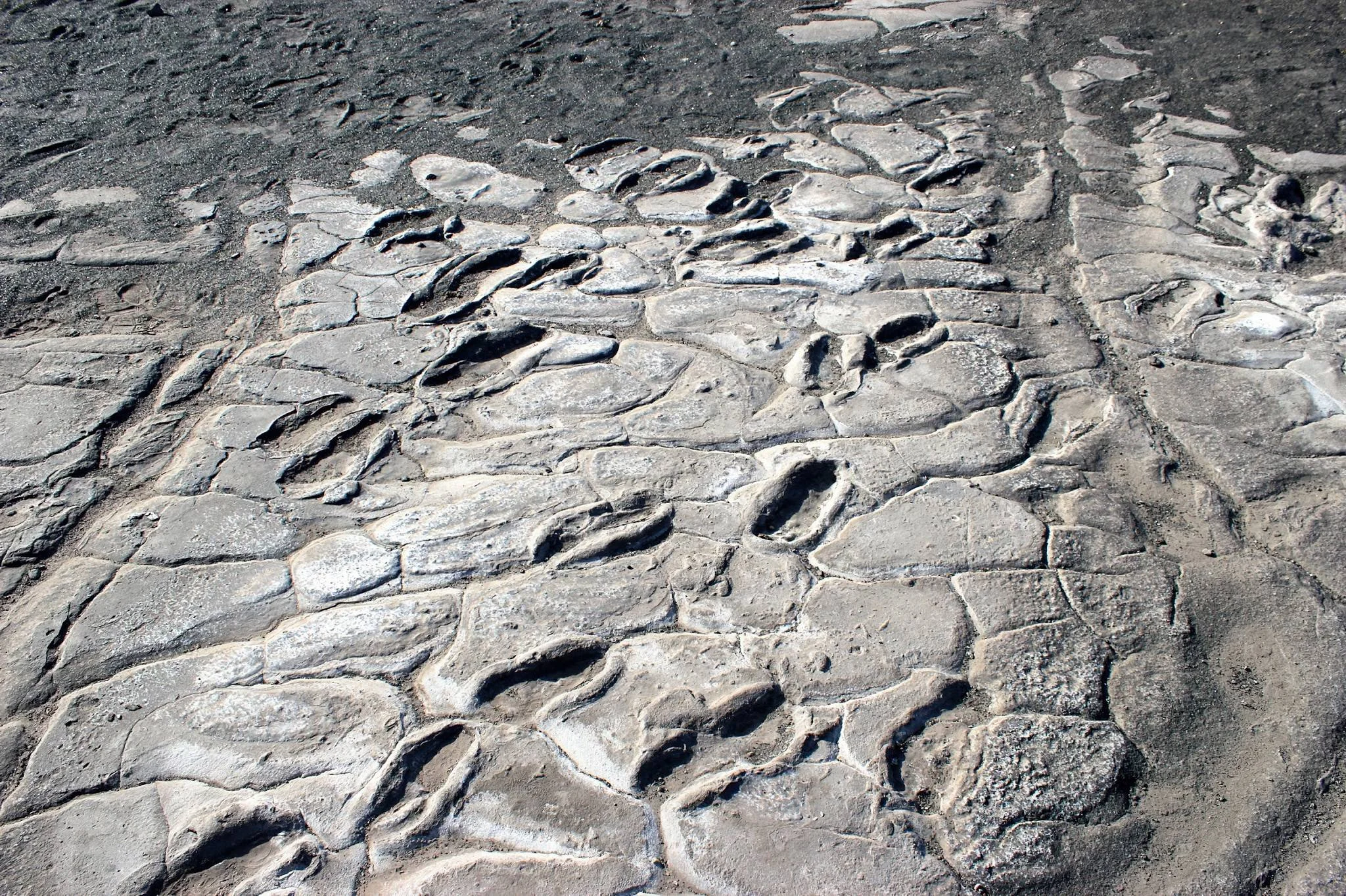
The Laetoli footprints in northern Tanzania record early members of the human line walking on two legs about 3.66 million years ago. Preserved in volcanic ash, they are a rare trace of movement from the deep past.
Important for visitors: the original tracks are protected beneath cover. Do not expect to walk beside an open trail of ancient prints. Plan a visit around approved access, displays, and a clear explanation of the site.
The title captures the wonder of this place, but the tracks are not proof of the first steps ever taken. They show that upright walking was already part of life long before our own species appeared. That is the real reason Laetoli matters.
Research and visitor information checked: 1 October 2026. Ask for current site access, guiding arrangements, and fees before confirming travel.
What are the Laetoli footprints?
The Laetoli footprints are fossil tracks left in a layer of volcanic ash. Unlike a skull or tooth, a footprint records an action. It shows where a foot pressed into the ground during a step.
Scientists call this kind of record a trace fossil. A trail can reveal foot shape, spacing between steps, and the direction of travel. It does not tell us a person's name, thoughts, or reason for walking.
For a visitor, this is part of the site's power. The evidence is small and quiet. Yet it points to a real moment of movement, not just an artist's idea of life millions of years ago.
Location: northern Tanzania, within the wider Ngorongoro heritage landscape.
Age: about 3.66 million years for the famous footprint layer.
Main lesson: early members of the human line walked upright.
Visit expectation: protected originals, with interpretation and displays rather than an exposed walking trail.
How old are the Laetoli footprints?
The famous footprint layer is dated to about 3.66 million years ago. You may also see the rounded figure of 3.6 million years. These figures refer to the same broad period, not two separate discoveries.
Researchers date volcanic deposits and study where the footprint layer sits among them. Alan Deino's dating study gives an estimated age of 3.66 million years for the Footprint Tuff. Tuff is rock formed from volcanic ash. See the published Laetoli dating research.
“About” is an important word. An age estimate is not a date on a calendar. It rests on measured evidence and the way rock layers relate to one another. A good guide should explain the scale without making the precision sound absolute.
How were the Laetoli footprints preserved?
Early walkers crossed wet volcanic ash and left prints in the soft surface. Later deposits covered the tracks. Over time, the ash layer hardened and became part of the geological record.
These are not feet stamped into hot lava. Think of a mark left in damp ground, then protected by layers above it. The survival of the tracks depended on both the surface that took the mark and what happened afterwards.
The research team's Laetoli timeline explains the ash setting and later discoveries. It is a useful introduction before a visit.
A display can help make this process clear. Look for the footprint layer and the deposits above and below it. Ask how scientists distinguish an original mark from damage that occurred much later.
Why are the Laetoli footprints important?
The tracks give direct evidence of walking on two legs. They record movement, not just a body part that might have supported it. This makes them a key part of the story of human evolution.
Researchers study the shape and depth of prints to explore how weight moved through a step. In a 2010 experiment, scientists compared tracks made with different walking styles to the Laetoli record. Their findings supported a human-like transfer of weight. Read the original walking study.
That does not mean the walkers were modern people. Nor does it settle every detail of their gait. Foot shape, wetness of the ground, and the way a print survived all affect what can be read from it.
Keep two ideas apart: the strong evidence for upright walking, and the finer questions about how that walk worked. The first is well established. The second remains a rich field of study.
Who discovered the Laetoli footprints?
Mary Leakey led the research team linked with the famous discoveries. Footprint-bearing surfaces were recognized in 1976. In 1978, Paul Abell found the celebrated trail now known as Site G.
This distinction helps explain why accounts give different years. They may be discussing animal tracks, another footprint site, or the well-known Site G trail. “Discovered in the 1970s” is broad; “Site G in 1978” is more precise.
The Smithsonian credits Mary Leakey and Paul Abell for the famous trail. Discovery was also part of a wider team effort. Excavation, mapping, casts, photographs, and later study turned marks in the ground into a record that scientists could compare.
When looking at a timeline, ask which site each date refers to. A new find does not erase an earlier one. It adds another piece to the larger Laetoli story.
Who made the tracks?
The famous Site G tracks are commonly linked to Australopithecus afarensis. That is the leading interpretation, not a name written in the ash. The identity is inferred from the tracks and the fossil evidence around them.
The Smithsonian explains that evidence.
The term “hominin” refers here to early members of the human line. It does not mean they were our own species, Homo sapiens. Keeping those names distinct avoids a common mistake in travel stories.
You do not need to remember every scientific name to enjoy the Laetoli footprints. Start with the central point: a very early walker moved upright across this landscape. Then let the guide explain what supports the likely species link.
Are there several footprint sites at Laetoli?
Yes. Laetoli includes more than the famous Site G trail. Researchers use site letters to distinguish different finds. These labels help keep the evidence clear; they are not a promise that every site is open to tourists.
What is Site G?
Site G is the best-known trail, found in 1978. It is central to the popular story of the Laetoli footprints. Scientific accounts discuss several walkers and some overlapping prints.
Overlapping steps need care when counting tracks or studying shape. One foot may partly hide an earlier mark. A neat drawing in a display can help explain what is hard to see in a photograph.
What did Site S add?
Site S added tracks from two more walkers, roughly 150 metres south of Site G. The discovery and study in 2014–2015 widened the record and prompted further questions about body size.
The Site S research paper explores those questions. A footprint-based size estimate relies on assumptions, so avoid treating each estimate as a direct measurement of a complete body.
Why does Site A matter?
Site A includes a different set of tracks first found in 1976. A study published in 2021 argued that they came from another upright-walking hominin, rather than a bear.
The authors proposed a different walking pattern from Site G, without identifying the exact species. This shows why the whole area matters. Read the Site A research; do not assume every Laetoli track had the same maker.
What do the footprints not prove?
The tracks do not reveal every detail of the walkers' lives. They cannot prove a family relationship or show the moment upright walking first evolved. Good interpretation explains both the evidence and its limits.
Not a proven family portrait: several trails do not establish that the walkers were parents and a child.
Not a record of modern humans: the famous prints are far older than our species.
Not a complete daily story: we do not know where the walkers were going or what they felt.
Not a tourist path: the protected tracks should never be walked on or uncovered for a photo.
For the wider context, the Smithsonian's walking-upright guide places the tracks within an earlier, longer process.
It is natural to imagine a scene when you see a model. Enjoy that sense of wonder, but label imagination as imagination. A careful story is more compelling because you can trust where its facts end.
Why are the original Laetoli footprints covered?
Covering the tracks helps protect fragile evidence from damage. Conservation is not always about keeping an object on show. At Laetoli, reburial has been a major part of the protection strategy.
The original trail was covered after study in 1979. Later work by Tanzania and the Getty Conservation Institute addressed threats such as roots and erosion. See the Getty conservation project for the history.
Conservation teams recorded the condition of the tracks, treated damaging roots, and designed layers of protective material. Their work also included monitoring and site maintenance. Getty's conservation programme explains the process.
A replica can serve visitors while the original remains protected. That is not a reason to dismiss the visit. It is a chance to understand why a world-class find needs care, and why display and preservation are not always the same thing.
What can visitors expect at Laetoli?
Expect an interpretation-focused visit, not a guaranteed view of exposed ancient tracks. Confirm current arrangements before travel. The experience should explain the evidence while respecting the site's protection needs.
The Ngorongoro Lengai Geopark's official South Route guide describes a visitor centre with a life-sized footprint model. It also describes the protected excavation area and a separate exposure with animal and bird tracks.
Those descriptions are useful context, not a live opening notice. Ask which places you may enter on your date and whether a site interpreter is available. A private safari booking does not grant special rights to a protected research area.
Before booking a Laetoli footprints visit, get clear answers to these questions:
Which site, centre, or display is included in the visit?
Has current access been confirmed with the responsible authority?
Who will explain the science, and in which language?
How much walking is involved, and what are the paths like?
What happens if access changes or roads become unsuitable?
Keep the plan flexible where needed. If the field visit cannot go ahead, agree on an alternative in advance. Do not let an old itinerary description stand in for current confirmation.
How is Laetoli different from Olduvai Gorge?
Laetoli and Olduvai are distinct sites in a wider heritage landscape. They tell related stories, but they are not interchangeable. A visit to one does not mean you have visited the other.
Laetoli's famous tracks focus on early walking. Olduvai is known for its fossil and stone-tool record. UNESCO's Ngorongoro World Heritage description places both within a long record of human history and environmental change.
A museum visit can help connect the two. Getty documents the development of a Laetoli display, including a cast, at Olduvai Museum. Check the museum's current displays rather than assuming a past exhibition layout is unchanged.
When comparing tours, look for separate named stops and time for each. “Human origins visit” is too vague. Ask whether the proposal means an Olduvai museum stop, a Laetoli field visit, or both.
How can you add Laetoli footprints to a safari route?
Treat Laetoli as a planned heritage visit, not an automatic roadside stop. Allow for the actual approach road, site access, and guide arrangements. Keep enough time for learning without squeezing the wildlife days.
Karatu or a confirmed Ngorongoro-area property may form part of the route. The best base depends on where you will go next. Ask for the drive plan from your exact lodge, not a distance measured between place names.
Do not assume Laetoli and Olduvai fit easily into one short transfer day. Add time for entry checks, talks, walking, lunch, and the return journey. If the schedule is tight, choose the stop that matters most or add a night.
For a Laetoli footprints itinerary, confirm the heritage day first. Then connect it with your crater visit and Serengeti stay. This can help avoid last-minute changes that move camps or reduce game-viewing time.
What could a six-night heritage-and-safari plan look like?
This sample combines learning and wildlife at a measured pace. It is a planning idea, not a live package. The heritage day must be adjusted to confirmed access and current road conditions.
Night 1 — Arusha: arrive, rest, and discuss the route. Avoid a long drive after a late flight.
Night 2 — Karatu area: travel to the confirmed lodge. Keep room for a relaxed afternoon and preparation for the heritage day.
Night 3 — Heritage visit: visit Laetoli if approved access is confirmed. Use an agreed museum alternative if needed, then return to the chosen base.
Night 4 — Serengeti: transfer after the planned crater visit or another agreed stop. If that combination is too long, add a night instead of rushing.
Night 5 — Serengeti: stay in the same camp and spend time on game drives.
Night 6 — Arusha or another planned base: return by the agreed road or flight route. Keep a departure buffer where needed.
A separate Olduvai stop may need an extra day or a revised transfer. Ask the planner to show that change clearly. A route that looks short on a map can still feel tiring in a safari vehicle.
When should you plan a Laetoli footprints visit?
Choose dates around confirmed access and the full safari route. Drier conditions may make road travel easier, but they do not guarantee entry. The site's protection rules apply in every season.
Across much of Tanzania, June to October is broadly dry, March to May brings long rains, and November to December often brings shorter rains. Local conditions vary. TANAPA's planning guidance provides the wider seasonal context.
Ask about the specific road, not just the national season. Heavy rain can change a day's plan. Build in a weather alternative if the visit is a main reason for travelling.
If you combine heritage with migration interests, match the Serengeti camp to your dates too. A good month for one goal may require a different route for another. Animal sightings and river crossings remain uncertain.
What should your quote include?
Ask for a dated, itemised quote in a named currency. The total should show the heritage visit separately enough that you can see what is included. Avoid relying on an undated entrance price found online.
Transport to the confirmed site or centre, including the return journey.
Relevant entry, conservation, and guiding charges.
The exact heritage stops and who will provide interpretation.
Lodge nights, meals, drinking water, and any packed lunch.
Safari vehicle arrangements and all planned wildlife activities.
Costs not included, such as tips, personal spending, visas, and insurance.
Deposit, cancellation terms, and the plan if access changes.
Also check whether the price is per person or for the group. Ask if a museum alternative changes the total. Confirm what is refundable if an authority restricts entry, rather than assuming a replacement visit costs the same.
For a private Laetoli footprints trip, the value may lie in time for questions and a suitable pace. Compare the quality of the plan, not just the number of stops. More names on an itinerary do not always mean more depth.
What should you bring and how should you behave?
Bring practical gear for the day's conditions and follow all site instructions. Your visit should leave the evidence undisturbed. A photograph is never worth crossing a barrier or touching a fragile surface.
Comfortable closed shoes, a hat, sun protection, and drinking water.
A light layer and rain protection suited to the forecast.
A notebook or phone for questions and notes.
A camera only where photography is permitted.
Any personal medicines, with the day's route discussed in advance.
Do not collect stones, ash, bones, or other material. Do not touch casts unless staff say you may. Stay on the permitted paths and never ask a guide to expose an original print.
Ask before photographing people or restricted displays. Keep captions clear: a model, cast, research photograph, and original are not the same thing. Honest labels help others understand the site and respect its care.
If your trip includes community visits, arrange them separately and with consent. Living communities are not museum exhibits or “unchanged ancestors.” Treat hosts as people with lives in the present, and let them decide how they wish to share their culture.
Is the visit suitable for children and guests with access needs?
It may suit curious families and other learners, but confirm the physical arrangements first. Check paths, steps, shade, seating, toilets, and time in the vehicle. Do not assume a protected field site is step-free.
For children, focus on a few simple questions. How did a soft print become rock? What can a trail tell us? Why might protecting a track mean keeping it covered? A short, clear visit can be more useful than a long lecture.
For guests who need extra support, ask for specific details from the site. A private vehicle helps with pace, but does not change the terrain. A museum-based visit may be a better choice if its facilities meet your needs.
Why plan Laetoli footprints with TanzaLux Safaris?
TanzaLux Safaris can help build a route that gives both heritage and wildlife enough time. Start by sharing your dates, interests, budget, and the type of visit you want.
Explore our Tanzania safari options and ask how a heritage day could fit. Choose the plan that connects learning, travel, and rest. Do not treat Laetoli as a box to tick between long game drives.
Ask us for a proposal that explains:
What access is confirmed and what still needs approval.
Which Laetoli footprints displays or site areas form part of the visit.
The guide or interpreter arrangements and expected visit pace.
How Laetoli, Olduvai, Ngorongoro, and Serengeti fit together.
The named camps, total price, exclusions, and backup plan.
Contact TanzaLux Safaris with your preferred dates and group size. Tell us whether science, photography, family learning, or wildlife is your main focus. A thoughtful proposal should make the choices and limits clear before you book.
20 frequently asked questions about Laetoli footprints
These answers cover the evidence and the practical choices before travel. Use them with your confirmed itinerary. Visitor access, fees, and facilities should be checked for your own dates.
1. Where are the Laetoli footprints?
They are in northern Tanzania, within the Ngorongoro Conservation Area's wider heritage landscape. Laetoli is distinct from both Ngorongoro Crater and Olduvai Gorge.
Ask for the exact visit location and approach route in your itinerary. A general Ngorongoro safari does not automatically include Laetoli.
2. How old are the tracks?
The famous footprint layer is about 3.66 million years old. The rounded figure of 3.6 million years is also widely used.
The age comes from the geological setting and dating of volcanic deposits. It is an evidence-based estimate, not an exact calendar date.
3. Were these literally humanity's first steps?
No. They show that early members of the human line already walked on two legs. They do not record the first moment that ability appeared.
Think of them as a rare surviving record of early walking. That is remarkable enough without treating the title literally.
4. Who found the famous footprint trail?
Mary Leakey's team is linked with the discovery. Paul Abell found the famous Site G trail in 1978.
Earlier footprint finds date to 1976. Different years in accounts may refer to different discoveries, so check which trail is being discussed.
5. Who made the Laetoli footprints?
Site G is most often linked to Australopithecus afarensis. That is the leading scientific interpretation, not a certain identity for every Laetoli track.
Other sites add further evidence and questions. Avoid treating all the footprints as the work of one known species.
6. How did ash preserve the prints?
Walkers left marks in wet ash. Later deposits covered them, and the layer hardened over time.
The tracks are not impressions in hot lava. Their survival depended on a soft surface taking the marks and later material protecting them.
7. What does walking on two legs tell us?
It gives evidence of an important feature of the human line. A footprint records movement, while a bone records part of the body.
Researchers use both kinds of evidence. The tracks help test ideas about walking, but do not settle every detail of the walkers' lives.
8. Are the footprints from modern humans?
No. The famous tracks predate our species by millions of years. A human-like feature in a foot does not make its owner a modern human.
Keep the evidence for upright walking separate from the question of species. A good explanation makes that distinction clear.
9. Do the tracks show a mother, father, and child?
They do not prove those family roles. Track size and position may suggest possible scenes, but a family story goes beyond what the prints alone establish.
Enjoy illustrations as interpretations. They should not be presented as a known portrait of named or related individuals.
10. Can I see the exposed original tracks?
Do not plan on seeing exposed originals. The famous tracks are protected beneath cover as part of their conservation.
Ask exactly what your visit includes: displays, models, approved site areas, or a museum. Old excavation photographs are not a promise of today's view.
11. Are there displays or replicas?
The official Geopark guide describes a footprint model at the Laetoli visitor centre. Getty also documents a cast in the Olduvai Museum's exhibition history.
Confirm current displays and access before travel. Label a photograph of a cast or model accurately rather than calling it the original trackway.
12. Is Laetoli the same place as Olduvai Gorge?
No. They are separate sites with related roles in the study of the human past. Laetoli is famous for footprints; Olduvai adds fossils and stone tools.
A tour should list each stop separately. Ask which one is included if the quote only says “human origins experience.”
13. Can I add Laetoli footprints to a safari?
It may be possible if access, guiding, and the route are confirmed. Build it into the itinerary rather than assuming it is a quick transfer-day stop.
Allow for the approach road and time to learn. If needed, add a night instead of cutting the visit or the game drives short.
14. How long should the visit take?
Ask for a timing plan based on your lodge and the approved stops. Separate time at the site from time on the road.
There is no single duration that fits every itinerary. Talks, walking, lunch, entry checks, and road conditions all affect the day.
15. What is the best season to visit?
Choose dates around confirmed access and your full safari goals. Drier conditions may ease road travel, but they do not guarantee entry.
Check the specific road close to departure. Agree on a weather alternative if the heritage visit is central to your trip.
16. How much does a Laetoli footprints visit cost?
Request a current quote that names transport, guiding, entry charges, and any wider conservation fees. Check the currency and whether the total is per person or group.
Also ask what happens to the price if access changes. An undated online fee is not a reliable total trip budget.
17. Can children enjoy the visit?
Curious children may enjoy a visit that uses simple ideas and short explanations. Check walking distances, shade, toilets, and road time first.
Choose a pace that fits their age. A clear model and a few good questions can be more engaging than a long technical talk.
18. Is the site accessible for guests with limited mobility?
Confirm the actual paths, steps, vehicle access, and facilities before booking. Do not assume the field site or every display is step-free.
Ask whether a museum-based alternative can meet your needs. A private vehicle may help with timing, but cannot remove terrain barriers.
19. May I take photos or collect stones?
Take photos only where permitted, and never collect material from the site. Follow barriers and staff instructions.
Do not touch or uncover tracks. Ask before photographing people, and use honest captions that distinguish originals from casts, models, and research images.
20. How do I plan the trip with TanzaLux Safaris?
Send your dates, group size, budget, and main interests. Ask for a Laetoli footprints proposal with confirmed access, named stops, and a backup plan.
Review the route, camps, inclusions, exclusions, and booking terms before paying. Keep a copy of the final agreed itinerary.
Ready to start planning?
Tell us your dates and what you're after — no obligation.