5.0 Excellent
Is Tanzania Safe to Travel? A Complete Guide for Visitors (2026)
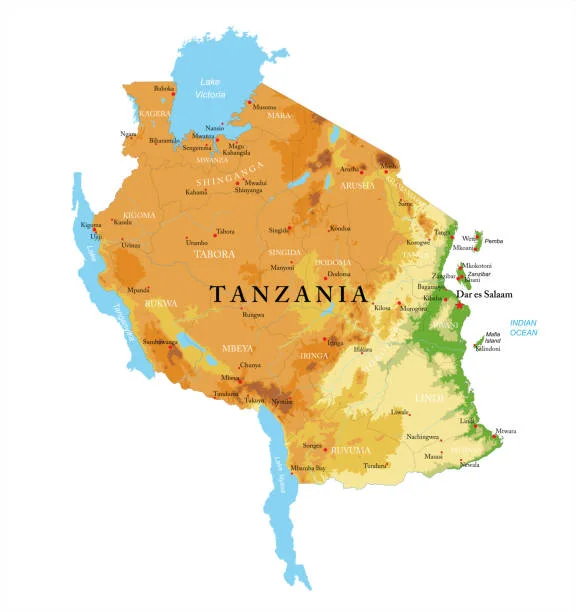
Is Tanzania safe to travel? There is no single answer for every visitor or route. A guided safari, a city stay, a beach holiday and a mountain climb each have different risks. Current travel advice and your own needs must shape the decision.
Tanzania offers remarkable wildlife, landscapes and cultural experiences. A well-planned trip can reduce many avoidable risks. It cannot remove crime, illness, road hazards, unrest or the risks of remote travel. Good planning starts with a clear view of those issues.
This guide covers practical choices before booking and during your trip. It explains safari rules, city transport, Zanzibar, health, insurance and emergency planning. You will also find exactly 20 FAQs at the end.
Reviewed: 4 October 2026. Safety conditions and entry rules can change quickly. Recheck them before paying, before departure and during the journey.
Is Tanzania safe to travel in 2026?
Assess the current advice for your home country, your exact route and your outings. Do not base a travel decision on a blanket promise that the whole country is safe.
At this review, the United States travel advisory is Level 3, "Reconsider Travel." It cites unrest, crime, terrorism and risks to gay and lesbian people. UK advice warns against non-essential travel within 20 km of the border with Mozambique's Cabo Delgado province.
These are different types of advice. A national advisory and a regional warning should both be read in full. A northern safari route is not the same as a journey near that southern border. Yet being outside a named warning area does not mean that all other risks disappear.
Your insurer may also treat advice from your own government as a condition of cover. Ask what that means for the dates and places you plan to visit. If the advice changes after you book, ask about cancellation, route changes and the policy's limits.
A responsible plan leaves room to change. You might shorten a city stay, change a transfer, postpone a trip or remove a region from the route. The right choice depends on current conditions and your own tolerance for risk.
For routes near Burundi and in the Kigoma region, review local warnings about armed robbery and vehicle hijacking. Remote western or southern trips need their own assessment. A plan for the northern safari circuit should not be copied to every other part of Tanzania.
What are the main risks for visitors?
The main concerns include crime, road travel, illness, wildlife, sea conditions and unrest. The risk varies by place, time and outing.
Crime: theft, robbery, scams and assault can affect visitors.
Transport: poor roads, unsafe driving and night journeys can raise risk.
Health: malaria, unsafe food or water and delayed care need advance planning.
Wildlife: animals can cause harm even when they appear calm.
Ocean outings: currents, weather and boat standards matter.
Mountains: altitude, cold and fatigue are separate from ordinary safari risks.
Disruption: unrest, road closures and weak phone coverage can affect a route.
Think about exposure rather than labels such as "safe" and "unsafe." An arranged daytime transfer has a different risk profile from an unknown ride late at night. Staying at a staffed camp differs from walking alone beyond it. Those choices are part of the trip design.
Choose a plan you can follow without constant pressure. Too many outings, tight transfers and long driving days can make simple precautions harder to maintain. A little space in the route plan gives you more options when plans change.
How should you check a safari company?
Check the business, the written route plan and the practical safety plans before paying. A polished website alone is not enough.
Ask for the company's registered name and current tourism licence details. Check who will supply the vehicle, guide and lodging. If another business provides a flight or boat trip, ask who it is and what standards apply.
A useful booking discussion should cover these points:
Driver-guide experience and the language used for briefings.
Working seat belts and the vehicle's maintenance plans.
How long road transfers are likely to take.
How the team handles a breakdown or route closure.
Who to call during the trip and outside normal office hours.
What happens if a guest needs care.
Which services are included and which are supplied by others.
Payment details, receipts and cancellation terms.
Do not let a low price hide missing essentials. Equally, a luxury label does not prove every part of a journey is suitable. Look at the actual plans. A good company should be willing to explain them in plain language.
Verify any change of bank details through a known contact method. A new email with urgent payment instructions deserves a separate check. Keep your booking documents and receipts in one place.
Is it safe to go on safari?
A guided safari can manage many risks through park rules, good driving and careful behavior. Wildlife viewing still needs attention and respect for wild animals.
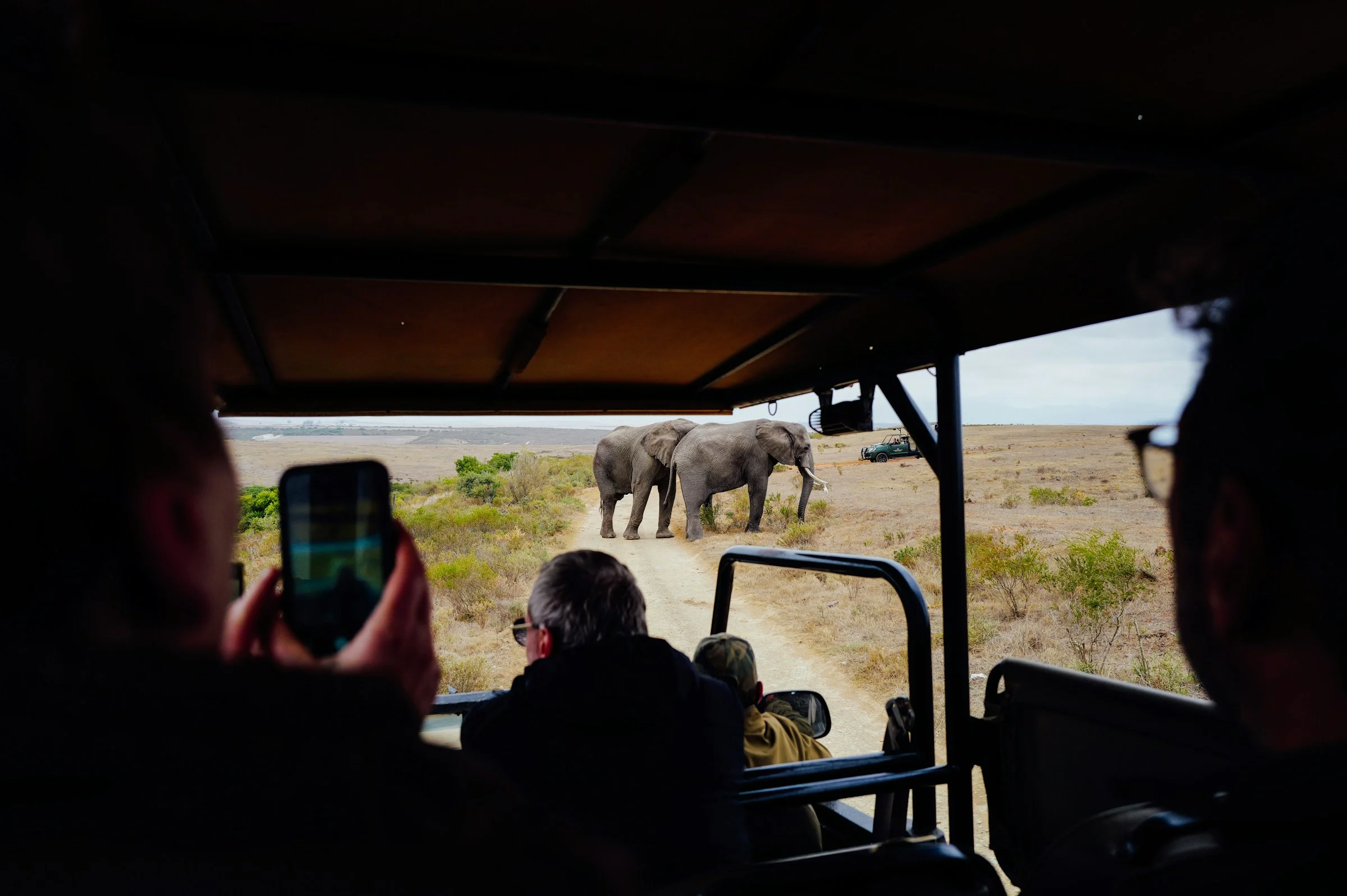
Remain in the vehicle unless your guide confirms that the location is approved for getting out. Keep your body inside near animals. Do not stand on the roof, hang over the side or reach toward wildlife for a photograph.
Keep noise low and do not feed animals. Food changes their behavior and can bring them too close to people. Monkeys at picnic sites are still wild animals. Keep bags and lunch boxes closed rather than trying to share food with them.
Your guide may move away from a sighting or choose a different position. Accept that decision. The guide may see signs of stress, a calf nearby or a blocked escape path that you have missed. A better camera angle is never a reason to crowd an animal.
For route ideas, read the TanzaLux Serengeti safari guide. Then ask about the day-to-day safety briefing for your chosen route plan. Park rules and the guide's instructions take priority over any general blog advice.
What should you know about safari camps?
A camp in a wildlife area needs different habits from a city hotel. Listen to the arrival briefing and use staff escorts when required.
A camp can feel quiet even when animals are nearby. Do not walk to another tent at night without following the camp's procedure. Ask how to call an escort and what to do if you hear an animal outside.
Keep food where staff tell you to keep it. Close your tent or room as instructed. Do not step outside to investigate a noise or shine a light at an animal from close range. Let staff handle the situation.
Before arrival, ask about the path to your room, lighting, steps and distance from shared areas. If you need a room close to the main area, say so when booking. Families should check how children will be supervised between tents and during meals.
A camp's emergency plan matters more than a vague claim that help is "nearby." Ask how it contacts support and how access changes after rain or at night. A remote location can be part of the appeal, but it also calls for preparation.
Are walking safaris and cultural visits suitable?
Choose walks that are formally arranged for the location and led by the required guide or ranger. Match the distance, terrain and pace to your group.
A walking safari is not simply a game drive without a car. Ask what permits apply, who leads it and how the group is briefed. Stay together and follow instructions. Never leave the group to get closer to wildlife.
For a village or market visit, agree on the meeting point, route and length of the outing. Ask permission before taking portraits. Respect homes, places of worship and private spaces. Keep the group close enough to hear the guide.
Tell the planner about access needs, allergies or difficulty with heat. A short walk with shade and rest stops may be a better choice than a long hike added to a full driving day. You should be able to pause or end an outing without pressure.
How can you manage city safety?
In Arusha, Moshi, Dar es Salaam and other towns, use arranged transport, keep valuables discreet and get local advice about your route. Avoid isolated places and walking alone at night.
Ask your hotel which areas suit a daytime walk and which need a transfer. Conditions can vary within one city. A familiar-looking street, a beach promenade or a busy venue is not proof that robbery cannot occur.
Carry only the money and items needed for the outing. Keep your phone away when you do not need it. If you want to check a map, pause inside a shop or another suitable place rather than beside passing traffic.
Choose your return plan before going out. Have the hotel or company arrange a known driver. Do not depend on someone you just met to find a ride. Check the vehicle and driver before getting in.
If threatened during a robbery, put your safety first. Do not chase the thief or struggle over property. Once you are safe, contact your local support, police, insurer and embassy as needed.
Airport arrivals, taxis and night transfers
Prearrange your airport transfer and check the pickup details. A late flight should lead to a clear overnight plan, not a rushed long drive.
Keep the driver's name, company number and meeting point offline. Agree on how the team will contact you if the flight is delayed. At the airport, verify the driver through the known booking contact if anything does not match.
Do not hand your bags to someone solely because they use the company's name. Check the plan first. If a person says the booking was cancelled, call the company yourself. Use the number on your original booking record.
For city trips, agree on the destination and fare before leaving. Use seat belts and keep luggage secured. If a ride feels wrong before departure, stay in a staffed public place while you arrange another option.
A night airport pickup may be necessary. That does not make a long overnight road transfer a good default. Ask whether a nearby hotel can be used before the longer drive begins in daylight.
Road safety and choosing a realistic route
Road travel deserves careful planning in Tanzania. Use a suitable vehicle, wear a seat belt and allow time for slower conditions.
Ask for a plan based on real transfer distances, not just a map estimate. Dirt roads, stops, rain and gate procedures can all add time. A driver should not need to speed to reach the next lodge.
Inspect the seat belt at your seat before starting. If it does not work, raise the issue before departure. Keep the aisle and foot space clear of loose bags. Secure heavy gear so it cannot move suddenly.
Limit distractions for the driver. Save long conversations or complex phone tasks for a stop. If the driver appears tired or is driving too fast, say so and ask for a pause. A clear concern should be taken seriously.
Self-driving needs more preparation than hiring a car at home. Check licence and permit rules for your home country and destination. Ask about insurance, breakdown support, fuel and route conditions. Zanzibar can have separate driving-permit rules.
Heavy rain can make a road unsafe even if it was passable the day before. Do not ask a driver to cross floodwater or ignore a closure to keep the schedule. Use the alternate route or wait for safe conditions.
Domestic flights: what should you check?
Check the actual operating airline and review current aviation safety details. A flight's convenience or popularity does not establish its safety.
At this review, UK air-safety guidance places airlines certified by Tanzania's aviation authority on its operating-ban list. That concerns UK operations and aviation oversight; it does not mean every domestic flight has stopped. The issue should still be considered when choosing transport.
Ask the planner which airline will operate each leg, including any subcontracted charter. Check your insurer's position on that carrier. If you prefer a different transport plan, discuss it before tickets are issued.
Road travel has its own risks, so replacing a short flight with a very long drive needs careful thought too. Compare the whole journey: the company, road hours, daylight, transfers and flexibility. Do not use a single label to decide all transport choices.
Check baggage limits and onward pickup details. Leave room between a safari flight and an international departure. A tight connection can create pressure to take risks or unexpected extra costs if weather changes the schedule.
Is Zanzibar safe for visitors?
Zanzibar needs the same careful planning as the mainland, plus attention to sea conditions and local customs. A beach resort does not remove the risk of crime or assault.
Arrange airport, port and evening transfers through a known company. In Stone Town, plan a route and meeting point before exploring. If you get lost, ask your hotel or guide for help rather than following a stranger to an isolated area.
On the beach, carry only what you need. Do not leave passports, phones or wallets on the sand while everyone swims. Ask the hotel about suitable walking areas and the return route after dark.
Keep control of your drink and be cautious with invitations from people you do not know. If you feel uncomfortable, move to a staffed place and contact your lodging. You do not need to remain polite at the expense of your safety.
Use beachwear at the beach or resort. Wear modest clothing in towns, villages and religious areas. Local etiquette is part of a thoughtful visit. Ask before entering a place of worship or taking pictures of people.
Swimming, snorkeling, boats and ferries
Check the day's conditions and the tour company before entering the sea or boarding a boat. Follow warnings, use suitable safety gear and stay within your ability.
Ask where swimming is advised at that time of day. A tide chart alone does not tell you whether currents are safe. Children and weak swimmers need close supervision. If there is no lifeguard, do not assume that someone is watching you.
For a boat trip, check the life jackets, passenger limit and return plan. The jacket should fit each person, including children. If the boat appears overloaded, damaged or poorly equipped, do not board it.
For snorkeling or diving, be honest about experience and health needs. Ask how the group is supervised and what happens if the weather turns. Do not accept pressure to take part in an outing beyond your confidence or training.
Use verified ticket sellers for ferries. Locate the exits and life jackets after boarding. Keep documents and medication accessible. A cheap ticket or calm weather does not guarantee a well-run vessel.
Avoid swimming in untreated fresh water such as lakes, rivers and ponds. Tanzania has a risk of schistosomiasis, which can spread through fresh water. A clear-looking pool in nature is not the same as a properly treated swimming pool.
Health planning before a Tanzania trip
Arrange a travel-health consultation ideally at least a month before departure. Your route, age, medical history and outings affect the advice you need.
Discuss routine vaccines, vaccines for your destination and malaria prevention. A vaccination needed for health protection is not always the same as a certificate required at the border. Bring your full flight route, including transit stops, to the appointment.
Yellow fever certificate rules depend on where you arrive from and some transit plans. Do not assume that every traveler needs the vaccine or that no one does. Check the rules for your route and discuss any medical reason you cannot receive it.
Ask how to handle an illness during the trip and when to seek urgent care. Carry your usual medicines in their labeled packaging, with prescriptions or a medical letter where needed. Check whether any controlled medicine needs prior approval.
If you have a long-term condition, ask how heat, long drives and remote camps may affect it. Tell your planner what support you need. Share the necessary details privately rather than relying on a casual note after arrival.
This guide provides general planning details. Your clinician should choose vaccines, medicines and treatment advice for you.
Malaria and avoiding insect bites
Malaria is a travel-health concern in Tanzania. Ask a clinician whether preventive medicine is needed for your route, and use bite protection alongside any prescribed course.
Follow the instructions for when to start and finish the medicine. Some courses continue after you return home. Do not stop early because you feel well. No preventive method removes every risk.
Use a suitable insect repellent according to its label. Cover exposed skin when practical and use screened rooms or a bed net when needed. Ask a clinician or pharmacist about products suitable for children and your medical needs.
Other insects can also spread disease. A malaria prescription does not protect against every infection carried by mosquitoes or flies. Keep bite prevention part of your daily routine.
If you develop a fever during the trip or after returning, seek prompt care and tell the clinician that you visited Tanzania. Do not assume it is just a cold or wait for the next stage of the safari.
Food, drinking water and heat
Use drinking water that is sealed or reliably treated. Choose freshly cooked food served hot, and wash your hands before eating.
Ask how drinking water and ice are prepared at the lodging. A refill station can be useful when treatment is reliable. Do not assume that a reusable bottle makes untreated water safe.
Take care with raw foods, unpeeled produce and food left warm for long periods. Peel fruit yourself when possible. Tell staff about serious food allergies before meals and check the ingredients rather than relying on a general promise.
Carry water where you can reach it during a drive. Take breaks from strong sun and use a hat and sunscreen. Avoid scheduling strenuous outings for the hottest part of the day when conditions are severe.
Discuss a small travel-health kit with your clinician. If you develop persistent diarrhea, signs of dehydration or another concerning illness, get health advice. Do not let a prepaid excursion delay care.
Kilimanjaro: safety is more than fitness
A Kilimanjaro climb needs a separate safety plan. Altitude illness can affect fit people, and extra acclimatization time can be important.
Discuss the route and your health with a clinician before booking. Ask the climb company about guide training, health checks, emergency equipment and evacuation procedures. A promised summit success rate should never replace those details.
Tell the guide promptly about headache, nausea, unusual fatigue or other symptoms. Do not climb higher while altitude symptoms persist. Worsening symptoms, confusion, poor coordination or breathlessness at rest need urgent action and descent under the team's emergency plan.
Cold, wet gear and exhaustion are also concerns. Pack for the mountain's conditions, not just the warm weather at the base. Choose boots and layers you have used before where possible.
Read the TanzaLux Kilimanjaro travel guide for trip planning. Then verify that your insurance covers the climb's highest altitude, search and rescue, evacuation and treatment. Turning back can be the right decision.
Mandatory inbound insurance in 2026
Check the mandatory inbound insurance rules for your entry point and visitor category. An ordinary policy from home should not be assumed to meet the local entry rule.
From 1 October 2026, mainland Tanzania introduced mandatory inbound cover for eligible foreign visitors through the National Insurance Corporation, or NIC. Zanzibar uses the Zanzibar Insurance Corporation, or ZIC. Exemptions and eligibility need to be checked for each traveler.
The current plan bases purchase on the first point of entry. With valid required cover and the policy's rules met, a visitor continuing between the mainland and Zanzibar does not need to buy a second mandatory policy solely for that transfer.
Check the latest process before departure and keep the certificate available offline. Check that the name, passport details and dates are correct. Do not confuse a payment receipt with the actual proof of cover.
This required cover is separate from deciding how much cover your trip needs. Read the policy limits. You may still need broader cover for pre-existing conditions, cancellation, high-altitude trekking or other outings.
What should your wider insurance cover?
Choose insurance for the outings and locations in your route plan. Read the exclusions and ask for written clarification when a point is unclear.
Emergency medical treatment and hospital care.
Evacuation from remote places and onward repatriation.
Pre-existing conditions that you have declared.
The exact altitude and outings on a mountain trip.
Diving or other adventure outings, if planned.
Cancellation, interruption and missed connections.
The effect of government travel advisories.
How to obtain assistance and approval for treatment.
Ask what "evacuation" means in the policy. It may cover transport to the nearest suitable facility rather than directly home. Ask who makes that decision and what costs need prior approval.
Keep the assistance number, policy number and claims instructions offline. Tell a travel companion where those details are stored. A policy you cannot access during an emergency is much harder to use.
Families, solo visitors and women travelers
Build the route plan around the people in your group. Age, confidence, health and travel experience affect which outings and transfers are suitable.
For families, check each lodge's minimum age, room layout and supervision rules. Ask about child-sized life jackets and suitable vehicle restraints before paying. A family-friendly description does not prove that every excursion suits a young child.
Keep long driving days manageable. Plan rest stops, simple meals and time to settle at each overnight stay. Children need clear instructions about staying with adults, avoiding animals and following camp staff.
Solo visitors should have a reliable pickup plan and a way to contact support. Share the route plan with someone at home. If your route changes, send an update when it is safe to do so. An organized outing can reduce the need to arrange every connection alone.
Women travelers should be aware that harassment and sexual assault have been reported, including in tourist settings. Use planned transport, keep control of drinks and choose lodging with clear access procedures. If an interaction makes you uncomfortable, seek help from a trusted staff member or contact.
If you experience assault, prioritize a safe place and prompt care. Ask your embassy or consulate for support with local procedures. What happened is not your fault, and help should not depend on whether you took a particular precaution.
LGBTQ+ visitors and other personal risks
LGBTQ+ travelers face legal and social risks in Tanzania, including Zanzibar. Same-sex sexual activity is illegal, and public displays of affection can create serious risk.
Do not interpret a welcoming hotel or friendly guide as a change to the law. Review current advice that applies to your circumstances before booking. Consider the implications for privacy, relationships and access to support during the trip.
Travelers with a disability should ask about actual facilities. Step-free access, vehicle height, bathroom layout and walking surfaces can vary. A photograph rarely answers all those questions. Ask for details for each planned stay and outing.
If you rely on medical equipment, check power, charging and storage needs. Discuss backups for a remote stay. It may be wise to choose fewer overnight changes or a route with easier access to care.
Pregnant travelers and those with significant medical conditions should seek health advice for their needs. A safari, a sea outing and a high-altitude climb have different demands. Share the planned route with your clinician rather than asking only whether the country is suitable.
Documents, laws and respectful behavior
Check entry rules for your home country and obey local laws. Keep documents accessible and ask about an unfamiliar rule before acting.
Check visa eligibility, passport validity, blank pages and onward-travel rules. The right process can depend on your passport and reason for travel. Do not assume a tourist visa covers work or volunteering.
Keep copies of your passport, visa and insurance separately from the originals. Secure the originals, but make sure you can produce them when properly required. A phone copy is useful; an offline or printed backup adds resilience.
Do not photograph police, military sites, security areas or other restricted places. Taking or sharing images of protests can also lead to legal trouble. If you are unsure, put the camera away and ask.
Drug laws are strict. Check the import rules for prescribed medicines before travel. Avoid carrying ordinary plastic carrier bags, and do not remove wildlife products such as shells, bones or animal parts without the required permission.
Ask permission before taking portraits. Dress suitably for villages and religious places. Respect local practice during religious observances. Your guide can explain what is right for the place you are visiting.
Unrest, changing conditions and communication
Keep away from demonstrations and political gatherings. Monitor current conditions through trusted channels and follow lawful local instructions.
Do not travel toward a crowd to see what is happening. If disruption affects a route, contact your safari team or hotel from a safe location. A change of plan is better than a transfer that passes through a developing incident.
Mobile service and internet access cannot be guaranteed. Coverage can be weak in remote areas, and disruption can affect communications. Save your key numbers and addresses offline before leaving home.
Agree on a check-in plan with someone you trust. Explain that a missed message from a remote camp may reflect lack of signal. Set a reasonable time for them to contact your safari team if they cannot reach you.
Carry a charged phone and a power bank where permitted. Keep a paper list of your main contacts in a separate bag. Ask the guide how the team communicates beyond a normal phone signal.
What should you do in an emergency?
Get to a safe place, seek help and contact your local support. For serious illness or injury, do not delay urgent care while sorting out routine paperwork.
Before the trip, save the confirmed local emergency contacts for each part of your route. Include the hotel, company, insurance assistance service and your embassy or consulate. Ask who is available after hours.
If someone is ill or injured: tell the guide or hotel promptly. Give the location, symptoms and any relevant health details. Contact the insurer's assistance team as soon as practical so it can help arrange care and advise on payment procedures.
If property is stolen: reach a safe place before taking further action. Block missing bank cards through your bank. Ask for help reporting the theft and getting the documentation your insurer needs. Keep a record of reference numbers and receipts.
If your passport is lost: contact your embassy or consulate about replacement documents. Your company can help adjust travel plans, but cannot issue a passport or guarantee an urgent consular appointment.
If your route is disrupted: stay in contact with the team and check the next overnight plan. Do not follow an unfamiliar detour on your own just to keep a booking. Ask for the safest practical option.
Care and evacuation can take time in remote areas. Avoid claims that a hospital or aircraft is always minutes away. Ask for the real plan and what conditions might delay it.
A practical pre-departure checklist
Complete the important checks before the trip becomes a rush. Keep the final details in one folder that you can use offline.
Review current travel advice for your home country and full route.
Check visa, passport, vaccine-certificate and inbound-insurance rules.
Discuss health needs and malaria prevention with a clinician.
Verify the company, written route plan and payment details.
Check vehicles, carriers, transfers and realistic journey times.
Check insurance for all planned outings and declared conditions.
Save emergency contacts, policy details and document copies.
Share your route plan and check-in plan with a trusted person.
Pack medicines, water access, sun protection and bite protection.
Leave room to change outings or routes when conditions need it.
Do a short review the night before departure. Check the first pickup, first hotel and where you will find support on arrival. Those details often matter more in the first hours than a long list of optional excursions.
Plan a thoughtful Tanzania journey with TanzaLux Safaris
Ask TanzaLux Safaris for a route built around your needs, with clear transfers and safety plans. Share your concerns before booking so they can be addressed in the plan.
Use the TanzaLux Safaris contact page to discuss your dates, group and preferred outings. Ask for the guide, lodging, transport and support plans to be set out clearly. If you want fewer long drives or more time near services, say so.
The TanzaLux Ngorongoro Crater guide can help you explore route options. Use destination inspiration alongside current safety advice and a practical route plan. Attractive scenery should not replace the checks needed for a sound travel decision.
Tanzania can offer a deeply rewarding journey. The strongest plan is one you understand: where you will go, how you will travel, who will help and when you should change course. Clear expectations let you enjoy the trip with informed confidence.
20 frequently asked questions about Tanzania travel safety
These FAQs answer common planning questions. Your exact route, current conditions, health needs and insurance terms remain central to the decision.
1. Is Tanzania safe to travel in 2026?
There is no blanket guarantee. Review current advice for your home country and route, then assess crime, transport, health and outing risks before deciding.
At this review, the US advisory is Level 3. Some regions also have local warnings. A guided safari does not cancel those risks.
2. Are Tanzania safaris safer with a guide?
A capable guide can manage routes, park rules and wildlife encounters. This can reduce avoidable risks, but it cannot make every safari risk-free.
Check the company's plans before booking. Follow instructions during sightings, use seat belts and leave the vehicle only at approved places.
3. Is Zanzibar safe for tourists?
Zanzibar needs precautions for crime, transport, sea outings and local laws. Do not assume that a resort stay makes all parts of the island safe.
Use planned transfers, keep valuables secure and get local advice on walking and swimming. Crime and assault can also occur in tourist areas.
4. Is Tanzania suitable for solo travelers?
A solo trip needs reliable transport, verified lodging and a clear support plan. Current advice and your comfort with the route should guide the choice.
Share the route plan with someone at home. Arrange arrivals and evening journeys in advance rather than relying on offers from strangers.
5. What should women know about Tanzania travel safety?
Harassment and sexual assault are risks, including in tourist settings. Planned transport, controlled access to lodging and trusted contacts can help manage exposure.
Keep control of drinks and seek a staffed place if an interaction feels wrong. If assaulted, seek safety, care and consular support. The assault is not your fault.
6. Is Tanzania safe for a family holiday?
Assess the route and each outing for the children's ages and needs. Family suitability depends on lodge rules, supervision, transport, health advice and access to care.
Check restraints and child-sized safety equipment before booking. Plan rest breaks and explain camp and wildlife rules in a way children can follow.
7. Can I walk around Tanzania's cities at night?
Avoid walking alone at night or in isolated areas. Use transport arranged through a known hotel or company and check the return plan before leaving.
Daytime outings also need awareness. Ask local staff about the exact route, keep valuables discreet and avoid displaying large amounts of money.
8. How should I choose a taxi in Tanzania?
Ask a known hotel or company to arrange the ride. Check the driver, vehicle, destination and fare before departure, and use a working seat belt.
Do not accept an unsolicited lift or rely on a stranger to select a taxi. Keep a known contact number available if the pickup details do not match.
9. Is Tanzania road travel safe after dark?
Night driving can add risk through poor visibility, road conditions and other hazards. Plan long transfers in daylight whenever practical.
A late airport arrival may need a short arranged transfer to a nearby hotel. Ask for that option instead of assuming a long overnight drive is necessary.
10. Are domestic flights in Tanzania risk-free?
No form of transport is risk-free. Check the operating airline, current aviation safety details and your insurer's terms before booking.
At this review, UK guidance lists Tanzanian-certified airlines under its operating ban. Consider that warning alongside the risks of any road alternative and the full journey plan.
11. Do I need malaria medicine for Tanzania?
Ask a travel-health clinician about your route and own needs. Preventive medicine may be recommended, and it should be used with insect-bite protection.
Follow the prescribed start and finish dates. Seek prompt care for a fever during or after the trip, and explain where you traveled.
12. Does every Tanzania visitor need a yellow fever certificate?
No. Certificate rules depend on where you arrive from and some transit plans. Check your complete flight route before travel.
A clinician should also assess whether vaccination is suitable for you. The border-certificate rule and the medical recommendation are related but different questions.
13. Can I drink tap water in Tanzania?
Use water that is sealed or reliably treated when drinking-water quality is uncertain. Do not assume untreated tap water is safe.
Check the water used for ice and refills too. Hand hygiene and freshly cooked food also matter. Ask staff about safe options rather than relying only on appearance.
14. Can I swim in lakes or rivers in Tanzania?
Avoid untreated fresh water because of infection risks, including schistosomiasis. Clear water in a natural lake or river can still carry risk.
For ocean outings, assess currents, weather and supervision separately. Follow beach warnings and use well-fitting life jackets on boats.
15. Is Tanzania's inbound insurance mandatory?
Mandatory local inbound cover applies to eligible foreign visitors, with rules and exemptions to check. Mainland implementation began on 1 October 2026; Zanzibar has its own designated company.
Check the process for your first entry point and keep the certificate offline. Your existing home policy should not be assumed to satisfy the entry rule.
16. Must I buy mandatory insurance twice for mainland Tanzania and Zanzibar?
The current plan uses your first point of entry. With valid required cover and the policy's rules met, continuing between the mainland and Zanzibar does not need a second purchase solely for that transfer.
Check that your certificate covers the dates and journey involved. Check the current rules if you leave and re-enter or your plans change.
17. Is the required Tanzania insurance enough for Kilimanjaro?
Do not assume it is. Check the policy's altitude, activity, rescue and medical limits, and obtain extra cover if needed for the climb.
Also check pre-existing conditions and evacuation plans. The decision to turn back should depend on health and conditions, not on reaching a prepaid summit goal.
18. What risks do LGBTQ+ travelers face in Tanzania?
Same-sex sexual activity is illegal, including in Zanzibar, and LGBTQ+ visitors can face harassment or targeting. Review current advice that applies to your circumstances before booking.
A friendly venue does not change the law. Consider privacy, public behavior and access to trusted help as part of your own travel decision.
19. What happens if I need health care on safari?
Tell the guide or camp promptly and seek suitable care. Contact your insurer's assistance team as soon as practical so it can help coordinate support.
Remote evacuation may take time. Before booking, ask how the team communicates, which facilities are reachable and how weather or road conditions affect access.
20. How can TanzaLux Safaris help me plan?
Ask TanzaLux Safaris for a written route plan with clear transport, lodging and support plans. Share your group's needs and the risks you want addressed.
Discuss alternatives for long transfers, remote stays and outing choices before paying. Keep checking current advice so the plan can adapt to changing conditions.
.jpg?alt=media&token=95a5caed-fa4c-47ac-a42e-c42ac61e6b69)
Ready to start planning?
Tell us your dates and what you're after — no obligation.