5.0 Excellent
Best Time to Visit Tanzania: Seasons, Safaris
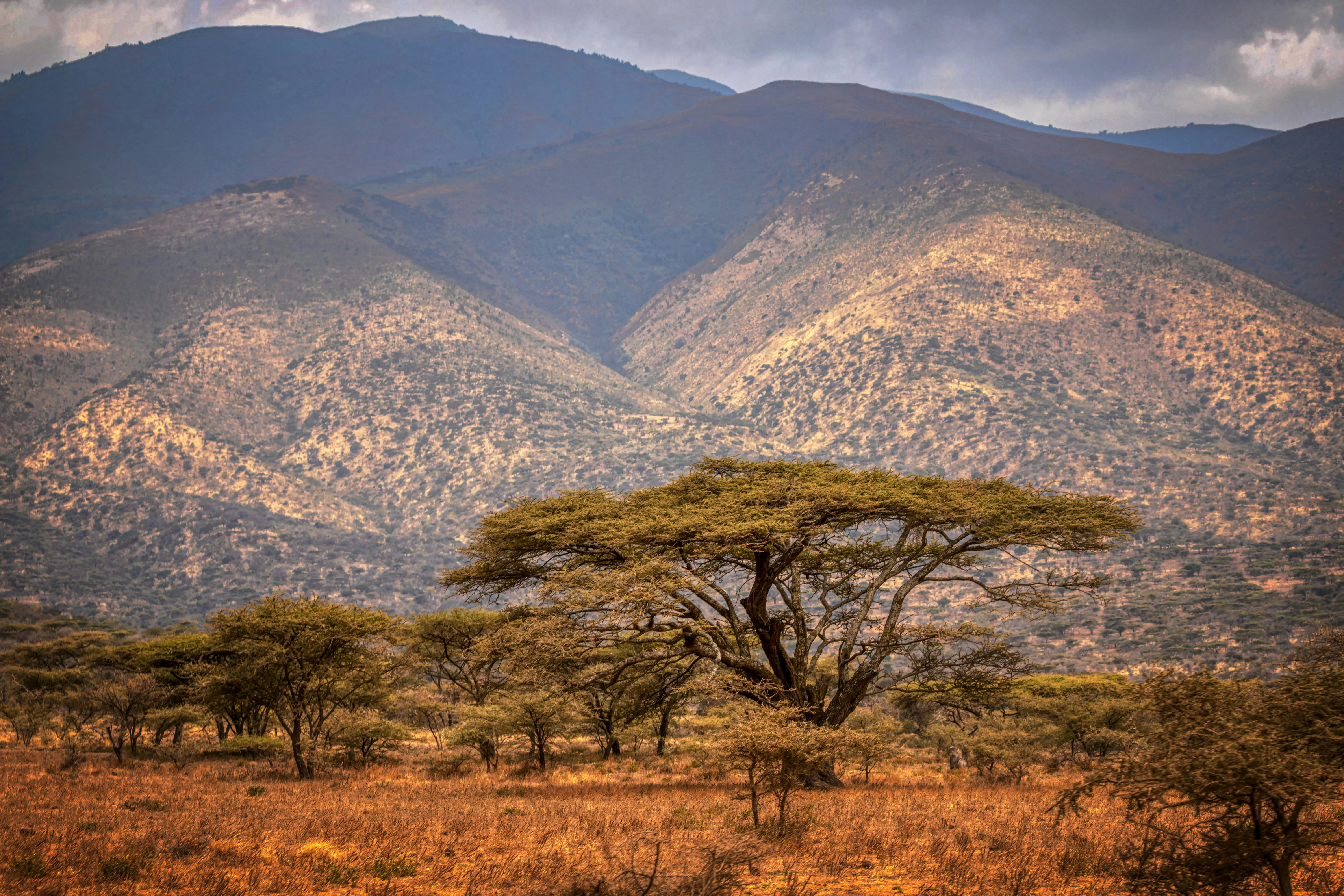
The best time to visit Tanzania is usually June to October for a classic wildlife safari. However, the right month depends on your route and main goal. Calving, river crossings, beach days, and mountain climbs each need a different plan.
Use this guide to match your dates to the trip you want. It covers seasonal trade-offs, regional differences, costs, sample routes, and 20 common questions. These are planning patterns, not a weather forecast. Rain and wildlife movements change from year to year.
What is the best time to visit Tanzania for your trip?
Start with your main interest, then choose the region and camp. A good month cannot make up for a lodge in the wrong area.
Classic safari: consider June to October for drier conditions.
Wildebeest calves: look at the southern Serengeti ecosystem around January to March, especially February.
Mara River crossings: consider northern Serengeti around July to October. No crossing is guaranteed.
Green scenery: consider the wetter months if you can accept flexible plans.
Safari and beach: June to October offers a useful overlap for many routes.
Better value: compare quieter dates outside festive periods and peak wildlife events.
Tell your planner what matters most. Seeing calves, avoiding crowds, and using school holidays may lead to very different trips.
How do Tanzania's seasons affect travel?
Tanzania has several climates, not one national weather pattern. The coast can feel hot while a highland lodge feels cold. Northern and southern parks can also have different rain patterns.
Why choose June to October?
This is the main dry-season window for many safari areas. Grass tends to thin as the season goes on. Wildlife often uses remaining water sources, which can help with viewing.
The trade-off is demand. Popular camps can fill, and famous sightings may attract several vehicles. Early drives can be cold, while late-season afternoons may feel hot and dusty. Dry season does not mean rain is impossible.
What makes January to March appealing?
The southern Serengeti plains can be rewarding during the calving period. New grass supports grazing herds, and predators may be nearby. Timing varies with rain and grazing.
Do not assume this is a low-price season everywhere. Camps near the herds can be busy. Late March may bring wetter conditions, so plan for change rather than treating all three months as identical.
Should you visit during the long rains?
March to May often brings heavier rain to northern travel routes. Green views and quieter days can appeal, but muddy tracks may slow travel. Some camps close for part of this period.
Choose a wet-season trip because you accept the trade-offs. Ask which roads, camps, and activities will operate. Keep enough time between transfers. A lower room rate has limited value if access makes the route impractical.
What about November and December?
Short rains can bring fresh growth and changing skies. Showers may interrupt a drive, though they need not fill each day. Conditions differ between regions and years.
Christmas and New Year are not automatically quiet or cheap. Compare festive dates with earlier weeks. Ask about minimum stays, meal charges, and room availability before booking flights.
What should you expect month by month?
Use this calendar to shortlist dates, then check local conditions. It is a broad planning guide, not a promise of a sighting or clear skies.
January: consider southern plains for herds. Allow for holiday demand at the start of the month.
February: a strong calving-season choice. Book camps near your target area early.
March: conditions can shift toward heavier rain. Build flexibility into long road days.
April: prioritise reliable access and confirmed camp openings over a packed route.
May: ask about track conditions and reopening dates. Avoid assuming every lodge is operating.
June: a transition into the main dry season. Match your camp to current herd reports.
July: popular safari dates. Reserve family rooms and preferred camps well ahead.
August: busy in many prime areas. Allow several nights rather than rushing between parks.
September: a useful dry-season option. Compare north Serengeti stays with a broader wildlife route.
October: late dry-season heat can shape daily plans. Keep shade and rest breaks in mind.
November: consider green scenery and flexible plans. Confirm camp moves and closures.
December: separate early-month travel from the festive peak when comparing quotes.
When is the best time to visit Tanzania for the Great Migration?
The Great Migration is a year-round movement, not one annual event. Choose the part you want to see, then stay near the likely herd location.
Calving draws attention to the southern plains early in the year. The herds later move through central and western areas toward the north. Northern Serengeti is a common focus for Mara River viewing in the second half of the year. Returning rains help shape the southward movement.
This route is not a fixed timetable. Herds can spread out, change direction, or cross a river more than once. A map with one arrow per month is only a rough guide.
How can you improve a migration itinerary?
Spend more nights in a well-chosen area instead of chasing distant sightings. Ask where your camp will be on your exact dates. A mobile camp's name alone does not tell you its location.
Check the transfer time from the airstrip or previous lodge.
Allow at least a few nights in your target region where possible.
Keep expectations wider than a single river crossing.
Let the guide adjust daily plans to local reports.
Never ask a driver to crowd animals or block their path.
How should you choose parks by season?
Choose parks for their habitats and access, not just a famous name. A balanced route can still be rewarding if one hoped-for sighting does not happen.
Is Serengeti only worth visiting during migration?
No. Resident wildlife gives the park appeal beyond the moving herds. Build time for cats, birds, smaller animals, and landscapes. A quieter area may suit you better than a crowded migration hotspot.
How do Ngorongoro and Tarangire fit?
They can add variety to a northern route without making every day about migration. Compare the travel time and overnight location before adding both. Our Ngorongoro Crater guide and Tarangire safari guide explain these stops in more detail.
Keep a warm layer handy for highland stays. Ask how early you need to leave your lodge. A room that looks close on a map may still mean a long drive to the day's activity.
What changes in southern Tanzania?
For Ruaha and Nyerere, camp openings and access deserve special attention during wet months. Some properties close seasonally. Do not apply a northern safari calendar to every southern camp.
Ask about the exact activities in your quote. A drive, walk, and boat trip have different operating needs. Confirm whether each activity runs on your dates and what happens if conditions prevent it.
When should you add Zanzibar?
June to October is a useful starting point for a safari-and-beach holiday. It often suits outdoor time, but sea conditions still depend on wind, tides, and the coast you choose.
Do not choose a hotel on weather alone. Compare beach access at low tide, meal plans, room layout, and transfer time. Ask a dive operator about the conditions for your chosen sites. No season guarantees clear water or boat departures every day.
Leave some beach time unplanned. Three or four nights can offer a calmer finish than a brief stop packed with tours. If flying home via the mainland, check the connection carefully and allow a sensible buffer.
When should you plan a mountain climb?
Choose trekking dates with a qualified mountain operator. Drier periods are popular, but mountain weather can change in any month. Rain, wind, and cold remain possible at altitude.
January to early March and June to October are common planning windows. Route length, preparation, equipment, and time to adjust to altitude matter more than a claim of perfect weather. Never shorten a climb just to fit more safari stops.
Keep a rest day after the trek before a demanding transfer. If considering a second mountain, read our Mount Meru guide and discuss the full schedule with your operator.
What is the best time to visit Tanzania for value?
Value comes from the whole trip, not the cheapest room. Compare the same route, room type, meal plan, and transport before judging two quotes.
Quieter travel dates may reduce lodge costs. Yet park fees, private vehicles, and flights may not fall by the same amount. Peak calving dates and festive weeks can cost more even outside the main dry season.
Request a dated quote with the currency clearly shown.
Check park fees, transfers, meals, and drinks.
Confirm flight baggage limits and extra luggage charges.
Ask about single-room supplements and child rates.
Separate optional activities, tips, and personal spending.
Read deposit, change, and cancellation terms before paying.
If your dates are flexible, ask for two comparable options a few weeks apart. That shows the real saving without hiding a change in hotel quality or safari time.
How many days should you allow?
Choose fewer stops and more time in each place. Long drives can make an ambitious route feel rushed, especially after an overnight flight.
What could a seven-night safari look like?
Use this as a planning outline, not a fixed package. Exact roads, flights, and camp locations must be checked for your dates.
One night near Arusha to rest after arrival.
Two nights around Tarangire for a slower start.
One night in the Karatu or Ngorongoro area, with crater plans timed around the route.
Three nights in the Serengeti area that best fits your goal.
A northern Serengeti stay may work better with a flight than a long return drive. Ask for door-to-door estimates, not just flight duration. Add a final night if your onward connection is tight.
How can families and couples improve the pace?
Build in rest rather than treating it as lost time. Families may prefer shorter drives, early meals, and rooms close together. Couples may value a private deck or an extra beach night.
Confirm age limits for walks and other activities. Check pool access, room arrangements, and food needs directly in the booking. The best time to visit Tanzania also depends on the needs of the people travelling.
What should you pack for changing conditions?
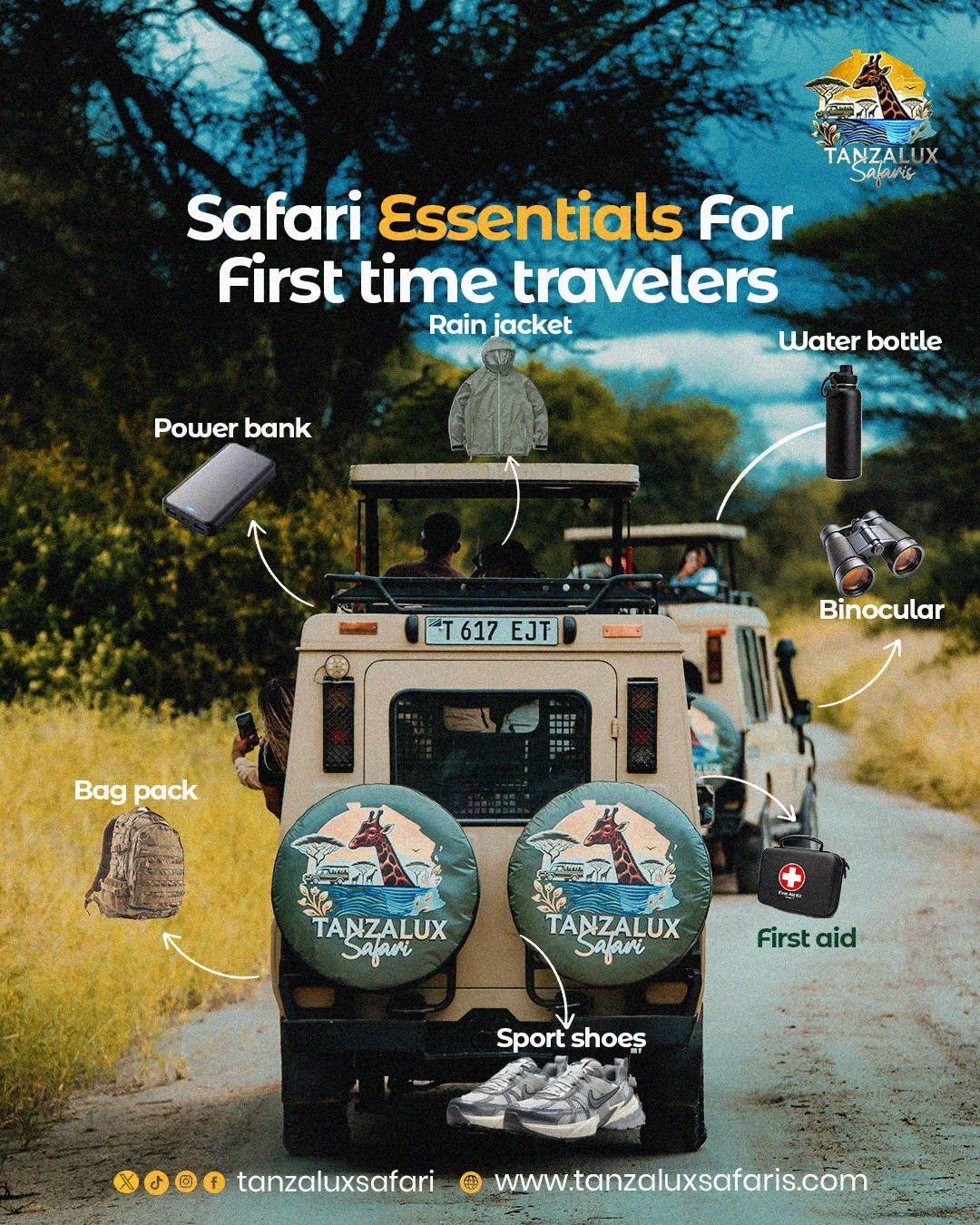
Pack light layers rather than clothing for one forecast. A cool dawn, hot afternoon, and rain shower can all occur on the same trip.
A warm layer for early drives and highland nights.
A light rain jacket and protection for your camera.
Comfortable closed shoes, a hat, and sun protection.
Binoculars, spare batteries, and suitable charging gear.
A soft bag if required by your safari airline.
Check the exact baggage allowance before packing. Keep essential items with you during transfers. A trek needs a separate equipment list from the mountain operator; a safari packing list is not enough.
Why plan your dates with TanzaLux Safaris?
Ask TanzaLux Safaris to turn your preferred month into a route that works. The aim is to match your interests, travel pace, and budget with suitable camps and transfers.
Send your date range, group size, children's ages, and must-see experiences. Say whether your budget includes flights and beach nights. Ask for a clear day-by-day plan and itemised inclusions.
Choosing the best time to visit Tanzania is easier when you compare real options. Request an explanation of why each camp suits your dates. Ask for alternatives if it is full, and confirm all promised services in writing.
Contact TanzaLux Safaris to plan your trip. Start with your priorities, then build a journey with enough time to enjoy them.
Frequently asked questions about the best time to visit Tanzania
These 20 answers address common planning choices. Use them to narrow your dates, then confirm the details for your route.
1. What is the best time to visit Tanzania for a first safari?
June to October is a practical starting point for many first trips. Compare the parks, camp location, and pace as carefully as the month.
2. Is there one best month for every traveller?
No. A calving trip needs a different plan from a beach break. Choose your main goal before you choose a month.
3. What is the best time to visit Tanzania for wildebeest calves?
Consider January to March in the southern Serengeti ecosystem, especially February. Births and herd locations depend on natural conditions, so exact timing varies.
4. Can a safari company guarantee a river crossing?
No. Guides can position you near likely activity, but wild animals decide when to move. Avoid choosing a trip based on a guaranteed crossing claim.
5. Does migration happen only once a year?
No. The herds move through the wider ecosystem across the year. Calving and crossings are parts of that ongoing cycle.
6. What is the best time to visit Tanzania with fewer crowds?
Compare dates outside major holidays and famous wildlife peaks. Camp location matters too. A quiet sector can feel different from a busy hotspot in the same month.
7. Is April always a bad choice?
No, but it needs careful planning. Confirm open camps, reliable access, and flexible plans. It may not suit a short trip with tightly timed transfers.
8. Does it rain all day in the wet season?
Not necessarily. Rain can arrive as showers or longer spells. No planner can promise the pattern for a specific travel week.
9. Are all parks and camps open year-round?
No. Individual camps may close or move, even when a park remains open. Confirm your exact property and dates before paying.
10. Is December a cheap safari month?
Not throughout the month. Christmas and New Year can attract high demand. Compare early December separately from festive travel.
11. What is the best time to visit Tanzania and Zanzibar together?
June to October offers a useful overlap for many trips. Still check the chosen beach, flight route, and sea activities before settling on dates.
12. Can you see wildlife outside migration season?
Yes. Resident animals remain in many safari areas. Sightings depend on habitat, time in the field, and luck, not only the moving herds.
13. Is the dry season always hot?
No. Altitude and time of day affect comfort. Early drives and highland nights can feel cold, so bring layers.
14. How early should you book?
Start once your dates are firm, especially for popular camps or family rooms. Ask about availability before buying flights tied to a specific route.
15. Should you drive or fly between parks?
Compare the full transfer, cost, and luggage rules. Flights can reduce a long road journey, but still require airstrip transfers and connection time.
16. Is seven nights enough?
It can be enough for a focused safari. Avoid adding every park. Beach time or a mountain climb usually needs extra days.
17. What is the best time to visit Tanzania on a limited budget?
Compare quieter dates with confirmed camp openings. Ask for like-for-like quotes. Savings on rooms may not reduce every other trip cost.
18. Should families choose school holidays?
Use the dates that work for your family, then adapt the route. Book suitable rooms early and allow rest between drives.
19. Can a safari and mountain climb share one trip?
Yes, if there is enough time. Keep the climb's full planned duration and add recovery time. Do not compress it to fit more sightseeing.
20. How do you choose the best time to visit Tanzania with TanzaLux?
Send your dates, budget, and main interests. Request a route with clear inclusions, realistic transfer times, and camp choices suited to the season.
Ready to choose your dates?
The best time to visit Tanzania is the time that matches your goals and a well-planned route. Start with one main priority. Then leave room for the unexpected moments that make a safari memorable.
.jpg?alt=media&token=95a5caed-fa4c-47ac-a42e-c42ac61e6b69)
Ready to start planning?
Tell us your dates and what you're after — no obligation.