5.0 Excellent
Mount Meru Tanzania: Tanzania’s Hidden Mountain Paradise
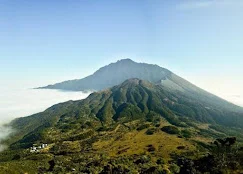
Mount Meru Tanzania offers forest trails, a dramatic volcanic crater, and a demanding high-altitude summit. Set within Arusha National Park, it suits walkers who want more than a quick viewpoint stop.
You can plan a lower-slope walk or a multi-day climb. Choose the trip that fits your fitness, time, and comfort with heights.
The mountain rises to about 4,566 metres. It is a rewarding destination in its own right, not just a warm-up for Kilimanjaro. This guide explains the route, the trade-offs, what to pack, and what to ask before you book. It also shows how to fit the trek into a wider Tanzania holiday.
What makes Mount Meru worth visiting?
The appeal is the change in scenery as you climb. Green lower slopes give way to open ground and a stark crater rim. The contrast makes the journey as important as the summit.
Leave space in your plans to enjoy that journey. A short stop to watch forest life can be as memorable as a wide mountain view. Clouds may hide the peaks, while rain can change the mood of the trail. A good trip does not depend on one perfect sunrise photo.
Choose a day walk if time is short or the summit is not your goal.
Choose a full trek if you want several days on foot and accept basic mountain comforts.
Add a rest night before a safari so the trip does not become a race.
Ask for a route that matches the least experienced member of your group.
Where is Mount Meru, and how do you reach it?
Mount Meru stands near Arusha in northern Tanzania. Arusha is a useful base for a briefing, gear check, and the transfer to the park.
Do not confuse Arusha Airport with Kilimanjaro International Airport. Share the airport name, flight number, and arrival time when requesting a transfer. The correct pickup plan matters more than a generic distance estimate.
Ask which gate your route uses, where the walk starts, and how long to allow for park formalities. Road traffic, your hotel location, and the final pickup plan affect the day. Avoid booking a climb that depends on a tight connection after an international flight.
Should you choose a Mount Meru day hike or summit trek?
A day hike offers a taste of the lower slopes. A summit trek is a much bigger physical and logistical commitment. The two should not be sold as the same experience.
A lower-slope day walk
This option suits visitors who want time on foot without several nights on the mountain.
Ask for the exact trail, expected walking time, height gain, and return point. A label such as “Meru day trip” is too vague on its own.
Check whether the trip is inside the national park or on another part of the mountain. Fees, guides, access rules, and scenery can differ. Do not assume that every waterfall outing reaches the main climbing route.
A multi-day summit climb
The full climb suits fit walkers who can manage repeated days of effort. It involves cold, thin air, uneven ground, and a long summit stage. A strong head for heights is useful on exposed ground.
You do not need to chase the summit to have a worthwhile trip. Agree in advance that weather, health, and the guide's judgment take priority. Turning back can be the best decision of the day.
How many days should you allow for Mount Meru?
Plan around four days on the mountain, plus arrival and recovery time. Three-day trips also exist, but a shorter schedule is not a sign of a better climb.
The TANAPA park guide recommends four days. Its outline uses Miriakamba for the first night, the Saddle area for the second, and Miriakamba again before the final descent. Treat this as a route outline, not a promise of safe acclimatisation for every guest.
Compare how operators handle the descent and the final transfer. A low headline price may reflect fewer nights or a much longer last day. Ask for a day-by-day plan before comparing totals.
What could a four-day Mount Meru itinerary look like?
The outline below is a planning example. Your guide must adapt it to conditions, park instructions, and the group's progress. Walking times should come from your confirmed operator plan.
Before the trek: arrival and gear check
Spend a night near Arusha before you start. Use the briefing to check footwear, warm layers, rain gear, and sleeping kit. Test your headlamp and check that spare batteries work.
Pack the mountain bag separately from your safari luggage. Ask where spare bags will be stored and get a clear collection plan. Keep essential medicines and travel documents with you.
Day one: approach and first mountain night
Start with the park formalities and the agreed lower trail. Keep the pace easy enough to settle into the climb. Resist the urge to treat the first day as a fitness test.
At the overnight stop, dry damp items where permitted and prepare for the next morning. Tell the guide how you feel. Small issues such as sore feet are easier to address before they become serious.
Day two: move higher and prepare
The focus is steady progress, food, rest, and a clear summit briefing. Ask what you must carry and what stays behind. Confirm the meeting time and how the group will stay together.
An extra outing should be agreed with the guide, not added as a personal challenge. Leave enough energy for the next stage. Sort your layers before dark so you do not unpack the whole bag in the cold.
Day three: summit attempt and descent
This is the demanding stage, with an early start often made in darkness. The summit is only part of the day. You still need strength, focus, and time to come down.
Use a headlamp and follow the guide's line. Keep a safe gap without losing contact with the group. On narrow ground, stop in a secure place before taking photos or changing clothes.
Agree on a turn-around plan before setting off. A slow pace, poor weather, or health concern may change the goal. Do not let a booked flight or a summit photo drive a risky decision.
Day four: finish the walk and rest
Keep care and patience on the final descent. Tired legs can make simple steps feel awkward. Make time for the agreed exit process and the transfer to your hotel.
A quiet meal, a shower, and a full night's rest can improve the next part of your holiday. Avoid planning a rushed airport dash straight from the trail.
How hard is Mount Meru?
It is a serious mountain trek, not an easy nature stroll. Fitness helps with the walking, but it does not remove the effects of altitude or poor weather.
Before booking, be honest about your recent walking experience. Can you walk uphill for hours with a daypack? How do your knees cope with a long descent? Are you comfortable on steep, uneven paths? These questions are more useful than calling yourself “fairly fit.”
Build up with regular walks, hills, and stairs at a level suited to you. Test your boots on real trails. If possible, practise walking on consecutive days. Seek personal advice if health issues may affect your preparation or your trip.
What should you know about altitude?
Altitude illness can affect fit travellers. A summit booking is not a guarantee that your body will cope. Discuss personal risks with a qualified clinician before travel.
Headache, nausea, dizziness, or unusual fatigue after ascending can be warning signs. Tell your guide promptly. Do not go higher while symptoms remain. If symptoms worsen, descent and medical assessment are important. Confusion, trouble walking straight, or breathlessness at rest need urgent help.
Review the CDC guidance on high-altitude travel with your clinician where relevant. This guide is general information, not personal medical advice. Ask about medicines before the trip; do not copy another trekker's prescription.
When is the best time to climb Mount Meru?
Drier periods are a useful starting point, but no month guarantees clear skies. The park guide highlights June to September and December to early March for visits. Rain is more likely in the wetter seasons.
Choose dates with both the climb and the wider holiday in mind. A good safari month does not promise dry summit conditions. Check the forecast near departure and ask the guide about current trail conditions.
Pack for rain even on a dry-season trip. Cold wind and wet clothing can change how a day feels. Keep a spare dry layer protected inside your bag, not just under the pack's outer cover.
What wildlife and scenery might you see on Mount Meru?
The lower park and the high mountain offer different experiences. Wildlife sightings are possible, but they are never guaranteed. Do not expect a summit trek to cover every park attraction.
Buffalo, giraffes, and monkeys are among the animals associated with Arusha National Park. Follow the ranger's directions and allow wildlife space. A close encounter is not a reason to leave the group or move in for a photo.
The volcanic setting adds another reason to visit. The crater, ash cone, and steep inner walls are key features of the mountain. On clear days, distant views can include Kilimanjaro. Cloud, haze, and the angle of light may change what you see.
Momella Lakes are a separate part of the park experience. Ask for a specific extension if lakes and waterbirds are a priority. Do not assume they form part of the summit trail.
What are the Mount Meru huts and meals like?
Plan for practical mountain accommodation, not a luxury safari lodge. Confirm the current sleeping setup, bedding needs, washing facilities, and meal plan before paying.
Ask whether spaces are shared and whether your group has any private arrangements. A premium package may improve support and off-mountain hotels, but it does not turn a public hut into a private suite.
Give dietary details early, including allergies and cross-contact concerns. Ask what the team can reliably provide on the mountain. Carry a few familiar snacks if you use them on long walks, and follow the team's water plan.
Confirm the sleeping bag rating and whether rental is available.
Ask about drinking water supply and treatment.
Check which meals are included on the first and last days.
Do not rely on phone charging or internet access.
Bring simple personal hygiene items and pack out your waste.
What should you pack for Mount Meru?
Use a layered system and a written kit list from the operator. Test important items before travel. New boots and an untested headlamp are poor surprises on summit night.
Clothes and footwear
Bring well-fitting boots with grip, walking socks, warm layers, and a waterproof shell. Add a warm hat, gloves, and sun protection. Keep dry sleep clothes separate from the items you wear on the trail.
Fit matters as much as price. Try the boots with the socks you will use. Check that gloves let you adjust straps and use your lamp. Avoid filling your bag with duplicate items that serve no clear purpose.
Daypack essentials
Carry the items you need while walking, even if a porter carries your main bag. Ask your guide how much water and food to take each day.
Water containers and the agreed water supply.
Rain protection and a spare warm layer.
Headlamp with spare power.
Sun hat, sunglasses, and sunscreen.
Personal medicines and a small personal care kit.
Camera or phone in a weatherproof pouch.
Main bag and spare luggage
Ask for the operator's bag size and weight limit before packing. Leave spare safari clothes in secure storage if that is part of the plan. Label bags clearly and keep valuables with you.
A soft bag can be easier to handle than a large hard suitcase. Use dry bags or waterproof liners for items that must stay dry. Check rental gear in person before leaving the hotel.
How much does a Mount Meru climb cost?
Request a dated, itemised quote for your exact group and route. There is no single price that fairly describes every trek. This guide does not publish an unverified current tariff.
The number of days, group size, staff support, transfers, and pre-trek hotel all affect the total. A private trip may cost more per person than a shared departure. Compare the same services, not just the lowest number.
Park, hut, guide, and ranger charges where applicable.
Mountain crew, meals, and drinking water.
Airport, hotel, and park transfers.
Hotel nights before and after the trek.
Equipment rental and any extra baggage charges.
Taxes, payment charges, and optional activities.
Ask separately about tips, insurance, flights, visas, and personal spending. Check the quote currency and expiry date. Get cancellation, rescheduling, and early-descent terms in writing before a deposit is paid.
What safety questions should you ask the operator?
A useful briefing explains what happens when plans change. Ask clear questions about people, equipment, communication, and evacuation. Do not settle for the phrase “safety included.”
Who leads the trek, and what relevant training do they have?
How are the guide and park ranger arrangements handled?
What first-aid equipment and communication tools are carried?
How does the team respond if one guest needs to descend?
Who pays for extra transfers, care, or evacuation?
Which insurance cover must guests arrange themselves?
Check that your policy covers the planned height and trekking activity. Read the rescue and medical terms, not just the cover headline. Keep emergency contacts available offline and share the plan with someone at home.
Can you combine the climb with Kilimanjaro or a safari?
Yes, but allow time for recovery and realistic transfers. A packed schedule can reduce the enjoyment of both trips. Choose the main purpose of the holiday before adding more stops.
Before Kilimanjaro
A Meru trek can provide useful mountain experience.
It does not guarantee success or remove altitude risk on a later climb. Review the whole schedule with the operator, including rest and how you feel after the first trek.
With a northern Tanzania safari
Use Arusha as a place to regroup before heading onward. Ask for a route that balances game drives with travel time. The exact camp location matters more than a park name alone.
Tarangire, the Ngorongoro area, and the Serengeti can form part of a wider plan. Do not compress them into spare half-days. Decide whether your budget is better spent on another destination or more time in one place.
With a beach break
A beach stay can give the holiday a slower finish. Leave a sensible buffer before the onward flight. Check flight baggage rules, since your mountain kit may not suit a small luggage allowance.
How can you travel responsibly?
Respect the trail, wildlife, and the people who support the climb. Small choices matter throughout the trip. Stay with the group and follow the ranger's instructions.
Ask how crew loads, meals, clothing, rest, and pay are handled. A very low price should prompt questions about what has been left out. Tip guidance should be clear, but tips should not be presented as a substitute for fair pay.
Ask permission before photographing people. If you add a community visit, choose one with willing hosts and clear local benefit. Avoid treating someone's home or daily work as an unscheduled attraction.
Why plan your trip with TanzaLux Safaris?
Plan the mountain and the rest of the holiday together. That helps you see where transfers, rest nights, and lodge stays need to fit. Start with your priorities rather than a fixed list of attractions.
Ask TanzaLux for a written proposal that names the route, daily plan, included support, and off-mountain hotels. Explain your recent hiking experience, group needs, dates, and budget. State whether you want a summit attempt or a gentler walking trip.
Before confirming, review the price, exclusions, current park arrangements, and cancellation terms. Do not assume every extra is included. A clear proposal gives you a better basis for a decision than broad promises of luxury or success.
Contact TanzaLux Safaris to discuss your Mount Meru trip. Share your arrival airport and any safari plans so the team can build a joined-up itinerary.
Mount Meru: 20 frequently asked questions
These quick answers cover the main decisions before booking. Confirm route details, access rules, and services for your dates.
1. Where is Mount Meru?
It is near Arusha in northern Tanzania, within Arusha National Park. Confirm your hotel pickup and trail starting point before booking a transfer.
2. How high is the summit?
The summit is about 4,566 metres above sea level. Published figures vary slightly. Either way, it is high enough for altitude to be a serious planning concern.
3. How long does the Mount Meru climb take?
Summit trips commonly run for three or four days. A four-day plan gives more room in the schedule. Add arrival and recovery nights outside the mountain programme.
4. Is a Mount Meru day hike the same as a summit climb?
No. A day walk usually explores lower terrain and returns the same day. Ask for the route and end point so you know exactly what you are booking.
5. Can a beginner attempt the trek?
A well-prepared beginner may be able to attempt it with suitable support. It is not a casual first walk. Discuss fitness, heights, and recent hiking experience with the operator.
6. Is the climb easier than Kilimanjaro?
It is shorter, but shorter does not mean easy. Steep ground and a long summit stage can be demanding. Compare the route and daily effort rather than height alone.
7. Can I climb without a ranger?
The park's published rules require climbing groups to be led by an armed park ranger or guide. Confirm current arrangements with the operator. Do not plan an independent ascent.
8. What is the best season?
Drier months are often preferred, but weather remains variable. Check current conditions and pack rain gear. Choose dates that also work for the rest of your holiday.
9. Will I see Kilimanjaro?
You may see it when the sky is clear. Cloud and haze can block the view. Treat it as a possible highlight, not a promised part of the booking.
10. Are wildlife sightings guaranteed?
No. Wildlife moves freely, and routes vary. Follow the ranger and keep your distance. Never leave the group to chase a better sighting or photo.
11. Are the mountain huts luxurious?
Plan for basic mountain comforts rather than lodge-style service. Check sleeping arrangements, washing facilities, and bedding needs. Confirm what your package actually provides.
12. Do I need a sleeping bag?
Ask the operator what bedding is supplied and what sleeping bag is required. Confirm the temperature rating and rental condition. Do not arrive assuming a blanket will be enough.
13. Can I rent equipment?
Rental depends on the operator and stock. Reserve key sizes early and inspect items before departure. Bring well-tested personal footwear whenever possible.
14. Can altitude affect fit hikers?
Yes. Fitness does not prevent altitude illness. Tell your guide about symptoms promptly, and do not keep ascending while unwell. Seek personal medical advice before the trip.
15. Is travel insurance needed?
Arrange cover suited to the activity and planned altitude. Check rescue, medical care, evacuation, and exclusions. A standard holiday policy may not cover the full trek.
16. Are children allowed to climb?
Age and altitude restrictions can apply, and operator policies may be stricter. Ask for current written guidance for each child's age. A lower walk may be a better choice.
17. Is mobile coverage reliable?
Do not rely on continuous signal, internet, or charging. Save key details offline and carry suitable spare power. Ask how the crew communicates in an emergency.
18. What is usually excluded from the price?
Possible extras include flights, visas, insurance, tips, rentals, and hotel nights. Packages differ. Request a written inclusion and exclusion list before comparing offers.
19. Can I add a safari after the climb?
Yes. Include rest and realistic road or flight transfers. Tell the planner which parks matter most, so the route does not become a series of rushed stops.
20. How do I request a tailored itinerary?
Send TanzaLux your dates, group size, budget, and walking experience. State your preferred trek length and any safari or beach plans. Ask for a detailed proposal before committing.
Ready to start planning?
Tell us your dates and what you're after — no obligation.