5.0 Excellent
Arusha National Park: Tanzania’s Best-Kept Safari Secret
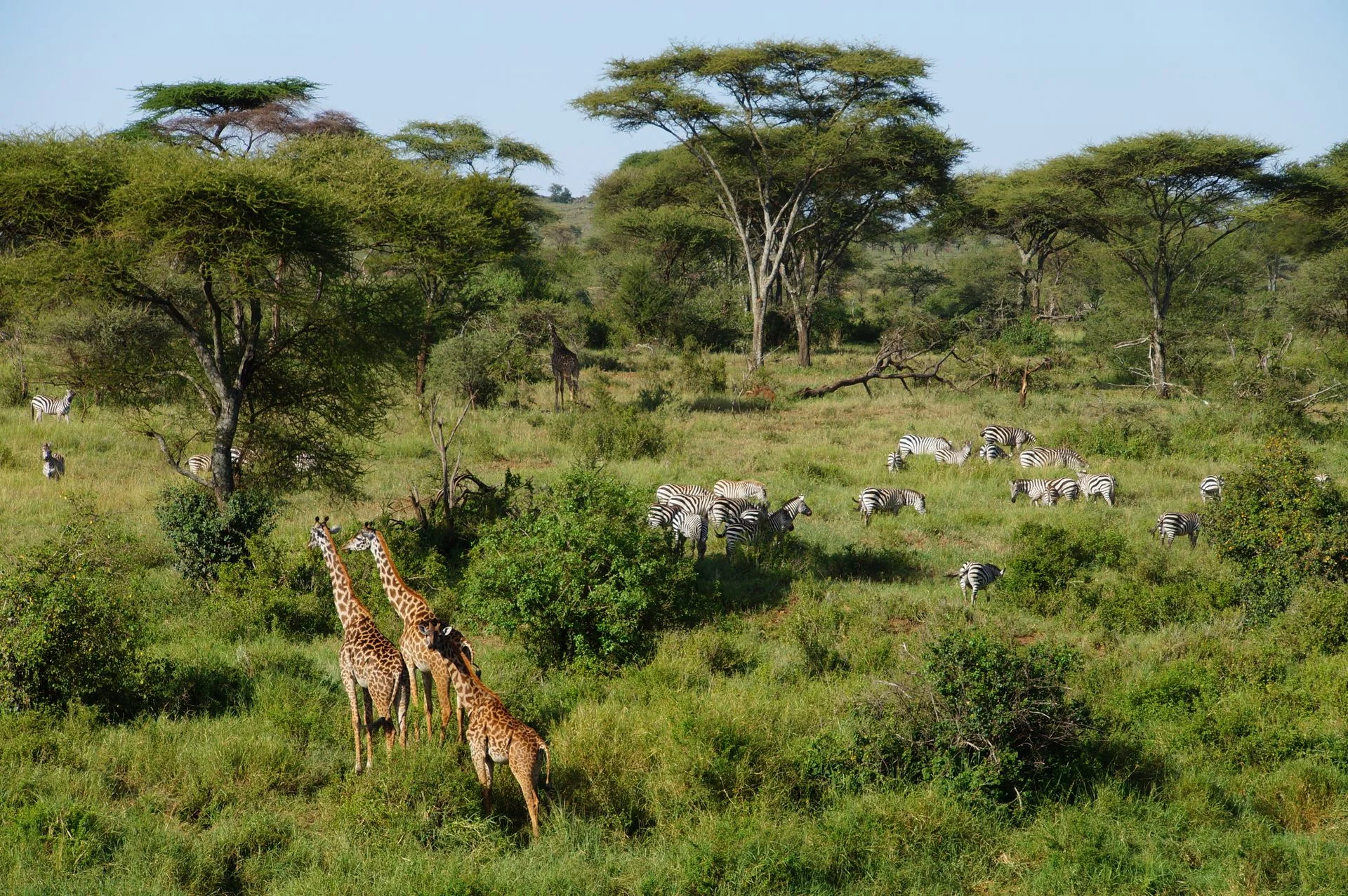
Arusha National Park brings forest, lakes, wildlife, and Mount Meru into one rewarding safari stop. It suits a day trip from Arusha, a gentle start to a longer route, or a slower stay built around birds and guided walks. You can explore by vehicle and add a walk or canoe trip when these activities are available.
The appeal lies in the mix. A shady forest can give way to an open glade. A lake stop can shift your focus from giraffes to waterbirds. Mountain slopes rise behind the scene. Give each habitat time, and this park becomes much more than a quick stop between famous names.
This guide explains what to see, how to plan your day, and which details to confirm before you book. It also sets clear expectations. Wildlife is wild, views depend on cloud, and optional activities need their own arrangements.
Why choose Arusha National Park?
Choose this park for varied scenery, forest wildlife, and the chance to explore beyond a game drive.
Many northern safari days focus on long drives across open plains. Here, you can build a day with a different rhythm. Watch monkeys in the trees, pause at a crater lookout, scan a lake, then follow a ranger on foot. The range of settings makes each stop feel distinct.
It is a strong choice if you enjoy small details as much as large animals. Tracks in soft earth, bird calls, tree roots, and changing light all add depth. A guide who takes time to explain them can turn a simple sighting into a memorable lesson.
First safari: get used to a game drive before a longer circuit.
Nature lovers: combine forest, lake, and mountain scenes.
Birdwatchers: plan quiet stops in more than one habitat.
Photographers: seek varied subjects without changing parks.
Families: balance vehicle time with suitable, prearranged activities.
Where is the park, and how do you get there?
The park lies near Arusha in northern Tanzania, on and around Mount Meru.
TANAPA's general park brochure places it about 32 kilometres from Arusha. Your actual drive depends on the hotel, entry gate, traffic, and route. Ask for a pickup time based on your own address. A distance on a map is not a promise of a fixed transfer time.
Arusha National Park is practical as a day trip from a city hotel. It can also fit between other safari stops. Airport trips need more care. Give the planner your flight time, terminal, luggage needs, and required check-in time. Leave a buffer for traffic and park delays.
A late arrival is a poor fit for a full day of activities. After a long flight, a night in Arusha may make the next day more relaxed. For departure day, consider a shorter route with a clear exit time. Avoid filling every spare hour on the assumption that roads will be clear.
For official access and park background, see TANAPA's general park brochure.
What are the main places to see?
The key stops include forest, Ngurdoto Crater, Serengeti Ndogo, and the Momella Lakes.
Build your route around these different habitats. Do not judge the day by how many places you tick off. A quiet half hour with birds or a well-placed crater stop may be worth more than a rushed circuit. Road access, weather, and your activity bookings should guide the order.
The forest and its monkeys
The forest is one of the best reasons to give this park a full day.
Look up as well as ahead. Black-and-white colobus monkeys are a signature subject, with long tails and striking coats. Other primates may also appear near the route. Your guide can help spot movement in the canopy and explain what you are seeing.
Arusha National Park rewards patient viewing here. Stop the vehicle when permitted, lower your voice, and scan branches. Dense leaves can hide an animal that is only a short distance away. Binoculars help you see faces and behaviour without needing a close approach.
Never feed monkeys or invite them toward the vehicle. Keep food packed away. A forest stop should respect the animals' space and the rules of the road.
Ngurdoto Crater and its lookouts
Ngurdoto Crater offers a broad view into an old volcanic landscape.
From the rim, you can take in steep forested sides and the floor below. Bring binoculars to scan distant wildlife. Treat this as a scenic lookout stop and follow the guide's advice on permitted access. Do not assume a game drive can descend into the crater.
The view is also a chance to slow down and understand the land. Ask how volcanic forces shaped the park. TANAPA's Arusha-Meru geology page explains the crater, lakes, and deposits left by Mount Meru. This deeper story adds meaning to the scenery.
Serengeti Ndogo, the open glade
Serengeti Ndogo brings a patch of open grassland into the forested setting.
The name means Little Serengeti. It is a local glade, not a substitute for the vast Serengeti ecosystem. Watch the open ground for grazing animals and scan the edges for movement. This stop can offer a useful change from the dense cover of the forest.
Ask your guide to pause when a good scene develops. A herd spread across the grass may offer a fine wide photograph. You do not need to fill the frame with one animal for the picture to tell a story.
Momella Lakes and changing colours
The Momella Lakes are a scenic highlight and a key stop for waterbirds.
The lake group includes shallow alkaline waters. Minerals and algae help create different colours. Bird numbers and species vary with season and water conditions. Flamingos may be a highlight, but no date can guarantee a large flock.
Give this part of Arusha National Park enough time for several views. One stop may be best for birds, another for a mountain backdrop. Your guide can explain which waters and viewpoints suit the day. Do not assume that every lake has the same wildlife or the same access.
The Tanzania Tourist Board's park guide describes the lakes, habitats, and main activities.
Waterfalls and the fig tree arch
Ask about these extra stops when you want to add a walk or a scenic detour.
Tululusia Waterfall and the fig tree arch add variety to a route. TANAPA's park magazine lists these among the attractions. Confirm the route and current access with your guide. A waterfall walk may need more time and different arrangements than a short vehicle stop.
Keep the pace realistic. Wet ground can change the ease of a walk. Tell the planner about any limits before the trip, and choose the route to match your group.
What wildlife can you see in Arusha National Park?
Giraffes, buffalo, monkeys, antelope, and birds are major reasons to visit.
The park's wildlife varies across forest, grassland, and water. The official tourism guide also lists elephants and hippos, while describing leopard sightings as rare. Plan around the habitat rather than a wish list. A day focused only on elusive predators can miss what makes this place special.
A good guide reads fresh signs and responds to what the day offers. There is no fixed order in which animals appear. Even common species can be hidden by trees, weather, or movement. Allow pauses and avoid pressing the driver to race between reported sightings.
Forest: scan the canopy for monkeys and listen for calls.
Open ground: watch for giraffes, buffalo, and grazing antelope.
Lake edges: look for birds and wildlife using the shore.
Along the route: notice tracks, feeding signs, and animal behaviour.
Arusha National Park is best treated as a varied nature safari. For a longer trip, pair it with parks that offer broader plains or a different wildlife focus. This helps each stop contribute something of its own.
How does a game drive work?
A game drive links the main habitats while keeping your route flexible.
Start with a plan, then let sightings shape the pace. Your driver-guide can choose roads based on conditions and time. Good viewing often means waiting in one place. Make room for those pauses rather than setting a strict target for every stop.
Tell the guide what matters most to you before entering Arusha National Park. A bird-focused day may use longer lake stops. A family may prefer shorter viewing periods and a timely lunch. A keen photographer may value light and angle over the longest route.
Stay seated when the guide asks, keep limbs inside the vehicle, and follow rules for any roof opening. Get out only at approved places with permission. Buffalo and other large animals need space even when they seem calm.
Can you take a walking safari?
Yes, guided walks are a key activity, with park ranger arrangements required.
A walk changes the scale of the safari. You may notice tracks, plants, insects, and sounds that are easy to miss from a vehicle. The goal is to learn about the landscape. It is not a chance to approach animals closely.
Book your Arusha National Park walking safari in advance. Ask about route, length, terrain, ranger availability, minimum age, and the day's conditions. Explain any mobility needs. A gentle walk and a longer hike can demand very different levels of effort.
Wear closed shoes with a firm grip.
Carry water and a light layer for rain.
Stay with the group and follow the ranger's pace.
Keep your voice low and avoid sudden movement.
Let the ranger choose the distance from wildlife.
Do not plan a self-guided walk in wildlife areas. The ranger's briefing and decisions take priority over any planned photo or stop. If the route changes, let the team adapt the day.
Can you canoe on Momella Lake?
Canoeing can be arranged, subject to availability, weather, and the operator's rules.
A canoe offers a low, quiet view of the water and shore. It can suit guests who want a change from vehicle travel. Confirm which lake will be used, the length of the trip, and the equipment before adding it to your booking.
Ask the team about life jackets, guide support, age limits, and any needs within your group. Keep cameras protected from splashes. Follow the guide's instructions on seating, paddling, and distance from wildlife. Never treat hippos or other animals as a reason to paddle closer.
A canoe trip in Arusha National Park should have its own time slot and clear price. Avoid adding it at the last moment when it could force a rushed walk or late return. Keep a vehicle-based alternative in mind if weather prevents it.
Is Mount Meru a day trip or a separate trek?
The summit is a separate multi-day trek, while lower slopes can feature in shorter park visits.
Mount Meru rises to about 4,566 metres and is Tanzania's second-highest mountain. The official Mount Meru guide describes typical three- or four-day climbs. A normal day safari does not reach the summit.
Plan a climb with a qualified trekking team. Ask about the route, ranger support, hut stays, food, water, gear, and the full schedule. Fitness and altitude both deserve care. Discuss preparation and any personal concerns with the appropriate professionals before choosing a trek.
For a park day, enjoy Meru as part of the setting. Clear views can be wonderful, but cloud may hide the peak. Ask about a suitable lower-slope walk if you want a taste of the mountain without booking a summit trek. Our Mount Meru guide can help you explore that option.
When is the best time to visit Arusha National Park?
June to October is a strong choice for wildlife viewing, while wetter months bring greener scenery.
The Tanzania Tourist Board highlights the dry months for thinner vegetation and wildlife near water. Still, the park is worth considering throughout the year. Match the season to what you most want to do. A walk, a birding day, and a mountain trek have different planning needs.
Rain can affect trails and the ease of travel. Cloud can hide Mount Meru at any time. Ask for recent conditions close to your date, especially when a walk or canoe trip is central to your plan. Seasonal patterns are a guide, not a forecast.
Dry months: consider game drives and a planned ranger walk.
Greener months: allow for rain and enjoy lush forest scenes.
Birding trips: discuss target species and timing with a bird guide.
Mountain views: leave room to stop when the peak clears.
How should you plan one full day?
Choose a balanced route with one main optional activity and time for quiet viewing.
This sample Arusha National Park day is a planning outline. The guide should adjust it for your pickup point, bookings, weather, and road conditions. It is not an official park timetable.
Early pickup: leave your hotel with enough time for entry formalities.
Morning drive: explore forest and open ground at an easy pace.
Main activity: take your prearranged ranger walk or canoe trip.
Lunch: stop at an approved place and keep food secured.
Afternoon: visit lake viewpoints and a crater lookout as the route allows.
Return: leave with a clear margin for your hotel or onward plans.
Trying to add a long walk, canoe trip, every viewpoint, and an early flight can make the day feel rushed. Choose your priorities first. If two optional activities matter, confirm that the team can fit both with enough time.
Who should consider two days?
Two days suit guests who want more time for birding, photography, or guided walks.
A slower Arusha National Park stay lets you separate activities. You might use one day for forest, crater, and a walk. The next can focus on lakes and birds. Returning to a habitat can also help you see it in different light.
Ask whether it makes sense to stay near the park or return to Arusha. Compare actual transfer time, meals, comfort, and total cost. Extra days bring extra fees and guide costs, so choose them for the experience you want.
What affects the price?
The cost depends on your group, transport, fees, guide service, and chosen activities.
Request a dated, itemised quote for Arusha National Park. Park fees and activity charges can change. The price may also depend on visitor category and age. Use the official TANAPA tariff page as a starting point, then confirm what applies to your trip.
Entry fees for each guest and vehicle.
Private or shared transport and guide service.
Pickup and return points.
Ranger walk and canoe charges, if selected.
Lunch, drinking water, and any special meal needs.
Taxes, payment terms, and cancellation terms.
Any costs that remain payable separately.
Compare quotes with the same inclusions. A low headline price may cover only a drive. A higher total may include a private vehicle, lunch, and activities. Ask for clear details rather than choosing on the first number alone.
What should you pack?
Bring layers, water, sun protection, and the right shoes for your booked activities.
Arusha National Park spans different settings, and a shaded forest can feel cooler than open ground. Pack for the day as well as the weather forecast. Keep the bag small enough to use easily inside the vehicle.
Light clothes in muted colours.
A warm layer for a cool start.
A rain layer and closed shoes for a walk.
A hat, sunscreen, and personal essentials.
Binoculars for birds and distant wildlife.
A charged camera, spare battery, and lens cloth.
A reusable water bottle and a bag for your litter.
Documents the operator asks you to bring.
Check lunch and water arrangements before leaving. Tell the team about food needs early. Pack only what you need, and keep snacks sealed so they do not attract wildlife.
How can you get better photographs and bird sightings?
Use patience, a quiet approach, and enough time at each stop.
In Arusha National Park, scenery can be as rewarding as a close wildlife portrait. Try a wide frame with forest, lake, or mountain behind the subject. A smartphone works well for broad scenes. Binoculars remain useful even when you carry a camera.
For birds, agree on a slow pace with the guide. Scan both water and shore, and listen before moving on. Keep a simple note of habitat, size, colour, and call. Ask the guide to help with identification rather than guessing from a brief glimpse.
Avoid crowding animals for a better angle. Turn off flash near wildlife and keep sounds low. Let your guide choose a permitted stopping place. The strongest image often comes from watching behaviour rather than trying to get closer.
Is the park suitable for families and varied mobility needs?
Yes, with a route and activities chosen for the people travelling.
A vehicle-based Arusha National Park day may suit guests who want less walking. Yet access, road surfaces, seating, and toilet stops still need discussion. Do not assume all viewpoints or trails are step-free.
For children, tell the planner their ages and usual comfort with long drives. Confirm rules for walks and canoe trips before promising those activities. A shorter route with regular breaks can work better than a packed schedule.
Give specific needs to the team in advance. Ask about help boarding the vehicle, space for mobility aids, walking surfaces, and suitable rest stops. Clear planning lets the operator advise on what is practical.
How does this park fit into a longer safari?
Use it as a varied opening day or a relaxed final park stop.
Arusha National Park adds forest, lakes, and walking to a northern route. You can then explore Tarangire, the Ngorongoro Crater, or the Serengeti for a different setting. Choose the sequence around your total time and transfer needs.
Leave space between arrival, park activities, and onward travel. A full itinerary works best when it includes time to rest. If you have only a few days, ask which combination gives you the most varied experience without too much driving.
How can you visit responsibly?
Follow park rules, give wildlife space, and leave each stop clean.
Keep to permitted roads and paths. Do not pick plants, feed animals, or leave scraps at lunch. Respect ranger decisions even when they change a planned activity. A responsible visit protects the experience for the next group as well as the wildlife.
Choose a team that explains the rules and answers practical questions clearly. Ask guides about the park's forest and water systems. Learning how the land supports wildlife gives your trip a lasting value beyond the photographs.
Plan your Arusha National Park safari with TanzaLux Safaris
Start with your dates, group size, pickup point, and the experiences you value most.
Tell our team whether you prefer birds, photography, a ranger walk, or a relaxed game drive. Include children's ages, mobility needs, meal requests, and any flight plans. We can then discuss a route and quote based on your priorities and available activities.
Contact TanzaLux Safaris to plan your visit. Ask for a clear list of inclusions, confirmed activities, and pickup details before booking. A well-paced day gives this park the attention it deserves.
20 frequently asked questions about Arusha National Park
These answers cover the main choices to make before your visit.
1. Is Arusha National Park worth visiting?
Yes, especially if you enjoy forest wildlife, lakes, birds, and guided walks. Its varied habitats make it a rewarding addition to a northern Tanzania safari.
2. Where is Arusha National Park?
It is near Arusha in northern Tanzania, around Mount Meru. TANAPA gives a distance of about 32 kilometres from Arusha. Your drive depends on the starting point and gate.
3. Can I visit in one day?
Yes. A full day can combine a game drive with key viewpoints and one prearranged activity. Keep the route flexible and allow time for entry, lunch, and the return journey.
4. What animals should I look for?
Look for giraffes, buffalo, monkeys, antelope, and birds across the different habitats. Sightings vary, so let your guide choose stops based on the conditions and wildlife activity.
5. Is this a good choice for a Big Five safari?
Choose it for its forest, lakes, and varied nature experiences. If the Big Five is your main aim, discuss a wider safari route with your planner. No itinerary can guarantee all five.
6. Can I see black-and-white colobus monkeys?
They are a signature forest species here. Watch the canopy with your guide and use binoculars. Dense leaves can make sightings difficult, and an encounter is never guaranteed.
7. Can I take a walking safari in Arusha National Park?
Yes, with the required ranger arrangements. Confirm route, duration, age rules, terrain, and availability before booking. Walk only with the authorised team and follow the ranger's instructions.
8. Can I walk without a ranger?
Do not plan a self-guided walk in wildlife areas. Arrange an approved guided activity through your operator and follow park rules on where visitors may leave a vehicle.
9. Is canoeing available?
Canoeing can be arranged on Momella Lake, subject to current availability and conditions. Confirm the guide, equipment, age rules, duration, and price with your operator.
10. Will I definitely see flamingos?
No. Flamingo numbers depend on water conditions and season. The lakes are worth exploring for their scenery and other waterbirds even when large flocks are absent.
11. How many bird species are recorded in the park?
The Tanzania Tourist Board reports more than 400 species. That is a park-wide record, not the number you should expect in one day. A bird guide can help set realistic targets.
12. When should I visit Arusha National Park?
June to October is a strong choice for wildlife viewing. Wetter months can offer green scenery. Confirm recent conditions when walks, canoeing, or clear mountain views are central to your plans.
13. Can I climb Mount Meru during a day safari?
No, a summit climb is a separate multi-day trek. Typical plans take three or four days. A lower-slope walk may fit a shorter visit if arranged in advance.
14. Can I drive into Ngurdoto Crater?
Plan to view it from permitted rim lookouts. Do not assume you can descend by vehicle. Your guide should confirm the approved route and current access on the day.
15. Is Arusha National Park suitable for children?
It can be, with a route matched to their ages and needs. Confirm minimum ages for walks and canoe trips. Allow breaks and avoid an overly long activity list.
16. Is the park accessible for guests with limited mobility?
A vehicle-based visit may be practical, but access varies. Discuss boarding help, seats, toilets, viewpoint surfaces, and mobility aids before booking. Ask for advice specific to your needs.
17. How much does an Arusha National Park safari cost?
The total depends on fees, group size, transport, guide service, meals, and activities. Request a current, itemised quote and confirm the visitor category that applies to each guest.
18. What should I wear?
Wear light, muted clothes and bring a warm layer. Add a rain layer and closed shoes if walking. A hat and sun protection help on open ground and lake stops.
19. Can I visit before an airport transfer?
Possibly, if the schedule leaves a generous buffer. Share the flight details with your planner. A shorter park route may be needed to allow for traffic and check-in.
20. How do I book with TanzaLux Safaris?
Send your dates, group size, pickup point, and preferred activities through our contact page. Ask for the proposed route, full price, inclusions, and confirmed arrangements before you book.
Ready to start planning?
Tell us your dates and what you're after — no obligation.