 5.0 Excellent
Dorine M11 months ago

Grateful experience
As a solo female traveler, I felt super safe and well taken care of the entire time.
Read more
Northen Circuit
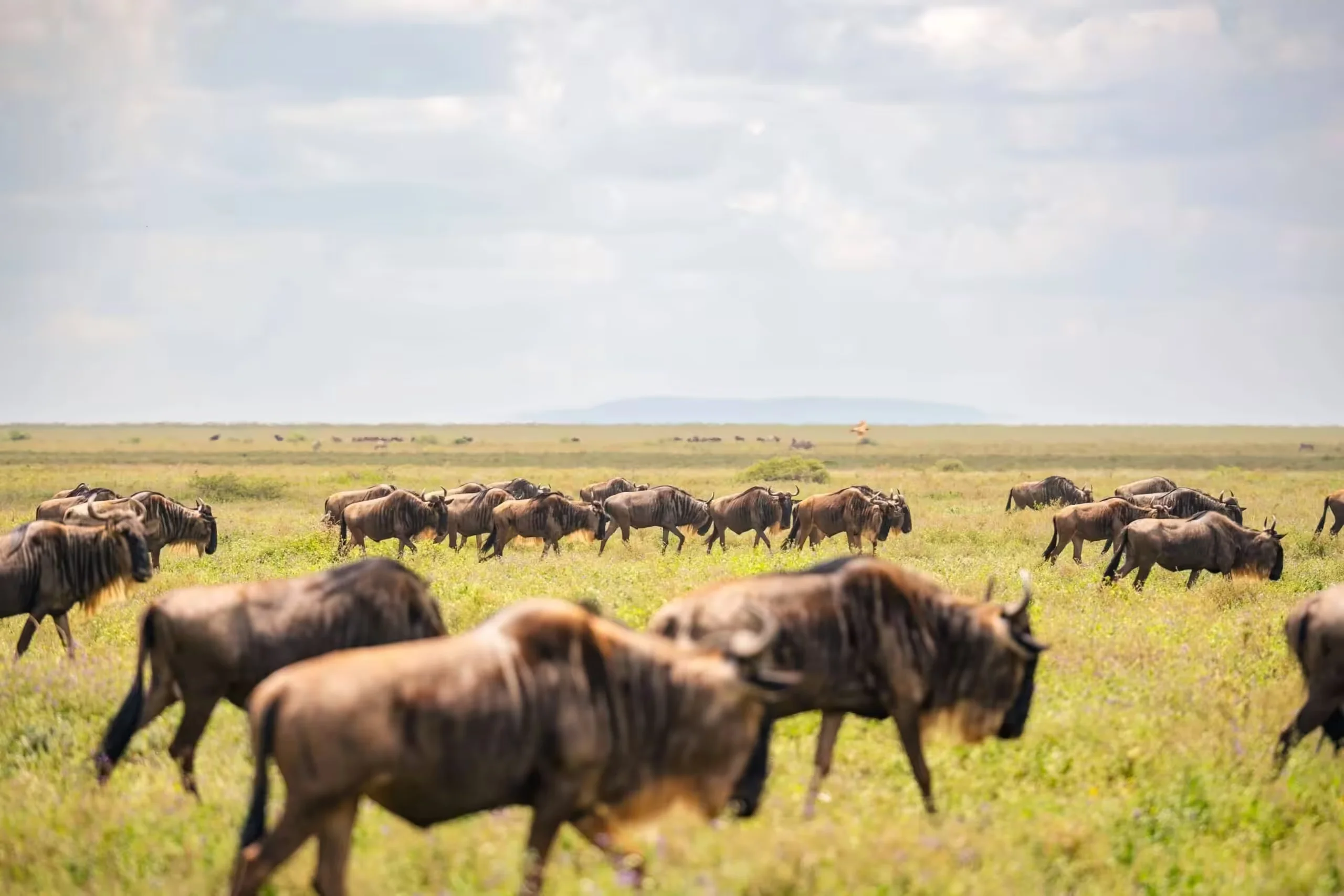
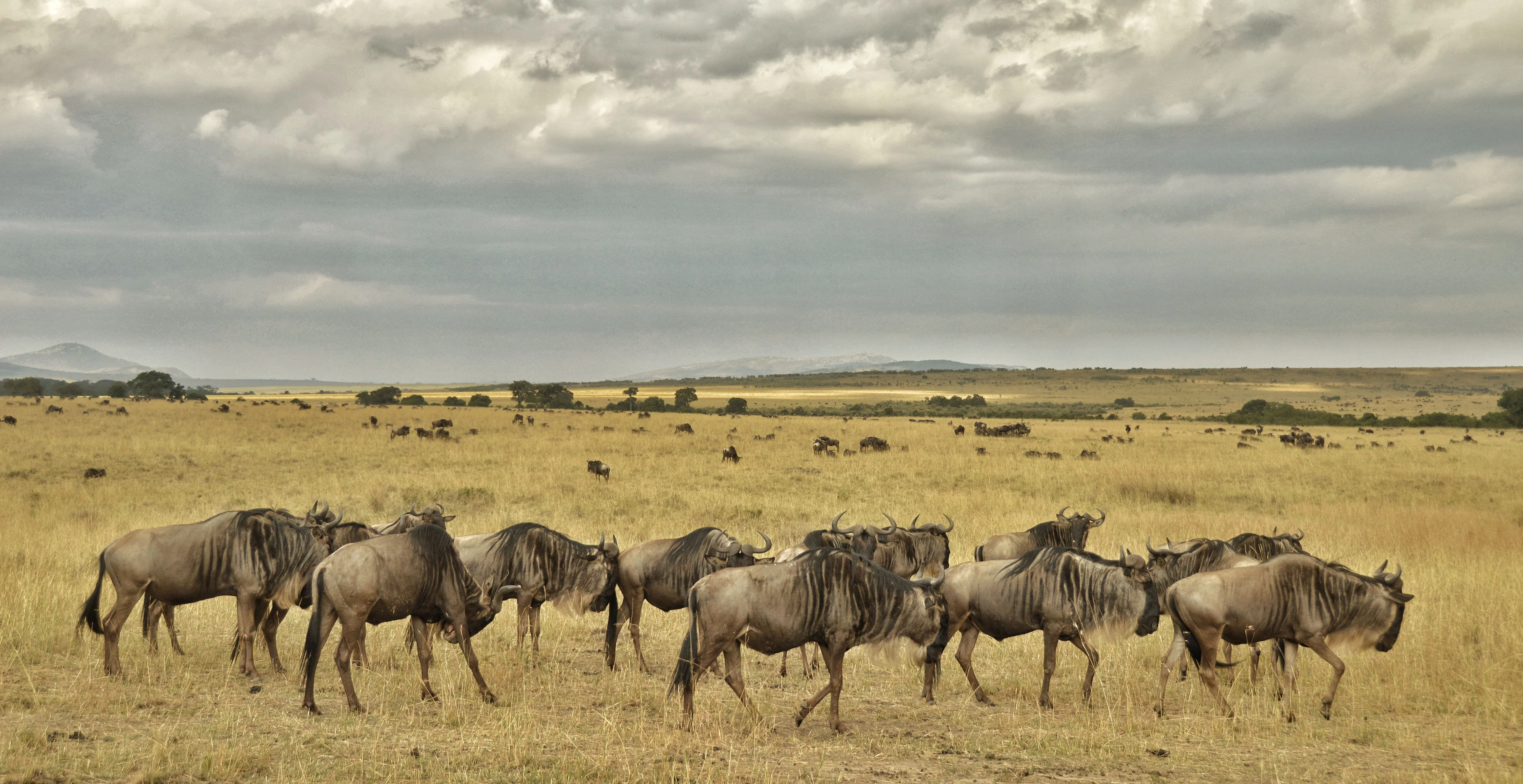
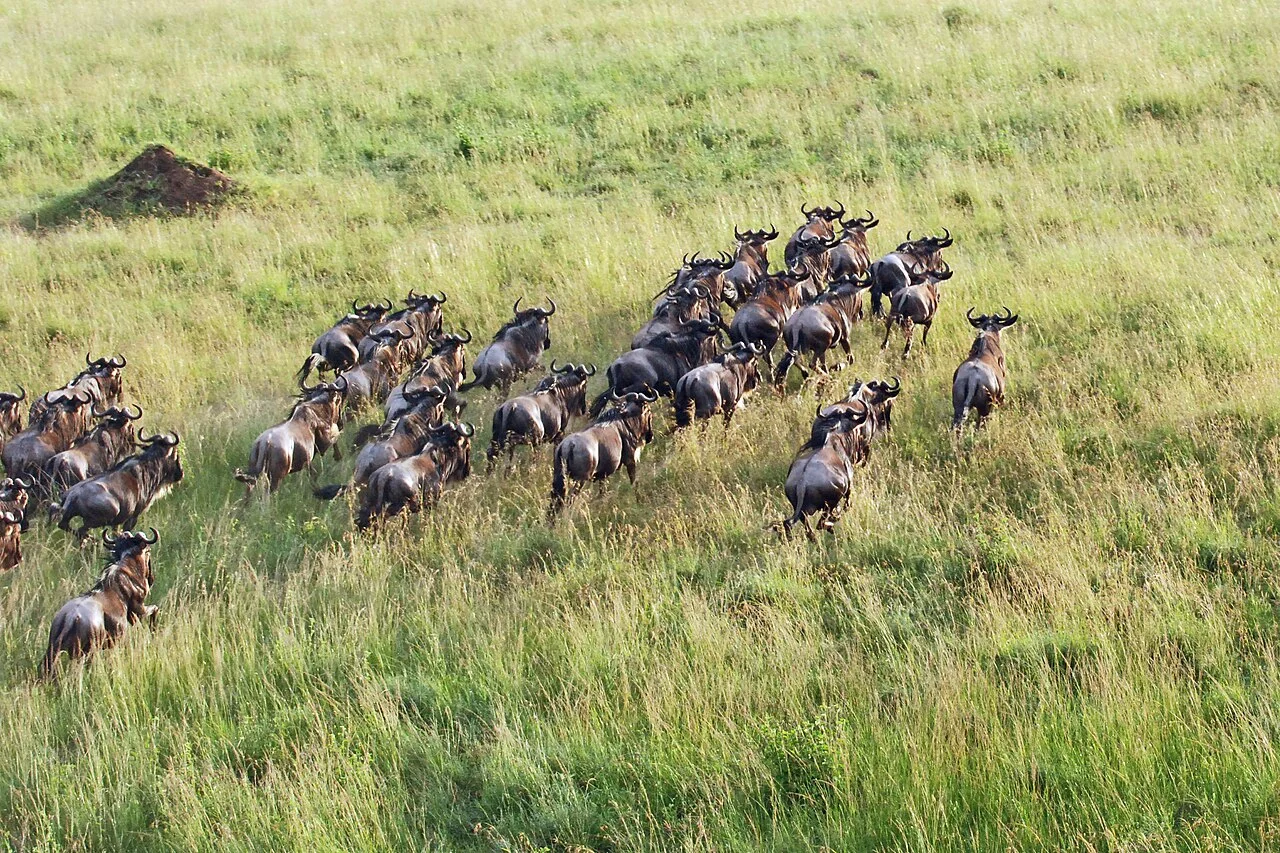
South Serengeti is one of Tanzania’s most important wildlife regions and a key part of the annual Great Wildebeest Migration. Located between the southern Serengeti plains and the Ngorongoro Conservation Area, this region is especially famous for the Ndutu area, seasonal wildebeest calving, open grasslands, and excellent opportunities to observe predators in action. The landscape of South Serengeti is different from the rocky hills and riverine habitats of northern Serengeti. Much of the southern region consists of expansive short-grass plains, shallow depressions, seasonal lakes, scattered kopjes, and open savannah. These habitats provide nutritious grazing for wildebeest, zebras, gazelles, and other herbivores. From approximately December to March, large numbers of wildebeest may gather in the southern Serengeti and Ndutu region to give birth. The exact timing depends on rainfall, pasture conditions, and the movement of the herds. During this period, the abundance of young animals can attract lions, cheetahs, hyenas, jackals, and other predators. South Serengeti is also rewarding outside the calving season. Resident wildlife, wide landscapes, birdlife, and changing seasonal scenery make the region valuable for travellers who want to experience a quieter and more open side of the Serengeti. A South Serengeti safari can be combined with Central Serengeti, Ngorongoro Crater, Tarangire National Park, Lake Manyara, or other northern Tanzania destinations. TanzaLux Safaris can create a private or luxury safari itinerary based on your travel dates, wildlife interests, accommodation preferences, and budget.
April to May is the low season in South Serengeti, with fewer visitors and generally more affordable accommodation rates. The landscape is lush and green during the long rains, creating beautiful conditions for photography and birdwatching. Resident wildlife, including lions, elephants, giraffes, zebras and various antelope species, can still be seen throughout the region. However, rainfall may make some roads muddy, and certain seasonal camps may close. This period is ideal for travellers seeking tranquillity, dramatic skies and a more private safari experience.
November to December marks the return of the wildebeest herds toward the southern plains as the short rains bring fresh grass. The landscape becomes greener, visitor numbers are generally lower and safari rates may be more attractive. In March, the calving season begins to wind down, but the southern plains can still offer excellent wildlife viewing, newborn animals and active predators. Rainfall is possible, and migration movements may vary depending on local weather conditions. These months are suitable for travellers seeking a balance between wildlife experiences, fewer crowds and value.
January and February are the peak months for the South Serengeti and Ndutu calving season. Large wildebeest herds gather on the short-grass plains, and thousands of calves may be born during the main calving period. The abundance of young animals attracts predators such as lions, cheetahs, hyenas and jackals, creating exceptional opportunities for wildlife photography and predator sightings. June to October is the traditional dry-season peak across the Serengeti, offering clear skies, easier driving conditions and excellent general game viewing. However, the migration is usually away from the southern plains during this period, and visitor numbers and prices may be higher.
South Serengeti can be reached by road from Arusha, Karatu, Ngorongoro, or other destinations on the northern Tanzania safari circuit. The exact travel time depends on the starting point, road conditions, wildlife stops, and the location of the chosen camp. Travellers visiting the Ndutu region may enter through routes connected with the Ngorongoro Conservation Area or Serengeti National Park, depending on their itinerary and the location of their accommodation. Domestic flights may also be available to selected airstrips serving the southern Serengeti and Ndutu area, depending on the season, airline schedule, weather, and operating conditions. Road travel offers opportunities for additional wildlife viewing and scenic stops. Flying can reduce transfer time and may be useful for travellers with limited time. TanzaLux Safaris can recommend the most suitable route based on your arrival point, travel dates, accommodation, safari duration, and preferred travel style.
South Serengeti is famous for its short-grass plains, the Ndutu region, seasonal wildebeest calving, large grazing herds, predator activity, and beautiful open landscapes.
South Serengeti is located in the southern part of the Serengeti ecosystem in northern Tanzania, near the Ndutu area and the boundary with the Ngorongoro Conservation Area.
December to March is generally popular for travellers interested in wildebeest calving and predator activity. The exact timing varies according to rainfall and herd movements.
Ndutu is a wildlife-rich area in the southern Serengeti–Ngorongoro ecosystem known for open plains, seasonal lakes, wildebeest calving, and excellent wildlife-viewing opportunities.
Yes. Large numbers of wildebeest and other grazing animals may gather in South Serengeti during the calving season. Their arrival and departure depend on environmental conditions.
No. January is commonly associated with the calving period, but the exact timing changes from year to year according to rainfall, pasture conditions, and herd movements.
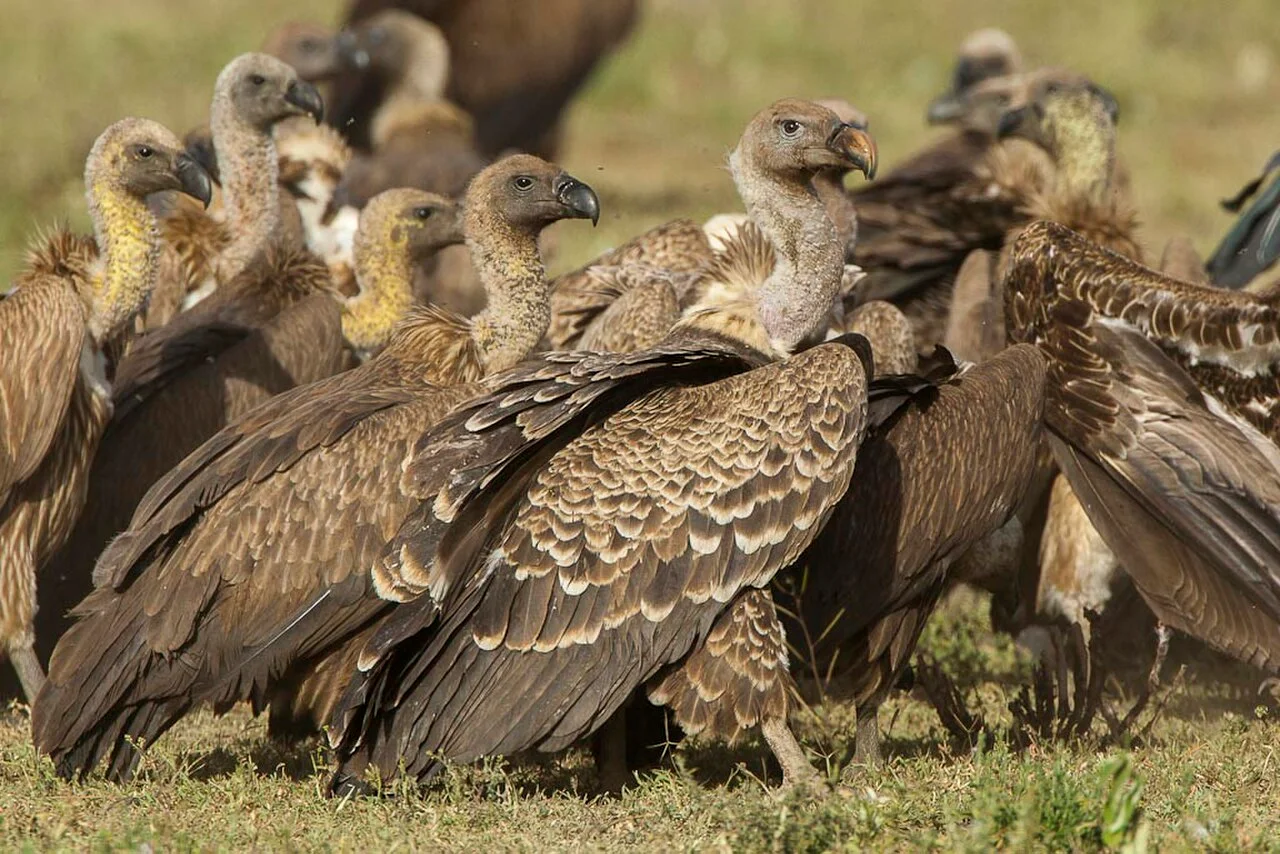
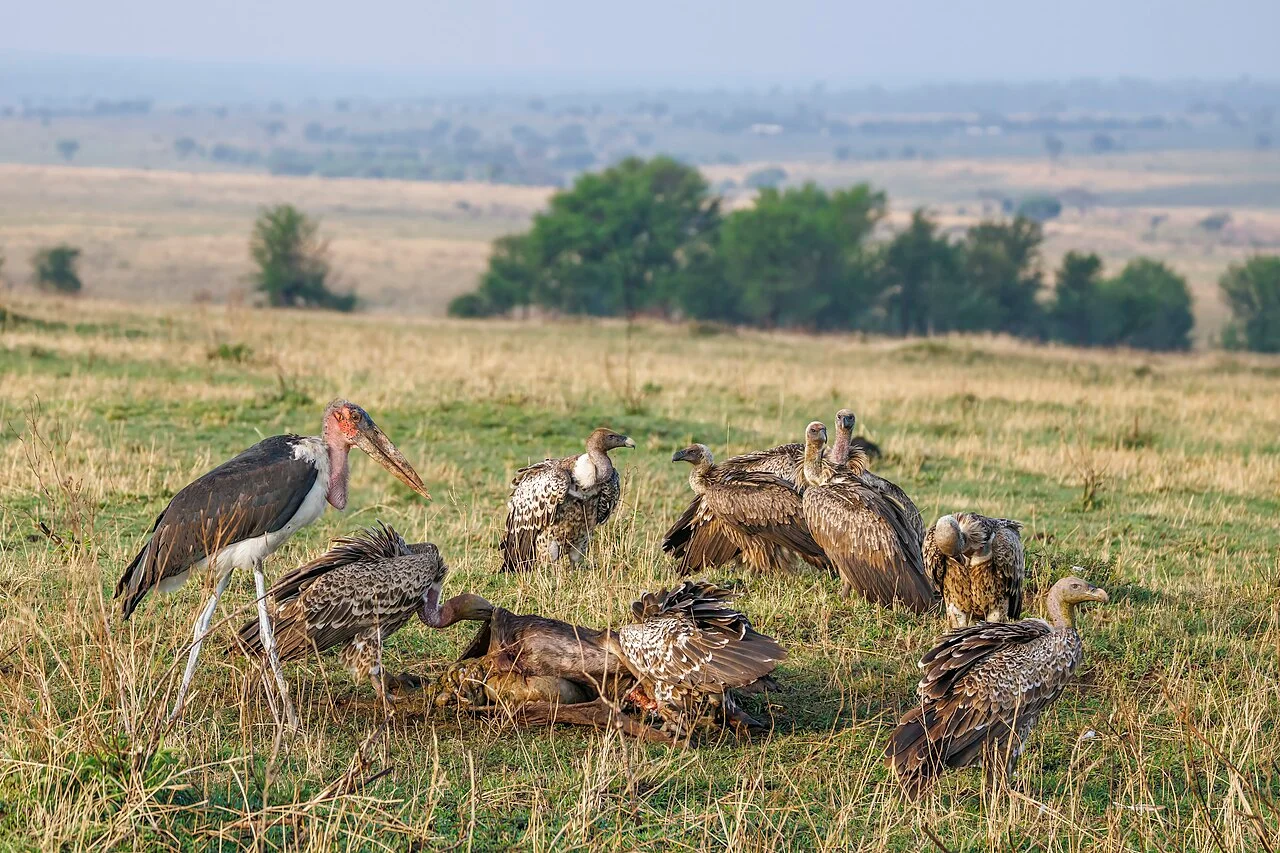
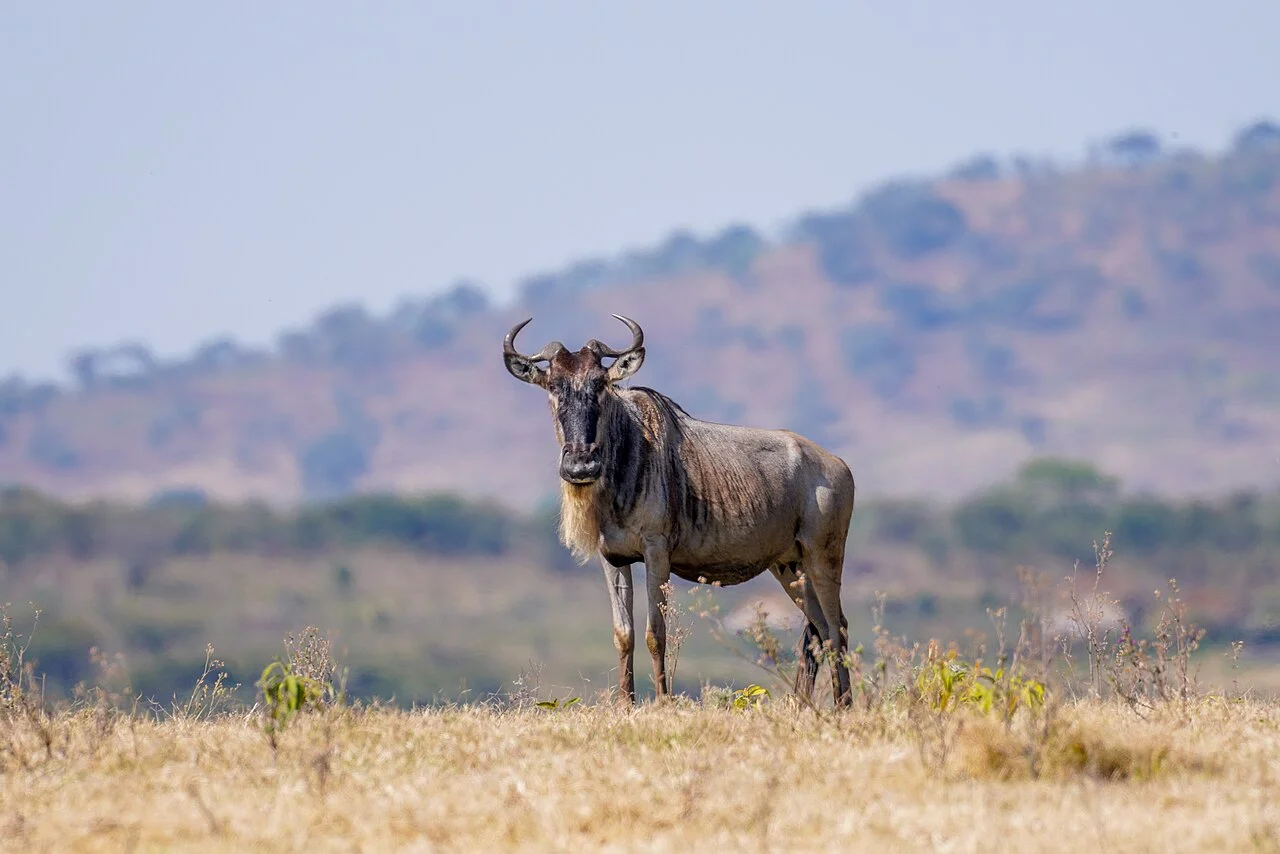
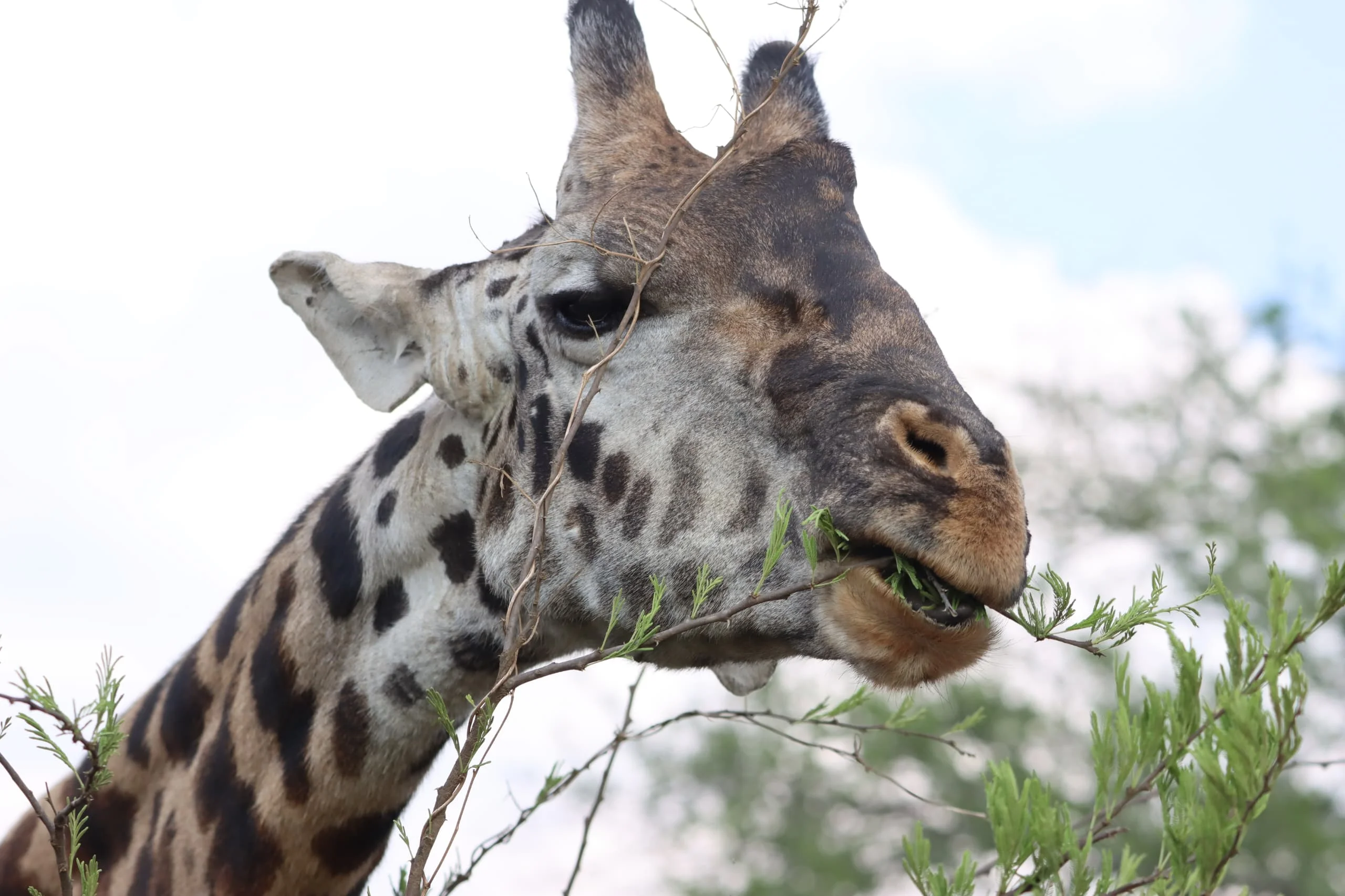
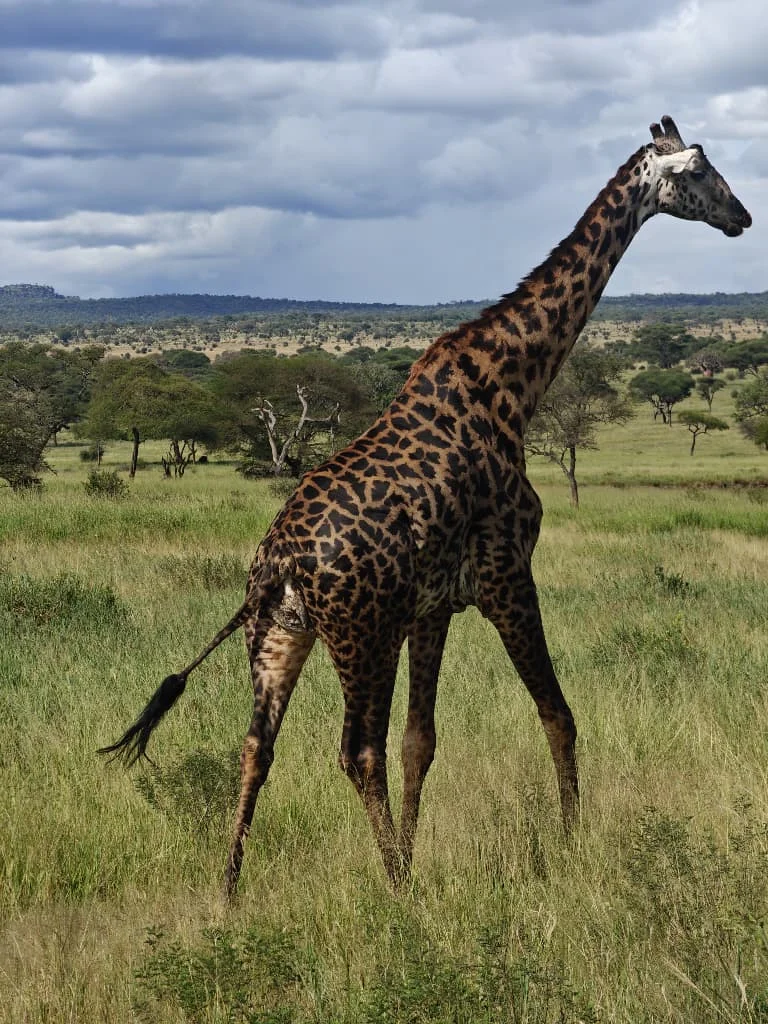
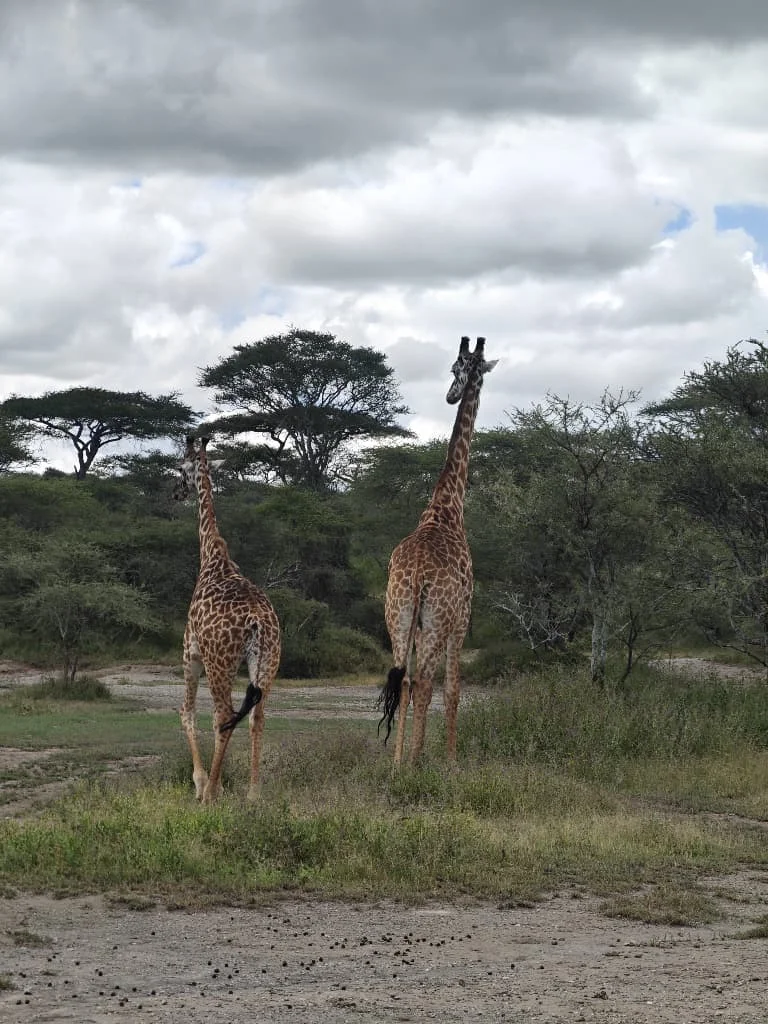
Wildlife may include wildebeest, zebras, lions, cheetahs, leopards, spotted hyenas, gazelles, giraffes, buffaloes, warthogs, ostriches, and many other species.
Yes. During the calving season, the concentration of young herbivores can attract lions, cheetahs, hyenas, jackals, and other predators. Sightings are never guaranteed.
Three to four nights can provide a useful opportunity to explore the southern plains. Travellers focusing on calving and predator activity may benefit from a longer stay.
South Serengeti can be reached by road from Arusha, Karatu, Ngorongoro, or Central Serengeti. Flights to suitable southern airstrips may also be available, depending on the season and airline schedule.
Yes. South Serengeti and the Ndutu region can be combined with Ngorongoro Crater as part of a northern Tanzania safari itinerary.
Yes. The region offers seasonal mobile camps, luxury tented camps, permanent camps, and other safari accommodation options, depending on the travel season.
South Serengeti can be suitable for families, depending on the children’s ages, accommodation policies, travel time, and the family’s preferred safari pace. Private safaris allow greater flexibility.
South Serengeti is particularly known for the Ndutu plains and the wildebeest calving season, while North Serengeti is associated with the Mara River and possible migration crossings, especially between July and October.
No. Kogatende is located in North Serengeti near the Mara River. It should be presented as a separate northern Serengeti destination on a tourism website.
Yes. South Serengeti supports resident wildlife and offers open landscapes, birdwatching, photography, and game drives throughout the year, although wildlife concentrations vary.
Yes. South Serengeti supports resident wildlife and offers open landscapes, birdwatching, photography, and game drives throughout the year, although wildlife concentrations vary.
Depending on the route and current access arrangements, Olduvai Gorge may be included in a wider itinerary connecting South Serengeti, the Ngorongoro Conservation Area, and other northern Tanzania destinations.
Calves may be visible during the calving season, but sightings depend on the location of the herds, weather, vegetation, and daily wildlife movements.
TanzaLux Safaris can design a personalised South Serengeti safari with private transport, experienced guiding, carefully selected accommodation, and flexible planning based on the season and your wildlife interests.
Grateful experience
As a solo female traveler, I felt super safe and well taken care of the entire time.
Read morePrivate Safari 6 days
I can only highly recommend the young company Tanzalux for organizing a private safari.
Read moreAn unforgettable vegetarian journey with Tanzalux Safaris
I highly recommend Tanzalux for anyone wanting a special, personalized safari.
Read moreOur 3-day camping safari with Tanzalux was simply fantastic! Everything was perfectly organized.
Read moreBack in April, I joined a day trip to Tarangire National Park with Tanzalux Safaris, and it was truly one of the best experiences I have ever had…
Read moreI've had an amazing experience with Tanzalux Safaris, would 1000% recommend! Thank you for making my trip so special🫶
Read moreI recently visited Meru Waterfalls in Arusha and got to do some of the activities there, honestly it was such a great experience and I really enjoyed it.
Read moreOur guide Dullah Mr Rastaman had the best vibe. I would like to recommend other people not to miss it, Tarangire is the best national park.
Read moreOur tour guide Nasri was very friendly and welcoming from the first day we met him. He knows Tarangire very well and explained many things during the safari.
Read moreAs a grandmother in the group, I would like to share my happiness with Tanzalux Safaris. Me, my daughters, and my grandson went on a short trip to Tarangire National Park…
Read moreReceive a free, no obligation quote

 northern circuit
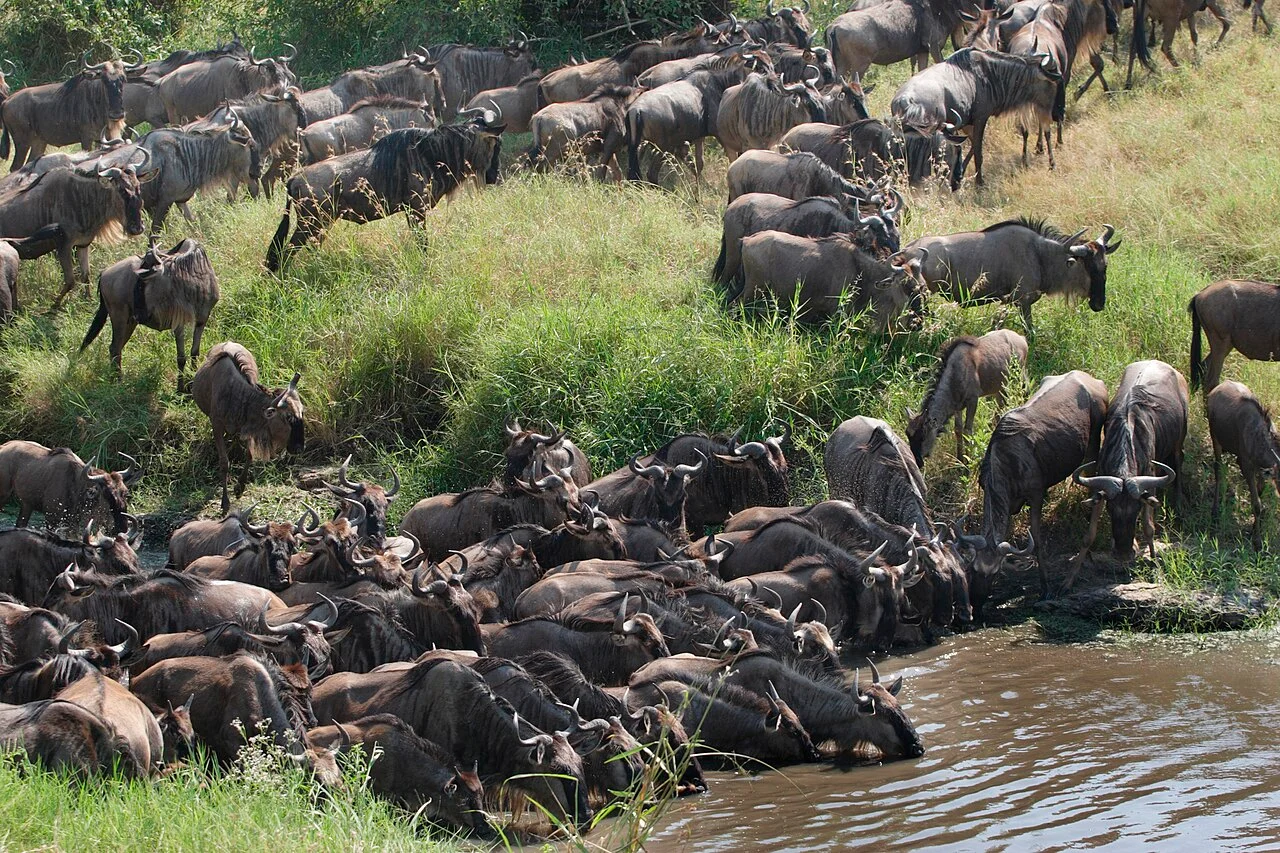
North Serengeti is one of the most captivating regions of Serengeti National Park in northern Tanzania. Located near the border with Kenya and extending toward the Mara River and the Lamai area, this remote wilderness is celebrated for its dramatic landscapes, abundant wildlife, and connection to the annual Great Wildebeest Migration. Unlike the wide, open plains of southern and central Serengeti, North Serengeti features rolling hills, granite kopjes, acacia woodlands, riverine vegetation, valleys, and open savannah. This varied environment creates habitats for a wide range of wildlife, including elephants, lions, leopards, cheetahs, buffaloes, giraffes, zebras, wildebeest, topi, gazelles, hippos, hyenas, and numerous bird species. The region is especially famous for the Mara River, where migrating wildebeest and zebras may attempt to cross during their seasonal movement through the Serengeti-Mara ecosystem. These crossings are among Africa’s most dramatic wildlife spectacles, but they are entirely natural and unpredictable. Animals may gather at the river for hours or days, change direction, or decide not to cross at all. North Serengeti also includes the Lobo Valley, an area known for its rocky scenery, resident wildlife, and opportunities to observe large predators. The region’s relative remoteness can provide a quieter safari atmosphere, although visitor numbers may increase around popular migration periods. A North Serengeti safari is ideal for travellers seeking dramatic wildlife encounters, photography opportunities, remote landscapes, and a deeper exploration of Tanzania’s northern safari circuit. TanzaLux Safaris can design a private safari that combines North Serengeti with Central Serengeti, Ngorongoro Crater, Tarangire National Park, or other destinations according to the season and your interests.
Wildlife
Wildebeest & Zebra
Landscape
Wildlife Safari / Great Migration / Mara River / Big Five Safari / Luxury Safari / Remote Wilderness / Photography / Game Drives
Highlights
Experience the remote wilderness of northern Serengeti
 northern circuit
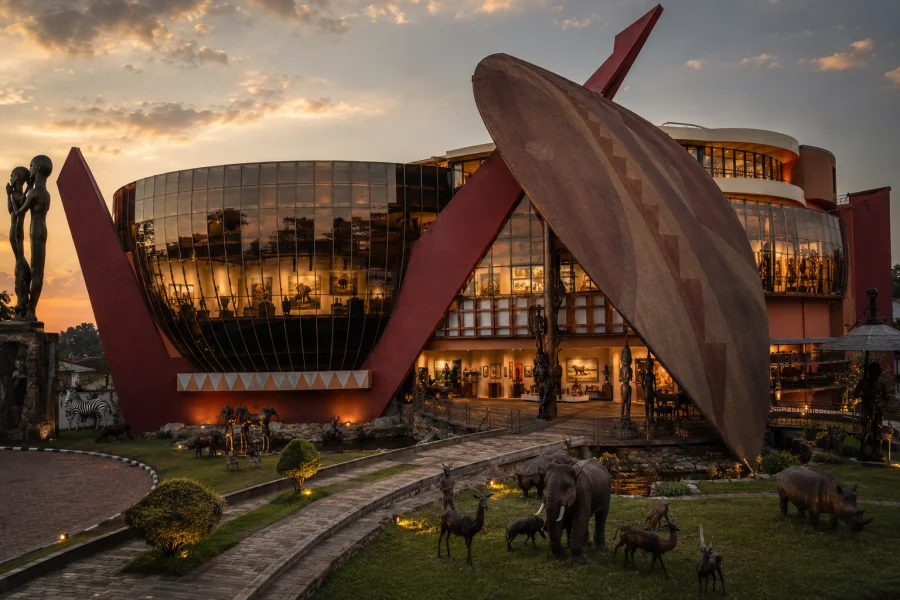
Cultural Heritage Centre Arusha is a celebrated cultural and artistic destination located on Dodoma Road in Arusha, Tanzania. Established in the 1990s, the centre has developed from a gallery into a broad cultural complex where visitors can discover African art, traditional craftsmanship, gemstones, jewelry, cultural collections, and creative workshops. The centre offers travelers an opportunity to experience a different side of Tanzania beyond wildlife and landscapes. Its galleries display a wide range of African artistic expressions, including paintings, sculptures, traditional objects, Makonde carvings, and colourful Tinga Tinga artwork. Visitors can also explore handmade crafts, textiles, baskets, carvings, decorative pieces, and other objects connected to African artistic traditions. One of the centre’s major attractions is its gemstone and jewelry section, where visitors can learn about Tanzanian gemstones such as tanzanite and explore jewelry designs created by skilled artisans. Tanzanite, a rare blue gemstone associated with northern Tanzania, is an important part of the country’s mineral and jewellery heritage. The Cultural Heritage Centre also offers opportunities to observe or participate in selected creative activities, including beadwork, painting, weaving, and other craft experiences, depending on the current programme and availability. For safari travelers, the centre is a convenient cultural stop before or after visiting Tarangire National Park, the Ngorongoro Crater, Serengeti National Park, or other northern Tanzania destinations. It can also be combined with an Arusha city tour, Mount Kilimanjaro itinerary, Materuni Waterfalls, or Chemka Hot Springs. With TanzaLux Safaris, visitors can include the Cultural Heritage Centre in a private and personalized Tanzania itinerary designed around their interests, schedule, and travel style.
Wildlife
African elephants represented in art and sculpture & Giraffes represented in African paintings and carvings
Landscape
Cultural Attraction / Art Gallery / Museum / Shopping Experience / Gemstone Centre / Cultural Tourism / Day Trip
Highlights
Explore an extensive collection of African paintings, sculptures, and contemporary artwork.
 Northern Circuit
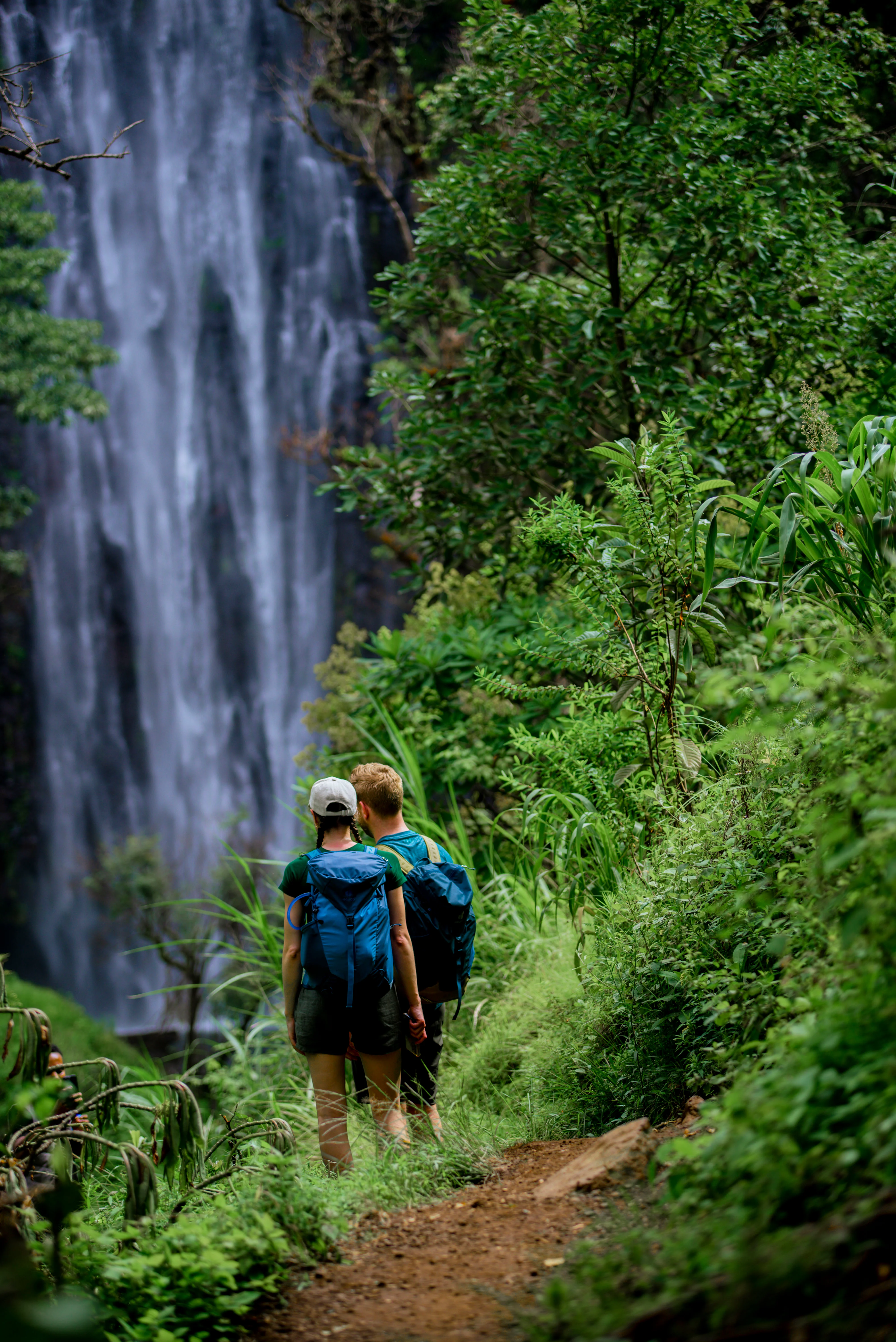
Materuni Waterfall is one of the most rewarding nature and cultural experiences near Mount Kilimanjaro, offering travellers a beautiful combination of hiking, waterfalls, coffee, Chagga culture and mountain scenery. Located in Materuni Village on the green southern slopes of Mount Kilimanjaro, approximately 15 kilometres from Moshi, the waterfall is reached by a scenic guided walk through the countryside. The trail passes through coffee farms, banana plantations, tropical vegetation and Chagga farmland before arriving at the impressive Materuni Waterfall, where water plunges into a natural pool surrounded by lush vegetation. The waterfall is commonly described as approximately 80 metres high, although published measurements vary. The journey to the falls is part of the experience, with local guides explaining the plants, farming practices, landscape and everyday life of the Chagga people along the way. Materuni is much more than a waterfall. A traditional coffee experience can introduce visitors to the journey from coffee cherry to cup, including harvesting, processing, roasting, grinding and tasting freshly prepared coffee. Visitors can also enjoy a traditional local meal and learn about Chagga culture and village life. With TanzaLux Safaris, Materuni Waterfall can be arranged as a private day trip from Moshi or Arusha and combined with a Chagga coffee experience, cultural visit or Chemka Hot Springs. It is also an excellent experience before or after a Mount Kilimanjaro climb. For travellers looking for authentic experiences beyond traditional wildlife safaris, Materuni offers a memorable opportunity to experience the landscapes, people, agriculture and culture of northern Tanzania.
Wildlife
Chameleons & Blue Monkeys
Landscape
Waterfall & Cultural Attraction
Highlights
Materuni Waterfall
 Indian Ocean Island Circuit
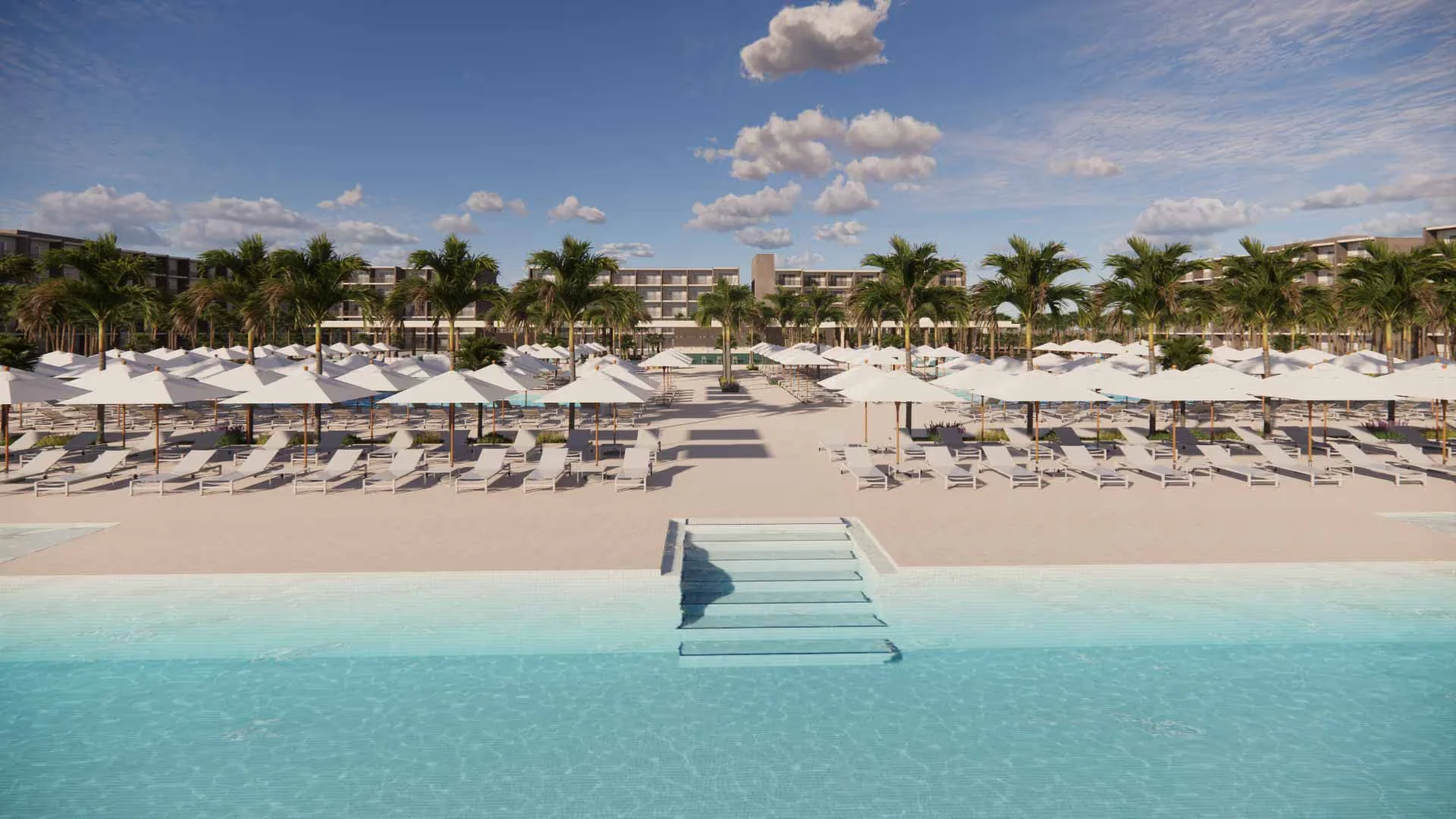
Zanzibar is one of Tanzania’s most captivating island destinations, offering a unique blend of tropical beaches, ancient trading history, vibrant culture and marine adventure. Located in the Indian Ocean off the coast of mainland Tanzania, the Zanzibar Archipelago is made up of several islands, including Unguja and Pemba. Unguja is the main island that many travellers simply call Zanzibar. It is home to Zanzibar City, the historic district of Stone Town, palm-fringed beaches, spice plantations, coastal villages and a variety of hotels, lodges and luxury beach resorts. Zanzibar’s identity has been shaped by centuries of interaction between African, Arab, Persian, Indian and European communities. This history can be experienced through the narrow streets of Stone Town, carved wooden doors, historic buildings, old markets, coastal architecture and traditional Swahili cuisine. Stone Town is a UNESCO World Heritage Site and one of the most important cultural attractions in East Africa. Visitors can explore the Old Fort, Forodhani Gardens, the former Sultanate buildings, historic religious sites, traditional markets and locations connected to Zanzibar’s complex history of trade and slavery. Beyond the historic capital, Zanzibar offers spectacular beaches and marine experiences. The northern beaches around Nungwi and Kendwa are popular for swimming, sunsets and beach holidays, while the eastern coast is known for wide sandy beaches, coral reefs, coastal villages and dramatic tidal changes. The best beach area depends on the traveller’s interests, accommodation preferences and tolerance for tides. Zanzibar is also known as the Spice Island because of its long association with cloves and other spices. Guided spice farm tours introduce visitors to cloves, cinnamon, vanilla, nutmeg, cardamom, tropical fruits and traditional uses of plants. Nature lovers can explore Jozani Forest, which protects important forest habitats and is associated with the endemic Zanzibar red colobus monkey. Marine activities may include snorkelling, scuba diving, dolphin-related excursions where responsibly managed, sailing, kayaking and visits to marine conservation areas. For travellers arriving after a mainland safari, Zanzibar provides an opportunity to slow down, enjoy the ocean and experience a different side of Tanzania. TanzaLux Safaris can combine a private wildlife safari with a personalised Zanzibar beach, cultural or honeymoon itinerary.
Wildlife
Zanzibar red colobus monkey & Sykes’ monkey
Landscape
Beach Holiday / Island Escape / Cultural Tourism / Historical Destination / Marine Adventure / Honeymoon Destination / Luxury Travel / Spice Tours / Wildlife and Nature / Snorkelling / Scuba Diving / Family Holiday / Romantic Getaway / Photography / Wellness and Relaxation
Highlights
Stone Town UNESCO World Heritage Site
 Northern Circuit
Where giants roam and baobabs stand tall.
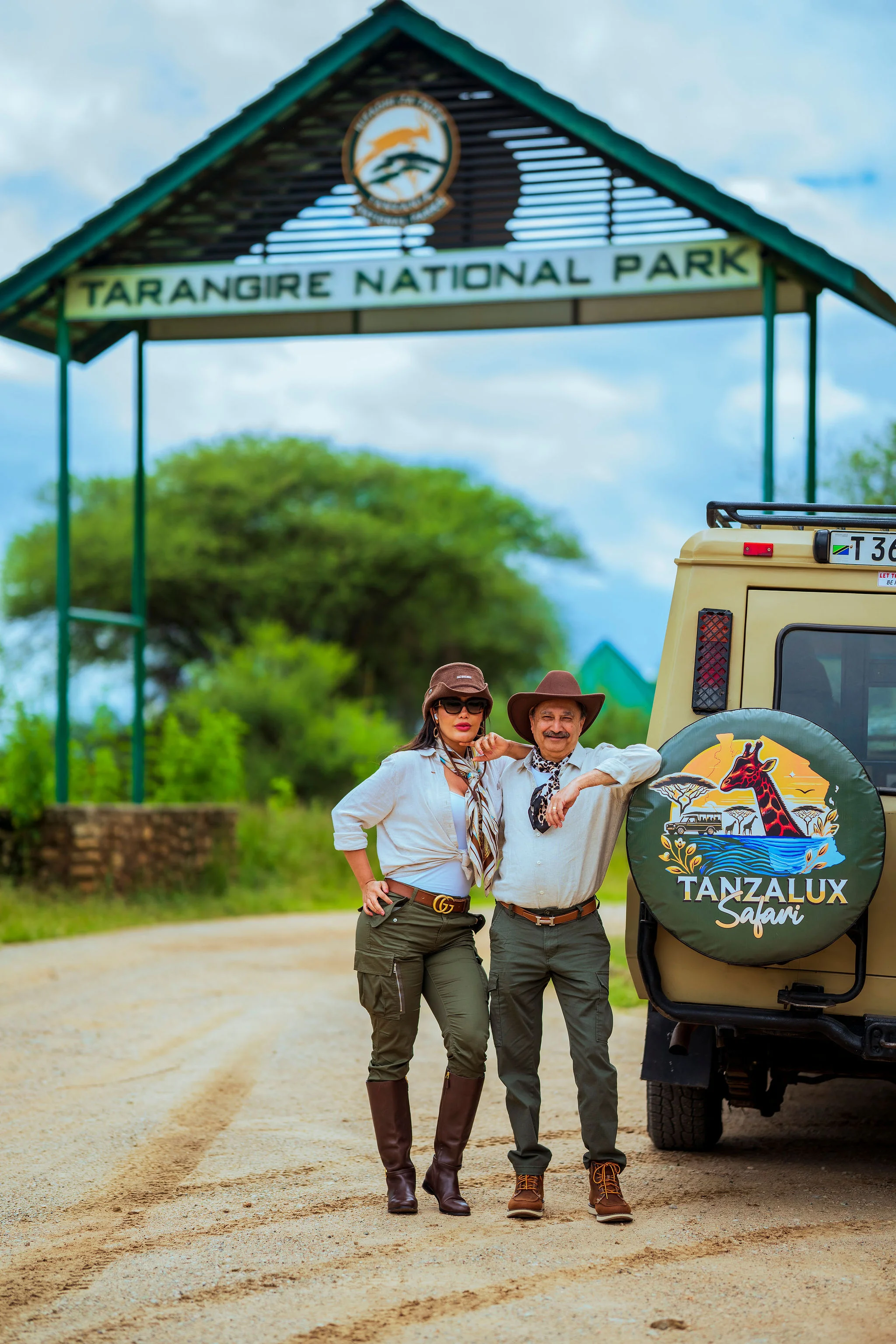
Tarangire National Park is one of Tanzania’s most distinctive safari destinations, famous for its large elephant herds, ancient baobab trees, seasonal wildlife movements and the life-giving Tarangire River. Located in northern Tanzania, Tarangire offers a more intimate and peaceful safari experience while delivering some of the country’s most impressive wildlife encounters. Covering approximately 2,850 square kilometres, Tarangire is part of the wider Manyara-Tarangire ecosystem. The park’s landscape combines open savannah, acacia woodland, riverine forests, seasonal swamps, termite-mound plains and iconic baobab-studded hills. The Tarangire River is a vital source of water during the dry season, attracting large concentrations of elephants, buffaloes, zebras, wildebeest and other wildlife. Tarangire is particularly famous for its elephants. Large family herds can often be seen moving beneath baobabs, crossing open plains or gathering near water. Visitors may also encounter lions, leopards, cheetahs, hyenas, giraffes, zebras, wildebeest, buffaloes, warthogs, antelopes and many other species. The park is also an exceptional birding destination, with more than 500 species recorded, making it an excellent choice for wildlife photographers and bird enthusiasts. With TanzaLux Safaris, Tarangire can be explored as a private safari from Arusha or combined with Ngorongoro Crater, Serengeti, Lake Manyara and other Northern Tanzania destinations. Whether you want a luxury Tanzania safari, private camping adventure, family safari, honeymoon or photography-focused journey, we design your experience around your interests and travel style.
Wildlife
African Elephant & Lion
Landscape
Baobab trees & riverine forests
Highlights
Tarangire River
 Northern Circuit
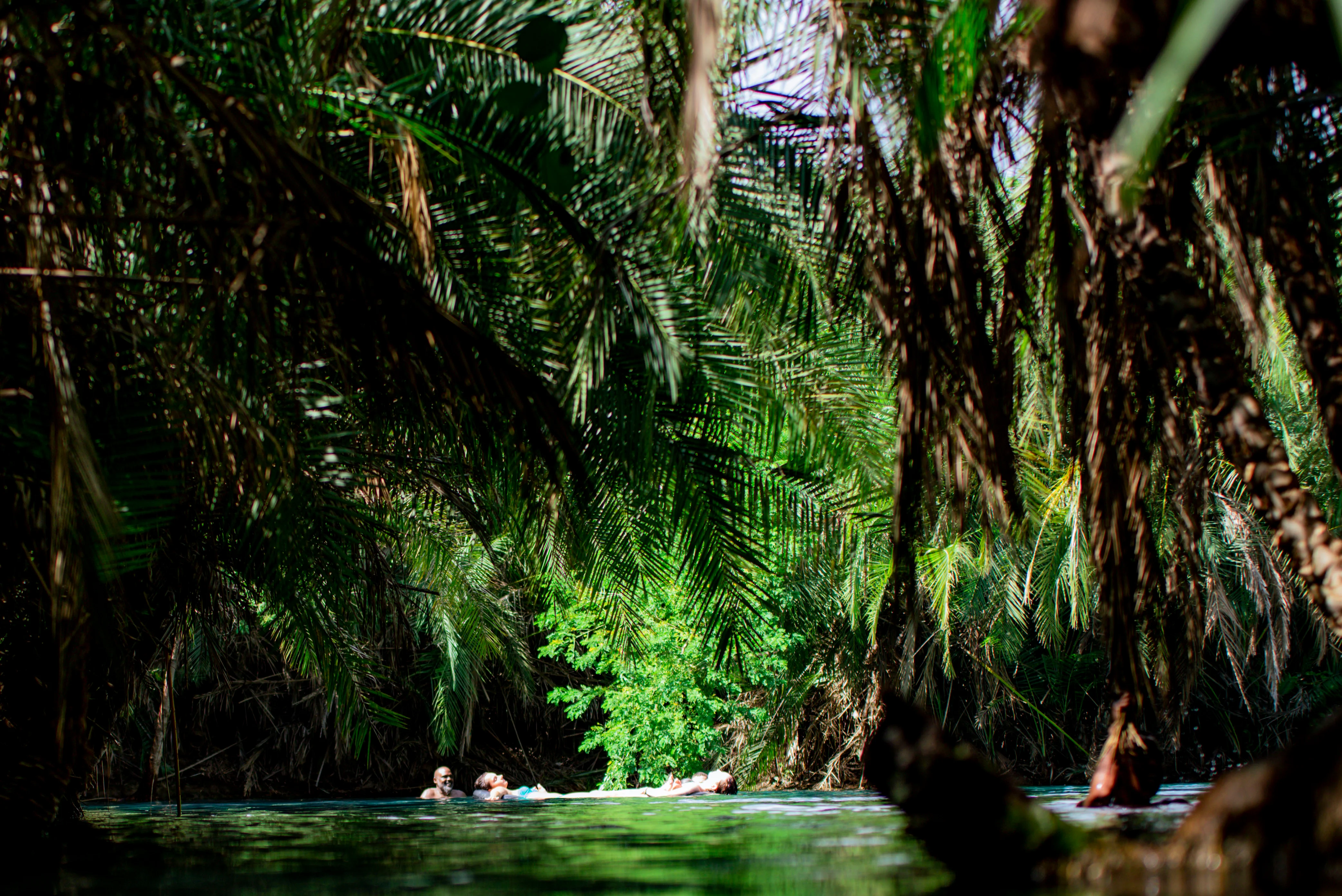
Chemka Hot Springs, also known as Kikuletwa Hot Springs, Maji Moto or Rundugai Hot Springs, is one of northern Tanzania's most distinctive natural swimming and relaxation destinations. Hidden in the rural landscape of Kilimanjaro Region, the spring creates a striking turquoise oasis surrounded by trees, roots and dry plains. Despite the name "hot springs," Chemka is not a boiling thermal pool. The water is pleasantly warm and comfortable for swimming, with published sources commonly placing the temperature around 25–30°C. The name Chemka refers to the bubbling or boiling appearance of water emerging from underground. The clear spring water, natural pools, shaded trees and peaceful surroundings make Chemka an ideal place to swim, relax, take photographs and enjoy a slower side of Tanzania beyond traditional wildlife safaris. Chemka is located in the Rundugai area between Moshi and Arusha and is particularly popular as a day trip from Moshi. It can also be incorporated into a private northern Tanzania itinerary before or after a Kilimanjaro climb, safari, Materuni Waterfalls experience or other activities around the Kilimanjaro region. With TanzaLux Safaris, a Chemka Hot Springs experience can be arranged as a private day trip with comfortable transport, local guidance, swimming time, relaxation and an itinerary designed around your Tanzania holiday.
Wildlife
Tropical Birdlife & Small Fish
Landscape
Natural Hot Spring / Swimming & Nature Attraction
Highlights
Crystal-Clear Turquoise Water