5.0 Excellent
Tanzanite: Tanzania’s Rare Blue Gem – The Ultimate Guide to Visiting the Home of Tanzanite
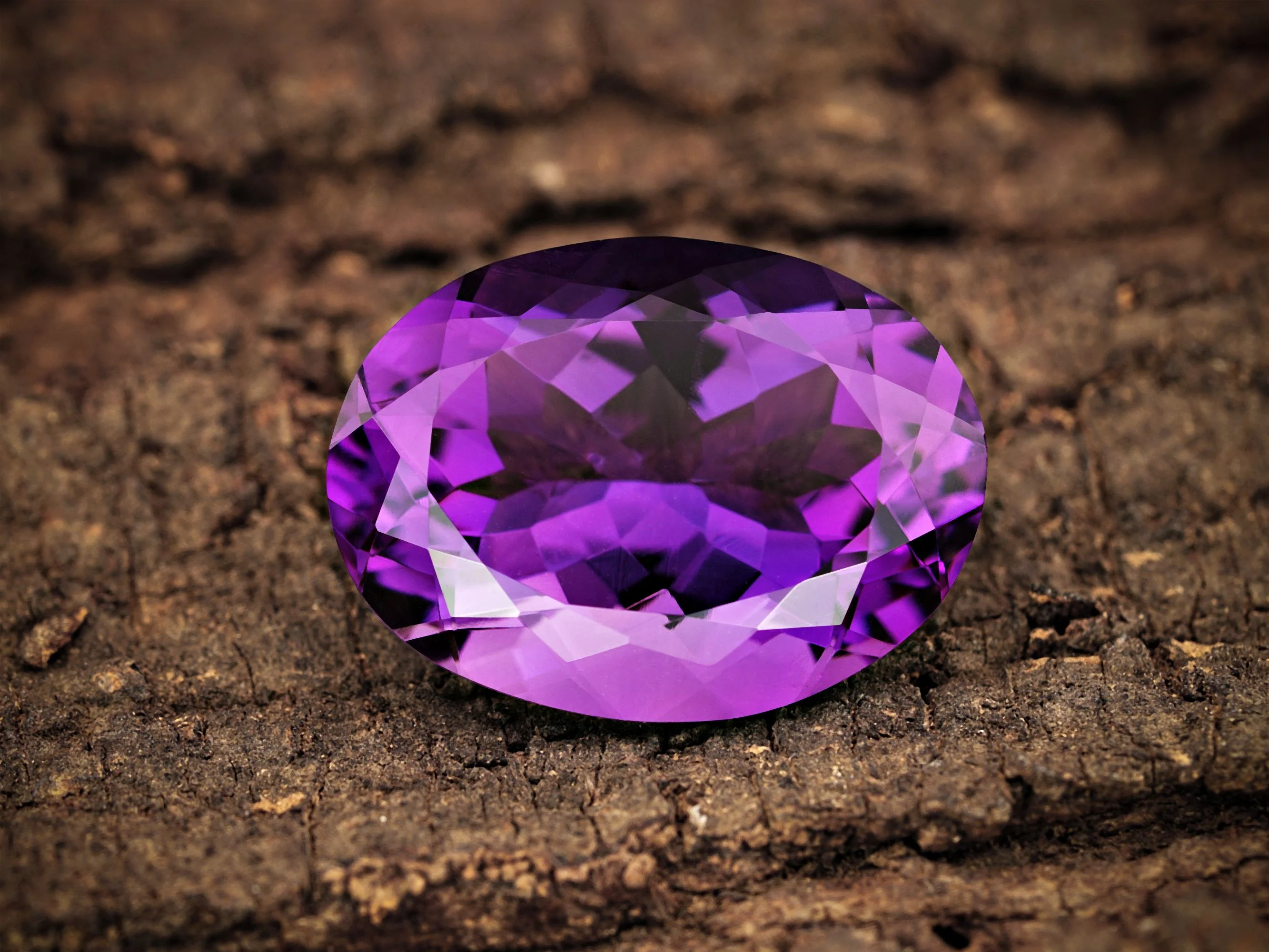
Tanzanite is a blue to violet gem from northern Tanzania. A visit to Arusha lets you learn its story and see fine stones up close. You can add this stop to a safari, a family trip, or a trip for two. You do not need to buy a gem to enjoy the visit.
This guide helps you plan the day, ask good questions, and choose a stone with care. It also shows how to fit a museum stop into a wider trip. Take your time. The best keepsake is one you love, understand, and can care for at home.
What makes Tanzanite so special?
Its appeal lies in its rich color and its link to one small part of Tanzania.
GIA identifies the gem as a blue-violet form of zoisite. Its known commercial source is the Merelani Hills. Tiffany & Co. gave it the name Tanzanite after its discovery in 1967. See GIA’s gem overview.
A gem can hold a strong sense of place. For a guest in Tanzania, that is part of the charm. You may first see the stone in a display case in Arusha. Later, a small piece of jewelry can bring back the light, sounds, and joy of that trip.
Rarity does not mean every stone has the same price. Nor does it prove that prices will rise. Choose a piece for its beauty and personal meaning. Be wary of fixed claims about how soon the mines will run out.
Where should you learn about Tanzanite?
Start with a guided museum visit in Arusha.
The Tanzanite Experience lists its Blue Plaza location on India Street, on the third floor. Use its official store locator to check the branch before you travel.
The operator describes tours that cover the gem’s history, mining, cutting, and polishing. Its Discovery Centre page lists free entry and suggests at least 45 minutes for the tour and cinema. Allow more time if you want to browse stones.
A museum gives context before a sales discussion. Ask how a rough rock becomes a cut gem. Find out which stages call for skill and which involve risk. Then look at the finished pieces with fresh eyes.
How should you plan your visit?
Keep a clear block of time in your day.
A calm visit is easier to enjoy than a rushed stop on the way to a flight. Treat one to two hours as a planning allowance, rather than a fixed tour length.
Confirm the branch, opening hours, and tour slot.
Ask about stairs, lift access, and seating if you need them.
Tell the host about your group size and preferred language.
Ask before taking photos of people, displays, or stones.
Leave time for traffic, lunch, and the trip back to your lodge.
Check whether the day includes any live demonstration you hope to see.
Keep a museum visit and a mine visit as separate plans. A showroom tour does not grant access to a working mine. If you want to see a mine, ask about current access, permits, and safety rules before adding it to your trip.
How do you choose a Tanzanite stone?
Choose with your eyes, your budget, and clear written details.
You should feel free to compare pieces and walk away. A helpful seller gives you space to ask questions. You should not need to decide in the first few minutes.
GIA explains that color, clarity, cut, and carat weight affect quality. Strong blue-violet color is prized. Visible flaws and cracks can reduce value. Cut affects how the stone shows light and color. Read GIA’s quality guide for the technical background.
Look at color and light
Ask to see two or three stones side by side.
Use the same light and a plain background. Turn each stone slowly. Look at the face, then the sides. A shop’s spotlights may make a gem look quite different from the light in your home.
Do you prefer a deep blue or a softer violet tone? There is room for personal taste. A pale stone may suit you better than a dark one. Choose a shade you enjoy rather than a grade name you do not understand.
Look at shape, size, and the setting
Check the piece at arm’s length as well as close up.
A stone must work as part of the whole design. Try the ring or hold the pendant against a plain top. Ask whether the quoted size refers to one gem or to all stones in the piece.
Carat is a measure of weight. It is not the same as width. Two stones with the same weight can have different shapes and face-up sizes. Compare the actual look of each piece. If you plan to have it set at home, ask your jeweler which size and shape will work.
Ask about heat treatment
Most blue Tanzanite on the market has been heated to improve its color.
That treatment does not make a natural gem fake. GIA notes that heating can be hard for labs to detect. Ask the seller to state what is known about treatment in writing.
Be careful with claims that a stone is rare because it is unheated. Ask what evidence supports the claim. Do not pay a large extra sum just because a label sounds special. A report should be read for what it says, not for what you hope it proves.
What paperwork should you ask for?
Ask for an itemized invoice and clear gem details before paying.
Keep both paper and digital copies. A seller’s certificate and an independent lab report are different documents. Find out who issued each one and what it confirms.
The seller’s full business name and contact details.
A description of the stone and any jewelry setting.
The gem’s weight and the metal type, where relevant.
The price, currency, taxes, and all extra charges.
Known treatments and the name of any testing lab.
A report number that you can check with its issuer.
Written terms for returns, repairs, resizing, and delivery.
For a large purchase, ask whether the stone can be checked by an independent lab. Match the report details to the stone you are buying. A document alone does not prove that the item in front of you is the item it describes.
Write down your own questions before entering a shop. You may forget them once you see a piece you love. Ask the seller to explain unfamiliar terms in plain words. Good service should make the choice clearer.
How much should you budget for Tanzanite?
Set a spending limit before you browse.
There is no single fair price for every blue gem. Quality, size, design, metal, and seller costs all affect the final quote. Compare like with like and ask for the full price.
Start with a purpose. Is this a small keepsake, a gift, or a major piece of jewelry? That answer helps you choose which details matter most. You might prefer a neat pendant to a larger loose stone that still needs a costly setting.
Keep the gem budget apart from your safari budget. Allow for any bank fees, setting work, shipping, and home-country charges. Get a written quote for each added service. Do not let a last-minute purchase put pressure on the rest of your trip.
A fair comparison takes time. Note the weight, appearance, paperwork, and total price of each option. A lower price may reflect a different quality or a simpler setting. The best value is the piece that fits your needs with clear terms.
How should you care for Tanzanite?
Handle it gently and protect it from hard knocks.
GIA lists a hardness of 6 to 7 on the Mohs scale and warns that it can break when struck. Rings need special care. Pendants and earrings face fewer knocks in day-to-day use.
Use warm soapy water and a soft cloth. Avoid steam and ultrasonic cleaners. Keep it away from high heat and sudden temperature changes. These points come from GIA’s care and cleaning guide.
Pack the piece in a padded box of its own. Do not let it rub against other gems. Take it off before sports, heavy work, or a rough outing. Tell your jeweler what the stone is before any repair. Keep care notes with the receipt.
How can you bring your purchase home?
Arrange the paperwork before you leave the shop.
Ask a licensed seller which documents apply to your purchase. Rules may differ for a loose cut gem, jewelry, and rough material. Check current official requirements for both Tanzania and your home country.
Do not assume that a shop’s duty-free offer removes your duty to declare goods at home. Ask your customs authority about the rules that apply to you. Keep the invoice easy to reach when you travel.
If the seller offers shipping, get the details in writing. Ask who covers loss or damage, which carrier will be used, and who pays import charges. Agree on the delivery address and timing. Check whether your travel cover has a limit for jewelry.
How can you shop more responsibly?
Ask for evidence behind claims about sourcing and community support.
A gem’s identity report does not by itself prove good labor practices. Clear answers are more useful than broad promises about ethics.
Ask what the seller knows about the supply chain.
Ask how claims about mine conditions are checked.
Look for named projects and clear records of support.
Respect staff time and avoid pressure to give a personal story.
Buy for lasting use rather than a rushed impulse.
You can also support local skills through your wider trip. Choose guides and hosts who explain their work well. Ask permission before photos. Treat a cultural visit as time to learn and share, not as a scene arranged only for a camera.
When should you add the visit to your trip?
Choose the day around your safari route and flight times.
An indoor museum stop is a useful option when you want a break from long drives. Confirm the opening hours for your chosen date.
Before the safari, a visit can be a gentle start to the trip. It gives you time to learn and browse while you are fresh. After the safari, it can be a relaxed final stop. Avoid leaving all shopping to the last hour before departure.
Use your wildlife goals to choose the wider travel season. Ask your planner about the area you will visit, likely road conditions, and the pace you want. The gem visit can then fit around the main trip. A museum stop should add enjoyment without cutting into a key game drive.
How can you combine Arusha with a safari?
Build the route around the time you have.
A gem visit works well as part of an Arusha day. Add lunch and rest, then begin your safari without a long list of extra stops.
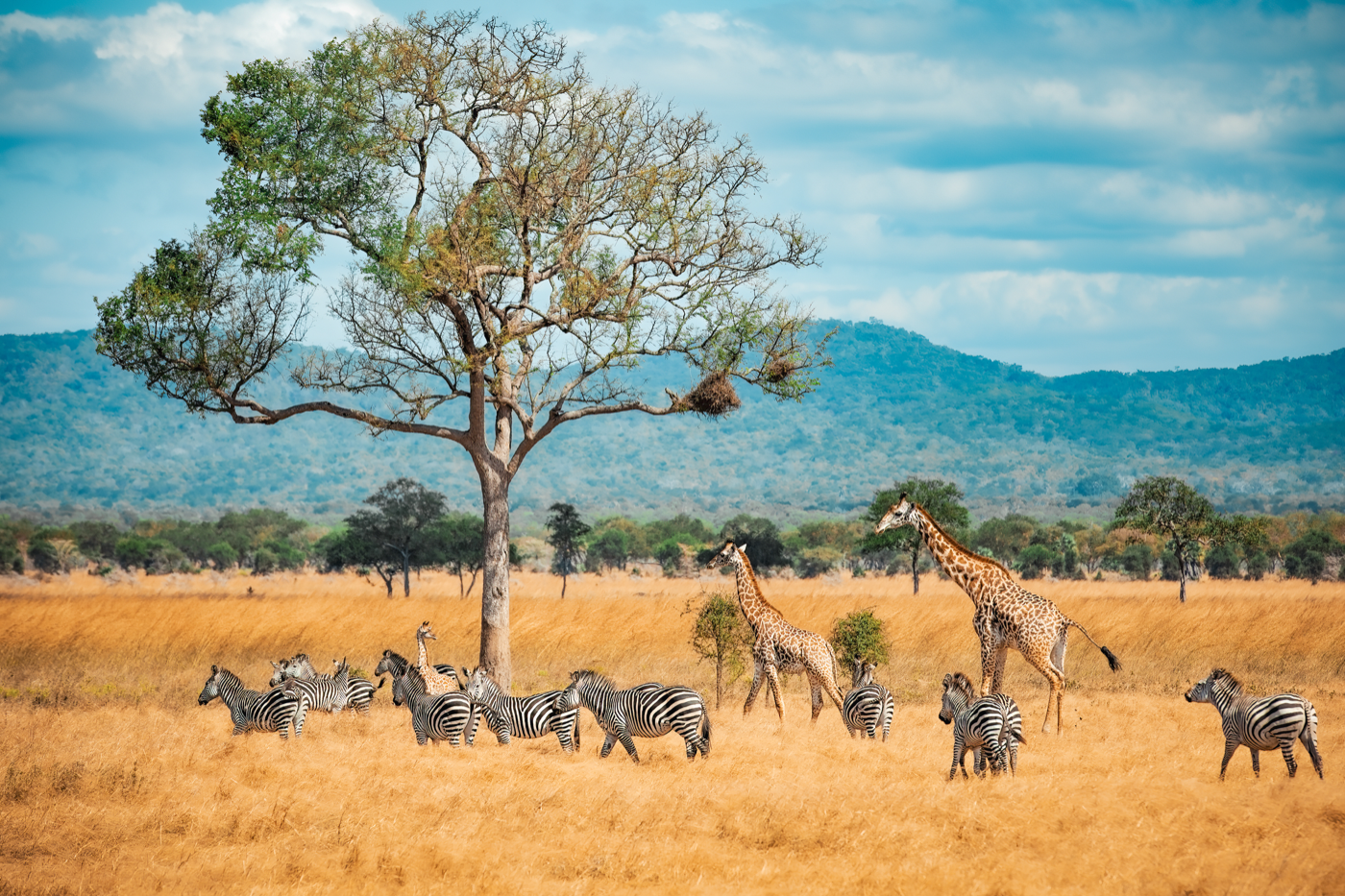
You can explore route ideas for Tarangire, Ngorongoro Crater, and Serengeti National Park. Choose the parks that match your interests. Give each one enough time rather than trying to include every name on a map.
A sample seven-day plan
This is a route idea to discuss with your planner.
It is not a fixed package. Drive times, lodge space, park access, and flight plans will shape the final version.
Day 1: Arrive and rest. Transfer to your Arusha lodge and keep the evening easy.
Day 2: Learn and explore. Visit the gem museum, have lunch, and leave free time to browse.
Day 3: Begin the safari. Head toward Tarangire with time for the drive and a game outing.
Day 4: Continue toward Karatu. Plan a calm travel day and prepare for the next park visit.
Day 5: Explore the crater. Fit the day’s activities to confirmed access and your guide’s plan.
Day 6: Add a park day or slow down. Choose more wildlife time or a lodge stay based on your pace.
Day 7: Return or extend. Travel back for your flight, or add more days for a longer route.
For a Serengeti extension, add enough nights for the extra travel and game drives. Discuss a road route and flight options with your planner. Families may prefer fewer lodge changes. Couples may want more private time between outings.
Plan your Tanzanite experience with TanzaLux Safaris
Share your travel dates, group size, and interests with TanzaLux Safaris. Ask for a museum stop that fits your safari route. Mention whether you want to learn, browse, buy, or do all three.
Tell us about the pace you prefer and any access needs. If you hope to buy a gift, say how much time you want for shopping. If you only want the tour, make that clear too. A good plan leaves room for your own choices.
Ask for the final itinerary and quote to show transfers, park days, lodge nights, and optional stops. Confirm which costs are included. Then enjoy a trip that brings together Tanzania’s wildlife, local knowledge, and a rare blue gem.
Frequently asked questions: 20 answers for your visit
1. What is Tanzanite?
It is a blue-violet gem variety of zoisite.
Its name honors Tanzania. You can learn about it through a museum visit before deciding whether to buy a piece.
2. Where does Tanzanite come from?
Its known commercial source is the Merelani Hills in northern Tanzania.
Arusha is a useful base for a museum and showroom visit. A visit to the city is not the same as a visit to the mines.
3. Why do people value Tanzanite?
People love its color, its limited source, and its link to Tanzania.
Those traits give it appeal as a gift or keepsake. Each stone still needs to be judged on its own quality and price.
4. Where can I visit a Tanzanite museum?
The Tanzanite Experience lists the Blue Plaza museum in Arusha.
Check its official locator for the current branch details. Confirm a tour slot before setting out with your group.
5. How long should I allow?
The operator suggests at least 45 minutes for the tour and cinema.
Add time for questions and shopping. Keep one to two hours free in your plan if you want an unhurried visit.
6. Is museum entry free?
The official Discovery Centre page lists free entry.
Confirm that this applies to your chosen visit. Transport and any separate activities may have their own costs.
7. Do I have to buy a stone?
You can plan a visit to learn about the gem.
Tell your host if you only want the tour. Set your own budget and do not let a sales discussion rush your choice.
8. Can children join the visit?
Ask the host about the tour format for your children’s ages.
A shorter visit may suit young guests. Plan a break, explain showroom rules, and keep small items out of reach.
9. Can I visit a working mine?
Do not assume access is open to tourists.
Ask about current permits, safety rules, and a suitable host. Have those points confirmed before paying for a mine visit.
10. How do I know Tanzanite is genuine?
Use a reputable seller and ask for clear written details.
For a high-value purchase, consider independent testing. Check the report issuer and make sure the report matches the item you receive.
11. Is heated Tanzanite still natural?
Yes.
Heat can change a natural stone’s color without making it an imitation. Ask for treatment disclosure. Be cautious about an unheated claim that has no sound evidence behind it.
12. What is the difference between a certificate and a lab report?
A store certificate records the seller’s claims.
An independent report records the tests and findings of its issuer. Read each document carefully. Neither should be treated as a promise of future value.
13. What does Tanzanite carat weight tell me?
It tells you the stone’s weight.
It does not tell you its width, quality, or how good it will look in a setting. Compare size, shape, appearance, and price together.
14. Which color should I choose?
Choose the shade you enjoy in more than one light.
Compare stones on the same background. Your taste matters as well as the seller’s grade, so take time to look at each option.
15. Is buying in Tanzania always cheaper?
There is no automatic price advantage for every piece.
Compare equivalent stones and the full cost. Include the setting, fees, paperwork, and any charges that apply when you bring it home.
16. Is this a guaranteed investment?
No.
Rarity does not guarantee a gain or an easy resale. Choose within your budget for beauty and meaning. Do not rely on a seller’s promise that the price can only rise.
17. Is Tanzanite suitable for a daily ring?
It needs more care than harder, tougher stones.
Ask a jeweler about a setting that protects it. Take it off for rough tasks, and consider a pendant or earrings if you want fewer knocks.
18. How should I clean Tanzanite?
Use warm soapy water and a soft cloth.
Avoid steam, ultrasonic cleaners, and sudden heat changes. Tell your jeweler which gem it is before any cleaning or repair.
19. What should I keep for the journey home?
Keep the invoice, stone details, and any report.
Ask about the documents required for your purchase. Check current customs rules for your destination and pack the piece in a padded box.
20. Can TanzaLux Safaris add this to my itinerary?
Ask TanzaLux Safaris to include a museum stop in your Arusha plans.
Share your dates, interests, and shopping preferences. Confirm the final timing and transport costs as part of your safari quote.
.jpg?alt=media&token=7317eb9e-c84b-4bd1-aacb-5bbedfcd139d)
.jpg?alt=media&token=b6df5c2a-91ec-416b-b737-08e7017b55c1)
Ready to start planning?
Tell us your dates and what you're after — no obligation.