5.0 Excellent
Tanzania’s Peak Safari Season Begins as Thousands of Tourists Arrive for Wildlife Adventures
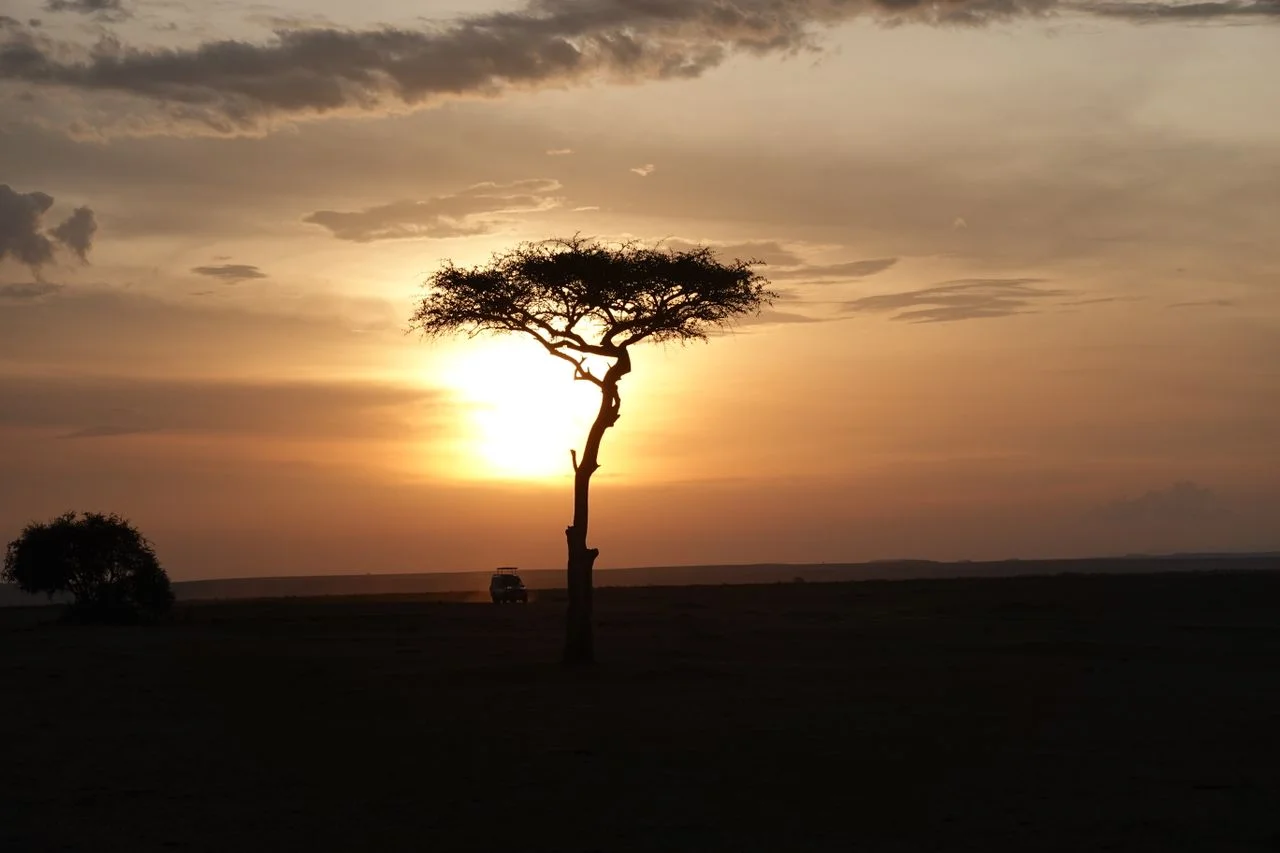
Tanzania's peak safari season usually runs from June to October, bringing strong demand for wildlife trips. Dry weather often makes game viewing easier, while the Great Migration draws guests toward different parts of the Serengeti. The best trip still depends on your dates, route, and the time you spend in each area.
This is the season of golden grass, cool early starts, dusty tracks, and long days in the bush. Elephants may gather near water. A lion may rest in the shade. Herds can stretch across the plains. Yet the most rewarding safari is built around patience, good guiding, and realistic plans.
This guide explains how the season works and how to choose a route. It includes a monthly overview, park choices, sample trips, booking advice, and 20 FAQs. Seasonal patterns help you plan; they do not promise a sighting on a set date.
Why does the peak safari season attract so much interest?
It combines a popular dry-season travel window with the chance to explore Tanzania's leading wildlife areas.
Tourism is a major part of Tanzania's visitor economy. The National Bureau of Statistics reports 2,294,495 international tourist arrivals in 2025, compared with 2,141,895 in 2024. These are annual national totals. They are not counts for one park or for the opening weeks of a season.
The 2025 International Visitors' Exit Survey Report also identifies wildlife safaris among the main tourism activities. Its fieldwork took place in August 2025, described as a peak tourism period. This provides dated context for the season's appeal.
For guests, the practical lesson is simple: plan the route and stay choices early. Strong interest can reduce your options on fixed dates. A thoughtful itinerary helps you use your time well once you arrive.
When is Tanzania's peak safari season?
June to October is the main dry-season safari window for many popular routes.
Conditions vary by park and year. Rain does not follow a fixed switch, and a dry month can still bring a shower. Altitude also matters. A morning near the Ngorongoro rim can feel much cooler than an afternoon on open plains.
The Tanzania Tourist Board's seasonal guide highlights July to September for guests seeking a chance to see Mara River crossings. It also explains that the Great Migration takes place throughout the year. The dry months are one chapter in a wider cycle.
Choose the peak safari season if your main goals fit that chapter. If newborn wildebeest or lush scenery matter most, ask about other months too. There is no single date range that delivers every safari experience at once.
Why can dry weather help wildlife viewing?
Less dense vegetation and fewer water sources can make animals easier to find in some areas.
As grass dries and water becomes scarce, guides can focus on places animals use. This is especially clear in parks where rivers and swamps act as dry-season lifelines. The landscape may feel more open, which can help you spot movement at a distance.
Still, the peak safari season does not turn wildlife into a timetable. Animals may rest in thick shade, move beyond a road, or pass through while you are elsewhere. Treat each game drive as a search shaped by habitat, fresh signs, and local knowledge.
Water: give rivers and water points time when the guide recommends it.
Shade: scan trees and cover during warm parts of the day.
Open ground: use binoculars to check distant movement.
Tracks: let the guide explain fresh signs and likely routes.
How does the season change from June to October?
Use the monthly pattern as a starting point, then match camps to current conditions.
The official Serengeti guide highlights June and July for the western corridor and August and September for northern areas. Herds follow grazing and water, so their progress changes from year to year. A calendar is useful, but recent information should shape the final route.
June: plan for a shifting landscape
June can suit a dry-season route that still allows for changing conditions.
For a peak safari season trip in June, ask which Serengeti area best fits the latest herd reports. The western corridor may be relevant, but do not choose a camp from a month label alone. Include time for resident wildlife as well as migration viewing.
Keep clothing flexible. Early starts can feel cool, while midday can be warm. Check recent road conditions and avoid an itinerary that relies on every transfer being quick.
July: make room for a flexible migration plan
July calls for careful camp placement and enough nights in your chosen Serengeti area.
A route may need to reflect movement from western toward northern parts of the ecosystem. Discuss the exact camp location with the planner. Ask how much of each day will be spent reaching useful viewing areas.
During peak safari season, the number of nights near your main goal matters more than the number of parks on the brochure. A short visit far from the herds may offer less viewing time than a slower stay in a suitable area.
August: allow time near northern viewing areas
August is a popular month for northern Serengeti trips focused on the migration.
Consider more than one game drive from a well-placed camp. Herds can gather, turn back, spread out, or move while you are away. A river crossing may happen quickly after a long wait, or not happen during your stay.
Busy viewing spots can require patience with both wildlife and vehicles. Give the guide room to make a sensible choice. A good sighting should never depend on blocking an animal's route.
September: balance migration and wider wildlife goals
September can support a migration-focused route with time for other wildlife scenes.
For peak safari season in September, avoid making one river crossing the sole measure of success. A herd on open ground, predators resting, or a quiet bird sighting can be just as memorable. Ask the guide to balance waiting with wider exploration.
If your schedule is fixed, secure the camp area you want early. If you can shift dates, ask whether a nearby date gives you a better fit at the same level of comfort.
October: check recent conditions before fixing the route
October remains within the broad dry-season window, but conditions and herd positions can shift.
Ask for fresh information as your departure gets closer. Do not assume that a camp suited to August will serve the same purpose in October. Your planner should explain the route based on your dates and the experience you want.
This is also a useful time to compare a classic northern circuit with a less migration-focused trip. Let the choice reflect your interests rather than a promise attached to one month.
How should you plan for the Great Migration?
Plan for moving herds, suitable camp locations, and several chances to explore.
The Great Migration is an ongoing movement across the Serengeti ecosystem. It is not a single event held at one river. Wildebeest travel with other grazing animals in search of fresh food and water. Different stages create different scenes.
For a peak safari season migration trip, ask where each night is based. Central, western, and northern Serengeti serve different routes. A camp's name alone does not tell you how well it fits your dates. Request a map or clear location description.
Choose the month around the stage of the migration that interests you.
Place the main stay near a suitable viewing area.
Allow several drives rather than one rushed visit.
Keep part of the plan focused on resident wildlife.
Use recent local reports while accepting that herds can move.
A Grumeti River experience in the west and a Mara River experience in the north involve different places and seasonal patterns. Confirm which area your package includes. A general promise of a Serengeti safari does not confirm access to the crossing area you have in mind.
Can you guarantee a river crossing or the Big Five?
No. Wild animals and river crossings cannot be scheduled or guaranteed.
The Big Five are lion, leopard, elephant, buffalo, and rhino. Finding all five depends on the parks, time, luck, and conditions. Some species are far harder to see than others. A guide can improve your search, but cannot promise an encounter.
Peak safari season may provide strong viewing conditions without delivering every species on a list. Set wider goals: learn about behaviour, enjoy the landscapes, and watch how animals use the habitat. This makes the trip rewarding even when an elusive animal stays hidden.
Be wary of any itinerary that treats a crossing as a fixed appointment. Ask what the plan offers when herds are elsewhere. A well-built route has value beyond one hoped-for moment.
Which parks should you include?
Choose parks that add different experiences and fit your available time.
For a first peak safari season trip, a northern circuit can combine open plains, river habitat, and a crater landscape. You do not need every park. The right mix depends on your wildlife goals, travel pace, and camp locations.
Serengeti: plains, predators, and migration choices
Choose the Serengeti for a broad wildlife stay with a route suited to your dates.
It has resident wildlife as well as moving herds. Central areas can be part of a general game-viewing plan. Western or northern stays may serve a more specific migration goal. Avoid changing camps each night just to cover more ground.
Our Serengeti safari guide can help you start the discussion. Ask for the actual number of full viewing days, not just the total nights labelled Serengeti.
Tarangire: elephants, baobabs, and the river
Tarangire offers a strong dry-season contrast to the Serengeti's open plains.
TANAPA describes elephant families, baobab landscapes, river loops, and Silale Swamp among its highlights. As surrounding water sources dry, grazing animals use the Tarangire River. See the official attractions guide for the park's habitat and wildlife focus.
During peak safari season, give Tarangire time for a relaxed drive rather than treating it as a quick gateway stop. Watch family groups interact and take in the landscape. Our Tarangire guide explains how it can fit your route.
Ngorongoro Crater: a distinct landscape
The crater adds a striking change in scenery to a northern safari.
It lies within the UNESCO-listed Ngorongoro Conservation Area. The wider area's value includes wildlife, landscapes, and human history. A crater game drive is one part of that broader destination.
Plan the drive with entry arrangements and your overnight location in mind. Cooler rim conditions call for a warm layer. Do not assume that one descent guarantees all the Big Five. Read our Ngorongoro Crater guide when comparing route options.
Lake Manyara: forest, birds, and Rift Valley views
Manyara can add forest habitat and lake scenery when the route has room.
The official Lake Manyara guide describes groundwater forest, varied habitats, and rich birdlife. The park is known for tree-climbing lions, but such a sighting is not assured. Lake levels and bird numbers also vary.
Use it when it adds something you want, rather than inserting another park into an already crowded schedule. Ask about recent access and conditions. If time is short, more nights in your main wildlife area may be a better choice.
How many days should a safari last?
Choose enough days for your main goal, transfers, and a pace you can enjoy.
A short peak safari season trip can be rewarding if it stays focused. A longer trip gives you more room for several parks or a distant migration area. Count nights, full drives, and transfer days separately before comparing packages.
Four or five days: consider a focused route with fewer stops.
Seven or eight days: allow a broader northern circuit with more viewing time.
Nine or ten days: consider a slower pace or extra nights near a main goal.
These are planning options, not fixed rules. A fly-in route changes how time is used. So does an early arrival or late departure. Ask the operator to explain each day in plain terms.
What could an eight-day northern itinerary look like?
A balanced route gives the Serengeti several nights and avoids a new camp every day.
This sample peak safari season route includes arrival and departure days. It is an outline for discussion, not a fixed package. Camp placement and transport should change with the month, flight times, and your priorities.
Day 1: arrive, transfer to Arusha, and rest.
Day 2: travel to Tarangire, take a game drive, and stay nearby.
Day 3: continue toward the Serengeti with a route suited to your camp.
Day 4: spend a full day on Serengeti game drives.
Day 5: enjoy another full viewing day, keeping the plan flexible.
Day 6: leave the Serengeti for an overnight near Ngorongoro or Karatu.
Day 7: take a planned crater drive and return toward Arusha.
Day 8: transfer for departure or a beach extension.
If the main aim is the northern Serengeti, this outline needs review. A flight or extra days may help, while a road route may require longer transfers. Do not simply add a far-north detour to an already full day.
For a slower ten-day version, use the extra nights in your key area or add a rest day. For five days, reduce the number of parks. Cutting viewing time from every stop usually creates a rushed trip.
Should you travel by road or fly between parks?
Road travel offers a continuous route; flights can reduce some long transfers.
For peak safari season, compare the complete plan. A flight still needs transfers, check-in, and travel between the airstrip and camp. A road day may include scenery and viewing, but can also involve many hours seated.
Ask for estimated transfer times between the exact camps. Park names cover large areas and do not show the true distance. Clarify which days have long drives and which have full game drives.
If flying, confirm luggage limits with the carrier for your booked service. Soft bags may be required, and allowances vary. Leave time between separate flights. Share international arrival details with the operator before fixing the first park day.
How do you choose the right camp or lodge?
Start with location, then compare comfort, service, and the needs of your group.
During peak safari season, a suitable location can save hours each day. A beautiful lodge far from your main viewing area may be a poor fit for a migration trip. Ask where it sits and how the daily route will work.
Which wildlife areas are practical from the camp?
Is it a fixed lodge, fixed tented camp, or seasonal mobile camp?
What bathroom, power, and charging facilities are provided?
Are meals and drinking water included?
Can the property meet diet, family, or mobility needs?
Are there age rules or restrictions on activities?
What happens if the named property becomes unavailable?
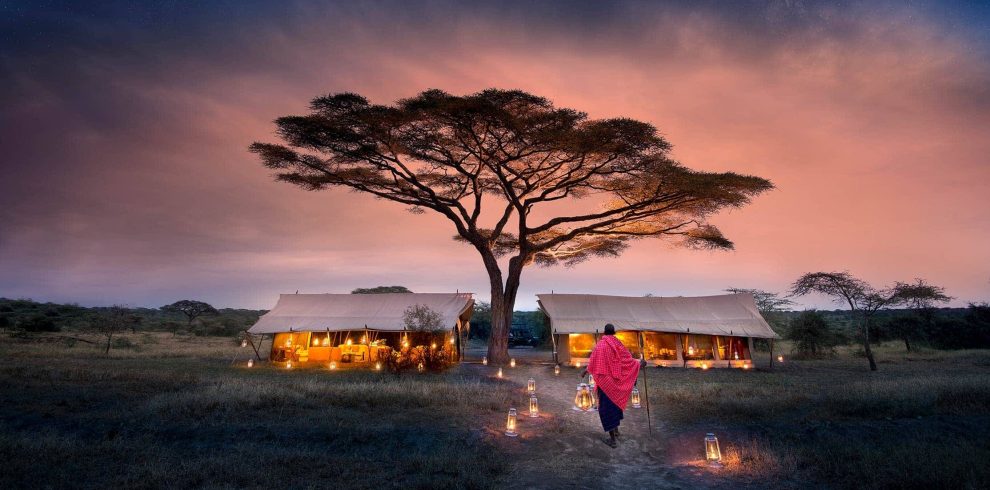
A tented stay can range from simple to luxurious. Do not judge comfort from the word tent alone. Request details of the actual property and room type. For special occasions, discuss privacy and room placement as well as decor.
How early should you book?
Start early when your dates, camp choice, or room needs are fixed.
A useful planning target is six to twelve months ahead for a specific peak safari season trip. This is a planning suggestion, not a guarantee or deadline. Some trips can be arranged later if dates and properties are flexible.
TANAPA's Tarangire visitor guide advises booking well ahead for the June-to-October dry season. Ask what is actually available before paying a deposit. Confirm whether rooms are held, requested, or fully secured.
Early planning is especially useful for families needing linked rooms, a small group needing several tents, or guests seeking a particular camp location. Read the booking terms and ask how substitutions are handled.
What affects the cost during peak safari season?
Price depends on the route, camps, group size, transport, fees, and chosen activities.
Demand can raise accommodation costs and reduce choice. A private vehicle divides differently between two guests and six. Internal flights and premium camps can also change the total. Ask for a dated quote for your exact party.
Compare like with like. A per-person figure means little without the number of nights, room basis, parks, and inclusions. Check whether arrival and departure days count in the quoted safari length.
Named properties and room types.
Park entry, vehicle, and other applicable fees.
Private or shared guide and transport service.
Meals, water, and drink inclusions.
Airport transfers and internal flights.
Optional activities and any extra charges.
Taxes, deposits, payment dates, and cancellation terms.
Ask which items remain payable separately. Tips, premium drinks, personal purchases, and extra activities may sit outside the package. Current fee schedules matter, so avoid relying on a price copied from an old article.
How can you improve value without rushing?
Protect viewing time and choose upgrades that serve your main goal.
A good peak safari season plan spends money where it helps the experience. A well-placed camp and extra night may matter more than a costly room far away. A private guide may suit a photographer who needs a slow pace.
If the quote is too high, ask to compare nearby dates, a different comfort level, or a simpler route. Reducing the number of parks can cut transfers and fees while keeping the trip rewarding. Avoid removing so many nights that the main goal becomes unlikely.
Keep one or two priorities clear. If you want the migration, defend time in a suitable Serengeti area. If elephants and landscapes matter more, ask for a route that gives those subjects attention.
What is a normal day on safari like?
Expect early starts, slow viewing, meal breaks, and a plan shaped by conditions.
The guide may suggest an early drive and a later drive, or a longer day with a packed lunch. The right choice depends on your camp, route, and interests. Park rules and opening hours govern the schedule.
Peak safari season can bring dust and busy sightings. Keep a layer for cool starts and protect cameras when the vehicle moves. Tell the guide if you need more breaks or a shorter day. A comfortable group often enjoys the wildlife more.
There can be long quiet periods between sightings. Use them to ask questions, watch birds, or learn about the land. A safari is a day in a living ecosystem, not a sequence of guaranteed encounters.
What should you pack?
Pack light layers, viewing gear, and essentials for long days outdoors.
Light clothes in muted colours.
A warm layer for cool mornings and highland stops.
A light rain layer for changing weather.
A hat, sunglasses, and sun protection.
Comfortable closed shoes for permitted walks.
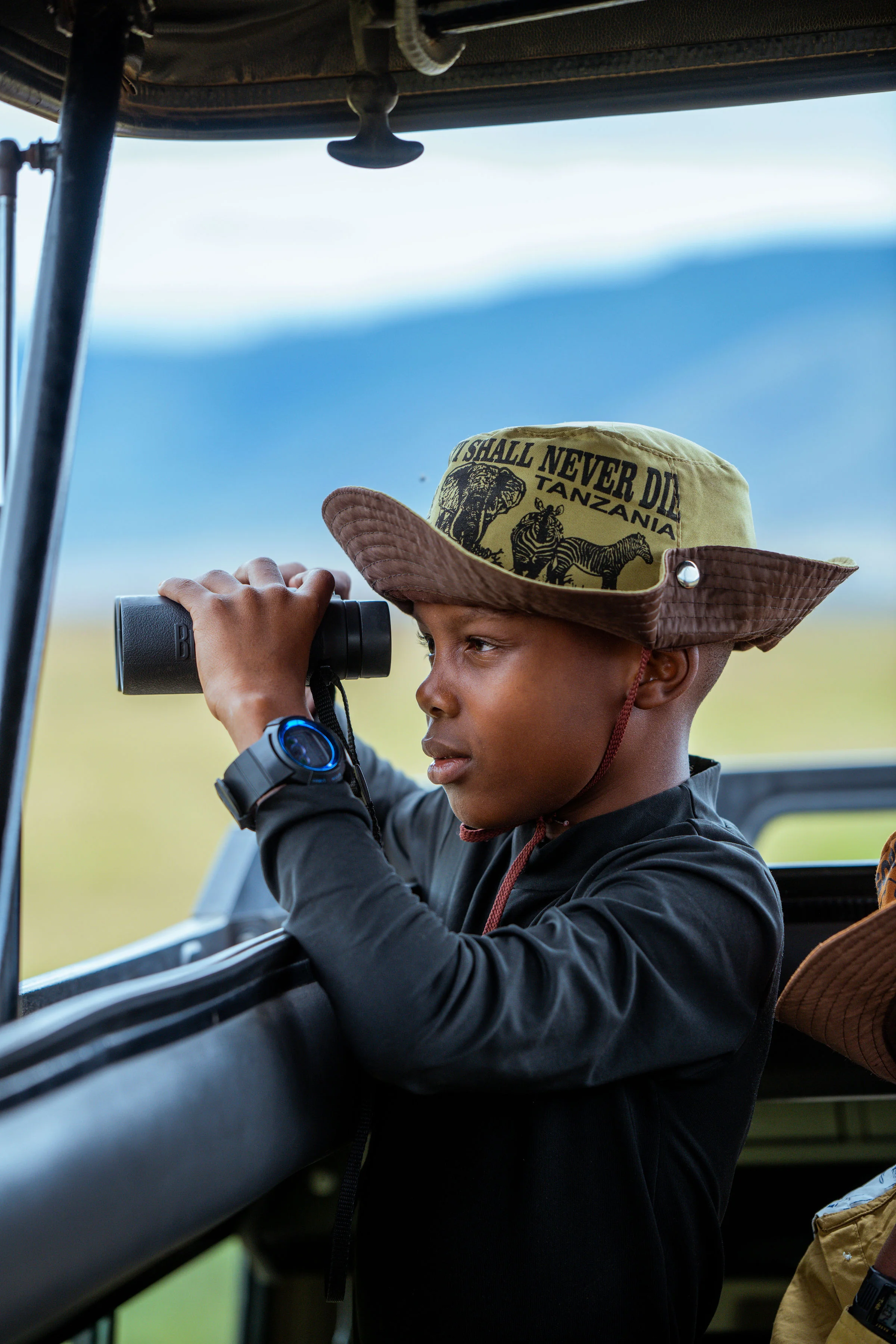
Binoculars, a camera, spare batteries, and storage.
A dust cover or protective bag for camera gear.
Personal essentials and the documents needed for travel.
For peak safari season flights, confirm the baggage allowance before packing. Ask the camps about laundry rather than carrying an outfit for every day. Keep key items easy to reach in the vehicle.
Check current entry requirements for your passport and trip. Discuss personal health preparation with a qualified travel-health professional. Your operator can explain the route and facilities, but those details do not replace individual advice.
How can photographers make the most of the season?
Choose good light, patient viewing, and enough time with each subject.
Peak safari season offers open views, warm tones, and dust that can shape an image. Ask the guide to stop safely before you shoot. A steady position and quiet wait often help more than a larger lens.
Try wide scenes as well as portraits. A small herd against a vast plain can tell a richer story than a close crop. Protect the camera between stops and avoid changing lenses in blowing dust.
Tell the planner if photography drives your trip. You may value a private vehicle, fewer camp moves, or extra time in one area. Discuss those needs before booking, rather than asking a shared group to change its plans each day.
How can families and couples tailor the trip?
Match the pace, rooms, and activities to the people travelling.
For families, share children's ages and how they handle long drives. Confirm room arrangements and minimum ages for activities. Rest time and timely meals can matter as much as the park list.
For a honeymoon, balance wildlife days with time to enjoy the camp. Ask about privacy, special meals, and any extra costs. A full drive every day may leave little time for the setting you chose.
During peak safari season, communicate diet and mobility needs before rooms are secured. Request specific information about steps, pathways, boarding the vehicle, and bathroom access. Needs vary, so clear details help the team suggest a practical plan.
Can you add Zanzibar or Kilimanjaro?
Yes, but each extension needs its own time, transport, and preparation.
A beach stay can give you a slower finish after early safari starts. Check flight connections and transfer plans. Choose the Zanzibar base around the activities and style of stay you want, rather than treating every coast as the same.
A Kilimanjaro climb is a separate mountain trip with different demands. Discuss routes, preparation, and recovery time with the trekking team. Avoid squeezing a demanding climb and a packed safari into too few days.
A complete peak safari season holiday should leave room for delays and rest. Tell the planner which experience is the priority, then build the extension around it.
How do you travel responsibly during a busy season?
Respect wildlife, follow park rules, and give guides room to make good decisions.
Stay on permitted roads and leave the vehicle only where allowed. Never feed animals, block routes to water, or press for a closer approach. Follow ranger instructions on walks and the camp's rules after dark.
Busy crossings and predator sightings call for restraint. Avoid loud noise and let animals move freely. Take litter back, keep food secured, and ask before photographing people. Responsible choices protect both the place and the quality of the visit.
Plan your safari with TanzaLux Safaris
Start with your dates, group size, budget range, and the experiences you most want.
Tell our team whether your peak safari season goal is the migration, elephants, photography, family time, or a relaxed luxury stay. Share flight plans, room needs, and any pace limits. We can discuss a route that gives each priority enough time.
Contact TanzaLux Safaris for a tailored proposal. Request named camps, a clear daily plan, current inclusions, and booking terms. The strongest trip combines a suitable route with room for the wild to surprise you.
20 frequently asked questions about peak safari season
These answers cover the main decisions before you book.
1. When is Tanzania's peak safari season?
June to October is the main dry-season safari window for many popular routes. Conditions differ by park and year, so confirm the route for your dates rather than relying only on a broad season label.
2. Why is the dry season popular?
Thinner vegetation and wildlife using fewer water sources can help game viewing. It is also a busy travel period, so camps and suitable room types may need early booking.
3. Is peak safari season the only good time to visit?
No. Tanzania offers wildlife trips throughout the year. Other months can suit calving, birdwatching, or green scenery. Choose your dates around the experience you value most.
4. Does the Great Migration happen only in these months?
No. It is a year-round cycle across the Serengeti ecosystem. Herd location and activity change with grazing and water, so different months call for different camp areas.
5. Which months are popular for Mara River crossings?
The Tanzania Tourist Board highlights July to September for a chance to see crossings. Timing varies, and neither a booking nor a specific date guarantees one.
6. Can a guide guarantee a river crossing?
No. Herds may gather, turn back, or move without crossing during your visit. More time in a suitable area gives you more chances to explore, but no certainty.
7. Which Serengeti area should I book?
Choose the area to fit your dates and main goal. Ask for the exact camp location and recent local advice. Central, western, and northern stays serve different plans.
8. Can I see all the Big Five?
It may be possible on a suitable route, but it is not guaranteed. The Big Five are lion, leopard, elephant, buffalo, and rhino. Time, habitat, and luck all matter.
9. Which parks suit a first safari?
A northern route can combine the Serengeti, Tarangire, and Ngorongoro. Manyara may add forest and lake scenery if time allows. Choose fewer parks when that protects your viewing time.
10. Why include Tarangire during peak safari season?
Its river, swamps, elephants, and baobab landscapes offer a different setting. Dry-season use of the river can make it a rewarding stop on a northern circuit.
11. How many days should I allow?
Seven or eight days can support a broader northern route. Shorter trips should stay focused. Count arrival days, transfers, and full game drives separately before comparing itineraries.
12. How early should I book peak safari season?
Start six to twelve months ahead if you want fixed dates or specific camps. This is a planning target. Later trips may work when dates, room types, and properties are flexible.
13. Are prices higher during the busy months?
Demand can raise accommodation prices and reduce choice. The total also depends on group size, transport, fees, and comfort level. Compare dated quotes with the same inclusions.
14. Is a private safari worth considering?
It can suit guests who want control over the pace and viewing time. Discuss your needs and budget. Shared trips may cost less but need a schedule that works for the whole group.
15. Should I fly or travel by road?
Compare the actual camps, transfer times, and total cost. Flights can reduce some long road journeys, while road routes offer a continuous trip. Confirm airstrip transfers and flight luggage limits.
16. What clothes should I pack?
Bring light, muted clothes, a warm layer, and a rain layer. Cool starts and highland stops can contrast with warm afternoons. Add a hat, sun protection, and comfortable shoes.
17. Is peak safari season suitable for children?
It can be, with a route matched to their ages and needs. Confirm activity rules, rooms, breaks, and meal plans. Avoid long transfers on too many consecutive days.
18. Will there be many safari vehicles?
Popular sightings and migration areas can be busy. Choose camp locations and enough nights carefully. Ask your guide to balance well-known viewing spots with wider exploration.
19. Can I add a beach stay after the safari?
Yes. Zanzibar can be part of a wider holiday, subject to flight and hotel arrangements. Allow time for transfers and rest, and choose the beach base around your interests.
20. How do I book a peak safari season trip with TanzaLux Safaris?
Send your dates, group size, budget range, and main goals through our contact page. Ask for the proposed route, named camps, inclusions, full price, and terms before confirming.
Ready to start planning?
Tell us your dates and what you're after — no obligation.