5.0 Excellent
Materuni Waterfalls Day Trip Itinerary: The Perfect Nature Escape in Tanzania
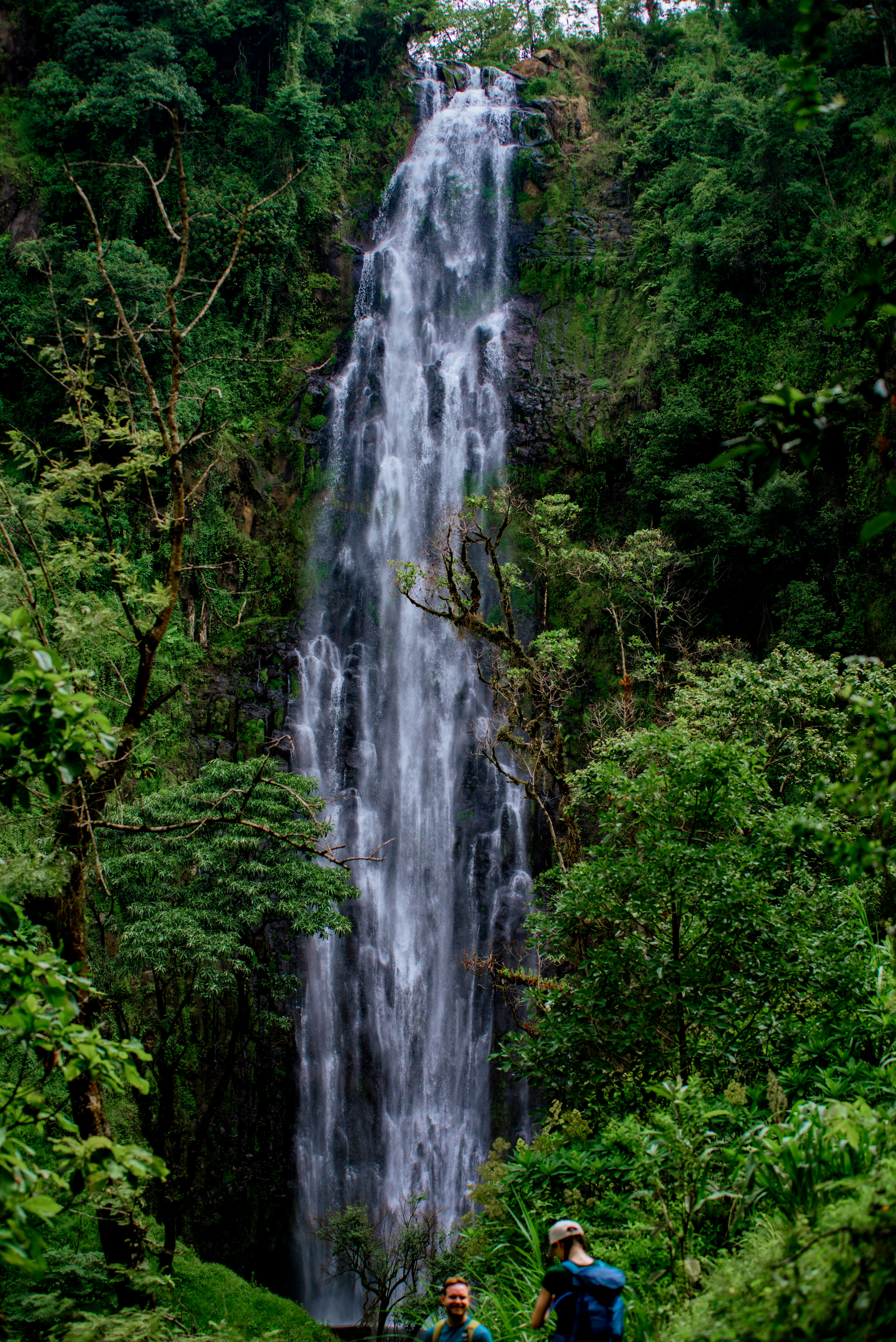
Materuni Waterfalls offers a day of walking, coffee, and village life on the slopes of Kilimanjaro. It is a good choice if you want time outdoors without a multi-day climb.
The best plan gives each part of the day room to breathe. Walk at a steady pace, spend time with your coffee host, and leave a buffer for the return drive. This guide explains how to build that day from Moshi or Arusha, what to pack, and what to confirm before booking.
What makes Materuni Waterfalls worth visiting?
The appeal is the mix of a scenic walk and a hosted coffee experience. You can enjoy the landscape while learning how a familiar drink reaches your cup.
This is not a game drive or a summit trek. Expect a village setting, farm paths, and time on foot. The waterfall is the main natural highlight, but the conversations along the way can be just as memorable.
Choose the outing for what it offers, not for claims of empty trails or perfect weather. Other groups may visit on the same day. Rain and cloud can change the views, while a warm welcome and an unhurried pace still make for a rewarding trip.
Where is Materuni Waterfalls?
The falls are near Materuni village, above Moshi in northern Tanzania. The village lies on the lower slopes of Mount Kilimanjaro.
Moshi is the more convenient base for a shorter transfer. Arusha pickups can work, but they involve a longer road day. Ask for timings from your actual hotel, not just from the name of the town.
Do not confuse this outing with climbing Kilimanjaro. Seeing the mountain from the area is also weather-dependent. Clouds may hide the peak even when the walk itself is pleasant.
Should you visit Materuni Waterfalls from Moshi or Arusha?
Choose Moshi for more time at the destination and less time in the vehicle. Choose Arusha if it fits your existing stay and you are comfortable with a longer transfer.
Starting from Moshi
A Moshi start offers more flexibility for a relaxed morning. Your hotel location, road conditions, and pickup route still affect the timing.
One local coffee host lists a drive of about 45–60 minutes from Moshi to the village. Treat that as a rough guide, not a fixed transfer promise. Confirm the estimate with your driver for the day you travel.
Starting from Arusha
An Arusha start needs an earlier departure and a realistic return plan. Ask how much time is allowed in the vehicle in each direction.
A long day can suit keen visitors, but it may not suit a tired family after an overnight flight. Compare the road time with the time you will actually spend walking and meeting your hosts. Do not add extra stops simply because they appear close on a map.
What does a Materuni Waterfalls day trip include?
A typical plan combines the waterfall walk with a coffee session. Lunch and transfers may be included, but the exact package must be confirmed.
A pickup and return point agreed in advance.
A local guide or host for the planned activities.
A walk to the falls and back.
A coffee-making session with time for questions.
A meal or picnic if listed in your booking.
Any local entry or activity charges stated in the quote.
A tour name is not a full inclusion list. Check whether drinks, guide fees, lunch, tips, and optional visits are covered. If your party needs a private vehicle or a slower pace, put that in the request from the start.
What could your Materuni Waterfalls itinerary look like?
The schedule below is an example for a Moshi-based day. It is not a fixed departure timetable. The order can change with weather, host arrangements, and your walking pace.
Morning: pickup and village arrival
Have breakfast and be ready at the agreed pickup point. Carry your day bag with the items you need on the trail. Leave large luggage at your hotel if possible.
At the village, meet your guide and confirm the route. Ask where the toilets are and when you can refill or buy drinking water. Discuss any knee pain, balance concerns, or other needs before the walk starts.
Late morning: walk to the waterfall
Set a pace that lets the whole group stay together. Allow time for short stops, questions, and photos. The return walk is part of the outing, so save energy for it.
Plan for roughly one to two hours of walking in total, with extra time at the falls. This is a broad planning allowance. Your starting point, route, trail condition, and pace determine the real duration.
At the falls: enjoy the view from a safe place
Pause where the guide says it is suitable to stand. Wet ground and spray can make footing poor. Stay clear of steep edges and slippery rocks.
You do not need to swim to enjoy the visit. Take in the sound, light, and scale of the falls from the viewing area. Keep a dry cloth handy for a camera lens, and put your phone away while moving over rough ground.
Midday: lunch and a break
Build in a proper break before the next activity. Confirm whether lunch is served by your host, provided as a picnic, or paid for separately.
Share food allergies and dietary needs before travel. Ask what can reliably be prepared and how cross-contact is handled. A request for vegetarian food does not automatically cover every allergy or dietary need.
Early afternoon: coffee and conversation
Spend time learning from your host, not just rushing to the tasting. Ask which steps are part of the session and which depend on the season.
A coffee demonstration may cover roasting, pounding or grinding, and brewing. Freshly picked coffee does not become a finished drink in a few minutes; some stages need prepared beans. Ask your host to explain what happened before the session began.
Later afternoon: return to your hotel
Agree on the return target before the day starts. Leave a buffer for rain, road conditions, and a slower walk. Avoid placing an important appointment immediately after the expected arrival.
If your booking includes Arusha rather than Moshi, the pickup and return times will differ. Ask for a written schedule based on that longer drive.
How difficult is the Materuni Waterfalls walk?
It is a countryside walk with slopes and uneven ground, not a paved promenade. Many reasonably active visitors can manage it, but suitability depends on the person and the conditions.
Wet soil can make simple steps harder. Footwear with grip helps, but it does not remove the need for care. Take short breaks, watch your footing, and tell the guide if you need a slower pace.
Ask about route length, steep sections, and whether a shorter option exists. Do not assume that “family-friendly” means step-free access. Anyone with limited mobility should request clear details before paying.
What happens during the coffee experience?
The session introduces coffee through a local host's work and knowledge. It can add depth to the day even if you do not drink coffee.
Ask about the plants, harvest, drying, roasting, and how the final brew is made. Focus on what the host actually grows and prepares. Avoid assuming that all coffee is certified organic or that harvesting is possible on every date.
Some hosted visits include music or group participation. Join only if you want to, and treat it as an invitation rather than a required performance. Ask before taking close-up photos of people.
Which steps use fresh beans, and which use beans prepared earlier?
How does the roast change the taste?
What work takes place outside the visitor session?
Can you buy coffee directly, and how should it be stored?
Buying coffee can be a pleasant way to remember the visit. Check the weight, packaging, and price first. Purchases should be optional, with no pressure on either the guest or the host.
Can you swim at Materuni Waterfalls?
Do not treat the pool as a guaranteed safe swimming spot. Water flow, rocks, depth, and water quality all matter. Enjoying the falls from dry ground is the safer plan.
The CDC's Tanzania travel guidance notes that schistosomiasis occurs in the country. Its prevention advice is to avoid swimming, wading, or bathing in potentially contaminated freshwater. Clear water does not prove that it is safe.
A guide can assess immediate trail and weather conditions, but cannot certify water as free of parasites by looking at it. Discuss freshwater risks with a travel-health professional before the trip. This guide does not claim confirmed infection at this particular pool.
Do not climb behind the falling water, jump from rocks, or enter a fast flow for a photo. Follow local closures and instructions. A change of plan is worthwhile if it keeps the group safe.
Can you add Chemka Springs to the same day?
A combined trip is possible as a tour format, but it adds driving and another activity. Choose it only if the full schedule suits your pace and interests.
Compare the time at each stop with the total road time. Ask for a latest departure time from Materuni and a realistic hotel return. If the walk takes longer than planned, know which part of the day will be shortened.
Do not assume that the name “hot springs” means a spa, heated pool, lifeguarded site, or risk-free water. Freshwater health advice remains relevant. Non-swimmers should have a worthwhile dry-land option and should not be pressured to enter the water.
For a calm first visit, the falls, coffee, and lunch may be enough. Add Chemka because you want the longer outing, not because more stops automatically make a better day.
When is the best time to visit Materuni Waterfalls?
Choose your date with current rain and trail conditions in mind. A dry morning may be easier for walking, but weather on the mountain slopes can change.
Rain can make the landscape lush and the paths muddy at the same time. More water is not always better for access or footing. Ask whether recent rain has affected the road or walking route.
Carry a light rain shell even when the forecast looks good. Do not book only for a promised view of Kilimanjaro. The falls and the hosted activities should be the main reasons for the visit.
What should you pack for Materuni Waterfalls?
Keep the bag light, but prepare for mud, rain, sun, and spray. The most useful items help you stay comfortable on the walk.
Closed shoes with a firm grip.
A light rain jacket and a dry layer.
Drinking water and a small snack if needed.
A hat, sunscreen, and suitable insect repellent.
A phone or camera in a protective pouch.
Personal medicines and any essential care items.
Small cash notes for agreed extras or voluntary purchases.
Spare socks can make the drive home more pleasant. A small dry bag helps protect items that must stay dry. Avoid carrying a heavy camera kit if it makes balance or walking difficult.
Ask about toilets and changing facilities for your specific route. Do not rely on finding a cash machine in the village. Check payment arrangements before leaving town.
How much does a Materuni Waterfalls day trip cost?
Ask for a dated quote based on your pickup point and group size. This guide does not publish an unverified current package price.
The vehicle, distance, private or shared format, meals, guide support, and extra stops all affect the total. Two trips with similar names may include very different services. Compare the whole day rather than the cheapest headline rate.
State whether the total is per person or per group.
Check the currency, taxes, and payment charges.
Confirm entry, coffee, meal, and guide inclusions.
Ask whether hotel pickup has a geographic limit.
Check the cost of adding Chemka or an airport transfer.
Read the cancellation and weather-change terms.
Tips and coffee purchases should be clear optional costs unless stated otherwise. Ask how a shorter walk or a cancelled activity affects the price. Get important terms in writing before making a payment.
Is Materuni Waterfalls suitable for families?
It can suit families when the route and pace match the children. Plan around the youngest or least confident walker, not the fastest adult.
Ask about walking time, steep sections, meal choices, and places to rest. Keep children close near water and on narrow paths. Do not assume another adult or guide is providing one-to-one supervision.
The coffee session can offer a change of pace after the walk. Children may enjoy seeing the tools and asking how the beans change. Check which activities are suitable, especially near heat or equipment.
Can you visit before or after climbing Kilimanjaro?
Yes, if it fits your energy and schedule. A village outing is not a substitute for a proper mountain acclimatisation plan.
Before a climb, keep the day gentle and leave time for your trek briefing. Avoid tiring yourself out with a long drive and extra stops. After a climb, sore legs may make the path less appealing than expected.
Ask for a coffee-focused or shorter option if your group needs it. A flexible plan is more useful than trying to complete every activity regardless of how you feel.
Can Materuni Waterfalls fit on an airport transfer day?
Only if there is a generous buffer for your flight. A waterfall outing should not depend on perfect roads, fast walking, and no delays.
Provide the exact airport, flight number, and check-in deadline. Confirm where bags will be stored and whether the driver stays with them. Do not assume a hotel day-trip quote includes airport drop-off.
If the margin is tight, choose a shorter activity or leave the outing for another day. Missing a flight is not worth squeezing in one more stop.
How can you be a considerate guest?
Treat the village as a place where people live and work. Follow your host's lead, stay on agreed paths, and ask before entering private spaces.
Seek permission before photographing people, homes, or work. A booked tour is not blanket consent for portraits. Avoid giving children sweets or money on the path; ask about organised ways to support local work instead.
Take litter away with you and do not pick crops or plants without permission. If you want to leave a tip, ask how it is shared. Respect a host's choice not to perform, pose, or discuss a private matter.
Why plan Materuni Waterfalls with TanzaLux Safaris?
A coordinated booking can bring transport, guiding, meals, and onward plans into one clear schedule. The value is in matching the day to your group.
Tell TanzaLux where you are staying, your dates, group size, and preferred pace. Mention children, dietary needs, or mobility concerns early. State whether the main priority is the walk, coffee, or a longer combined trip.
Review the TanzaLux Materuni and Chemka trip and request current details. Confirm all inclusions, the return point, and how weather changes are handled. No special offer or specific departure is promised by this guide.
For a wider holiday, ask how this outing fits around your safari or mountain trek. Leave space for rest. A well-paced day often gives you more to remember than a crowded schedule.
Materuni Waterfalls: 20 frequently asked questions
These answers cover the main choices before booking. Confirm route details and current conditions for your date.
1. Where is Materuni Waterfalls?
The falls are near Materuni village above Moshi, on Kilimanjaro's lower slopes. Ask for pickup from your exact hotel when requesting a quote.
2. Can I visit from Arusha?
Yes, with a longer road day than a Moshi start. Request realistic drive times and avoid too many extra stops if you want an unhurried visit.
3. How long does a Materuni Waterfalls day trip take?
It depends on pickup, walking pace, lunch, and the coffee session. Set aside a full day if travelling from Arusha or adding another destination.
4. How long is the waterfall walk?
Allow roughly one to two hours of walking in total as a broad planning estimate. Add time at the falls. Confirm the actual route and starting point.
5. Is the path easy?
It has slopes and uneven ground. Rain can make it slippery. Ask about the current route if you have limited mobility or concerns about balance.
6. Do I need hiking boots for Materuni Waterfalls?
Wear closed shoes with good grip. Hiking boots may help, but fit and traction matter most. Avoid smooth-soled shoes and loose footwear on wet paths.
7. Is swimming guaranteed?
No. Plan to enjoy the view from dry ground. Flow, footing, and freshwater health risks make swimming a separate decision, not a promised tour feature.
8. Is clear freshwater safe?
Not necessarily. Clear water can still carry health risks. Follow travel-health advice about avoiding potentially contaminated freshwater, rather than judging safety by appearance.
9. Will I see Mount Kilimanjaro?
You may see it if the sky is clear. Cloud can hide the peak. Choose the trip for the walk and village experience, not a guaranteed mountain view.
10. Is the coffee session included?
Only if your booking lists it. Confirm the host, activities, duration, and fee. Do not assume all waterfall-only trips include coffee or lunch.
11. Can I pick coffee beans?
That depends on the season and the host's programme. Ask in advance. Some steps use beans prepared earlier, so the full crop cycle is not completed during one visit.
12. Can non-coffee drinkers enjoy the visit?
Yes. You can learn about farming and preparation without drinking coffee. Ask whether another drink is available if that matters to you.
13. Can dietary needs be catered for?
Ask before booking and explain the exact need. Confirm ingredients and cross-contact concerns for allergies. Do not rely on a general promise of a local lunch.
14. Is the outing suitable for young children?
It depends on the child and the trail. Discuss distance, terrain, breaks, and supervision. A shorter or coffee-focused plan may work better for some families.
15. Can I add Chemka Springs?
Ask for a combined schedule and price. It adds road time and another stop. Keep a dry-land option and do not treat freshwater swimming as risk-free.
16. What if it rains?
The guide may change the route, order, or plan. Ask about weather terms in advance. Carry rain protection and accept that unsafe conditions may require cancellation.
17. Are there toilets and cash machines?
Ask which toilet stops your route uses and bring suitable cash from town. Do not depend on finding a cash machine in the village.
18. Do I need to buy coffee or leave a tip?
Purchases and tips should be voluntary unless a stated charge is part of your booking. Ask the price before buying and clarify how tips are shared.
19. Is the trip useful before a Kilimanjaro climb?
It can be a gentle outing if you keep the pace light. It does not replace a mountain acclimatisation plan. Leave time for rest and your trek briefing.
20. How do I book with TanzaLux Safaris?
Send your dates, hotel, group size, and interests through the trip enquiry. Request a written itinerary and total price, then review the inclusions and terms before confirming.
Ready to start planning?
Tell us your dates and what you're after — no obligation.