5.0 Excellent
Maasai Market Arusha: Where Tanzania’s Culture Comes to Life
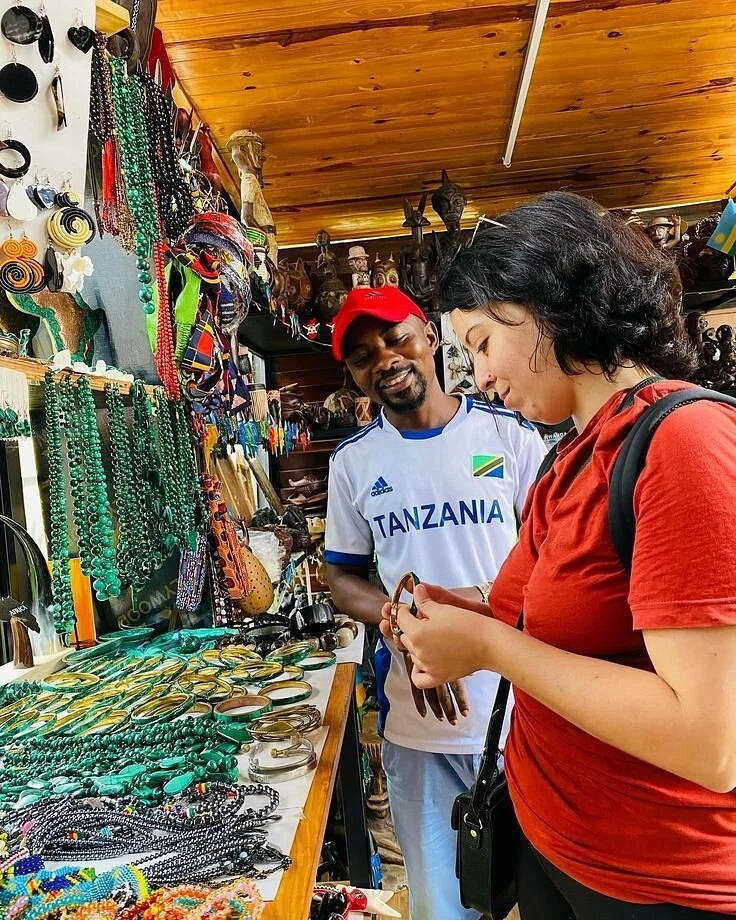
Maasai Market Arusha is a rewarding stop for travellers who want to explore crafts, meet sellers and choose a keepsake from Tanzania. Bright beadwork, cloth, carved figures and painted scenes invite you to slow down. A good visit gives you time to look closely, ask questions and enjoy the small details.
You may come for a gift and leave with a story about how it was made. You may find a cloth you will use for years, a painting that recalls your trip or a simple bracelet chosen with care. The best purchase is one that suits your taste, budget and luggage.
This guide explains what to look for, how to compare quality and how to shop with confidence. It also covers planning, payments, photo etiquette and ways to combine the visit with a Tanzania safari. There are 20 useful FAQs at the bottom.
What is Maasai Market Arusha?
Maasai Market Arusha is a craft and curio shopping stop in the city. It offers a chance to browse several sellers and compare items in one visit.
the Mt Meru Curios and Crafts Market as a place popularly called the Maasai Market. Its guide describes a range of souvenirs, including beadwork, cloth, carvings and paintings.
The market name does not mean that every seller is Maasai or that every object comes from a Maasai maker. Treat each item as a separate purchase with its own source. Ask who made it, where it was made and which parts were done by hand.
A market can bring together makers, traders and resellers. Each has a different role. A trader may know the maker well, while another may have bought stock through a supplier. Clear answers help you choose what matters to you.
Enjoy the place as a working market. Sellers are there to do business, and visitors can browse without buying. A warm greeting and a clear, polite reply make the exchange easier for both sides.
Where is the market, and how do you get there?
Plan your visit as an Arusha city stop and confirm the exact entrance with your guide or hotel. Use the full market name when arranging transport.
Ask your driver to confirm the Mt Meru Curios and Crafts Market, popularly known as the Maasai Market. This helps avoid confusion with another craft shop, a Maasai community visit or a general city market.
Confirm the pickup point for the return trip too. If you plan to browse on your own, agree on a meeting place and a time before leaving the vehicle. Share the plan with everyone in your group.
Choose transport that fits your day. A pre-arranged transfer can be useful with children, luggage or a tight schedule. A guided city outing may suit guests who want more context and several stops.
Ask whether the transport quote includes waiting time and parking. Check what happens if you stay longer than planned. Keep shopping time separate from the time needed to reach your next stop.
What can you look for at Maasai Market?
Browse with a short wish list, then leave room for a piece that catches your eye. Stock changes, so a photo in a travel guide is not a promise of availability.
Beadwork: bracelets, necklaces and other small gifts.
Cloth: wraps, patterned fabrics and items made from cloth.
Paintings: scenes and designs in a range of sizes.
Carvings: figures and decorative objects to inspect closely.
Practical gifts: bags, sandals or home items, when offered.
Start by looking rather than buying the first thing you see. Compare size, finish and materials. Two pieces that look alike from a distance may differ a lot when you check the stitching or the back of a clasp.
Think about use at home. Will you wear the necklace? Does the cloth fit the purpose you have in mind? Do you have a safe place for a fragile carving? A clear purpose helps you buy well.
Choose a few good pieces rather than fill a bag without a plan. Small items can still carry a strong memory of the trip. A gift becomes more thoughtful when you can explain why you chose it.
How do you choose good beadwork?
Look closely at the threads, joins and fastening. Ask about the maker and materials before judging a piece only by its colour or price.
Turn the item over with the seller's permission. Check whether the pattern stays neat at the edges. Look for loose threads, gaps or beads that move more than they should. Open and close the clasp gently.
Try the fit if the seller invites you to. A bracelet that feels tight at the market may be hard to wear at home. A necklace should sit comfortably and suit the way you plan to use it.
Ask how to care for the piece. Can it get wet? Should it be kept away from perfume? Is a repair possible if a thread breaks? These questions can reveal how much the seller knows about the work.
For more context, Sidai Designs' Arusha centre describes visits with Maasai beadwork artisans and a bookable beading workshop. It is a separate destination from the market. A planned workshop can add depth if you want to learn a skill as well as buy a gift.
Do not assume one fixed meaning for each bead colour across all pieces. Ask the maker about the design you are holding. Some work follows a shared tradition, while another piece may reflect a personal or modern design choice.
How do you shop for cloth and wraps?
Check the fabric, size, finish and intended use. Ask the seller to explain the name of the cloth rather than treat all patterned textiles as the same thing.
Open the fabric enough to see the full design. Check the corners and edges. Look for small holes, marks or uneven printing. Hold the cloth in natural light if possible, without blocking the aisle.
Ask about fibre content and washing. A seller may have a label or supplier details, but do not assume that every item is cotton or handwoven. The answer matters if you want a cool wrap, a table cover or a piece for sewing.
If a cloth has printed words, ask what they mean. Confirm the translation before choosing it as a gift. This can start a thoughtful conversation and help you pick a design with a message you like.
Check measurements rather than rely on the word “large”. A cloth that works as a scarf may be too small for the use you had in mind. For sewn items, check the seams, zip, lining and strap attachment.
Keep the first wash gentle until you know how the colours behave. Ask for care advice at the time of purchase. Save a label or note so you can follow it later.
What should you check before buying a painting?
Choose a painting for its subject and craft, then check its condition and travel needs. Ask whether it is an original work, a print or a repeated design.
Look at the surface in good light. Check for cracks, tears, rubbing or damp marks. Ask whether the paint is fully dry. A fresh painting may need more care than a piece that has cured.
Ask for the artist's name and where the work was made. A signature can be useful, but it is not proof on its own. If the work is a print, ask how it was produced and whether more copies exist.
Consider the frame and canvas separately. A large frame can add weight and make packing difficult. Ask whether the work can be safely rolled or whether it must remain flat. Let the seller explain the best method for that material.
Do not remove a canvas from its frame yourself at the stall. Ask for help from someone who knows the piece. Save any artist details and the receipt with the work.
If you want a major art purchase, give it more time than a quick market stop. Compare the work, documentation and packing arrangements. A calm second look can prevent a choice made under time pressure.
How do you assess carvings and other craft gifts?
Check the material, finish and weak points. Ask about the maker and any care or travel requirements before agreeing on a price.
Inspect thin parts such as tails, ears or handles. Look for cracks around joins and at the base. Make sure the item stands as intended. A piece that rocks on a flat surface may be hard to display.
Ask what it is made from. A dark finish alone does not identify a wood species. If a seller uses a specific material name, ask how they know. Avoid buying an item whose material or origin remains unclear.
For baskets and bags, check handles and load-bearing seams. A gift can look good but fail when used. For sandals, inspect straps and soles, and try both shoes if this is allowed.
Ask before bending, tapping or scratching an item to test it. Simple checks should not damage a seller's stock. If you need more detail, request an explanation rather than perform a rough test.
Choose a size that fits your luggage. A compact carving with a strong shape may travel better than a large piece with thin details. Fragile items need room for padding, not just room for the item itself.
How can you tell whether an item is handmade?
Ask about the process and maker, then inspect the work. A label such as “handmade” can cover different stages, so seek a clear explanation.
Who made this piece?
Where was it made?
Which steps were done by hand?
Are the materials bought in or locally produced?
Can you explain the stitching, carving or painting process?
Is this one piece, or part of a repeated range?
Small differences can be part of handwork, but flaws alone do not prove an item is handmade. Neat work can be handmade too. Look for a clear story backed by a process the seller can explain.
Buying from a reseller is not automatically a poor choice. A trader may provide access to work from a maker who lives elsewhere. What matters is that the description is honest and the product suits you.
If meeting the maker is your priority, say so before your city outing. Your planner can look for an appropriate workshop visit. Do not assume that every market seller can arrange access to a maker on the day.
How do you bargain politely at Maasai Market?
Ask whether the price is open to discussion, make a fair offer and keep the exchange friendly. You do not need a fixed percentage rule.
Start with a greeting and a genuine look at the item. Ask the price in a clear currency. If you would like to buy, explain your budget and ask whether the seller can offer a price within it.
Compare similar work before deciding what is fair to you. Check the size and finish as well as the price. A carefully made piece may cost more than a simpler one, even if the designs look alike.
Do not use insults or claims about a seller's need for money to force a lower price. You can decline with a smile. The seller can also decline your offer. A good exchange leaves both people free to choose.
For several items, ask for a combined total. Make sure it covers the exact pieces you selected and any packing. Confirm the final sum before handing over money.
Once you accept a price, honour the agreement. Keep bargaining separate from a decision you have already made. If the final price is above your budget, say so before you agree.
What should you budget for the visit?
Set a spending limit before you browse, and leave room for transport and packing. There is no single price list for all market crafts.
Divide your budget into three parts: the visit, the gifts and the travel costs of taking them home. The visit may include transport and a guide. Gifts include the items themselves. Travel costs may include extra packing, shipping or baggage.
Choose which item matters most to you. If you want one good painting, keep part of the budget for it rather than spend everything on smaller gifts first. For a group of friends, set a similar limit per gift to keep decisions simple.
Ask whether your city tour has any separate charges and whether shopping stops are optional. Your guide should explain what is included before the outing. Purchases should remain your own choice.
A price in another traveller's old blog may not reflect current work or materials. Use those figures only as rough background. Ask today's seller for the actual price of the piece you are considering.
Keep a short note of purchases during the visit. This helps you stay within your limit and remember which gift goes to whom. It also makes it easier to pack and declare items later.
Should you pay in cash or by card?
Carry a modest amount of Tanzanian shillings in smaller notes for a practical market visit. Ask each seller which payment methods they accept.
Do not assume that every stall can take a card or arrange change for a large note. A terminal at one business tells you nothing about another. Confirm the method before agreeing to buy.
The Bank of Tanzania's June 2025 clarification allows foreign-currency payments between residents and non-residents, including tourists. For small market purchases, using shillings can still make the agreed total and change easier to follow. Confirm the currency and rate if another currency is offered.
Use a bank or authorised exchange service when you need local cash. Ask about fees and count the amount before leaving. Avoid turning a busy stall visit into a last-minute search for money.
Check a card terminal's amount and currency before entering your PIN. Keep the card in sight and retain the payment record. If you use another digital method, confirm the recipient and total before sending.
Count cash and change calmly. Ask for a receipt, especially for a larger purchase. A receipt should describe the item well enough to connect it with the payment.
When should you visit, and how long should you allow?
Choose a time when you can browse without rushing. Confirm current opening arrangements locally, and allow extra time for travel through the city.
A morning visit may fit well before lunch or a relaxed afternoon. A later stop can suit guests who prefer to rest after arrival. Neither time guarantees quieter aisles or a wider choice of stock.
For a first look, consider planning about one to two hours of browsing as a flexible allowance. Add transport, breaks and any extra stops separately. This is a suggested pace, rather than an official visit length.
If you have a flight the same day, work backwards from the required airport arrival. Arusha Airport and Kilimanjaro International Airport are different places. Make sure your driver plans for the one on your ticket.
Do not use spare minutes before a flight to make a major purchase that needs packing or paperwork. Give large art pieces and gemstones their own planned shopping time.
Rain can affect comfort and the route between shops and your vehicle. Bring a light layer when needed and protect bags from wet ground. Check local conditions on the day.
A relaxed sample plan for your market visit
A simple route through the market helps you enjoy the choice without losing track of your time or budget. Adapt this outline to your group.
Before arrival: confirm the entrance, return pickup, available time and spending limit.
First look: browse a few stalls and note the items you like.
Closer questions: ask about makers, materials, size and care.
Compare: check similar pieces without rushing into a decision.
Choose: agree on the price and payment method for the exact item.
Pack: check the purchase, request a receipt and protect it for travel.
Finish: meet your driver at the agreed point and take a break.
If you want to return to a stall, ask how to find it again. Note the seller's business name or a clear landmark. Ask before taking a picture of stock as a reminder.
Leave room for conversation. A short question about how a bag is sewn or a pattern is chosen can add meaning to the gift. Respect a seller who is busy with another customer.
How can you photograph the market respectfully?
Ask before photographing people, stalls or craft displays. A purchase does not automatically give permission to make a portrait or a video.
Explain what you would like to capture. A wide shot of a display, a close view of a piece and a portrait of the seller are different requests. Let the person choose what they are comfortable with.
For children, seek permission from a parent or guardian and respect the child's wishes. Avoid offering a gift or money to make a child pose. Keep the camera down when consent is unclear.
Tell the seller if you plan to share the image online or use it for a business. A private holiday photo has a different reach from a public advert. Ask about that use before recording.
Do not block an aisle or move stock to stage a picture without permission. Keep photos brief when people need to work. A polite refusal should end the request.
How do purchases support local work?
Buying a well-made item can support the seller and people in its supply chain. The exact benefit depends on who made it and how it was traded.
Ask which parts of the work are done locally and whether the seller knows the maker. If you buy from a maker, ask what time and skills the piece required. If you buy from a trader, ask how they source their stock.
Do not assume that every sale directly funds a family, a community project or the preservation of a tradition. Those are specific claims. A seller should be able to explain a named project or contribution if it forms part of the price.
Fair shopping starts with an honest description and an agreed payment. You do not need to seek the lowest possible price to enjoy the market. Choose work you value at a price you can afford.
For gifts, pass on the information you learned with the maker's permission. A small note about the material or process makes the item more personal. Avoid adding a story you were not told.
What should you know before buying tanzanite?
Give gemstone purchases extra time and use a seller who can explain licensing, identity and paperwork. The market setting alone cannot prove that a stone is genuine.
Ask for a clear invoice describing the stone, weight, any treatment and the metal used in a setting. Clarify what any certificate covers and who issued it. Do not rely on colour, a torch test or a verbal promise alone.
The Tanzania Mining Commission's export guidance lists permits for minerals and a certificate of origin for tanzanite. Requirements depend on the transaction and status of the buyer. Check the current process with the Commission and a licensed seller before paying.
A shop receipt is not automatically the export paperwork you need. Ask who arranges the documents, how long it takes and which fees are included. Confirm the rules at your destination as well.
If you are considering a high-value stone, plan a separate visit to an established gemstone specialist. Give yourself time to compare documentation and seek an independent assessment where appropriate. Avoid a rushed purchase just before departure.
Which materials need extra checks before travel?
Check the source and travel rules for items made from animal or plant materials. Choose a different gift when the material or paperwork is unclear.
CITES guidance for travellers explains that wildlife rules can affect souvenirs. Availability in a shop does not by itself make an item lawful to export or bring home. Avoid ivory and other wildlife parts as holiday purchases.
For wood, seeds, woven plant material and leather, check your destination's customs and biosecurity guidance. The rule can depend on species, processing and origin. Ask the seller to identify the material rather than guess from its appearance.
Keep receipts and any required certificates together. Do not hide an item or describe it incorrectly at a border. If you cannot establish what it is, a cloth or bead gift with clear materials may be easier to assess.
These checks are best done before you shop for such items. Your guide can help you ask questions, but should not promise entry into another country on behalf of that country's authorities.
How should you pack your market purchases?
Protect each item according to its shape and material. Check baggage space and limits before buying something large or fragile.
Wrap beadwork so threads and clasps do not snag. Keep small gifts in separate pouches or soft cloth. Label them if several look alike, and store receipts in one place.
Use padding around carvings, especially thin points. Keep pressure off handles and projecting parts. A bag that fits the whole item may still be too small to protect it.
For paintings, follow advice suited to the actual surface. A rolled canvas and a framed piece need different packing. Confirm whether the airline can accept the packed size before you commit to a large work.
Ask about baggage limits on every flight in your itinerary. A small safari aircraft may have different limits from your international flight. Check the airline's current policy for your ticket and route.
If shipping is offered, ask for a written quote with packing, carrier, tracking and delivery terms. Find out who handles export documents and possible import charges. Do not assume that “we can ship” covers every cost.
What nearby experiences can add depth to the day?
Choose one extra stop that matches your interests and available time. A workshop or gallery can complement the market when you keep enough time for both.
The Cultural Heritage Centre's visitor page describes galleries, workshops and craft collections on Dodoma Road. It is a separate venue from Maasai Market. Check current hours, guided options and any fees directly before planning the stop.
Shanga's visitor information describes workshop tours, activities and shopping at Arusha Coffee Lodge. It can suit guests who want to see a making process. Ask about the activity you want and book tailored or group visits ahead.
Sidai Designs offers a separate beadwork-focused centre and workshop experience. Check dates and space before adding a class. A booked activity may need more time than a quick shop visit.
A lunch break can make a city outing feel less hurried. Choose a place along the actual route rather than across town. Ask the planner to include travel and meal time in the schedule.
How can Maasai Market fit a Tanzania safari?
Place the market on an Arusha day with enough time to browse and pack. It can work before or after a safari, depending on your route.
Before safari, you may have more time to explore the city after a rest night. Keep purchases small if they must travel with you for several days. Ask your hotel about secure storage if you will return there.
After safari, you may know exactly which scenes and colours you want to remember. Leave time for packing and paperwork. Avoid using a long return drive as the only buffer before an evening flight.
For a northern itinerary, discuss the stop alongside Tarangire, Lake Manyara, Ngorongoro or the Serengeti. The order should follow your lodge locations and park plans. The market does not need to compete with a full wildlife day.
For a Kilimanjaro trip, plan shopping around rest and transfers. A tired traveller may enjoy a shorter browse and a meal. Confirm luggage storage and the airport plan before adding extra stops.
Can families and guests with mobility needs enjoy the visit?
Plan around the actual aisles, walking distance and comfort needs of your group. Ask your guide for current access details rather than assume that every stall is easy to reach.
With children, keep the outing short enough to stay enjoyable. Agree on a small gift budget if they will choose something. Ask them to look before touching, and stay together in busy areas.
For guests with limited mobility, check the route from the vehicle, surface, steps and rest options. Ask whether a shorter visit or an alternative venue would suit better. Share specific needs before confirming transport.
Carry water and plan a break. Ask about toilets ahead of time so the group knows where to go. Your guide can help adjust the route if someone becomes tired.
A good city outing gives everyone a clear choice. Guests who prefer to skip shopping can discuss a suitable alternative in advance. Keep purchases optional and respect different interests within the group.
Plan your Maasai Market visit with TanzaLux Safaris
Ask TanzaLux Safaris to include a relaxed market stop within your Arusha plans. Share your interests, available time and any needs that affect the visit.
Tell your planner whether you want beadwork, cloth, art or a general browse. Request clear transport details, optional stops and a realistic return time. If meeting makers matters to you, ask about a separate workshop arrangement.
A well-chosen keepsake can hold the colours and memories of your trip long after you return home. Take time to choose it, learn what you can about it and enjoy the exchange that comes with the purchase.
20 frequently asked questions about Maasai Market Arusha
These answers cover the main choices for a relaxed shopping visit. Confirm opening arrangements, transport and any extra activities for your own dates.
1. What is Maasai Market Arusha?
Maasai Market Arusha is a craft and curio shopping stop where visitors can browse several sellers. It is also known as the Mt Meru Curios and Crafts Market. Ask about each item's maker and materials as you explore.
2. How do I find Maasai Market?
Ask your guide or hotel to confirm the exact entrance for the Mt Meru Curios and Crafts Market in Arusha. Use both names when arranging a ride. Agree on a clear pickup point for the return trip.
3. What can I buy at Maasai Market?
Look for beadwork, cloth, paintings, carvings and other gifts that suit your taste. Stock varies by seller and date. Check the piece in front of you rather than assume an item seen online will be available.
4. Is everything at Maasai Market handmade?
Do not assume so. Ask who made the item and which steps were done by hand. A market can include makers, traders and resellers. An honest description helps you choose the kind of work you want.
5. Are all sellers at Maasai Market Maasai?
The market name does not establish the identity of every seller or maker. Ask about the source of a piece when this matters to you. Avoid using the name as proof of origin.
6. What are Maasai Market's opening hours?
Confirm current hours with your hotel or guide before departure. Stall activity and local arrangements can change. Plan with enough time to browse, and avoid relying on an old online timetable.
7. When is a good time to visit Maasai Market?
Choose a time that leaves you free to browse without rushing. Morning or afternoon can work with a suitable route. Neither guarantees a quiet visit or specific stock, so base the choice on your day's plans.
8. How long should I allow at Maasai Market?
About one to two hours can be a useful browsing allowance for a first visit. Add transport and breaks separately. Allow more time if you want to compare art, discuss makers or arrange careful packing.
9. Can I bargain at Maasai Market?
Ask whether the price is open to discussion. Make a fair offer and accept the seller's choice. There is no need to use a fixed discount rule or push for a price below what you have agreed.
10. How much should I spend at Maasai Market?
Set your own limit based on the gifts you want and their quality. Keep transport, packing and baggage costs in mind. Compare similar pieces and ask for the full total before buying several items.
11. Should I bring cash to Maasai Market?
A modest amount of Tanzanian shillings in smaller notes can be useful. Confirm the currency and total with each seller. Count your payment and change calmly, and keep larger cash reserves secure.
12. Can I pay by card at Maasai Market?
Ask each seller before agreeing to buy. Card access may differ between businesses. If a card payment is offered, check the amount and currency on the terminal and keep the payment record.
13. Can I buy tanzanite at Maasai Market?
Do not treat a market stall as proof of a stone's identity. Use a licensed seller, ask for clear documentation and check export requirements before payment. Plan high-value gemstone shopping as a separate, unhurried visit.
14. How do I choose good beadwork at Maasai Market?
Check the threads, edges, joins and clasp. Try the fit if invited, and ask about the maker and care. Neat handwork can be very consistent, so small flaws alone are not proof that a piece is handmade.
15. Can I take photos at Maasai Market?
Ask before photographing people, stalls or displays. Explain whether you plan to share the image. Accept a refusal, avoid blocking work and seek separate consent for video or commercial use.
16. Does shopping at Maasai Market support local makers?
A purchase can support the seller and people who supplied the work. Ask how the item was sourced and who made it. Check specific claims about community projects rather than assume every sale includes a donation.
17. Is Maasai Market suitable for families?
A short visit with a clear budget and breaks can suit many families. Keep children close in busy areas and ask them to look before touching. Discuss transport, facilities and any mobility needs with the guide ahead of time.
18. How do I take Maasai Market purchases home?
Pack each item for its material and shape, and check all flight baggage limits. Keep receipts and any required documents. Check destination rules for animal or plant materials before buying them.
19. Is Maasai Market the Cultural Heritage Centre?
No. They are separate stops. The Cultural Heritage Centre offers galleries, workshops and collections on Dodoma Road. Confirm current arrangements directly if you want to include both places in one city outing.
20. Can TanzaLux Safaris include Maasai Market in my trip?
Ask TanzaLux Safaris for an Arusha plan based on your dates, available time and shopping interests. Request transport details, a return time and optional nearby stops. Tell the planner if you would also like a booked workshop.

.jpg?alt=media&token=7317eb9e-c84b-4bd1-aacb-5bbedfcd139d)
.jpg?alt=media&token=b6df5c2a-91ec-416b-b737-08e7017b55c1)
Ready to start planning?
Tell us your dates and what you're after — no obligation.