5.0 Excellent
Lake Natron Tanzania: A Journey to Africa’s Most Unique Natural Wonder
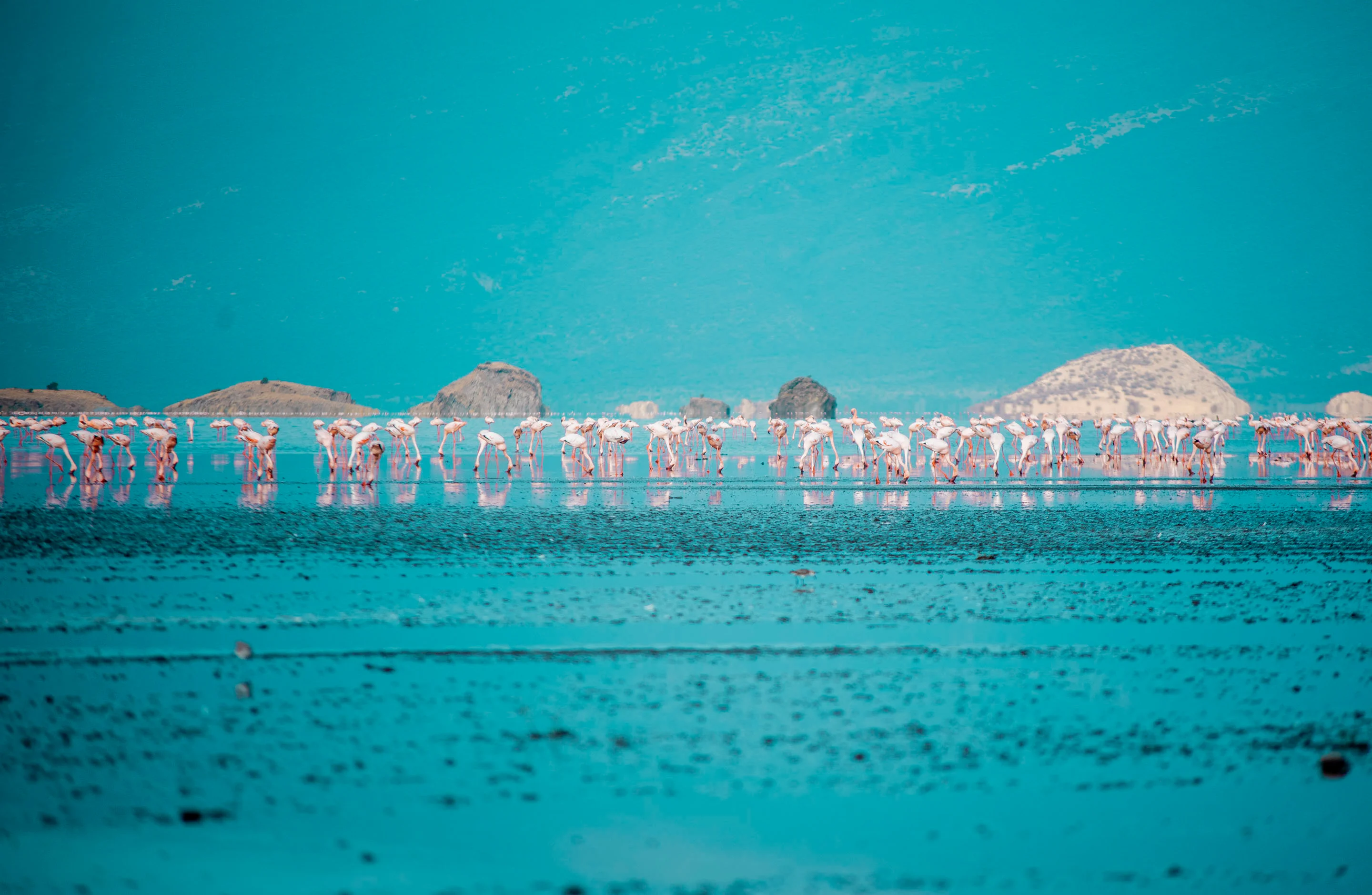
Lake Natron Tanzania offers a striking change from a classic game-drive safari. The appeal is the landscape: open space, a shallow soda lake, distant flamingos, and volcanic slopes. Plan for heat, rough roads, and time outdoors.
A good visit is not about collecting every activity in one day. It is about choosing the right pace, a suitable base, and local guides who understand current conditions. This guide covers the main sights, a sample stay, packing, costs, and 20 practical FAQs.
Where is Lake Natron?
The lake lies in northern Tanzania near the Kenyan border, in the eastern branch of the Great Rift Valley. Many visitor activities are arranged around Engare Sero at its southern end.
This is a different place from Ngare Sero near Arusha and its lodge or forest outings. Similar names can cause confusion. Use the lake name, the camp name, and the exact pickup point when booking.
Do not treat the lake as a short city excursion. Your route and overnight stops need careful planning. The choice of road, recent rain, and the location of your next camp can change the journey.
Why is Lake Natron important?
It is a wetland of major importance for lesser flamingos. The basin is also a landscape where water, wildlife, pastoral livelihoods, and tourism are closely linked.
The Convention on Wetlands records the basin's Ramsar designation from 4 July 2001. Its importance is not measured only by what a visitor can see from the shore.
The Key Biodiversity Areas profile identifies the lake as a highly significant regular breeding site for lesser flamingos. This is a reason to protect sensitive areas, not a reason to seek close access to nests.
Why can the lake look red or pink?
The lake's appearance changes with water levels, salt, light, and salt-loving microorganisms. It is not a permanent sheet of bright red water.
Water drains into a closed basin, where evaporation helps concentrate salts. Shallow water and exposed surfaces create patterns that may look very different from one viewpoint to another. A ground-level view may not resemble a photograph taken from the air.
Keep expectations flexible. You may see pale flats, muted water, a dark mountain outline, or strong colour in one area. Choose the trip for the whole setting, not a promise that it will match one edited image.
What should you expect from flamingo viewing?
Expect wildlife watching at a respectful distance, not close contact with nesting birds. Numbers and locations change, and no guide can promise a particular flock size.
Breeding and easy visitor viewing are not the same thing. Birds may use areas that are not suitable or permitted for tourist access. A report of breeding activity does not guarantee that you will see chicks from your route.
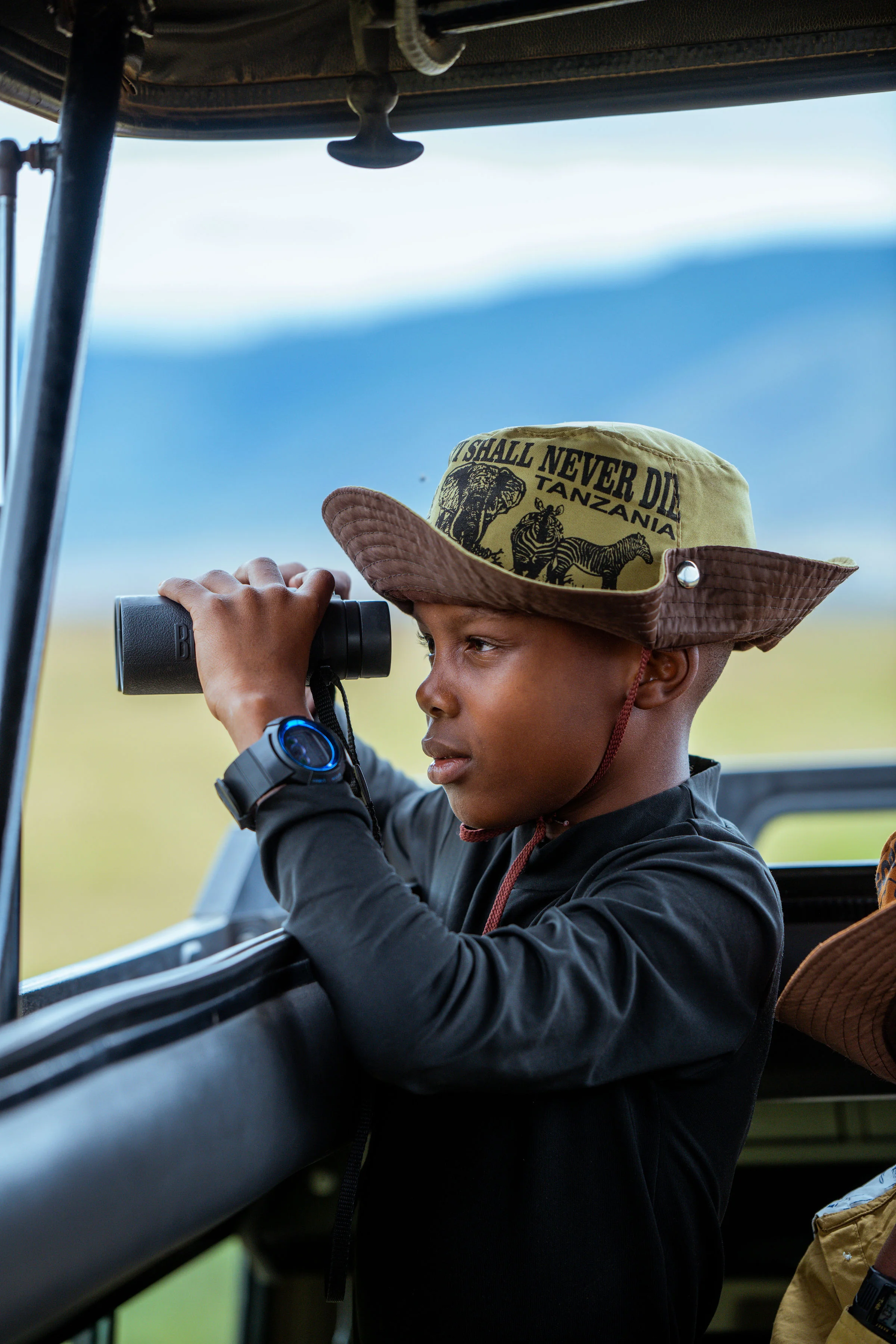
Bring binoculars and give the guide time to choose an appropriate viewing place. Do not approach a flock just to make it take flight. A quiet view of birds feeding can be more rewarding than a dramatic image caused by disturbance.
Is there a guaranteed flamingo season?
No fixed travel window guarantees breeding scenes or large flocks. Water conditions and food availability matter, and patterns can vary between years.
Ask your camp for recent observations close to departure. Treat them as useful context, not a promise. Avoid booking solely on a claim that millions of birds arrive on the same schedule every year.
What can you do at Lake Natron?
Choose activities that match your fitness and interests. A lake walk, a gorge outing, and a volcano climb are very different experiences.
Guided lake viewing: enjoy birds, light, and the wider landscape from suitable access points.
Engare Sero gorge: ask about a guided waterfall route and current water conditions.
Landscape photography: leave time for light and weather rather than rushing between stops.
Hosted community visit: arrange a visit with willing local hosts and clear terms.
Ol Doinyo Lengai: treat any climb as a separate, demanding plan subject to current access and hazards.
You can have a rewarding stay without doing all five. A quiet morning, a short guided outing, and a restful afternoon may suit you better than a full activity list.
How demanding is the Engare Sero waterfall walk?
It can involve rough ground, slippery rocks, and water crossings. Do not assume it is a simple path to a viewing platform.
The Tanzania tourism destination page describes walks to the Engare Sero gorge and its waterfalls. The route offered on your date depends on conditions and local advice.
Ask how much walking, wading, or scrambling the planned version involves. Explain any balance, knee, or mobility concerns before booking. If a water crossing is essential and you want to avoid it, ask for a different activity.
Do not enter a gorge during unsafe rain or rising-water conditions. Flooding can be caused by rain beyond the place where you are standing. Follow the guide's decision to turn back and never insist on reaching the waterfall.
Can you swim in Lake Natron?
Do not plan to swim or wade in the lake. Its highly saline, alkaline water is not a recreational swimming environment.
Wear suitable footwear on approved shore walks and follow local guidance. Avoid contact with the water and do not test the surface crust on your own. Keep children close and do not let pets or livestock concerns become a reason to enter unfamiliar water.
The nearby freshwater streams are a separate setting, but clear water is not proof of safety. The CDC Tanzania travel guidance identifies schistosomiasis risk in freshwater. Seek travel-health advice and do not assume a waterfall pool is safe for bathing.
What should you know about Ol Doinyo Lengai?
It is an active volcano, not a casual viewpoint hike. A climb needs separate planning, suitable fitness, expert local support, and a current assessment of access and conditions.
The Ngorongoro Lengai Geopark describes its unusual carbonatite lava. That geology makes the mountain distinctive, but it does not make the slopes or crater safe.
Do not read the mountain's lower height as a sign of an easy day. Steep ground, loose footing, darkness, heat, and the descent all demand care. Ask for the full route profile, gear list, start time, and turn-around plan.
Check current instructions with the operator and relevant local authorities. Online eruption records are not climbing clearance. If access or conditions are uncertain, enjoy the mountain from a distance and choose another activity.
Should you climb during a short stay?
Only if the schedule leaves time for preparation and recovery. Avoid placing a demanding climb between a long arrival drive and an early onward transfer.
Non-climbers should have a proper alternative plan. Do not make the entire group's holiday depend on one summit attempt. A view from camp or a guided landscape outing can be a highlight in its own right.
How many nights should you spend at Lake Natron?
Two nights can offer a useful balance for a first visit without a major climb. It gives you a full day between transfers and some choice over the pace.
One night can feel rushed if you arrive late and leave early. Add more time if you want long walks, a volcano attempt, or slow photography sessions. The right stay depends on the route, not a fixed rule for every visitor.
Ask what you would actually do on each day. Do not pay for an extra night without understanding its benefit, but do not save a night at the cost of spending most of the visit on the road.
What could a two-night itinerary look like?
This is a planning example, not a confirmed tour departure. Your guide should adapt the order to heat, weather, access, and the group's needs.
Day one: travel and settle in
Leave enough time for the drive and arrival formalities. Settle into camp, have a drink, and discuss the next day's options.
If time and conditions allow, choose a short late-day landscape outing. Do not force a long walk after a tiring journey. Use the evening briefing to agree on the next morning's start and the water you need to carry.
Day two: one main outing and time to rest
Start with a guided lake visit or another suitable activity. Plan around cooler hours where practical and leave the hottest part of the day less busy.
Later, choose a gorge outing or a hosted visit only if it suits conditions and energy levels. A full day does not need to mean constant movement. Build in time for meals, shade, and simple enjoyment of the setting.
Day three: onward travel
Have breakfast and leave with a clear route and arrival target. Check whether an early short activity is realistic before adding it.
Confirm fuel, food, water, and any fees needed on the journey. Avoid planning an important flight around an optimistic drive estimate. A remote road transfer needs a buffer.
How do you reach Lake Natron?
Road travel is a major part of the visit. Use a suitable vehicle and a driver who knows the planned route and recent conditions.
Ask for an estimate from your exact starting point, with stops included. A route from Arusha is not the same as one from another safari camp. Rain, road works, and rough sections can change travel time.
Check the vehicle's seat belts, luggage space, spare equipment, and communication plan. Do not assume reliable phone signal along the whole journey. Save key contacts and booking details offline.
Can you combine Lake Natron with the Serengeti or Ngorongoro?
Yes, but the route must be designed carefully. A connection on a map does not guarantee a quick or practical transfer.
Ask which access route and park entry points will be used. Confirm the location of your next camp, not just the park name. Entry arrangements, terrain, and the season can all affect the day.
Decide whether your main goal is wildlife drives, hiking, or varied scenery. Adding this stop may require more travel time or fewer nights elsewhere. It is better to make that trade-off openly than to hide it in a packed itinerary.
TanzaLux can discuss a wider plan through its trip enquiry page. Ask for drive days to be clearly separated from full activity days.
When is the best time to visit Lake Natron?
Choose dates based on road access, heat tolerance, and your main activity. There is no single month that guarantees every experience.
Drier conditions can make some journeys easier, while rain can alter roads, shore access, and gorge routes. Water levels also change the lake's appearance. Ask for recent local advice rather than relying only on a broad seasonal chart.
The area can feel very hot even when another stop on your safari is cool. Plan shade and breaks, carry enough drinking water, and avoid treating midday walking as essential. Tell the guide promptly if you feel unwell.
Where should you stay?
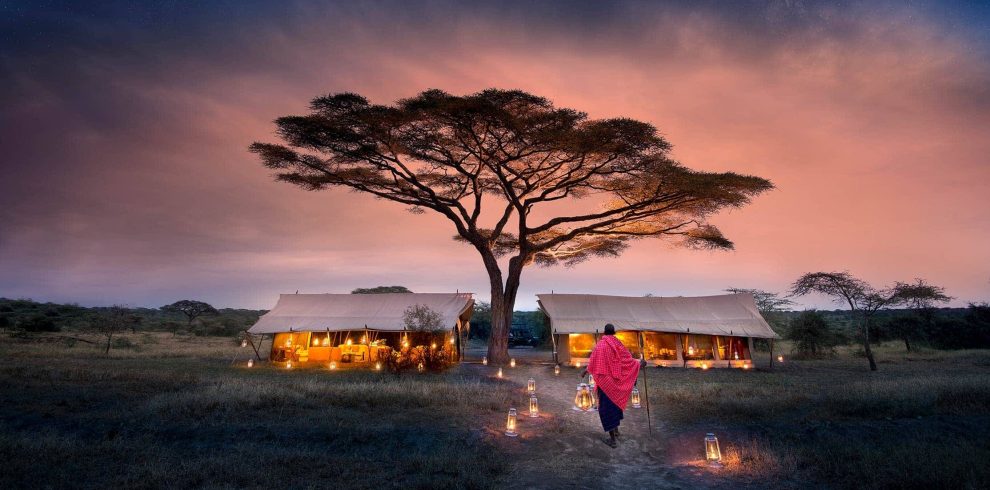
Choose accommodation by location, comfort needs, and the activities it can arrange. A beautiful photograph does not tell you how a camp handles heat, water, or power.
Ask about room shade, ventilation, bathrooms, meal times, and charging. Confirm family sleeping layouts and any steps or long paths between the room and dining area. Do not assume air conditioning or constant internet access.
How far is the camp from the planned activity start?
Which local guides and activities are included?
What drinking water is provided?
How are dietary needs handled?
What happens if rain changes the programme?
Are there any renovation or service limits during your dates?
Budget camps and more comfortable tented stays can suit different trips. Compare the actual services and total cost, not a luxury label alone.
What does a Lake Natron visit cost?
Request a dated quote for your route, group size, and chosen activities. This guide does not list an unverified current tariff or package price.
Costs may include transport, accommodation, meals, local access charges, activity fees, and guides. A volcano climb or extra transfer can be a separate item. Ask which charges are per person and which are shared by the group.
Check currency, taxes, payment methods, and cancellation terms. Keep some suitable cash for agreed local expenses, but ask the operator what is actually needed. Do not count tips or optional purchases as compulsory charges unless clearly stated.
What should you pack for Lake Natron?
Pack for sun, dust, uneven ground, and simple outdoor conditions. Choose useful items over a heavy bag of extras.
A wide-brimmed hat, sunglasses, and sunscreen.
Light clothing that covers skin from the sun.
Closed footwear with grip for the planned walks.
A reusable water bottle and the agreed drinking-water supply.
A small daypack, personal medicines, and insect repellent.
Binoculars and a camera protected from dust and spray.
A light layer for wind or cooler early hours.
A headlamp and spare power if your programme needs them.
A volcano climb requires its own gear list. Do not assume the kit for a lake walk is enough. Check insurance cover for your actual activities and location before travel.
Is Lake Natron suitable for families and less active travellers?
It can be, if the plan matches the group. Long transfers, heat, and rough paths deserve as much attention as the attractions.
Ask about shorter guided outings and the distance from vehicle to viewpoint. Do not assume step-free access. Share mobility needs, children's ages, and tolerance for long drives before selecting a camp.
Choose a comfortable base and a limited activity plan if rest matters most. A gorge walk or volcano climb should never be treated as compulsory. The landscape can be enjoyed without turning every day into an endurance test.
How can you visit responsibly?
Respect the wetland and the people who live around it. This is a working landscape with communities and livelihoods, not an empty stage for visitors.
Keep away from breeding areas and avoid actions that disturb birds. Stay with the guide on approved routes. Do not collect salt, rocks, fossils, or other natural objects as souvenirs.
Arrange community visits with willing hosts. Ask permission before taking photos, especially of people and homes. Check how fees benefit the hosts and avoid assuming that a dance or portrait is owed to you.
For photography, use distance and patience instead of pressure. Do not assume drones are allowed. Confirm all required permissions before bringing a drone into use, and never fly over wildlife to provoke movement.
Why plan Lake Natron with TanzaLux Safaris?
A joined-up itinerary helps balance long transfers, local activities, and time to rest. The aim is to fit the destination to your interests, not simply add another pin to a map.
Send TanzaLux your dates, starting point, group size, budget, and activity priorities. Explain whether you want birdwatching, photography, gentle walks, or a demanding climb. Ask for named accommodation and clear guide arrangements.
Review what is included and what remains optional. Confirm the route, current access, and weather alternatives before paying. No booking should promise a particular flock, lake colour, summit, or uninterrupted view.
Plan a journey that leaves room to observe, listen, and adapt. That is how this unusual destination becomes more than a quick photo stop.
Lake Natron: 20 frequently asked questions
These answers cover the main planning choices. Confirm changeable details with your operator and local guides before travel.
1. Where is Lake Natron?
It is in northern Tanzania near the Kenyan border, within the Rift Valley. Many visitor activities use Engare Sero as a base.
2. Why is it famous?
It is known for its soda-lake landscape, lesser flamingos, and nearby volcanic scenery. Its value as a breeding habitat is globally significant.
3. Is the lake always red?
No. Colour and surface patterns change with water, salts, microorganisms, light, and viewpoint. A photograph is not a reliable promise of what you will see.
4. Are flamingos guaranteed?
No specific number or viewing distance can be guaranteed. Ask about recent observations, carry binoculars, and accept that sensitive areas may be off limits.
5. Is there a fixed breeding season for visitors?
Do not rely on a fixed calendar promise. Conditions vary, and breeding activity does not mean visitors can approach nests or see chicks.
6. Can you swim in Lake Natron?
No recreational swimming is recommended. Avoid entering its saline, alkaline water. Follow local guidance and enjoy the setting from approved areas.
7. Are the waterfall pools automatically safe?
No. Slippery rocks, changing flows, and freshwater health risks still matter. Seek travel-health advice and do not judge water safety by its clarity.
8. How hard is the gorge walk?
Some routes involve wading, scrambling, or slippery ground. Ask for the current route details. Choose another outing if the terrain or water crossings do not suit you.
9. Can anyone climb Ol Doinyo Lengai?
No. It is a demanding climb on an active volcano. Fitness, current access, conditions, suitable gear, and specialist local support must all be considered.
10. Is a volcano summit guaranteed?
No. Weather, volcanic hazards, access restrictions, or the group's condition may stop a climb. Agree on an alternative and a turn-around plan.
11. How many nights should I book?
Two nights is a useful starting point for a general visit. Add time for a climb or slower activities, especially if transfers are long.
12. Can I make it a quick Arusha day trip?
It is better planned as an overnight journey for most visitors. Ask for realistic road times before considering a same-day return.
13. Can it fit between safari parks?
Yes, if the route, entry points, and camp locations work. Have the operator explain the road days and any extra fees or lost game-drive time.
14. What is the best month to go?
Choose around your activities and current access, not a universal best month. Discuss heat, rainfall, road conditions, and recent bird reports.
15. Is it a Big Five destination?
Do not choose it for a classic Big Five checklist. The main appeal is the lake, birds, geology, guided walks, and local context.
16. Can children visit?
Families can consider a carefully paced stay. Check heat, drive length, camp facilities, and walk suitability. Keep children close near water and rough ground.
17. Do I need a local guide?
Arrange local guiding for the planned activities and confirm any access requirements. Do not explore the shore, gorge, or volcano independently on assumptions.
18. What costs should I check?
Confirm transport, rooms, meals, guides, local charges, and activity fees. Ask about optional climbs, tips, payment methods, and cancellation terms.
19. Is Ngare Sero near Arusha the same place?
No. Similar names refer to different places. Specify Engare Sero at Lake Natron and name your camp when arranging this trip.
20. How do I request a TanzaLux itinerary?
Send your dates, group needs, budget, and main interests. Ask for a written route, named camp, included activities, and realistic transfer plan before confirming.
Ready to start planning?
Tell us your dates and what you're after — no obligation.